
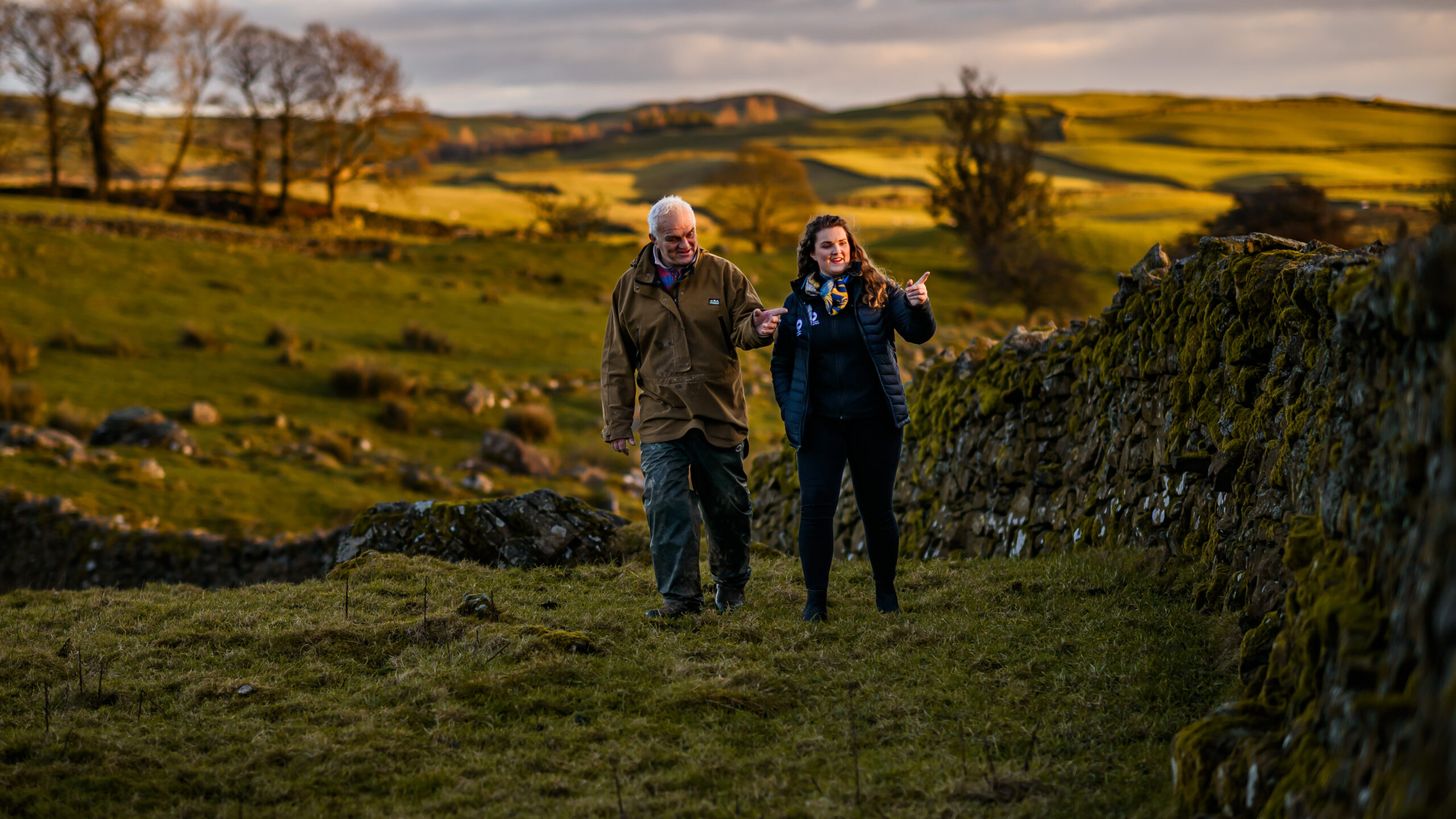
What can it do and who is it for?
Eligibility
Farming in Protected Landscapes is open to farmers and land managers within the Lake District National Park, as well as those whose projects clearly benefit the National Park and support its objectives. All projects need to be relevant to at least one of the Defra themes of nature, climate, people and place, see the GOV.UK webpage for getting FiPL funding for more information. If you have an idea for a project that delivers positive outcomes for one of the Defra themes, you may be eligible to apply.
Please note, single year projects must be able to be fully delivered and paid for by 31 March 2029.
Lake District National Park priorities
In addition, to be able to receive Farming in Protected Landscapes grant funding you will need to demonstrate that your project contributes towards the Lake District National Park’s priorities. For more information on our priorities, see our current Partnership Plan 2026-2031. We encourage you to get in touch and talk to the team so we can help you to shape your application to achieve greatest benefits for you and the Park.
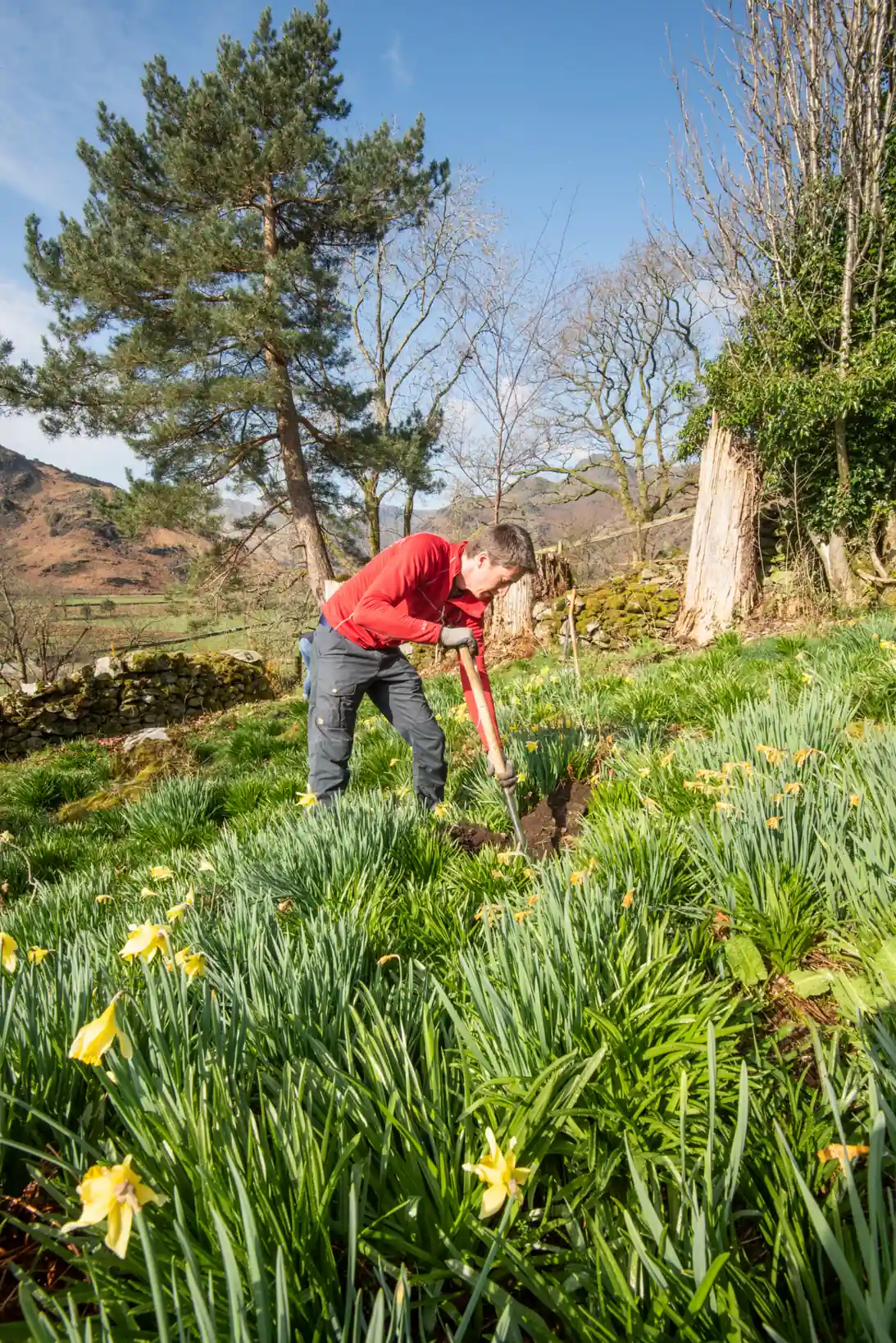
Nature
Defra Farming in Protected Landscapes theme
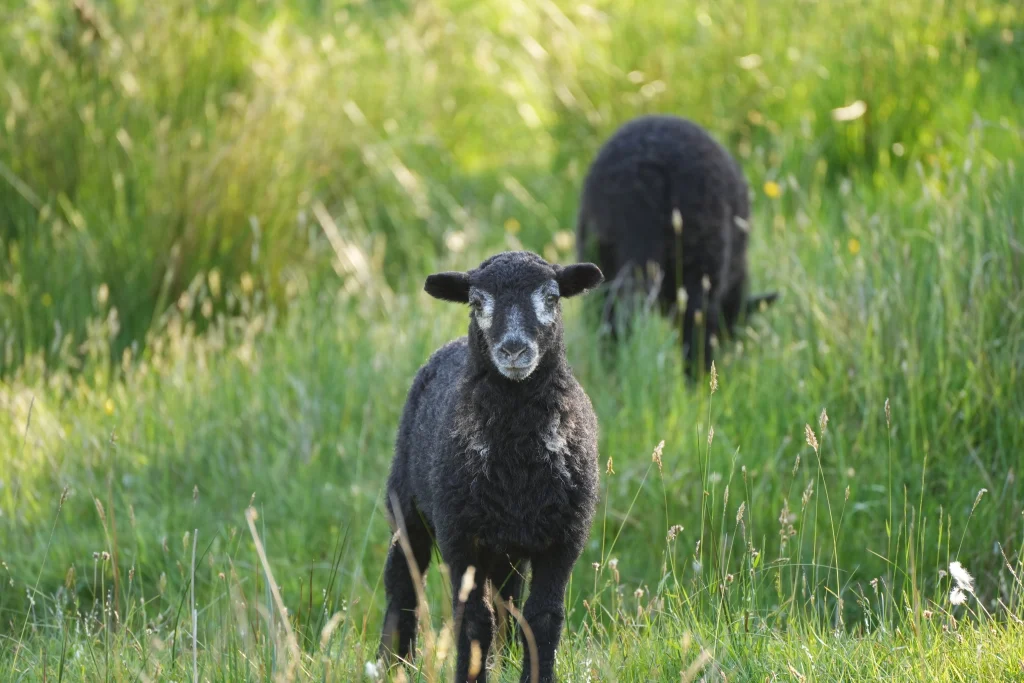
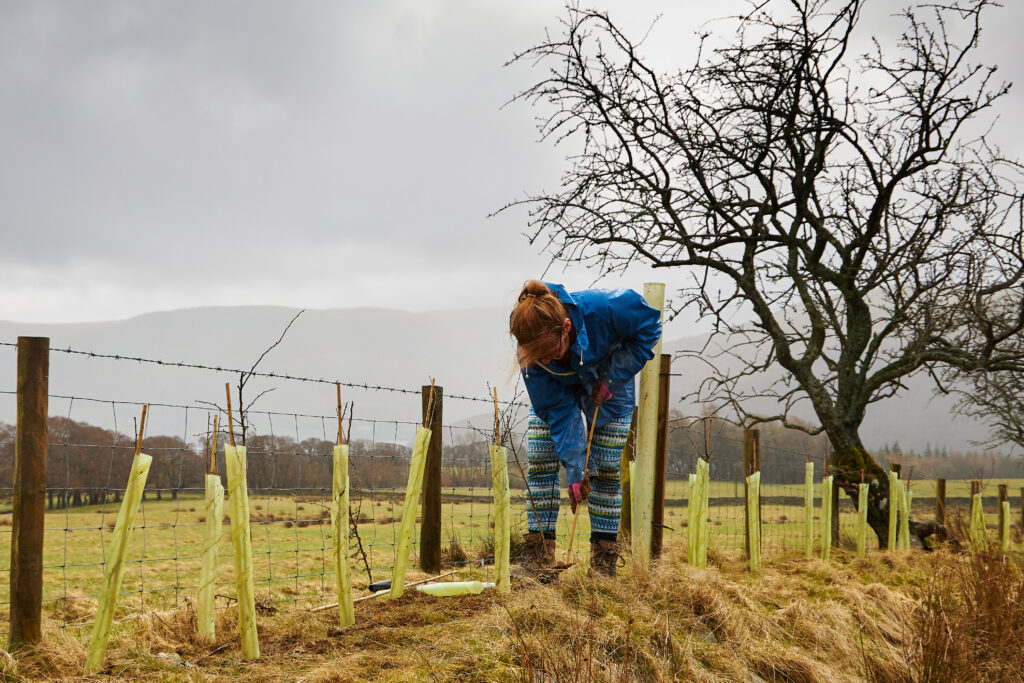
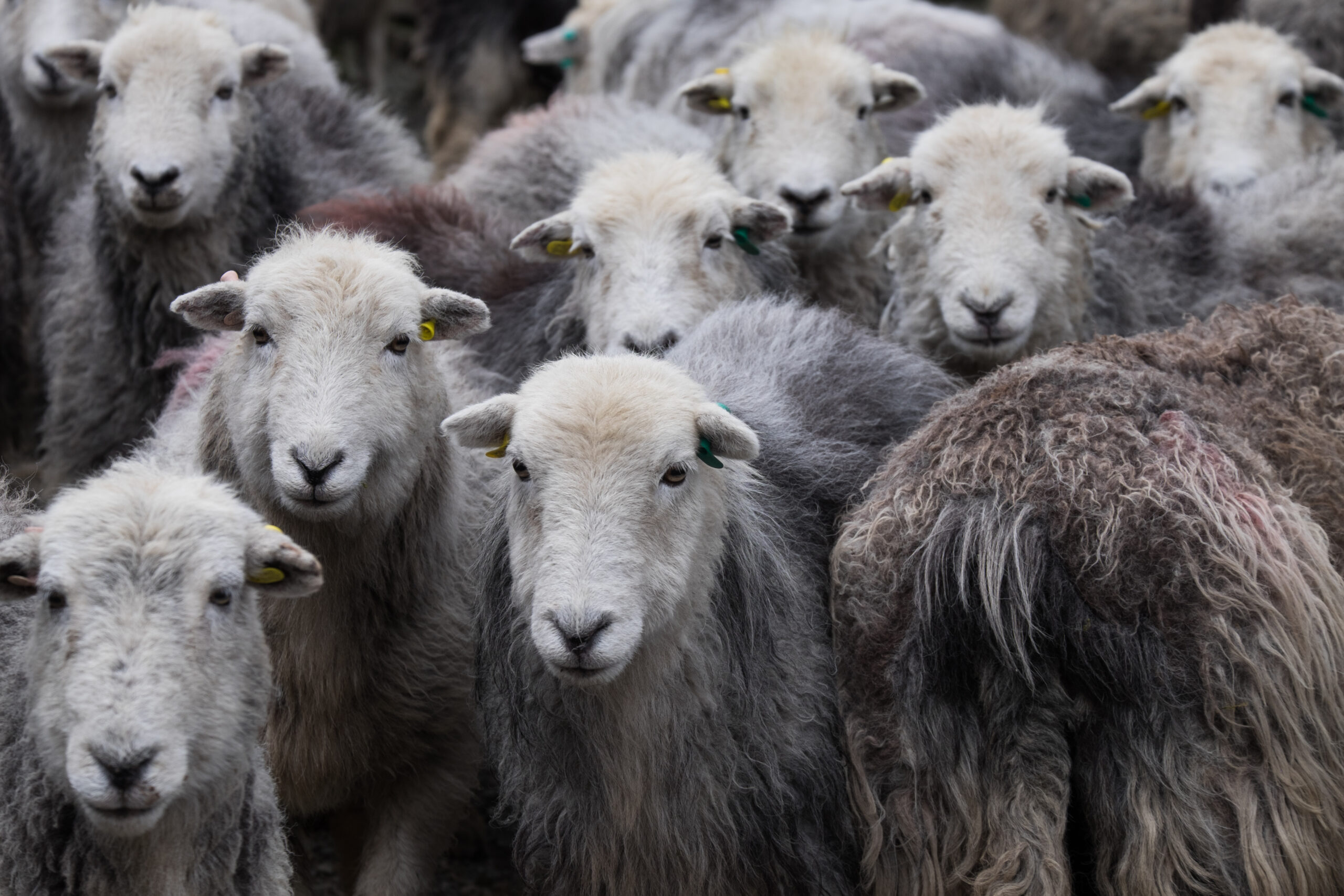
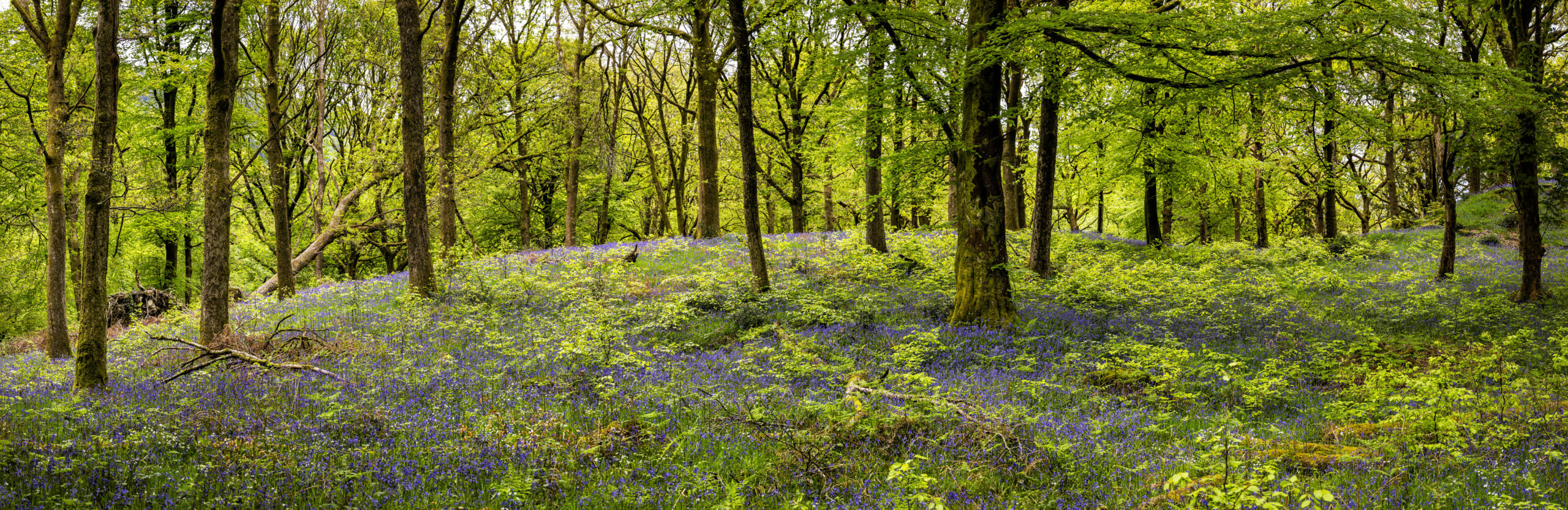
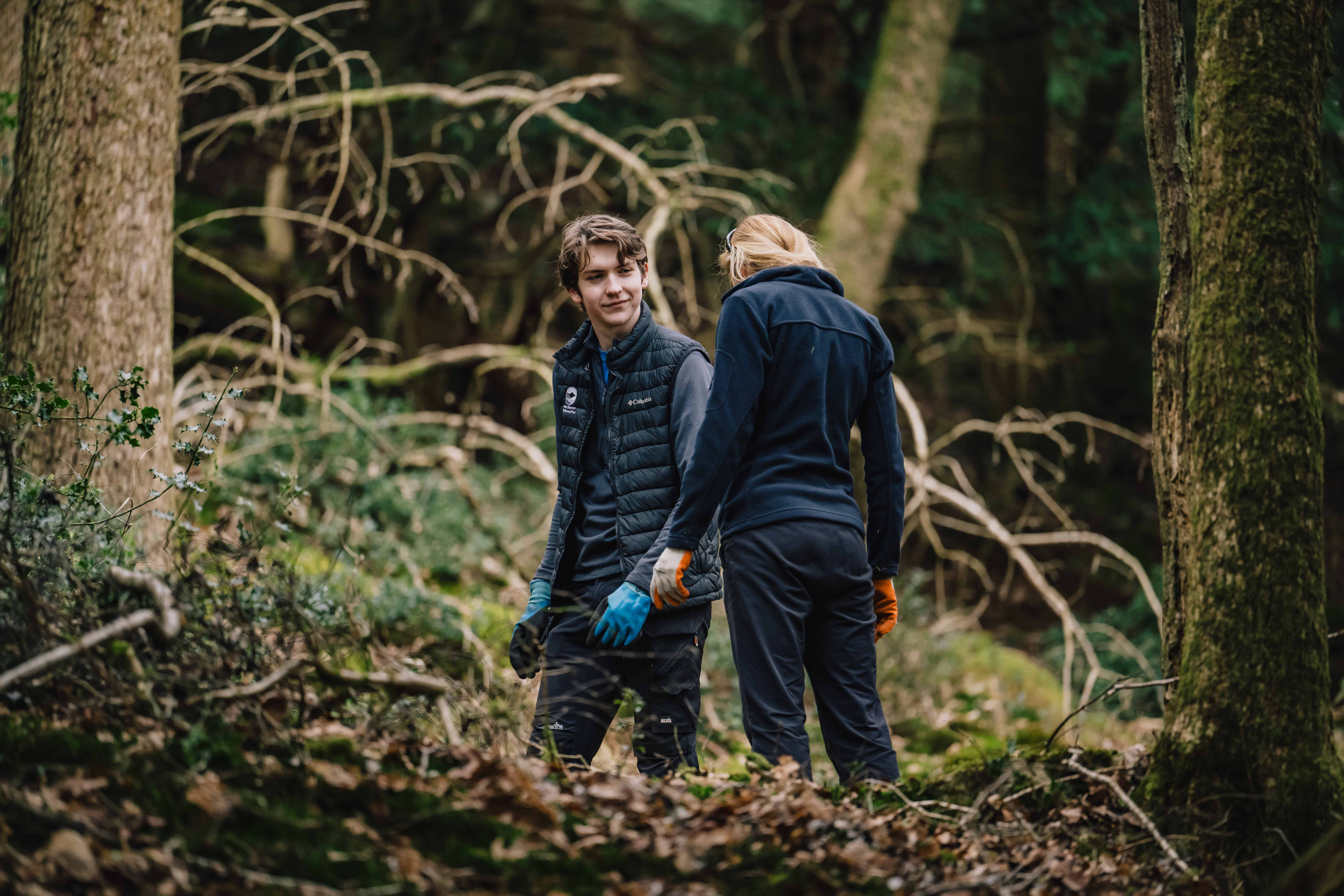
Nature projects help restore, create and connect wildlife-rich habitats, improving biodiversity across the landscape. This could include habitat restoration, species recovery, tree planting, hedgerow creation or improving the management of existing habitats.
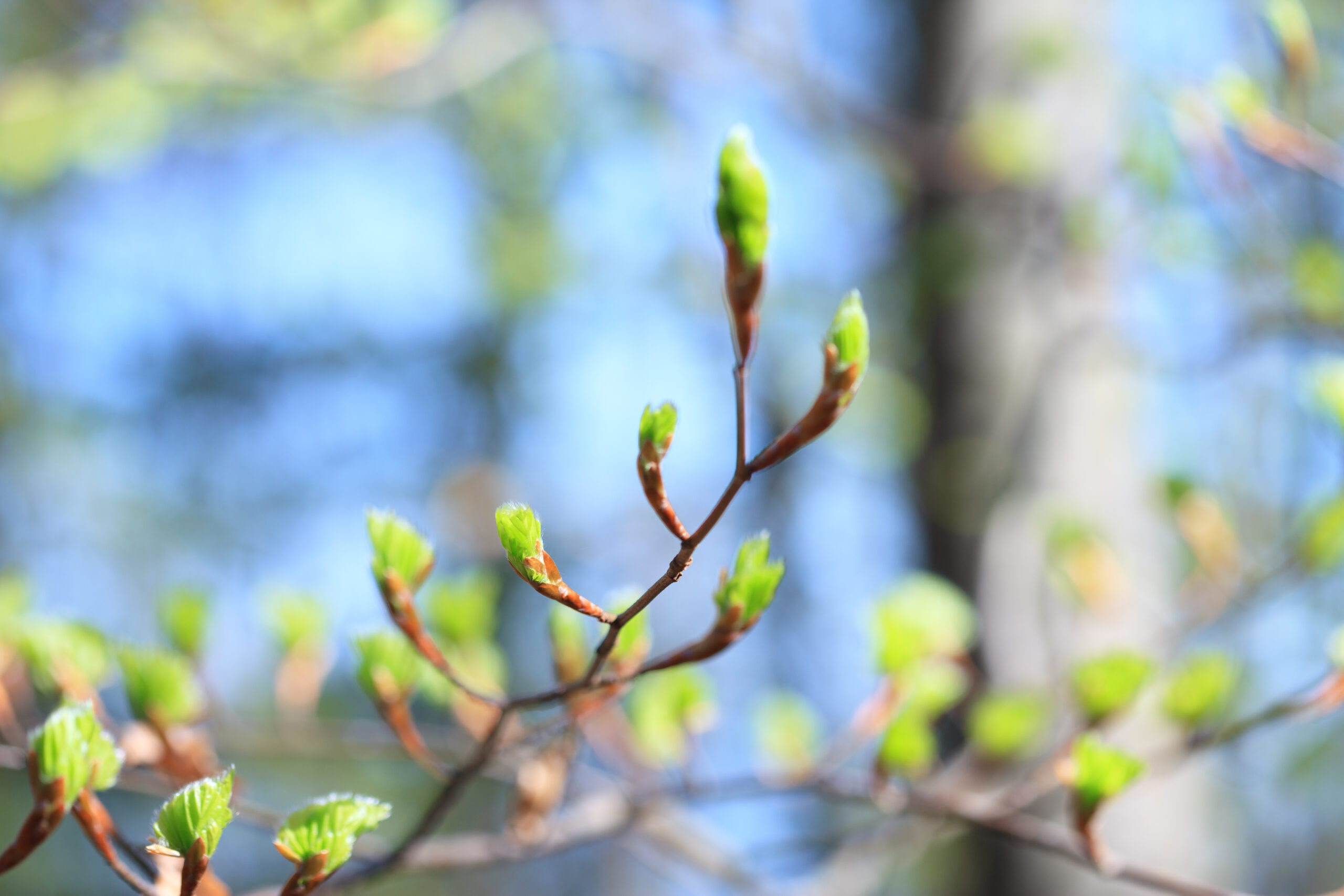
Climate
Defra Farming in Protected Landscapes theme
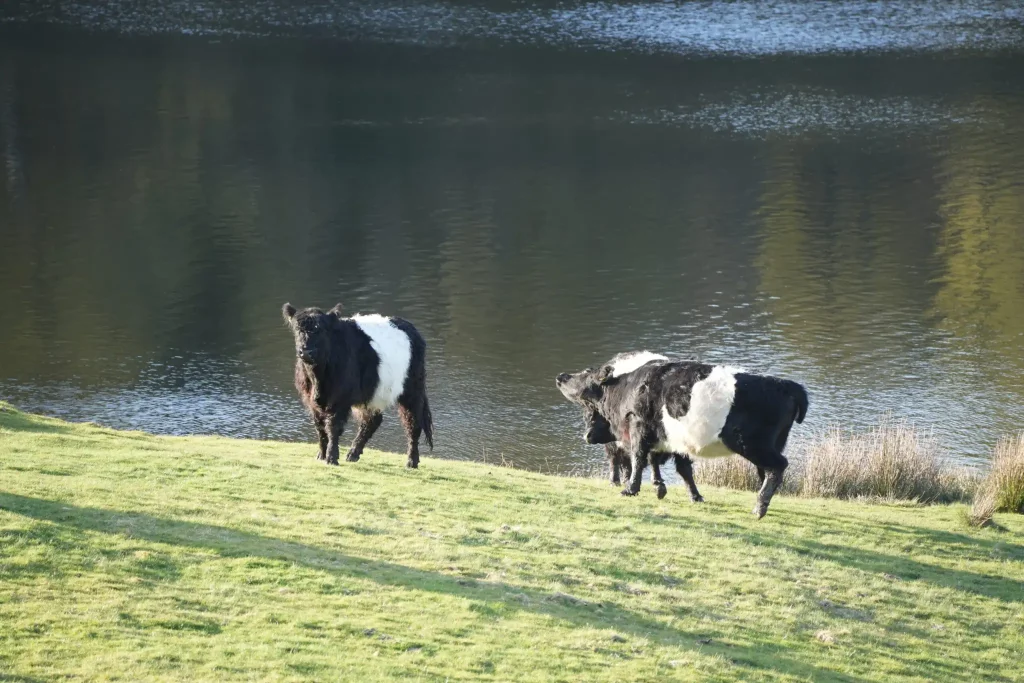
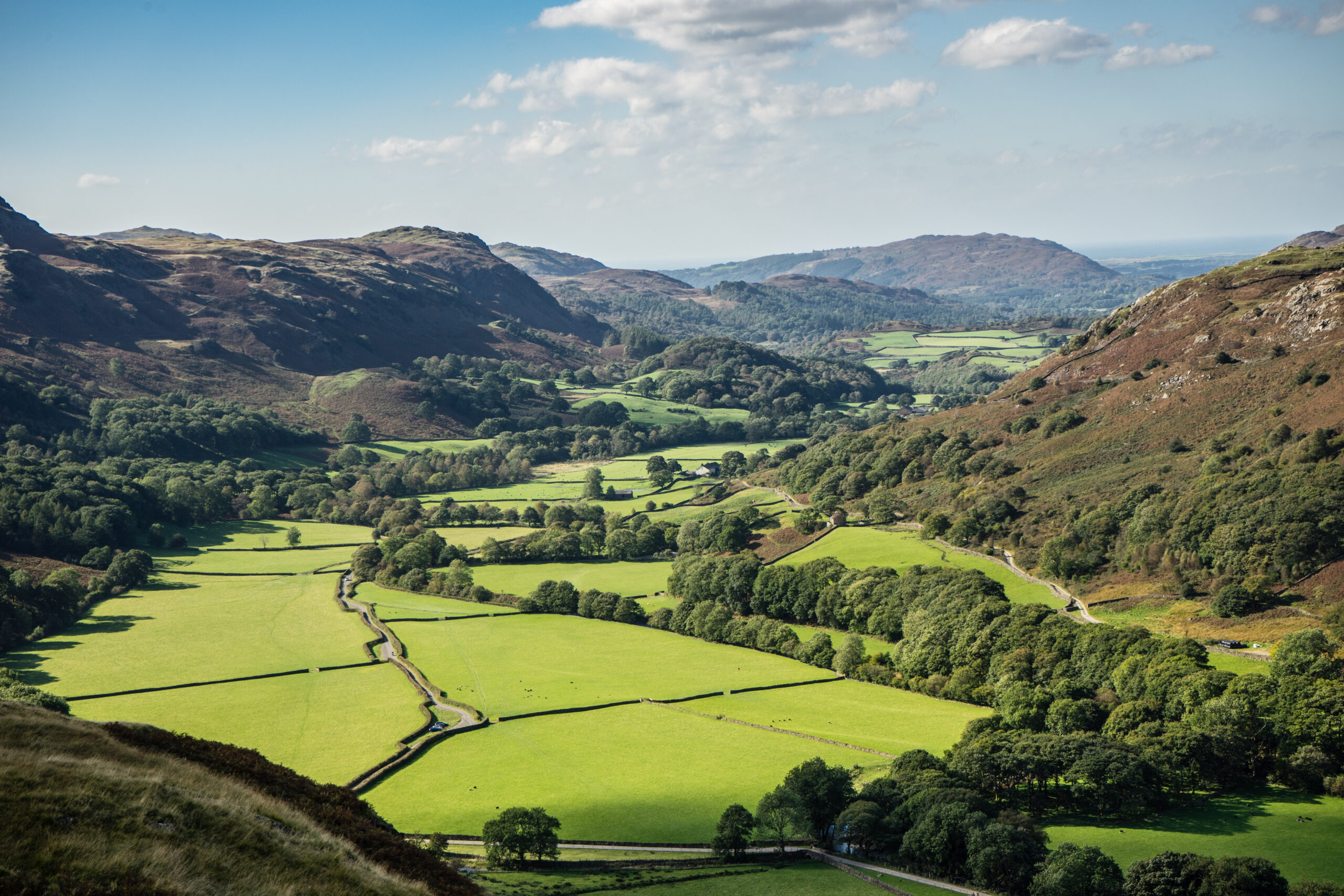
Climate projects help tackle climate change by reducing emissions, storing carbon and increasing resilience to changing weather patterns, such as flooding. They can include peatland restoration, natural flood management, soil improvements and measures that help farms adapt to future climate challenges.
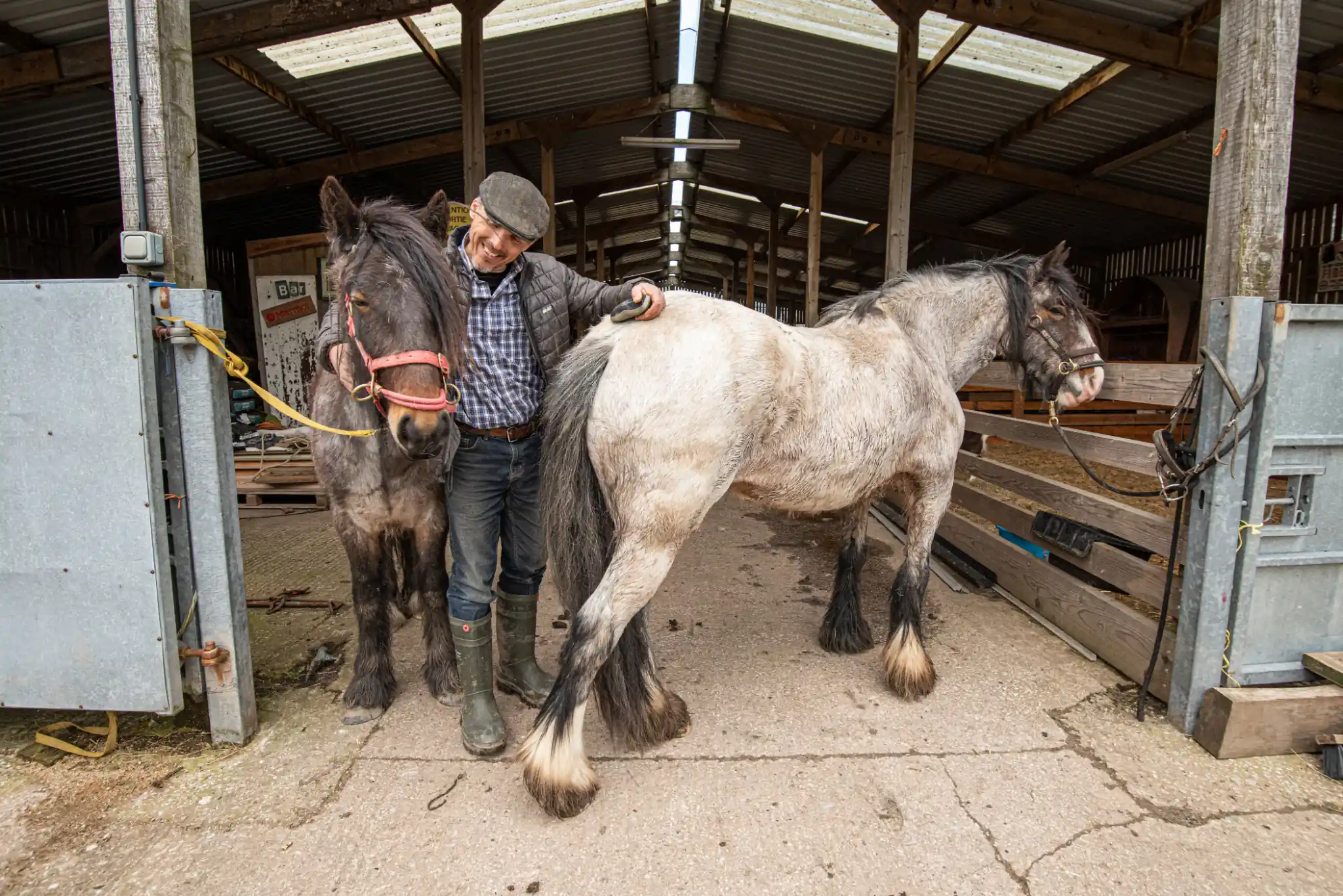
People
Defra Farming in Protected Landscapes theme
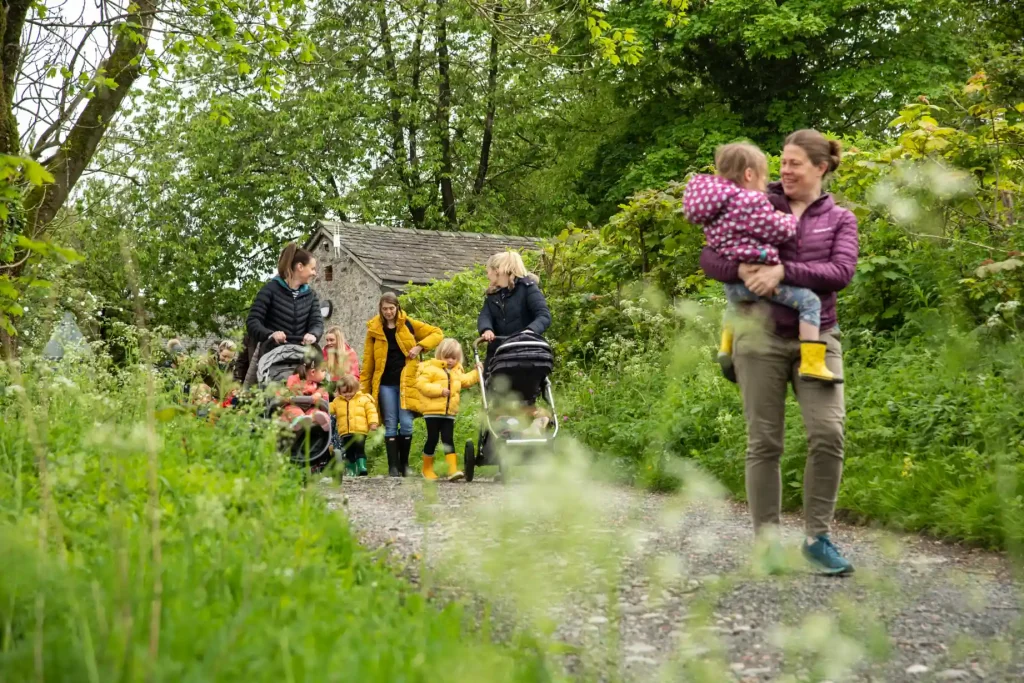
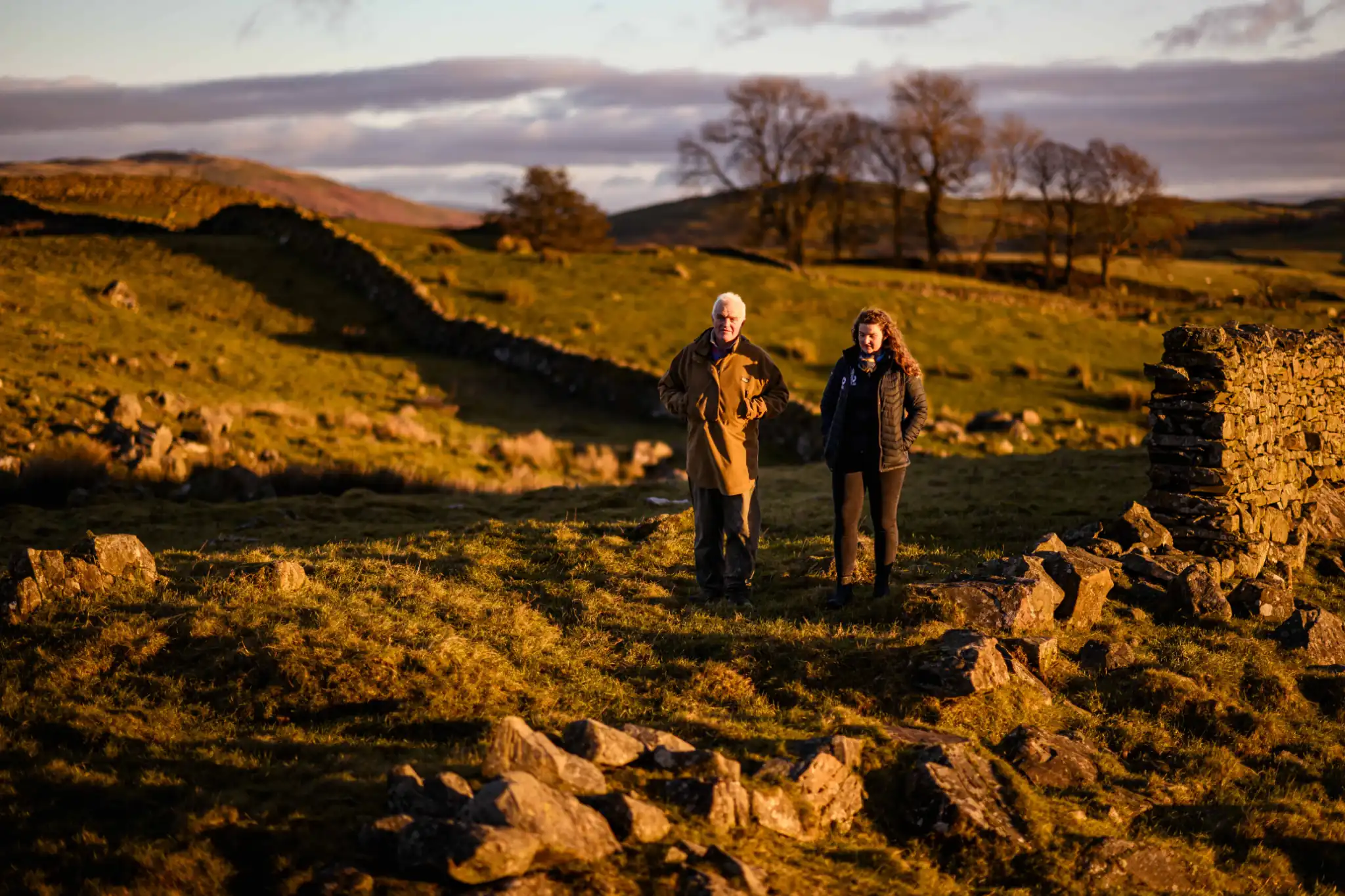
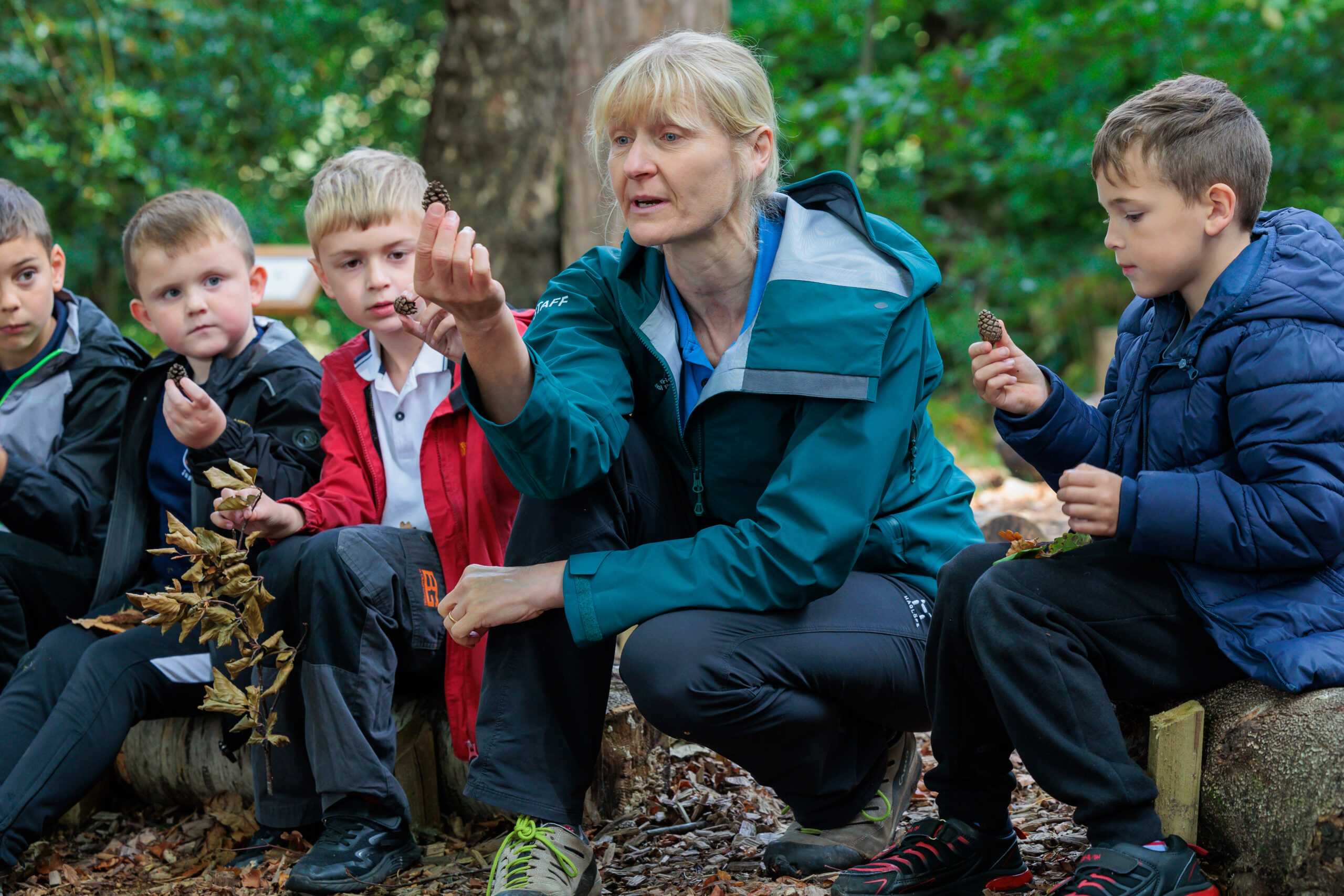
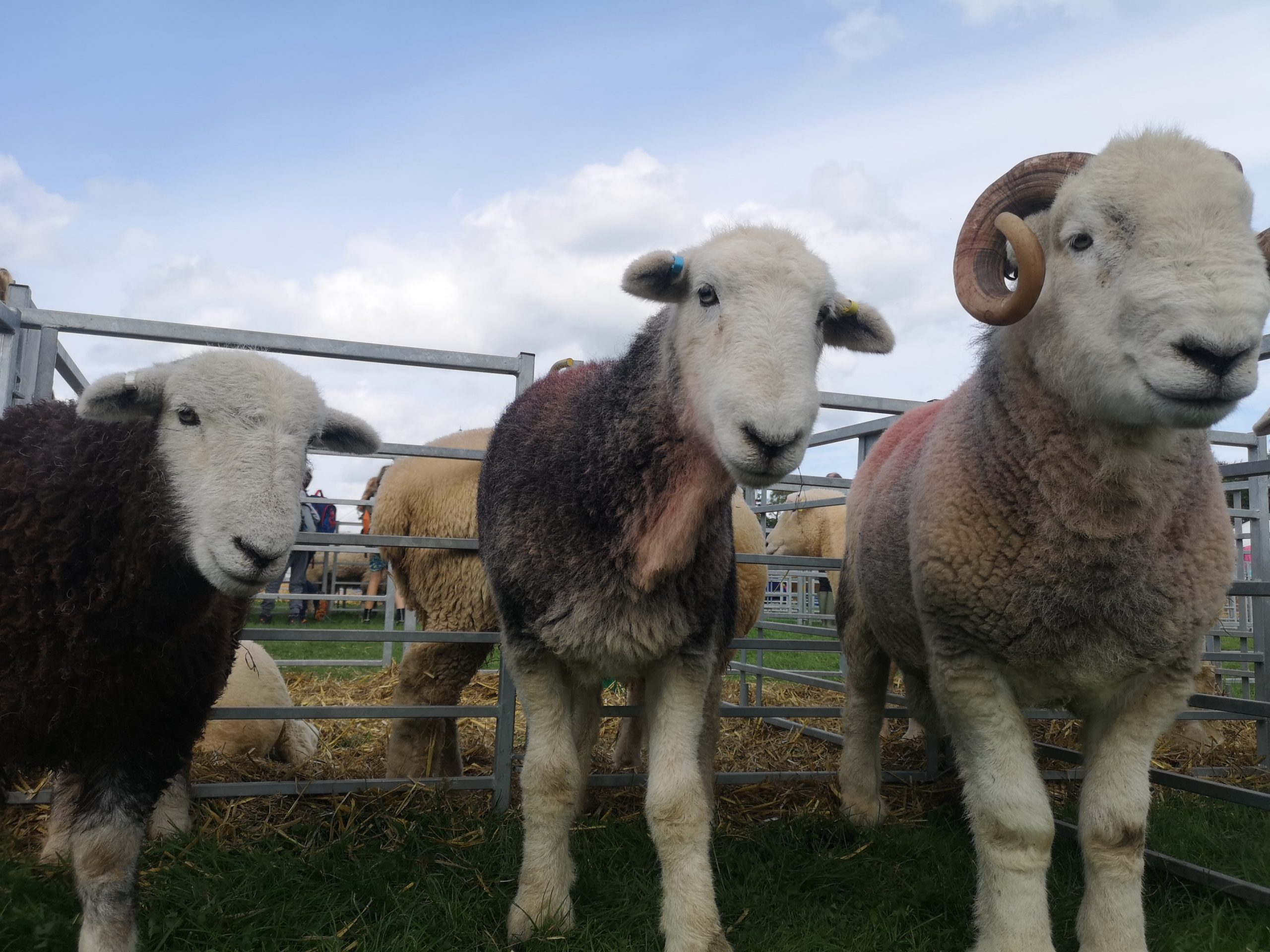
People projects create opportunities for more people to explore, enjoy and connect with the Lake District National Park’s farming community and cultural heritage. Projects may focus on educational activities, volunteering opportunities or improved access.
Place
Defra Farming in Protected Landscapes theme
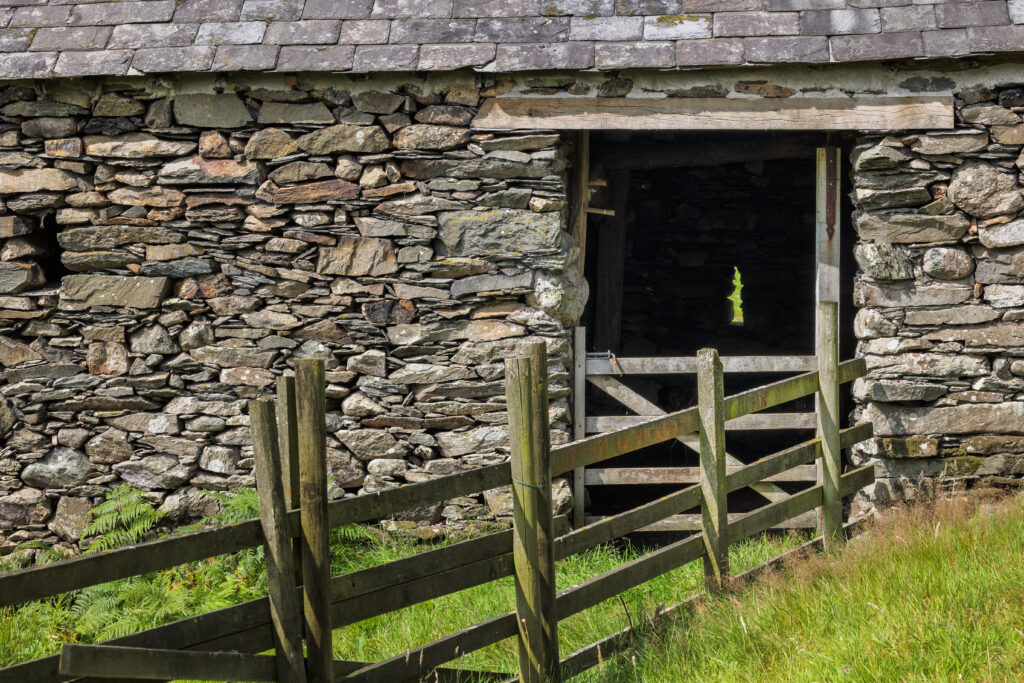
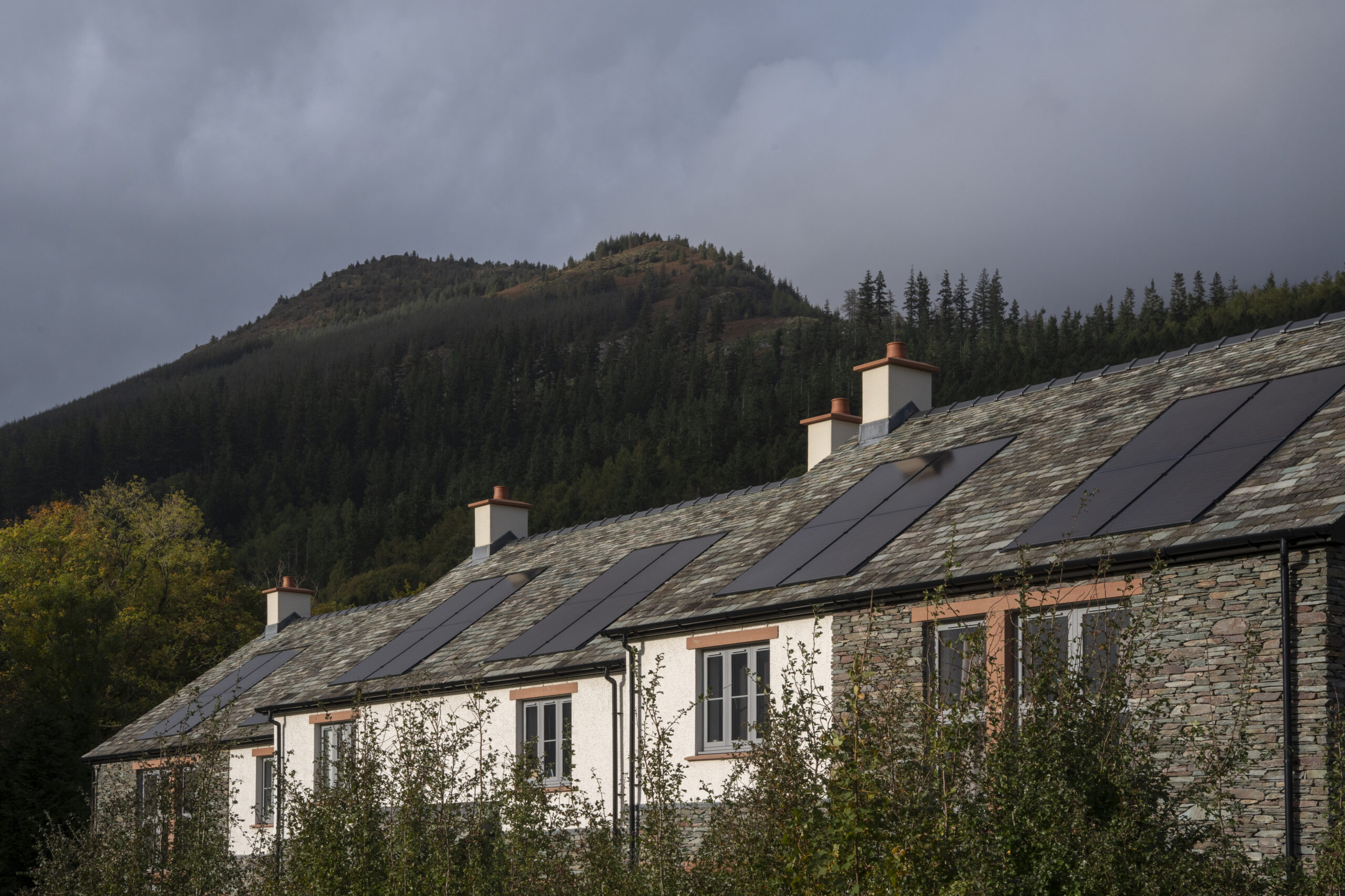
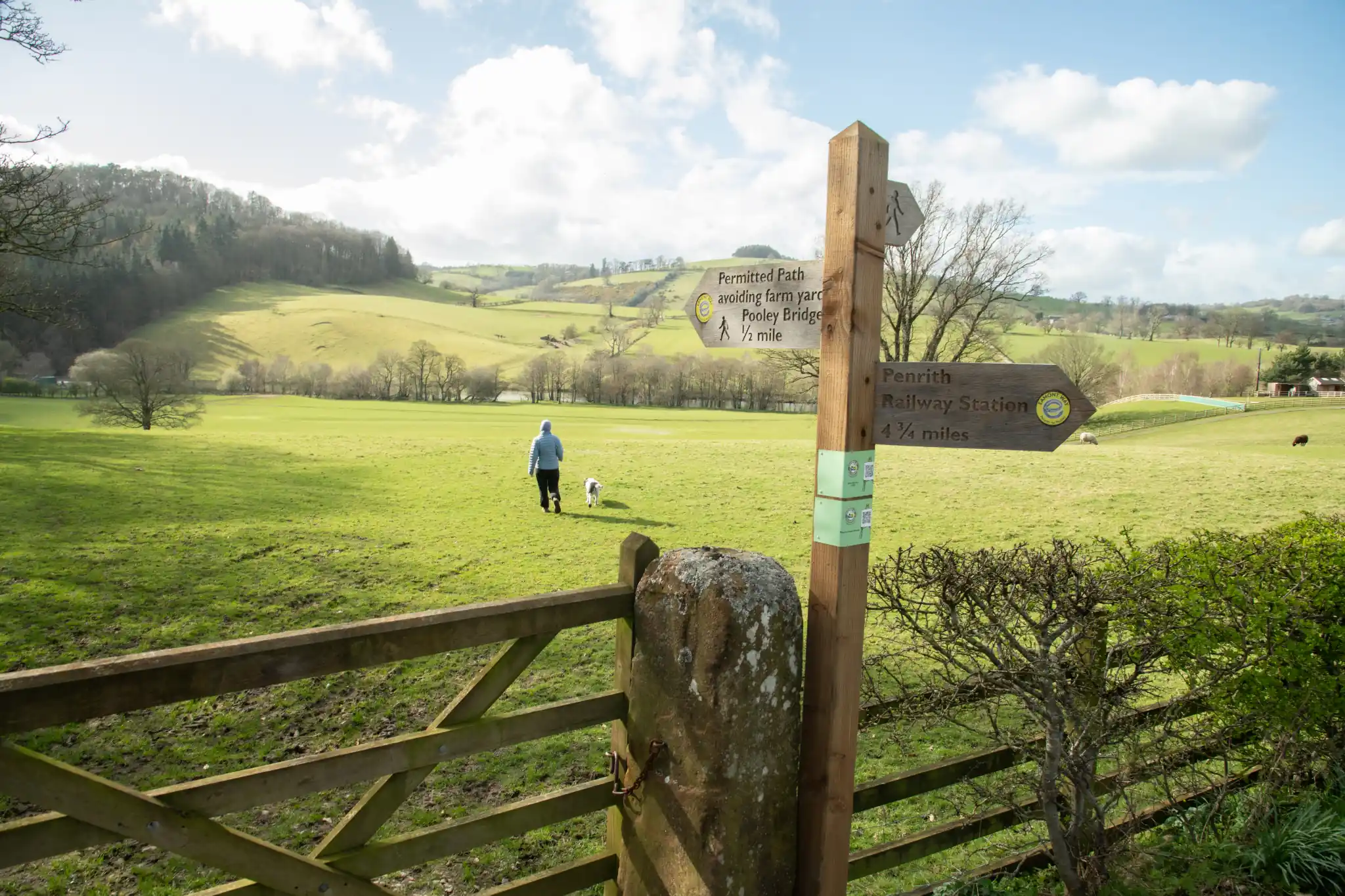
Place projects help protect and enhance the distinctive character, heritage and cultural features that make the Lake District National Park special, as a UNESCO World Heritage Site. They do this by supporting sustainable farm businesses that contribute to a thriving local economy alongside other environmental and community benefits, such as repairing and restoring a historic farm building.
What can FiPL grants do?
Hear from a Lake District National Park Authority Farming Officer to learn more about the four Defra themes, the importance of FiPL projects for the Park and how to get support. Please note the dates on this video are past and new dates are live.
Example FiPL project and process
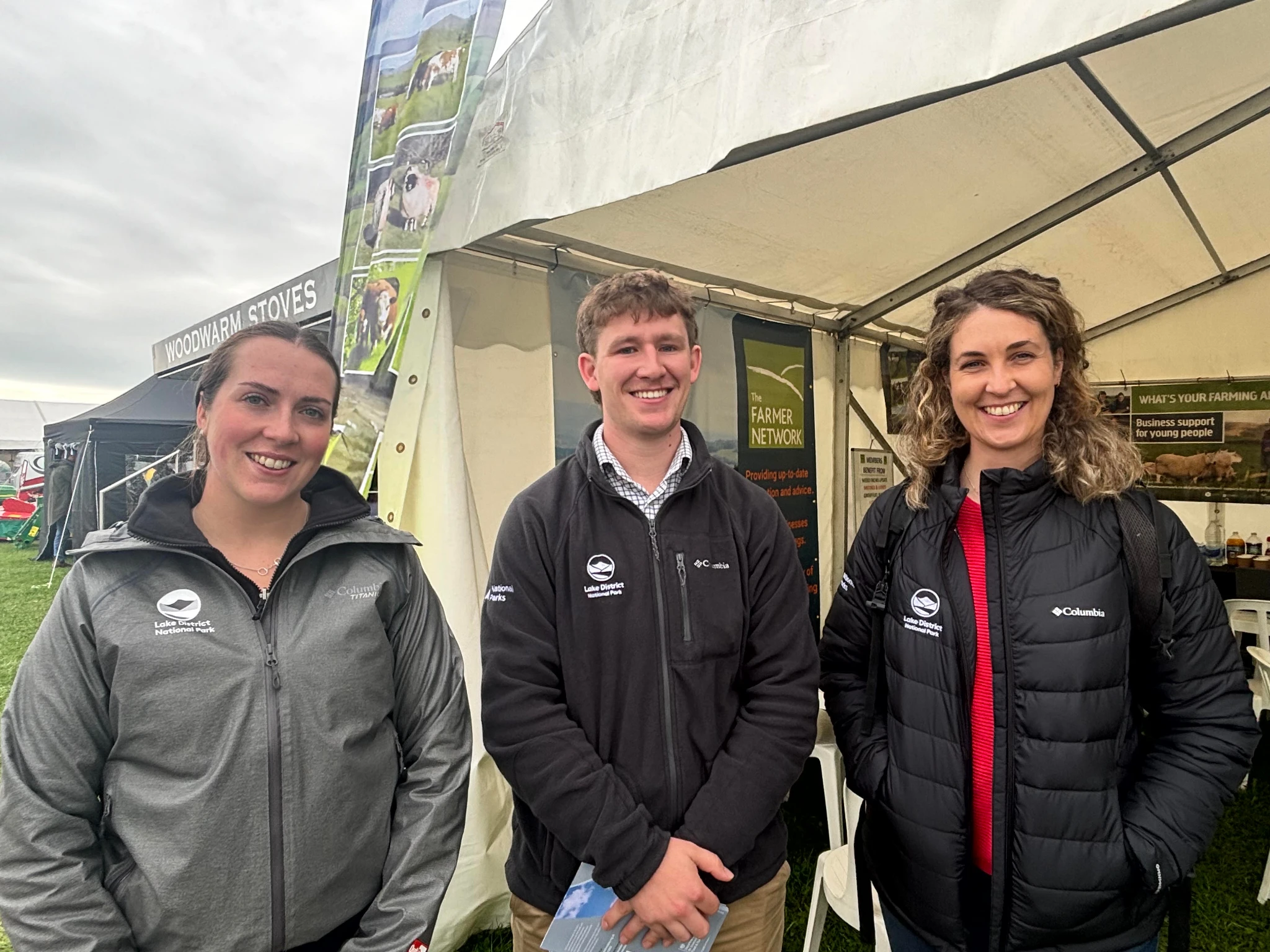
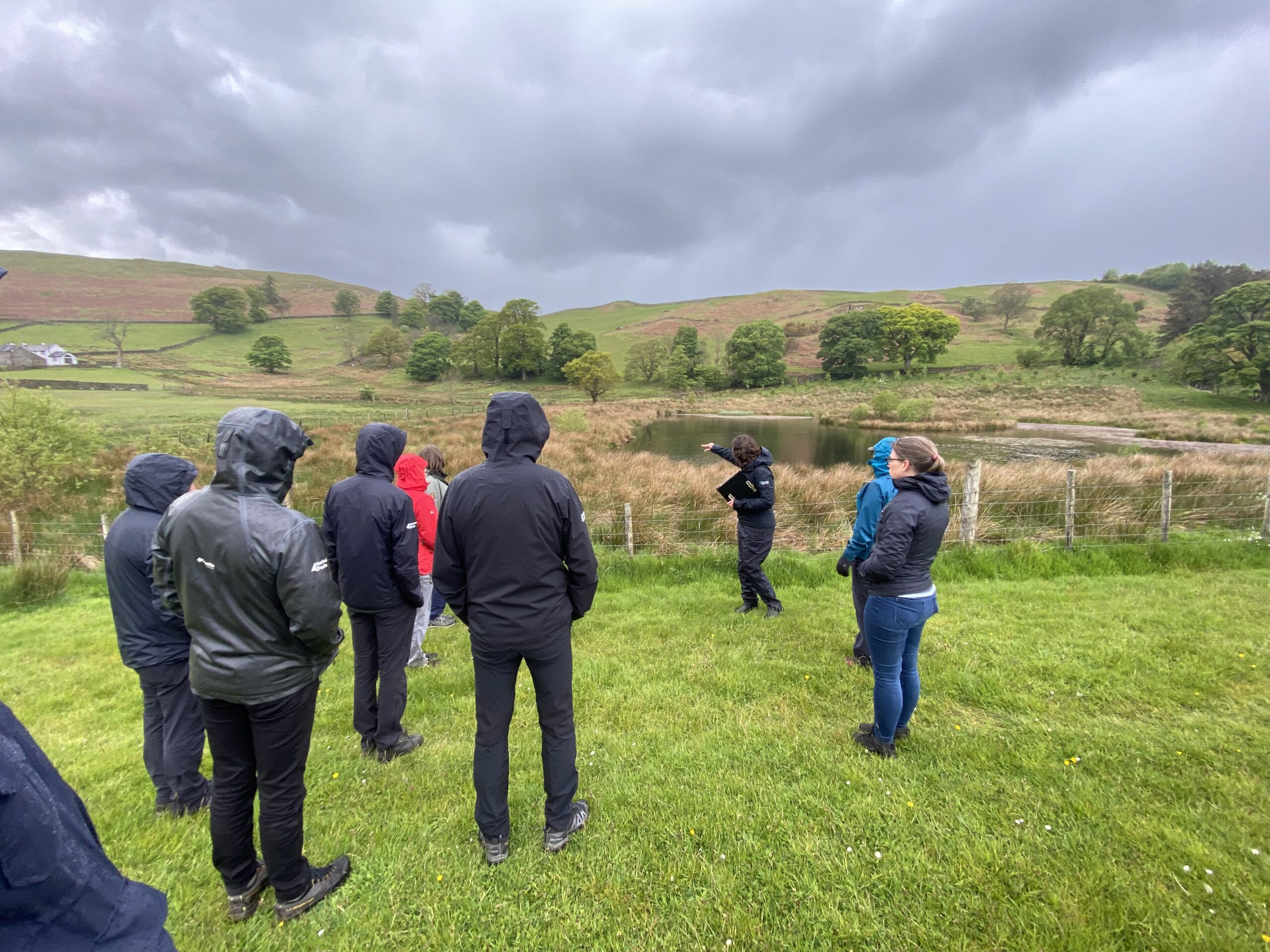
Hear from our Lake District National Park Authority Farming Officers, who run through the process of a Farming in Protected Landscapes project in the Yorkshire Dales. Please note the dates on this video are past and new dates are live.
Grant funding for farmers and landowners
We’re delighted to confirm that the Farming in Protected Landscapes programme has been extended for a further three years, running from 1 April 2026 to 31 March 2029.
Our Expression of Interest form is live, found below, and we’re keen to hear about your potential projects.
For grant requests of £10,000 or above, applications must meet the deadlines set for each Local Assessment Panel (LAP). These deadlines are based on the expectation that you have already been in touch with a FiPL officer to discuss your project.
- 22nd June 2026
- 5th August 2026
- 7th September 2026
- 14th October 2026
- 16th November 2026
- 4th January 2027
- 15th February 2027
Guidance for applying to Farming in Protected Landscapes
In this section of the page, you will find steps on how to enquire and apply for Farming in Protected Landscapes funding, split into:
- Pre-application guidance
- Applicant guidance
Pre-application process
Before you apply, you will discuss your project with us, including ideas, location and desired outcomes. You can view the full application process as a PDF in the guidance resources below. In summary, to complete the pre-application process, you will need to:
Check that your farm is within the Lake District National Park boundary on the interactive map below.
Review the application process, forms and guidance below, including past project examples in the end of year FiPL reports.
Fill in our expression of interest enquiry form or email FiPL@lakedistrict.gov.uk with any questions you have about applying.
A member of our FiPL team will be in touch to discuss the next steps.
Check that your farm is within the Lake District National Park boundary