
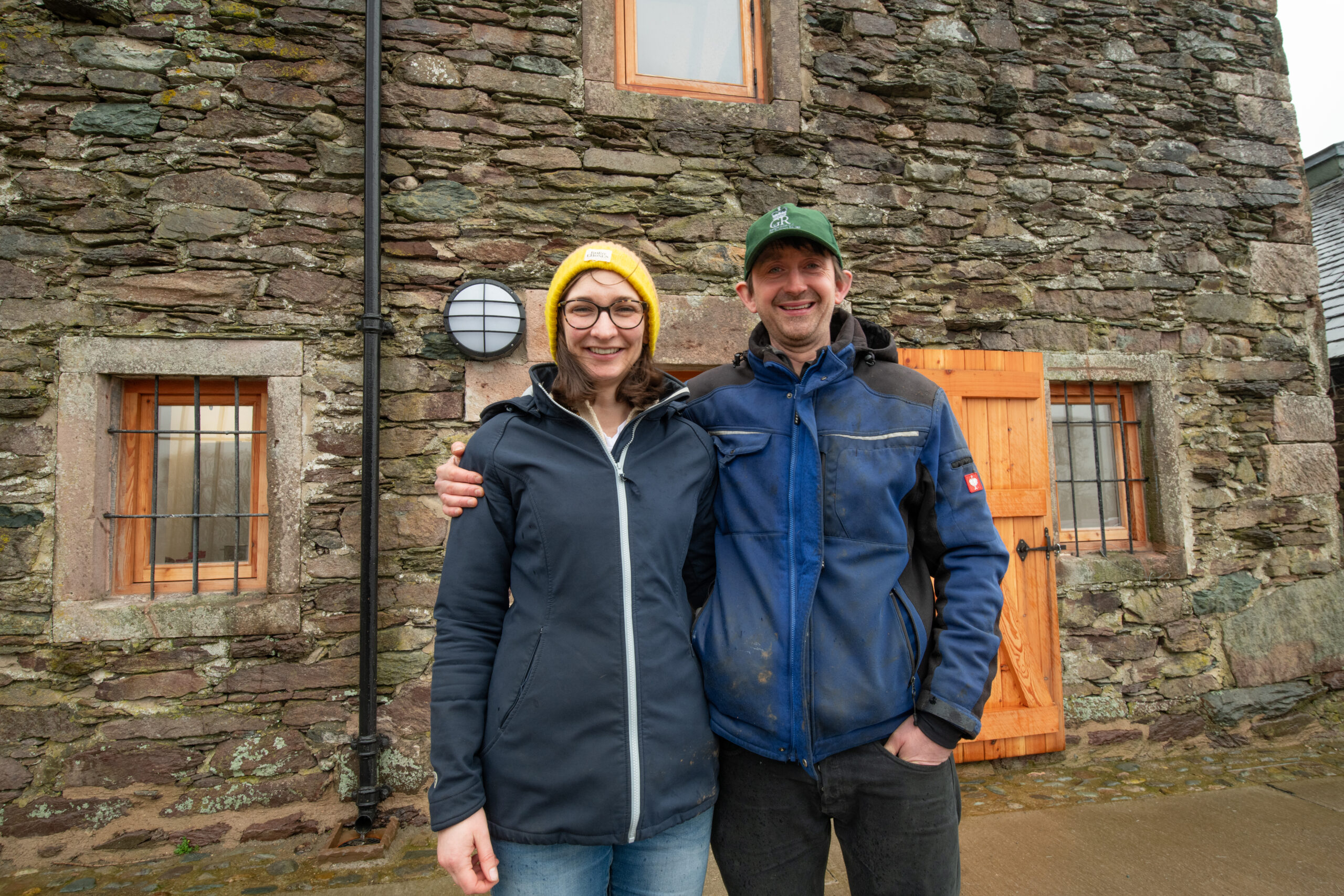
Leather from Lake District farms
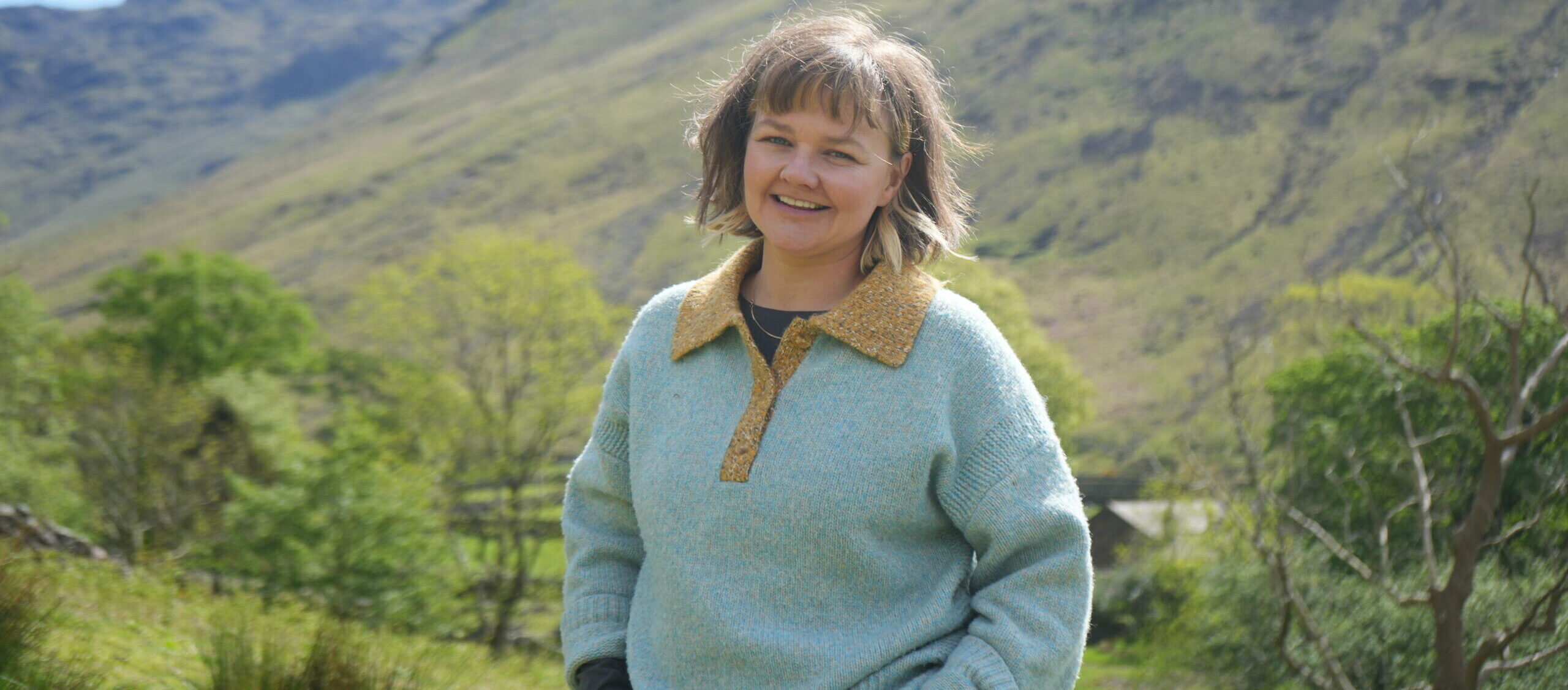
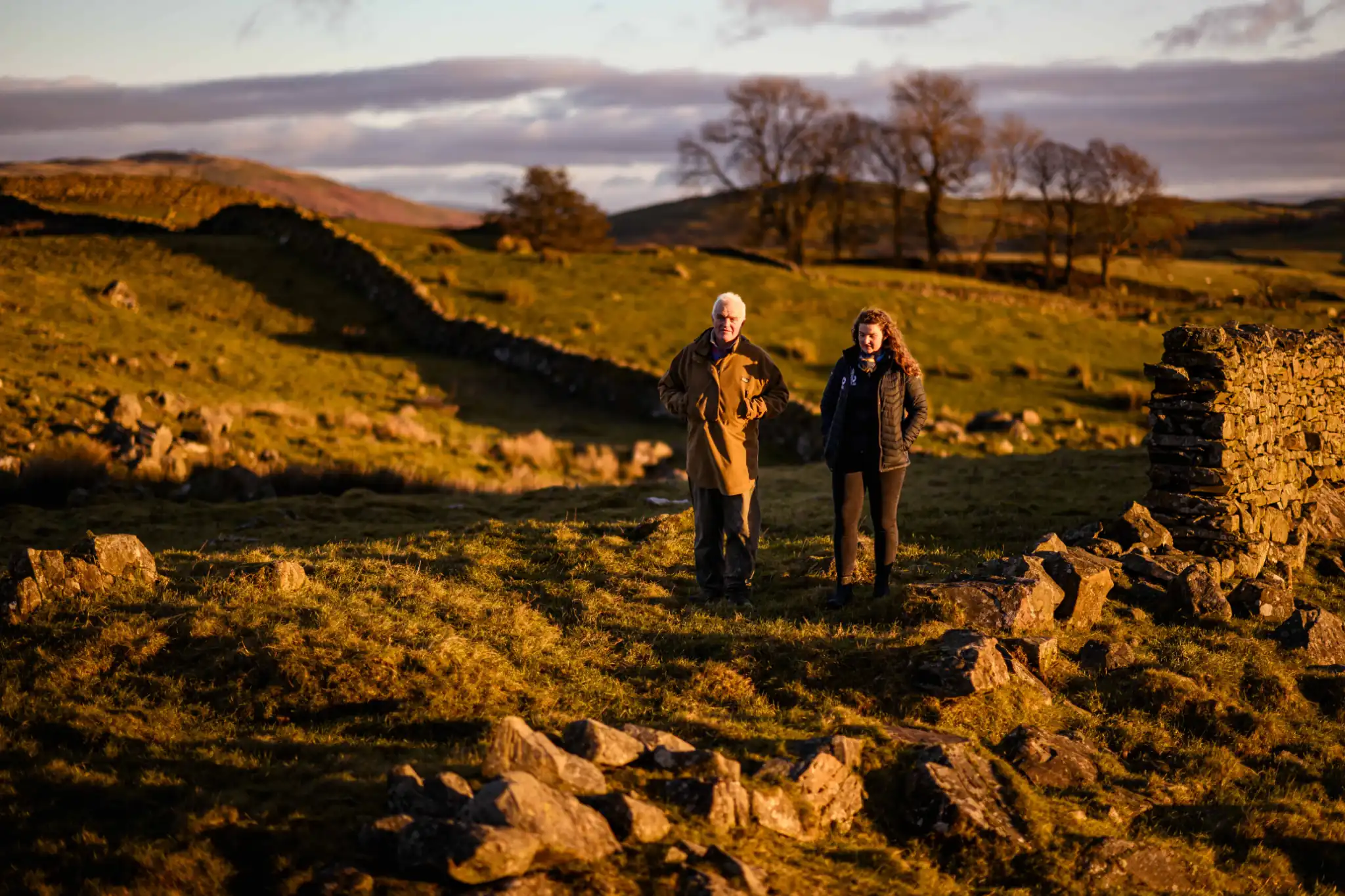
Sam and Claire Beaumont farm 385-acres in partnership with Claire’s parents at Gowbarrow Hall Farm on the shores of Ullswater. As well as farming with nature the couple are committed to developing new income sources that fit with the family’s farming ethos.
Claire noticed that most cattle hides in Cumbria end up as commercial waste and she saw an opportunity to work with and support the last remaining natural tanneries in the UK. Claire also hopes that as people are becoming more interested in where their food comes from, this can also translate in people wanting to understand the farming practices associated with the fibres they wear.
A FiPL funded project is now helping to turn unwanted hides into luxury leather and all made in the UK, as Claire explains:
“Our grant means we can cure and tan hides from local farmers who farm with nature using native breed cattle. The grant also covers turning the leather into luxury products people can buy, and made entirely in England. It’s a win-win. It reduces abattoir waste, supports skills and jobs in a sustainable, heritage tanning industry and provides farmers with another income.”
“The support and help we’ve had from the LDNPA team has been incredible. The team are as invested in the project’s success as we are and are always on hand to provide advice.
"They are experienced in knowing what projects are most likely to be granted funding and willing to listen to all ideas.
"I would definitely recommend getting in touch, particularly for creative ideas that wouldn’t otherwise be funded elsewhere and can enhance people’s knowledge and experience of the Lake District.”
A glimpse into the process
Here Claire explains the workstreams.
“We collect the hides directly from the abattoir, salt them to preserve them, and stamp them with our initials. This means they can be traced right back to our farm and our animals.” Then the process is as follows:
“The Tannery. The salted hides are transported to a traditional tannery in Bristol, one of the few in the UK that uses environmentally friendly vegetable tanning.
“The Finishers. Once tanned, the leather is sent to finishers in Northamptonshire. Here, it is dyed and treated to achieve the perfect balance of softness and durability required for the products we want to make.
“Turning the leather into products. Leather that Claire has finished to date has been cut into pieces by Leather, Needle, Thread and returned to us at Gowbarrow Hall Farm. We assemble these into bags, key rings, and cases and people can buy them online or purchase keyrings via a shop in Grasmere that champions local produce, the Grasmere Gather.
“Long term. We would like to process more hides in different colours to reflect the 13 colour palettes of the Lake District valleys. Also, as the leather production scales up, there is scope to include skilled leather crafts people from the Lake District,” adds Claire.
Branding and marketing
Keeping all the processing within the UK, environmentally sustainable and traceable means that the leather is more expensive than off the shelf leather available from most leather suppliers. Support is needed from professionals to help customers understand the uniqueness of the product. We’ve identified various pieces of work we need help with including sales, branding, and marketing materials.
Thanks to British Pasture Leather
This process is made possible through British Pasture Leather, which provides traceable leather from regenerative farms in the UK. As the only Pasture for Life certified leather supplier, they coordinate the entire production chain from raw hide to finished product, supporting sustainable practices and local craftsmanship.
A key part of the FiPL funded project is to develop a fully traceable process so that people know they are buying Lake District leather produced entirely in the UK.
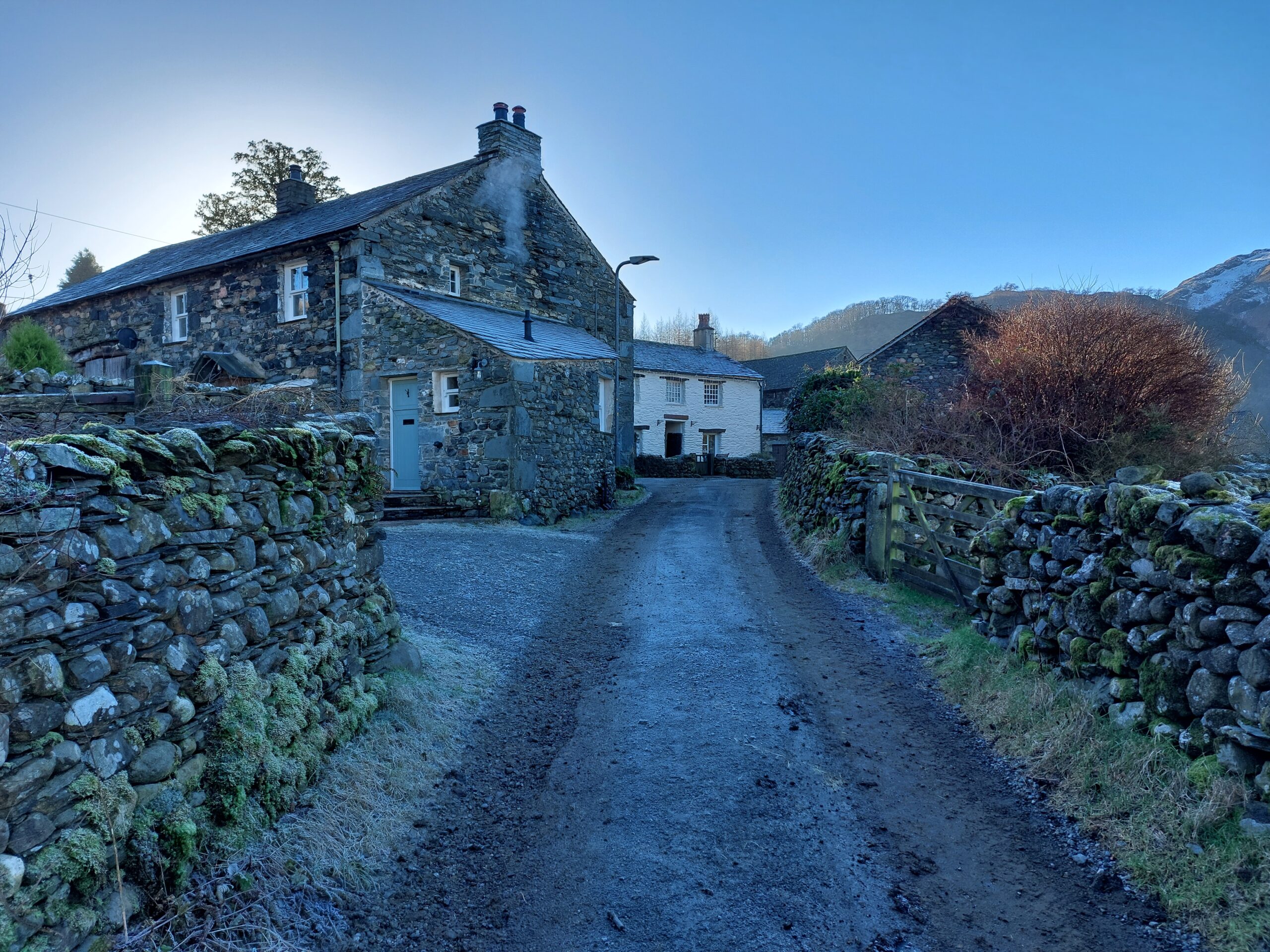
The Farming in Protected Landscapes (FiPL) programme supports projects throughout the Lake District delivering across the themes of people, place, nature and climate.
Learn more about FiPL and read about other projects which have been delivered through the Defra-funded initiative: Farming in Protected Landscapes : Lake District National Park