
Why trees and woodlands?
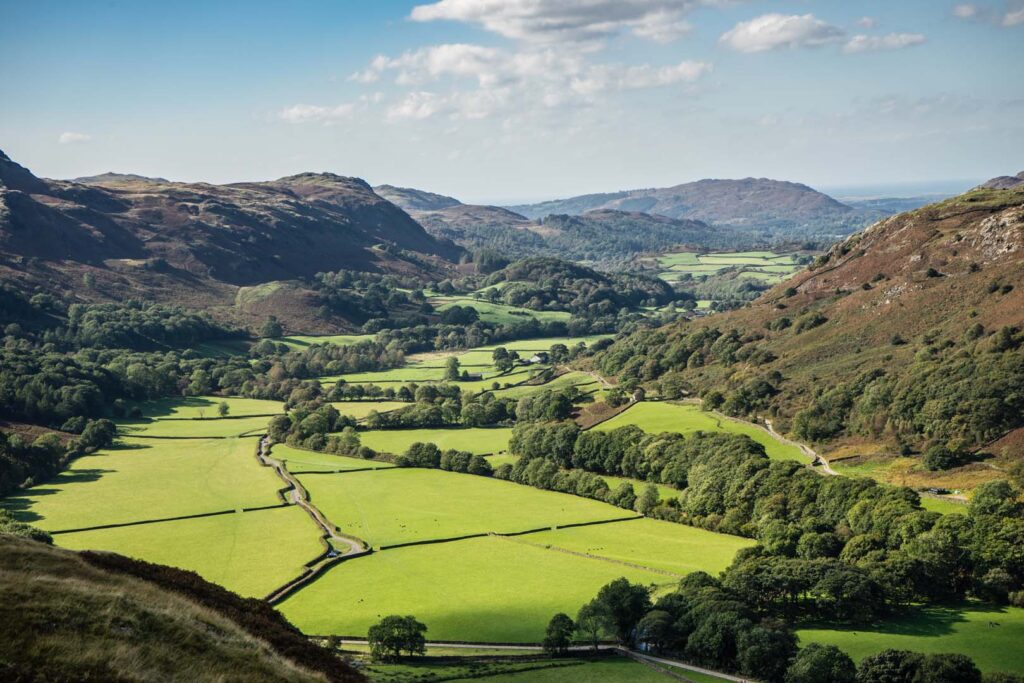
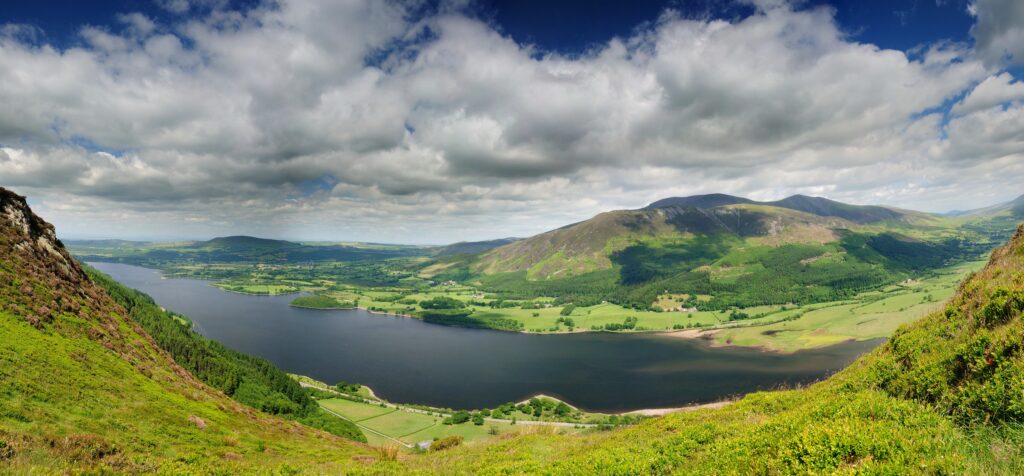
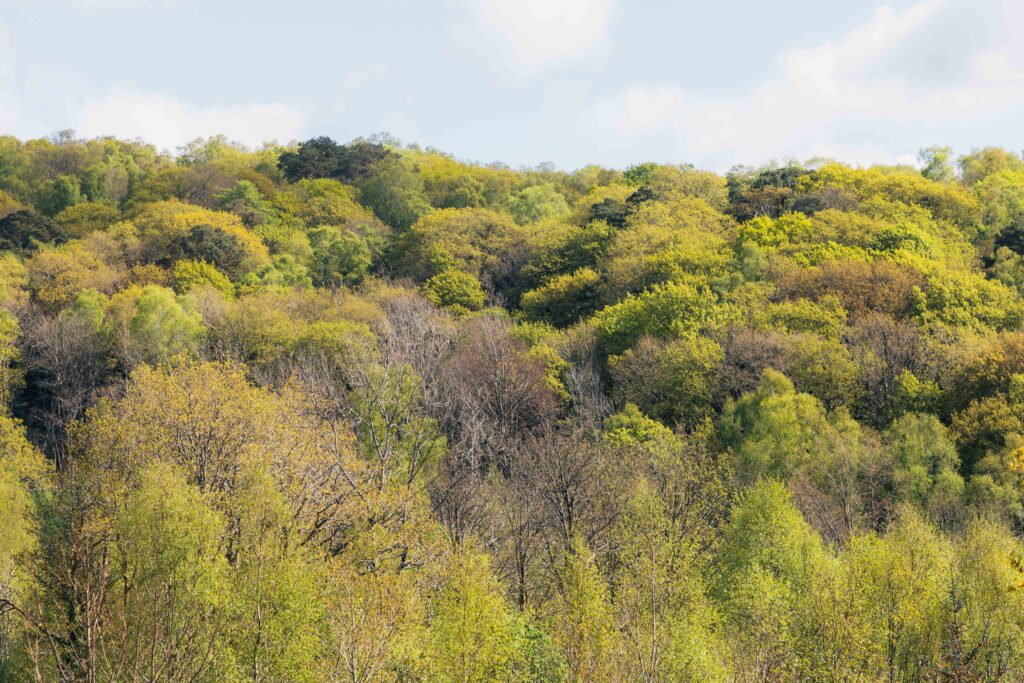
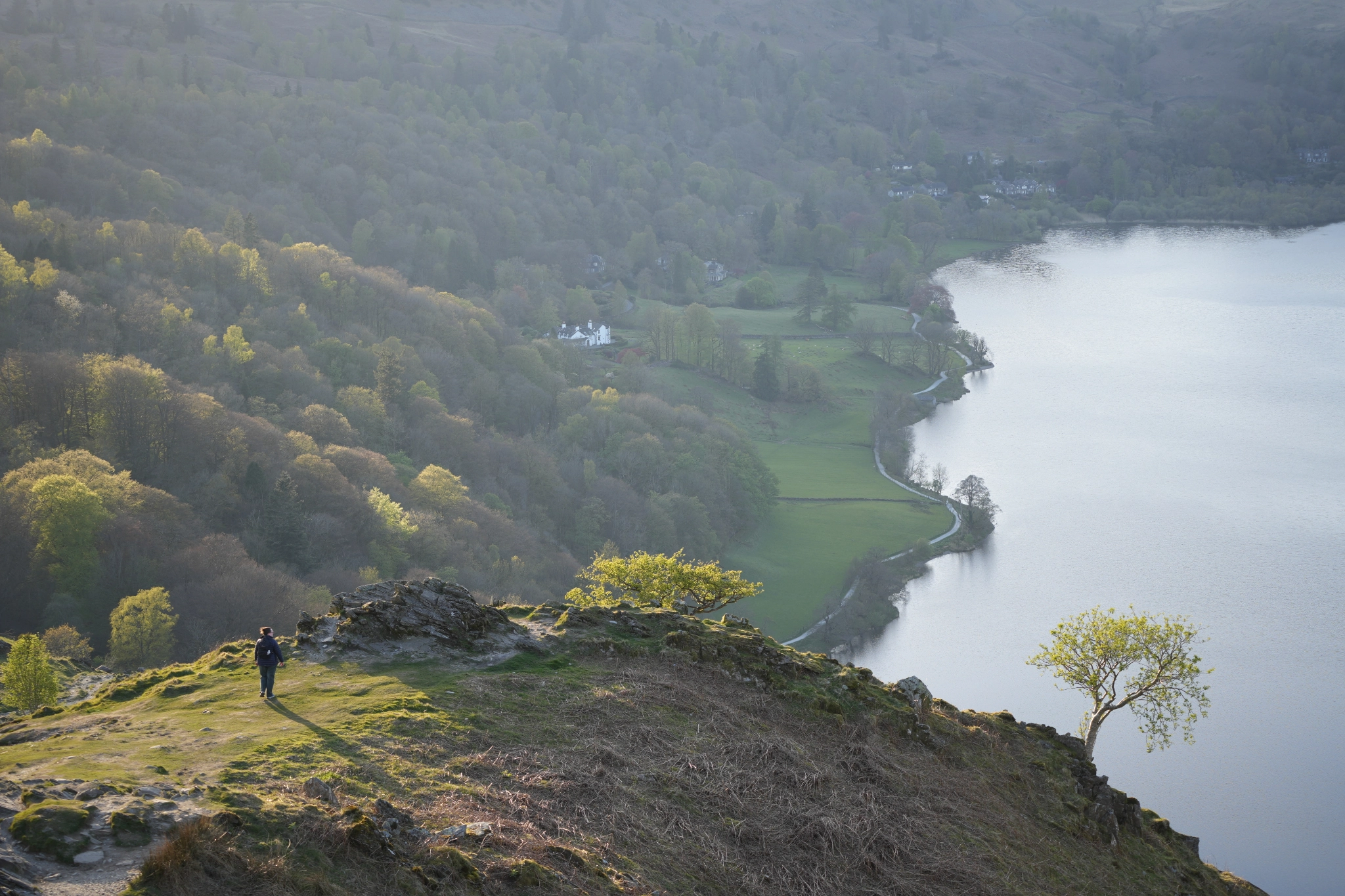
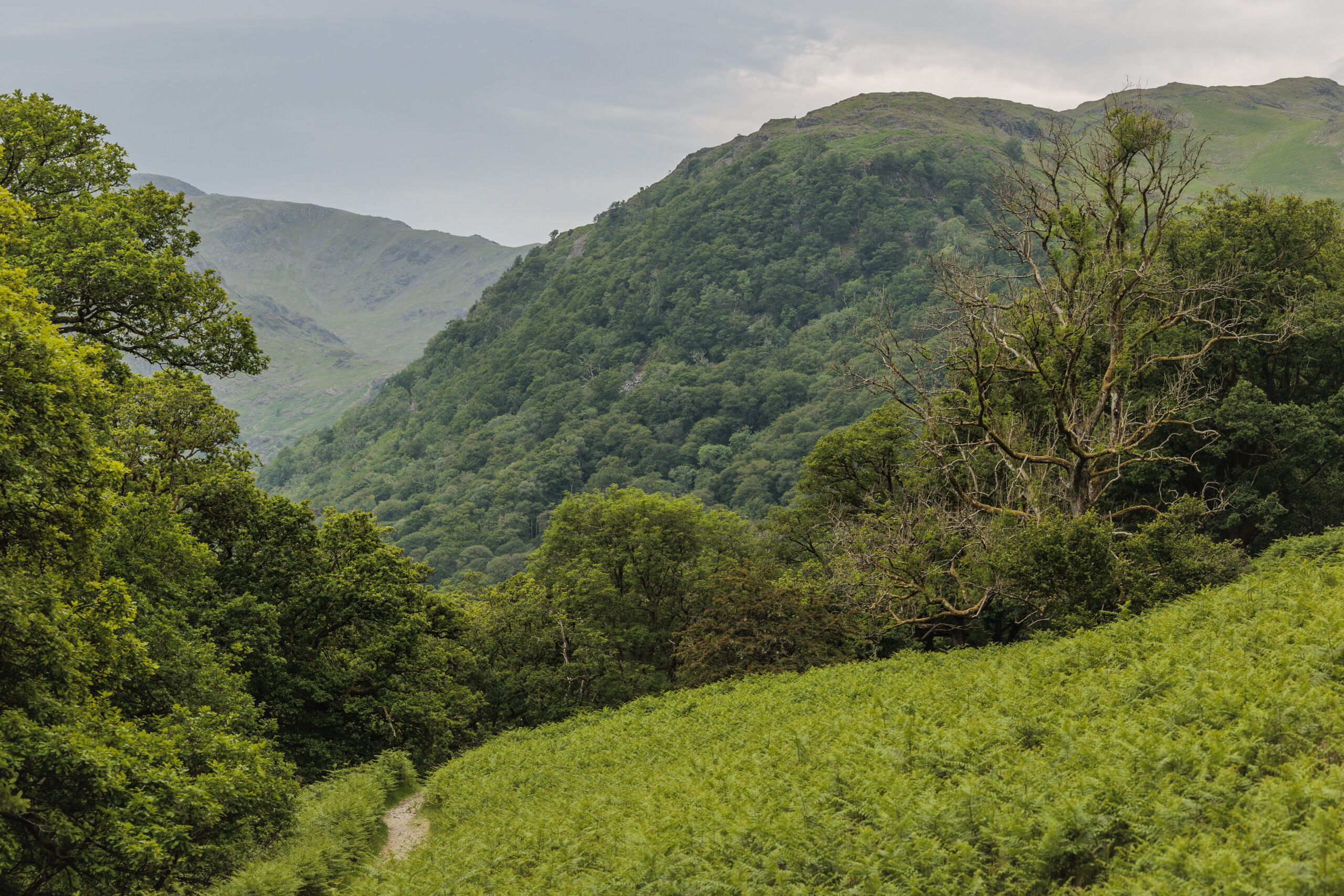
Atlantic rainforests, ancient trees and traditional wood pastures help make the Lake District one of the most distinctive landscapes in the world.
But trees and woodlands provide so much more than character and visual appeal. For those working the land, trees and woodlands offer a host of benefits including shade and shelter for livestock, improved soils, crop yields and farm diversification. In the right location, trees and woodlands can increase farm productivity and income through agroforestry and timber for sale or use on farms.
And, of course, woodland ecosystems reduce our climate impact by locking up carbon, providing sustainable building and craft products and wood fuel for energy and heating.
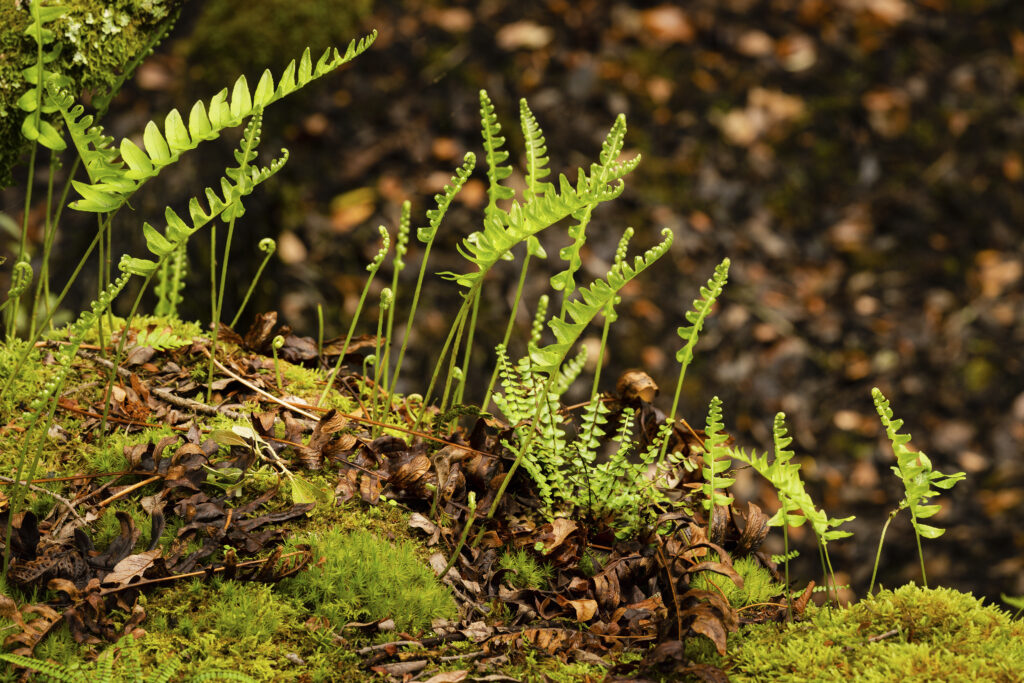
Further afield, local communities benefit from reduced flooding risk, opportunities for employment and places to enjoy the great outdoors for their health and wellbeing. Our Atlantic rainforests, dripping with lush mosses, lichens and ferns, support an enormous wealth of wildlife.
Woodland and tree cover types
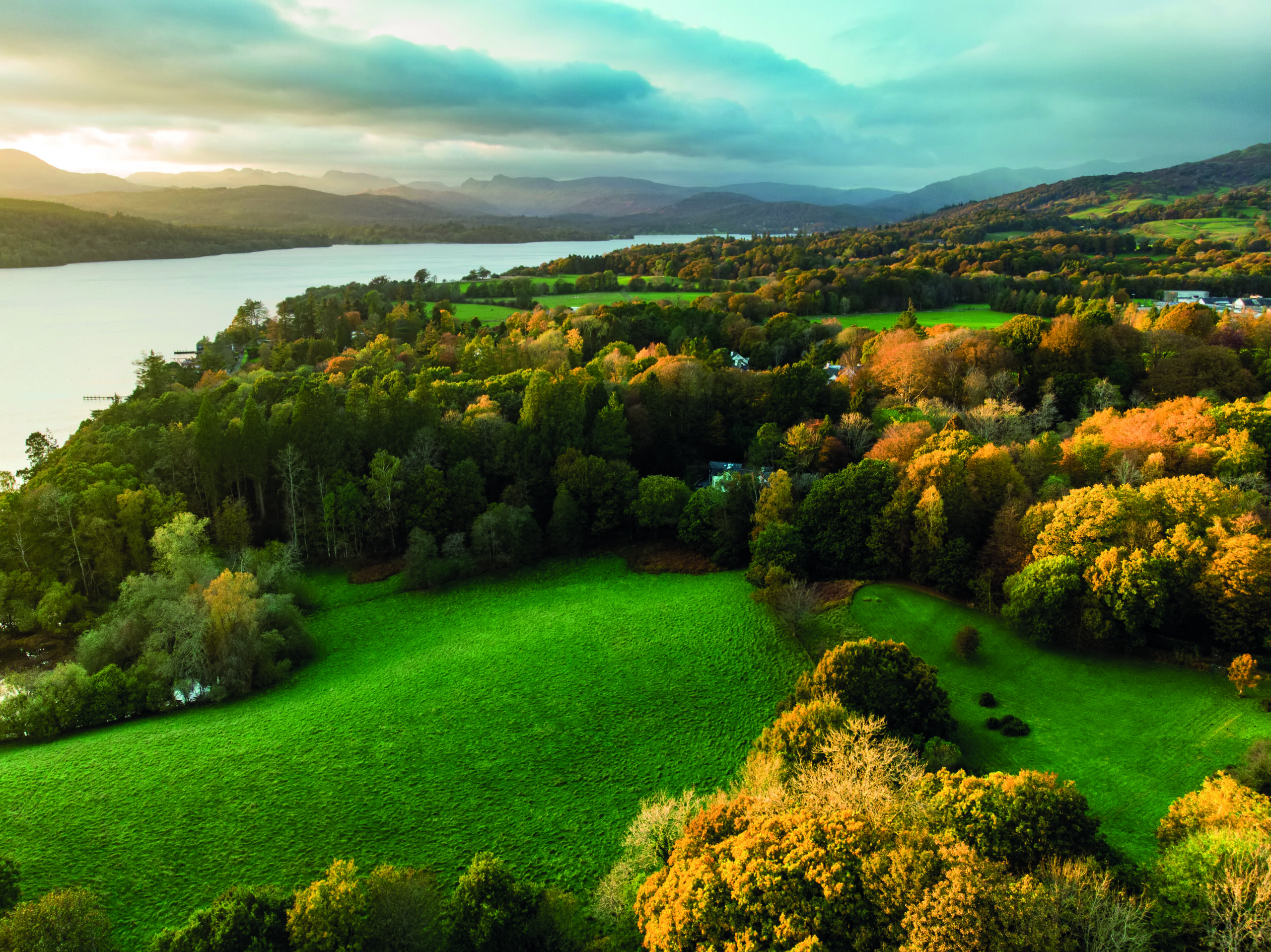
Only 13% of the Lake District is woodland. We want to boost this figure by expanding, linking and enhancing our most important habitats, which include Atlantic Rainforest and wood pastures with some of the most valuable ancient trees in Europe. They are a part of our heritage and culture, absorb carbon, clean our water and reduce flooding.
The Cumbria Local Nature Recovery Strategy (LNRS) outlines some of the types of woody habitats that might be appropriate for the Lake District. See online resources for further information.
Traditional woodlands and forests
- At least 20% canopy cover over 5m in height. Can have multiple objectives, including timber and biodiversity.
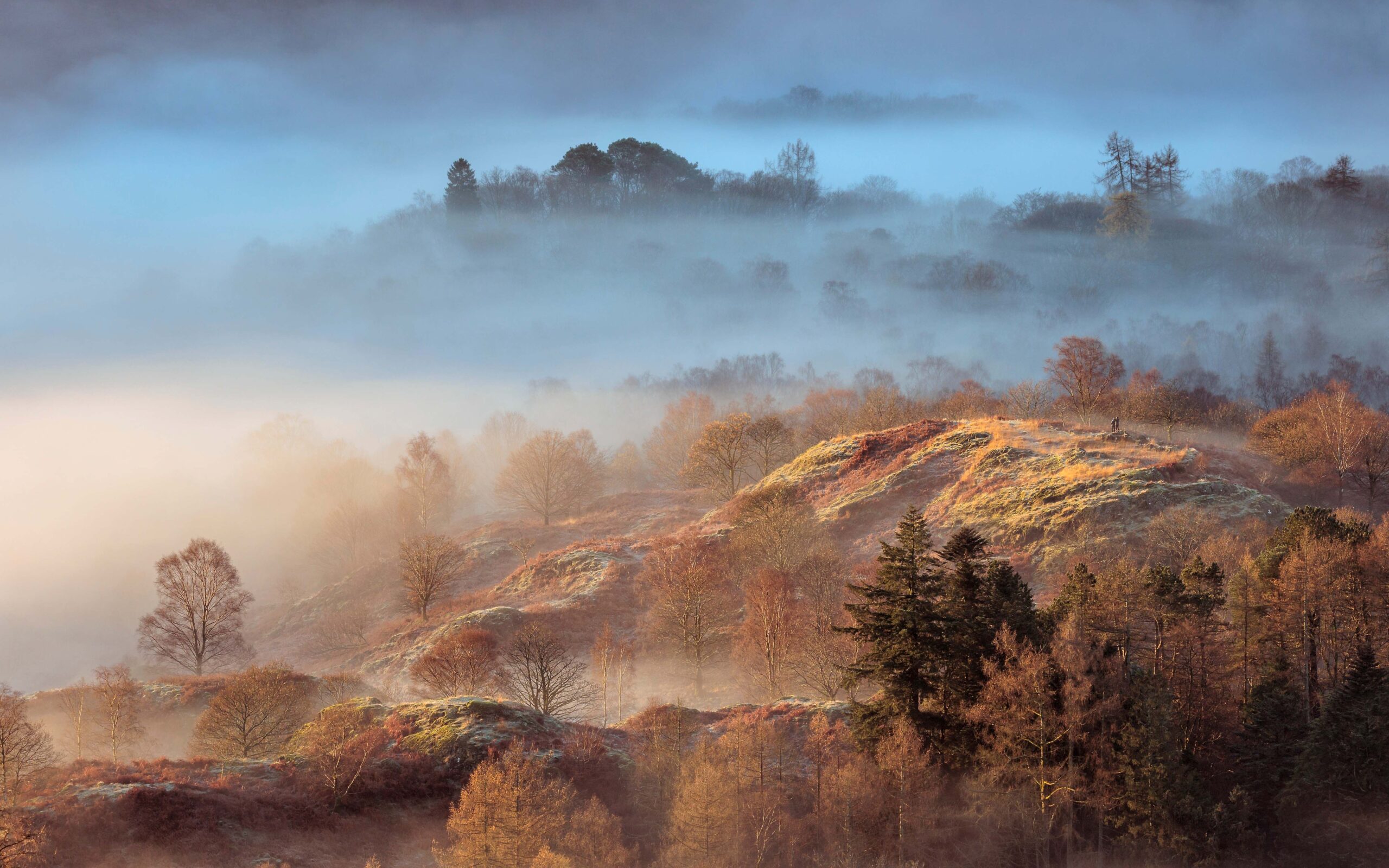
Wood pasture
- Wood pasture is grazing land with standing trees (often veteran) providing shelter and shade for livestock. Often alongside other high-value habitats.
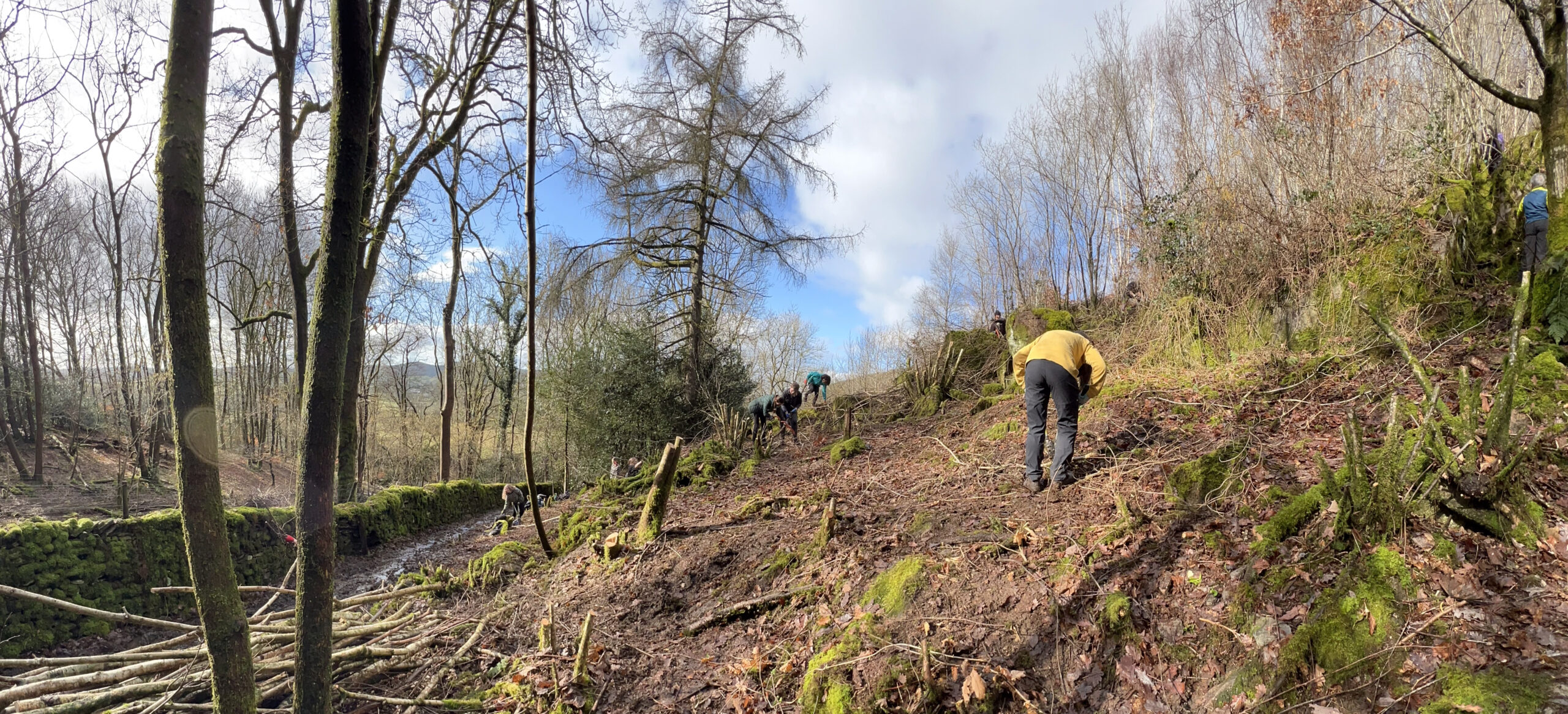
Coppiced woodland
- An ancient form of managing woodland. Trees are cut at regular intervals to provide timber for a variety of products.
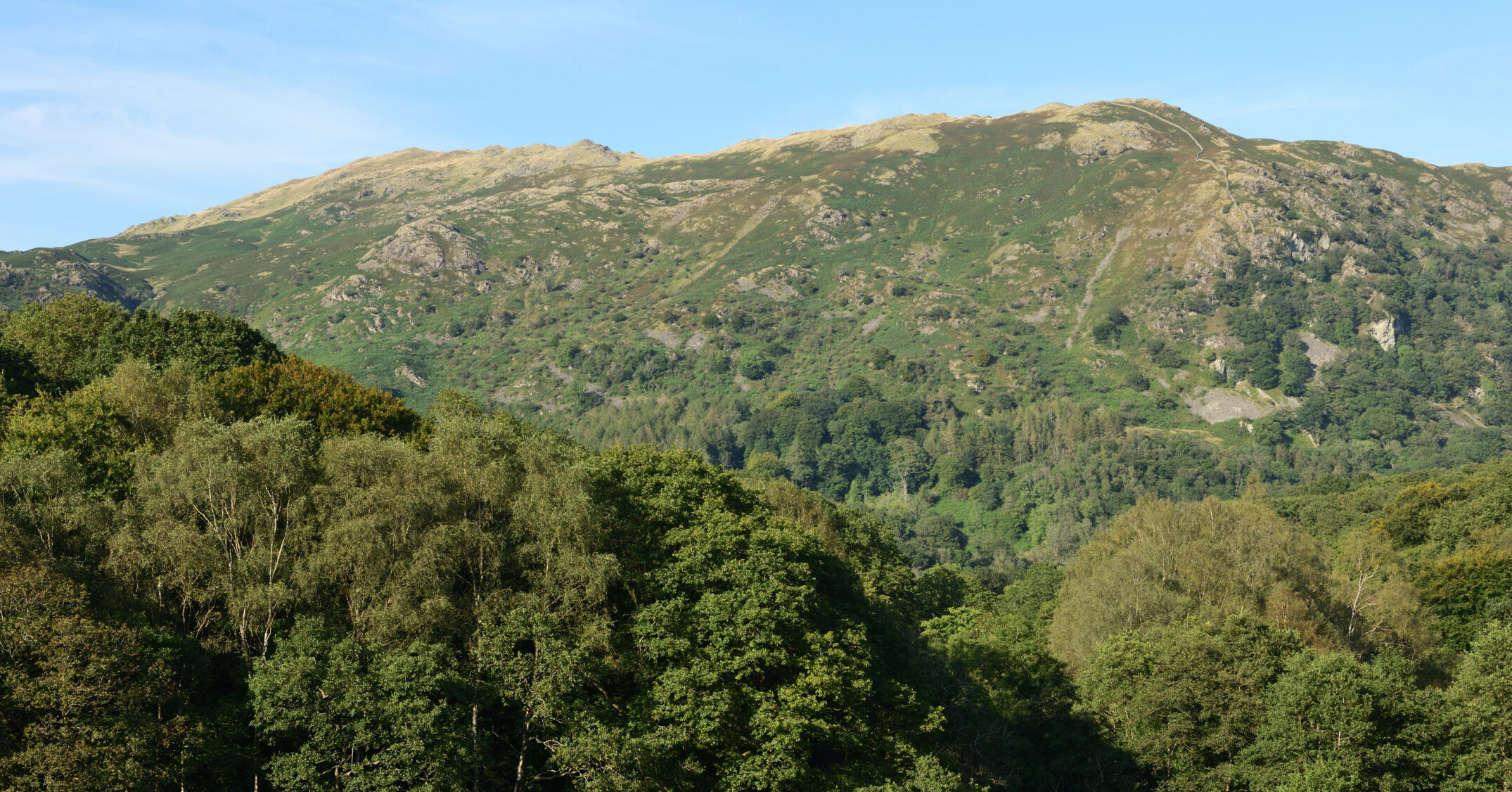
Successional scrub
- Generally smaller growing trees such as hawthorn and willow that provide high biodiversity value, especially when mixed with other habitats.
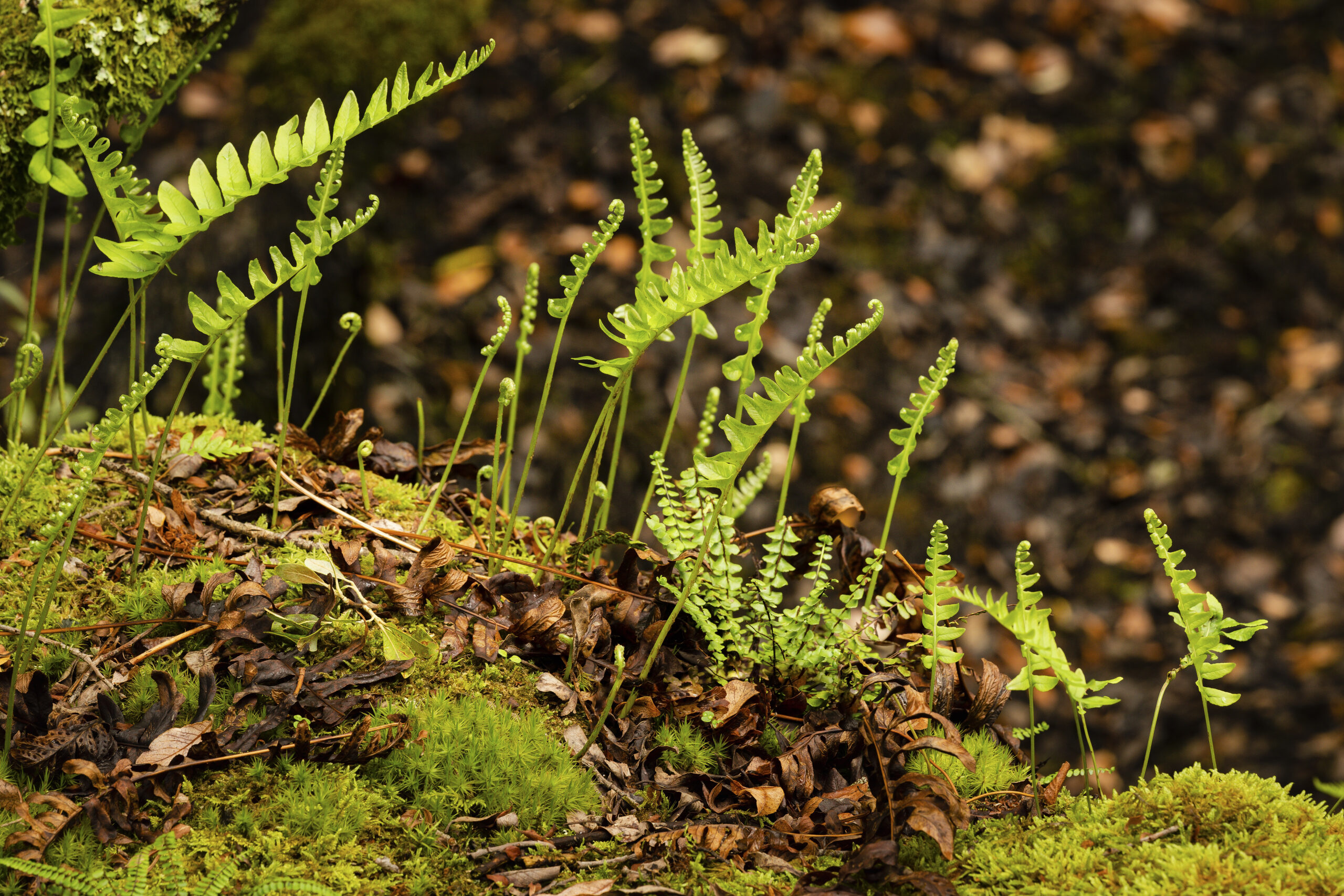
Wet woodland
- Found on wet soils and alongside watercourses. Can assist in improving water quality and management.
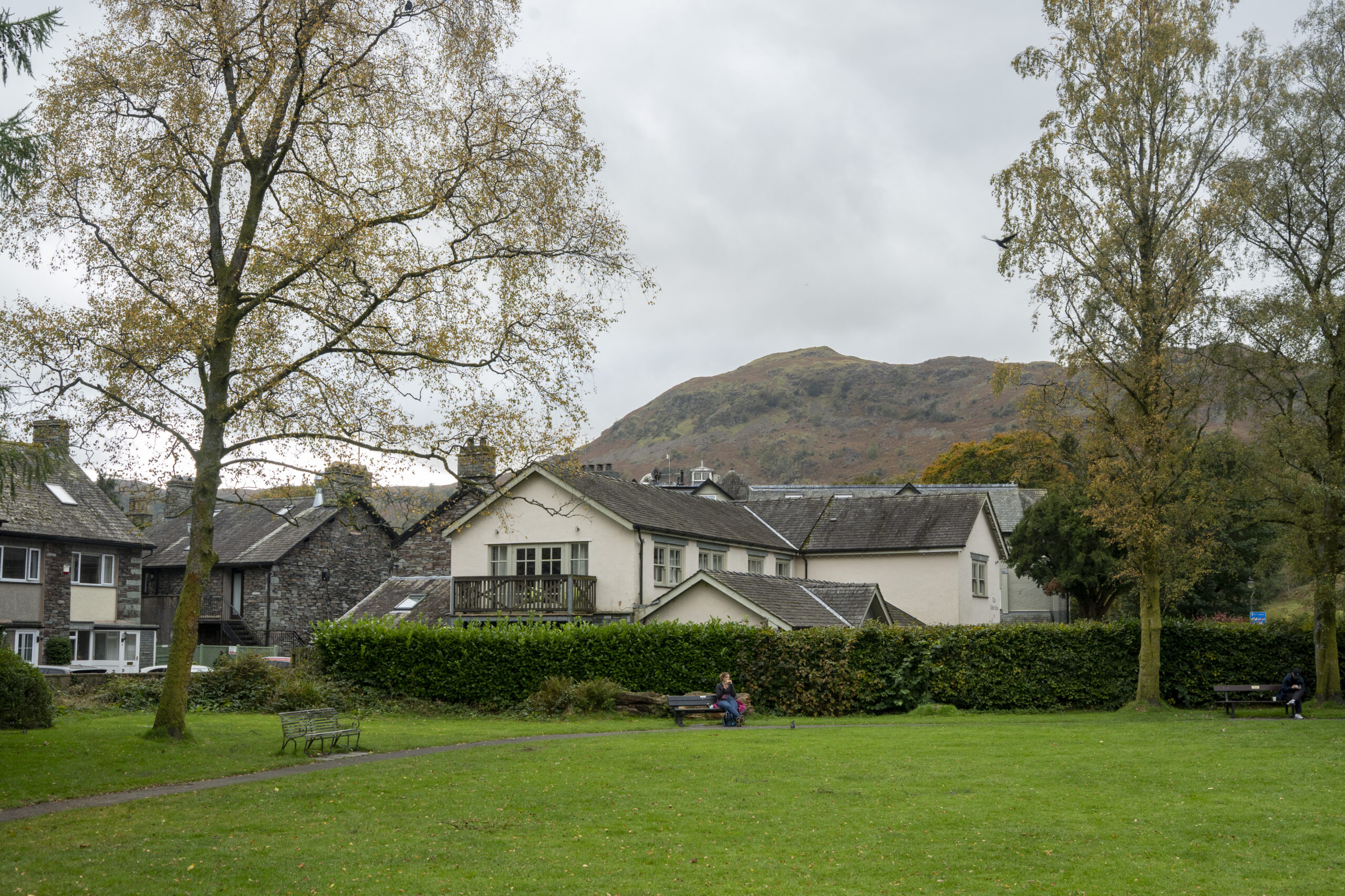
Hedges and individual trees
- Provide shelter and shade for livestock and homes for wildlife such as birds, bats, insects, flowers, ferns, fungi, lichens and mosses.
Funding and advice
There is a significant amount of support available to landowners in the form of funding, grant aid and advice. Advisors can provide you with the expertise and guidance to assess your project against objectives at each stage of the design process. They can also help you identify the right funding for your project and how to apply, including regulatory approval. Some of the tree and woodland establishment funding schemes are listed below.
| Funding | Min Size | Description |
|---|---|---|
|
Funding
Woodland Creation Planning Grant (WCPG) – Forestry Commission |
Min Size
5ha but can be smaller blocks |
Description
Funds the production of a UKFS compliant plan, including contribution to paying for surveys. |
|
Funding
The England Woodland Creation Offer (EWCO) – Forestry Commission |
Min Size
Minimum 1ha |
Description
Funds planting and natural colonisation (plus 100% of required capital items and maintenance payments for 10 years). Additional contributions to deliver public benefits such as access, water quality and nature recovery. |
|
Funding
Countryside Stewardship Higher Tier – Defra/Natural England |
Min Size
N/A |
Description
Annual area and capital payments for tree planting, fencing and guards to create scrub, wood pasture, orchards and hedgerows. |
|
Funding
Landscape Recovery Scheme – Defra/Natural England |
Min Size
500ha but not necessarily all woodland |
Description
Bespoke projects for significant nature restoration at the landscape scale. Includes funding for a project development phase. |
|
Funding
MOREwoods – Woodland Trust |
Min Size
All types, minimum 500 trees/0.5ha |
Description
Subsidised supply of trees and guards for woodland of 0.5ha+. |
Eligible woodland creation schemes can be registered under the Woodland Carbon Code to provide access to fully regulated carbon markets to sell sequestered carbon, including to the UK government via the Woodland Carbon Guarantee Scheme.
Where are good places for new trees and woodlands?
It’s important to establish the right types of new trees and woodlands in the right places, and it is worth taking the time to plan this early on.
The Lake District National Park Partnership’s ambition is to increase woodland cover from 13% to at least 17% to contribute to the Government’s legally binding target for tree and woodland cover in England of 16.5% by 2050. This means creating an average of over 200ha of new wood habitats per year – from woodland and forests to wood pasture, scrub to hedgerows and individual trees.
By expanding and linking up existing woody habitats, wildlife can move to colorise new areas and adapt to a changing climate. Diverse mixtures of habitat types (for example mixtures of trees, scrub, grassland and heath) are also great because they provide shelter and a wide range of food all in the same place. While signs such as bracken can indicate areas where trees will grow well, we also need to understand where trees are not appropriate, for example, on deep peat or priority habitats such as species rich grasslands.
You also need to be mindful of the impact of deer and livestock on establishing trees and consider management (such as fencing) for the duration of your project.
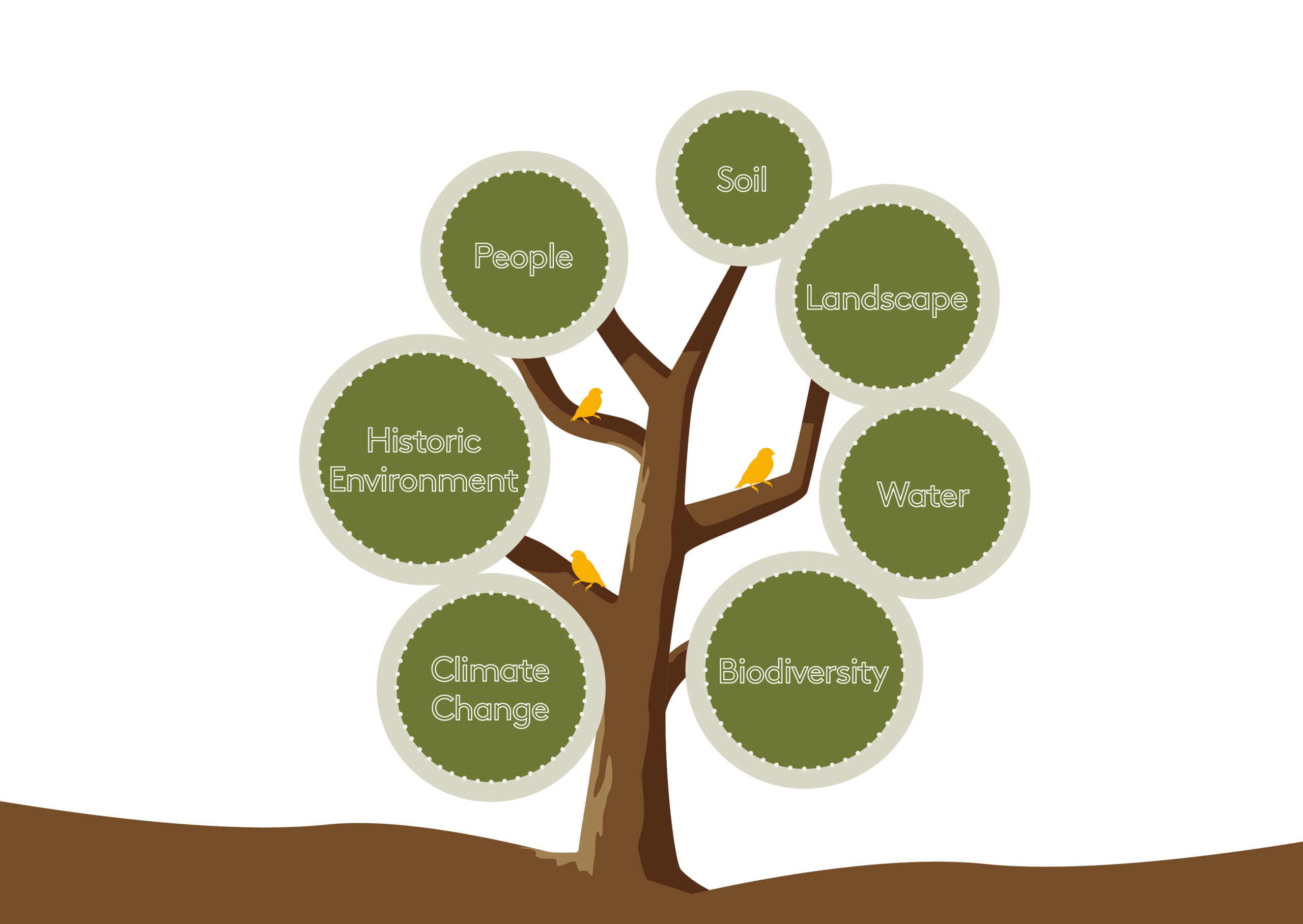
7 key factors for woodland creation in the Lake District
Water, biodiversity, landscape, soil, historic environment, climate change, and people are all important to consider when thinking about planning potential woodland creation in the Lake District. Read on to learn more about these key factors.
Priority Habitats are habitats which are considered of principal importance for conserving our biodiversity. Priority habitats and species are under pressure across England and the Lake District. Planting and/or encouraging natural regeneration of trees and woodland helps to increase biodiversity.
Top biodiversity factors to consider:
- Almost 20% of the Lake District National Park area is designated for its biodiversity value. Check with Natural England to see if your land is a Site of Special Scientific Interest (SSSI) or has another environmental designation to ensure your plans are appropriate to conserve special features on site.
- Where possible, design your project to include the creation of wildlife corridors to link a mosaic of habitats together helping species to move across the landscape.
Key woodland habitats and species to consider:
- Ancient semi-natural woodlands, including Atlantic oak rainforests and wood-pasture (including remnants).
- Lichen and bryophytes depend on long term, continuity of woodland cover and management to thrive
- Red squirrel habitat – they prefer trees with smaller seeds with lower calorific values, such as the seeds of coniferous trees like pines or broad-leaved trees like alder. Creating habitats suitable for species such as goshawk, and pine marten may boost populations through the predation of grey squirrels Birds – ensure woodland habitat is managed to provide an understory that supports insect larvae to increase food supplies for Pied flycatcher (numbers halved since 1995), Willow Tit (declined by 91% since 1970), Wood warbler (Priority Species), Goshawk.
Key Lake District non-woodland species to consider and create opportunities for on edge and open space habitats include:
- Juniper and scrub habitat
- Peatland habitats, butterwort
- Butterflies – pearl-bordered fritillary
Guidance links:
- Defra – MAGIC map (opens website)
- BTO – Guidance on Bird Species (opens website)
- The Wildlife Trusts – Habitat management for red squirrels (opens website)
- GOV.UK – Keepers of Time, Ancient and Veteran Tree and Woodlands (opens website)
- Plantlife – Lichens Bryophytes of Atlantic Woodlands of the Lake (opens PDF)
The Lake District is vulnerable to climate change and needs to lower its carbon emissions. Establishing trees and woodlands has a significant role to play in removing carbon from the atmosphere and adapting the Lake District landscape to the effects of climate change. Choosing species and woodland designs resilient to current and future climate change should be at the core of new woodland creation.
Top Climate Change factors to consider:
- Choose a diverse range of tree and shrub species that are adapted to the forecast climate for the Lake District to give your project long-term resilience and help ensure you can deliver your stated management objectives.
- Consider natural colonisation for native woodlands creation. Natural regeneration is suitable where seed trees are present to maintain local genetics and resilience and that vegetative competition and the pressure of browsing and grazing animals can be controlled throughout establishment.
- All woodlands have the ability to sequester carbon, but productive woodlands also help lock up carbon in timber products and help offset the use of carbon ‘heavy’ alternatives such as concrete in house building and plastics in packaging, or heating oil. All woodland types can be productive and a diverse woodland with a mixture of species can offer different products opportunities.
Guidance links
- Forest Research – Climate Match Tool (opens PDF)
- Forest Research – Ecological Site Classification Tool (opens website)
- Forestry Commission – Managing England’s Woodlands in a Climate Emergency (opens website)
- Forest Research – Climate Change, the UKFS practice guide for Adaptation (opens PDF)
- Forestry Commission – Biosecurity Guide (opens PDF)
The historic environment of the Lake District comprises the irreplaceable physical evidence of past human activity. It connects people with places, and with traditions, stories and memories linked to those places and includes archaeological sites, historic landscapes, industrial sites, buildings and settlements. Tree planting should seek to protect and enhance the historic environment and the stories it tells.
Top historic environment factors to consider:
Contact the Lake District National Park Authority to check the Lake District Historic Environment Record for your site – archaeology@lakedistrict.gov.uk (opens email).
- Where you have Historic Environment features allow plenty of space to conserve and showcase them.
- Do not only consider historic environment features in isolation but also how they relate to each other and the landscape around them (setting).
- Seek advice in relation to nationally designated heritage assets. For scheduled monuments seek the views of Historic England and for Registered Parks & Gardens you should contact the Gardens Trust.
Existing guidance / links:
The Lake District’s landscape is spectacular and subtle. Every valley is distinctive. The integration and transition between woodland, trees and other vegetation cover is a key characteristic in the Lake District and should be carefully considered in woodland design.
Top landscape factors to consider:
- The English Lake District World Heritage Site (WHS) is an important part of the historical character and cultural values of the National Park – Woodland and tree projects should be designed and managed to take account of the WHS. You will need to complete an assessment of potential impact upon the WHS as part of the EIA (Forestry) screening. Please contact your local Forestry Commission (FC) Woodland Creation Officer for more details on how to do this. You may also find it helpful to refer to the UNESCO Guidance and Toolkit for Impact Assessments in a World Heritage Context.
- Where fencing or other tree protection methods are used, carefully consider where they are placed in the landscape to avoid impacts such as hard visual lines in the transition between woodland, trees and other land uses. If it is temporary fencing is there a plan and budget to have it removed?
- Consider where woodlands and trees may have been in the past and in what form. Early engagement with an FC Woodland Officer or Land Use Adviser is advised as they can support you in understanding historic woodland extent in your area. You could also consider how your project could enhance the historical character of the national park through restoration of traditional land management practices including woodland industries and mixed grazing.
- The Lake District has many famous and iconic views. Woodland and tree planting may have some impact on these views, or indeed have potential to block views from important viewpoints. Consider these in your project design to minimise any such impacts.
Guidance links
Healthy soil is fundamental to the successful establishment of trees and a functioning ecosystem. In the Lake District soils are often vulnerable to erosion. Well designed and managed woodland and trees can help protect soils and the carbon it contains. Minimise soil disturbance and compaction during establishment or encourage natural colonisation.
Top soil factors to consider:
- Assess the soil on your site to determine whether woodland is appropriate, and inform your woodland and tree establishment method and tree species choice. Forest Research’s Ecological Site Classification is a useful tool.
- If possible, take steps to enhance soil organic matter and encourage fungi network development and other soil wildlife at an early stage to support tree establishment.
- Soil compaction can be a challenge to tree rooting where land has been compacted by livestock and machinery traffic over a long period of time – consider the need to break-up compaction by sub-soiling where necessary.
- Otherwise, keep soil disturbance to a minimum at all stages of woodland creation and management to minimise release of carbon, and protect the soil ecosystem, e.g. by minimising cultivation and planning low-impact, efficient extraction routes using appropriate machinery.
Guidance links
- UK Soil Observatory – national soil maps (opens new website)
- Forest Research – Ecological Site Classification (opens website)
- GOV.UK – Decision support framework for peatland protection establishment of new woodland and reestablishment of woodland on peatland in England (opens website)
- GOV.UK – Guidance on cultivation and UKFS compliance for application in England: operations note 53 (opens website)
- Woodland Trust – soil in woodland (opens website)
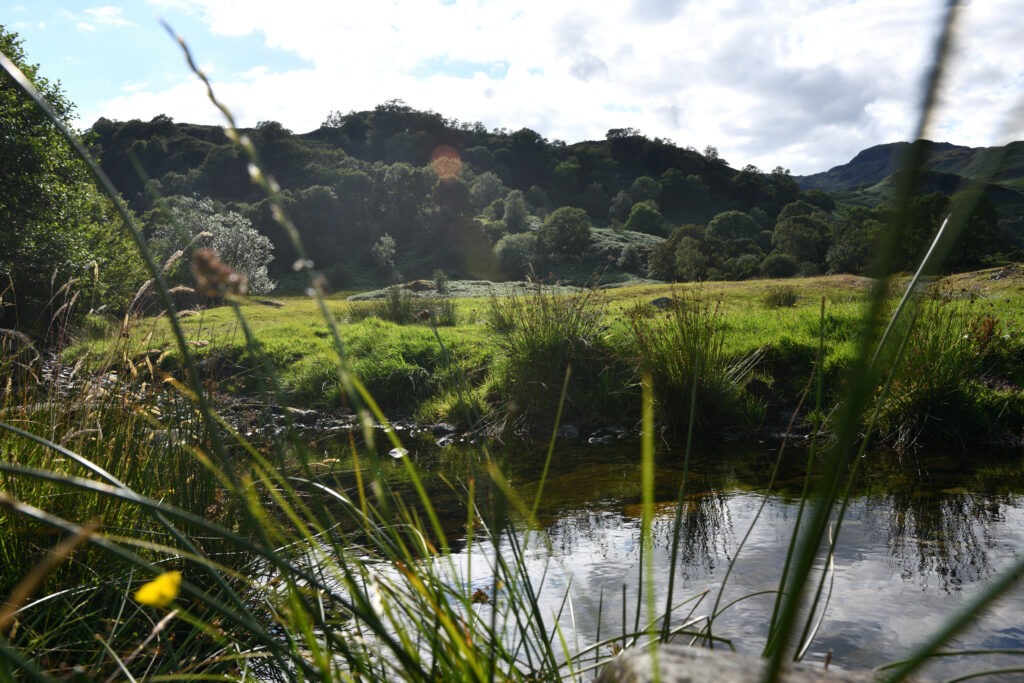
Water in the Lake District, from its famous lakes to the smallest beck, is a vital element of what makes the national park special. All woodland creation proposals should aim to contribute to improving water environments, for example by reducing nutrient run-off and slowing the flow of flood waters.
Top factors to consider:
- All water catchments in the Lake District are vulnerable to pollution. Positioning new woodlands across slopes or beside rivers can help to intercept overland flow and reduce nutrient and sediment run-off.
- Riparian (river-side) planting is important as it provides shade for water courses. Dappled shade helps to keep rivers cool in a warming climate which is beneficial for lots of species and also helps prevent algal blooms from developing.
- With climate change disruption, the frequency and severity of flooding is increasing. Investigate ways your project can include or be a part of natural flood management solutions to help slow the flow? Does your woodland proposal avoid negative impacts on existing water storage features?
- Consider your tree protection approach carefully near water courses. Take particular care with use of tree-shelters to avoid wash out and loss of these into rivers in storms and flood events.
Guidance links:
- Cumbria Strategic Flood Partnership and Catchment Based Approach Partnerships – Natural Flood Management Measures, practical guide for farmers (opens PDF)
- GOV.UK – First UK woodland natural flood management guide (opens website)
- Woodland Trust – Keeping Rivers Cool (opens PDF)
- Forest Research – Woods for Water (opens PDF)
The Lake District is a world class visitor destination where access and commons rights are important to people and heritage. Tree planting and establishment must safeguard existing access rights and, where possible, enhance high quality and unique experiences for visitors and residents.
Top people factors to consider:
- Be aware of public rights of way, common land and land that is open access under Countryside Rights of Way Act (2000). Check Defra MAGIC (and other links below) to understand what public rights of way there may be that will influence your project design.
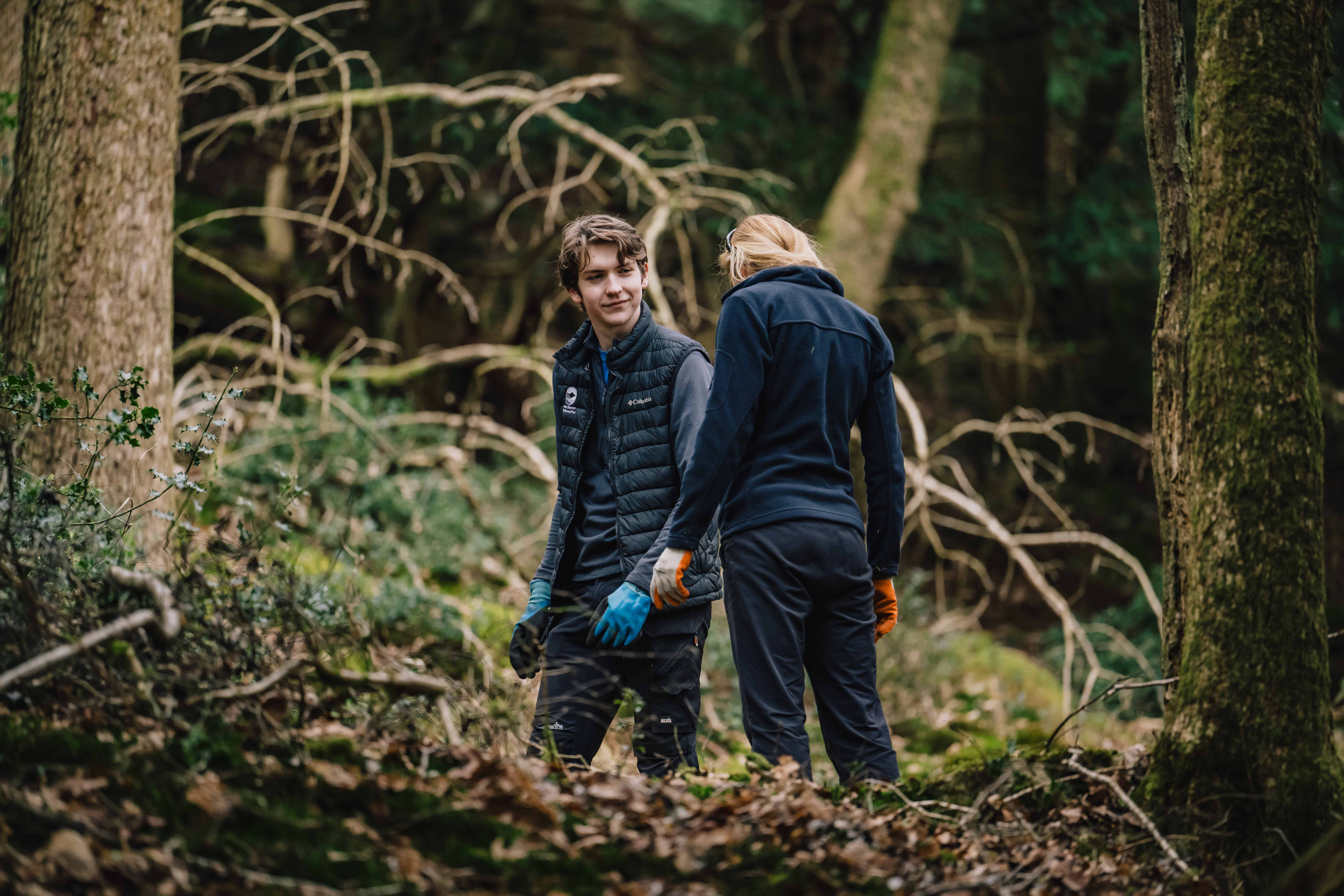
- Consider if your project can create new or improve existing access. Think about how people could connect with nature and the landscape through recreation, education or volunteering opportunities.
- Leave a clear buffer along footpaths or bridleways to allow for future tree growth, minimising the need for clearing overgrown public access (landowner’s responsibility).
- Ensure any fencing on open access land has gates to allow access on any path or desire line.
- New fences and gates may need permission from the LDNPA or the Secretary of State (>2km in length). See guidance link below.
- The Local Access Forum is a key stakeholder to engage with for tree and woodland projects. Where your project has public access seek their input and advice.
Guidance / links:
Top general good practice tips for woodland and tree establishment
Trees greatly benefit from maintenance during early years – it is important to budget for monitoring of tree condition and responding as needed to support tree establishment including weeding and ‘beating up’ (replacing dead or dying trees) with new plants should be expected and budgeted for.
Consider impacts of grazing by sheep and deer – use fencing and tree shelters wisely to protect trees.
Where used, remove/recycle tree shelters as soon as possible when trees are established to minimise impact on landscape, environment and give a good form tree.
With a warming climate, new pests and diseases are a threat – ensure good biosecurity in plant procurement to avoid bringing new pests and diseases to the Lake District and actively monitor for signs of these issues during planting and maintenance.






Sources of further advice
There are additional resources and guidance available. These pages are regularly updated to include all of the latest information about grant aid, policy and regulations. If you are a tenant, you should speak to your landlord at an early stage. Not all tenancies preclude woodland creation or tree establishment but may need some renegotiation or clarification before doing the work.
Forestry Commission
- Website: Forestry Commission – GOV.UK
- Email: NWWMwoodlandcreation@forestrycommission.gov.uk
Woodland Trust
- Website: Trees for Landowners and Farmers – Woodland Trust
- Email: plant@woodlandtrust.org.uk
Lake District National Park Authority
- Email: hq@lakedistrict.gov.uk
Cumbria Woodlands
- Website: Woodland Creation – Cumbria Woodlands
- Email: info@cumbriawoodlands.co.uk
Natural England
- Website: Natural England – GOV.UK
- Email: cumbriaareateam@defra.gov.uk