
Skip to content
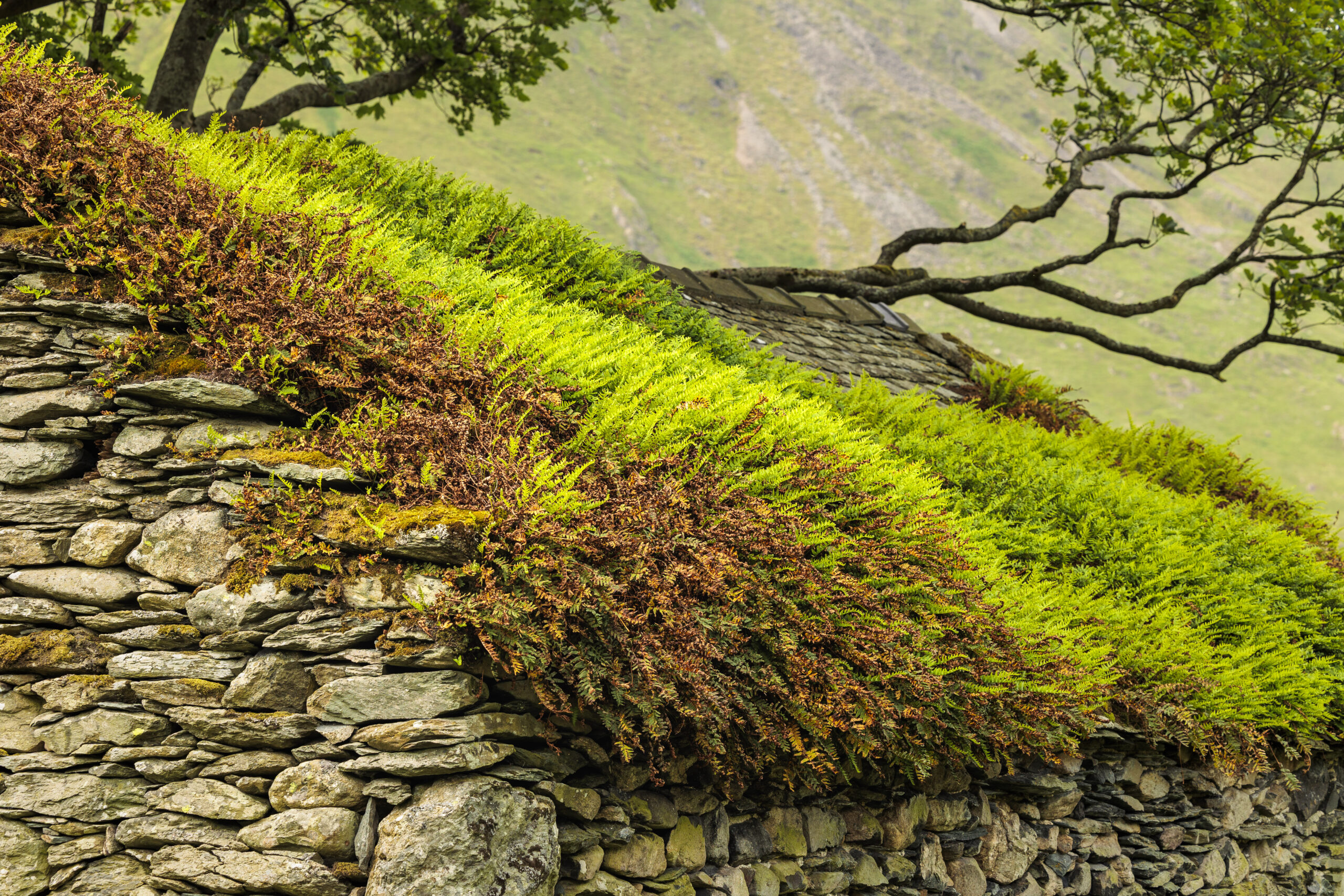
slate barn roof covered in green and brown moss, with bent trees and fell slope in backdrop

Conservation

Home Planning Conservation

Conservation in planning is essential for preserving the traditions, cultures and feel of the Lake District National Park.

This includes the character of settlements, building traditions and protecting nature. These themes run through our planning policy and guidelines.

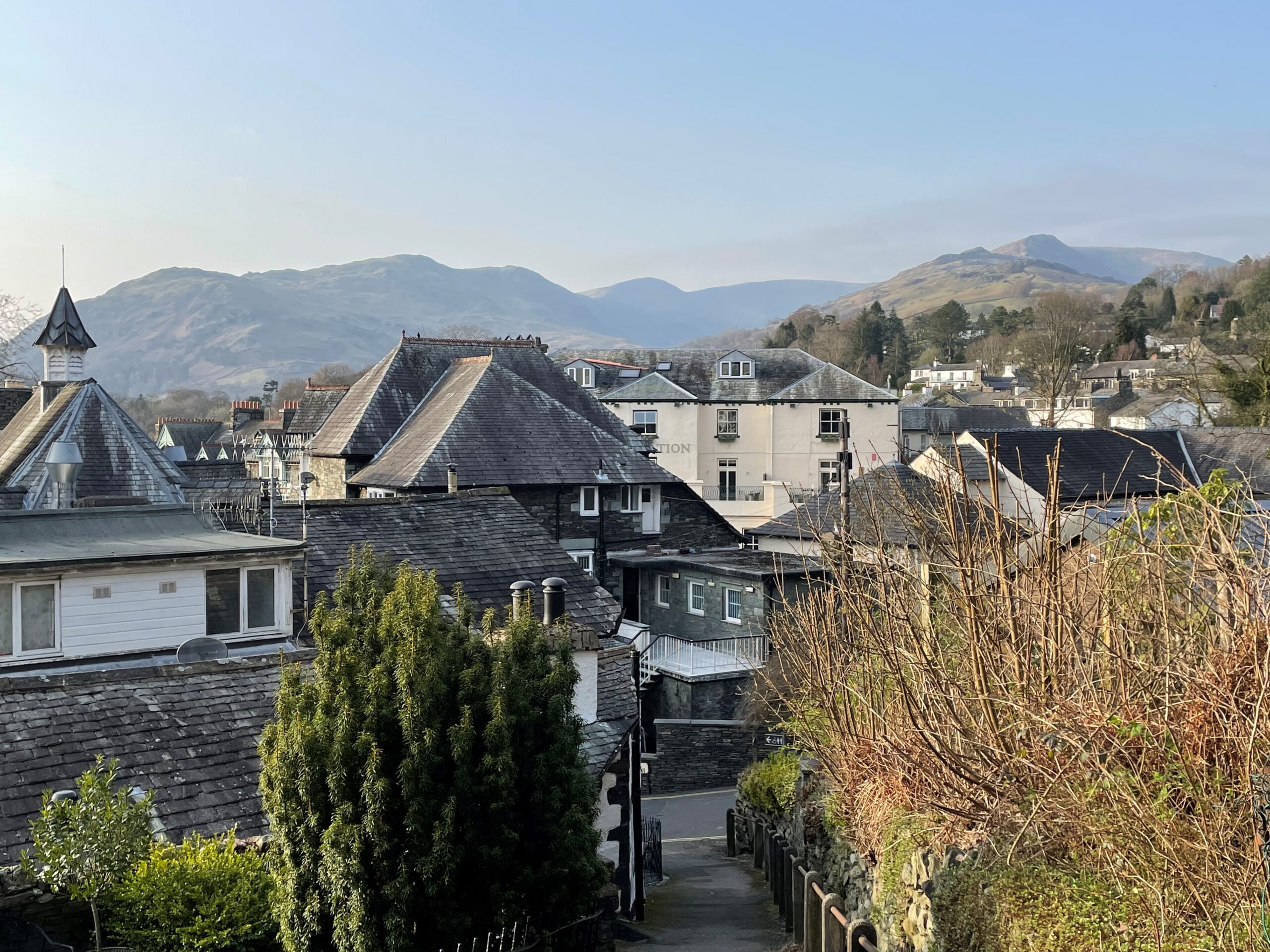
roof top view of slate houses in ambleside with fell backdrop

Building traditions

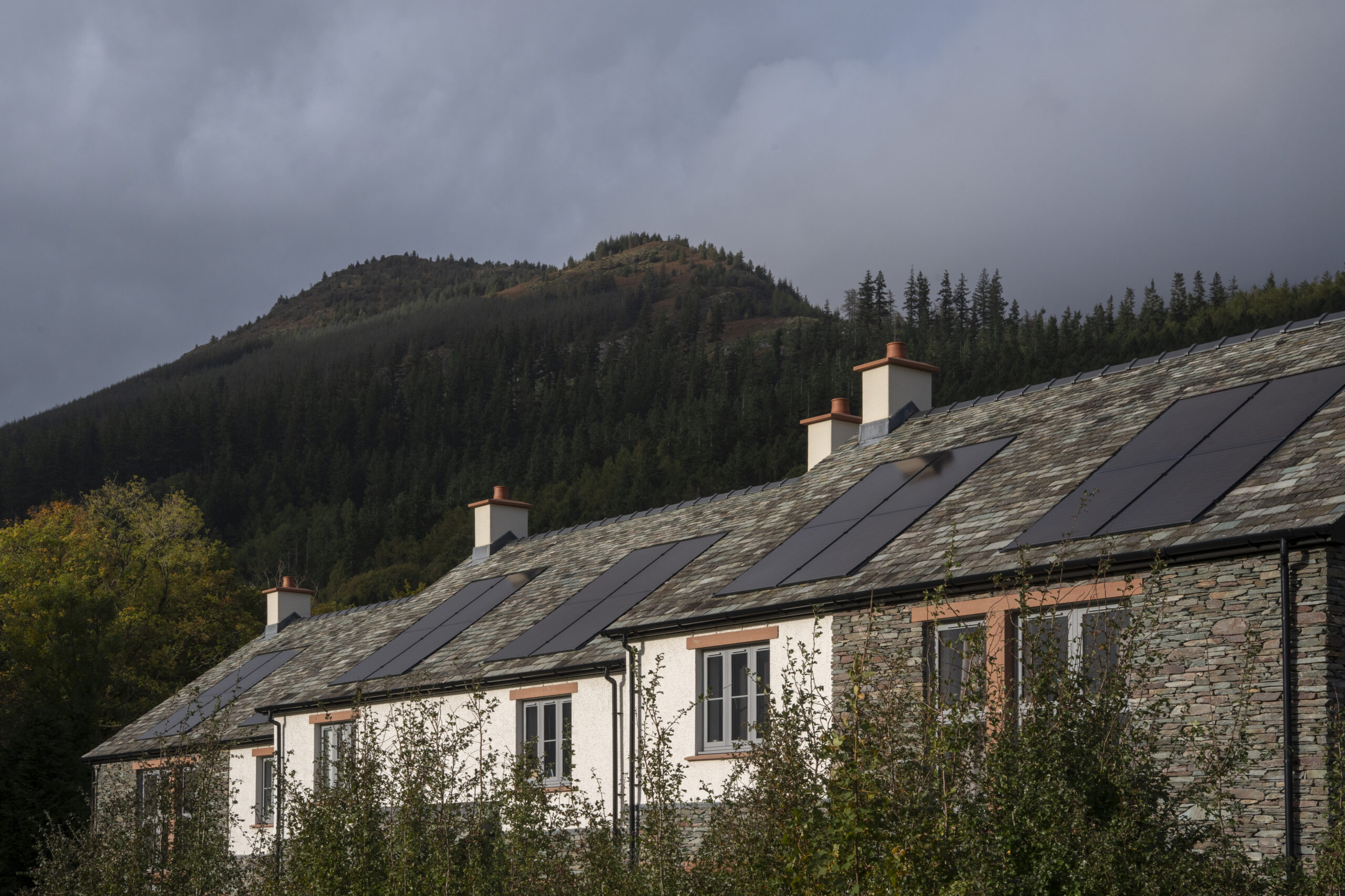
Within the Lake District, local building traditions have produced highly distinctive and characterful buildings, villages and towns. Buildings, objects or structures that have a special architectural or historic interested are recorded in a statutory list by the Department for Culture, Media and Sport (DCMS) – the Local List – of which there are more than 1,800 in the National Park. Historic England is responsible for the administration of the listing system.
Learn about building traditions
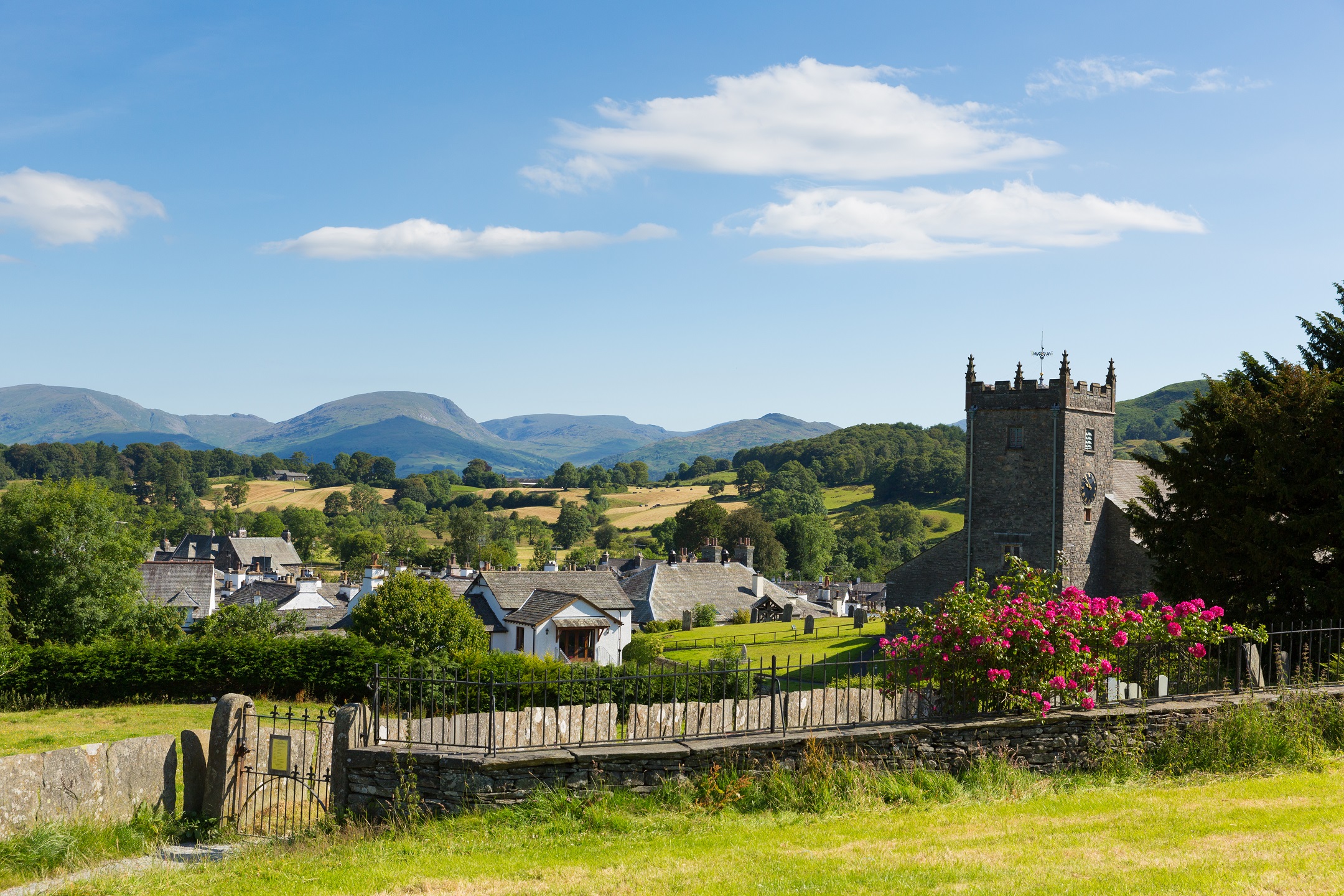
Landscape view of Hawkshead village. Lush green fields, trees and hills, with the stone village positioned in the centre. White houses and a tall church tower

Conservation Areas

Conservation Areas are legally defined as areas of ‘special architectural or historic interest, the character or appearance of which it is desirable to preserve or enhance’.  Learn about how Conservation Areas are considered in planning and see the A-Z list of Conservation Areas in the Lake District National Park.
See our Conservation Areas
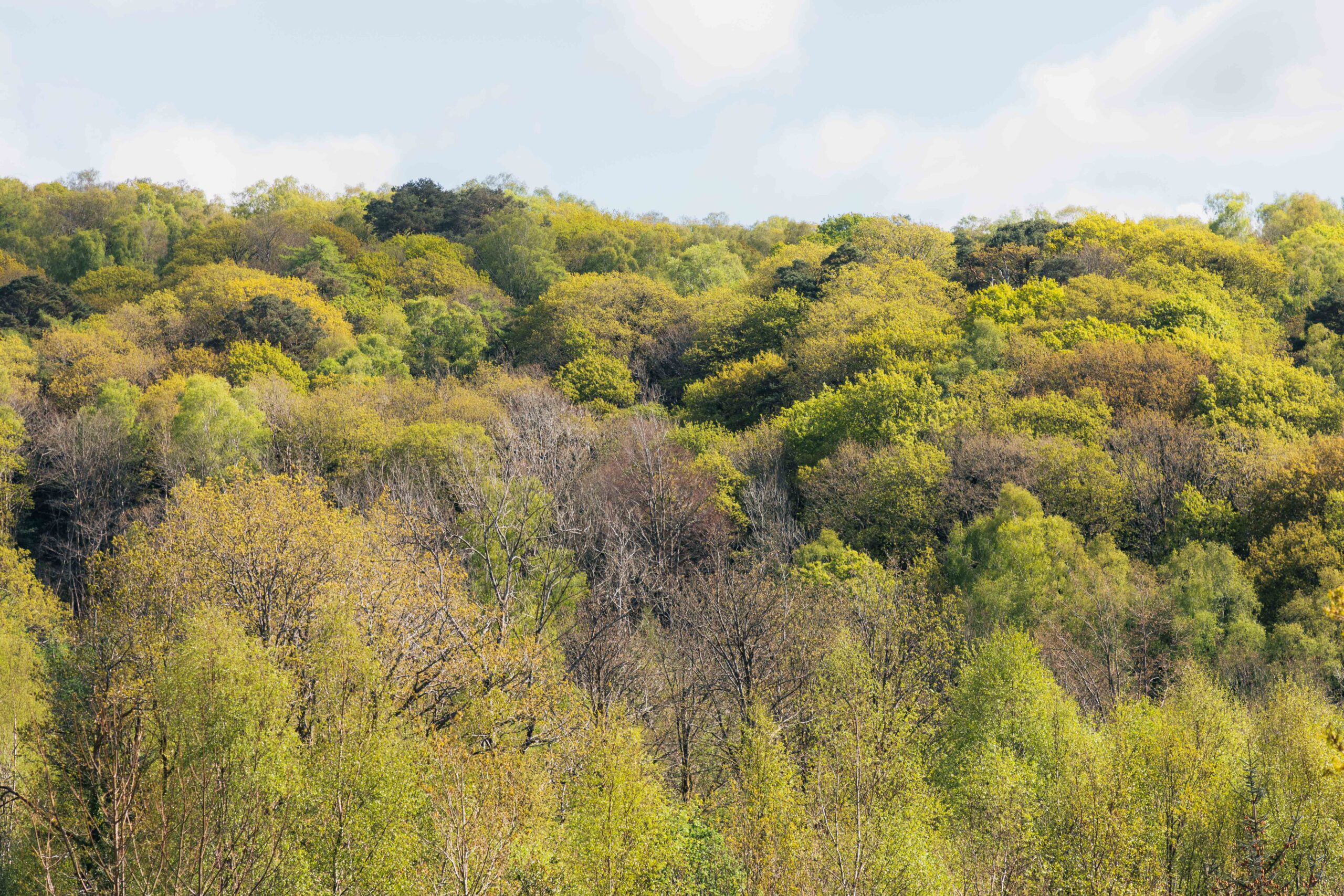
canopy top of a woodland. trees of various shades of green, yellow and brown

Trees and hedgerows

Trees and hedgerows hold aesthetic and cultural value. In this page, learn about Tree Preservation Orders (TPO) in planning, trees in conservation areas and protected hedgerows.

Trees and hedgerows
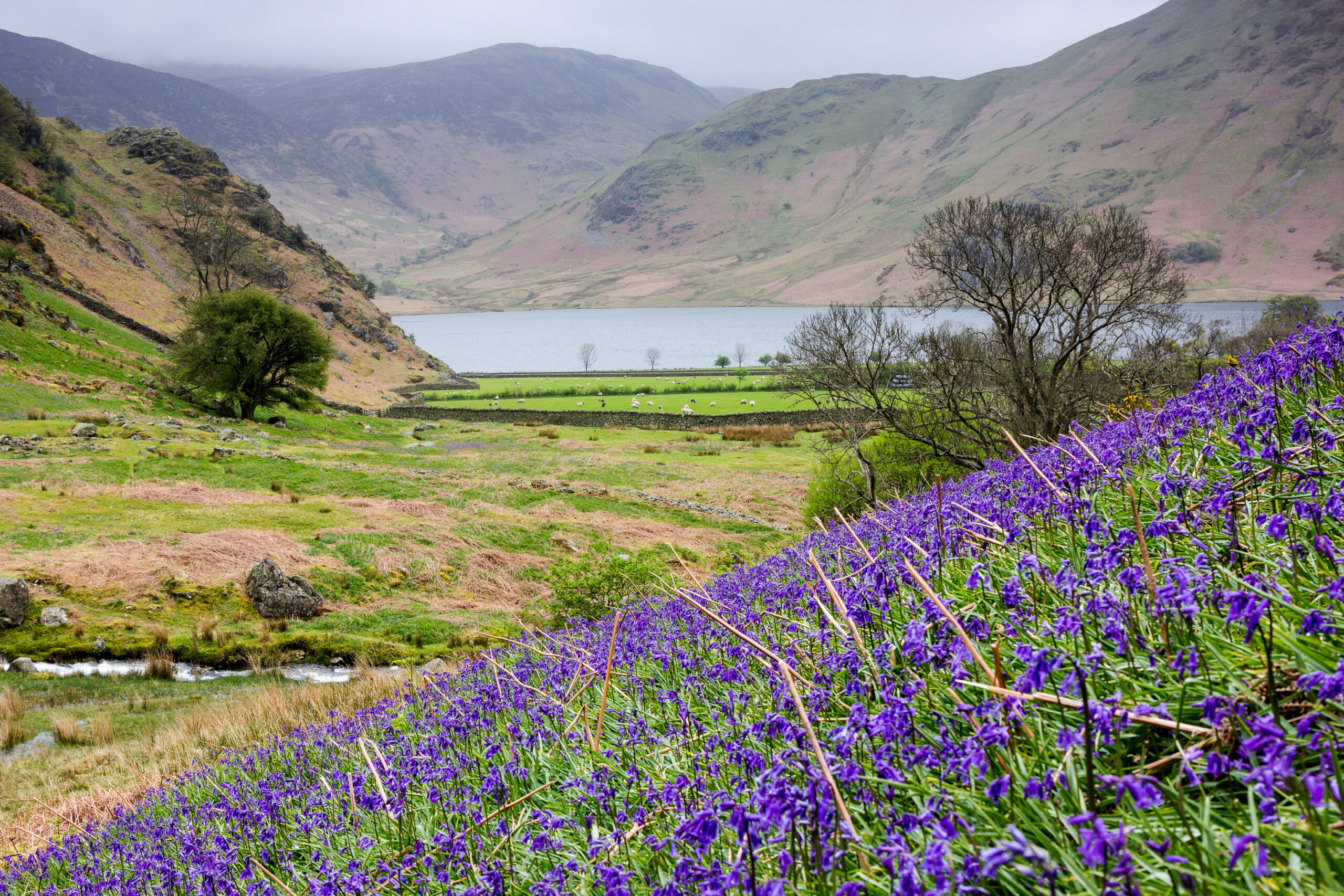
bluebells in the foreground and fells and a lake in the distance bluebells in the foreground and fells and a lake in the distance

Learn more about planning for nature recovery

We’re working with communities, land managers and developers to ensure that new proposals actively support the Lake District’s ecological resilience.