
Nature and biodiversity
Warmer lakes
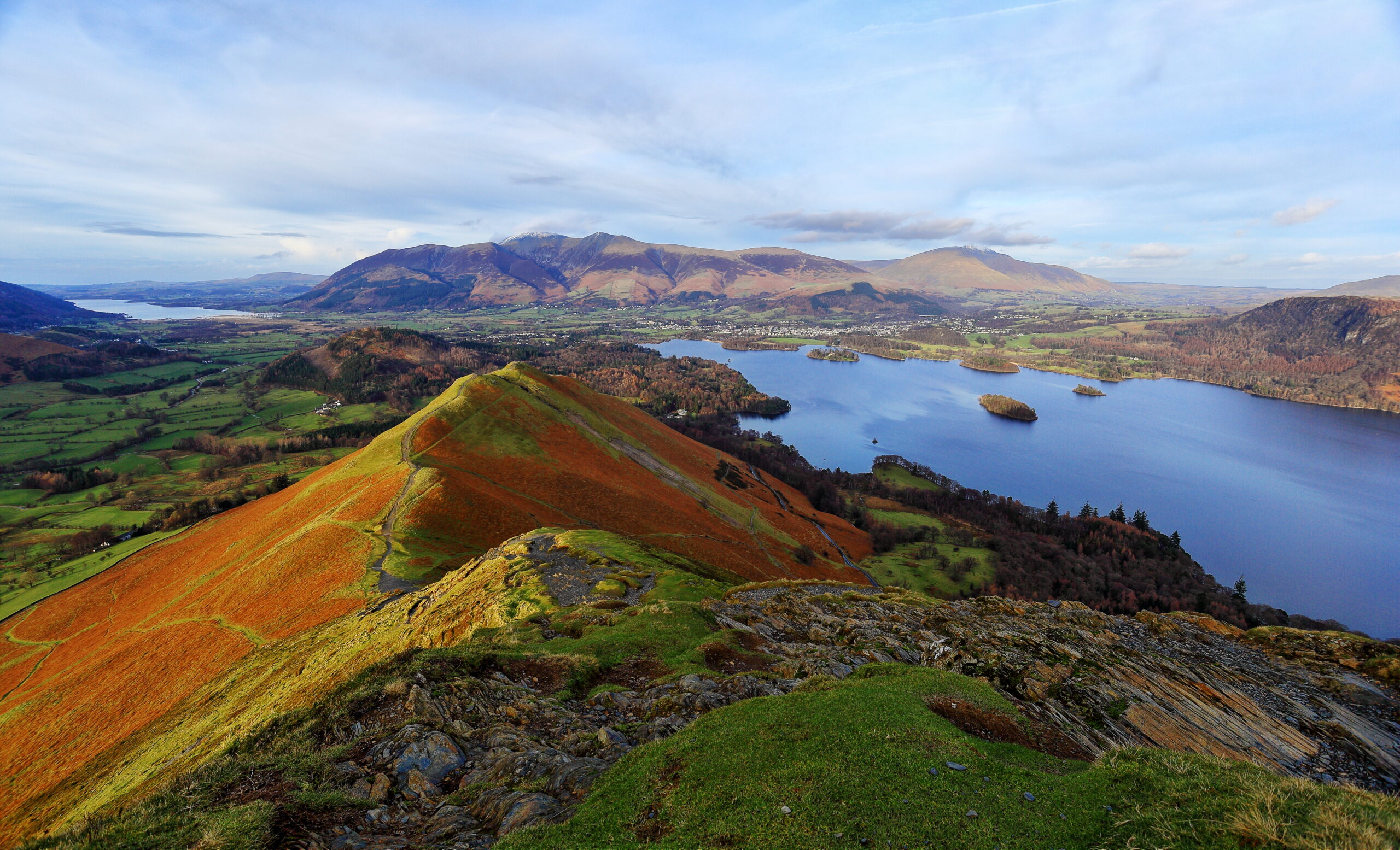
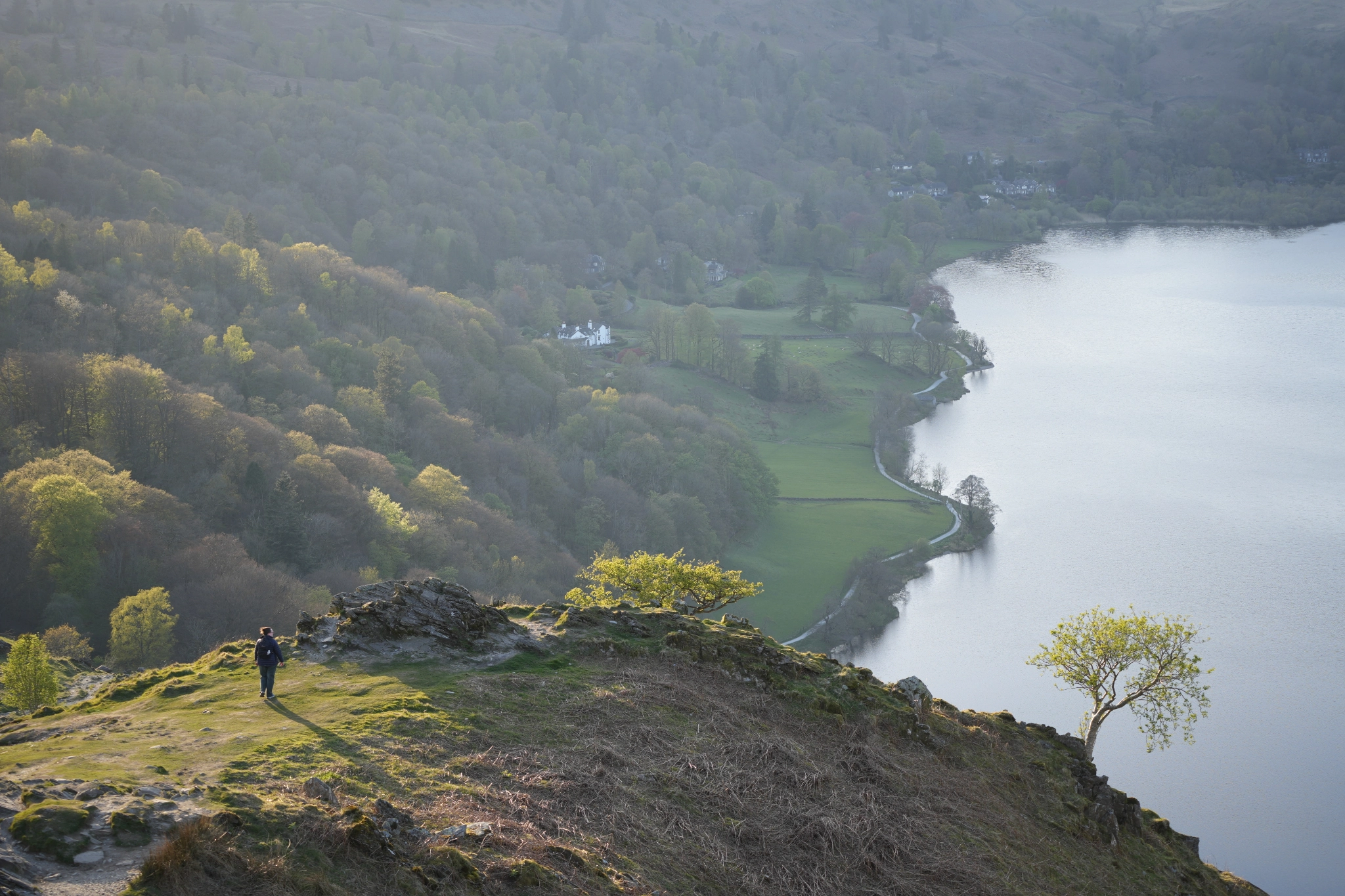
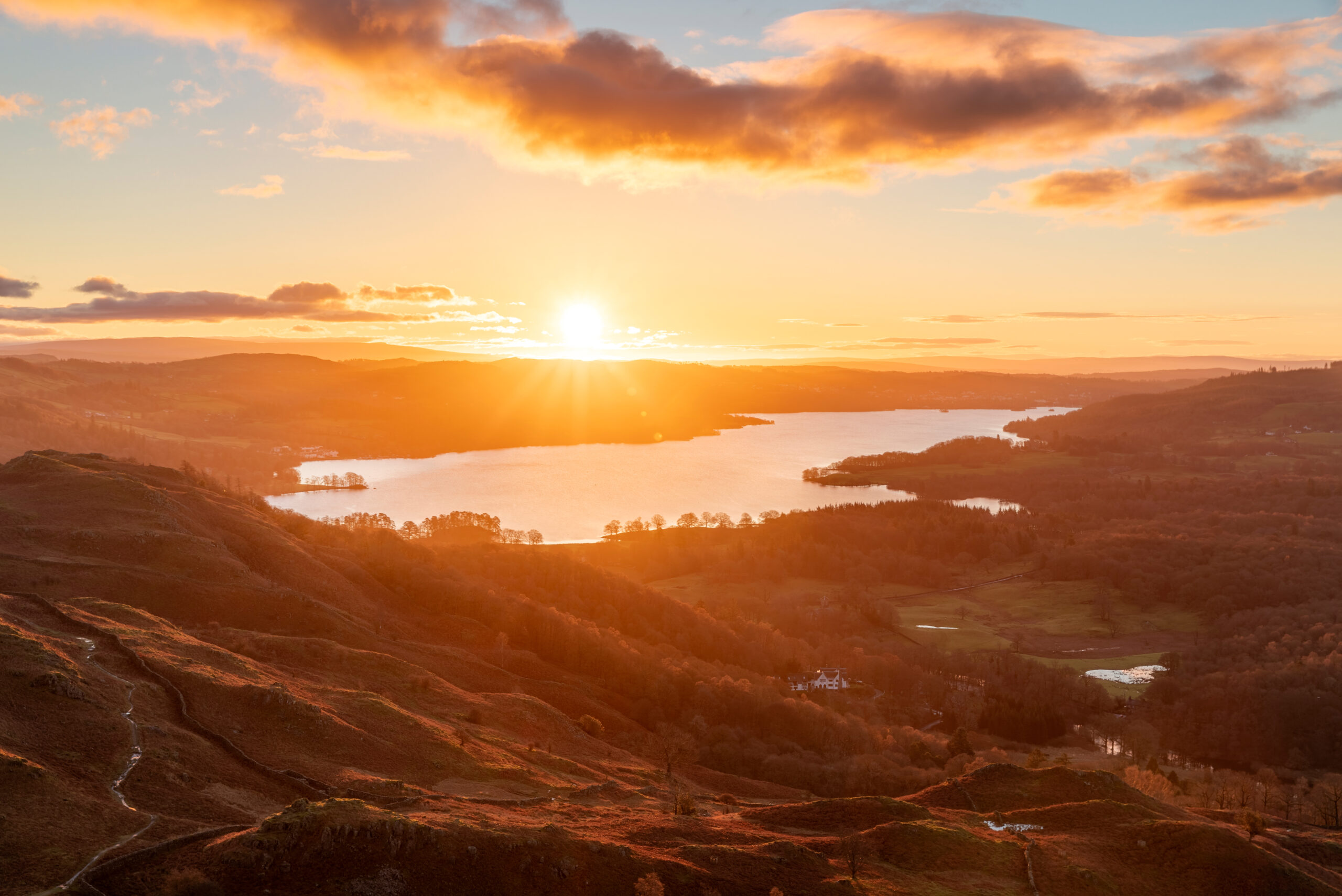
The Lake District National Park is characterised by its dramatic lakes, which are growing warmer each year. This has been evidenced particularly at Windermere, where surface water temperatures during Spring and early Summer have become higher since the 1980s.
This change in temperature could affect how much oxygen is available to freshwater organisms, changing the ecosystem of the lake and potentially fuelling ‘algal’ growth. You can learn more about the impact of climate change on Windermere at UK Centre for Ecology and Hydrology.
Climate change also impacts lakes with falling lake levels in summer and poorer water quality as pollutants become more concentrated. Erosion caused by heavy rain will increase siltation. Toxic blue-green algae may become more common in lakes affecting recreational use. Midges may be more of a problem near lakes.
Reduction of carbon ‘sink’ habitats
Peatland is a carbon-storing habitat because it ‘traps’ carbon from plants, reducing a huge amount of potential carbon release. Across the UK, peatlands store 3.2 billion tonnes of carbon – the equivalent of 20 years of UK carbon emissions. These habitats have been under threat from drainage for agriculture and forestry and for fuel and compost extraction.
Climate change could cause peat to become drier, reducing its effectiveness in storing carbon and even release the tonnes of carbon already stored. Peatland is also a natural flood mitigator, without which the impact of flooding in our landscapes and for communities could be more severe. Footpath erosion caused by high numbers of visitors contributes to this problem.
Woodlands
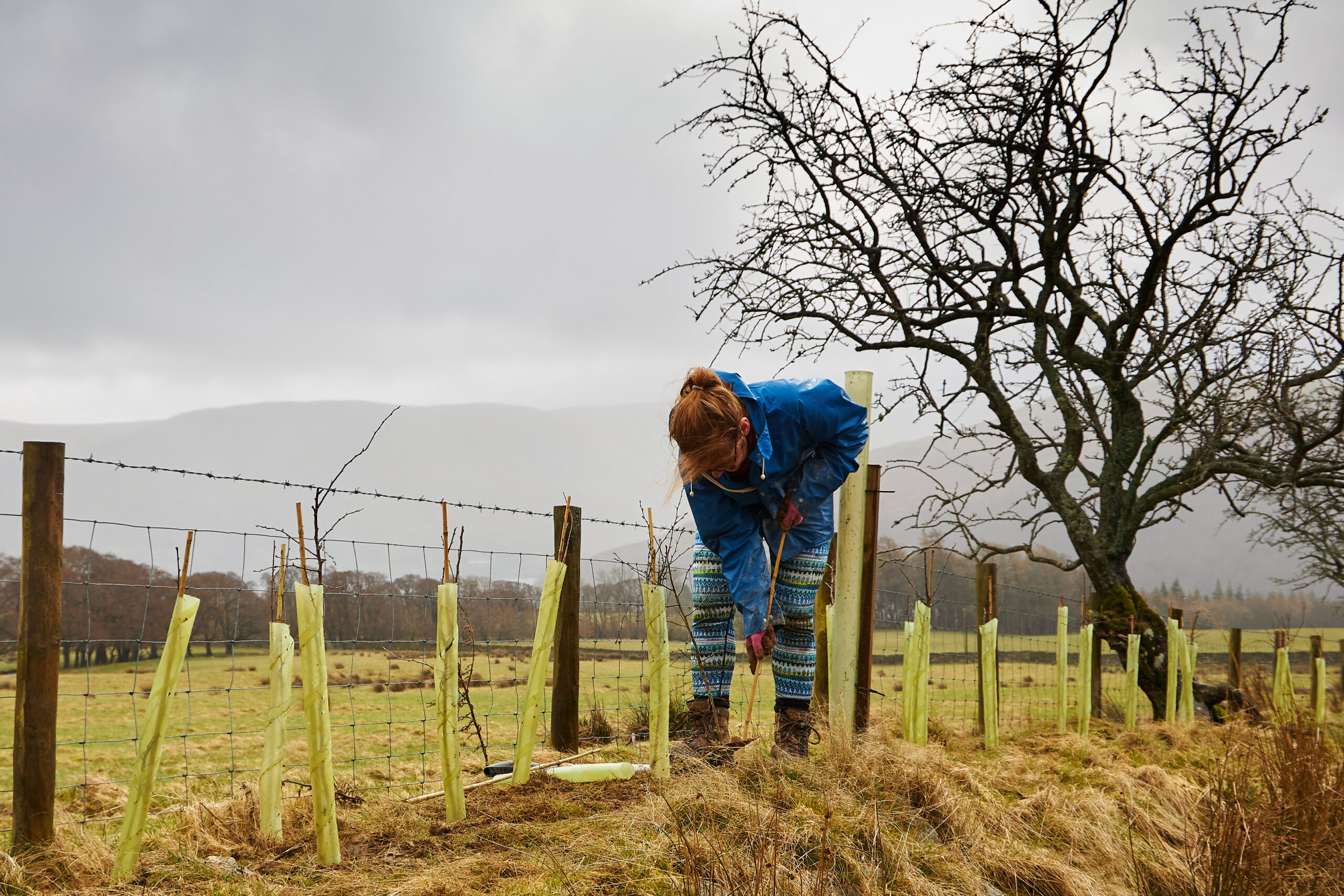
Woodlands are also important habitats in the fight against climate change for their potential to store carbon and limit flooding, helping slow the flow of water. Changing weather risks the different species within woodlands and is thought to potentially worsen ash dieback, a disease which is estimated to kill 80% of ash trees across the UK. Find out more about ash dieback at Woodland Trusts page Ash Dieback. Woodlands will suffer more storm damage and trees could suffer from summer drought. Woodlands will change as some species adapt better than others.
Species loss
Plants and animals which are at the edge of their range could become locally extinct. Examples include the mountain ringlet butterfly and the Arctic charr a cold water loving fish which has lived in Windermere since the ice age.
Migration upwards
Migrations of habitats upwards, squeezing upland landscapes into smaller areas making them more vulnerable.
Increase in non-native species
Examples include pygmy weed in wetland habitats, Himalayan balsam and Japanese knotweed. All are invasive plants which spread rapidly pushing out native plants and the wildlife which depend on them. Another unwelcome arrival could be Bluetongue disease in cattle which is spread by a species of midge seen for the first time in Britain in 2007. This disease would have a serious effect on farmers.
Communities and economy
Extreme weather events
The change in climate across the globe has increased the number of extreme weather events we’re seeing. In the Lake District, flooding as a result of Storm Desmond in 2015 resulted in power cuts across the region, destroying bridges, closing schools and workplaces and disrupting wildlife habitats.
As climate change increases the frequency of these events, we can expect to see more extreme weather including heatwaves, particularly impacting vulnerable people.
Threats to access
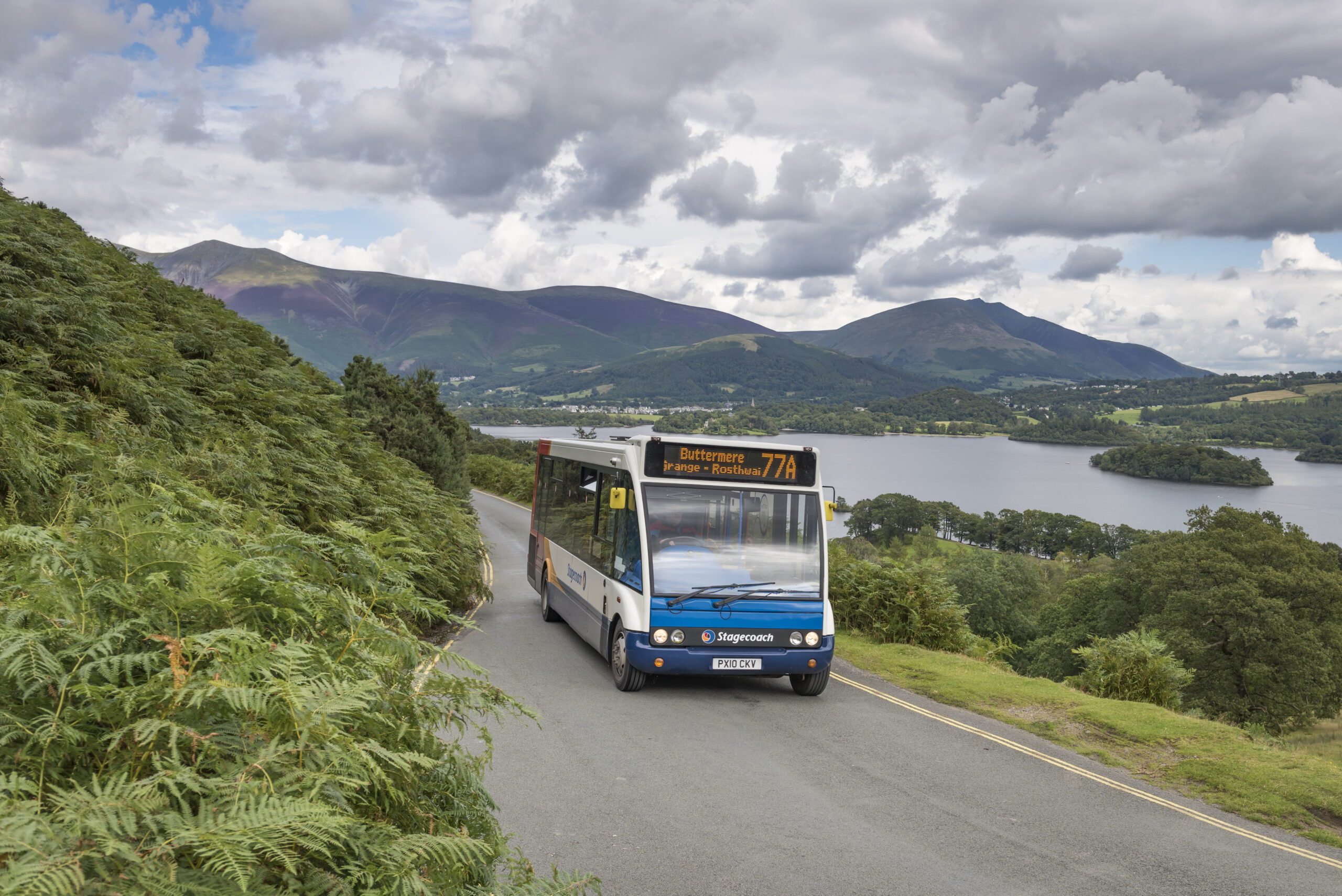
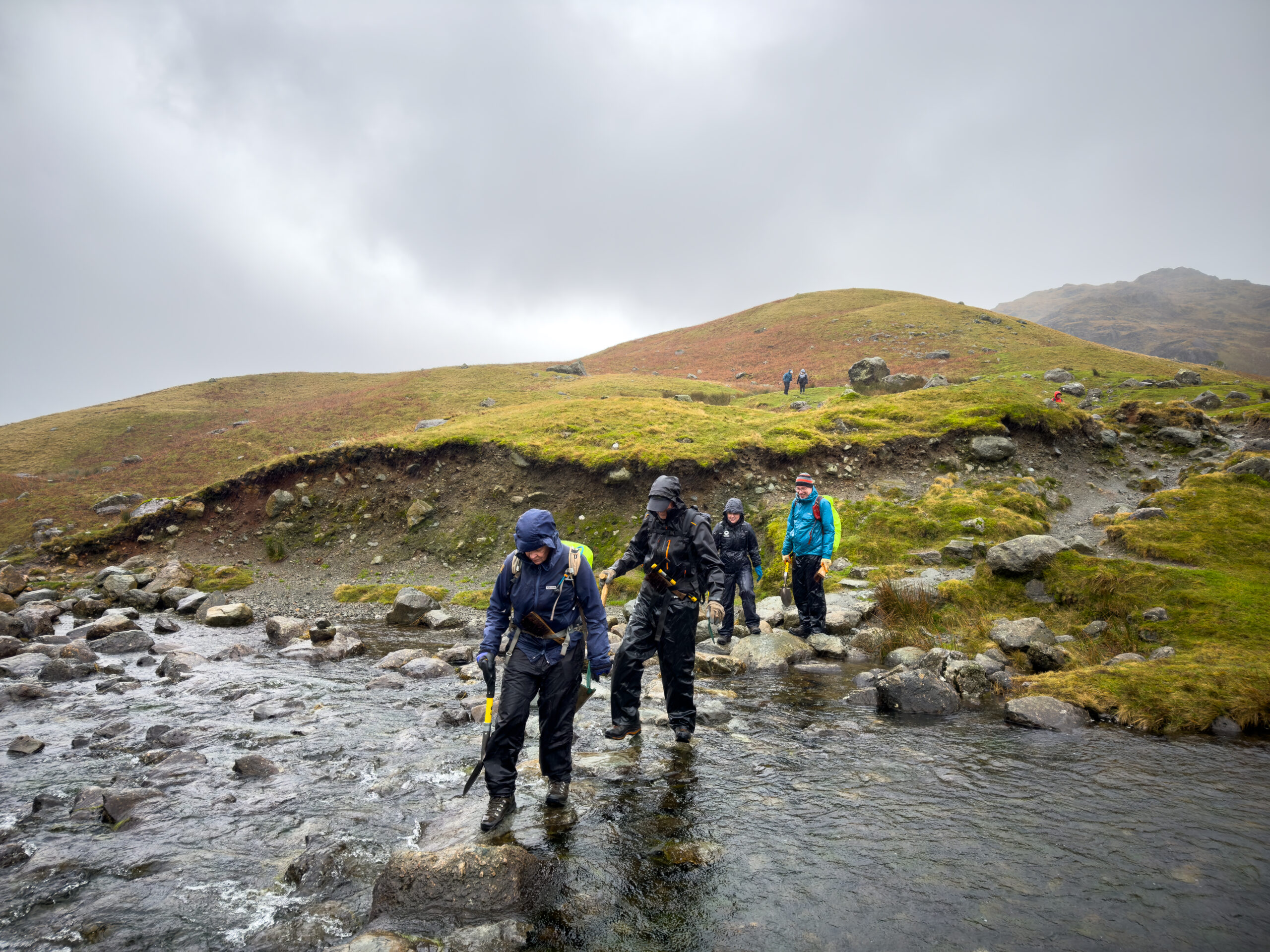
Upland paths are eroded both by footfall and extreme weather caused by climate change. This affects access to some of the Lake District’s most remote and scenic walks, requiring regular maintenance. In addition, it’s likely coastal erosion and storm surges will disrupt coastal communities, and the number of wildfires will increase, restricting access and damaging habitats.
Farming and land management
Low soil moisture
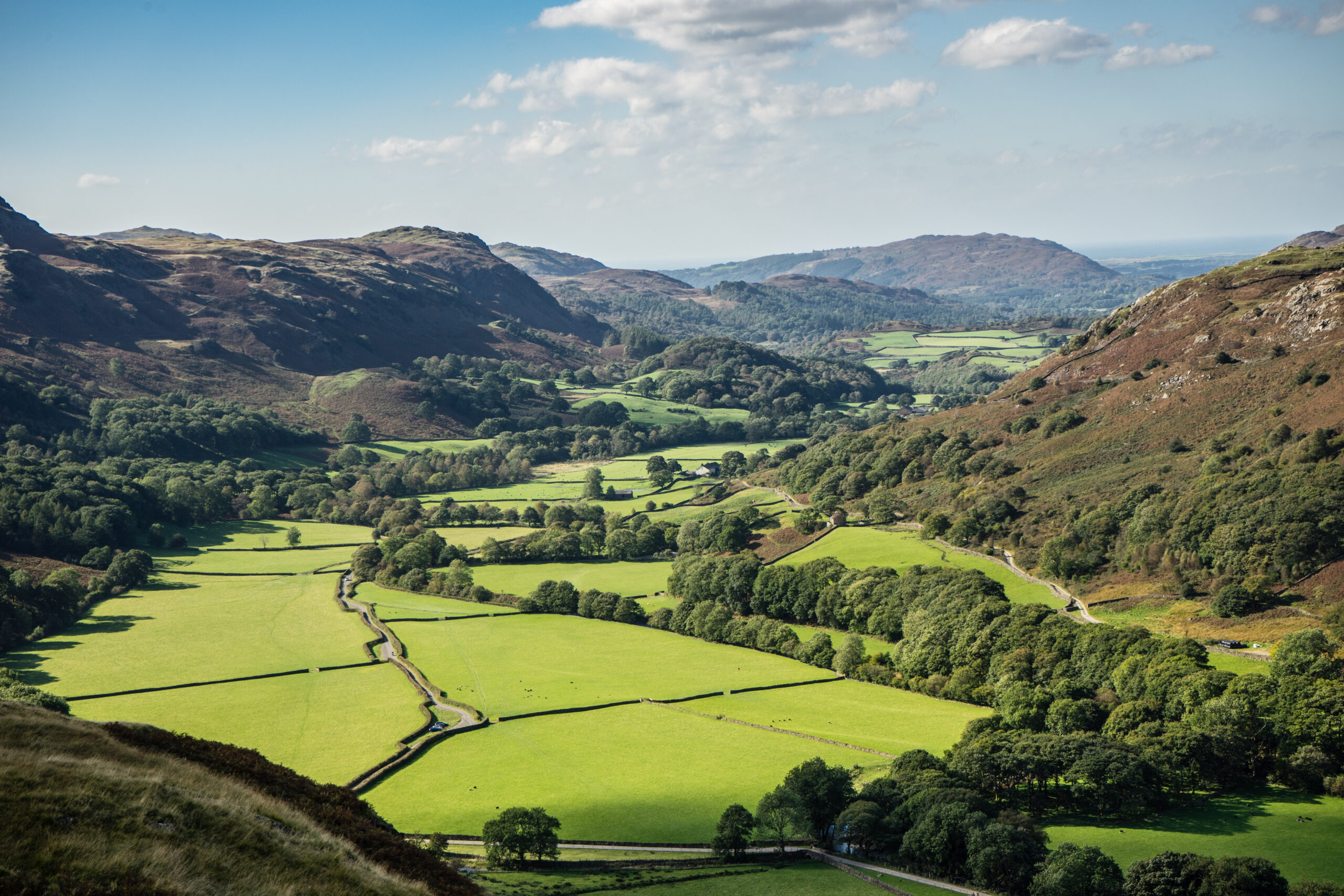
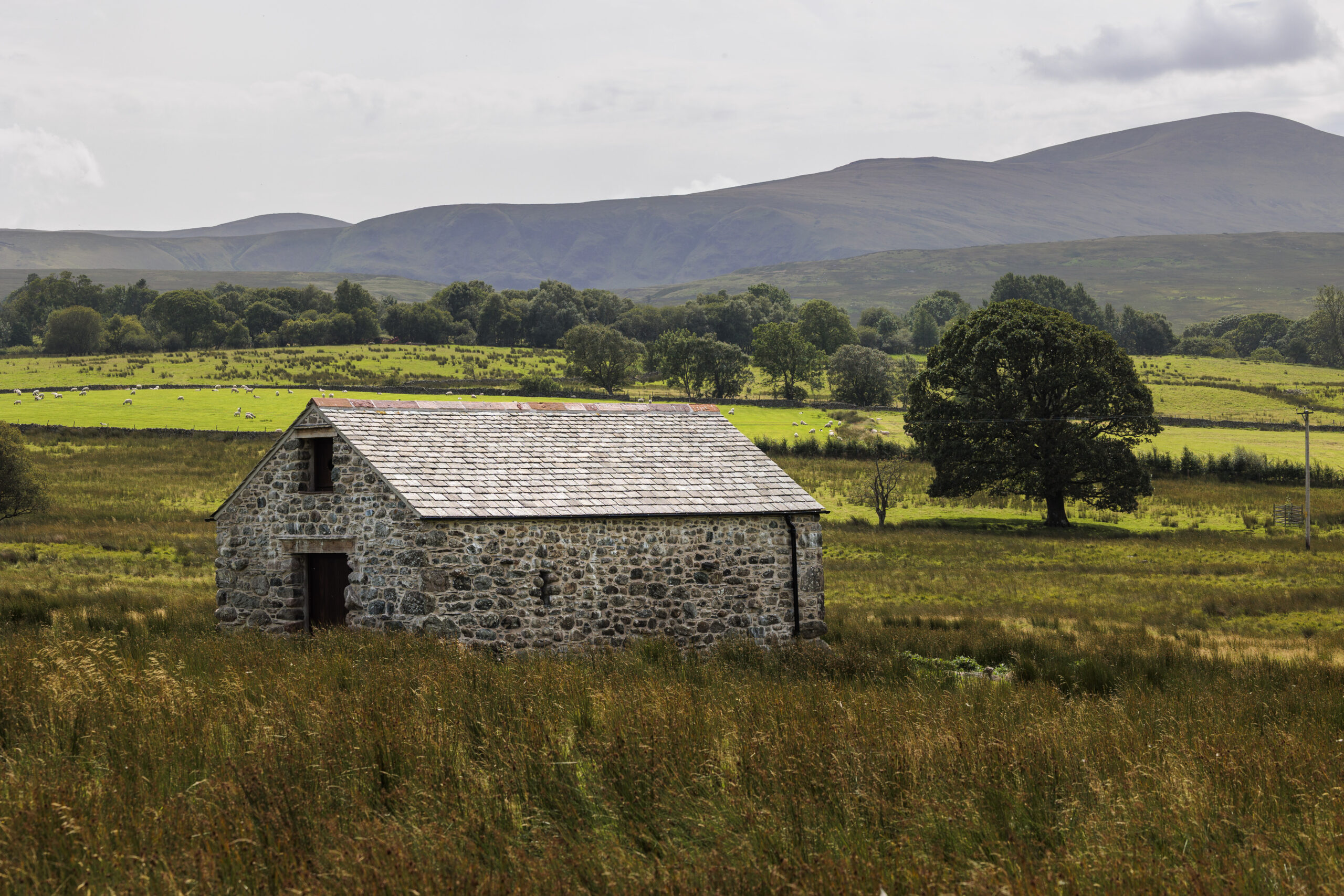
Lower soil moisture due to periods of drought can slow the growth rates of grass and silage the amount of yields as well as quality. This could affect the timing of agricultural practices and increase the need for farmers to buy in feed, which may have a knock-on effect on market prices. Drier soils also increase the vulnerability to erosion, which could lead to lower water quality in our catchments.
Higher temperatures affecting livestock
Higher temperatures and periods of drought are also likely to cause stress on livestock, and additional water and shade may be needed. The area of viable grazing land could also be reduced due to insufficient water supply.
Changes in agricultural practices
Climate change may impact farming practices such as the timing of growth, cutting and grazing regimes.
Fighting the effects of climate change can seem overwhelming, but there are simple actions you can take to help make a difference to the environment of the Lake District National Park. Read more about ways you can help here.