
Know your public rights of way and access land
-
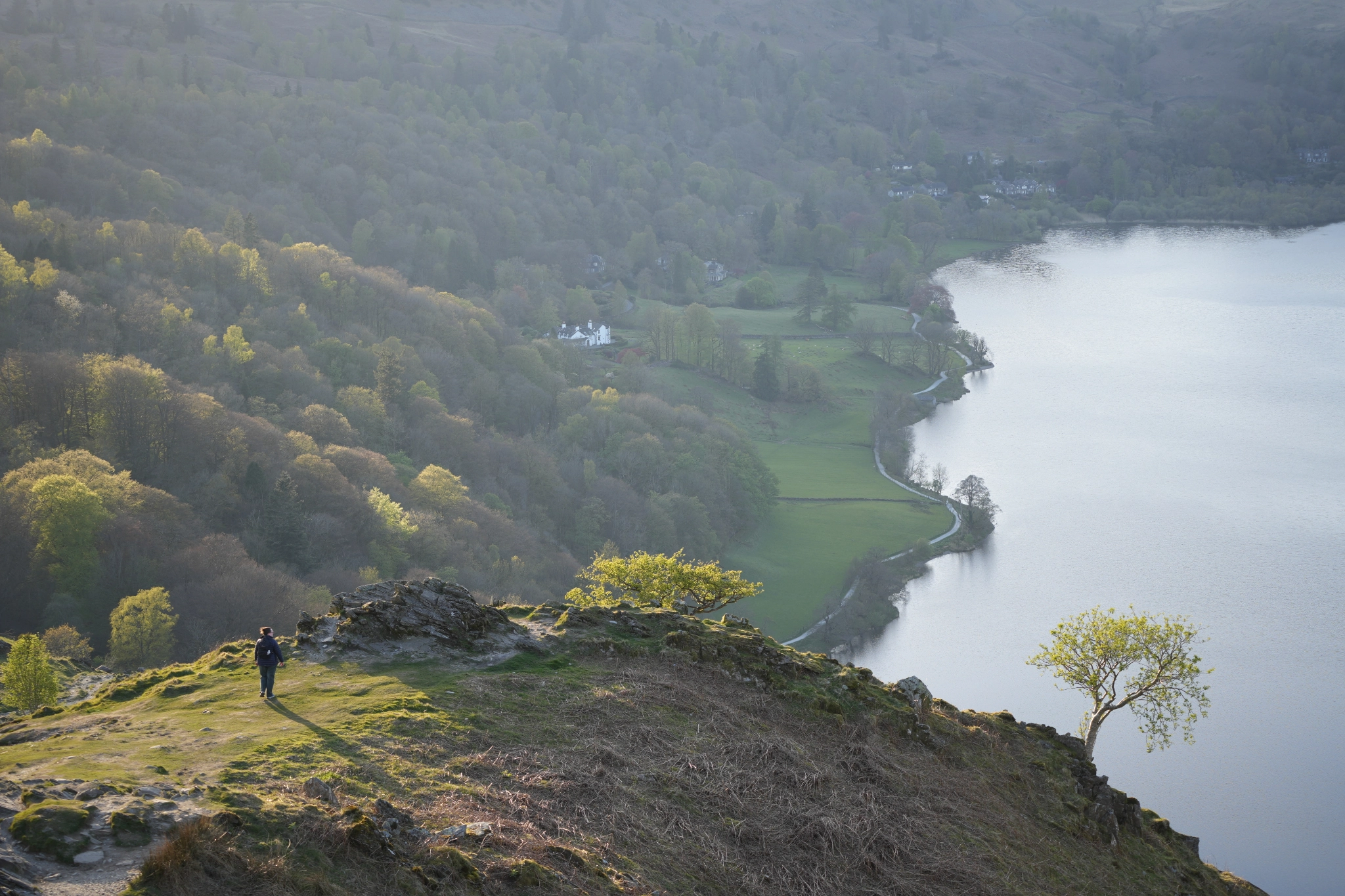
With over 3,200km (almost 2,000 miles) of public rights of way and many hectares of access land, the Lake District National Park offers incredible opportunities for walking, cycling, and horse riding. From footpaths and bridleways to byways open to all traffic, each route is designed for different users. Understanding who can use which paths, following safety advice, and respecting others on the trail helps ensure a great experience for all. Whether you need to check access rules, report an issue, or find out about temporary closures, this section has the information you need to explore the National Park responsibly. We look after the rights of way and strive to keep them fully open, available and easy-to-use.
-
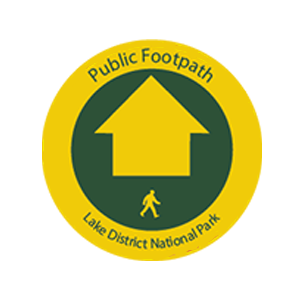
Public footpaths – yellow arrows
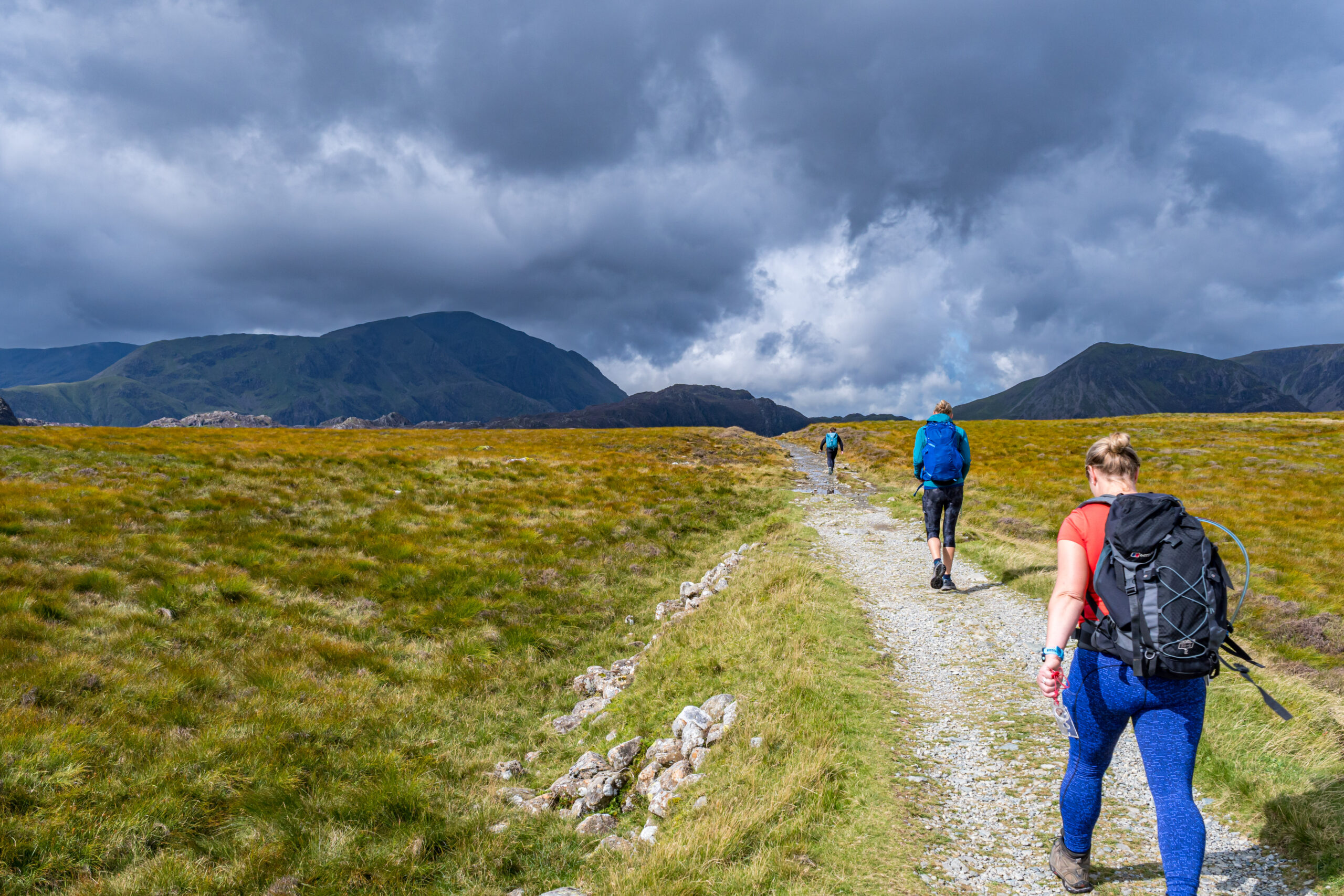
Wherever you see this yellow arrow sign or the symbol(s) it means: ‘For people on foot only’ – with normal accompaniments such as prams, pushchairs, wheelchairs where the path is physically suitable, and dogs.
-
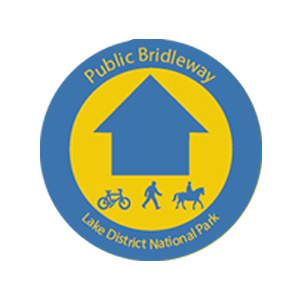
Public bridleway – blue arrows
Wherever you see this blue arrow sign or the symbol(s) it means: ‘For people on foot, horse riders and cyclists’ – with normal accompaniments such as prams, pushchairs, wheelchairs where the path is physically suitable, and dogs.
-
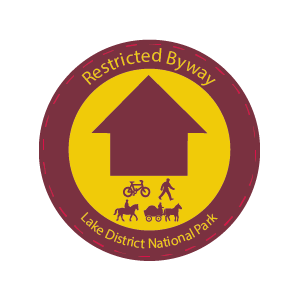
Restricted byways – purple arrows
Wherever you see this purple (victoria plum) arrow sign or the symbol(s) it means: ‘For all traffic except motorised vehicles. So, effectively – people on foot, horse riders, cyclists and horse drawn vehicles, and accompaniments as above.’
-
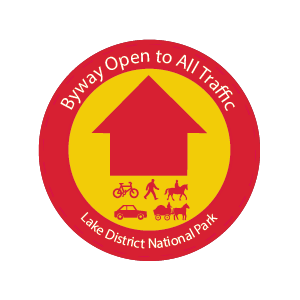
Byways open to all traffic – red arrows
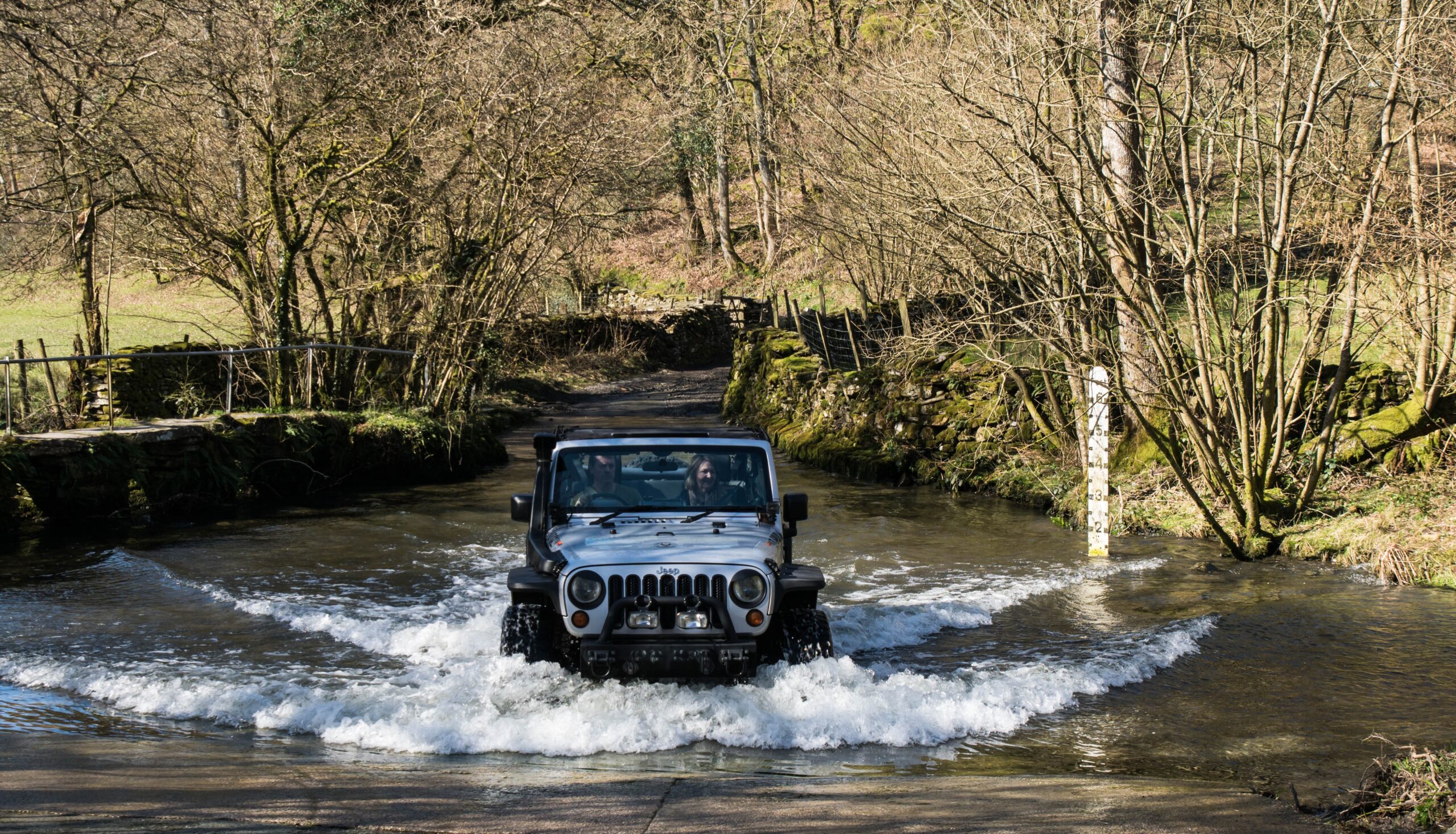
Wherever you see this red arrow sign or the symbol(s) it means: ‘For all of the above plus cars and motorbikes (and any other traffic that might be able to physically use the route).’
-
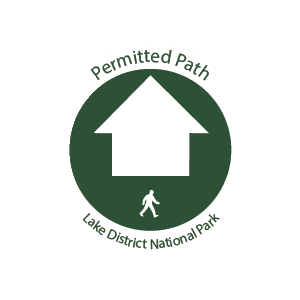
Permitted path – white arrows
Wherever you see this white arrow sign or the symbol(s) it means: ‘Path can be used by permission of the landowner’ – the symbols and signage will say what usage is being permitted (generally walkers, cyclists, horses or a combination).
-
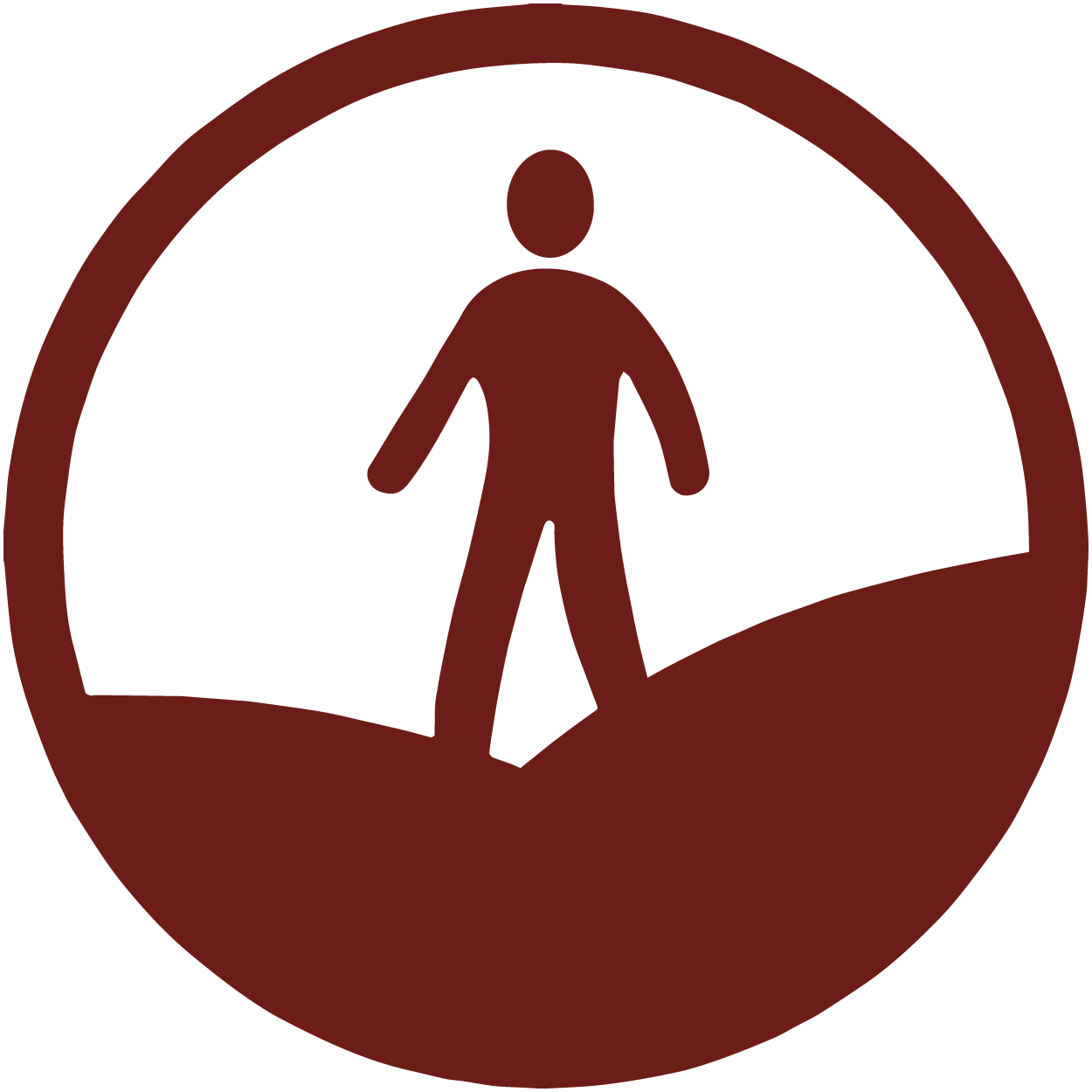
Access Land
Most of our access land is unsigned and doesn’t have marks or roundels – but occasionally you will come across signs like this. The best way of finding out what is open access land is by looking at maps or online.
-
Advice for walkers
- On bridleways and byways be aware of other users and listen for their approach.
- If you can, move to the left and let others pass to the right.
- On busy bridleways and byways, try to avoid walking in large groups across path
- If you have a dog, please keep it under close control or on a short lead as sudden movements can startle horses and surprise others. If cattle approach you and your dog and you feel as though they may be aggressive, let go of the lead – the cattle are more interested in the dog than you.
- Please clean up after your dog and take the poo bag with you! It’s anti-social not to, and you could be fined.
Advice for horseriders
- Keep to a walking pace around others.
- Ride at a pace appropriate to the path surface and local conditions.
- Hi-viz clothing is recommended, both on and off-road.
- Be prepared to slow down and stop.
- Try to move your horse off the route before it dungs.
Advice for cyclists
- By law you must give way to walkers and horse-riders.
- However if you let others know you are coming – use your bell or give a polite advance call – many people will be happy to let you pass.
- Smile and say thank you as you pass.
- Be in control and slow down around other users and livestock.
- Give horses plenty of room.
- Be aware of sudden movements around horses, families and dog walkers.
- Cycle sensibly – rights of way are not always suitable for challenge apps or fitness training.