
Skip to content
Home Protect Nature

At the Lake District National Park, we take care of our flora and fauna and our unique landscape in a number of different ways.

We work with our partners and communities with an emphasis on farming led nature recovery, to ensure that our habitats and species are better protected, and become more resilient and adaptable to the impacts of a changing climate.

In this section, discover our nature recovery plan, learn about our wildlife and national nature reserves, what work at different scales is happening across the Park to help nature, and find out about funding opportunities for farmers and landowners.

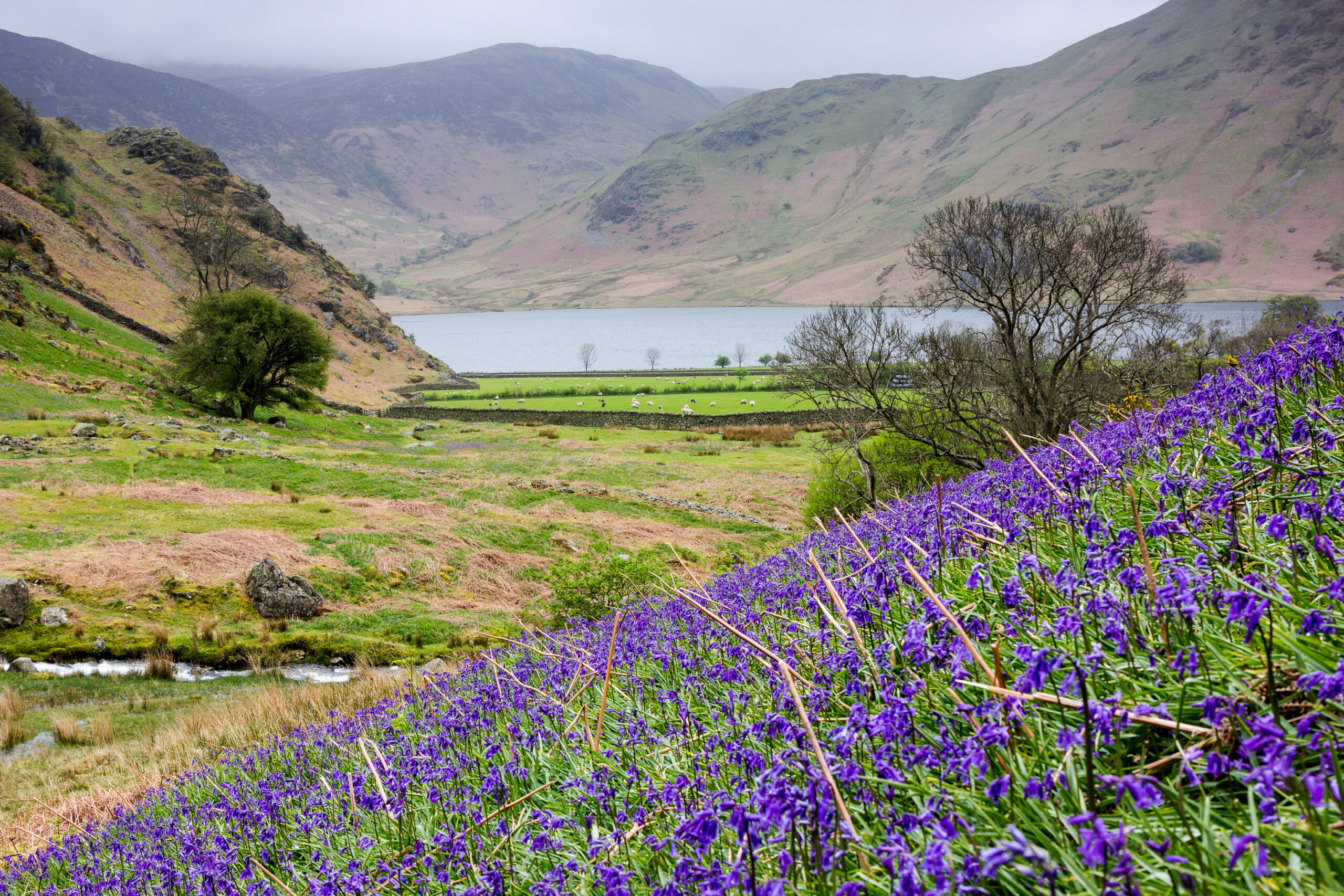
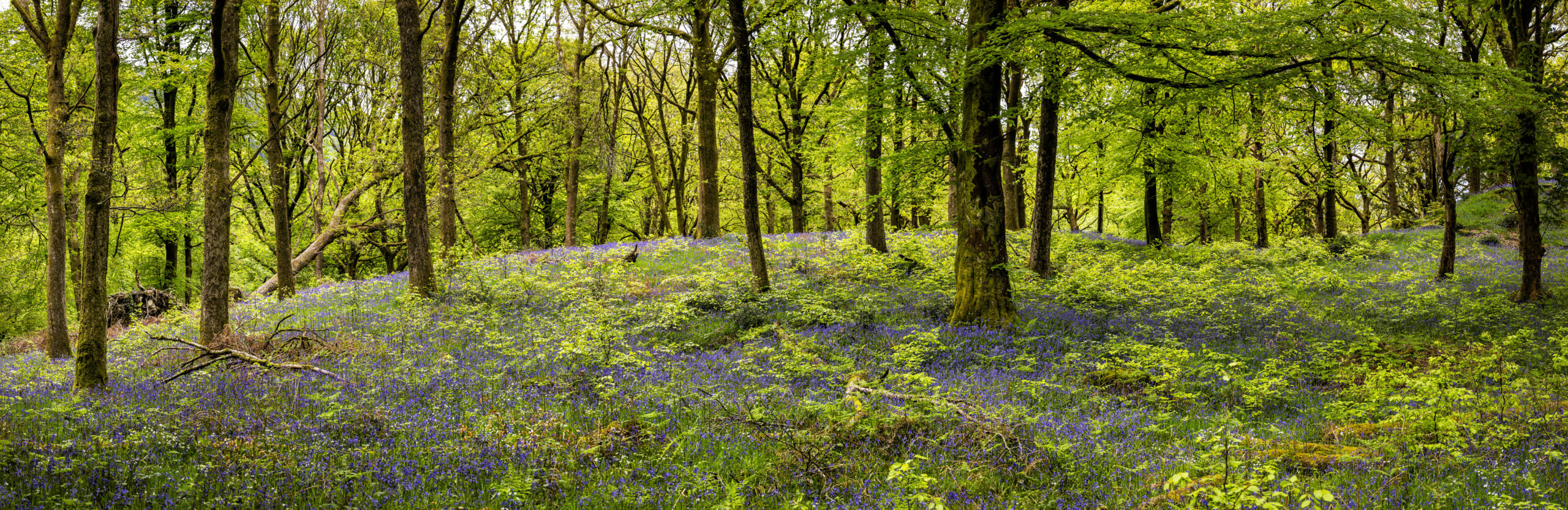
patch of bluebells on rocky and grassy ground

Delivering on nature recovery

Nature in the Lake District, like the in whole of the UK, is struggling. Future choices about how we manage land are critical to addressing climate change and biodiversity loss. Some of our struggling species and habitats in particular need focused support.

Nature Recovery Delivery Plan
A Golden Plover stood on grass

Our wildlife

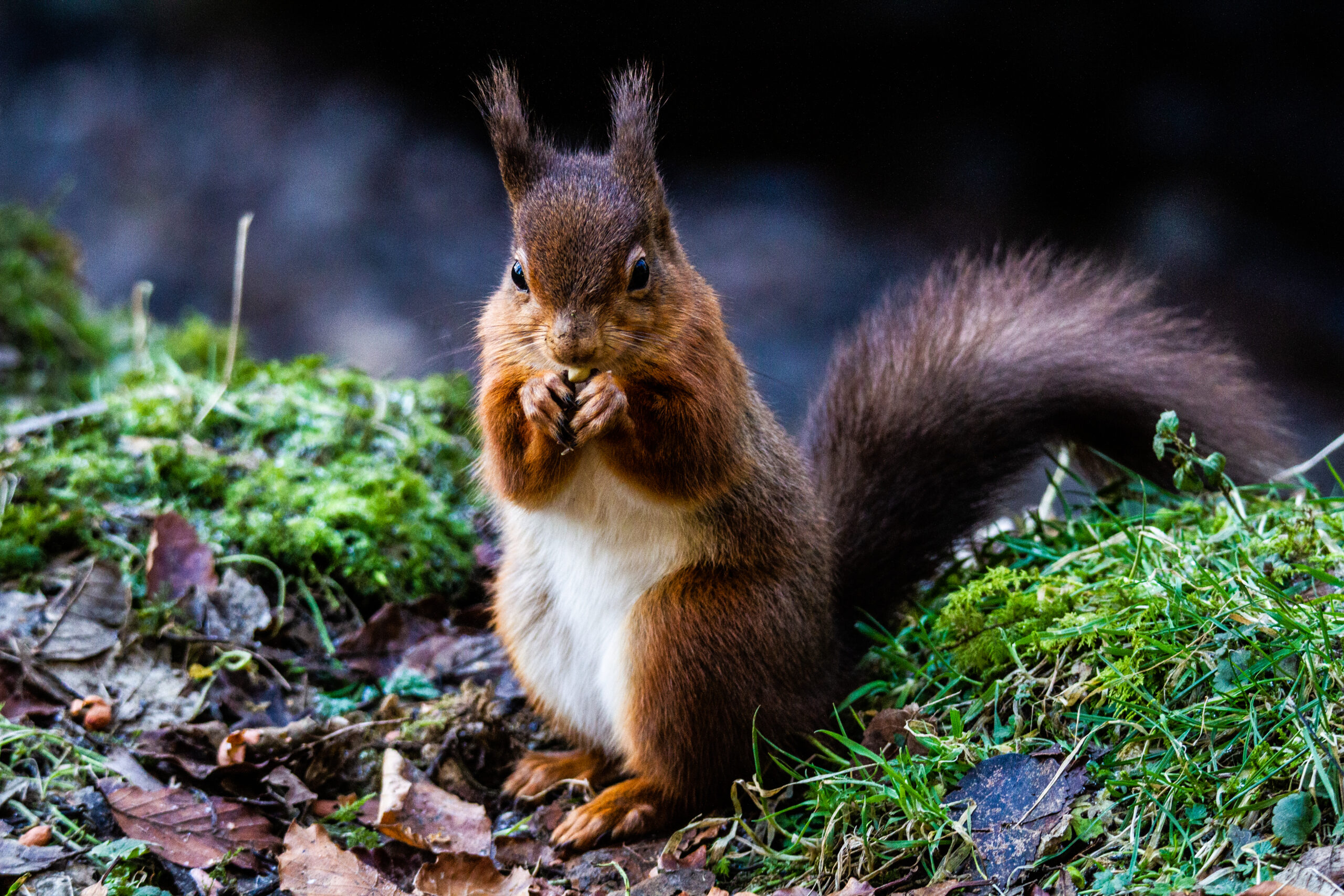
Our Park is home to species of European and national importance. From dormouse, otter, bats, and great crested newts, to Atlantic salmon, red squirrel, osprey and deer. Check out our wildlife page in the learning section.

Image credit: Andy Hay, RSPB

Wildlife
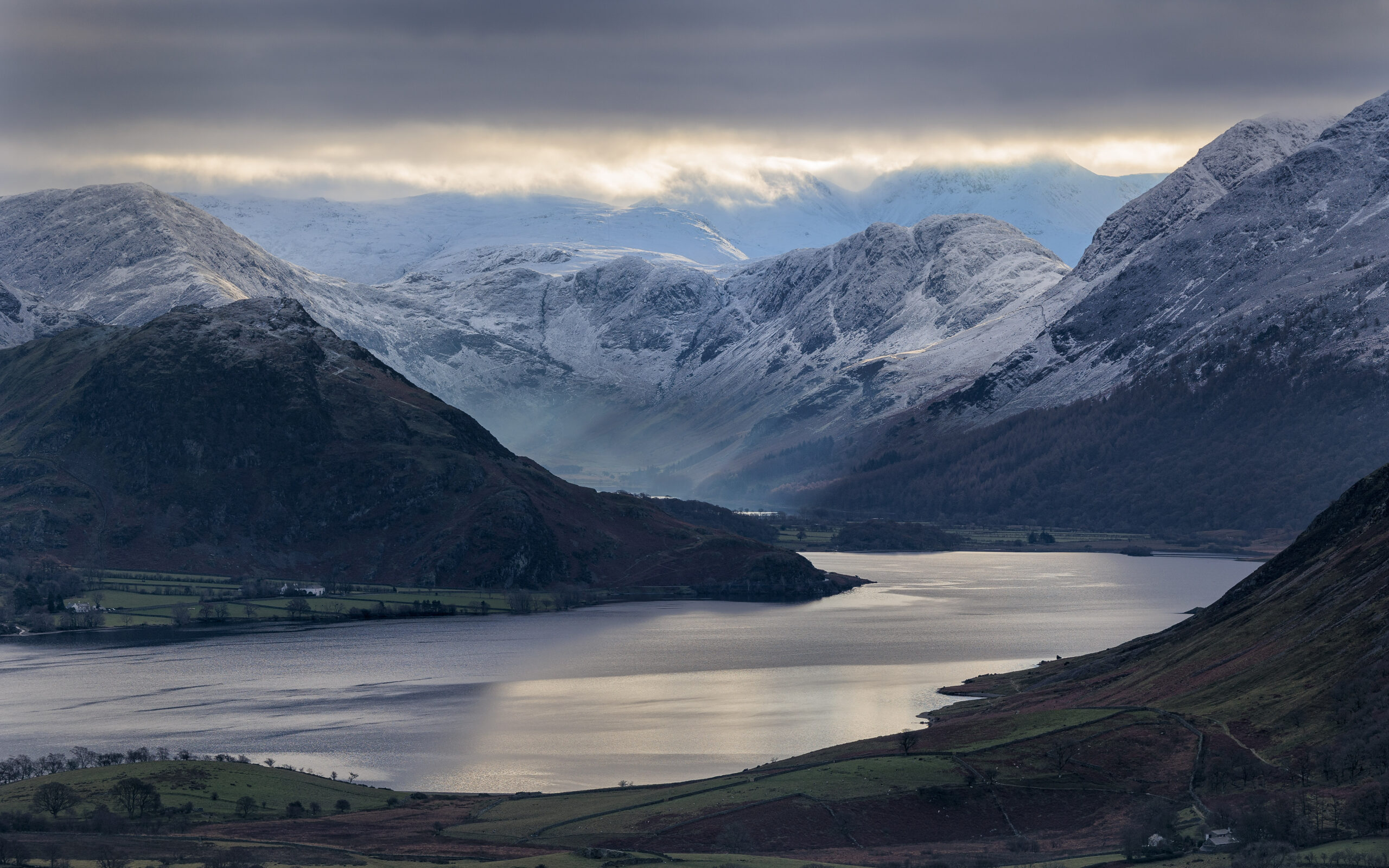
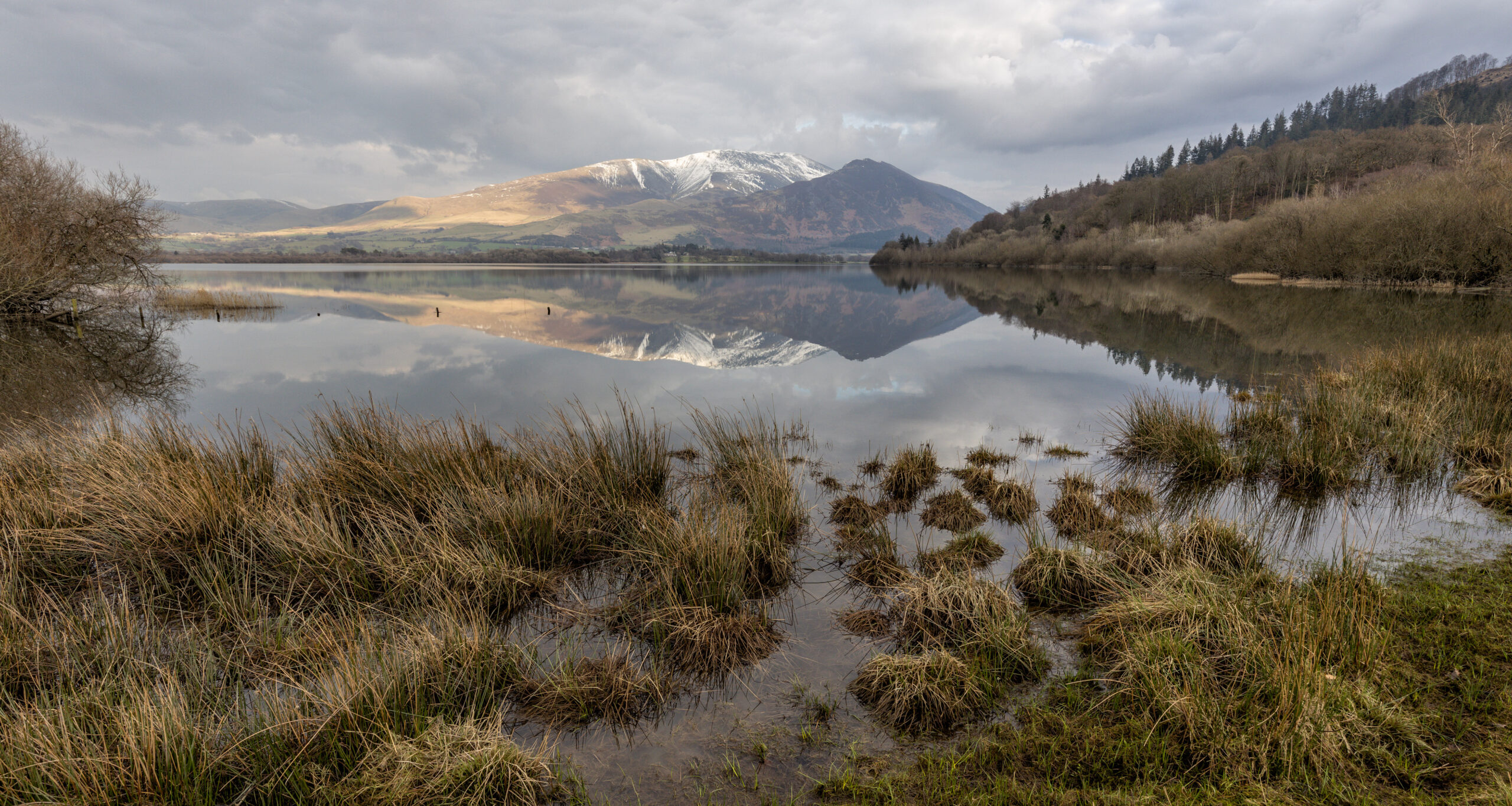
Bassenthwaite Lake from the shore looking towards snowy topped mountains

National Nature Reserves

National Nature Reserves are key places for wildlife and natural features and help protect the most significant areas of habitat and of geological features in our Park. Discover Bassenthwaite Lake, our national nature reserve near Keswick.

Our National Nature Reserves
Herdwick sheep on a fell amongst bracken

Farming and nature recovery

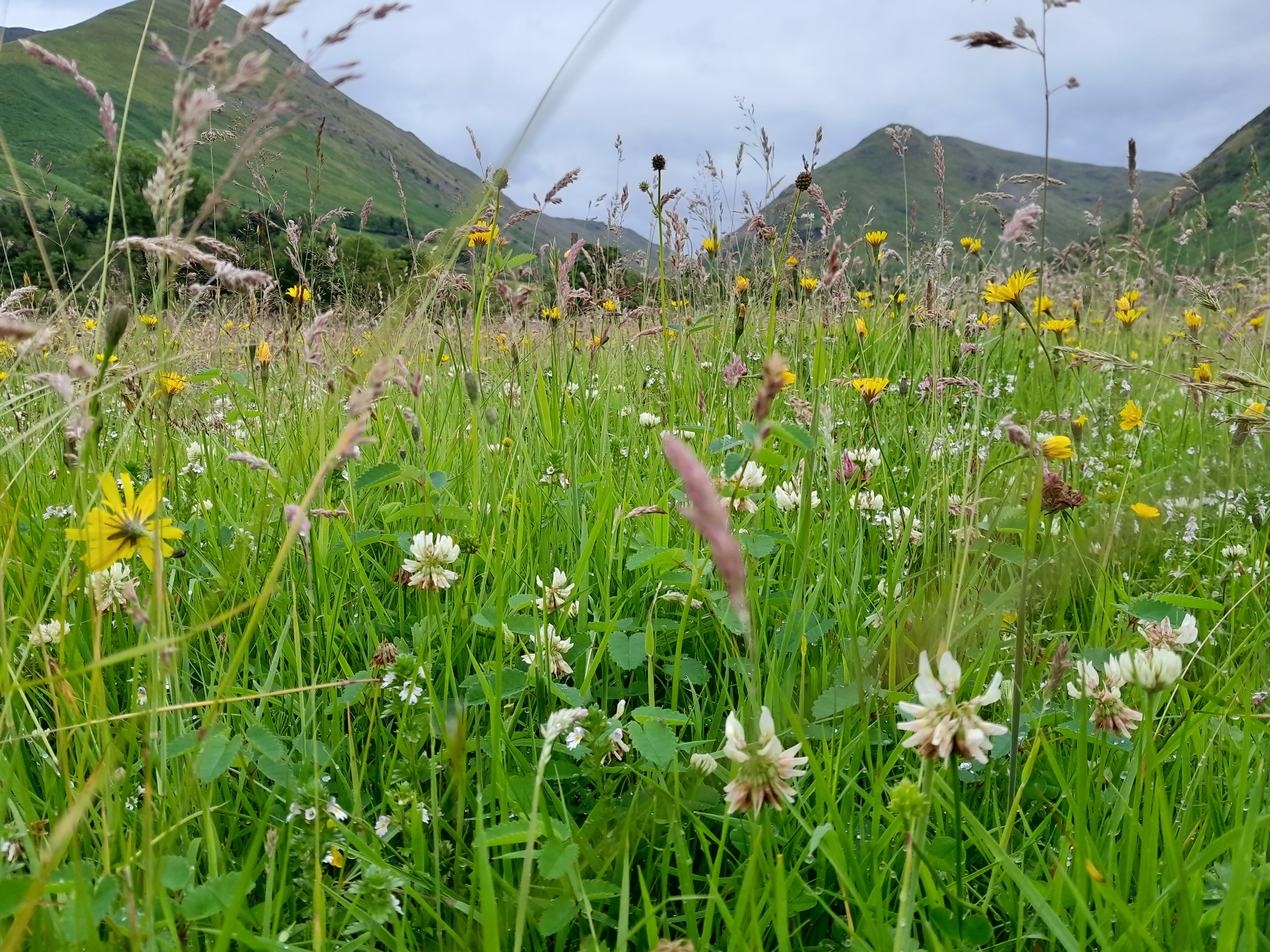
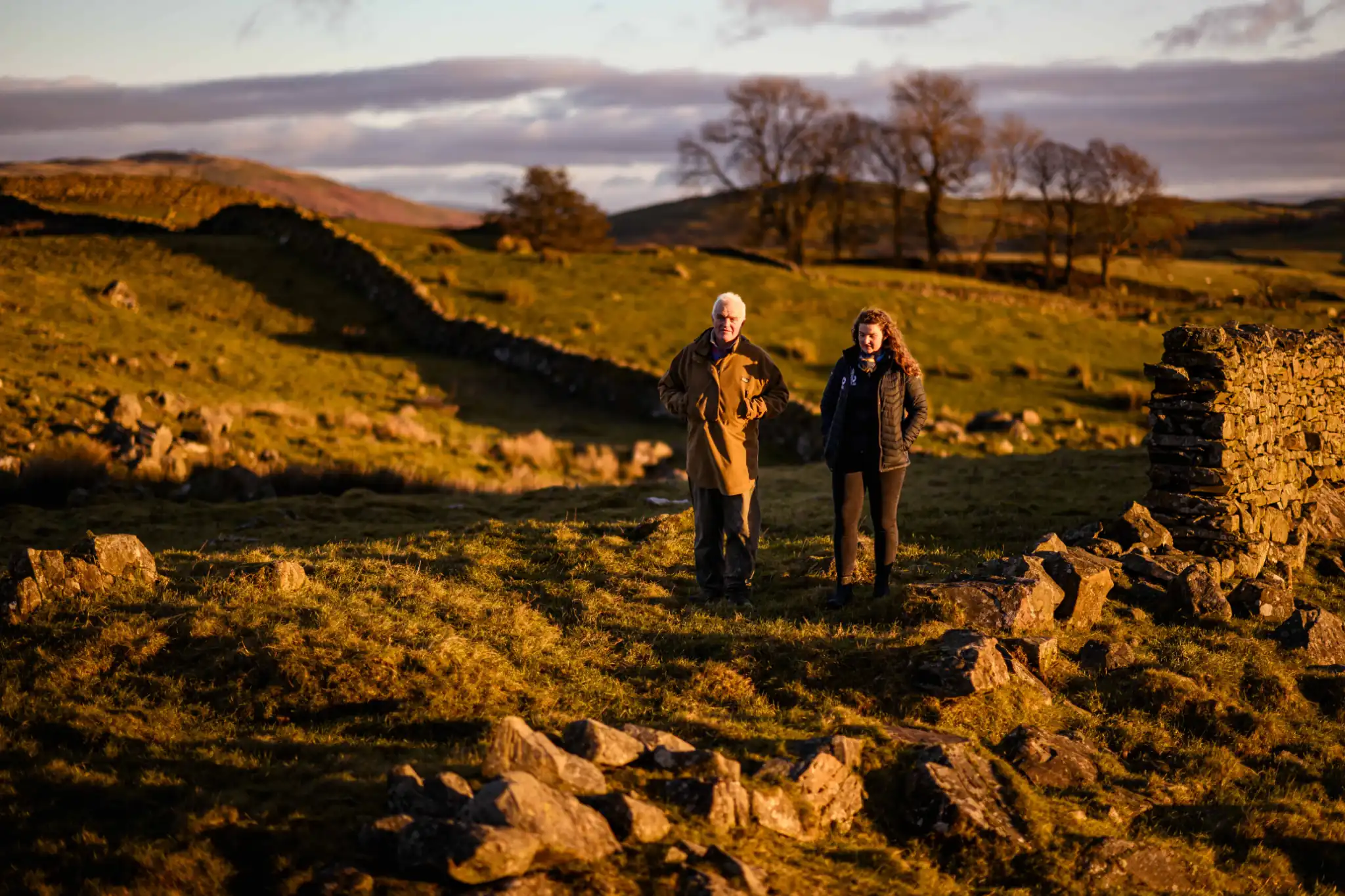
Farming has shaped many of the habitats found here, such as species rich hay meadows and healthy hedgerows, and has a vital part to play in the Park’s future. Collectively, small actions on individual farms and commons add up to landscape-wide improvements for soil, water and biodiversity.

You can find out about a range of farming strategies and opportunities that support farmer-led nature recovery on our farming page and the Farming in Protected Landscapes (FiPL) page.

Farming in the Lake District
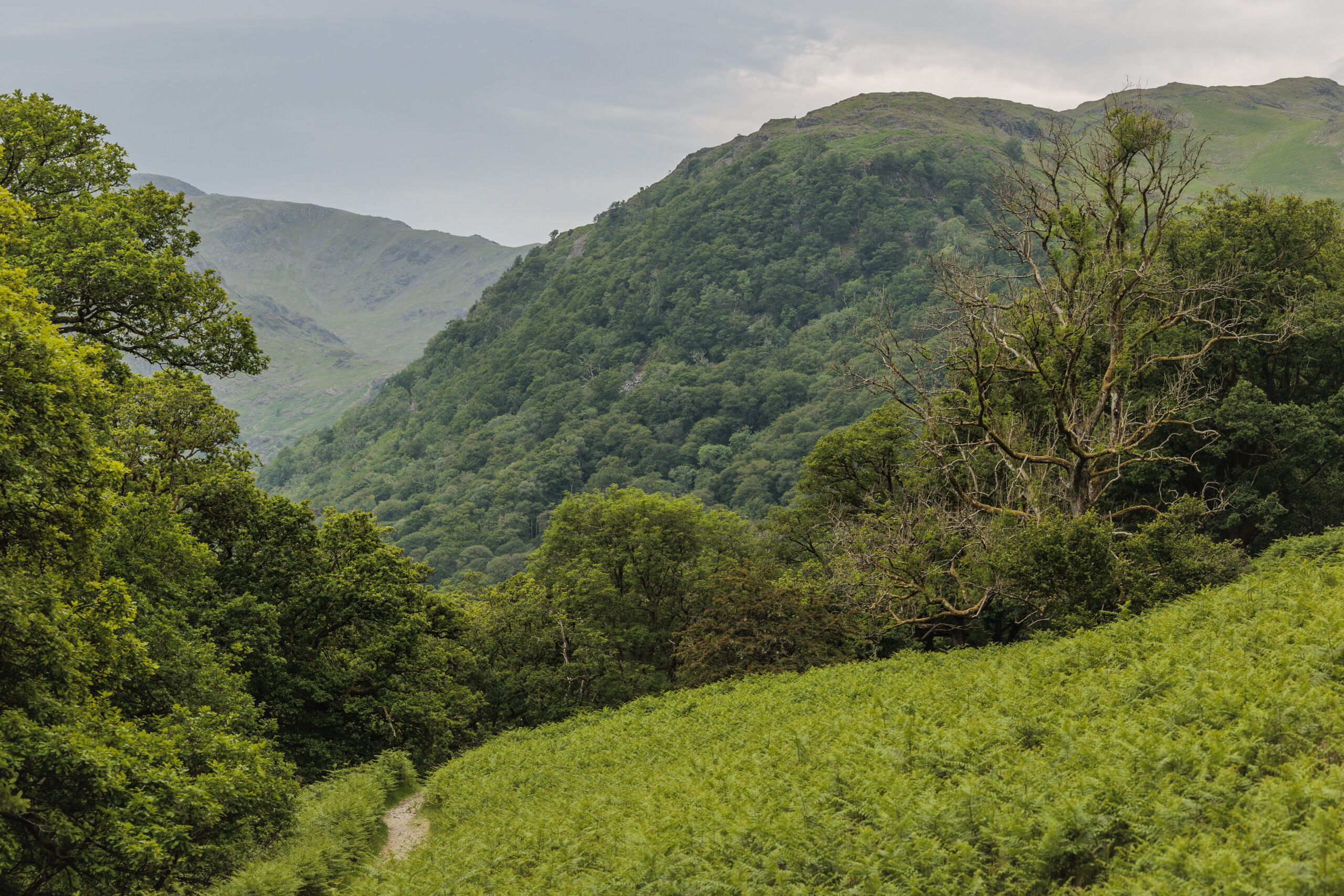
Borrowdale valley in autumn with orange leaved trees

Climate action

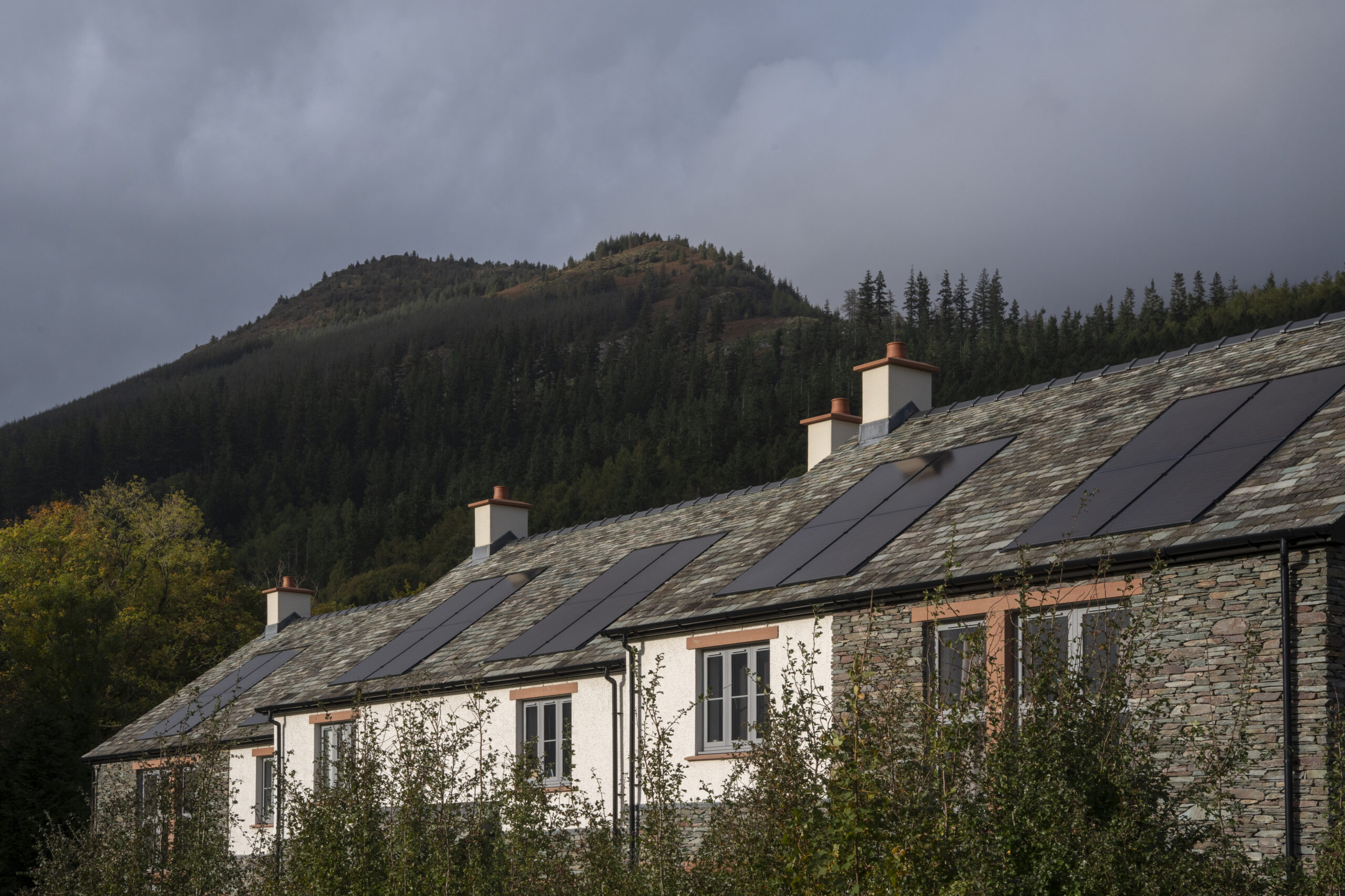
Development for local communities and visitor experience needs to be balanced with our response to effects of climate change; leading climate action and achieving net zero by 2037 is our goal.

Climate action

Woodland and tree establishment

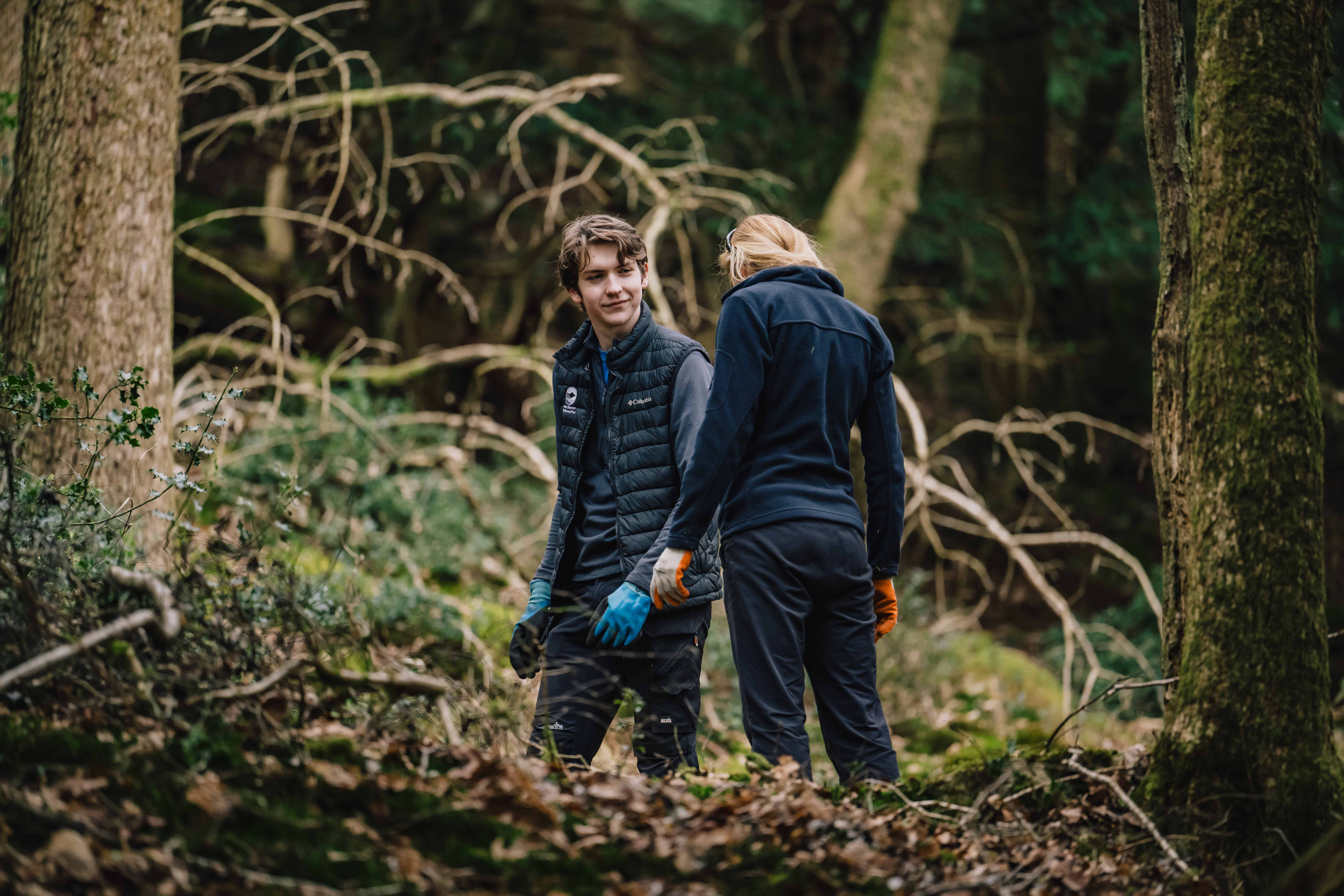
Trees and woodlands are valuable wildlife habitat and carbon store, as well as providing shelter for livestock, improving soils, and giving opportunity for farm diversification through agroforestry and timber. We provide information and funding advice on tree planting.

Woodland creation
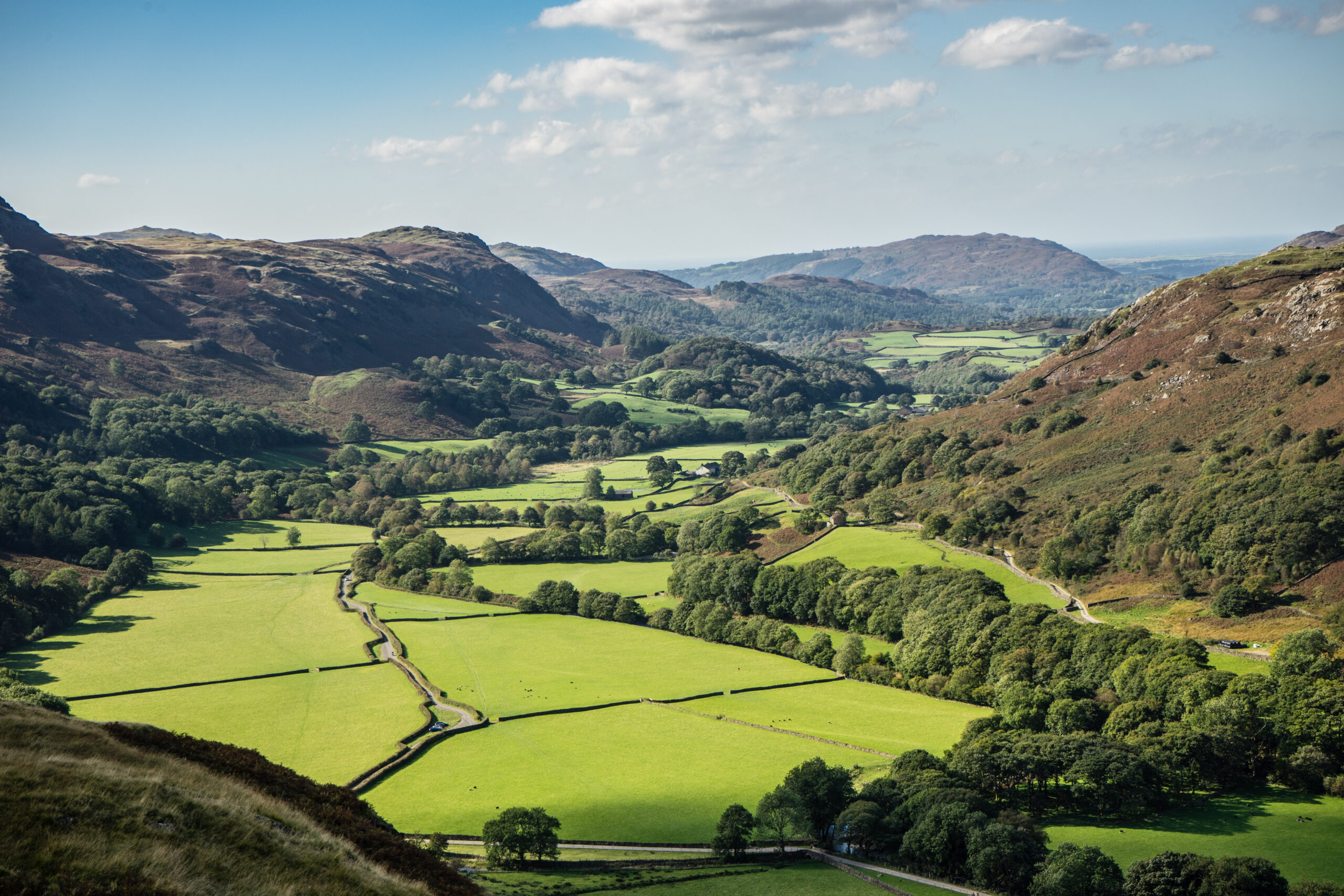
Eskdale valley in summer with green fertile land in the foreground used for farming

Delivering farming, forestry, nature recovery and climate together

The Lake District National Park Partnership is working in collaboration with farmers and land managers across the National Park to deliver nature recovery and climate resilience projects while supporting the continuation of farming and forestry and conservation of cultural heritage.
Farming, forestry and nature
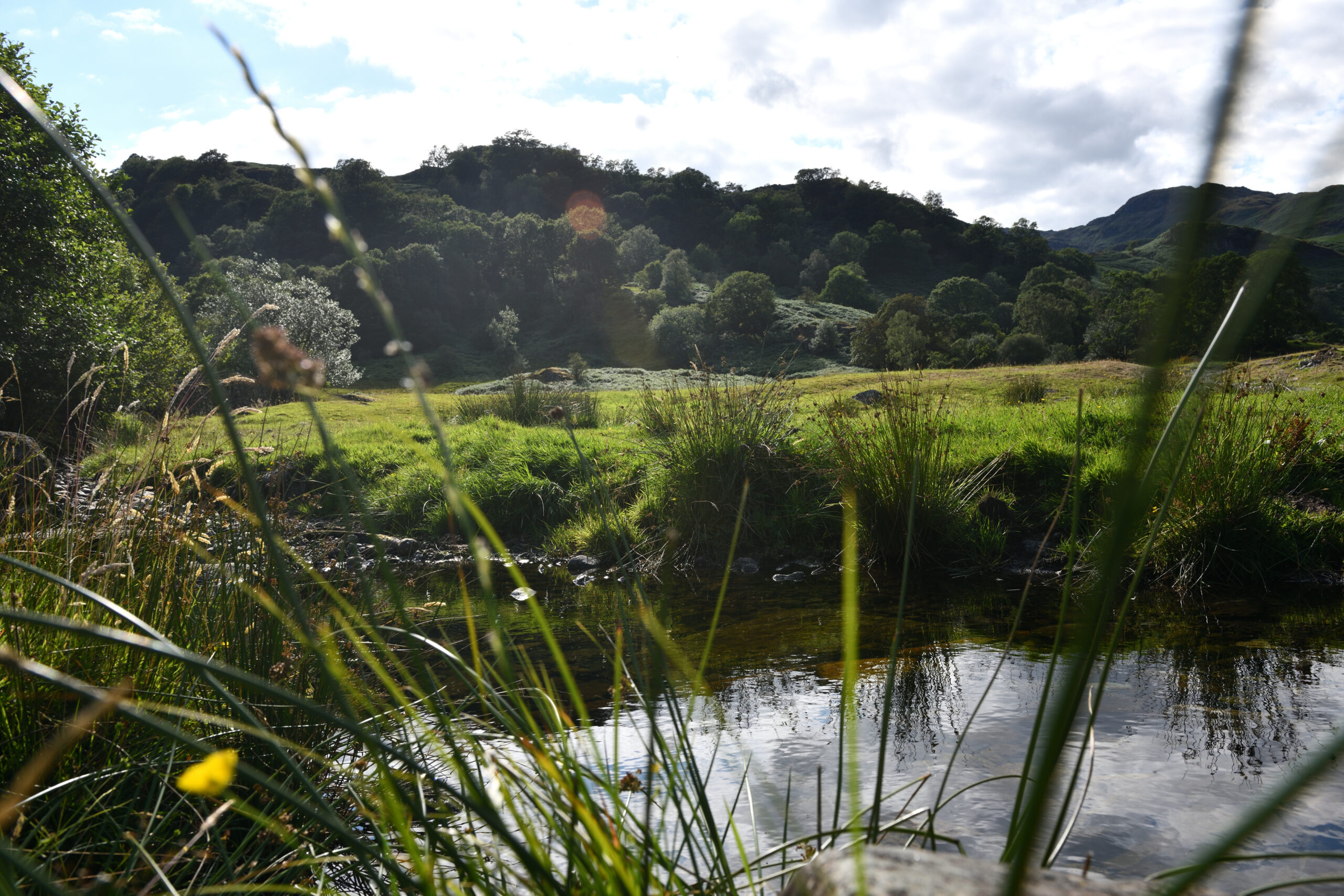
view of river, river back and distant woodland hills with tall grass in foreground

Large-scale nature recovery initiatives

Ambitious nature recovery efforts are already underway in the Lake District National Park, being led by a range of organisations and landowners. Learn more about some of these initiatives by following the links below.

Large-scale nature recovery initiatives
Landscape view of crummock water. dark day, shadowed snow-topped fells

Water

Water forms a key part of the Lake District’s landscape – our lakes, tarns, rivers and becks (streams) are one of the Lake District’s special qualities.

The Lake District’s waterbodies face many pressures and these combined pressures threaten freshwater habitats and the species that depend on them. To protect these vital ecosystems everyone needs to work together to take action and ensure there is sustainable, integrated water management across our protected landscape.
Water
Volunteers spent more than 3,200 days maintaining fells in 2025
School kids help Rangers plant more than 1,500 trees along footpath
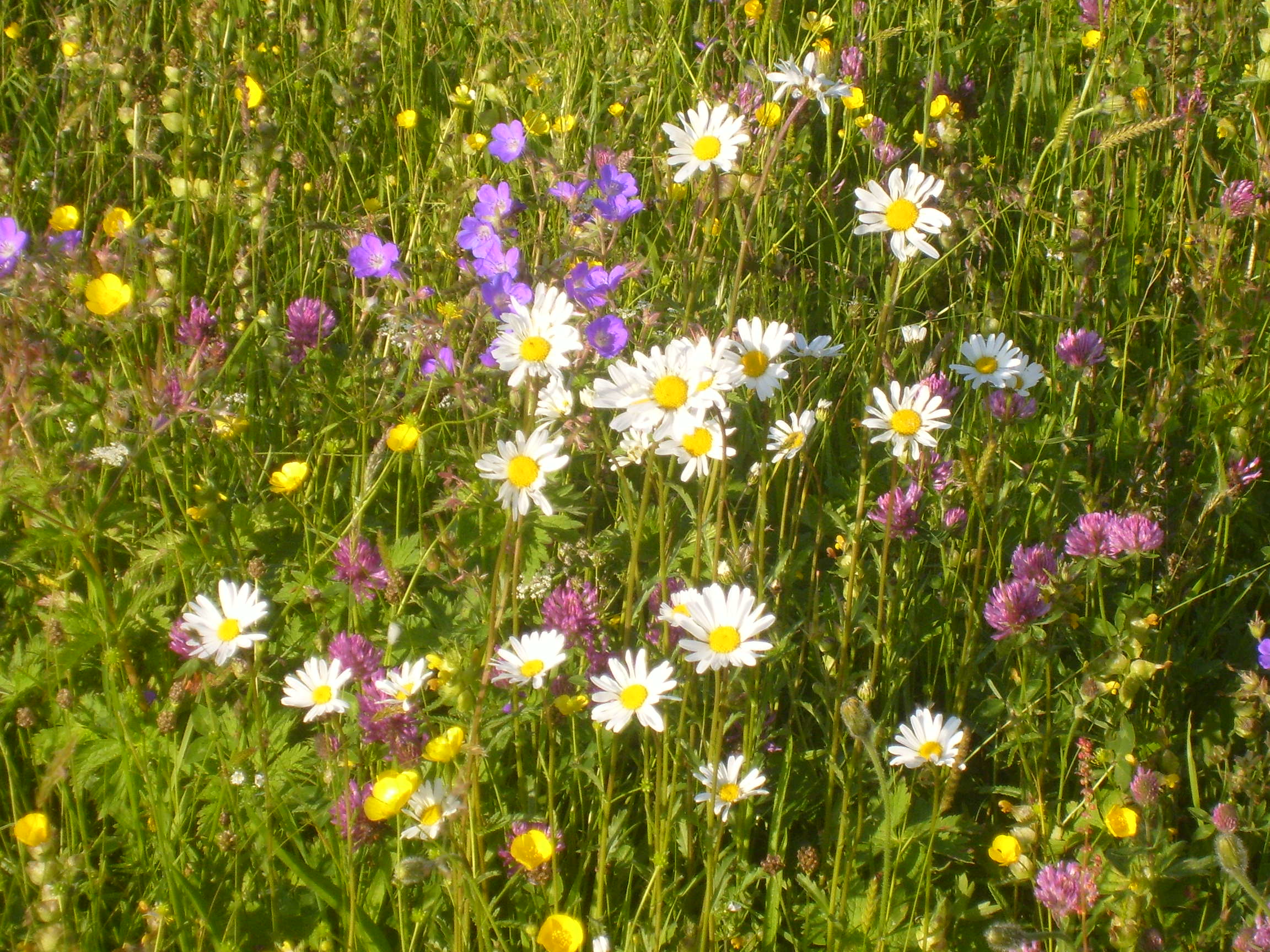
23 football pitches worth of hay meadows restored in Lake District
More than 100 people repair busy Lake District route during Fix the Fells weekend ‘blitz’