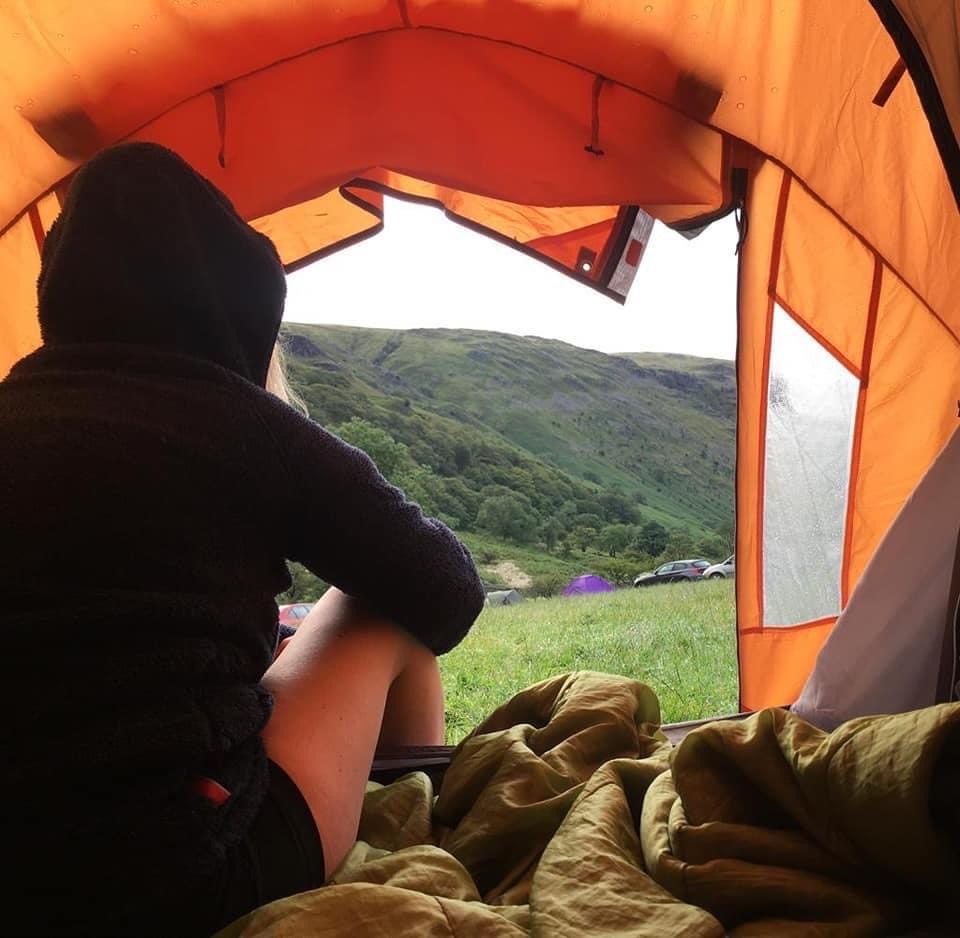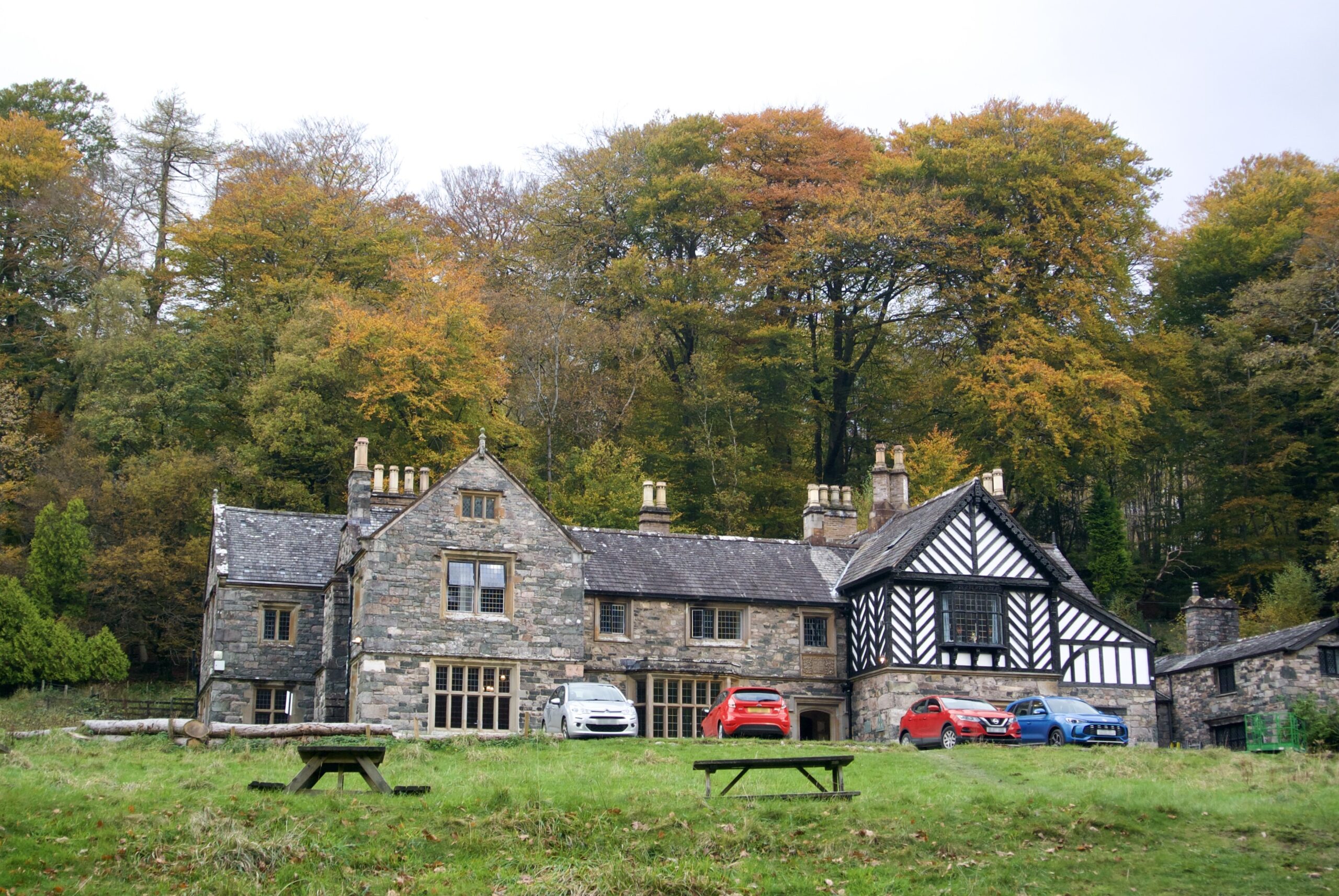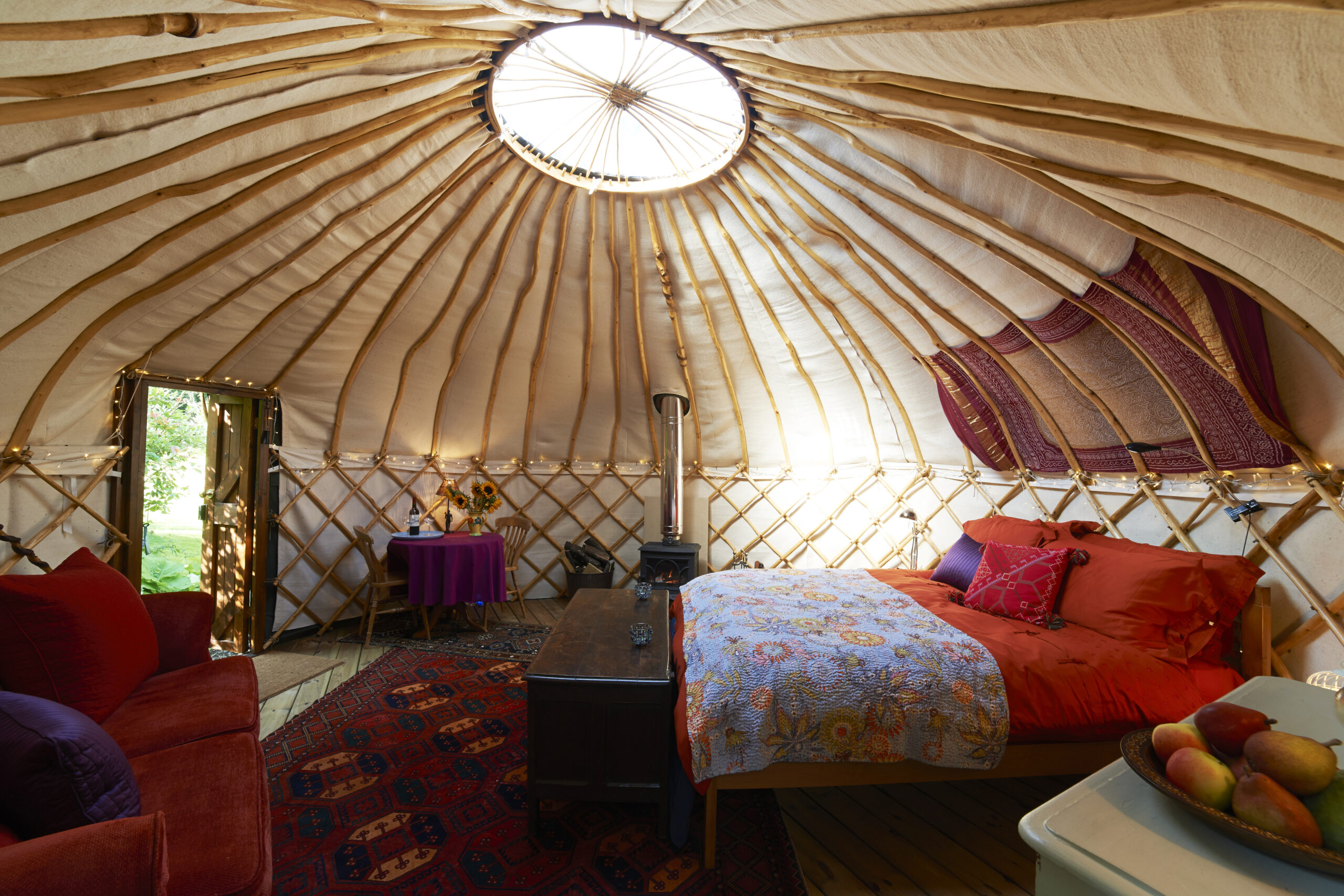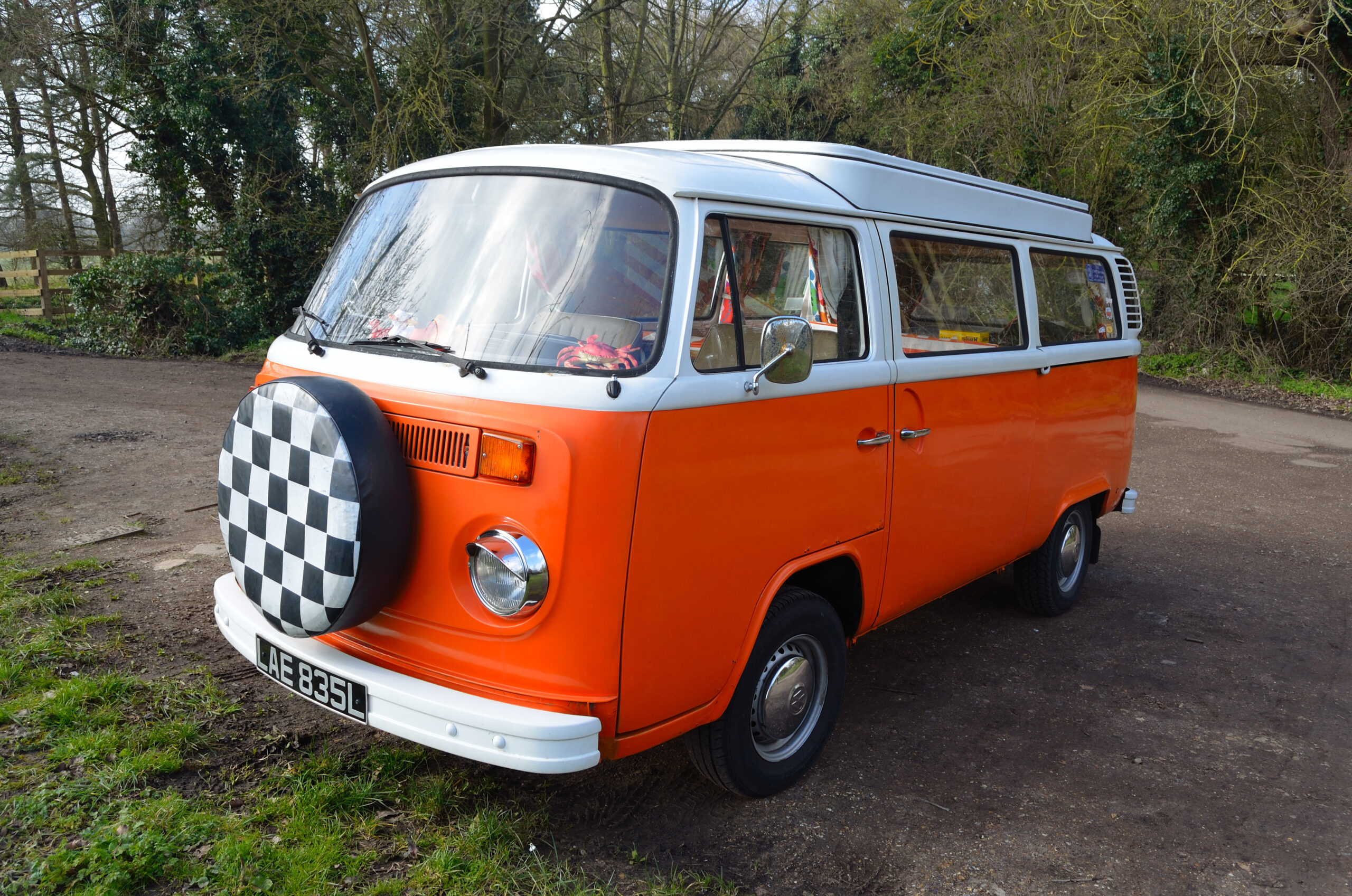

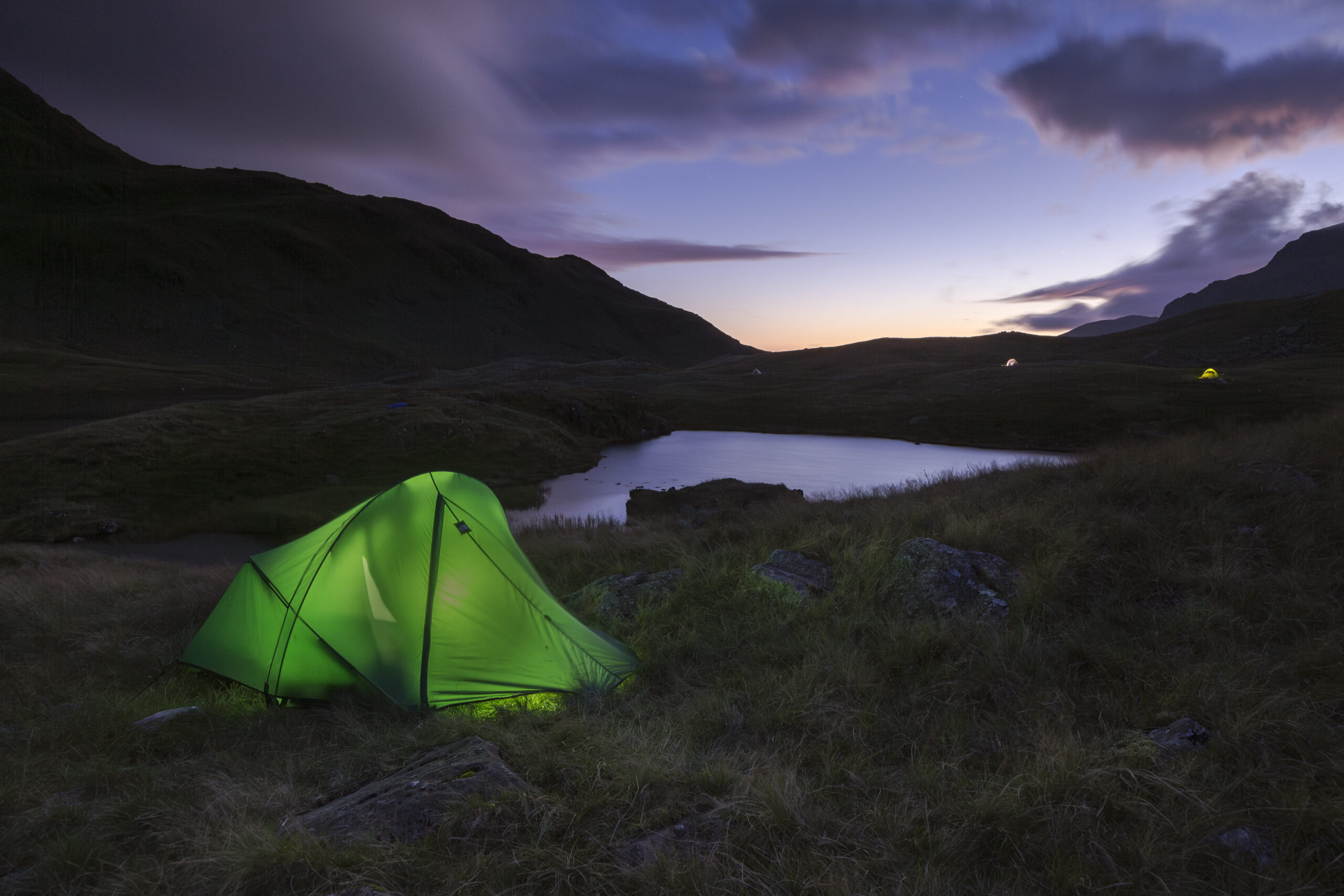
Wild camping in the Lake District is technically not permitted without prior permission from the landowner.
As the National Park Authority, we do not have the power to allow camping on private land, and we do not permit camping on the small amount of land that we own. Camping in car parks or on roadside verges is not allowed at any time.
For campervans and motorhomes please plan ahead to check where you can park in the Lake District.
If you choose to wild camp in the Lake District, it is normally tolerated if you:
Wherever you pitch, please remember that the landowners or their representatives have the legal right to order you to break camp and move on.
Camp above the highest fell wall, well away from towns, villages and lake shores
Leave no litter – this includes not burying litter and removing litter if you find it
Don’t light any fires, even if there is evidence that fires might have been lit
Stay for only one night
Keep groups very small – only one or two tents
Camp as unobtrusively as possible with inconspicuous tents which blend in
Leave the campsite as you would want to find it
Carry out everything you carried in
Carry out tampons/sanitary towels, burying doesn’t work, animals dig them up
Choose a dry pitch rather than dig drainage ditches or moving boulders
Do toilet duties min. 30m from water, bury with a trowel; read our outdoor toilet tips
At all times, help protect the environment, respect other visitors and communities
Respect the Wild: expert wild camping tips
Search and book a Lake District campsite
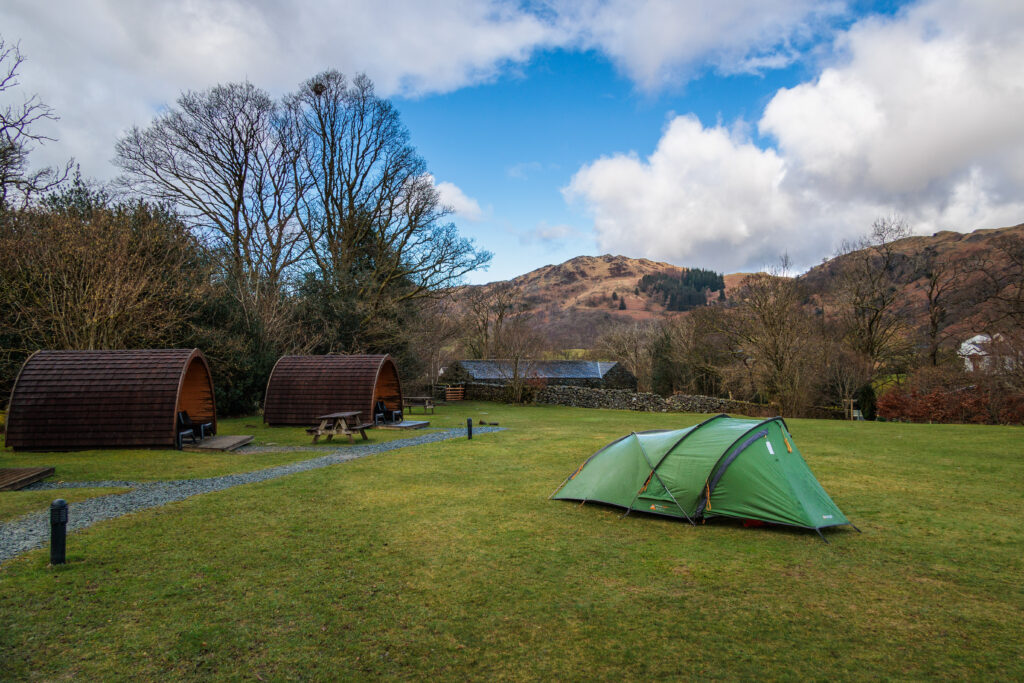
There are lots of fairly ‘wild’ campsites across the Lake District, with views of lakes and mountains… but with a real toilet and fresh water on tap!
Booking here, supports here.
Our commission goes towards keeping the Lake District a special place for all. Use the map below to find and book a campsite, touring pitch or glamping location, or search and book on the Campsites.co.uk website.
Responsible camping and reporting a problem
The Lake District National Park is a place for everyone to enjoy responsibly. However, the increasing popularity of some locations can place pressure on local communities, infrastructure and the landscape.
We work with partners across the National Park to help manage and reduce the impacts of issues such as fly camping, littering and anti-social behaviour, while educating visitors and supporting responsible access and enjoyment for everyone.
Find out more about our visitor engagement and management work across the National Park.
To report fly camping, litter or damage, visit our Visitor engagement and management page to find the appropriate contact.