
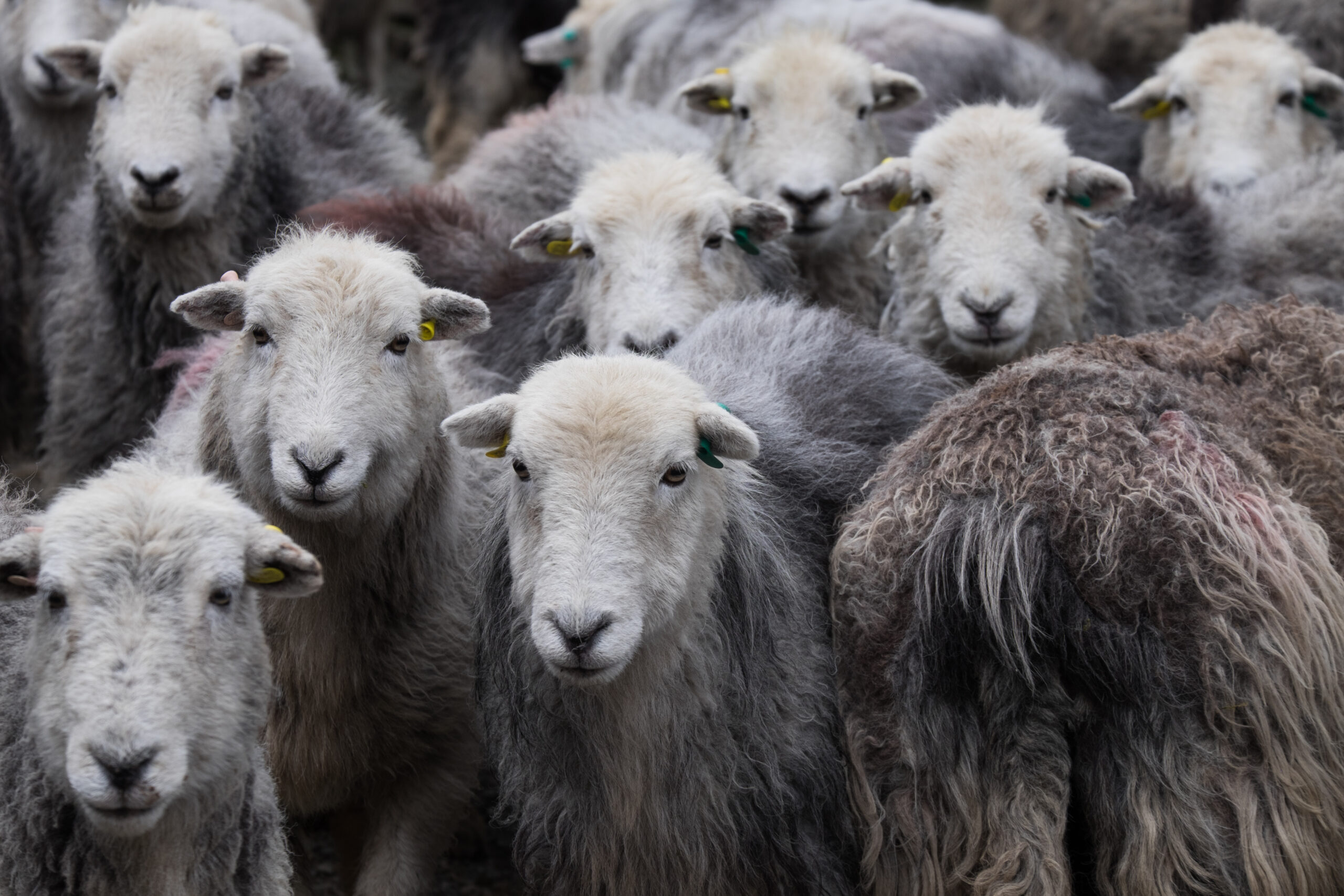
Why is it special?
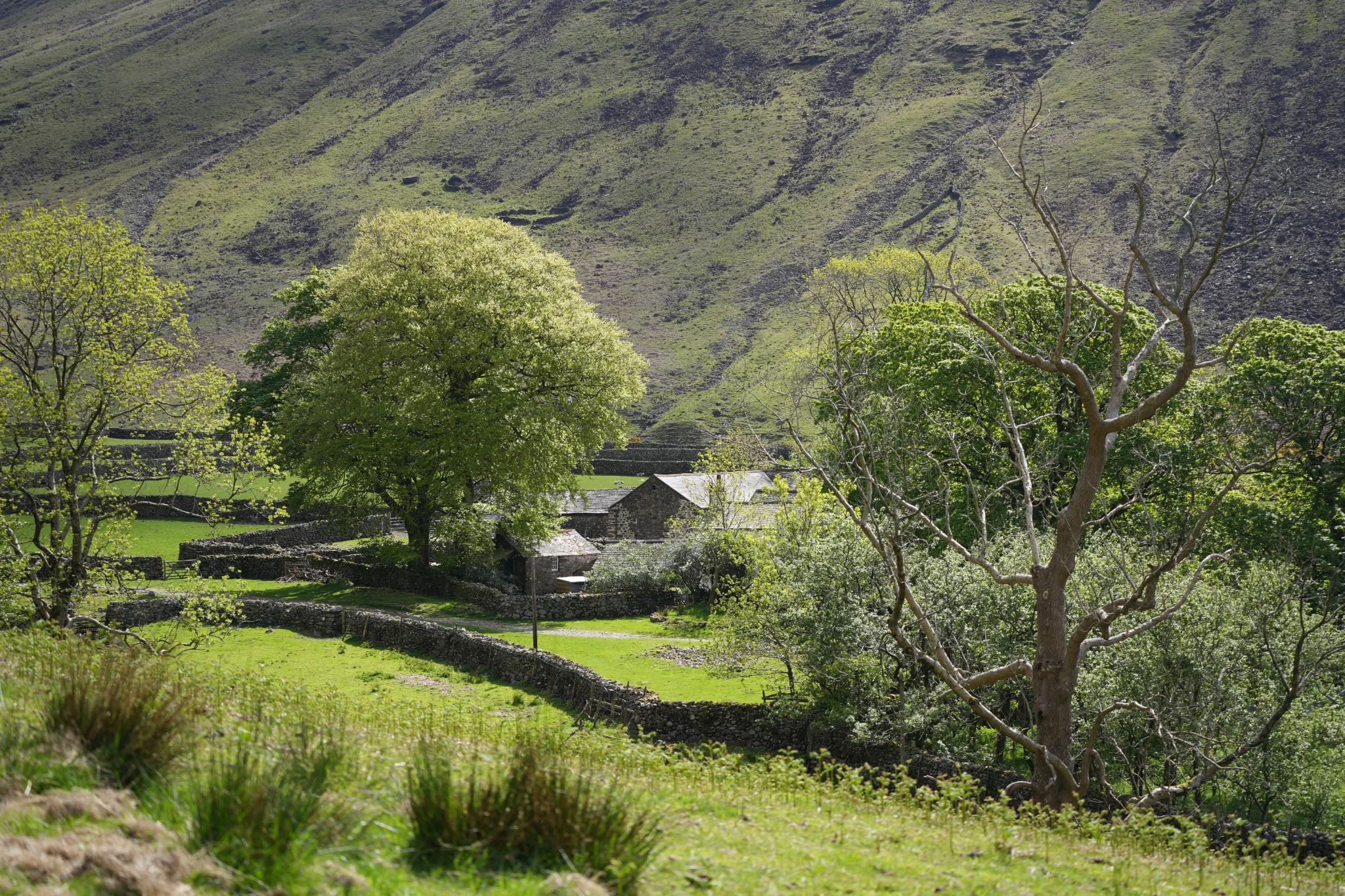
The distinctive communal farming system, including common land, hefting, the field systems, and drystone walls has evolved over at least one thousand years. This heritage and the landscape it has created are at the core of the Lake District’s Special Qualities and its “Outstanding Universal Value” in its case for inscription as a World Heritage Site.
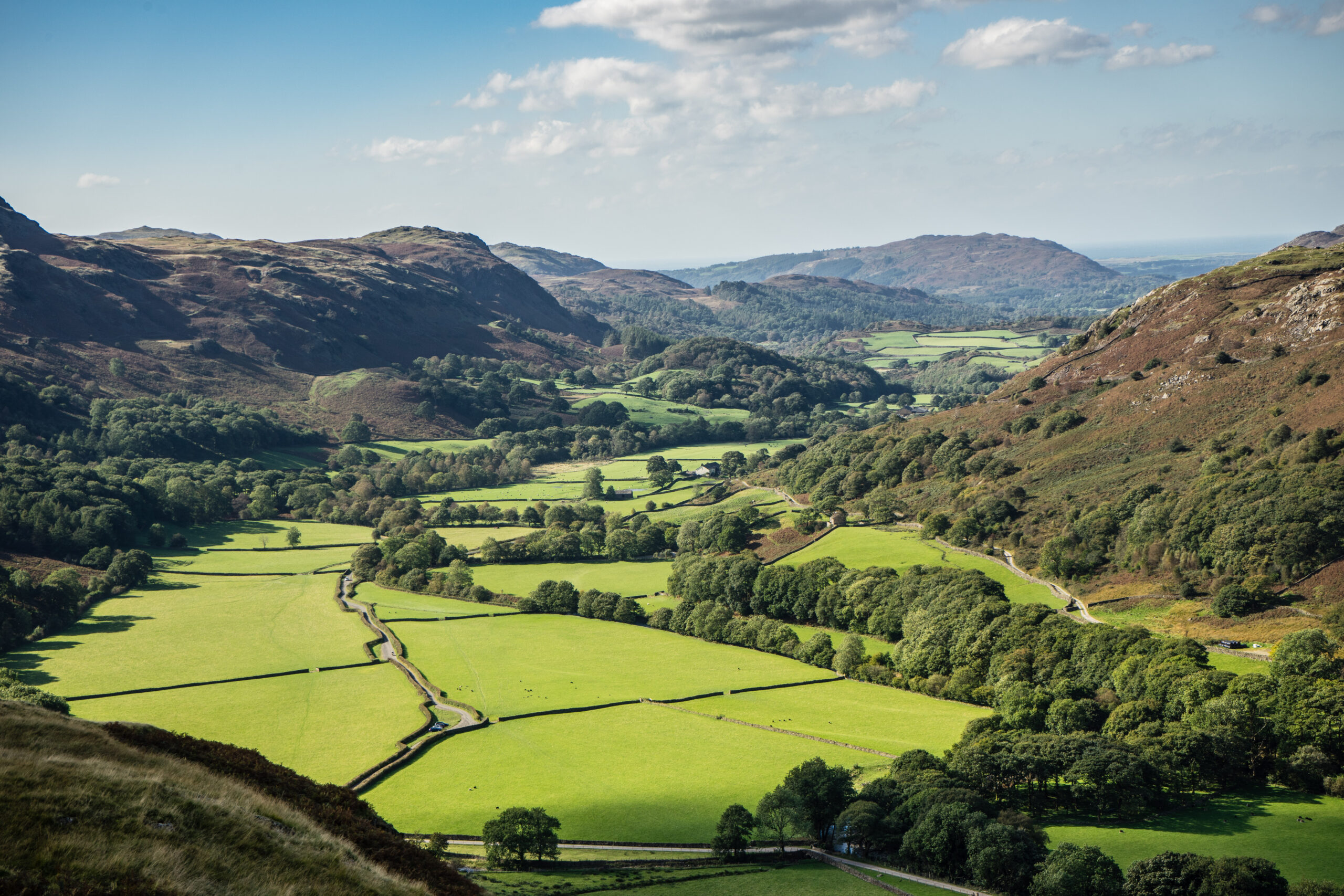
The hill farming system and the landscape reflect the use of the land from the valley floor to the fell-top in a series of enclosures from in-bye in the valley bottom, through intake, out-gang, out onto open fell land. The open fell includes the largest concentration of Common Land in Great Britain.
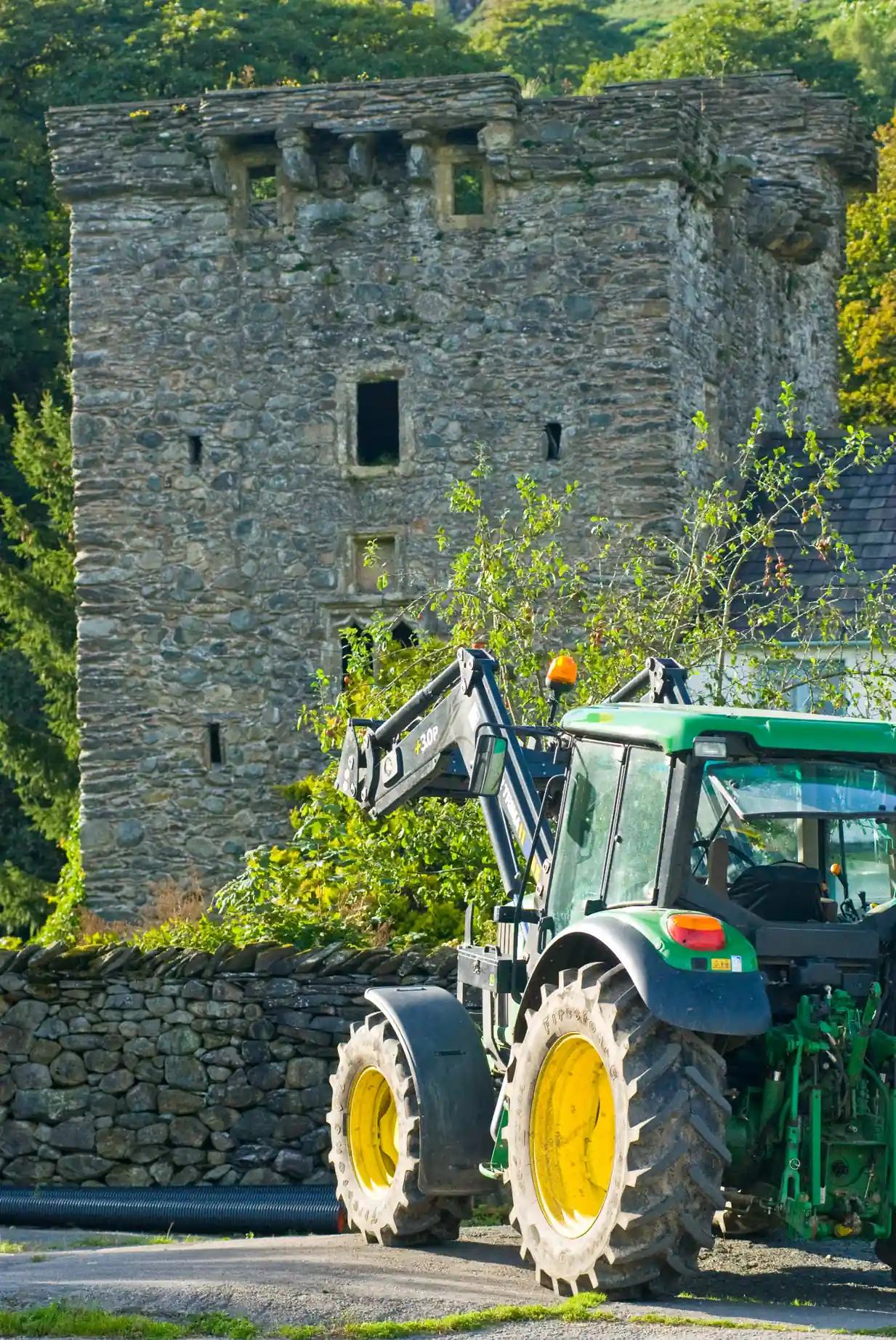
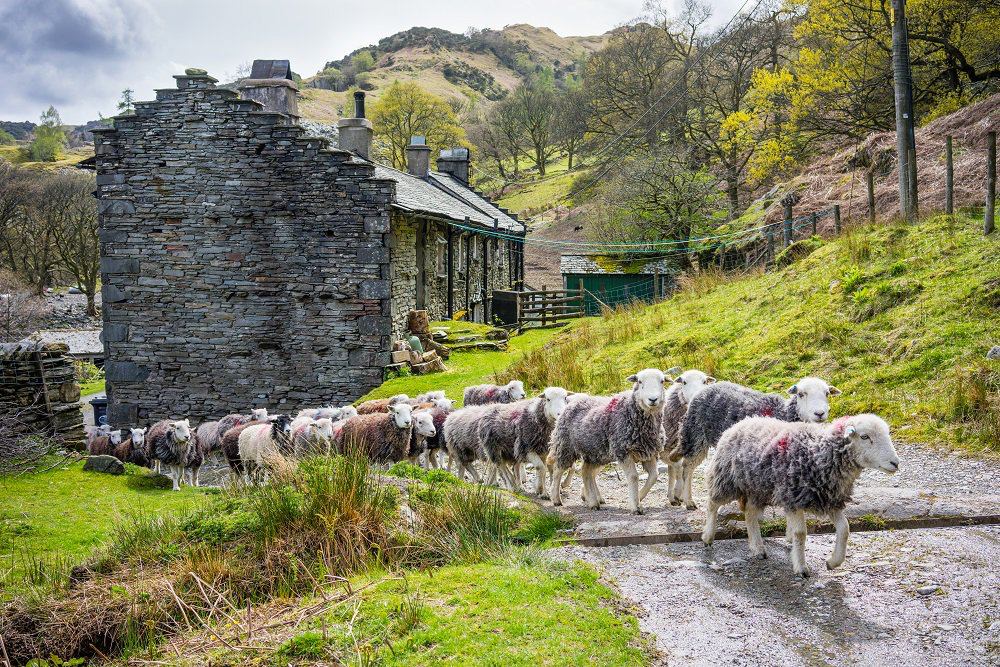
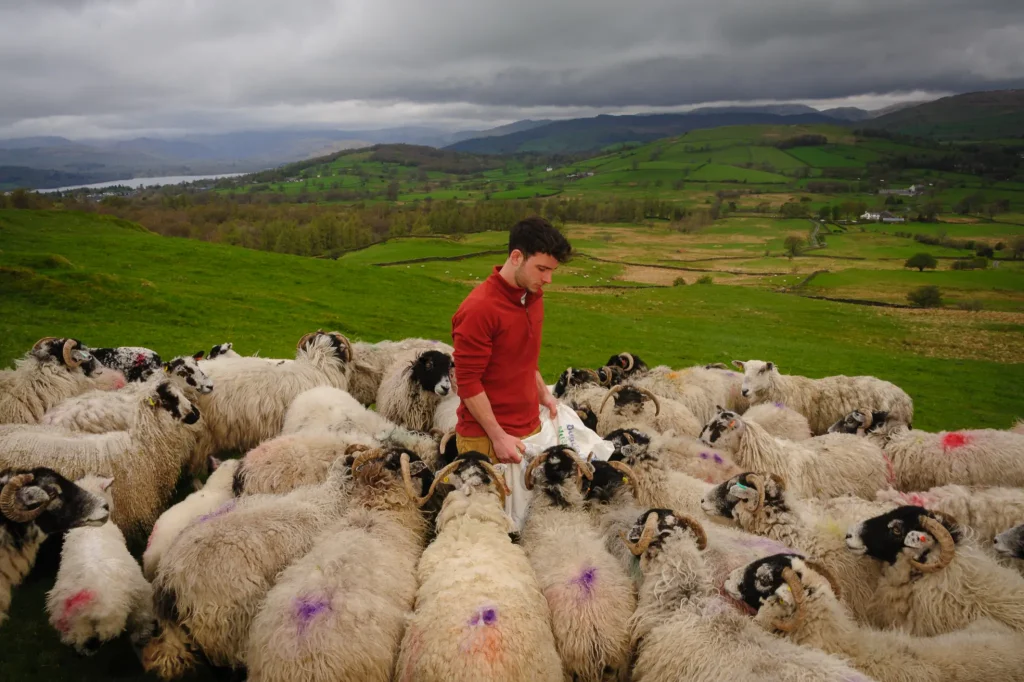
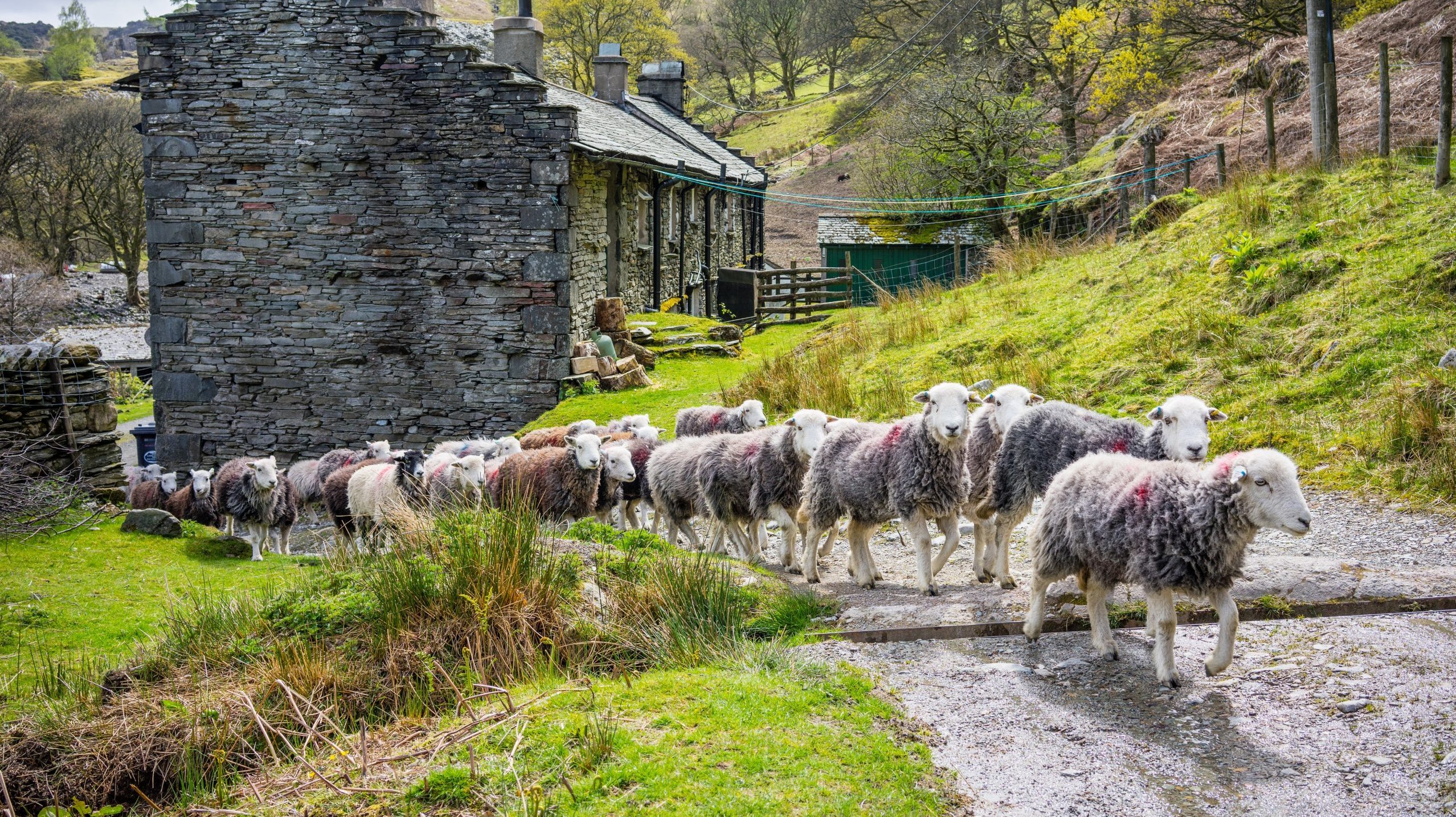
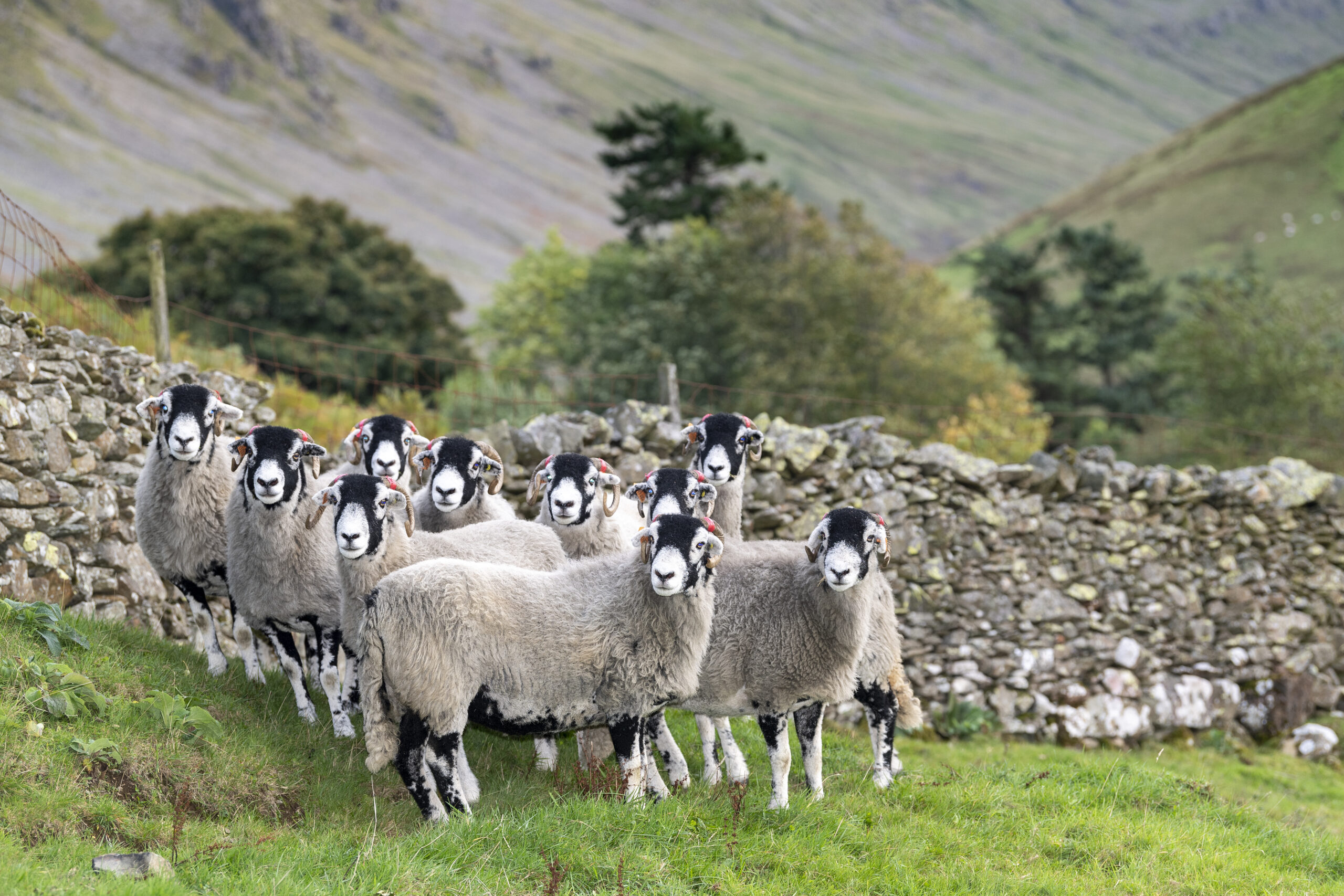
Hefted Grazing, collective management of land, traditional breeds including Herdwick sheep, communal gathering of sheep from the fell, Shepherds’ Meets, agricultural shows and local dialect combine in an unique heritage. Examples include Eskdale Show, Borrowdale Shepherds’ Meet and Show; extensive Herdwick hefts on the the Duddon, Seathwaite, Torver, Coniston Common; and Yew Tree Farm at Coniston with its traditional buildings, Herdwick sheep and thriving local meat business.


Challenges and opportunities
Upland hill farming is one of the key activities which have shaped the Lake District’s cultural landscape. It has contributed so much to the Lake District we see today and will continue to do so in the future. However, farming in the Lake District presents its own unique combination of challenges. These challenges present risks to the future management and appearance of the Lake District, including its cultural traditions. Issues such as an ageing farming population, future land ownership and tenancy changes, the changing nature of subsidy and Common Agricultural Policy (CAP) reform will all have a bearing on how farming manages the cultural landscape.
Whilst we continue to recognise the importance of, and support, traditional upland farm and management practices in order to manage and protect the attributes of Outstanding Universal Value, it is also important that farming continues to evolve. Farmers and land managers must be supported to maintain the health and welfare of livestock, protect and enhance natural resources (for example: wildlife, carbon storage and water quality), and make greater efficiencies by using new technology and sources of energy to reduce costs.
We want to ensure land continues to be managed and farmed in a sustainable way in the Lake District, recognising that farms need to be financially viable and sustainable, and that the structure of farming and land management is changing due to a range of global economic pressures and subsidy reform, which makes income from farming unpredictable. Helping farm businesses to be profitable in a way that conserves the overall Outstanding Universal Value and Special Qualities of the Lake District is fundamental for them to be sustainable and continue to effectively manage the land. It is their land management practices ultimately that create the cultural landscape, which is of Outstanding Universal Value in its own right, but this also underpins the visitor economy, which is so heavily relied upon.
Farming projects
We are working with farmers, communities and partners to celebrate traditional farming in the Lake District. Sustainable practices to support nature and a thriving economy are encouraged through Farming in Protected Landscapes and other collaborative projects.
Farming strategy
The Lake District National Park Partnership (LDNPP) has agreed its Plan for the National Park, including its strategies for farming.
One of the nine ambitions in the Partnership Plan is: Farming is viable, nature-friendly and delivers quality sustainable produce while maintaining the Lake District’s distinctive agricultural practices.
The Lake District was awarded World Heritage Site status in 2017. The world-class designation recognised the National Park as a dramatic farmed landscape, inspiring people to love and appreciate the place which led to the birth of the global conservation movement. Find out more about what this means for farming on our World Heritage Site page.
Feel you need support?

What's on in farming?
Agricultural shows have a long history in the UK, stretching back as far back as 1768. A key part of rural life, farmers work towards these events all year and are proud to attend with stock they have put their hearts and souls into producing.
There are many shows across the Lake District National Park, and no two are the same. The National Park has been sponsoring the shows for the past ten years and we hope our support helps ensure these shows can continue; they are a key part of our farming communities’ cultural heritage.
Below are the dates for shows and Shepherd Meets in 2026, the dates will be updated as they are confirmed.
11th April: Damson Day
9th May: Fell Pony Society Stallion Show
9th May: Eskdale May Fair
20th May: Mungrisdale Swaledale Show
21st May: Keswick Tup Fair
13th June: Greenholme Gala and Agricultural Show
18th July: Penrith Show
19th July: Coniston County Fair
29th July: Ulverston & North Lonsdale Show
1st August: Cockermouth Show
5th August: Cartmel Show
6th August: Ings Sheepdog Trials
9th August: Dalemain Fell Pony Breed Show
13th August: Rydal Sheepdog Trials & Hound Show
15th August: Gosforth Show
16th August: Torver Show – Lakeland Country Fair
18th August: Hawkshead Show
19th August: Threlkeld Sheep Dog Trial
26th August: Ennerdale and Kinniside Show
27th August: Selside and Grayrigg Agricultural Show
29th August: Patterdale Dog Day
29th August: Millom and Broughton Show
30th August: Grasmere Sports & Fell Gather
30th August: Kentmere Sheep Show
31st August: Keswick Show
31st August: Black Coombe Country Fair
5th September: Hesket Newmarket Show
5th September: Lowick Show
6th September: Loweswater Show
9th and 10th September: Westmorland Show
26th September: Eskdale Show
10th October: Wasdale Head Shepherds Meet
18th October: Borrowdale Shepherds Meet
25th October: Buttermere Shepherds Meet
31st October: Walna Scar Shepherds Meet
7th November: Stoneside Shepherds Meet
Lambing sign
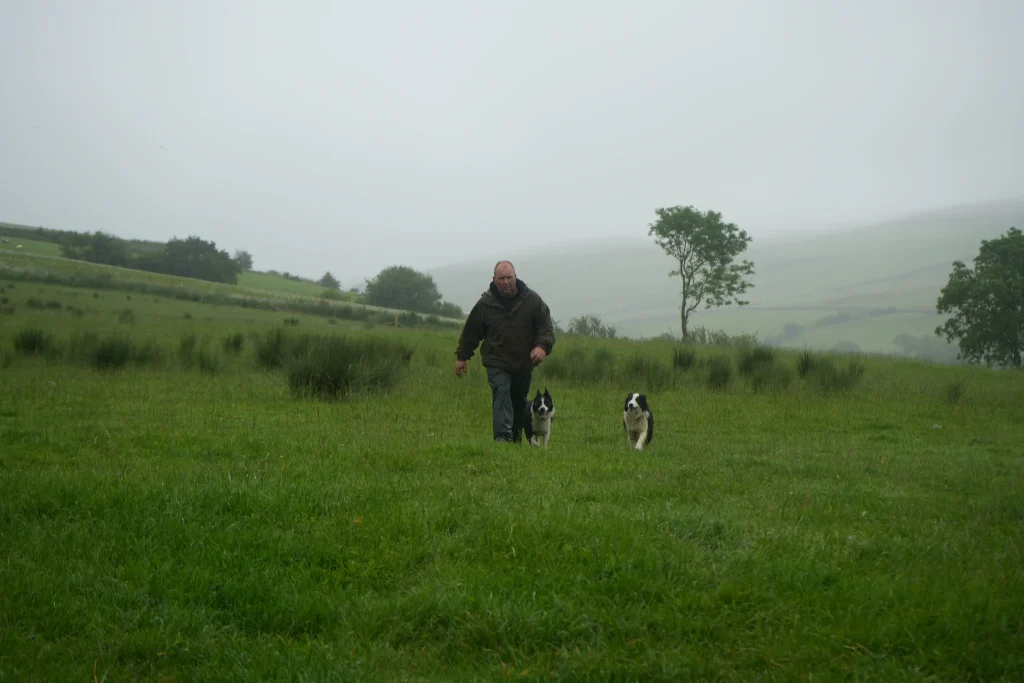
The run up to lambing time is a really sensitive time in the Lake District. Dogs can cause significant stress to sheep whilst they are heavily pregnant and this can lead to the sheep aborting its lambs. It is really important at this time of year to follow the Countryside Code and keep dogs under close control, preferably on a lead.
It is also important to pick up after your dog as dog mess can pass on infections to livestock.