
Peatland restoration and protection
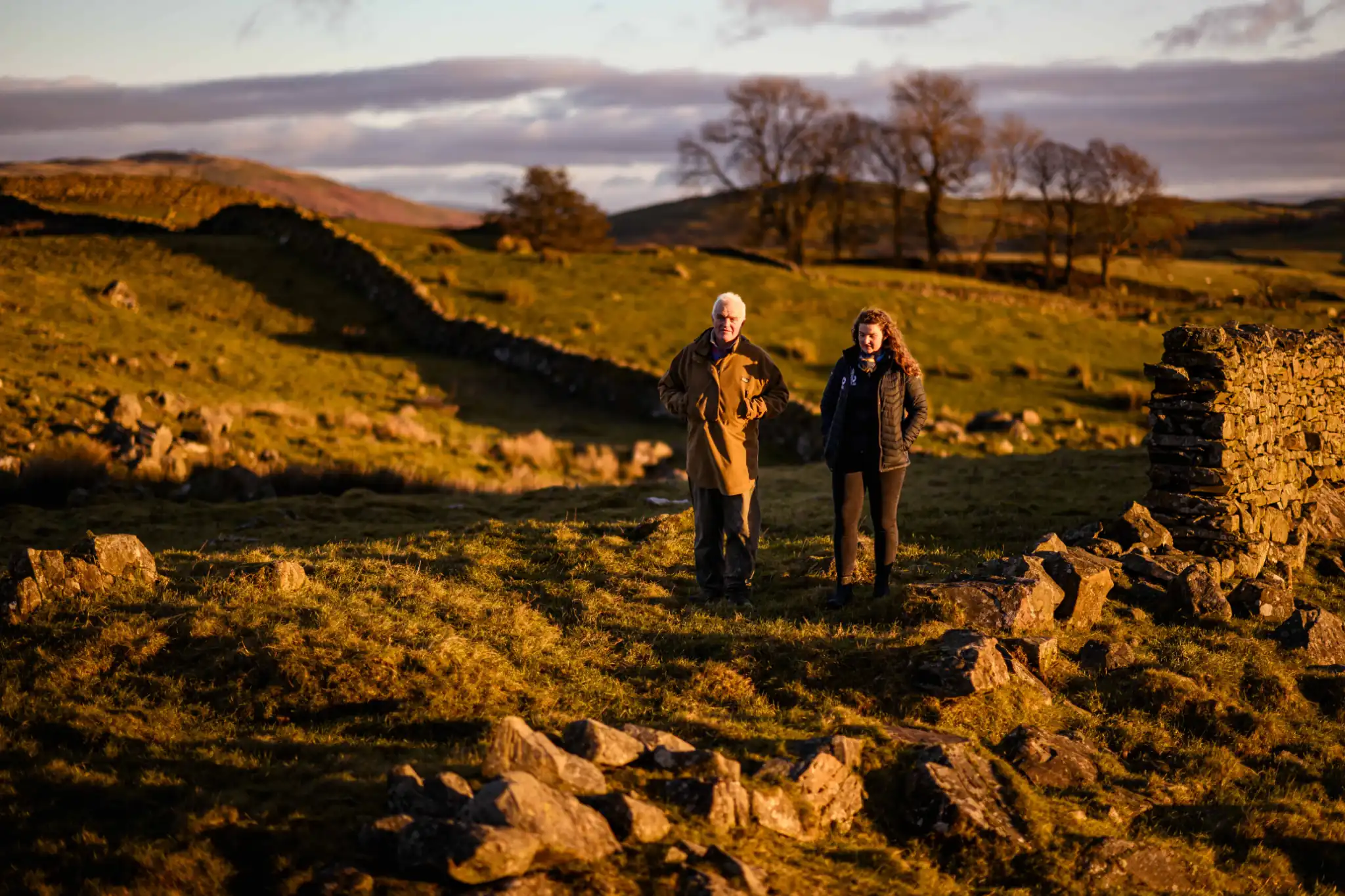
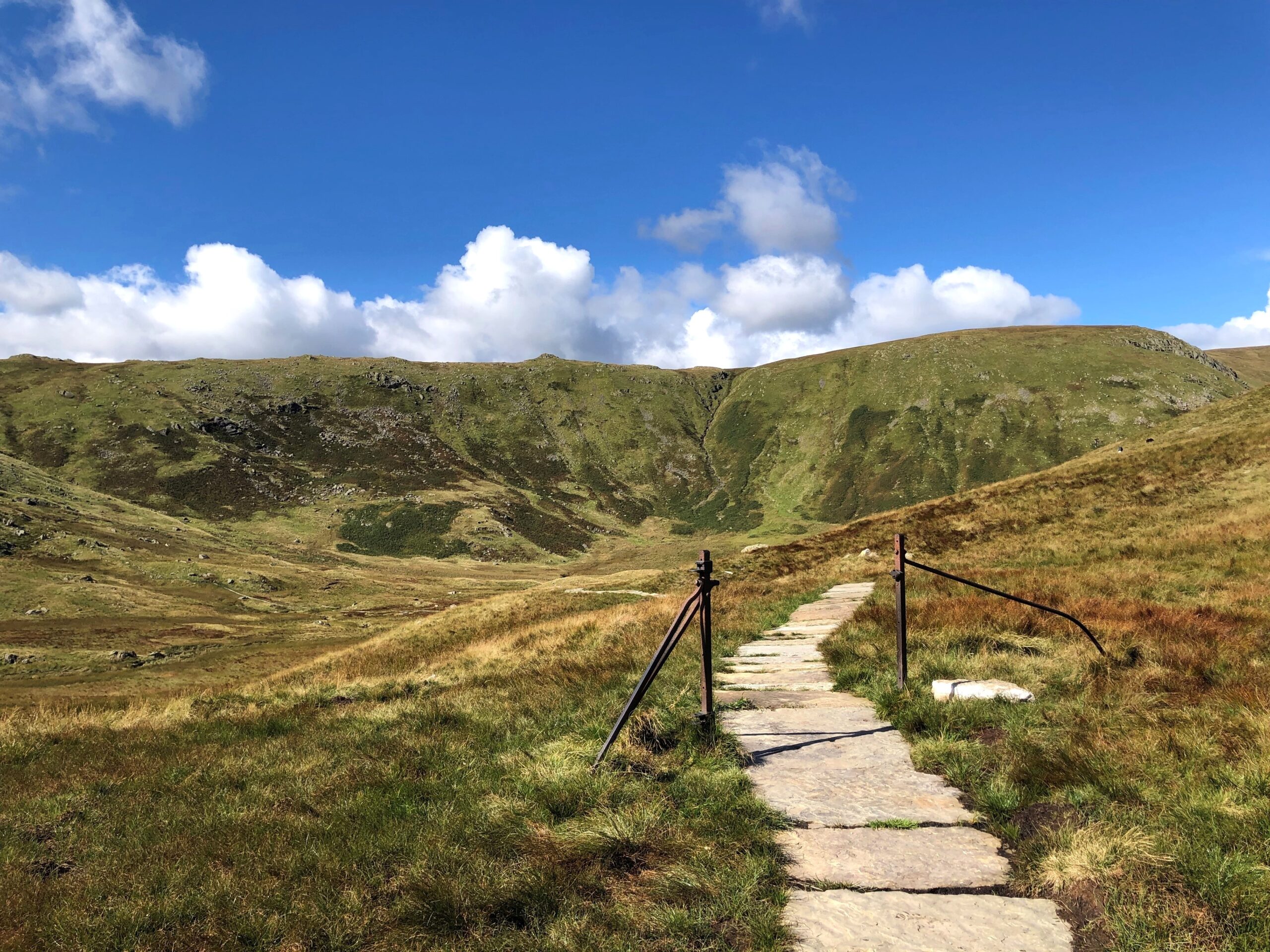
Peatland is water-logged habitat which prevents plants from decomposing by ‘trapping’ the carbon they release. It takes many forms, and blanket bog covers large areas of uplands in the Lake District. Across the UK, peatlands store 3.2 billion tonnes of carbon. There are 16,800 hectares of peat habitat in the Lake District.
As well as carbon sequestration, peatland acts as a natural flood mitigator by slowing the flow of water from uplands. It also supports biodiversity and provides habitats for wading birds, insects and plants, as well being an important natural record of past environments.
Projects to restore and protect peatland in the Lake District:
- Caldbeck Common Enclosures Project
- Rusland Moss National Nature Reserve
- Barf Common Peat Restoration Project
Find out more facts about peatland from the UK Centre for Ecology and Hydrology on their Peatland Factsheet (PDF).
Woodland management and creation
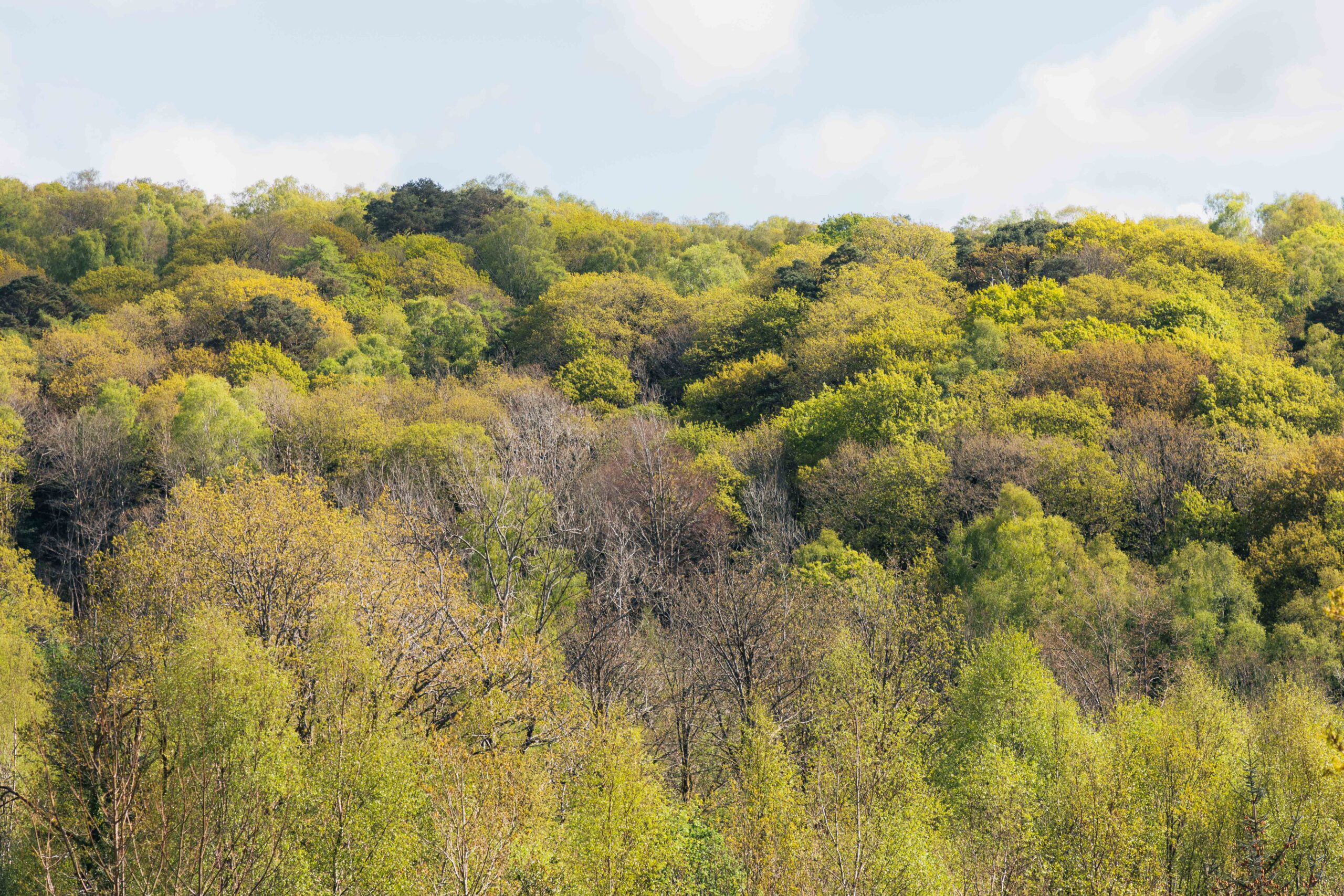
Expanding and restoring woodland is one of the most effective ways we can strengthen the Lake District’s resilience to climate change.
As part of the Lake District National Park Partnership, we’re supporting a long‑term programme to increase woodland cover across the National Park. By 2050, the Partnership aims to grow woodland cover from 13 percent to 17 percent of the Park. That 4 percent increase represents a significant shift in the landscape and is equivalent to around 209 hectares of new woodland every year. Over a 30‑year period, each year’s planting will store an estimated 59,356 tonnes of carbon dioxide, helping remove substantial amounts of carbon from the atmosphere.
We’re also supporting woodland creation projects across the National Park, including detailed woodland mapping and long‑term management planning. This work ensures new woodlands are designed to thrive, connect habitats, protect soils, reduce flood risk and support biodiversity.
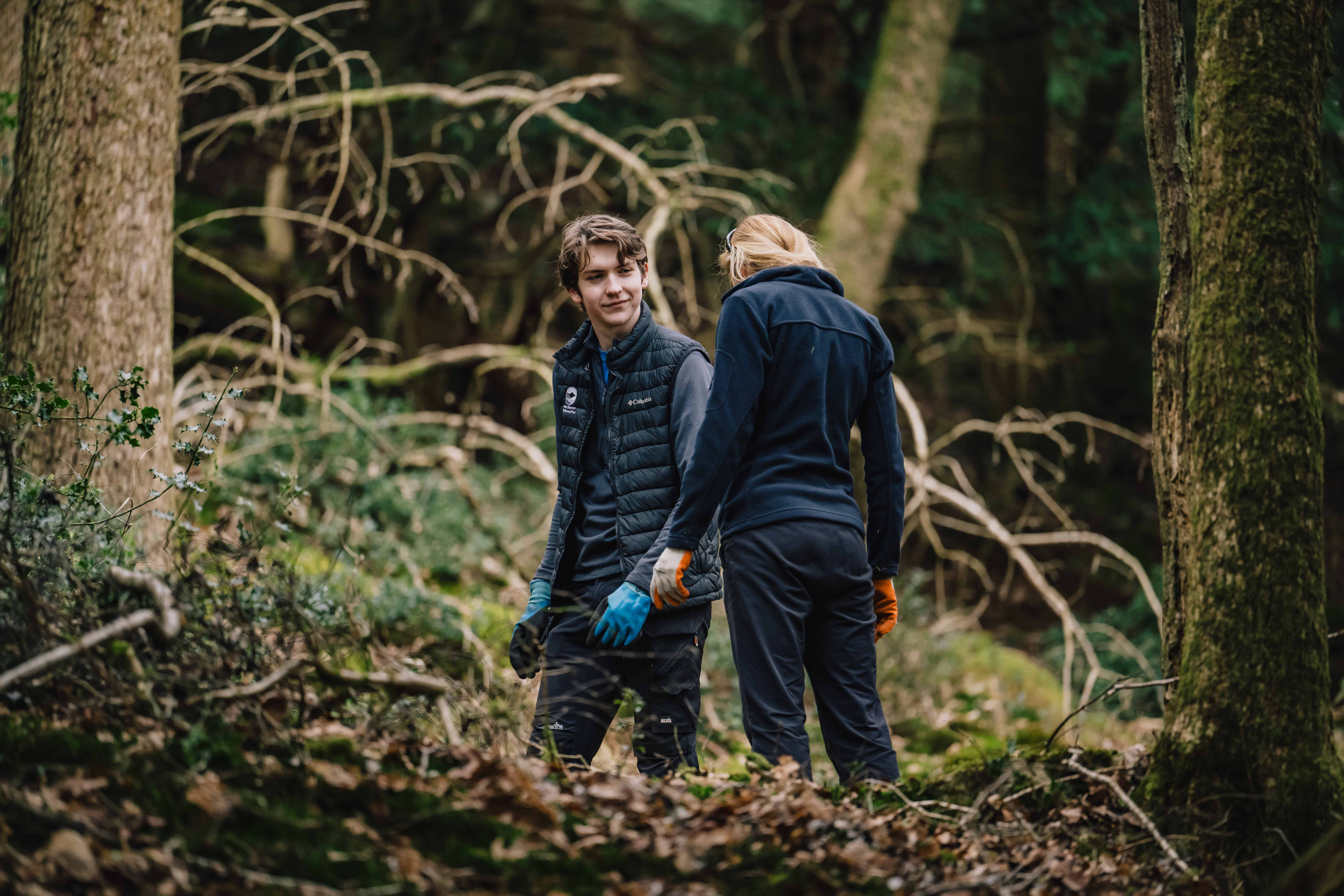
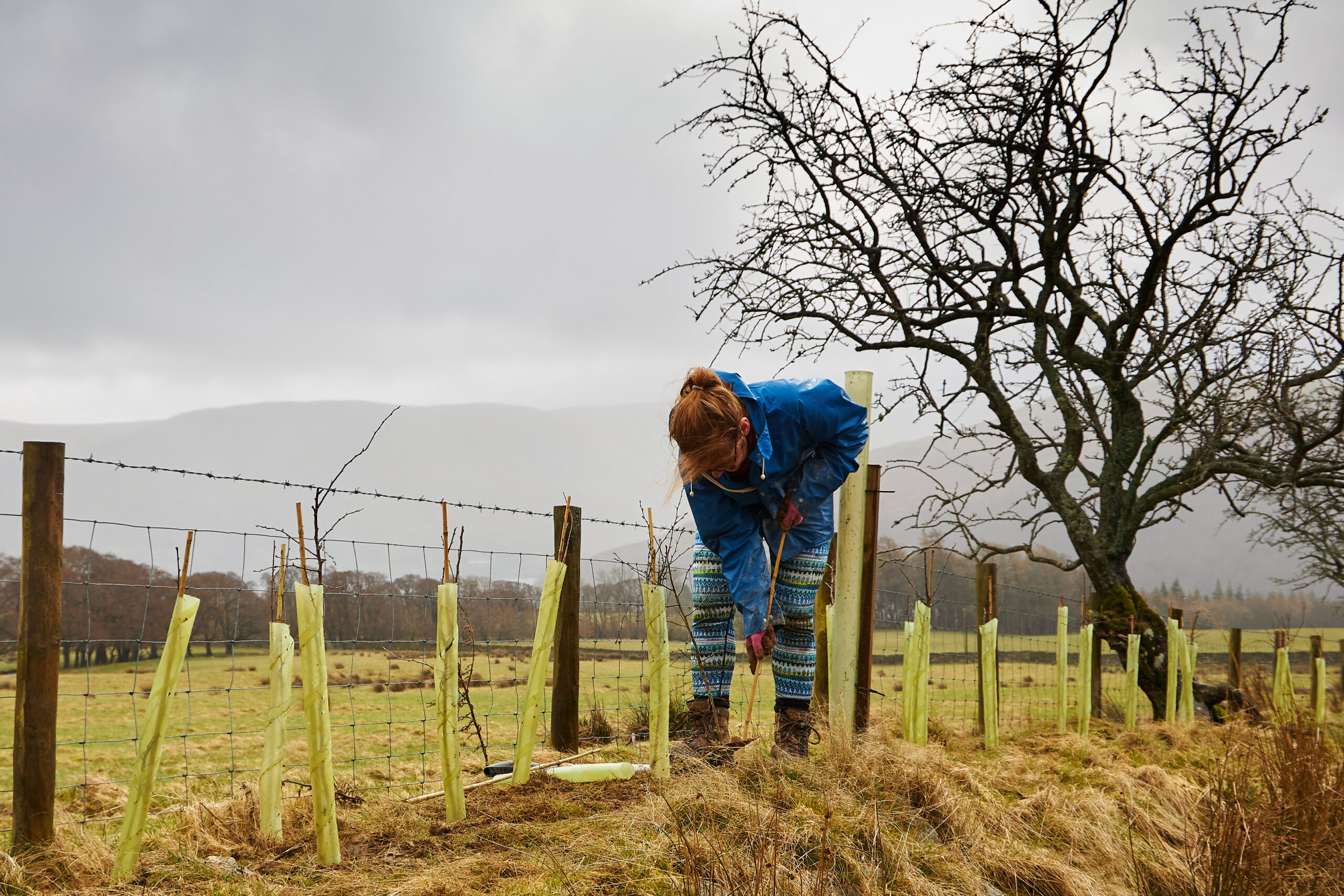
Through our Young Rangers programme, LDNPA is investing in the next generation of conservationists by hosting hands‑on days where young people help plant trees, remove invasive conifers and learn practical skills that contribute directly to the future health of the Lake District landscape.
Together, these efforts are building a more climate‑resilient National Park, one that can continue to inspire, connect people with nature and store carbon for decades to come.
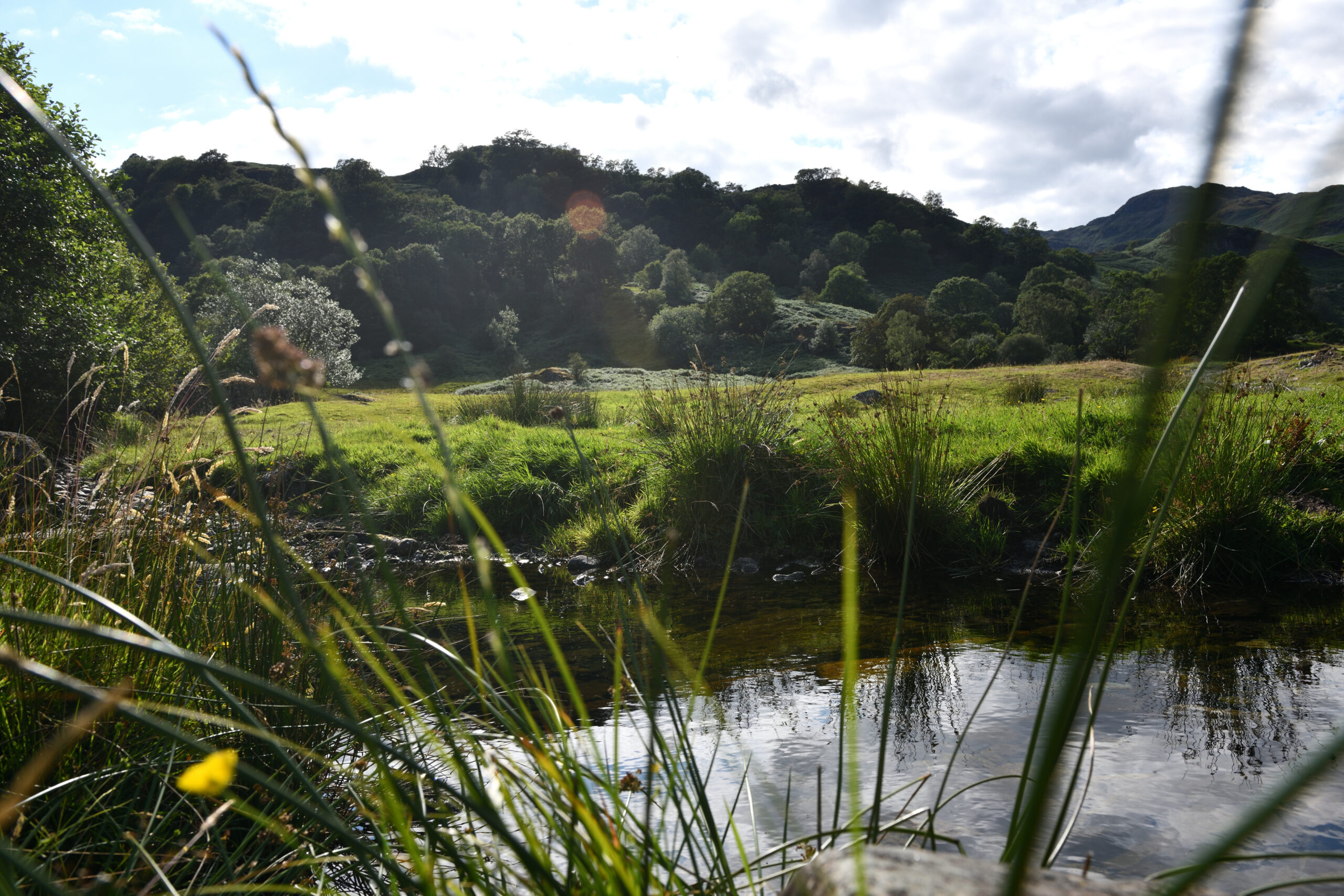
Creating resilience against flooding
Extreme weather events are one of the most significant climate‑related challenges facing the Lake District. As storms become more intense and rainfall patterns shift, we’re working with partners, communities and land managers to strengthen the landscape’s ability to cope, recover and thrive.
Strengthening bridges and footpaths
We’re investing in making bridges, footpaths and access routes more resilient by redesigning structures to withstand higher river flows, reinforcing foundations, and improving drainage so vital connections remain open during extreme weather. These upgrades help protect local communities, support visitor access and reduce the long‑term cost of repairs.
Supporting community resilience
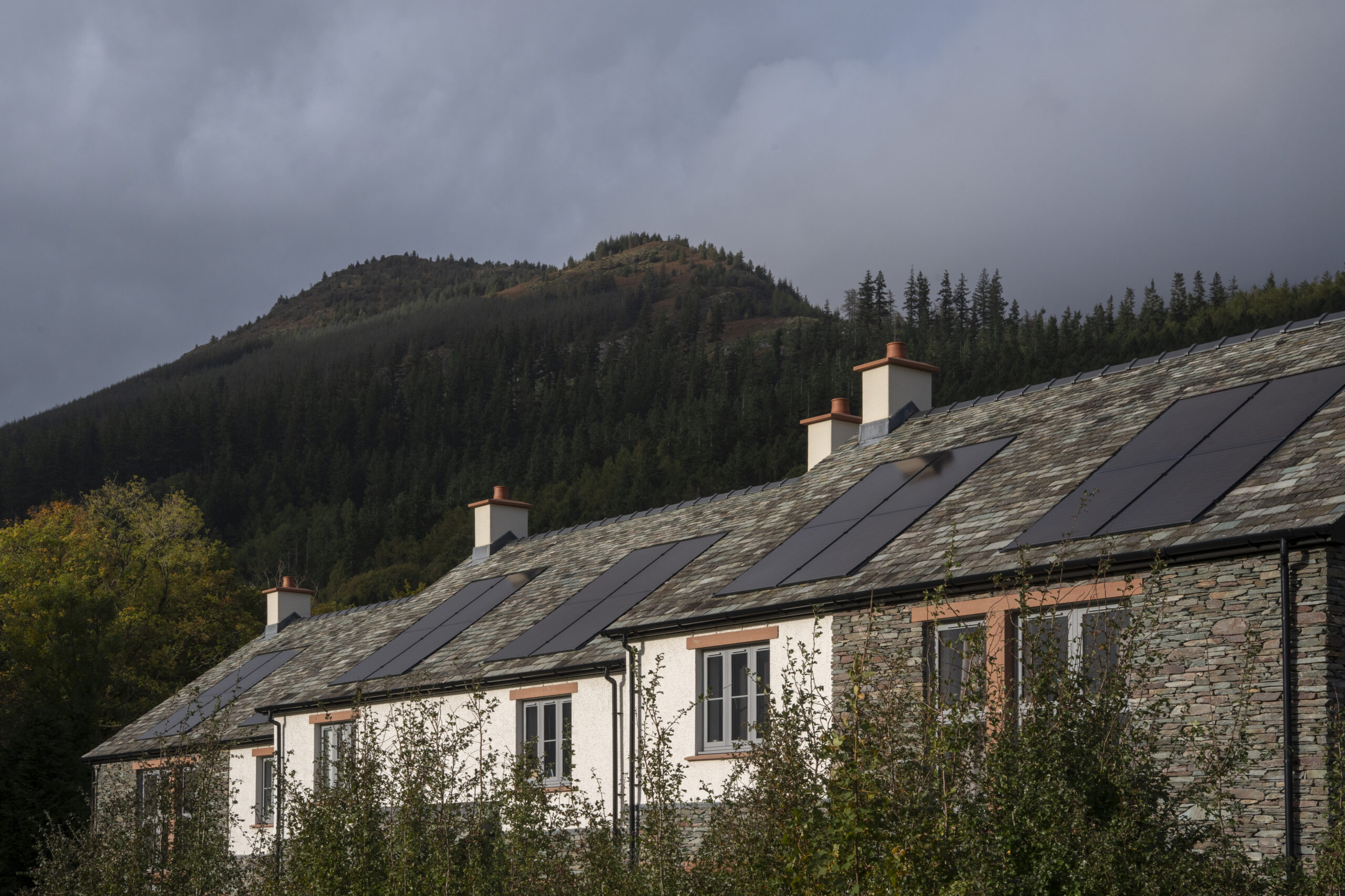
Communities across the National Park play a crucial role in adapting to and recovering from flooding. We work with local groups to support practical measures such as temporary flood barriers, emergency planning and volunteer networks that help vulnerable people reach safety during severe weather. Projects such as undergrounding overhead power lines help with long-term resilience by reducing the risk of outages during storms, helping communities bounce back more quickly after extreme events.
You can read more about climate adaptation in the Lake District National Park Authority in the Lake District Climate Change Adaptation Report (PDF).
Working with farmers and land managers
Farmers are central to building a more resilient landscape. Through programmes such as Farming in Protected Landscapes, LDNPA supports projects which slow the flow of water, restore natural floodplains and improve soil health. For example, in Ullswater, the Ullswater Catchment Management Community Interest Company (Ullswater CIC) is leading innovative work with farmers to create nature‑based solutions that reduce flood risk while supporting sustainable farming and biodiversity.