
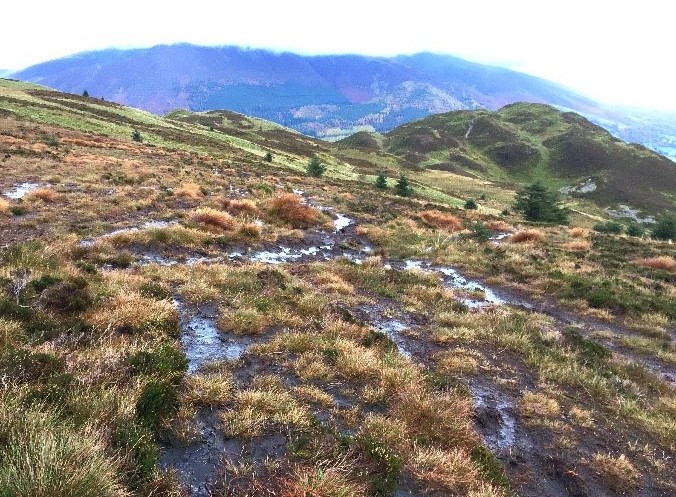
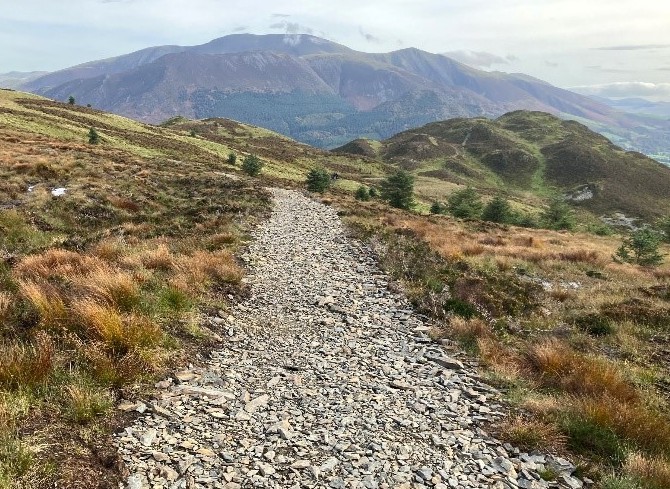
Restored peatlands provide multiple benefits to the surrounding landscapes and communities including improvements to water quality, flood risk reduction and biodiversity conservation. Restored peatlands can help to slow the flow of water within a water catchment, therefore helping to reduce the risk of flooding during periods of high rainfall and releasing water slowly during periods of drought.
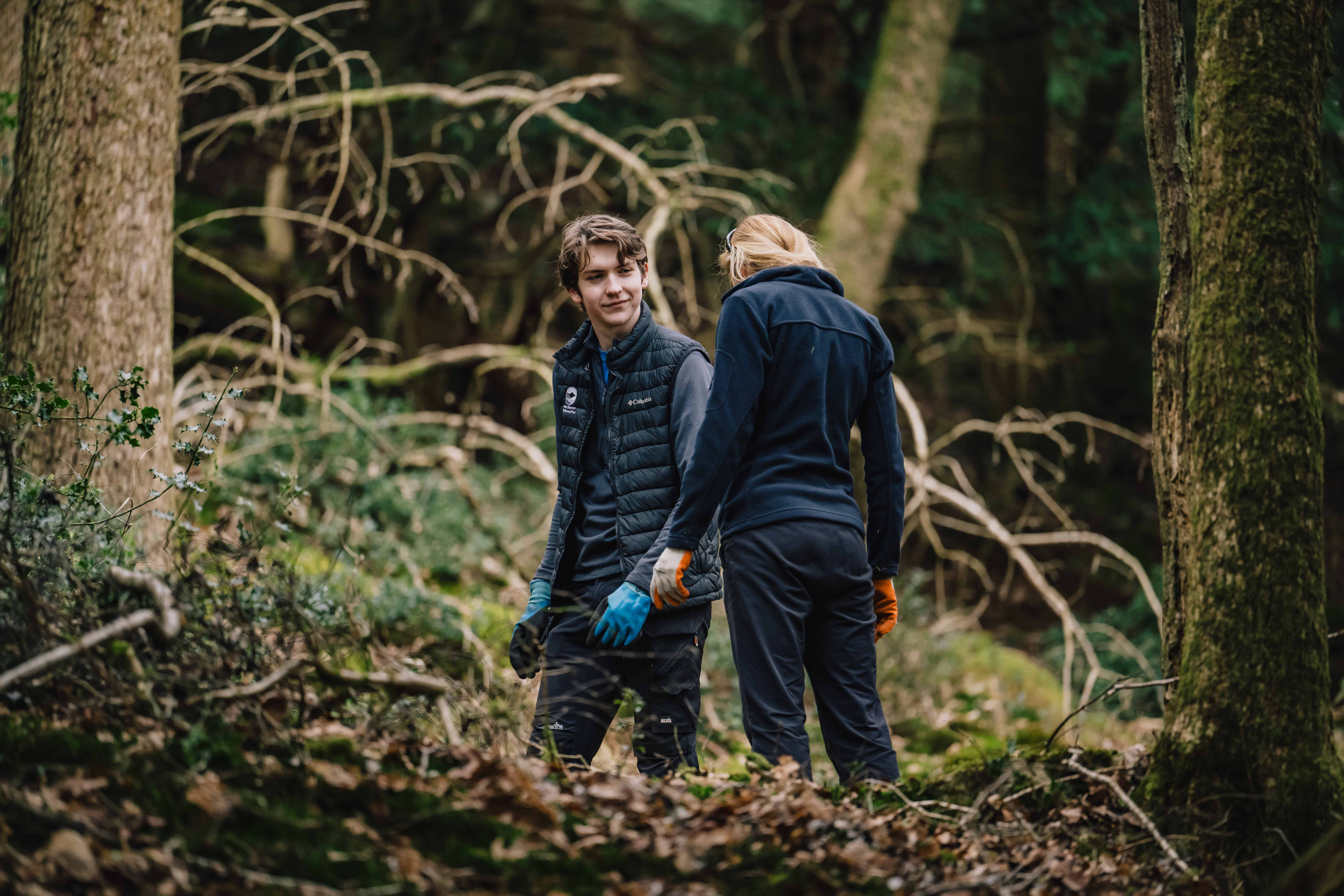
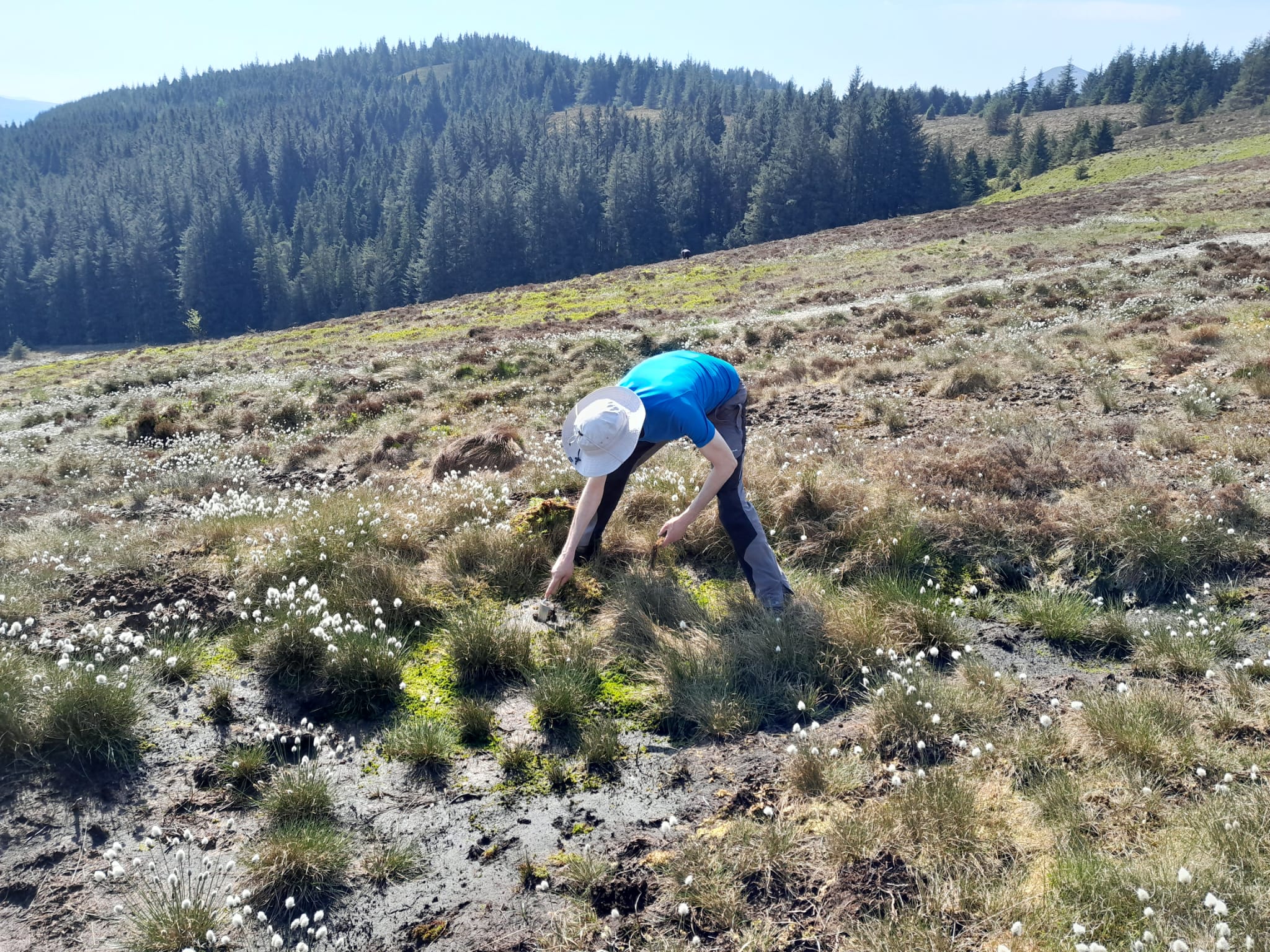
The project will provide numerous opportunities for residents to come and volunteer in the Lakeland fells whilst conducting the peat bog restoration monitoring work using ‘Eyes on the Bog’ devices. Post restoration monitoring surveys will monitor the presence of further erosion through trampling, levels of bare peat etc. This information can be used to further inform grazing levels suitable for the site and whether any further actions are required to revegetate the bare peat.
The tenant farmer has a Higher-Level Stewardship scheme with Natural England. Part of the agreement limits the number of animals allowed to graze and encourages off-wintering to protect the moorland habitat.
This has been a fantastic example of partnership working with LDNPA, Cumbria Wildlife Trust, Fix the Fells, local volunteers, the Forestry Commission and the involved commoner all working together to restore this valuable peatland, boost outdoor recreation and protect this amazing landscape for future generations.