
Project map
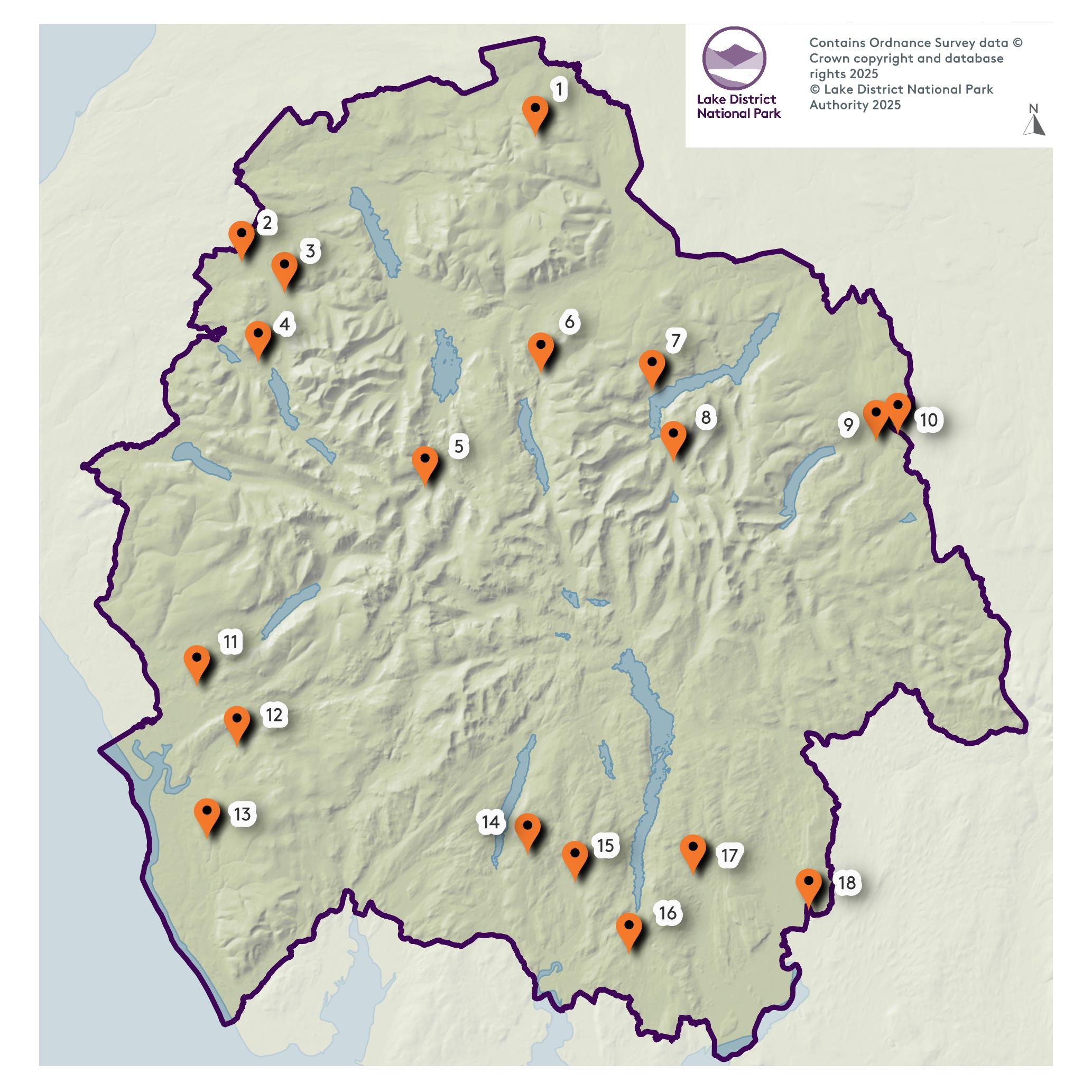
Each of the numbers on this map of the Lake District corresponds with a nature recovery or climate resilience project supporting the continuation of farming and forestry and conservation of cultural heritage. Click through the stories below to read the full case study and find out more about the Partners involved.
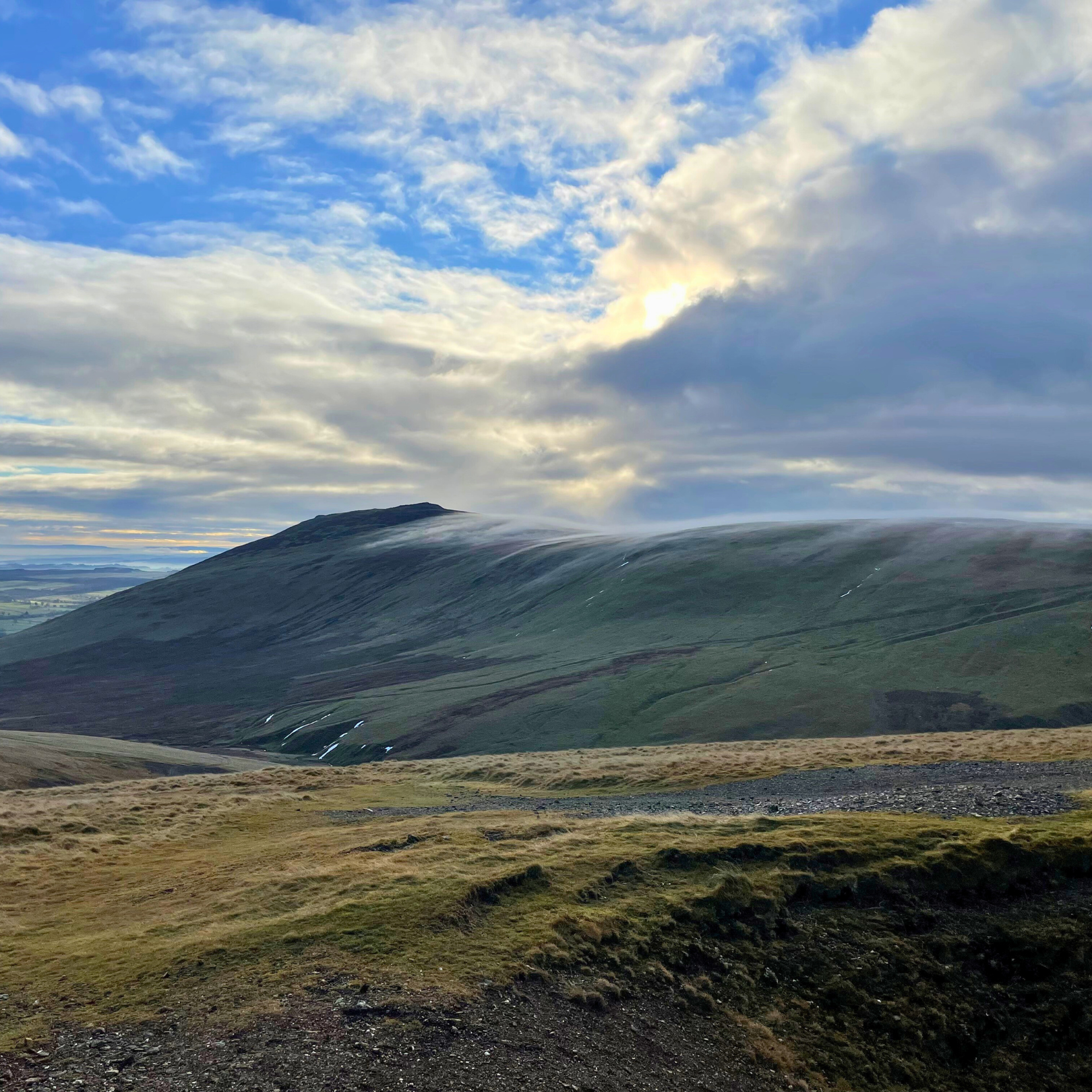
1. Caldbeck Common Project
The Lake District National Park Authority, the Caldbeck Commoners’ Association and Natural England are working together on a project to restore areas of the Caldbeck Common. The Common makes up part of the Skiddaw Group SSSI and Lake District High Fells Special Area of Conservation and includes important habitats such as heather and moss moorland, blanket bog and juniper scrub, supporting large populations of upland breeding birds.
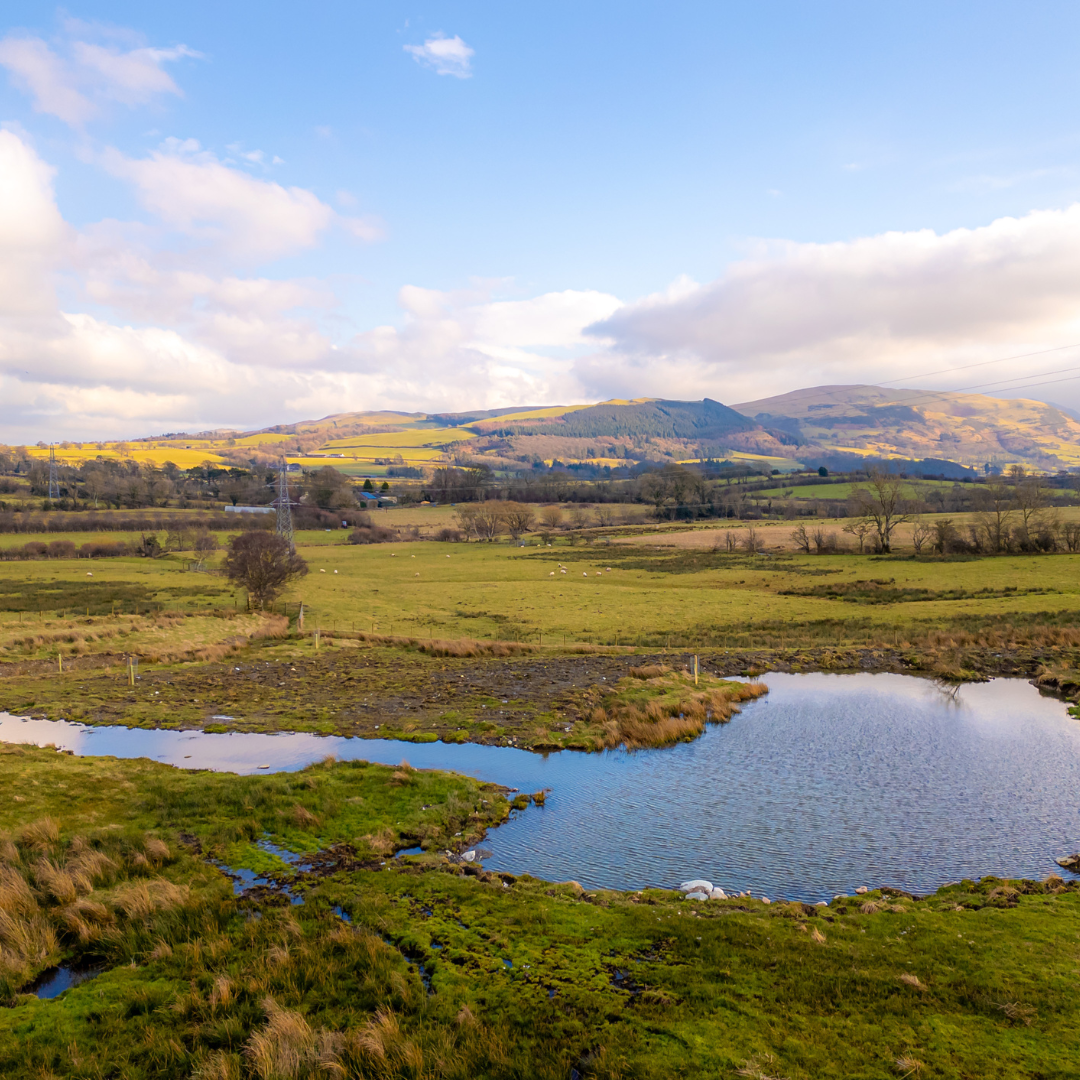
2. Old Meader wetland creation
In Southwaite, just upstream of Cockermouth, a new wetland is taking shape at a family beef and sheep farm which has been in the same family for several generations. Recognising that a wet area of the farm was not a productive area for farming, and that historical drainage efforts had not been successful, the family approached West Cumbria Rivers Trust late in 2023 hoping to transform this area into something valuable for wildlife.
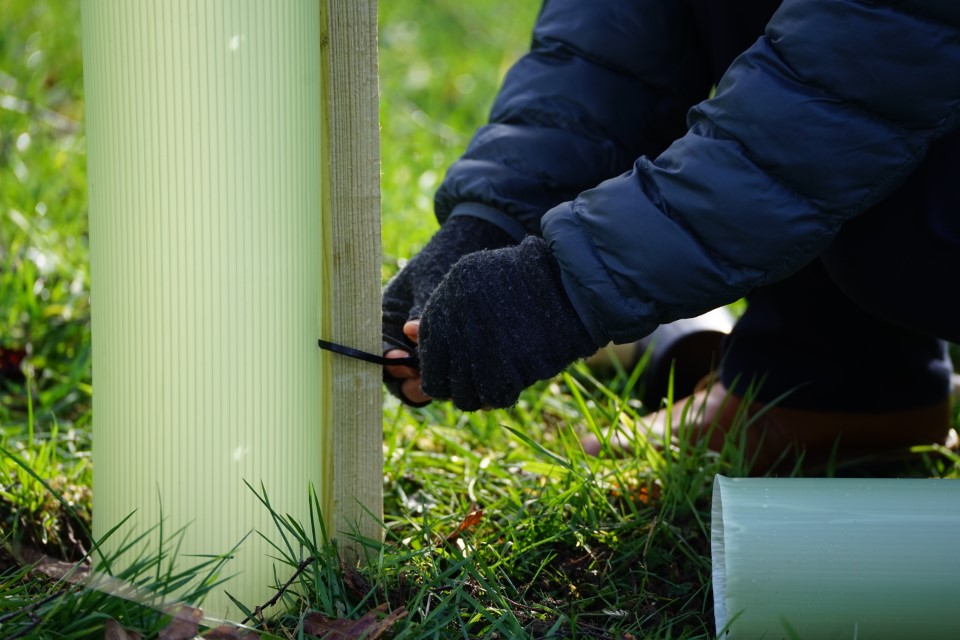
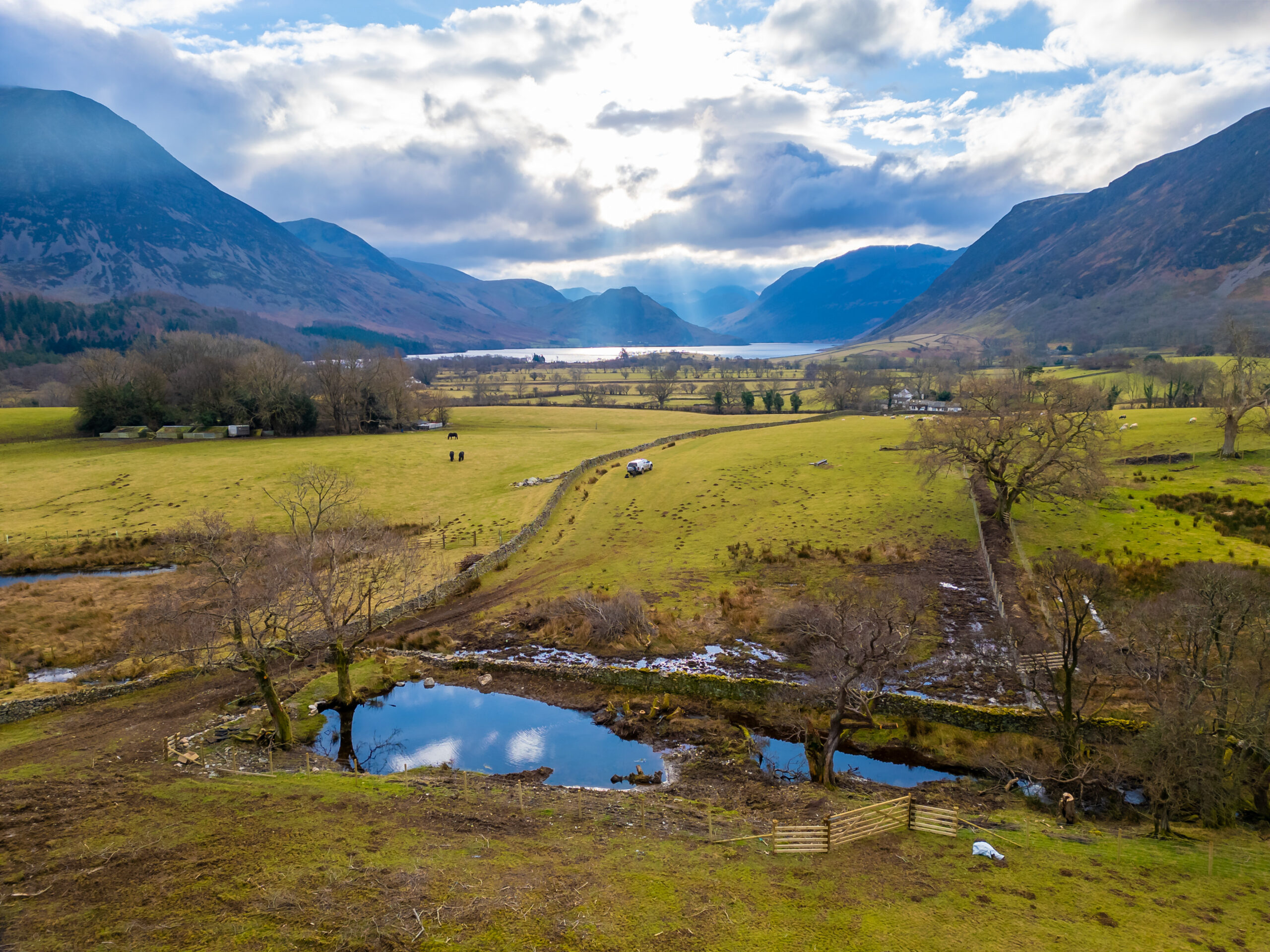
4. Historic pond restoration and hedges at Foulsyke
On the Foulsyke Estate in Loweswater, a historic fishpond has been brought back to life, along with the creation and restoration of several hedges. Supported by the Lake District National Park archaeologist, Natural England and the Farming in Protected Landscape team, West Cumbria Rivers Trust were able to restore the historic stone-faced dam wall and recreate a wildlife pond where the original fishpond would have once been.
8. Goldrill Beck, Ullswater Catchment Partnership
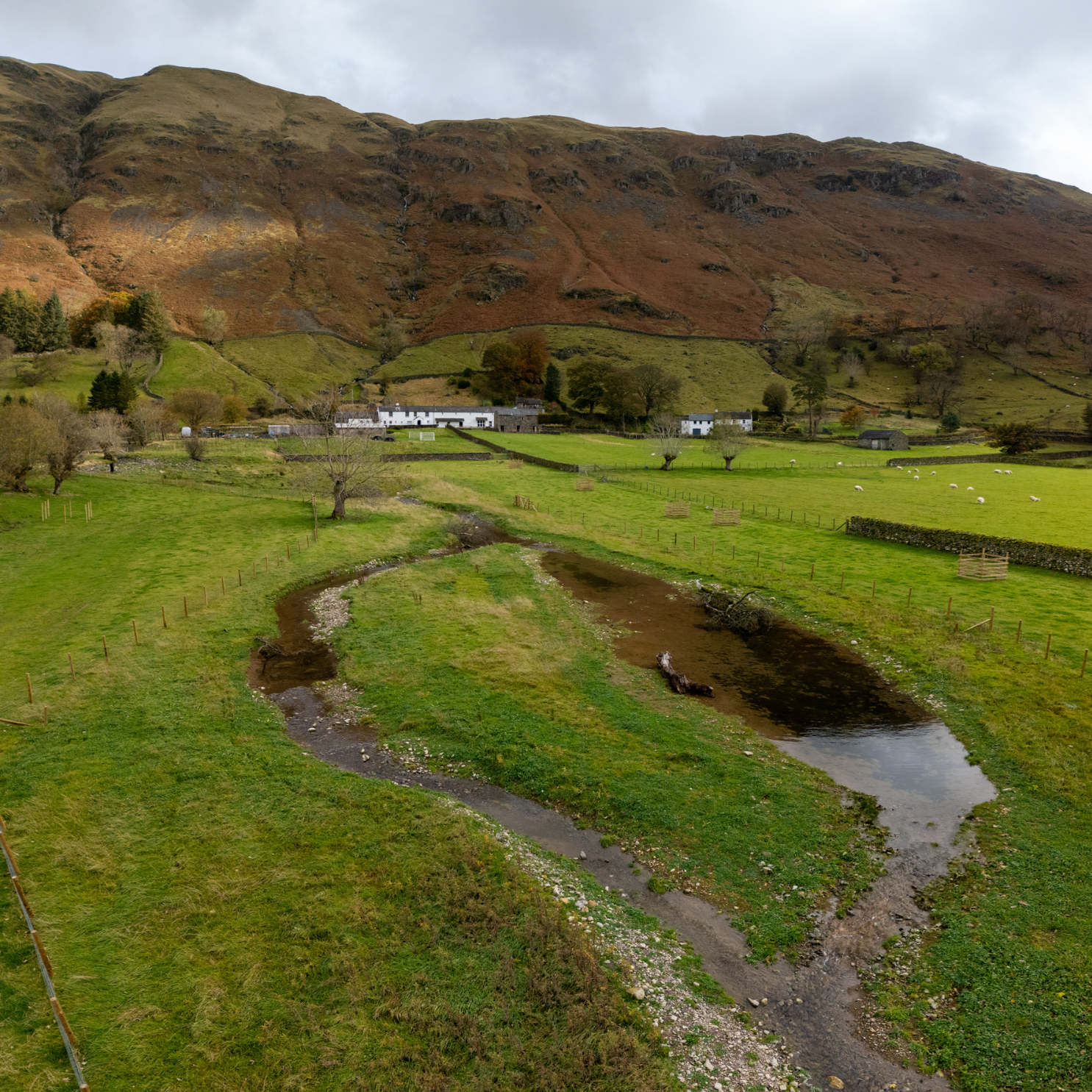
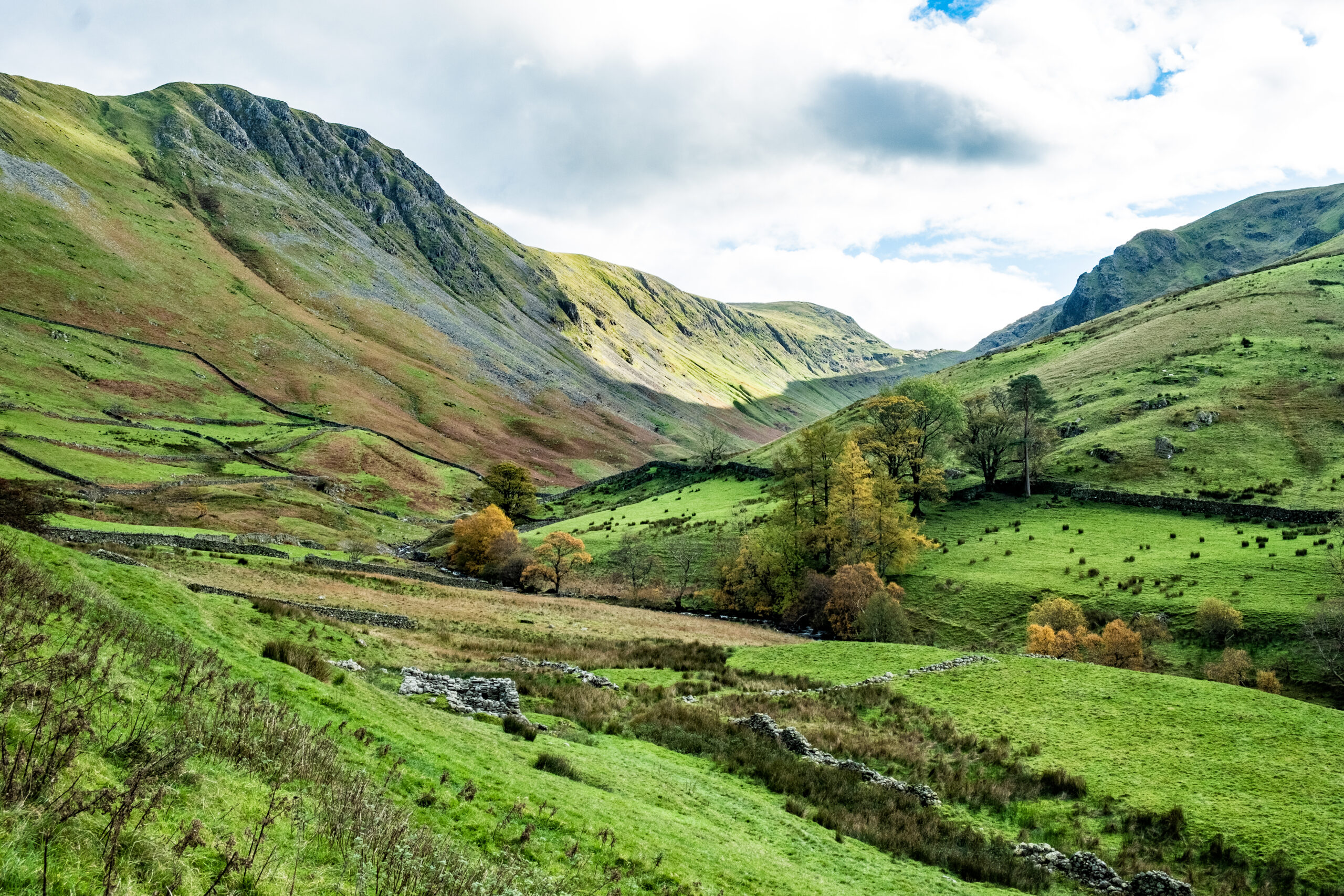
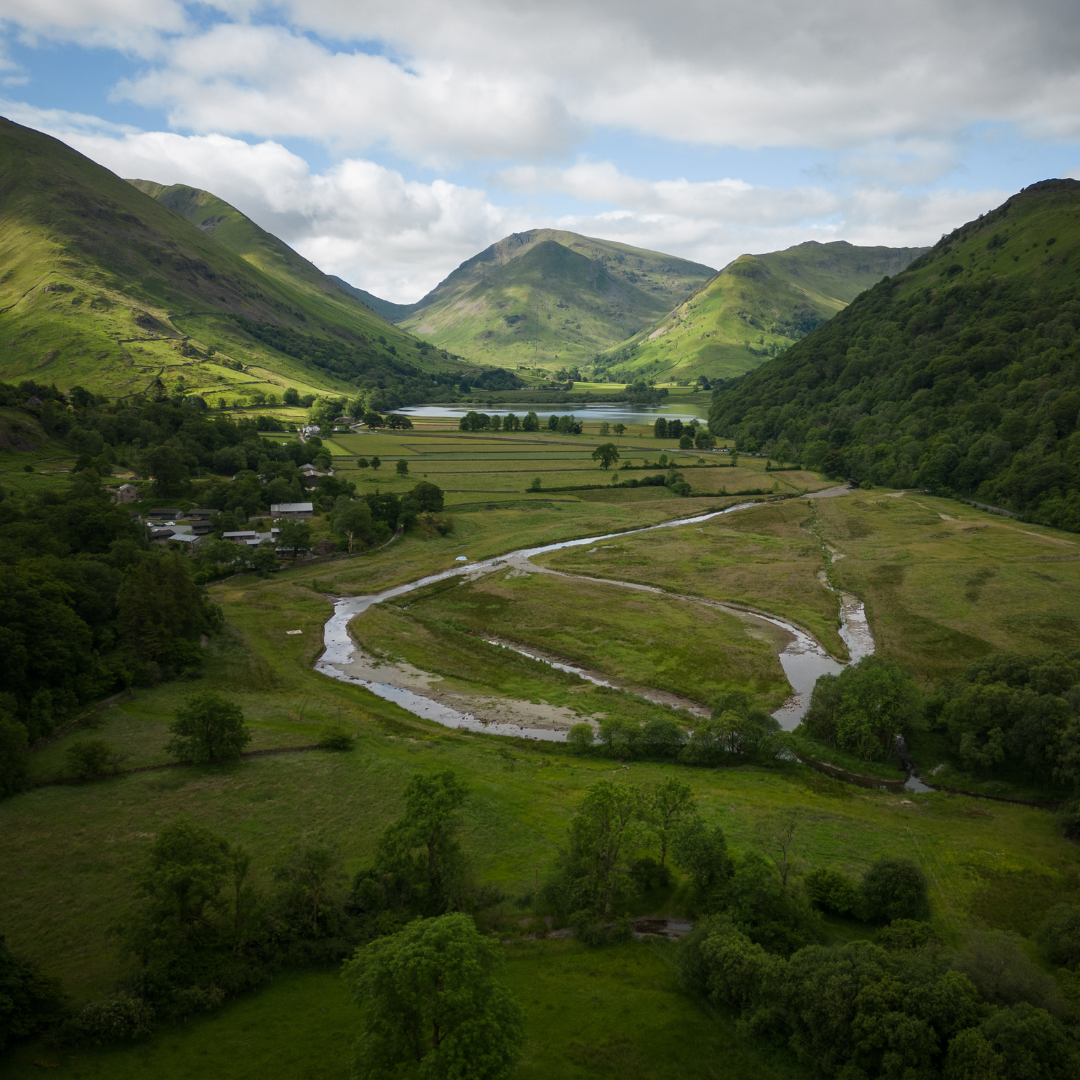
Ullswater is one of the most iconic destinations in the Lake District, attracting millions of visitors every year and home to thriving rural communities. Here, over the last 10 years the Ullswater Catchment Partnership, led by the Ullswater Community Interest Company and the National Trust, has been working with landowners and local communities to restore natural processes and habitats that have been impacted by past agricultural intensification and modification.
10. Rosgill Hall, Shap
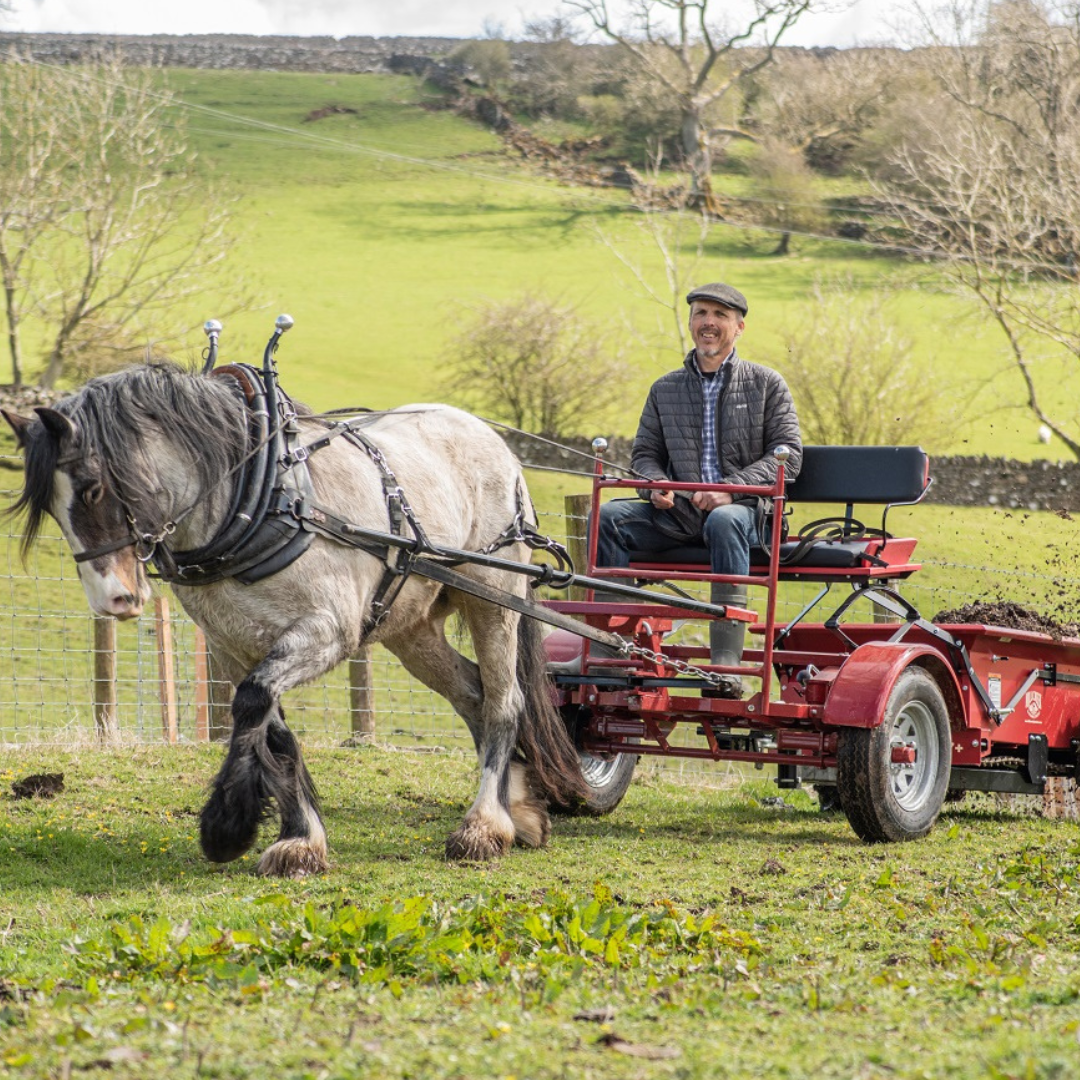
At Rosgill Hall near Shap, Thomas and Anna Dutson are blending heritage farming practices with modern sustainability goals. Their project champions nature recovery and climate resilience while keeping alive the tradition of working ponies, a skill deeply rooted in the cultural fabric of the fells.
12. Cragg Farm, Eskdale Green
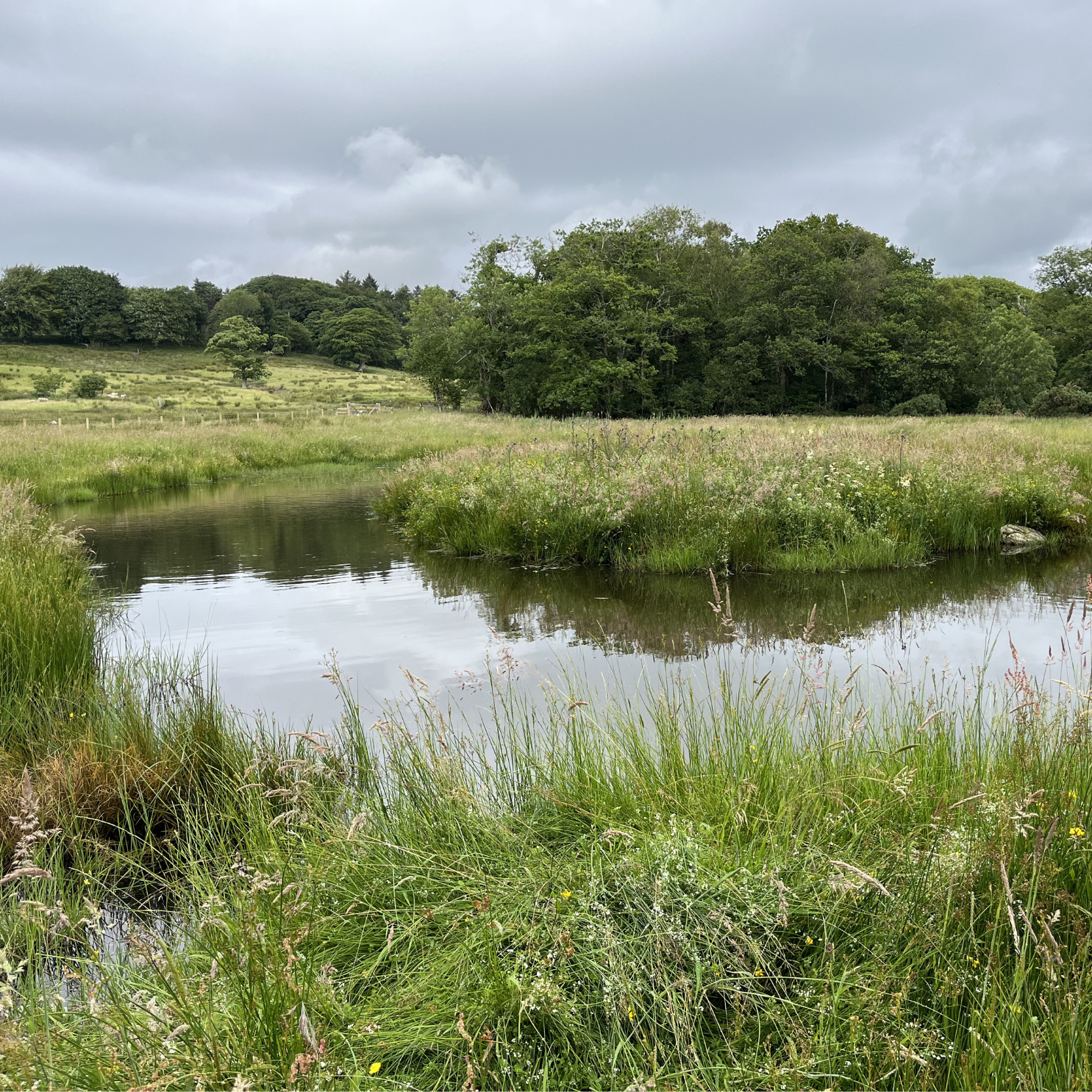
With the support of a newly agreed agri-environment agreement, changes are being implemented at Cragg Farm to support the recovery of Cropple How Mire SSSI and other areas of the farm.
Read about what the changes are, and how it’s supporting the landscape character of the area below.
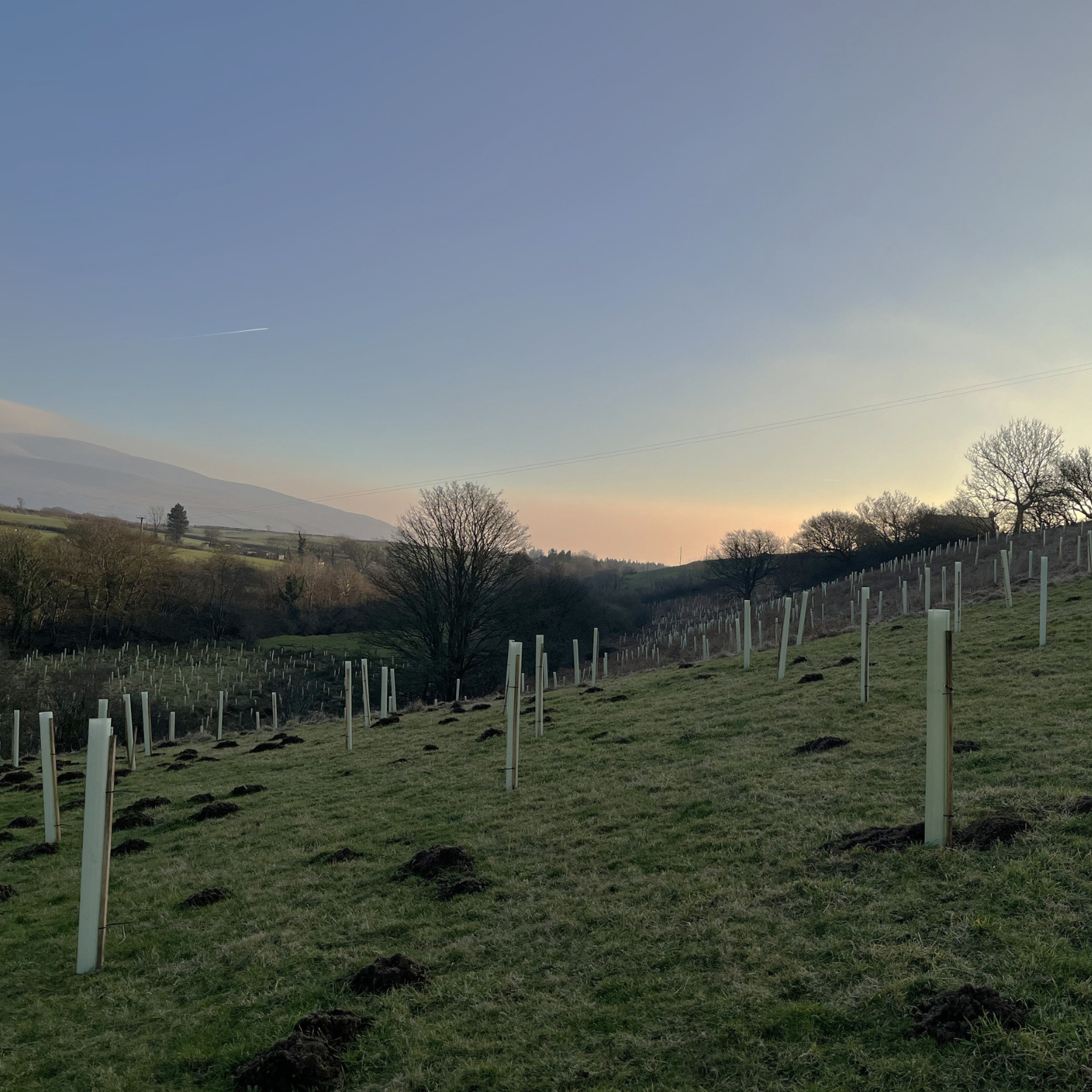
13. Woodland creation at Moorside
Planted in early 2022, as it establishes, woodland at Moorside will provide multiple environmental benefits such as increased habitat quality and availability, connectivity between existing woodlands, reduced runoff to the stream below contributing to both improved water quality and reduced flood risk downstream, and carbon sequestration.
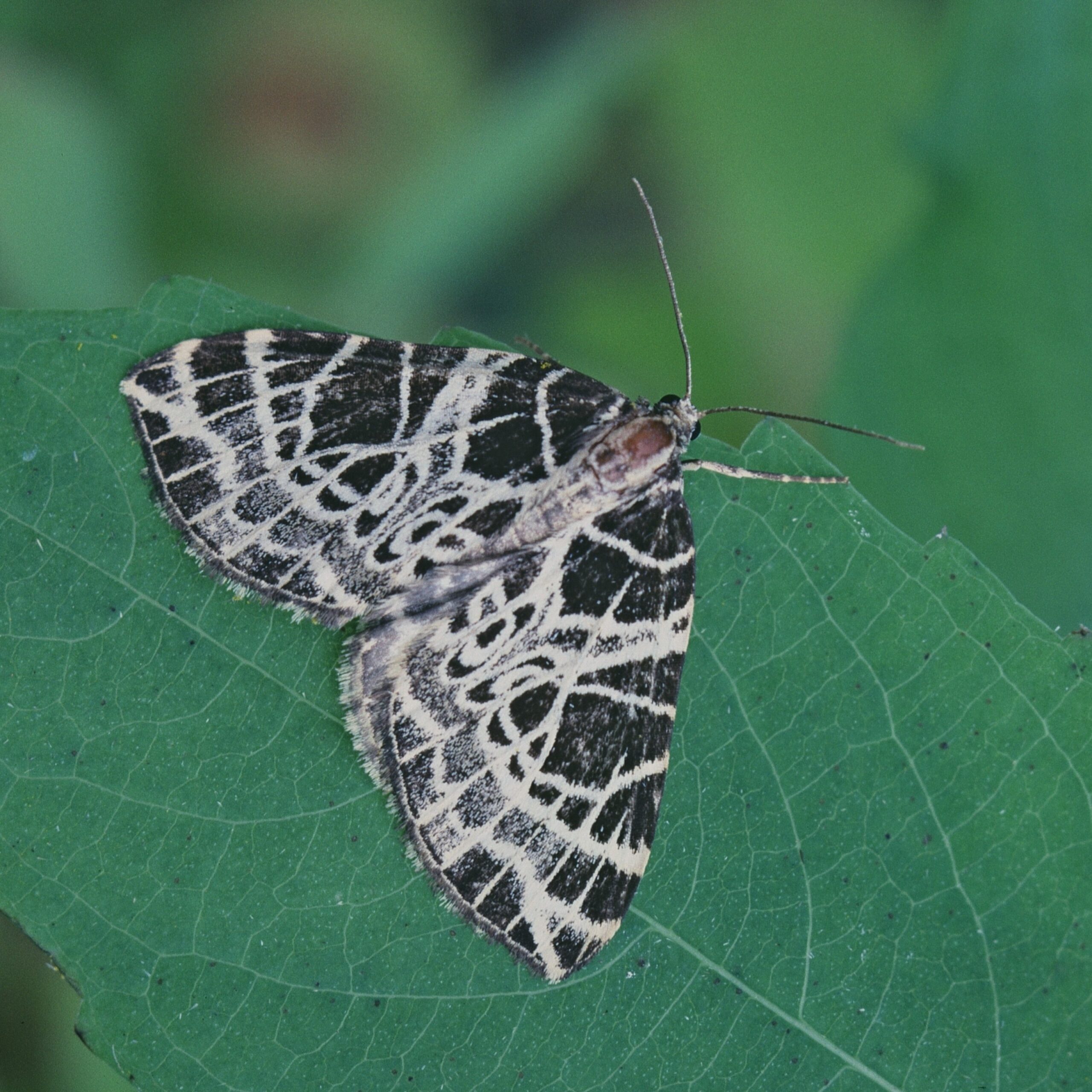
14. Saving one of the UK's rarest moths at Bethecar Common
Bethecar Moor Common lies on a ridge between the Rusland Valley and the Coniston Valley. It is grazed by five commoners with adjoining farms in the valleys below. Here all the 17 Commoners, both Graziers and Non-Graziers, have entered into an agri-environment agreement which will see habitat improvements to support species which rely on Lake District habitats.
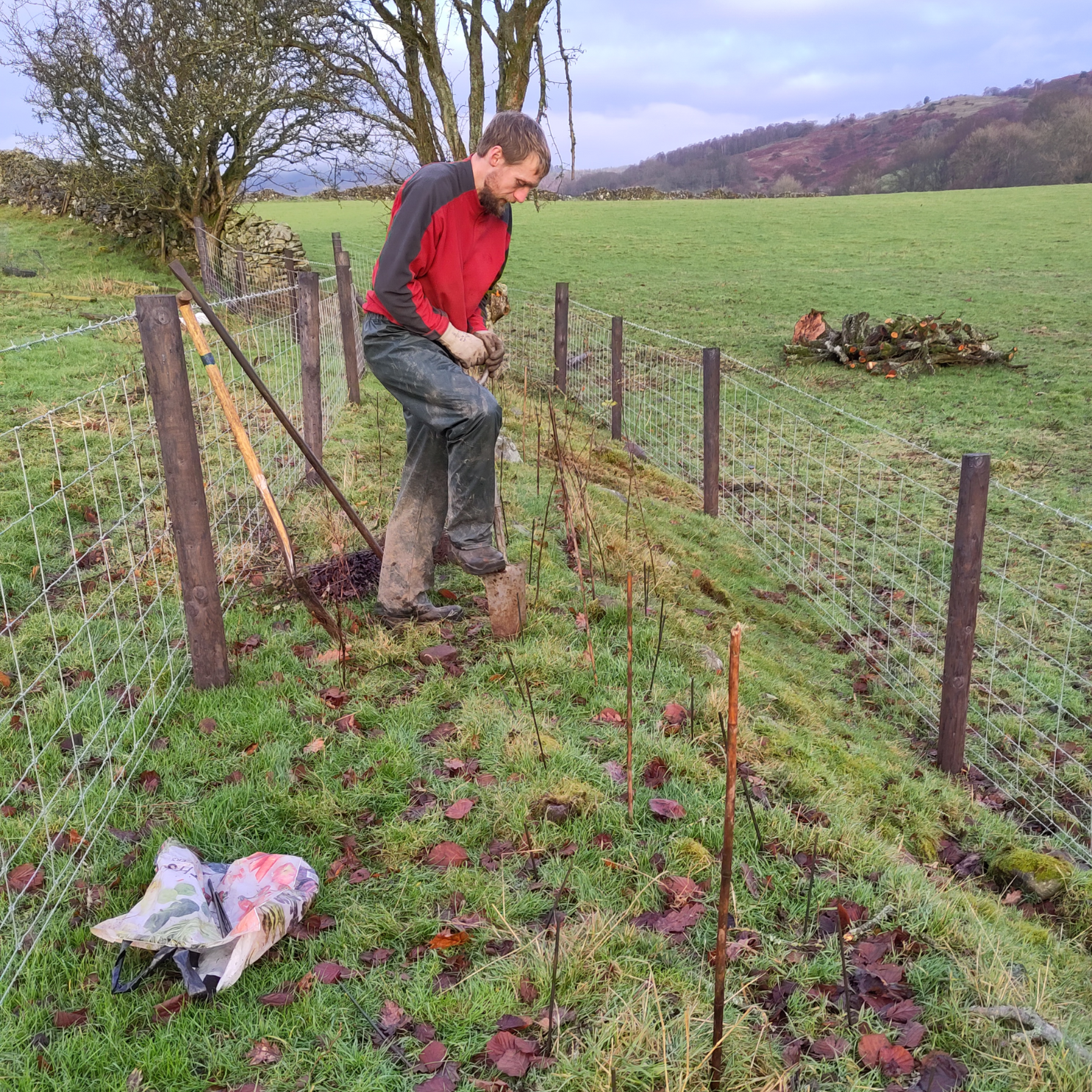
15. Enhancing farmland biodiversity in Rusland
Adam Crowe, of Hall Farm, Rusland, was able to increase farm profits whilst enhancing the landscape, biodiversity and soil health on his farm. Through the Farming in Protected Landscapes (FiPL) programme, he re-instated field boundaries, planted new and managed existing hedges and fenced off watercourses.
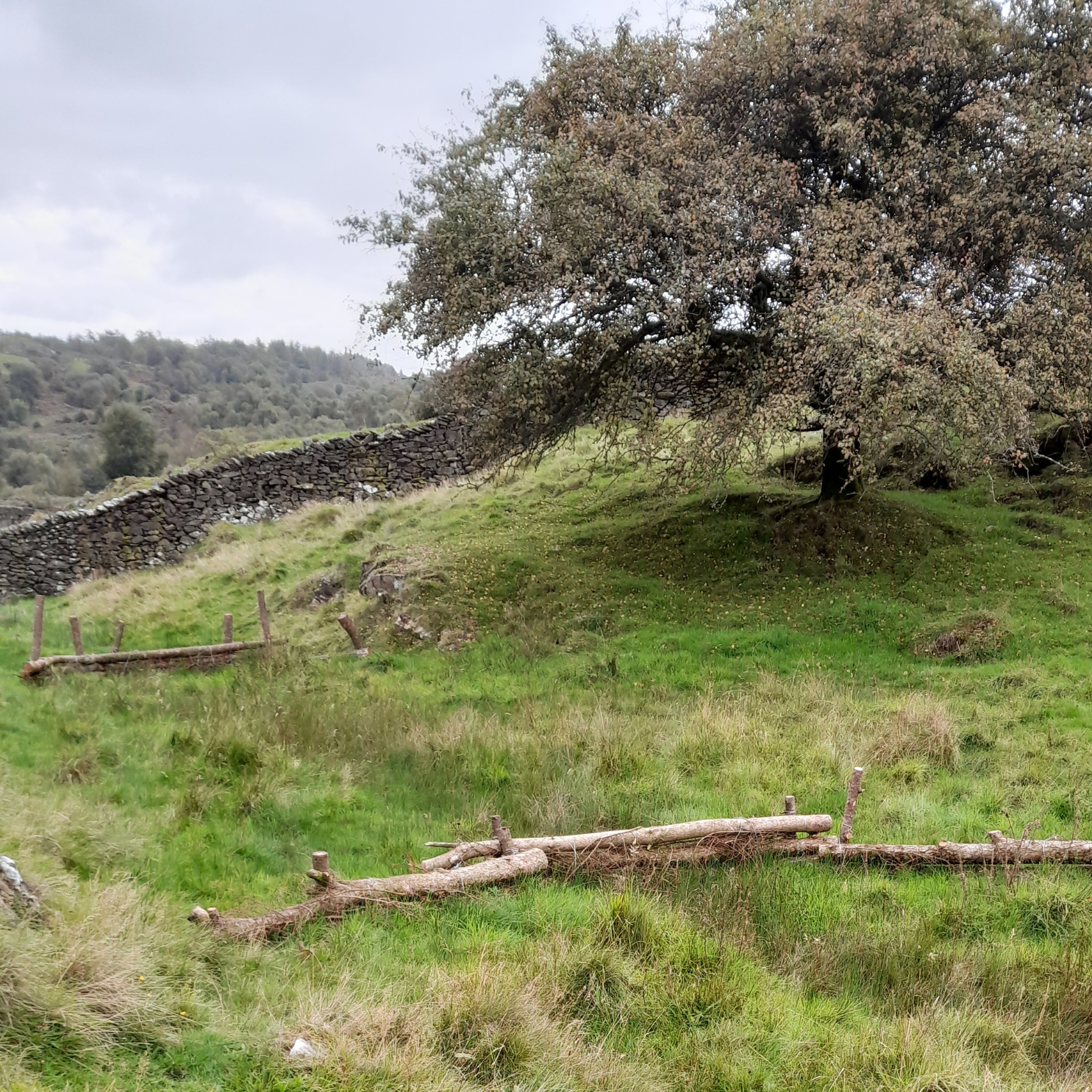
16. Miller beck rewiggling in the South Lakes
Funded through the Farming in Protected Landscapes programme, farmer Paul Taylor has created valuable wetland habitat on his farm near Hazelrigg in the South Lakes. This small-scale nature recovery project involved opening a section of culvert, creating three scrapes (shallow ponds) and installing three leaky dams.
18. Upland fell farming in Grasmere
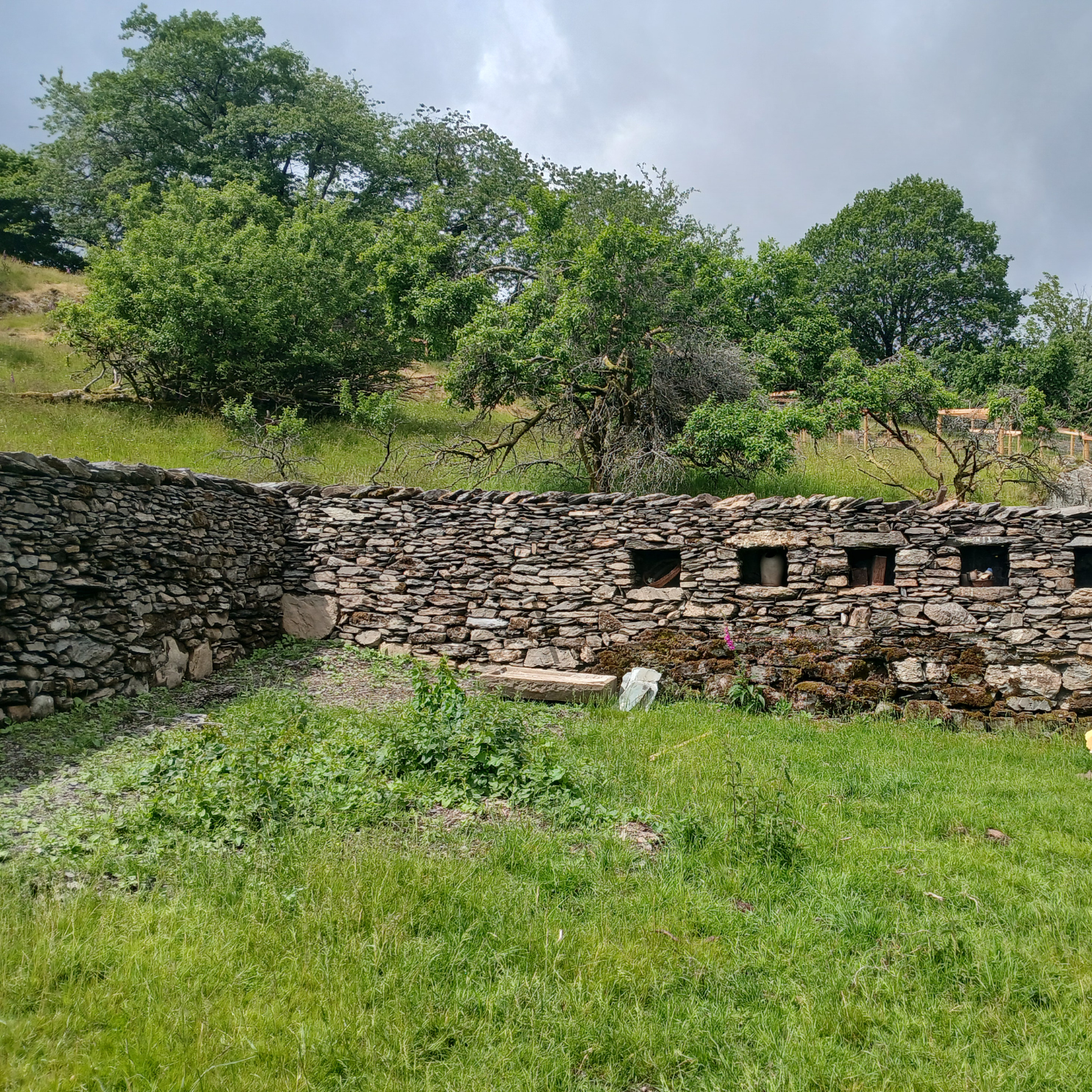
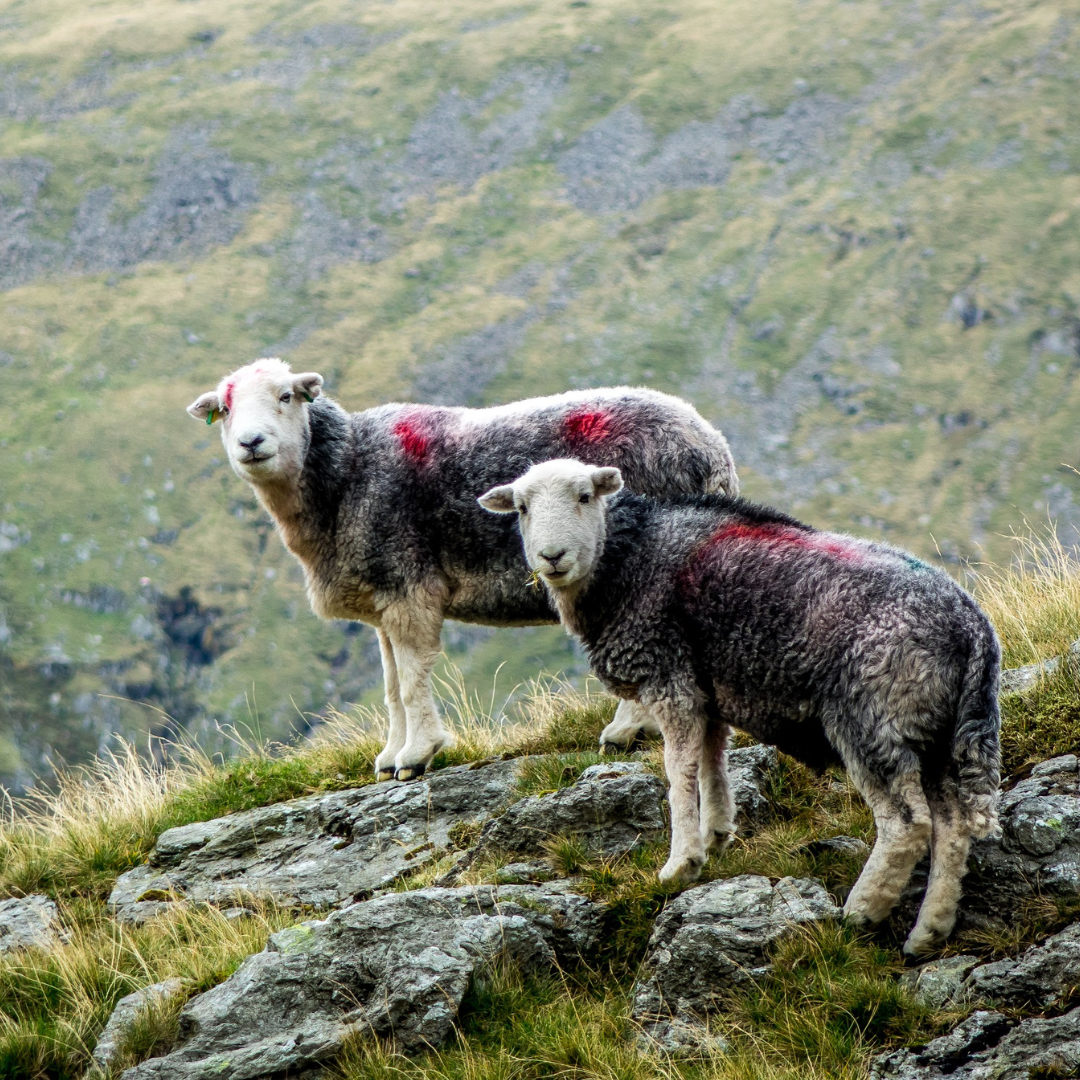
For a decade National Trust tenant Will Benson has farmed in Grasmere, maintaining traditional practices including rearing the Lake District’s native Herdwick sheep and dry stone walling.
Read more about the low-input system and regenerative farming method Will uses below.