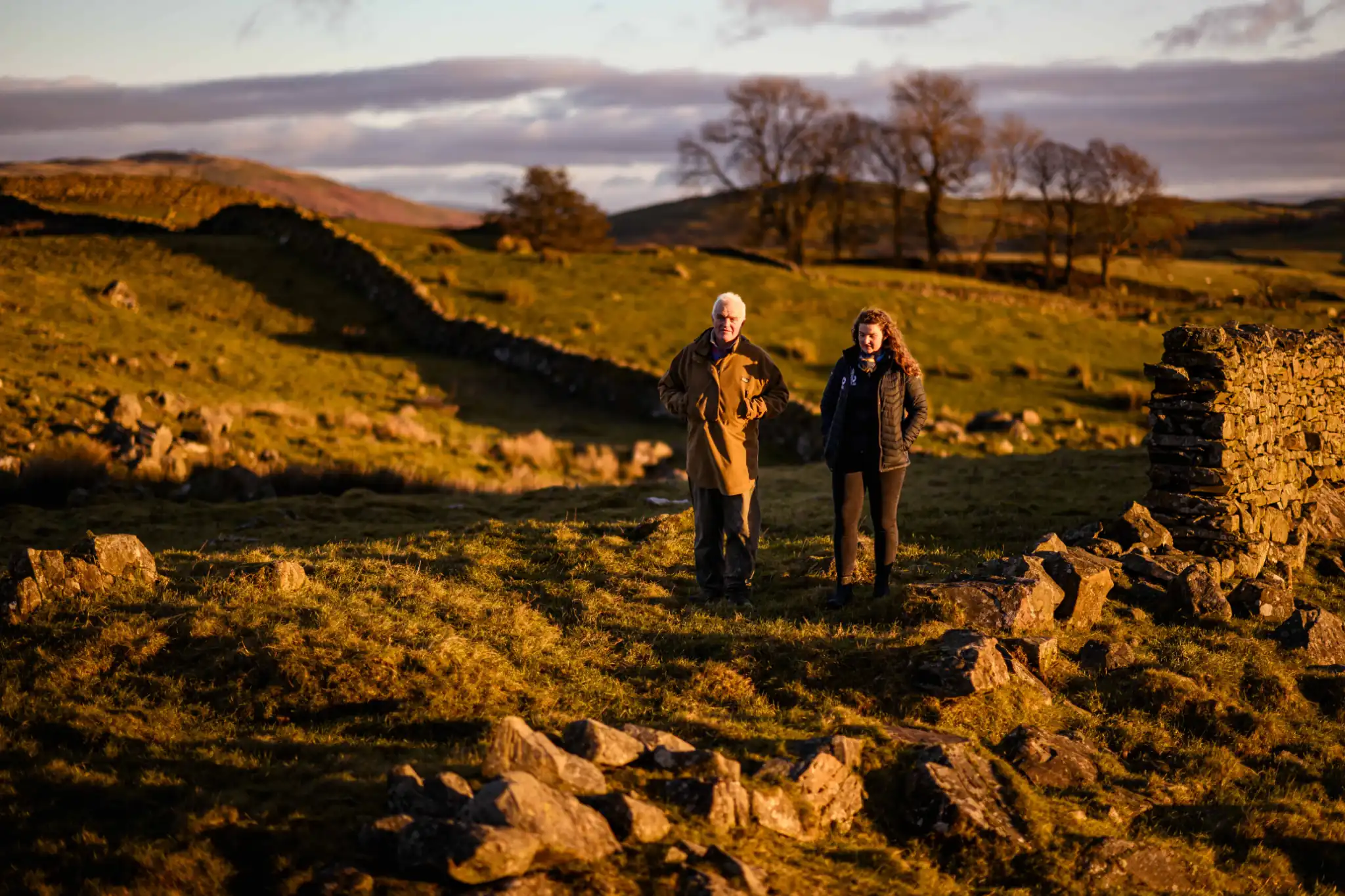
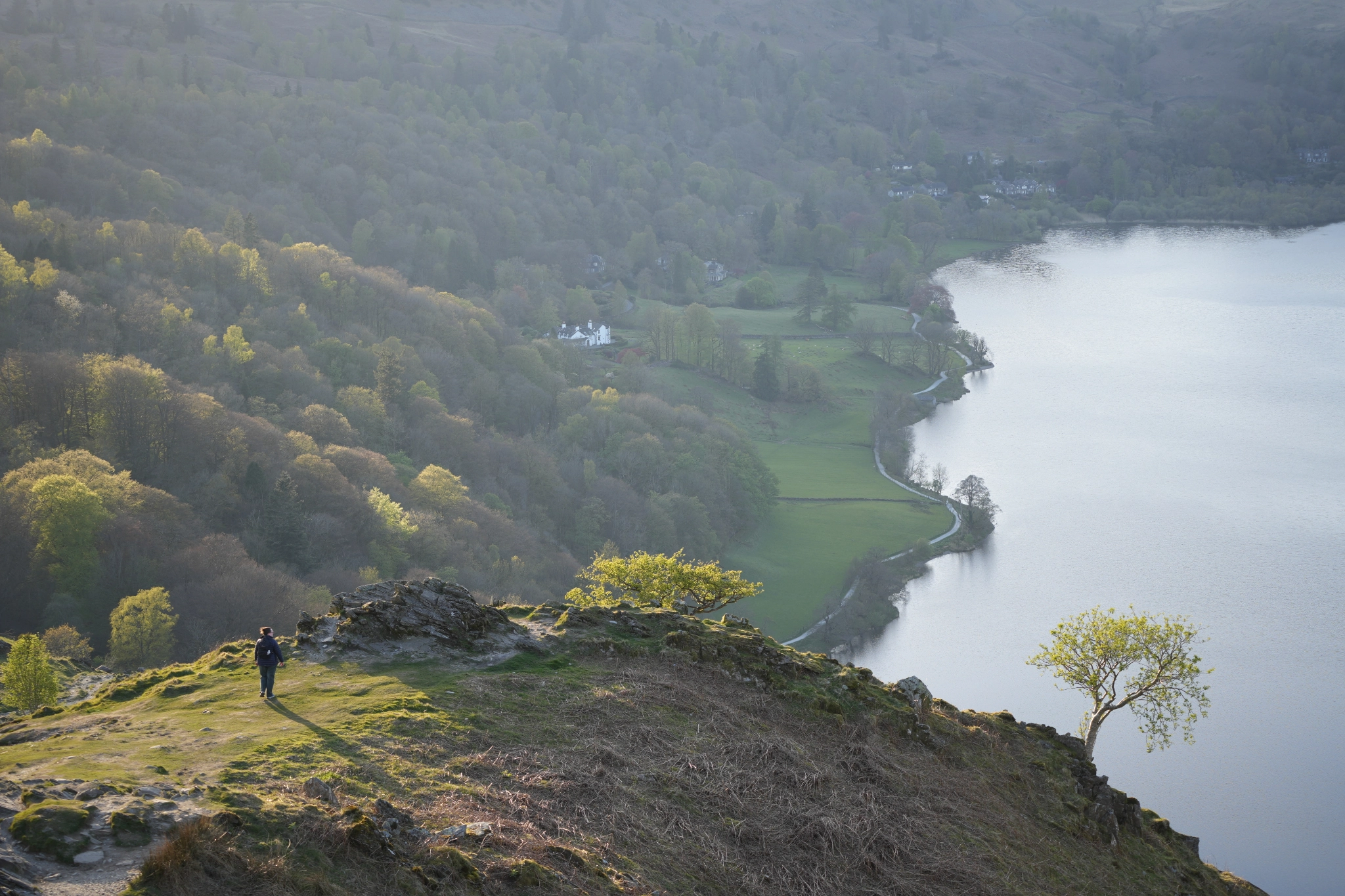

At Rawfoot Farm in Bampton, tradition and innovation are working hand in hand to address climate resilience and support nature recovery. Richard Carruthers, a second-generation farmer, has set out on an ambitious journey to improve soil health and reduce reliance on synthetic fertilisers, all while maintaining a thriving sheep and beef enterprise in this iconic upland landscape.
Funded through Farming in Protected Landscapes (FiPL) their project centres on creating an on-farm wormery to produce vermicast and compost tea, natural amendments that boost soil biology and increase earthworm populations. Healthier soils mean more carbon stored, better water retention, and a stronger foundation for biodiversity, from fungi and insects to birds and pollinators. These changes not only support nature but also make the farm more resilient to climate extremes.
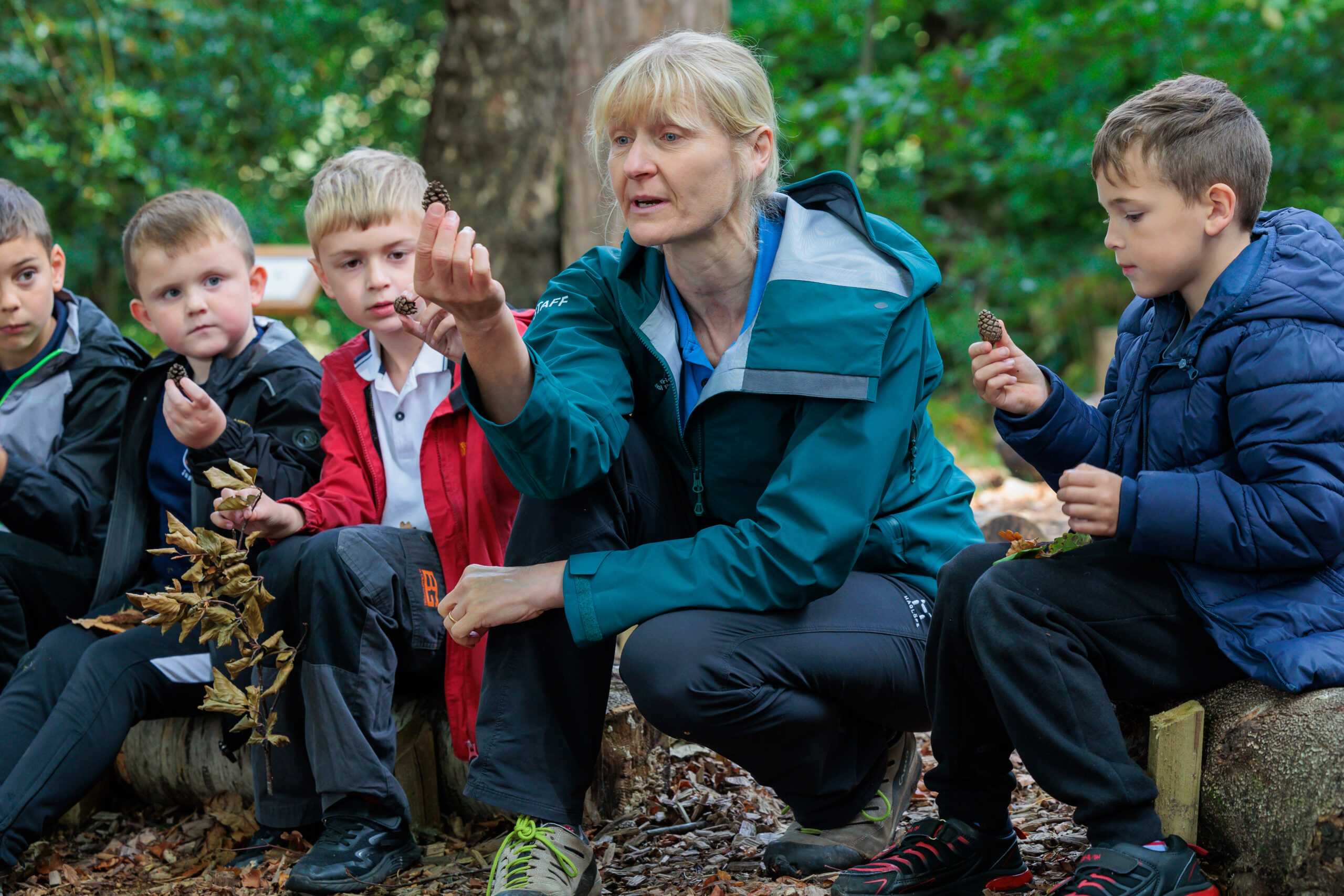
By enhancing the productivity of grasslands without chemical inputs, Rawfoot continues the Lake District’s farming traditions while safeguarding its cultural landscape. It’s a practical example of regenerative farming that others can learn from, with knowledge shared through farmer workshops and open days.
Supported by the FiPL programme and guided by soil health consultant Liz Genever, the project shows how climate action, nature recovery, and viable farming can work together.

Farming, forestry, nature and climate
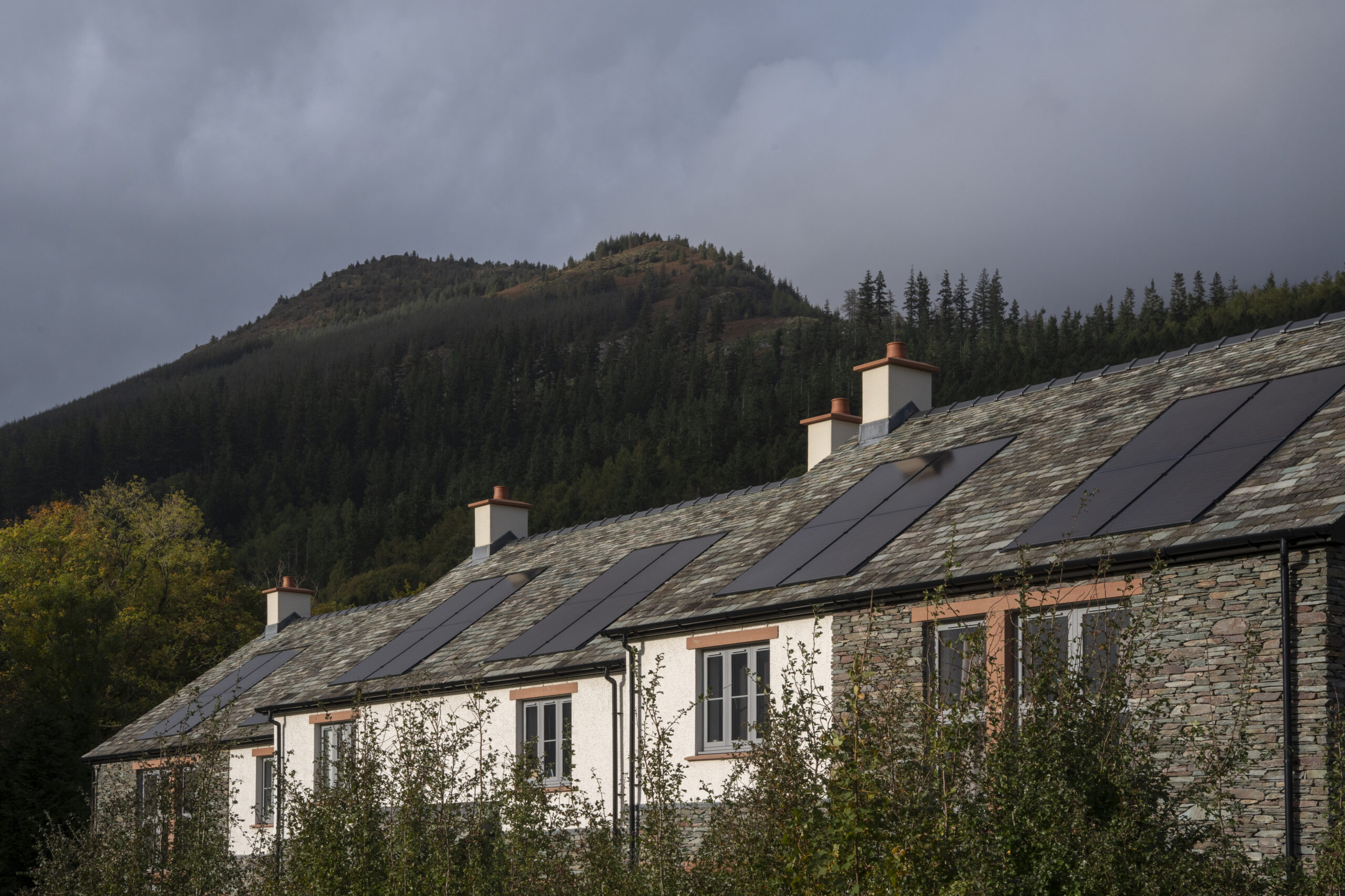
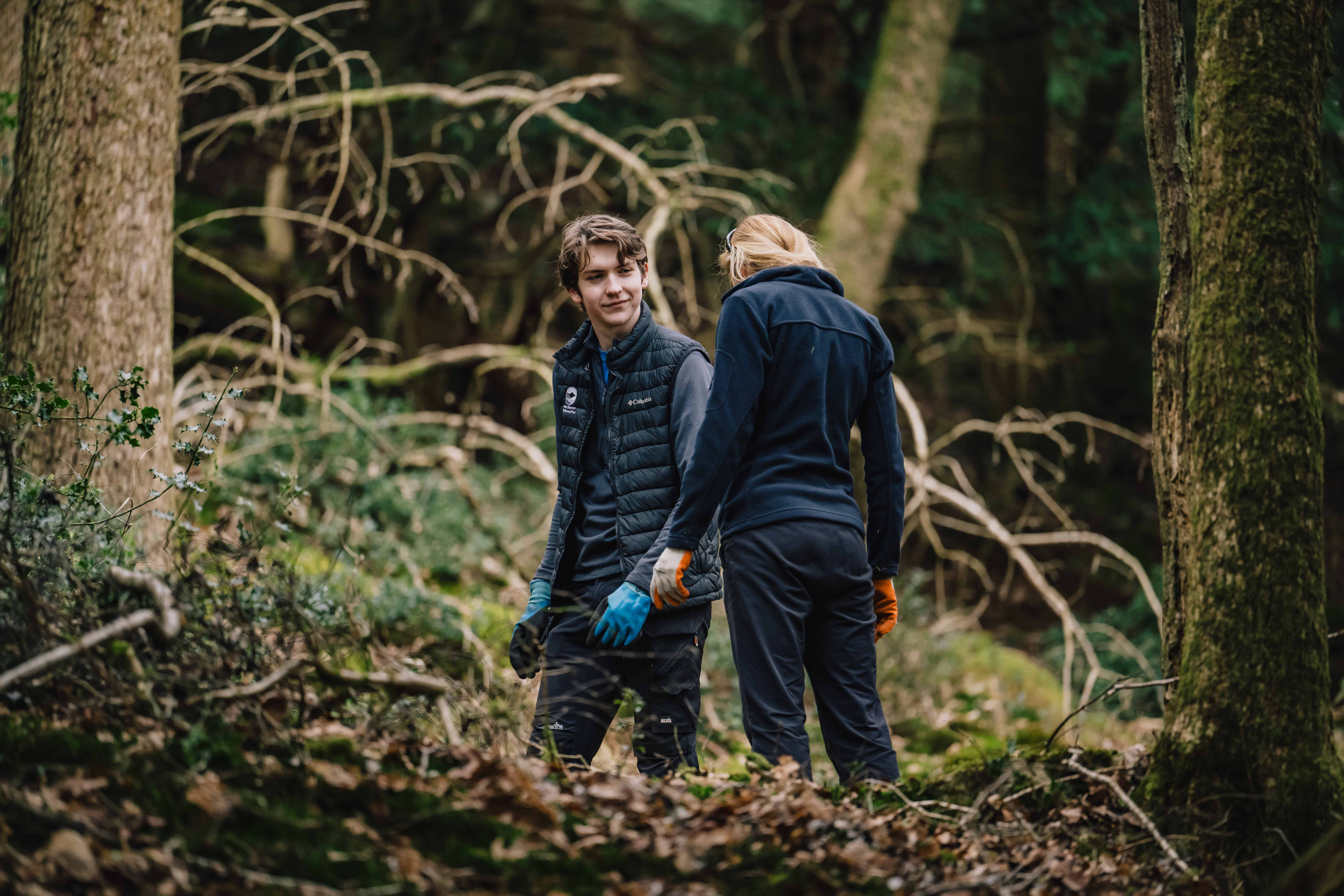
The Lake District National Park Partnership is working in collaboration with farmers and land managers across the National Park to deliver nature recovery and climate resilience projects while supporting the continuation of farming and forestry and conservation of cultural heritage.