
Farming with Nature at Rosgill
Supporting holistic farm diversification
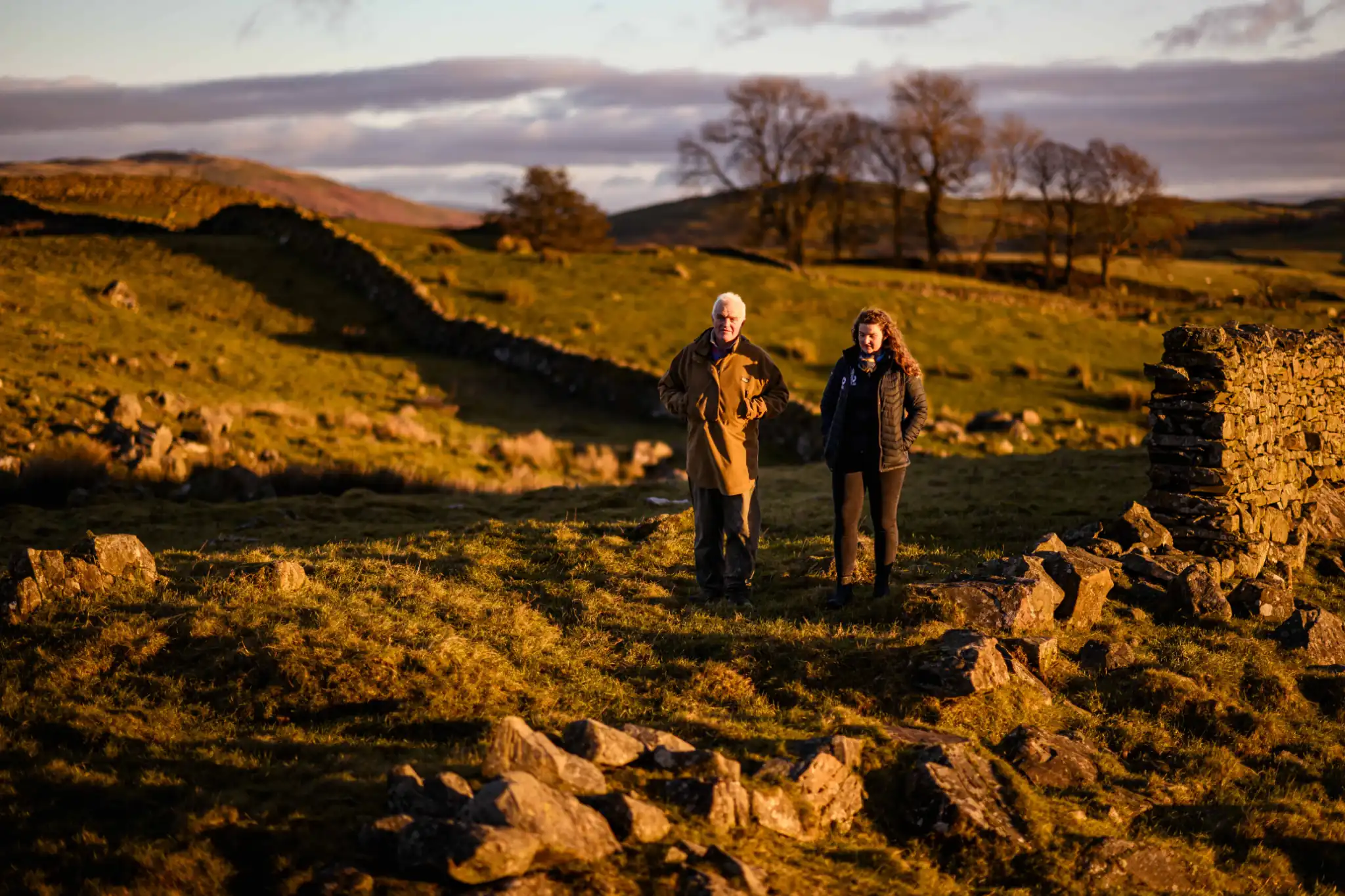
At Rosgill Hall near Shap, Thomas and Anna Dutson are blending heritage farming practices with modern sustainability goals by keeping alive the tradition of working ponies, a skill deeply rooted in the cultural fabric of the Lake District fells.
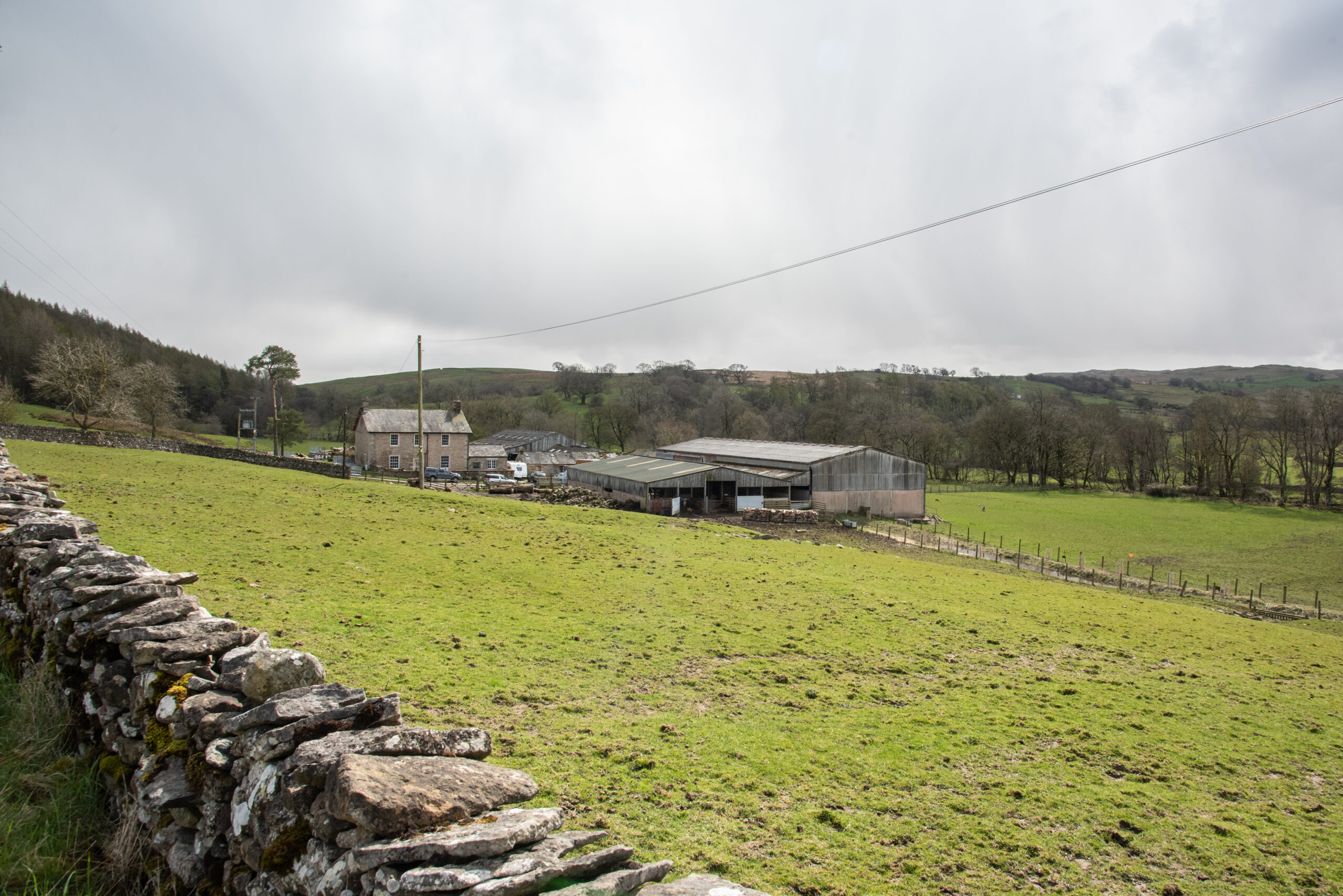
Once a much larger livestock farm, they now have 12 acres with a range of buildings from which they run their farm businesses. Funding from the Farming in Protected Landscapes (FiPL) programme was used to make improvements to benefit nature, climate, people and place while developing their diversified income streams.
Funding supported their use of horse-drawn equipment for pasture management, reducing reliance on fossil fuels and supporting low-input farming. Alongside this, the farm is planting a riparian strip of native trees and shrubs and creating new hedgerows to boost habitat connectivity and biodiversity. These features will improve soil health, store carbon, and help manage water flow, making the landscape more resilient to climate extremes.
Rosgill Hall has a holistic land management approach where rare breed livestock graze species rich meadows, while woodland management and firewood processing provide local employment and sustain a small-scale rural economy. Their work demonstrates that climate action, nature recovery, and cultural heritage can thrive side by side, creating a resilient farm business and a richer landscape for future generations.
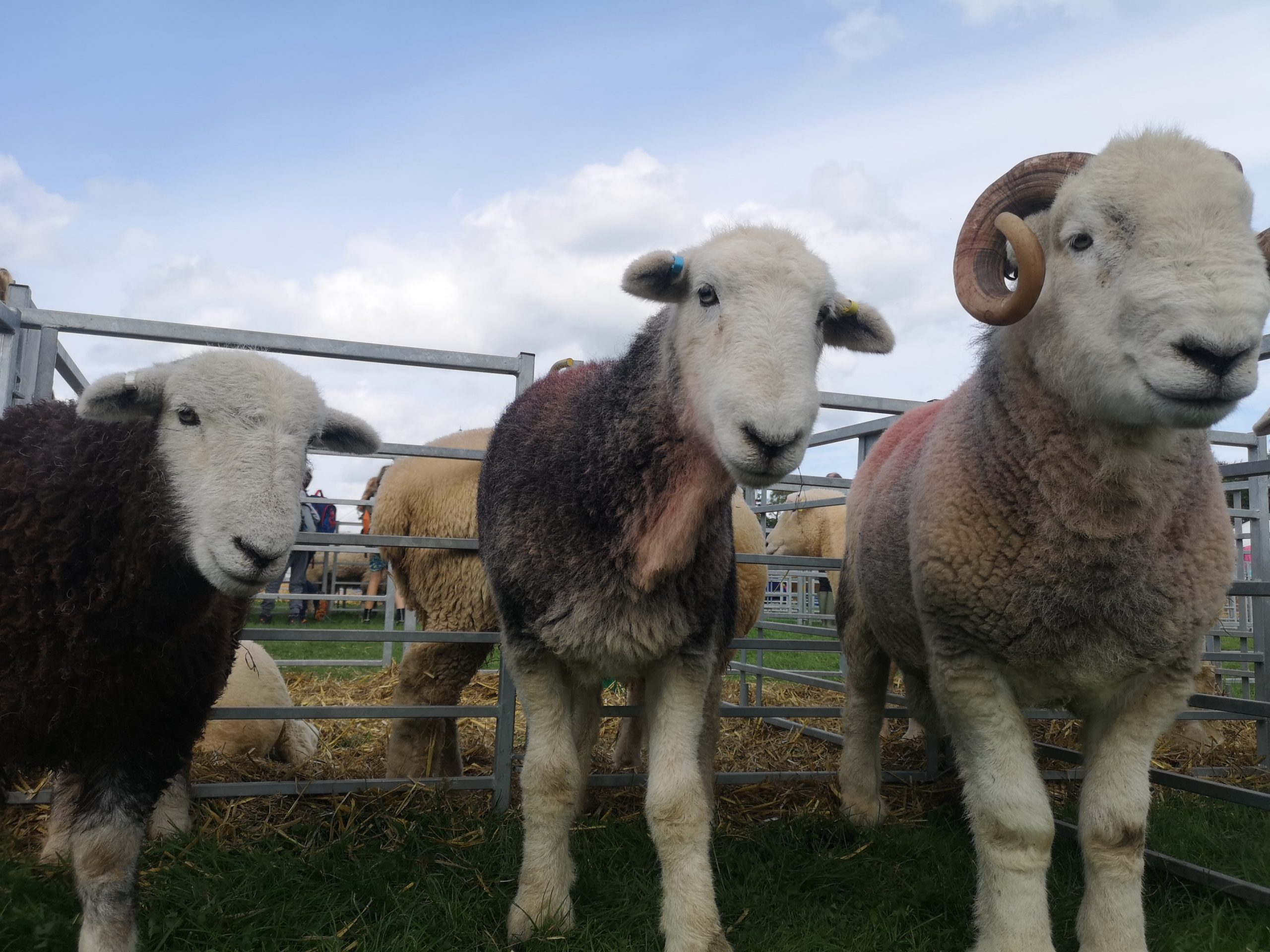
“One important strand is our small farm-based sawmill. We mill Cumbrian grown larch into different products. We also mill green oak, for beams and lintels, and have a stock of air-dried hardwoods including ash, beech, cherry, elm, oak and sycamore. On our farm we keep rare and hardy native breeds including Dales Ponies, Riggit Galloway cattle, Soay and Herdwick sheep and Old English Goats.”
Rosgill Hall welcomes groups of visitors who are interested in visiting a small, diversified working farm.


FiPL funding supported four key elements
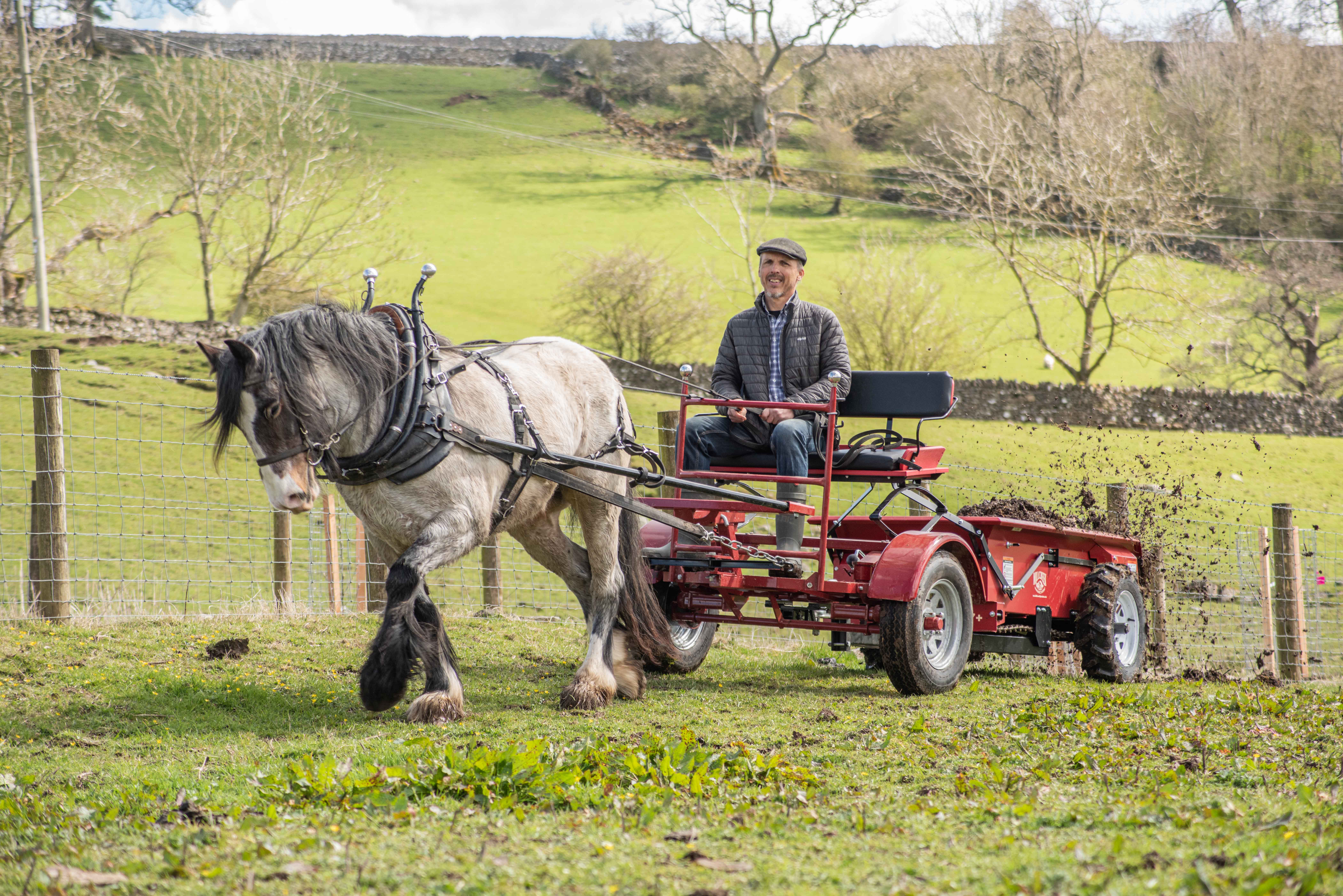
- The first element developed the ways they use native Dales ponies on the farm. They bought a two wheel hitch cart, to which trailed implements can be attached, and a small ground-drive muck spreader. These play an important role in managing traditional hay meadows through muck spreading, harrowing and rolling. By using ponies, they are reducing carbon emissions and soil compaction, and playing a part in keeping alive the heritage of working with ponies and horses.
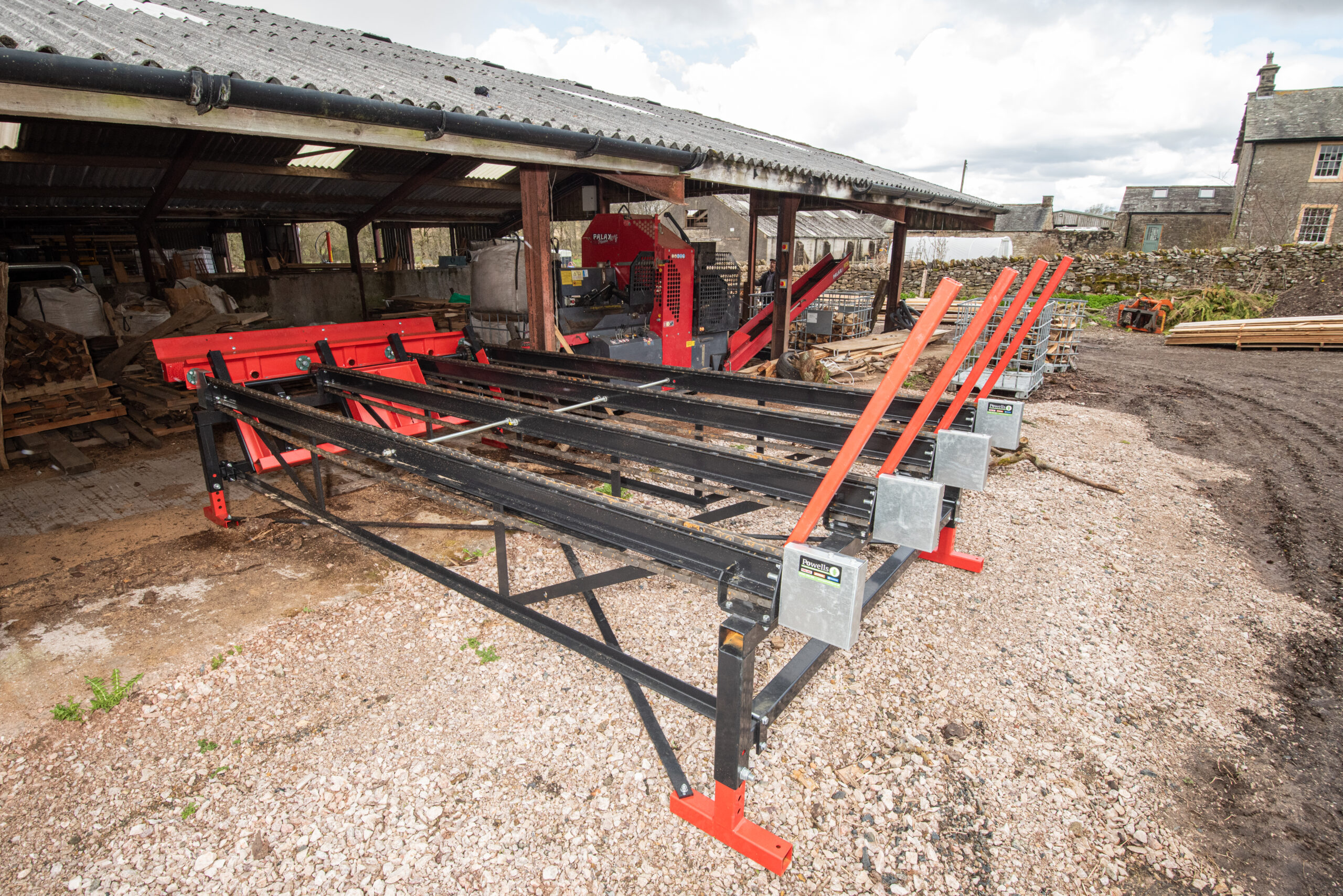
- The second part of the project involved purchasing firewood processing equipment to allow them to upgrade their operation. They turn lower grade timber into firewood, for our heating needs, and supply local customers. Specifically they invested in a log loading deck and replaced an old log splitter.
- Thirdly, Tom and Anna were keen to plant locally appropriate fruit trees in a way that allowed them to maintain productive pasture for grazing livestock. They planted around 40 trees in a small riparian strip alongside a draining ditch and in field corners, and protected them with cactus guards. It was a priority to maintain and enhance the productive capacity of the land whilst providing structural wildlife habitat and other ecosystem services.
- The couple are also keen on agroforestry, integrating trees with productive farm land. They planted and fenced a new 37 meter long stretch of hedge that consolidates a field boundary, provides wildlife habitat and will yield a range of edible fruit and nuts for years to come. Their thinking is that the trees and hedge will also contribute to nutrient uptake and carbon sequestration in this area of high rainfall and sensitive catchments.
The project provides benefits across Nature, People, Place and Climate
“We found the team that delivered the funding to be flexible and receptive to our ideas about business development and improving our farm. The way the scheme is structured means we could take a nuanced approach to what would work well for us in our specific location and circumstances. We found the team to be responsive and supportive and the planning and desk work required was quite manageable and not overly bureaucratic.”