

National Park invests £6 million in Farming in Protected Landscapes projects
Almost £6 million has been invested into Lake District projects through the Farming in Protected Landscapes (FiPL) programme since 2021.
The initiative, funded by Department for Environment, Food and Rural Affairs (DEFRA) is delivered by the Lake District National Park Authority and has supported 308 projects over the last five years which deliver benefits for nature, climate, people and place.
In January, an extension to FiPL funding was announced, with the scheme now running until March 2029.
To mark National Farmers’ Day (12 October) the National Park Authority is encouraging farmers and landowners to come forward with new projects and explore FiPL funding.
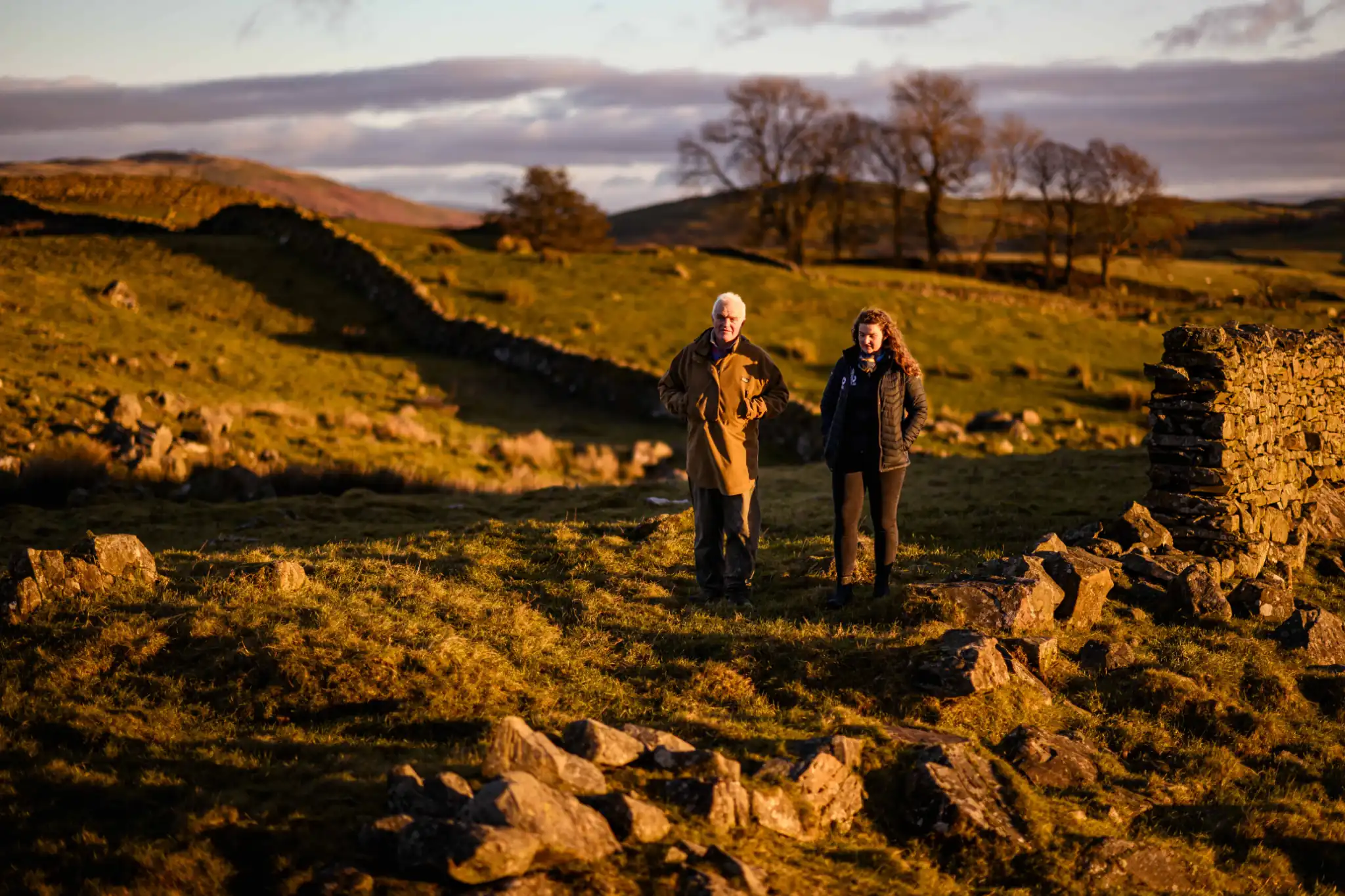
Claire Foster, Farming Officer, said: “The funding extension is fantastic news for local farmers, including tenants and commoners, whose farm businesses and livelihoods are woven into the Lake District landscape and help make it such a unique and special place.
“We’re keen to hear from farmers who have never explored or benefited from FiPL funding before. FiPL can support a wide range of projects, and our dedicated team will work closely with applicants to maximise outcomes for farm businesses, rural communities, heritage, nature and climate in the Lake District.”
To date FiPL funding for the Lake District has seen:
- 146 projects increase the resilience of nature-friendly sustainable farm businesses
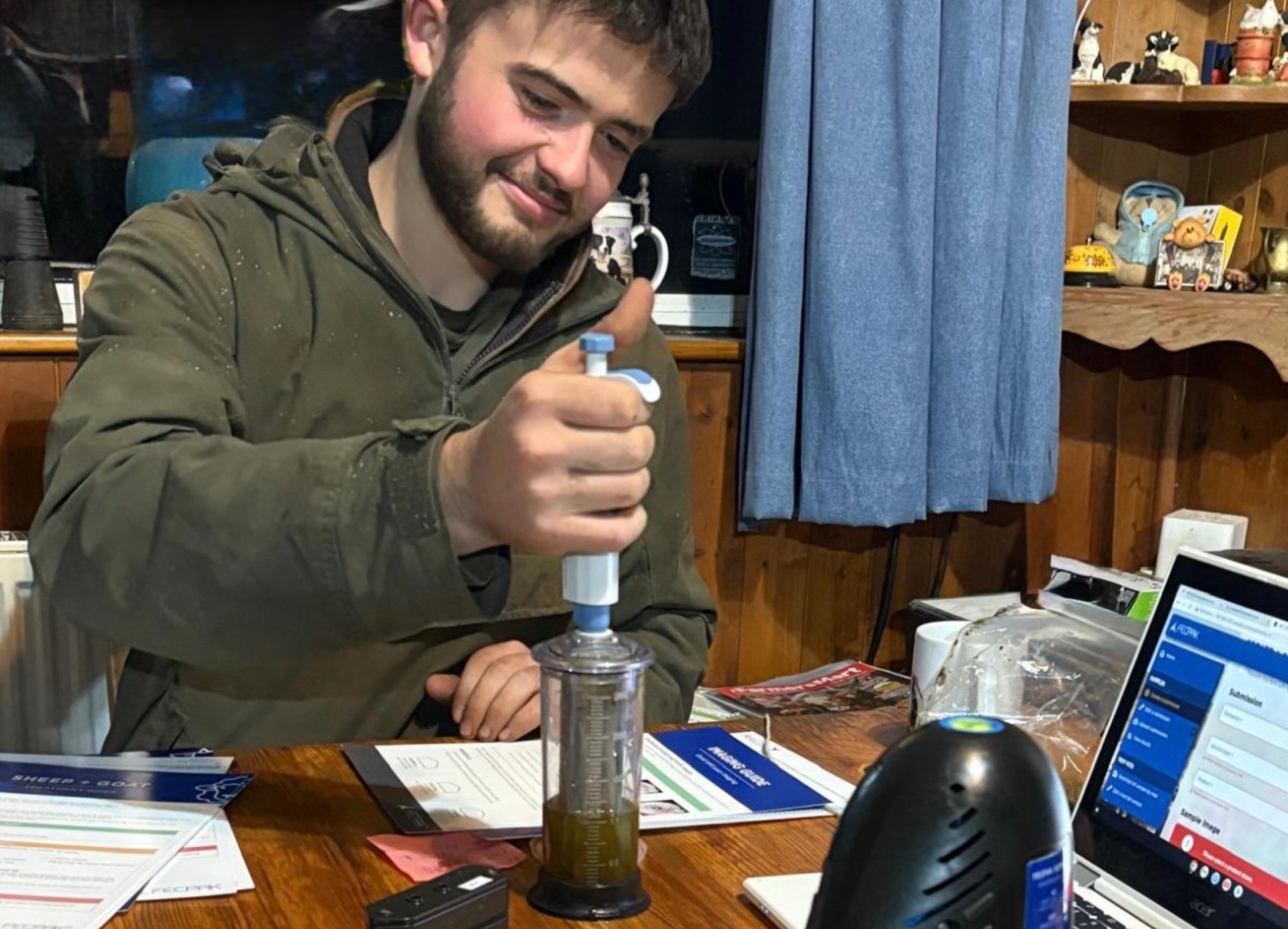
- Five projects to help livestock farmers invest in equipment to support sustainable parasite management on their farms
- 20 projects improving farmers’ understanding of carbon storage, emissions and climate resilience
- 6,322 metres of hedgerows planted or restored
- 2,227 metres of historic boundaries created or restored
- More than £470,000 invested in on-farm education and learning opportunities
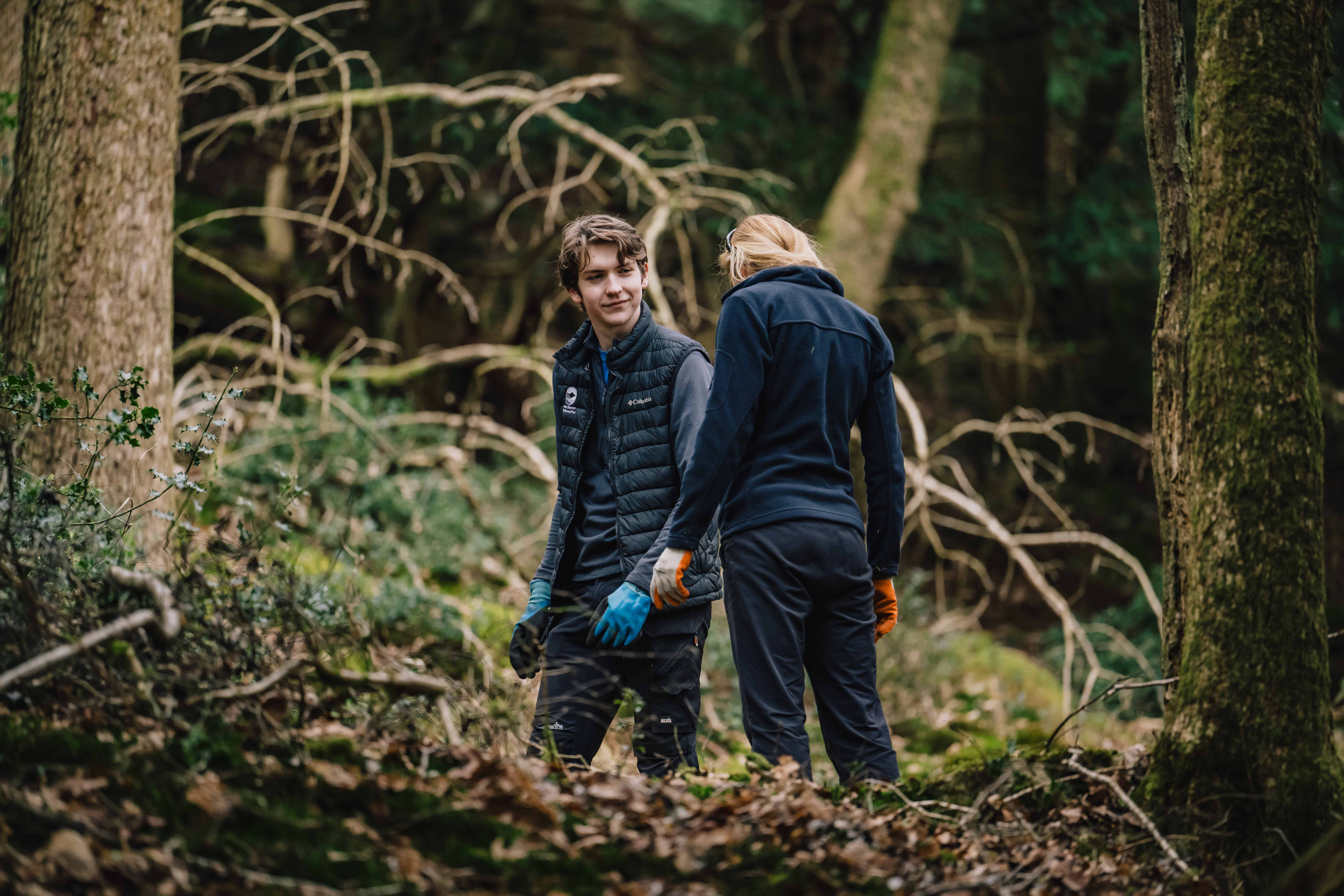
- 16 projects which support collaborative nature delivery involving farmers, commoners, volunteers and local communities
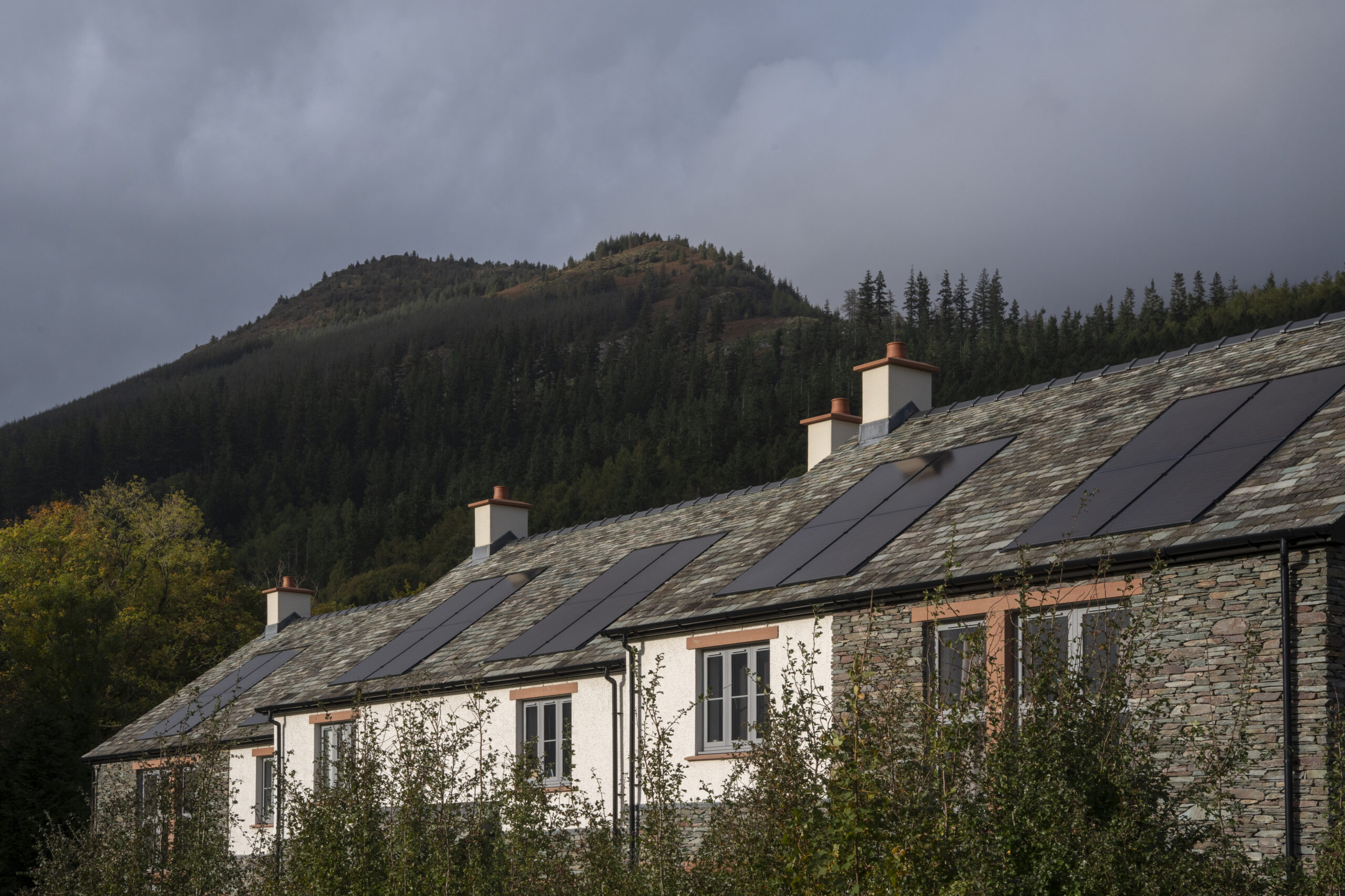
In addition, more than £2.1 million has been invested in traditional farm buildings.
Other project outcomes delivered through FiPL since 2021 include:
- 13,834 trees planted
- 21 ponds created or restored
- 207 wildlife boxes installed
- More than £580,000 invested in supporting threatened species
- 18 projects targeted to protect and enhance rivers, streams and other water bodies
- 27 projects supporting creation or restoration of wildlife-rich habitats, from meadows and woodland to scrub, hedgerows, ponds, rivers, wetlands, peatland, and traditional orchards.
The Lake District National Park has also welcomed three new members to its farming team, Jess Clark (Farming in Protected Landscapes Officer), Sam Hallam (Farming in Protected Landscapes Officer) and Alice Keenan (Farming Officer).
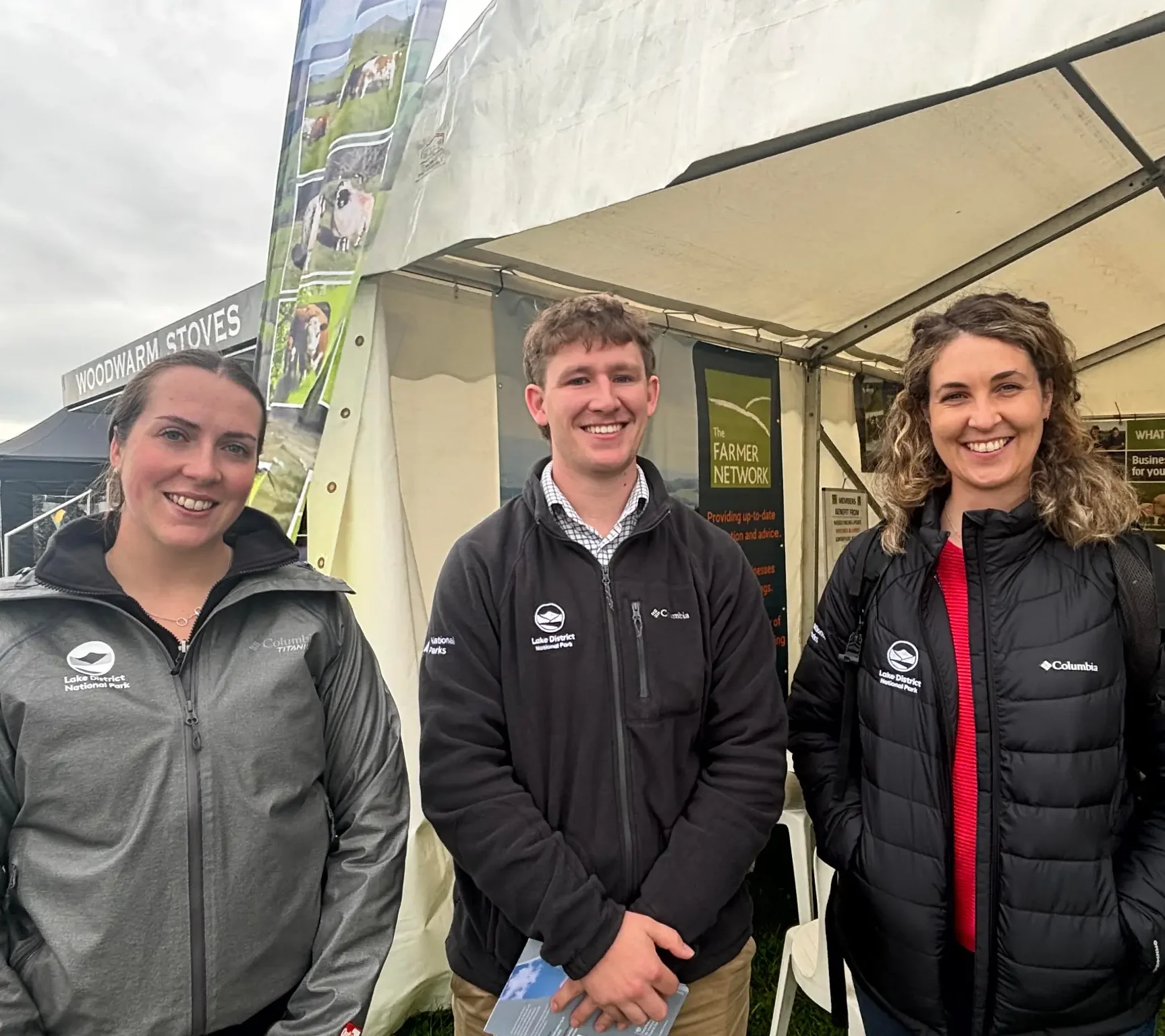
Throughout the FiPL process the dedicated team provides advice, guidance and support at every step of the journey – from outreach, to scoping out opportunities, to supporting the development of applications.
Jess said: “We’re looking forward to working directly with farmers and landowners on FiPL projects through this multi-year investment in FiPL. From expressions of interest through to application and completion, we will work closely with applicants through on-site visits and by speaking face-to-face to understand their farming system so we can provide good advice and guidance.
“We want a FiPL project to work for each individual farm business and to understand what will work best for them, because ultimately, they’re all different.”
At Chapel Farm near Keswick, a FiPL grant enabled Bryan Fell to purchase on-farm parasite monitoring system, which uses a portable digital microscope and cloud-based AI to deliver fast, accurate faecal egg count results.
The system is key to understanding how well worming treatments are working and helps ensure anthelmintics are used responsibly and only when needed, helping reduce the risk of resistance.
By avoiding unnecessary treatment, the kit can also protect dung beetles and other soil organisms which are essential for nutrient cycling and pasture health.
Bryan said: “The kit means we can test on-farm and get results in minutes, so we can make better decisions and use wormers responsibly. Ultimately, it’s about farming smarter, not harder. This kit helps us do exactly that.”
Read the full story: Smarter parasite management at Chapel Farm, Keswick – Lake District National Park
Apply for FiPL funding and find more information on the Lake District National Park website: www.lakedistrict.gov.uk/fipl
You can learn more about the new farming team in their interview on the National Park Authority blog: Meet the Lake District’s new Farming Officers – Lake District National Park