
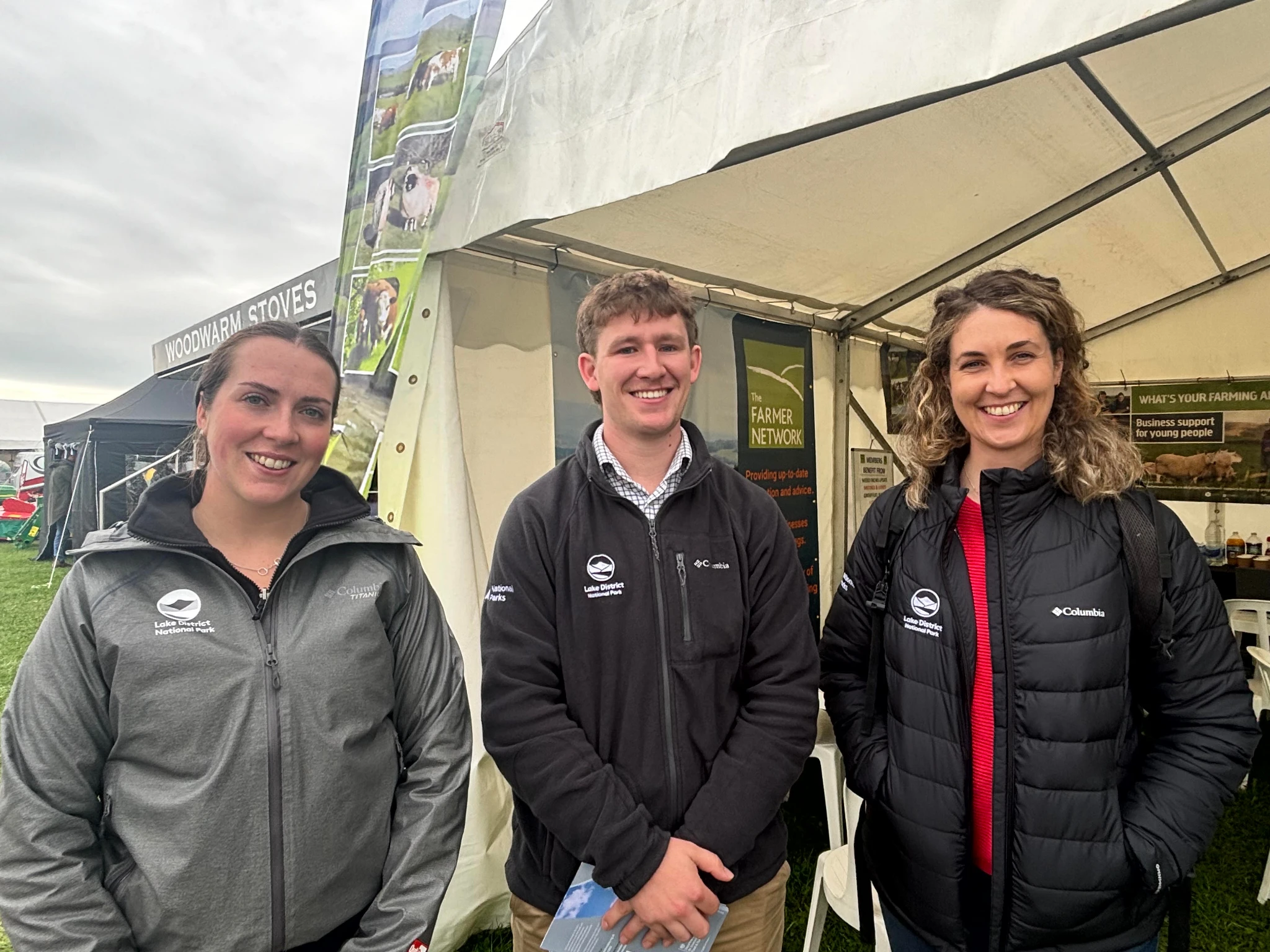
Meet the Lake District’s new Farming Officers
We are delighted to welcome three new members of the Lake District National Park Authority Farming Team; Jess Clark (Farming in Protected Landscapes Officer), Sam Hallam (Farming in Protected Landscapes Officer) and Alice Keenan (Farming Officer).
Farming in Protected Landscapes (FiPL) is a Department for Environment, Food and Rural Affairs (Defra) funding programme that supports farmers and land managers in protected landscapes, including in the Lake District National Park.
FiPL provides funding for projects which deliver benefits for nature, climate, people and place. Examples of projects which have received funding through the FiPL programme include those aimed at habitat restoration, farm diversification opportunities, historic building restoration and investment in tools which support healthier livestock and soils. FiPL also supports landscape-scale projects which promote farmer collaboration across the National Park, allowing people to share knowledge, skills and support.
Since 2021 almost £6 million has been invested in projects in the Lake District National Park through the Farming in Protected Landscapes programme. With funding opportunities now available until March 2029, our new Farming Team is ready to hear from farmers and land managers. You can find out more about FiPL, how to apply and read case studies of other projects on our webpage: Farming in Protected Landscapes – Lake District National Park
Throughout the FiPL process our dedicated Farming Team provides advice, guidance and support at every step of the journey – from outreach, to scoping out opportunities, to supporting the development of applications.
Hear from Jess, Sam and Alice to find out more about their love of the Lake District and farming, what they’re looking forward to in their new roles and their perspective on farming in the Lake District today.
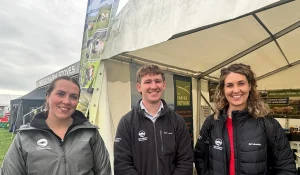
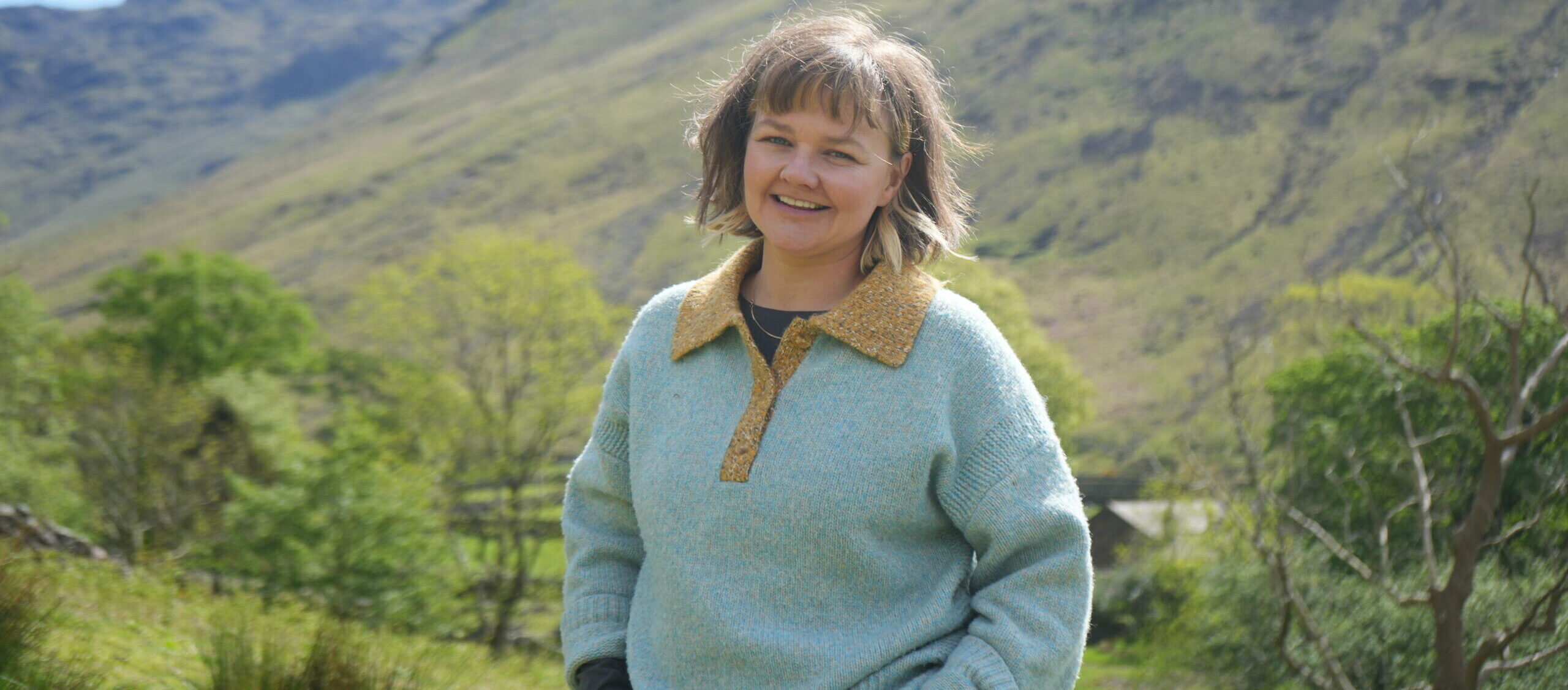
Left to right: Jessica Clark, Sam Hallam, and Alice Keenan
What brought you into the world of farming?
Jess: I’ve always lived on a farm in the Lake District, and growing up around farming made me interested in how we can produce healthy animals to keep farming viable. I went on to study an Animal Health degree at university and since then I’ve done a Postgraduate Diploma in Veterinary Epidemiology and Public Health which focuses on zoonotic diseases, meaning diseases that can pass from animals to humans. From there I became interested in how humans, animals and the environment are all interlinked. I’m also still involved on the family farm and help out when needed, particularly at lambing time.
Sam: I spent my whole childhood walking across the fells, and I ended up moving up here for college incidentally. I realised I knew nothing about the people in the Lake District or why the landscape looks like it does, which I think is a common experience for a lot of people when they first visit the area. I ended up studying history at university and did a lot of environmental, sustainability and landscape history with a focus on the Lake District. I realised that modern agricultural history is really limited – there is little academic work on British post-war hill farming. I did my dissertation on how the post-war period affected the Lake District through oral testimony of farmers, and became fascinated with the unique farming system of this landscape.
Alice: Growing up in rural Ireland, both sets of my grandparents were farmers, and we had a family business making farm machinery. This led me on to studying Agriculture at university in Ireland and a Masters in Animal Nutrition in Nottingham. I worked in many areas of rural land use, rural surveying, and organic farm certification before I moved into consultancy, focussing on nature-friendly farming and working with farmers to be more resilient and availing of opportunities. My husband’s family also have a small farm outside Cockermouth. Working in various arms of the farming world has really helped me to understand the multiple factors and pressures put on farmers.
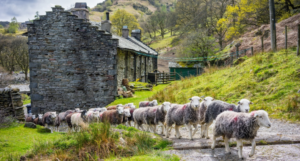
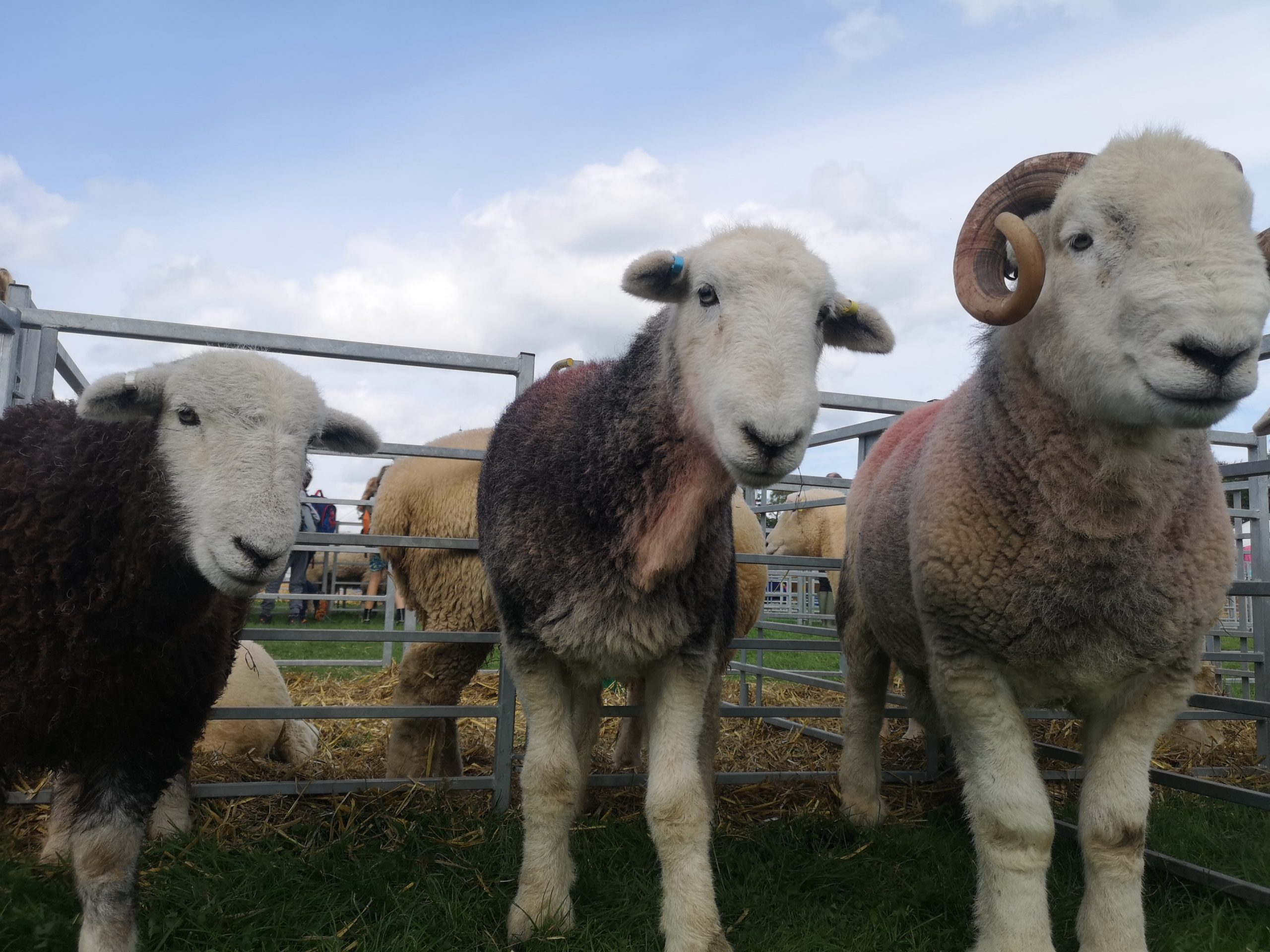
Native Herdwick sheep on a traditional Lake District farm
What are some of the biggest challenges facing farmers in the Lake District right now?
Sam: In the second half of the 20th century, everything was geared towards developing farms into hyper-efficient food production units, and farmers were encouraged do that. That changed in the 1990s-early 2000s. After that, farming was viewed, and especially hill farming, through the lens of nature recovery and climate change. That can create a sense of disconnect for farmers, who for 50 years were told to be as productive as possible. But there are a lot of common goals between food production and nature recovery, and part of our challenge is to reconcile them – you can be food producers while protecting nature. That’s a long-term challenge that all farmers, but particularly upland and hill farmers in the Lake District, have to deal with. Farmers are inherently connected to nature and are at the frontline of climate change. Having new ways of doing things to remain viable and resilient in the farming industry is hugely important.
How are farming practises evolving to support climate resilience?
Alice:
For me, successful climate resilient farming practises involve working with nature and natural processes and still being able to produce really good quality food. In the Lake District and other upland landscapes, this is about using natural assets we get for free such as soils, water, trees and ruminants (cattle and sheep) and making them work for you rather than relying on inputs external to the farm. This makes a farming system resilient to global shocks by working with the natural capacity of the land, soil, grass and manure.
In many incidences, it’s not necessarily about large-scale change but about getting inspiration from the past and using that alongside the integration of modern tools, such as cattle collars and regenerative principles. The more diversity on your farm, the more resilient it is – it’s all about spreading the risk.
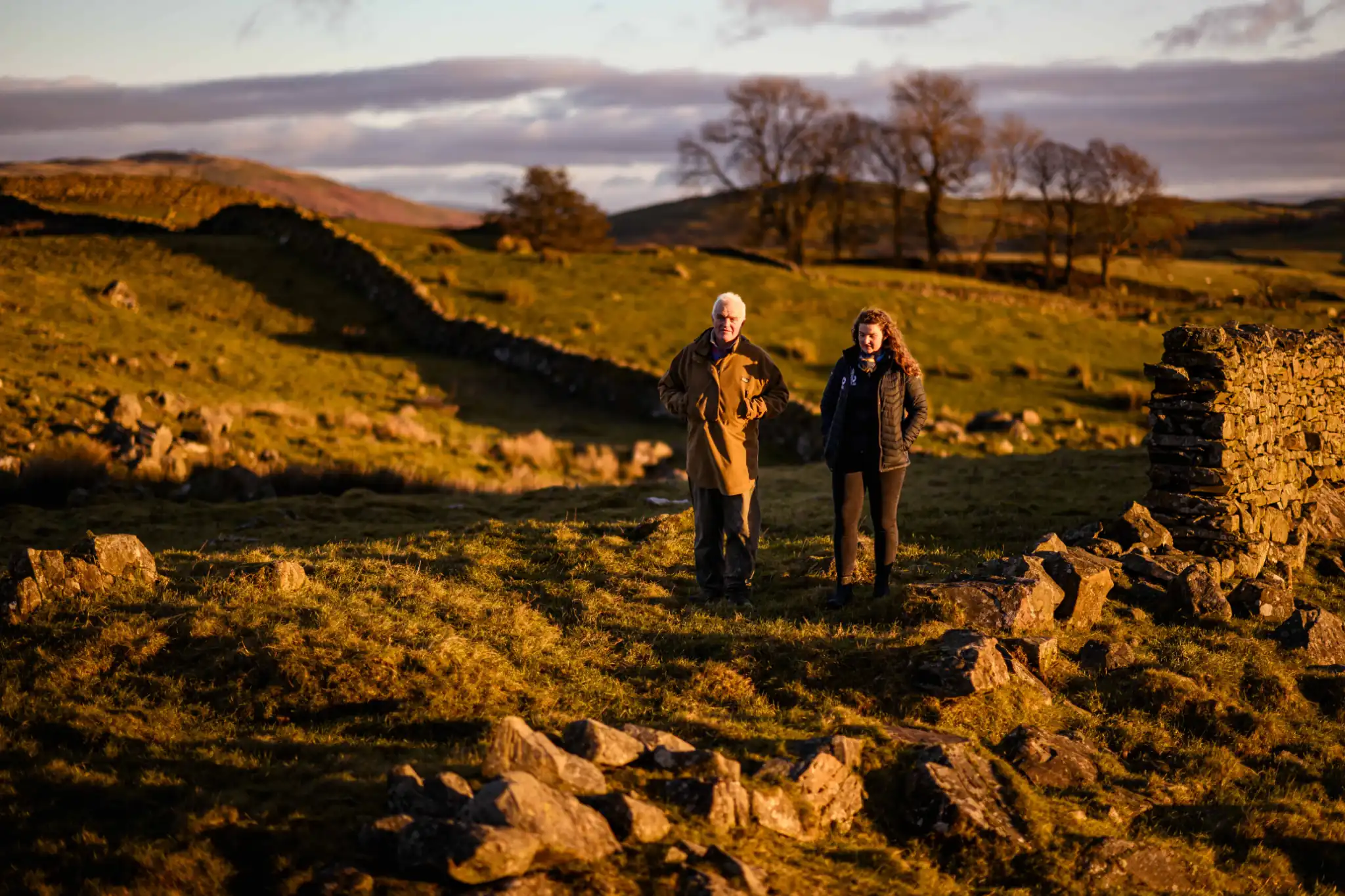
A local Lake District farmer
What makes a successful partnership between a Farming Officer and a farmer?
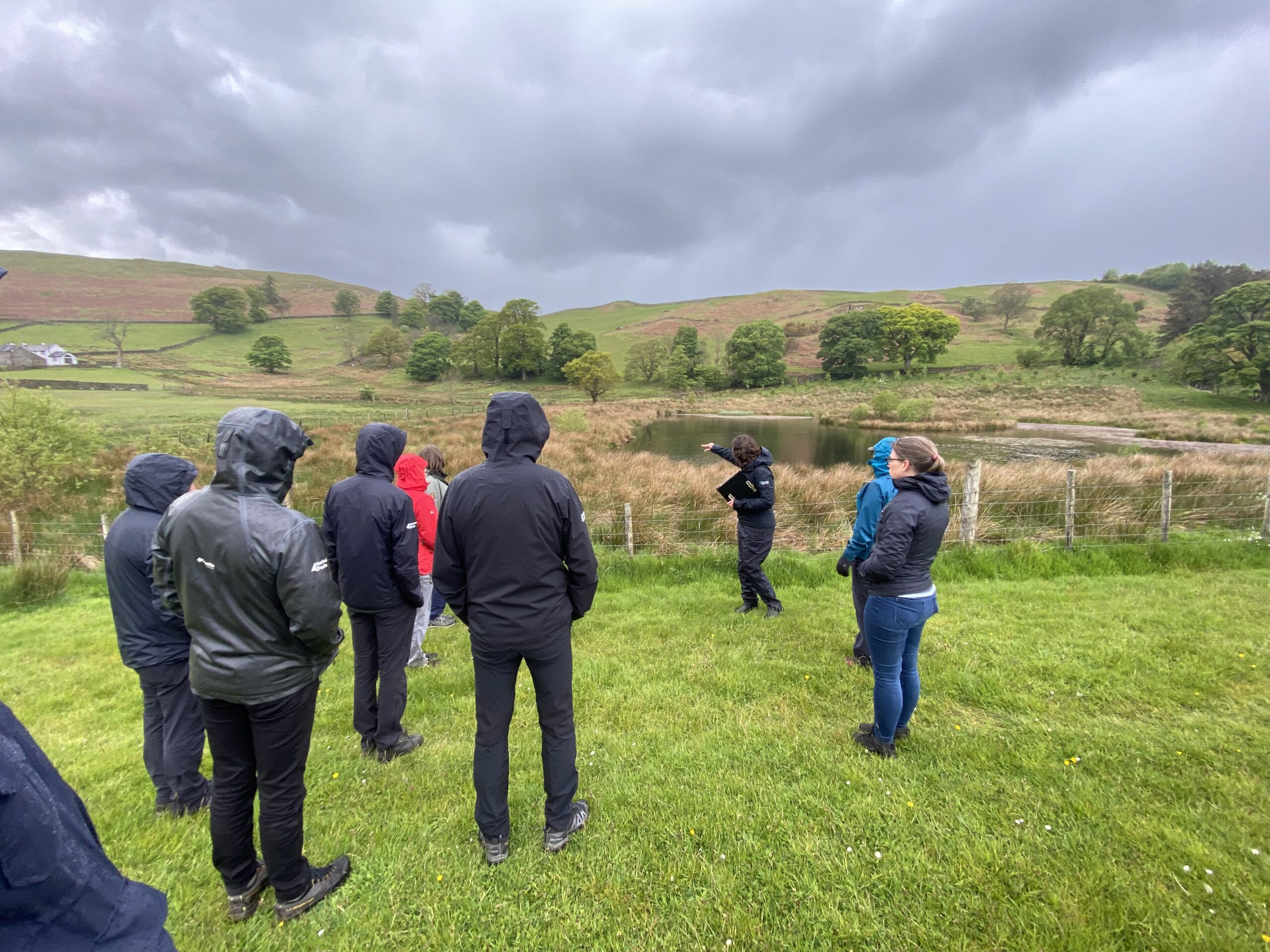
Jess: Trust is an important factor. As a Farming Officer, understanding the struggles of farmers is vital for them to feel heard and for us to help them discover relevant opportunities. This involves going on site visits, speaking face-to-face with the farmer and understanding their farming system to provide good advice and guidance.
We want a FiPL project to work for each individual farm business, because ultimately, they’re all different, and to find what will work best for them rather than asking them to change.
Hopefully, through our role, we can build the trust and show how farming, people and the environment can thrive together, helping to secure a positive and sustainable future for farming.
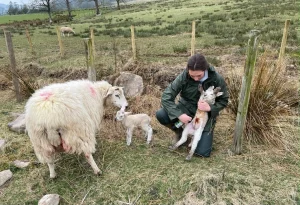
Jessica Clark at lambing time on her dad’s farm
What opportunities or projects are you most excited about working on?
Sam: There’s a lot of really good stuff happening in farmer collaboration – I’m excited to help facilitate that as it provides farmers with the tools to help themselves.
Jess: I’m working on some diversification projects and writing some guidance about food-orientated farm diversification. Farmers being able to show the public where their food comes from and how it’s produced helps reduce food miles and supports local economies. Showcasing how healthy, well-managed livestock contribute to the production of high-quality food is also incredibly important. It provides an opportunity to highlight the importance of good animal welfare, responsible farming practices and the vital role that farmers play in producing the food we eat.
Alice: I’m looking forward to working with partners to try make connections with new farmers. It’s been great to now have an extra three years of funding so we can really build on the great work that’s been done previously. I enjoy connecting with farmers, learning about their history, what interests them and their future plans. From these general conversations, great ideas can come about.
You can find out more information on our Farming in Protected Landscapes page, including contact details for our Farming Officers: Farming in Protected Landscapes – Lake District National Park