
Force Crag Mine
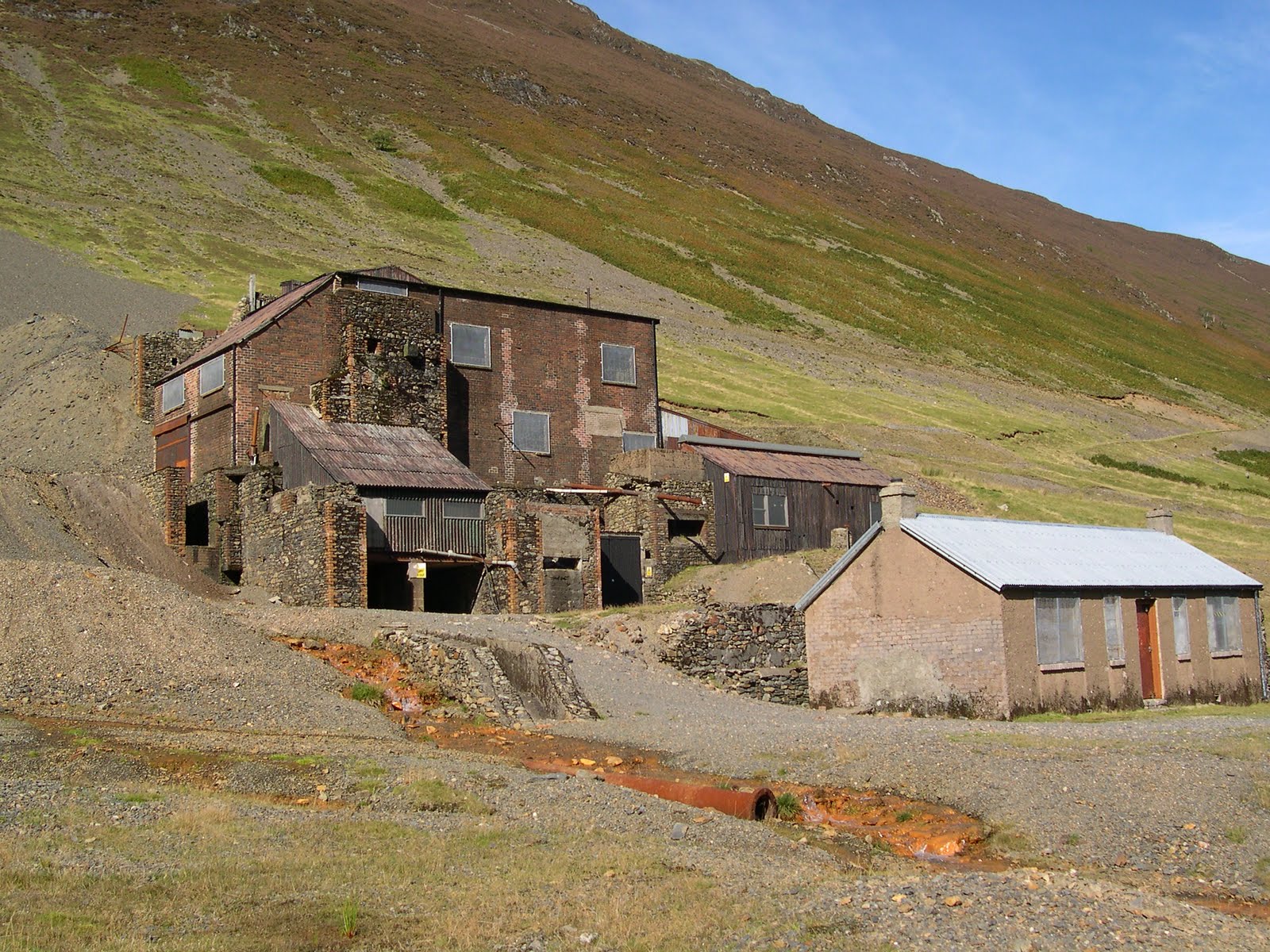
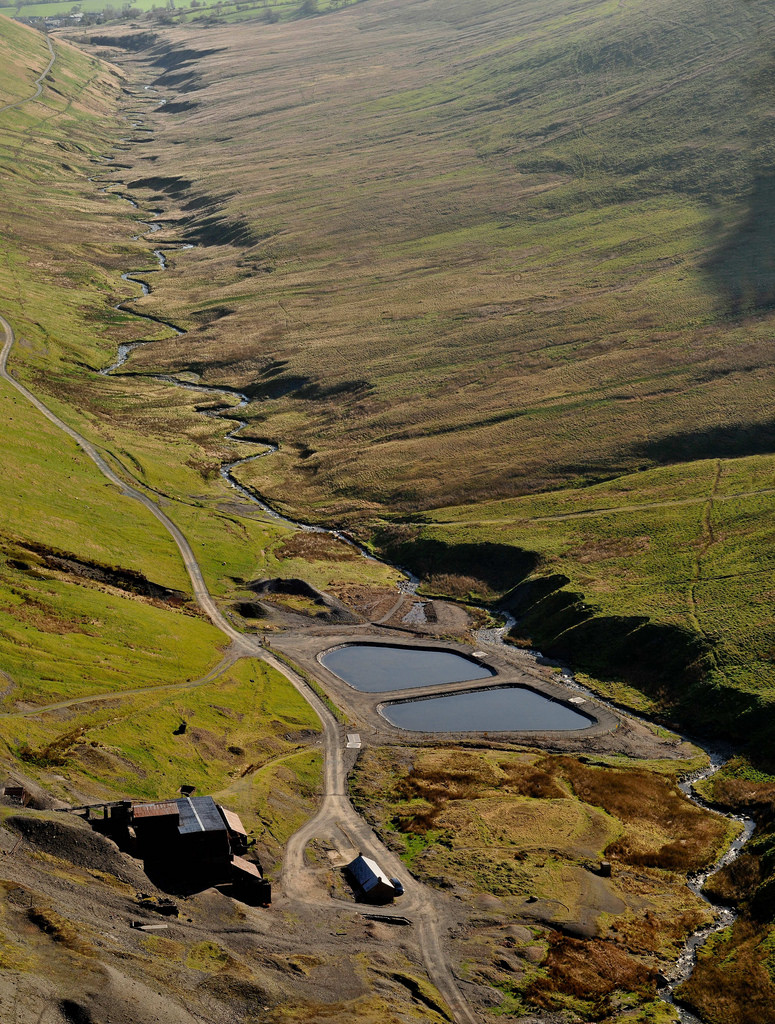
Force Crag Mine and barytes mill was the last working mineral mine in the Lake District. The earliest date when mining began at Force Crag is unclear, however, documentary sources suggest surface extraction had taken place by 1578. Its multi-period mineral processing mill is highly significant for retaining its machinery that ceased operation in 1991.
The site has multiple designations – the mill building and surrounding industrial landscape is a Scheduled Monument and exhibits the Outstanding Universal Value that underpin the Lake District’s status as a World Heritage Site. Part of the abandoned mine is a geological Site of Special Scientific Interest (SSSI), whilst the surrounding common is an ecological SSSI. The mine water discharges into Bassenthwaite Lake – a Special Area of Conservation (SAC).
Historic threat
Like many former industrial sites, Force Crag Mine, its mill building and other surface infrastructure has since its abandonment entered a state of gradual, but perpetual, decline. This is largely due to a combination of environmental factors, particularly water, high altitude and the exposed nature of the remains. While some features, such as rock cut features, spoil heaps and earthworks remain largely stable in this environment, an unchallengeable combination of water erosion, gravity and time is gradually eroding the evidence of other features. In common with most buildings and structures erected on modern industrial sites, the existing mill building was constructed to serve a particular utilitarian function and have a relatively short lifespan. It was constructed of cheap locally available (and often salvaged) materials chosen for their ability to serve an immediate purpose, rather than for their durability.
Future threat
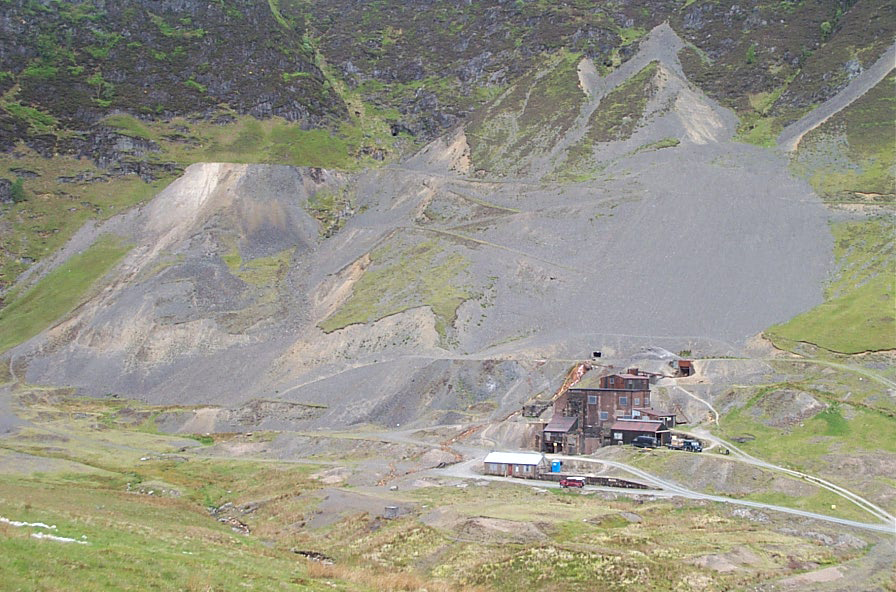
However, there exists a real possibility that the mill will at some point be significantly impacted upon by water borne rock and scree brought down from the hillside above during a significant storm of the character of Storm Desmond which caused lasting damage and disruption across the Lake District. Ingress of large volumes of water entering the mine as a result of a severe storm event, and the subsequent build up of water pressure behind the collapsed and blocked portals, heightens the risk of a catastrophic blowout. A sudden release of water at high pressure could have devastating consequences for the buildings and structures on the surface, as well as the downstream lakes and streams and their communities, as any gushing torrent would by-pass the experiential water treatment plant designed to capture a majority of the heavy metal pollution issuing from the mine.
Current management
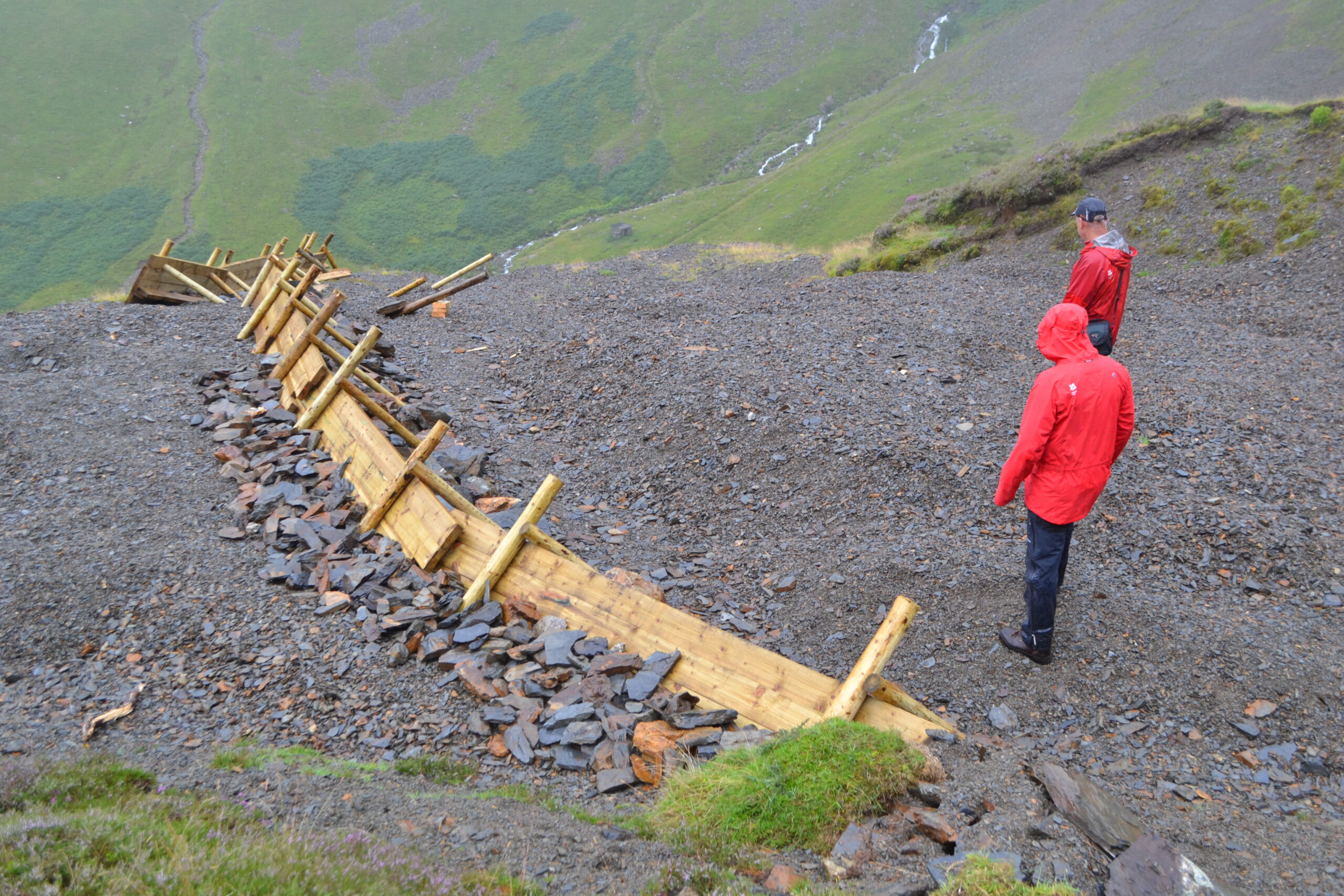
Since 2002, several interventions have occurred on site to manage and mitigate the effects of flooding from severe storm events. The sudden release of polluted mine water into the river and Bassenthwaite Lake and the potential of land slippage and inundation of the mill in a storm are huge risks which the National Trust are trying to manage. How can a site like this adapt to climate change?
Traditional buildings
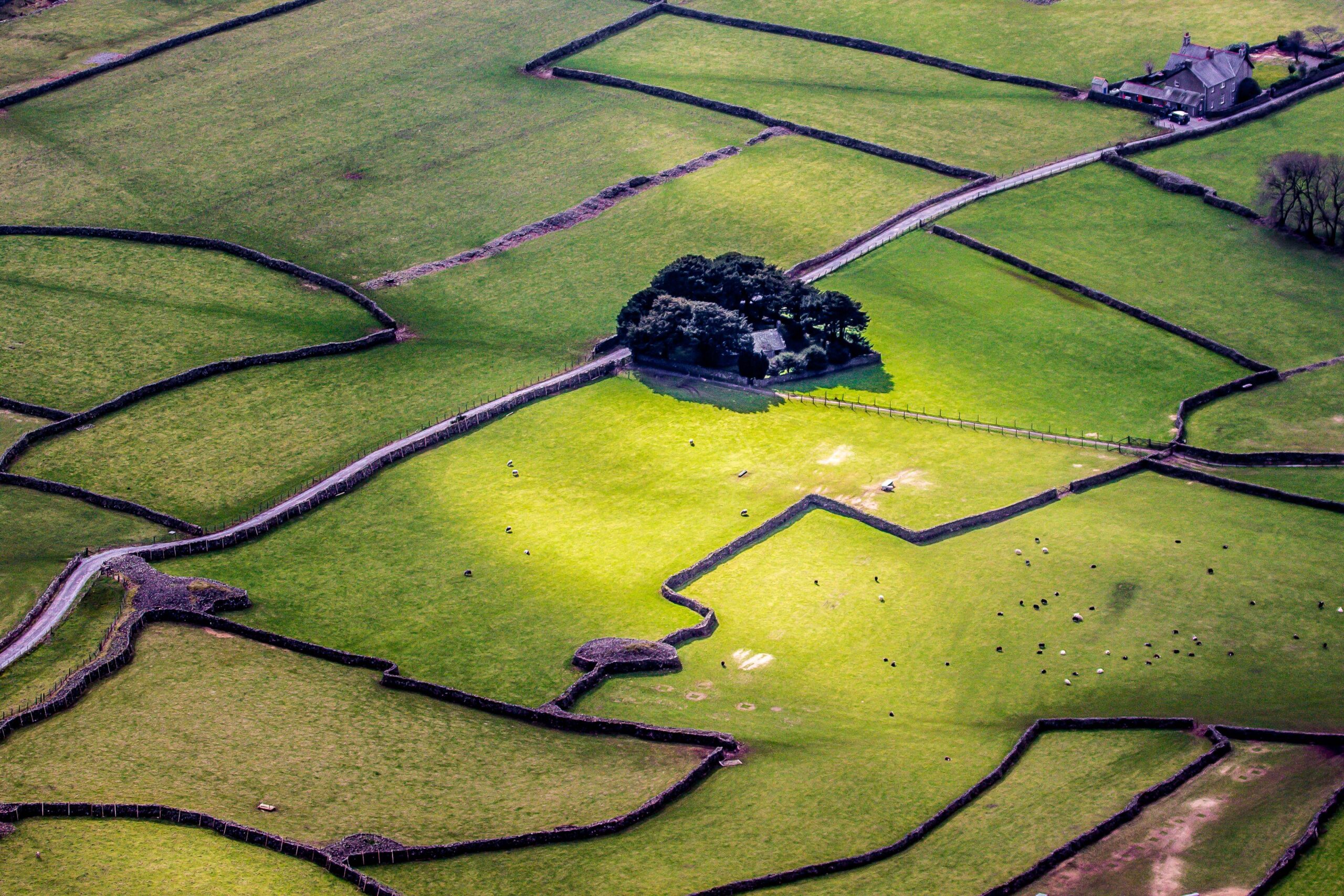
Traditional barns can be found in every settlement and valley in the Lake District; there are thousands of them across the whole of the National Park, some remain in agricultural use, many have been converted to homes or other uses, but there are a large number which appear to have no beneficial use and may be in poor condition. Whilst it is true that many of our field barns and outlying hogg houses do not have an economic use; their contribution to the historic environment, cultural landscape and natural environment of the Lake District is invaluable.
Traditional barns not only demonstrate the agro-pastoral practices for which the Lake District was inscribed as a World Heritage Site, they also provide valuable habitats for owls, bats, birds and other small mammals. Traditional barns were often built with owl holes incorporated into the gable wall and the nature of the rubble construction and slate roofs provides an ideal habitat for bats and small birds to utilise.
Repairing traditional buildings is an inherently sustainable thing to do; energy has gone into winning the raw materials, transporting them to site and constructing the building, along with the effort of ongoing maintenance over time. For vernacular buildings, the embodied carbon is often lower than most new buildings as the materials used are natural, sustainable and sourced from the local area, thereby reducing carbon emissions from any manufacturing processes or transportation. Repairing and where possible reusing existing buildings will almost always have a lower carbon footprint than putting up a new building.
Traditional barns are therefore providing a number of public goods which are crucial for maintaining the historic and natural environment of the Lake District. Conserving and repairing these traditional buildings delivers multiple benefits for people and wildlife, as demonstrated in the barn repair projects completed over the past 4 years. Between 2019 and 2022, 10 barns across the National Park were repaired as part of a DEFRA funded pilot project jointly managed by Historic England and Natural England, with the Lake District National Park leading delivery on the ground.
Bank End Farm
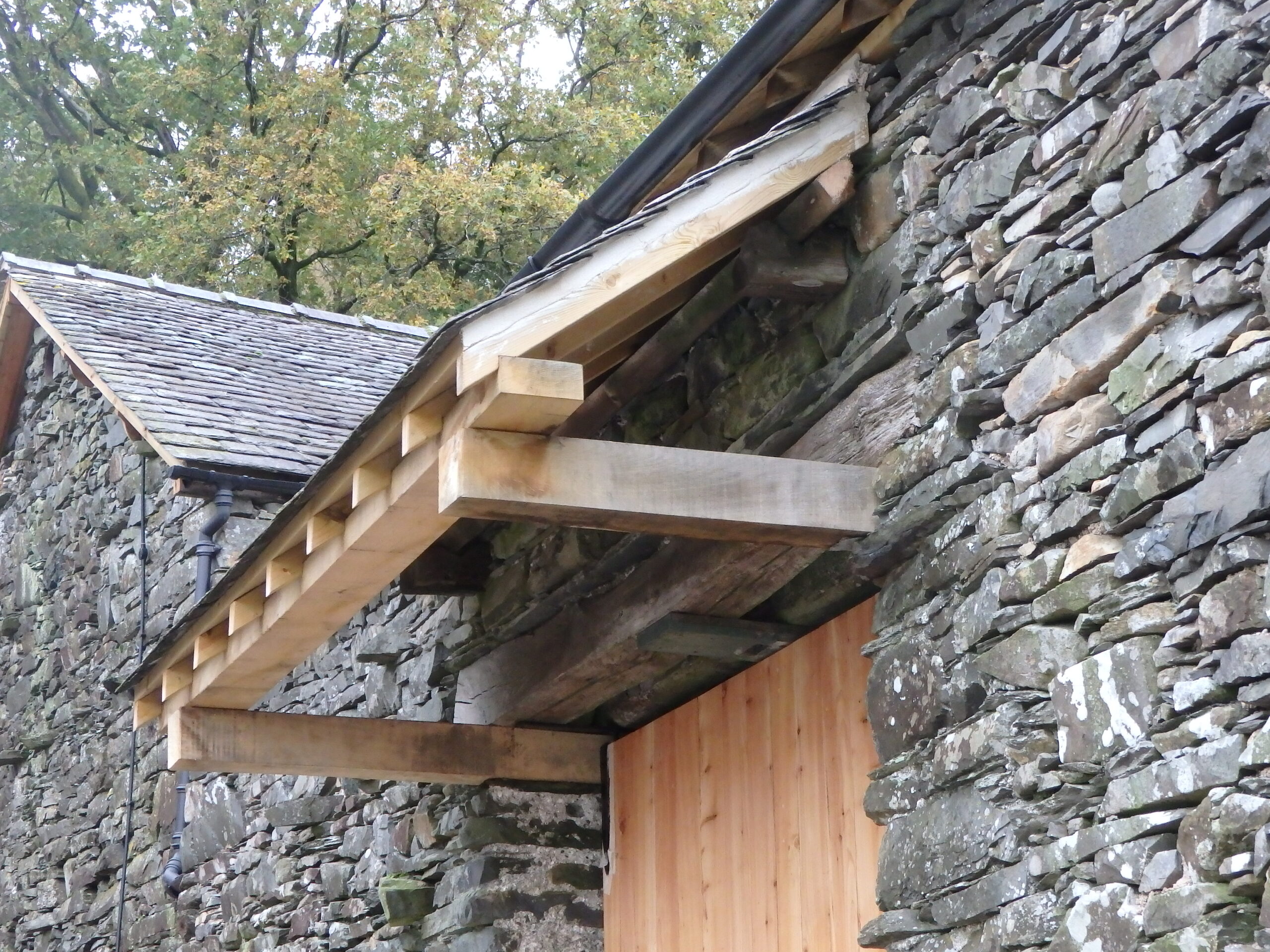
At Bank End Farm, a Grade II listed bank barn, many of the original roof timbers were waney larch (timber with bark on) and rather than use a standard treated soft wood, locally felled and milled larch was used to replace any sections which were no longer structurally sound. The local larch was also used for joinery work to the pentice porch and new doors; this resulted in carbon savings by reducing transport costs but sourcing the timber locally also put more money back into the local economy.
Local slate
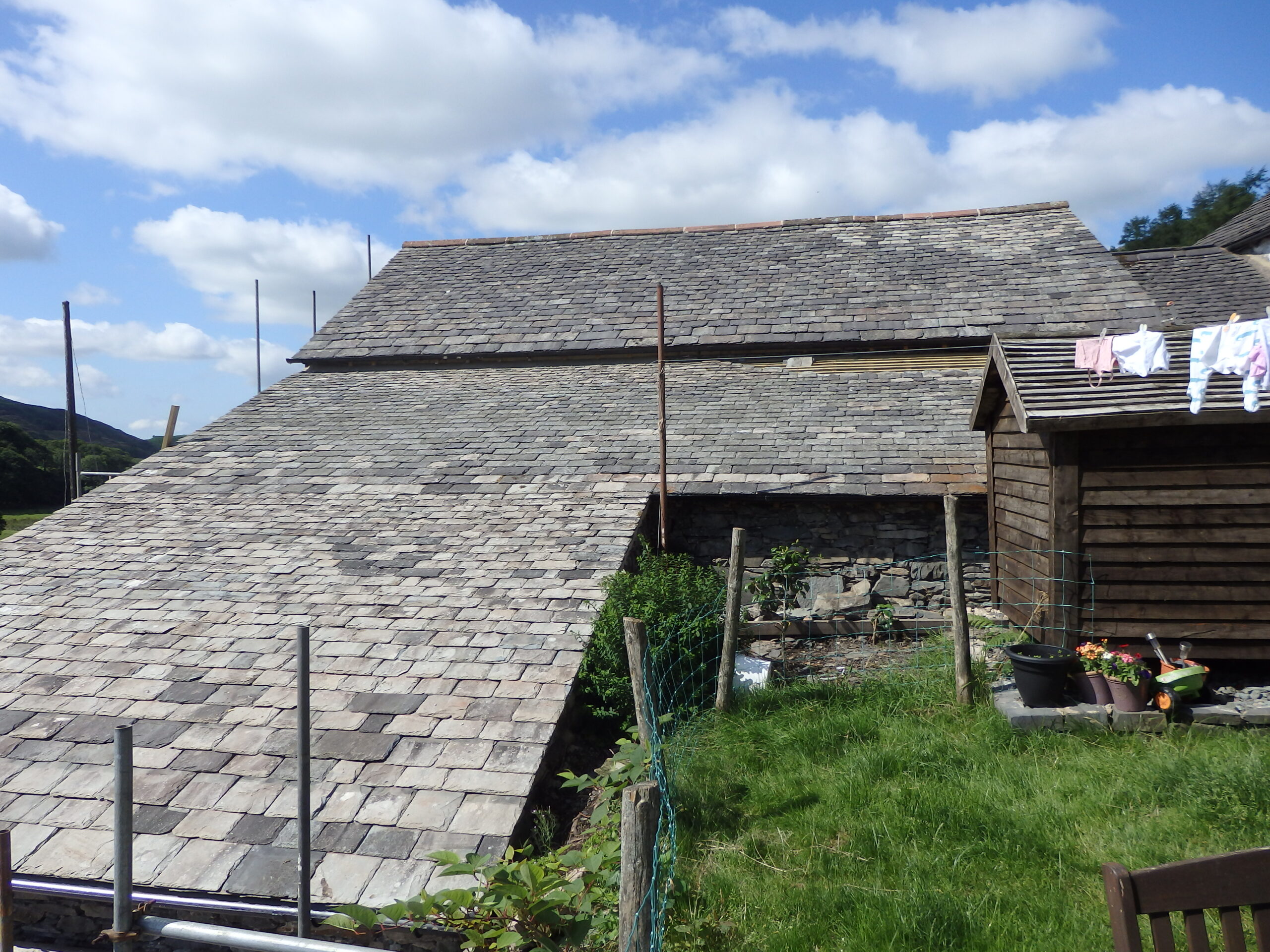
Where the existing roofing slates can be re-used this is always the best approach, but often new slates do need to be sourced to replace broken or failed slates. New roofing slate is always sourced from slate quarries in Cumbria; this is essential to maintain local building character, ensure the integrity of the built environment and reduce the carbon emissions due to much lower transport costs. Although the upfront cost of local slate is higher than imported slate, the quality and longevity is significantly higher, the carbon footprint is substantially lower and there is an economic benefit of keeping the money in the local area.
Arklid Barn, Nibthwaite
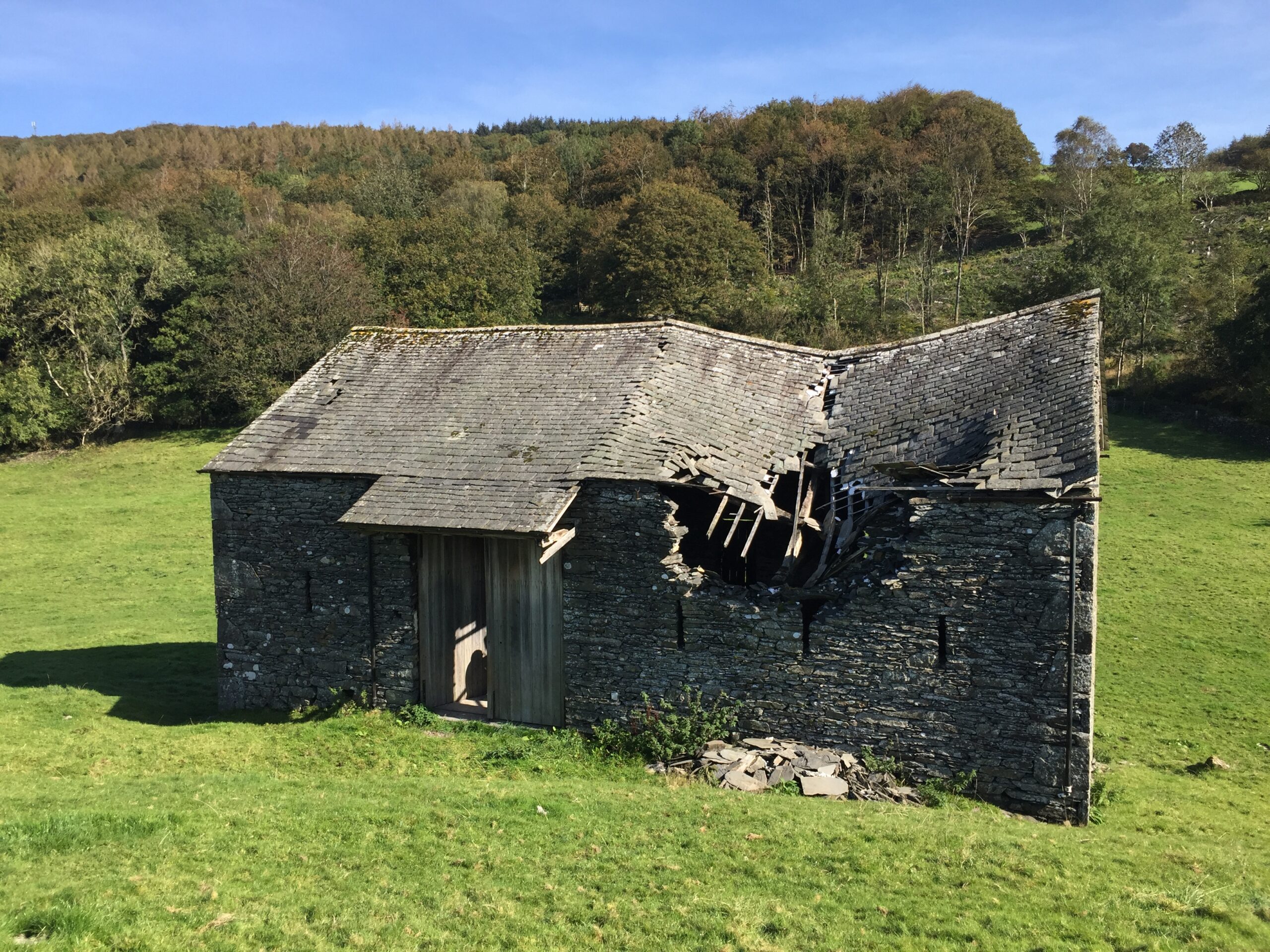
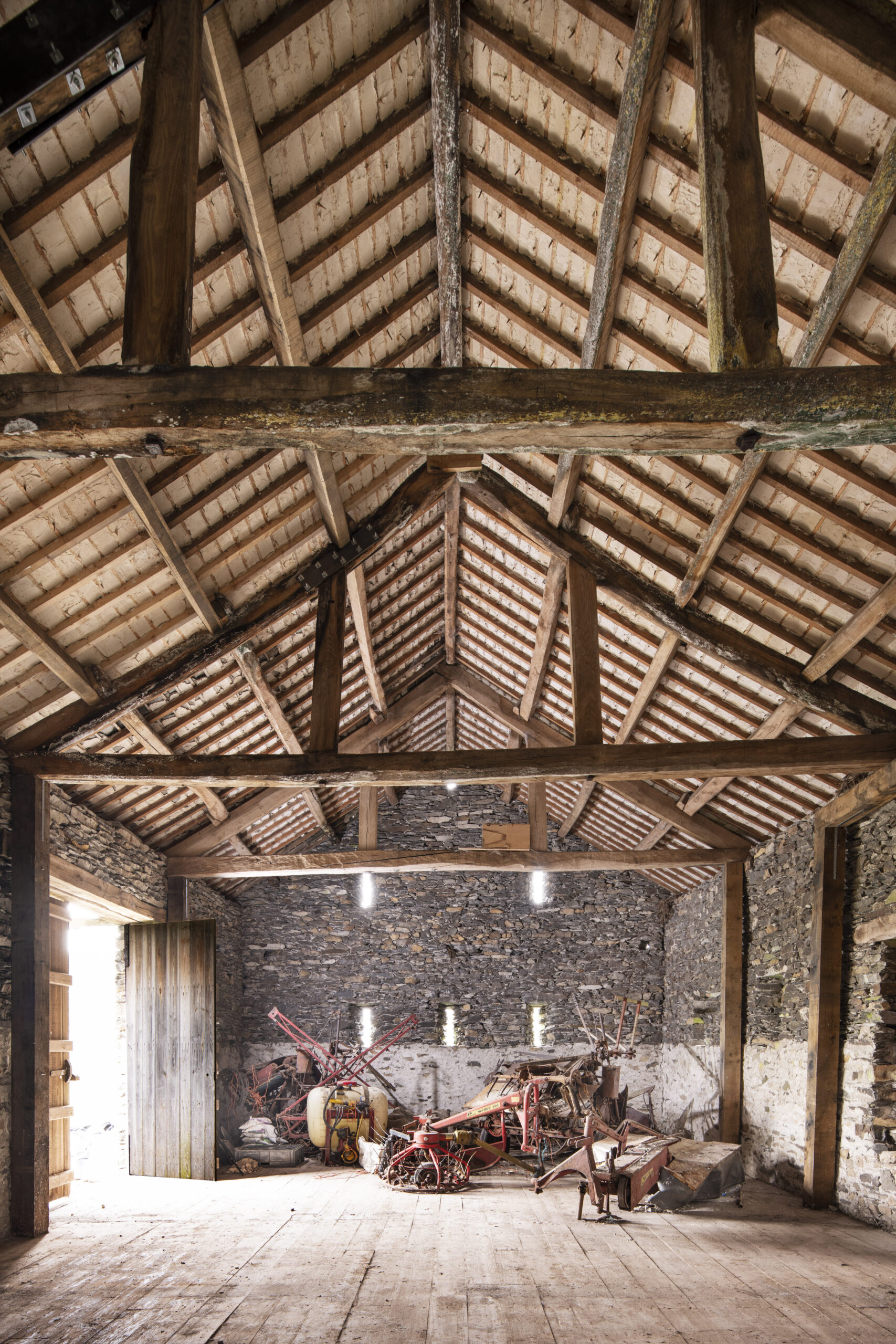
At Arklid Barn, the wildlife survey conducted prior to the works identified use of the barn by both owls and bats. The capital work was programmed to cause the least disturbance to wildlife and completed within 3 months. The following spring the farmer reported seeing both owls and bats using the building again and within 6 months of the repair work having been completed, a brood of Tawny Owl chicks had been raised and fledged.
Wildlife rich
Similar positive wildlife stories have been relayed from other sites repaired as part of the scheme; with owls returning and continuing to use the buildings post repair work. Without repair, many of these barns would have been lost and with them the habitats they provided.
As we think about ways to reduce our carbon footprint and live more sustainably the historic environment is often not at the forefront of everyone’s minds, but these traditional buildings can offer us some useful pointers about sustainable living which were being practised centuries ago; source local sustainable materials, reduce transportation as much as possible, repair not replace, repurpose rather than demolish and make space for wildlife in your buildings.