
Fungi, fairies and farming: Celebrating cultural heritage with Beatrix Potter
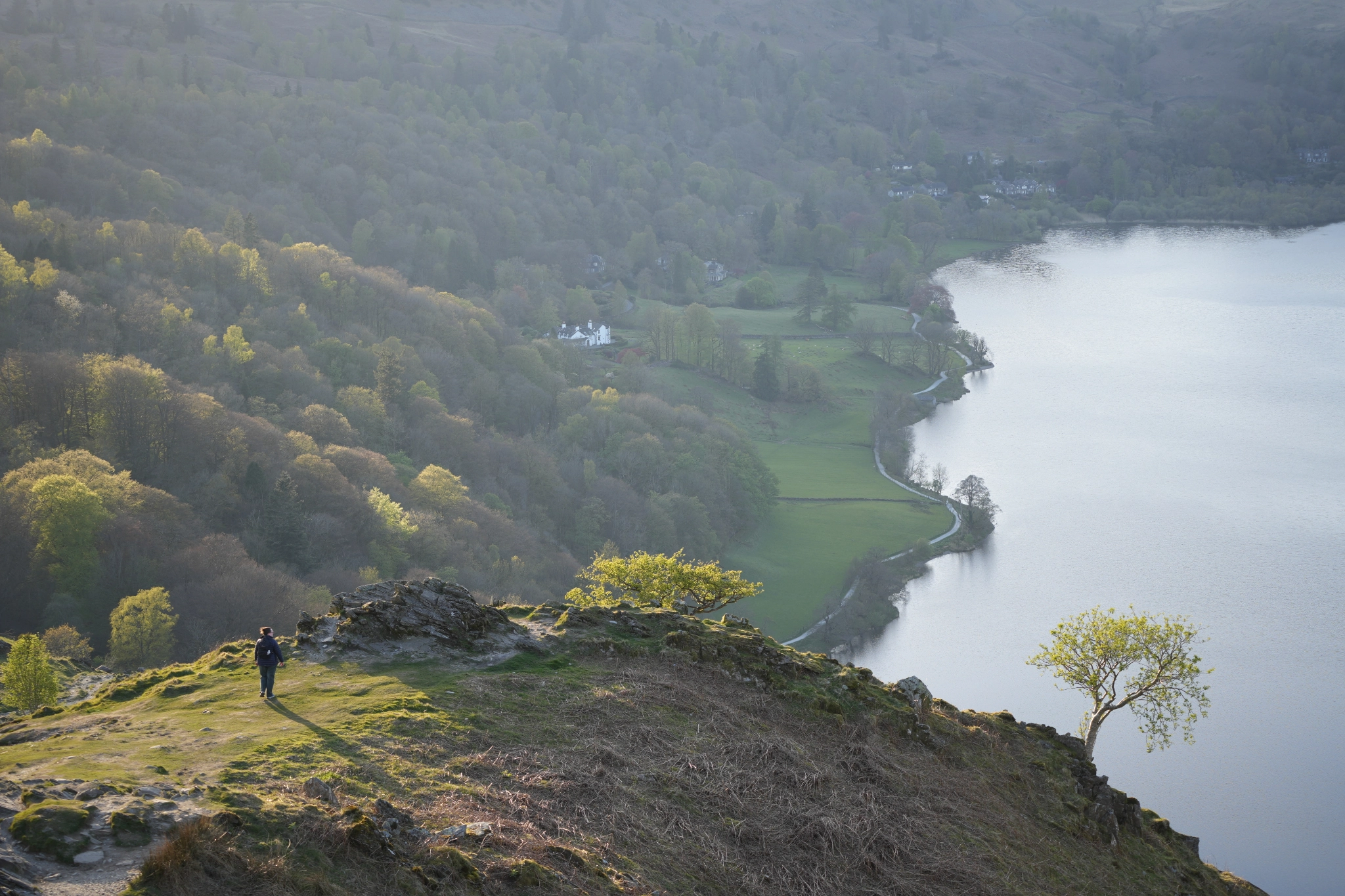
The Lake District is home to outstanding cultural heritage, owing to its status as a UNESCO World Heritage Site – encompassing a long history of writers and artists passionately inspired by the landscape, infrastructure and communities of this special place. One such writer is Beatrix Potter, who was a champion of the region’s unique landscape and an accomplished environmental writer in her own right.
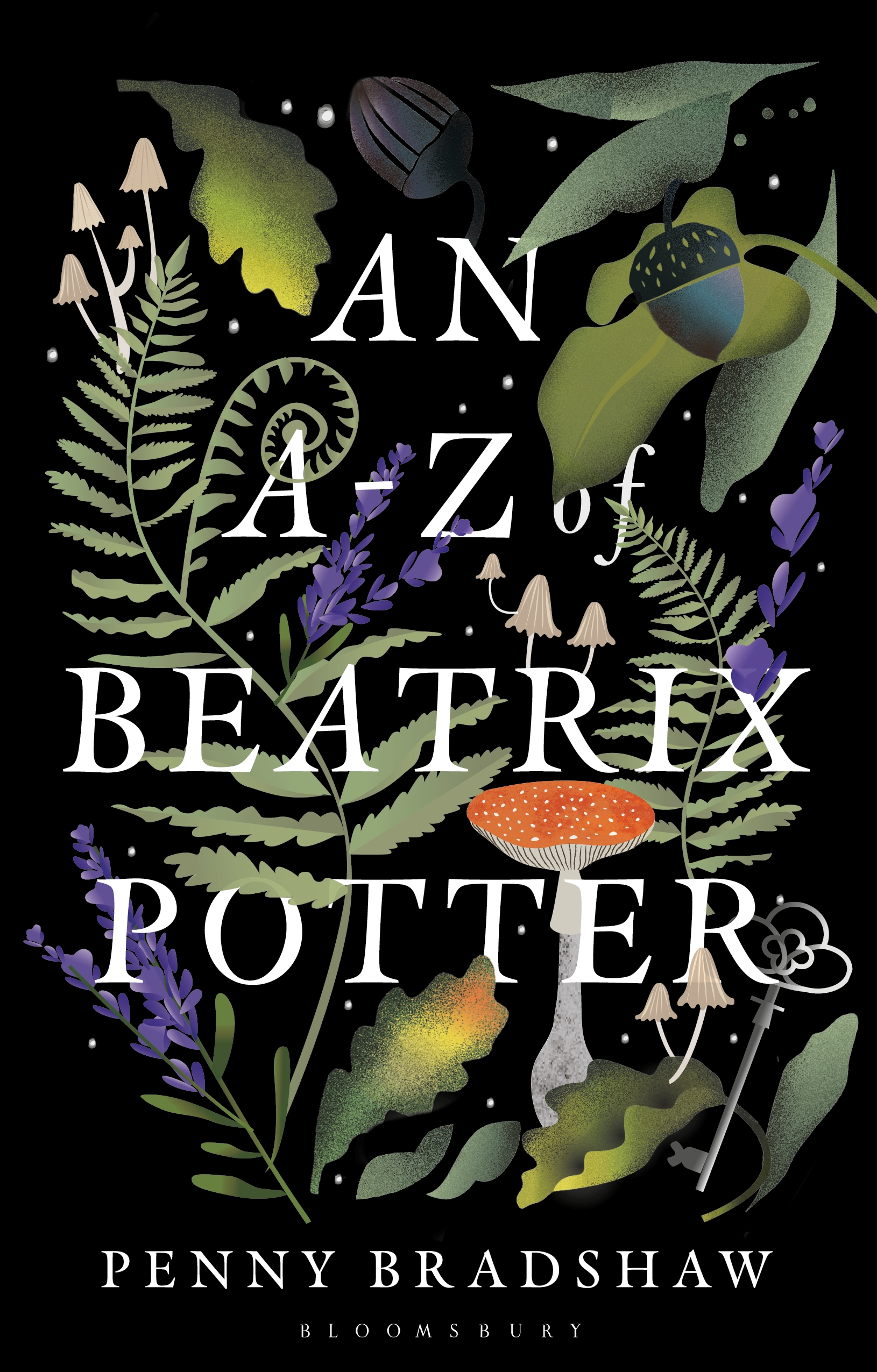
Dr Penny Bradshaw is the author of a new book An A-Z of Beatrix Potter (Bloomsbury Academic, 2026), and co-curator of an accompanying exhibition at the Armitt Museum, running throughout 2026. Penny’s new book and exhibition bring to light areas of Beatrix Potter’s life and interests that are not as widely known, showing us that there is much more to this woman than her Peter Rabbit tales. We caught up with Penny to talk us through the book and exhibition, and to tell us how Beatrix Potter can continue to inspire people to care for the Lake District National Park.
Penny is also an Associate Professor of English Literature at the University of Cumbria and Theme Lead for the Centre of National Parks and Protected Areas.
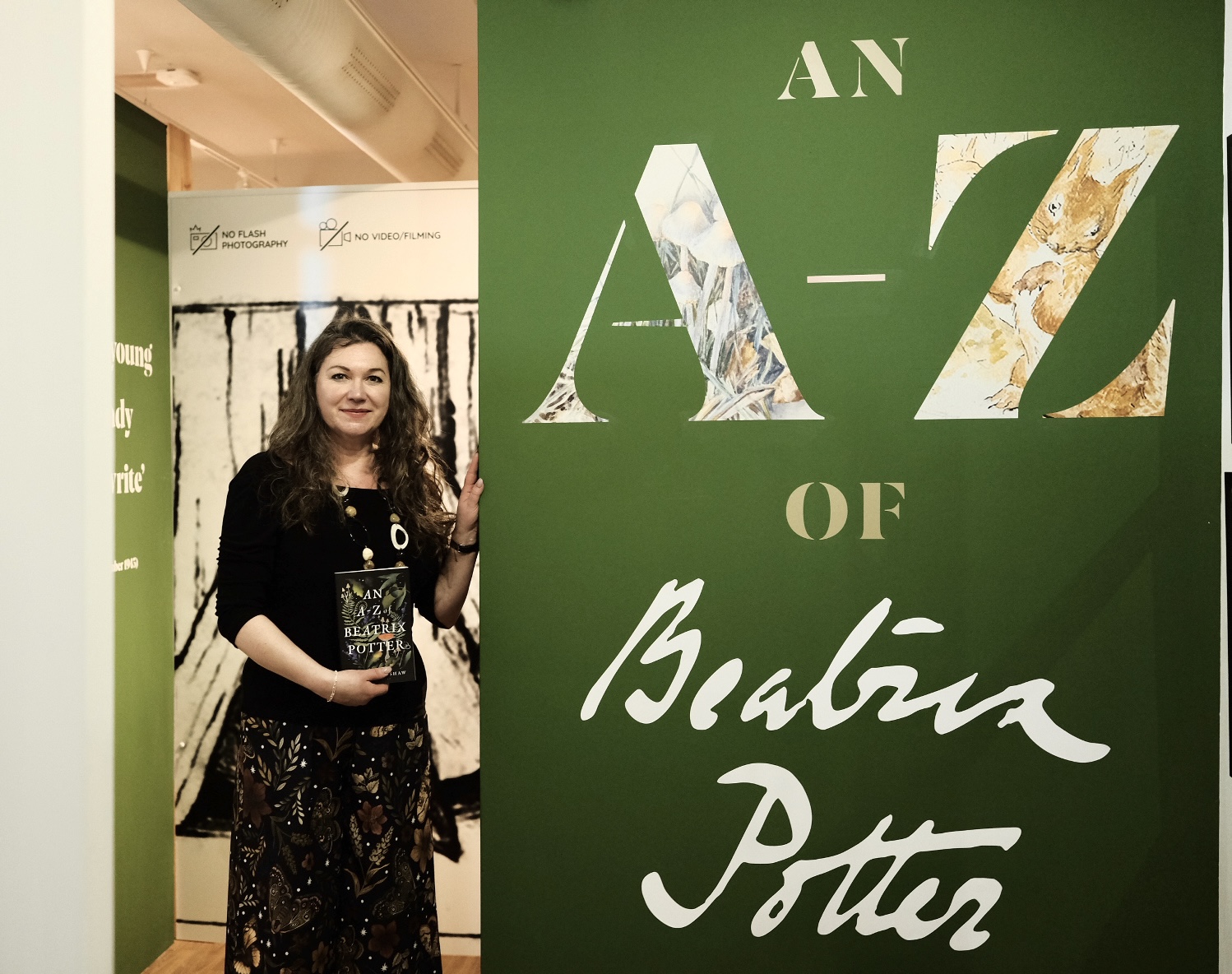
An interview with Dr Penny Bradshaw
So Penny, first of all, can you tell us why Beatrix Potter is so important to the World Heritage of the Lake District?
Beatrix Potter is absolutely crucial to the heritage of the Lake District. If we go back to the fundamental claims made in the UNESCO World Heritage nomination document, it talks about the Lake District as the cradle of environmental thinking – obviously William Wordsworth is identified as a very important figure, but Beatrix Potter is someone who carries that legacy through into the 20th and 21st centuries. She does this in really powerful and formative ways because she’s writing for children most of the time, so ideas of the region’s distinctive environments and our need to protect them are being aimed at the next generation.
How are Beatrix Potter’s texts, which are fairly old now, continuing to inspire something new in the National Park?
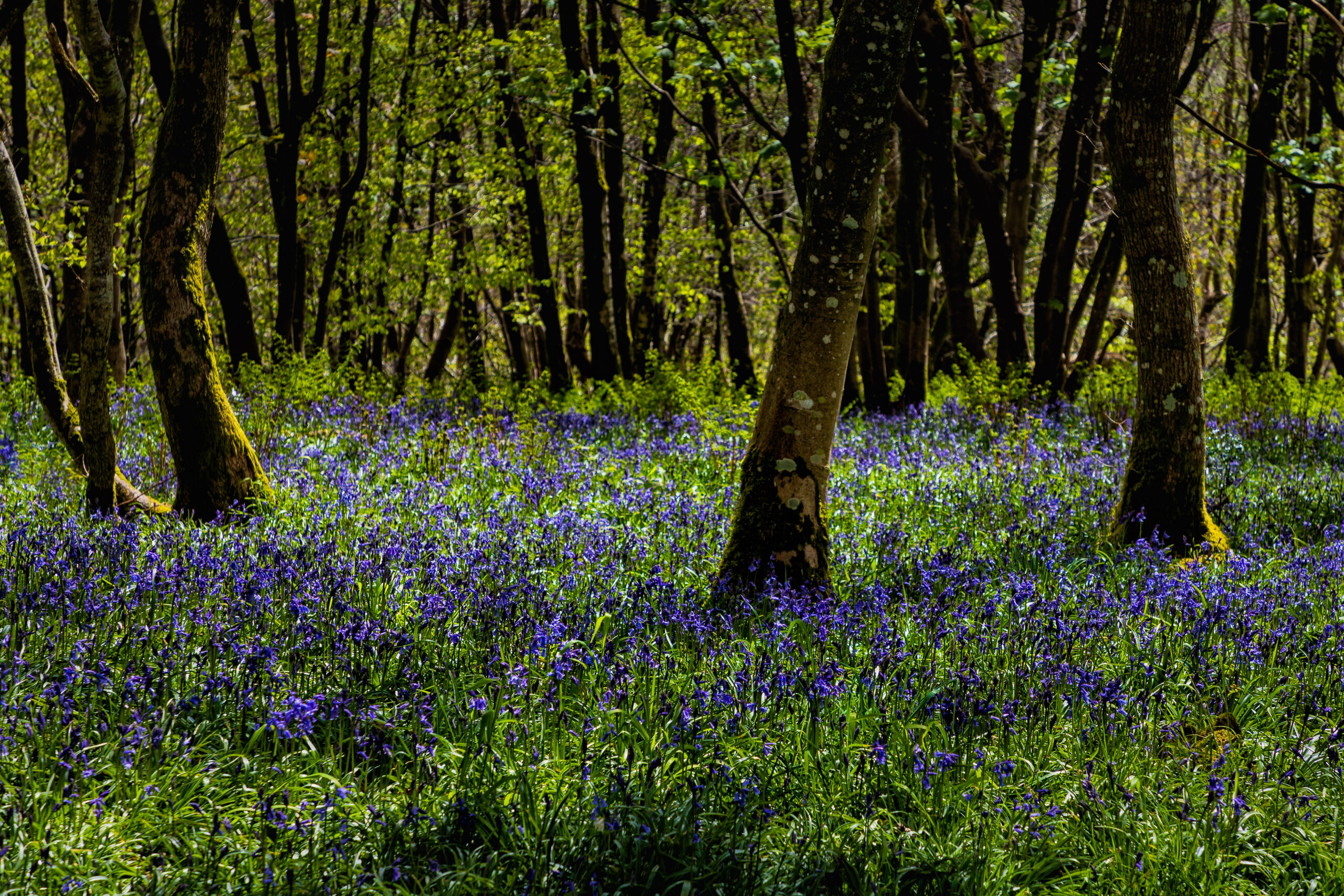
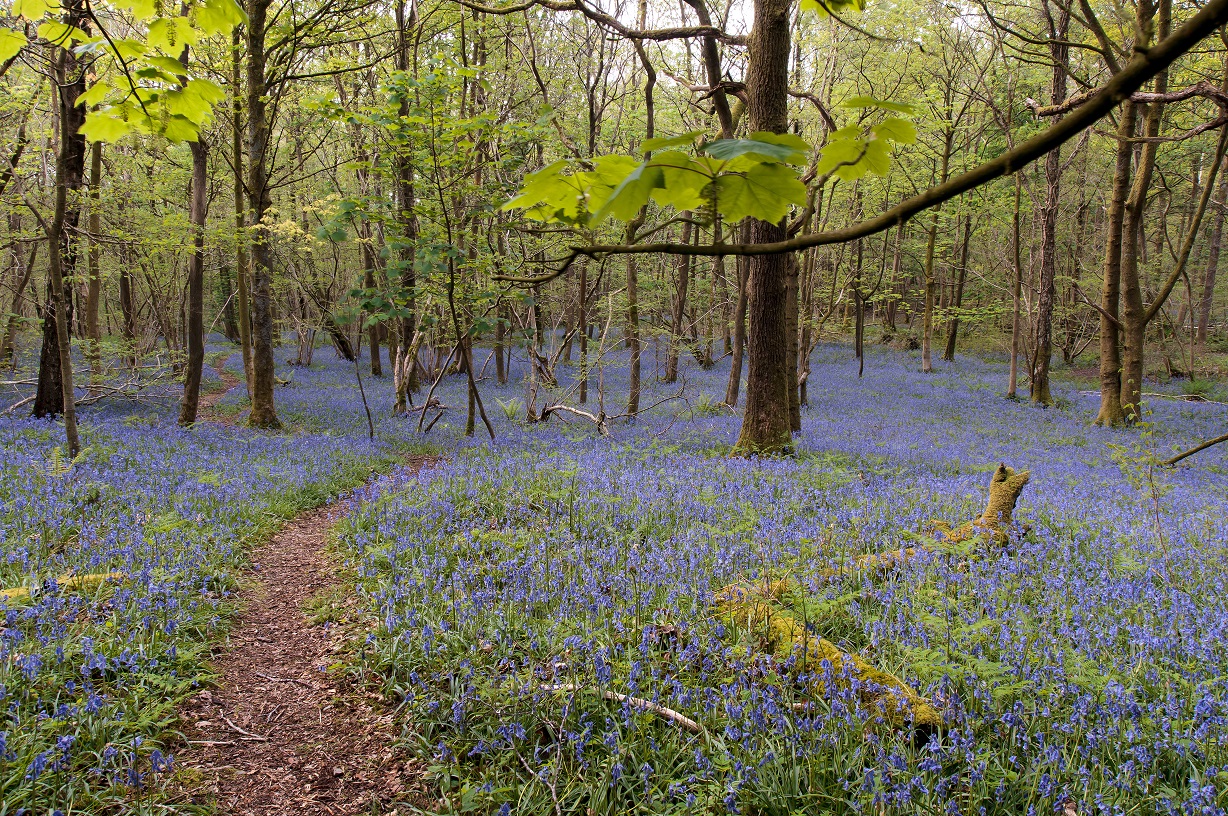
Beatrix Potter’s texts give us a glimpse of a world that we want to carry on protecting. We know levels of nature literacy are declining – many people remember the media coverage from a few years ago when nature words were taken out of the junior dictionary like ‘bluebell’, ‘acorn’ and so on. The rationale behind removing them was that they were no longer in such regular use for children, and that sparked a really interesting project led by Robert McFarlane and Jackie Morris, The Lost Words project. They argued that we don’t just need the words, we need the words in stories – in an imaginative context that children can engage with.
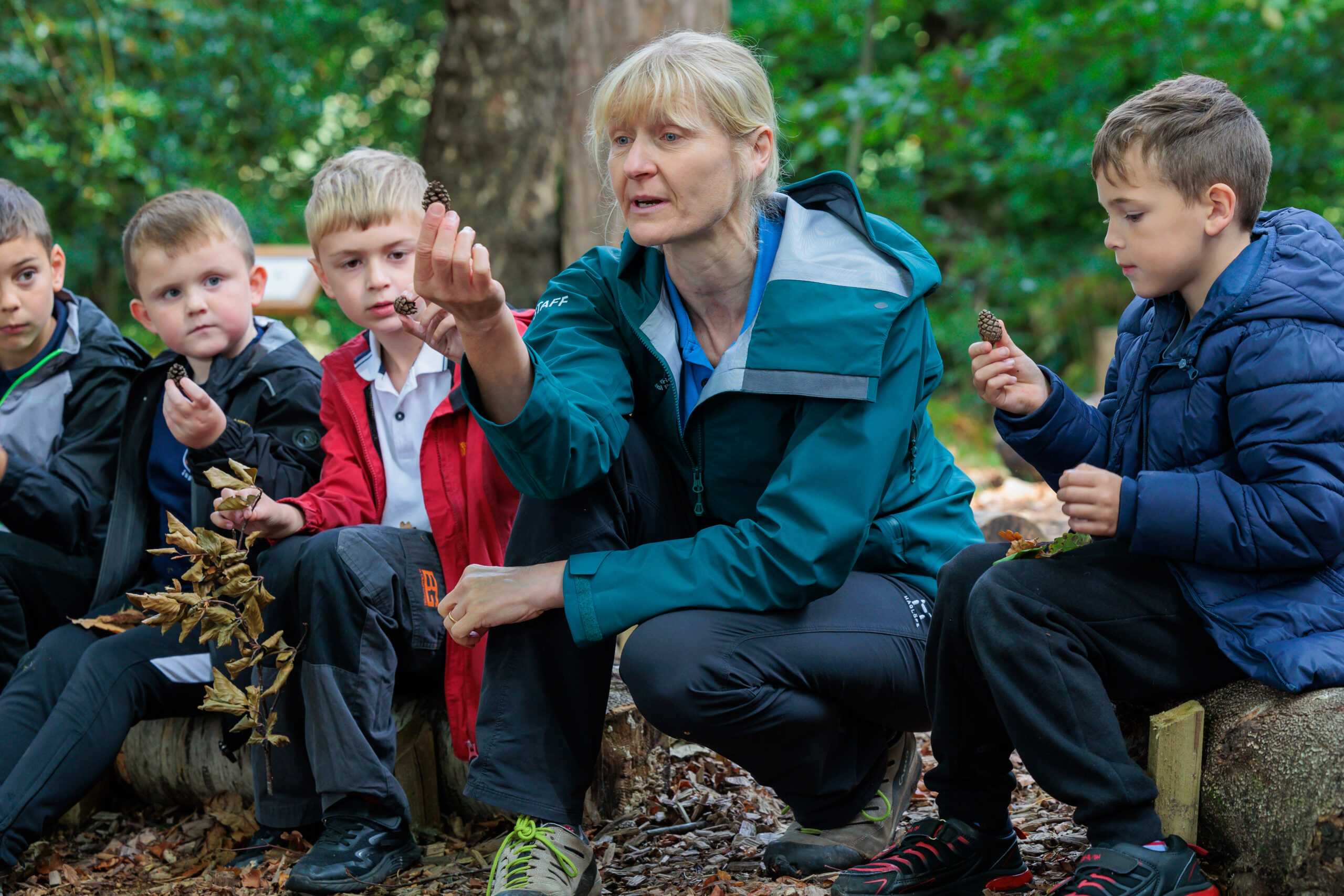
Beatrix Potter’s texts are written in a world where most children had a closer connection to nature, and when those levels of nature literacy hadn’t declined so much. In a single story like Squirrel Nutkin, which is targeted at a very young readership, you’ve not only got references to things like acorns and pinecones, but references to oak apples (also known as oak galls) and Robin’s pincushions (growths on the stems of wild roses), which are quite unusual. The child reader naturally encounters the words and objects in imaginative ways, and I think this is vital to the way we think about and get an early love for the natural world around us.
What were you trying to achieve with your new book – particularly in terms of making Beatrix Potter more accessible and more widely known?
A key motivation in writing the book was to highlight the importance of Potter as an environmental writer, which I don’t think is acknowledged as often or as fully as it should be. The approach taken in the book, with the A-Z format, aims to be inclusive. It allowed me to make unique connections across Potter’s work and to give space to lesser-known aspects of her writing and her career. The book does take a scholarly approach and contains new readings of Potter’s work, but it’s written in a very accessible way throughout and that was intentional. You can literally dip in and out – you can open the chapter ‘L for the Lake District’ and read that, or if you’ve got another particular interest, you can dive into that chapter.
One of the rationales for having the A-Z exhibition at the Armitt Museum after the book’s publication was that this allowed me to take some of the ideas from the book and present them in a different way. This time they are conveyed mainly through objects from various Beatrix Potter collections, which the audience can engage with visually.
You’ve included some unexpected and fresh angles in the book. How does your book offer a new perspective on Beatrix Potter?
Beatrix Potter is very popular as a writer but there is a sense that people feel that they already know who she is, and it’s a narrative not everyone connects with. She wasn’t one single thing. The fluffy bunnies are a very small component of what she did. There are other ways into Beatrix Potter, whether it’s Potter as a conservationist, as a scientist, as someone who was very witty and funny, as someone who kept an astonishing journal in a code of her own invention, which she kept for nearly 15 years – there are so many other parts to her.
For example, one of the chapters in the book is ‘G for Ginnet’s Circus’; this is a circus Potter first saw in Ambleside as a teenager. It connects to so many of her interests and ideas. She eventually wrote a book collection of stories that were partly inspired by the circus called The Fairy Caravan. For me this is the culmination of Beatrix Potter’s environmental writings and it’s written for slightly older children, so she can explore things like seasonal change and ecosystems in a more complex way.
Why was the Lake District so important to Potter?
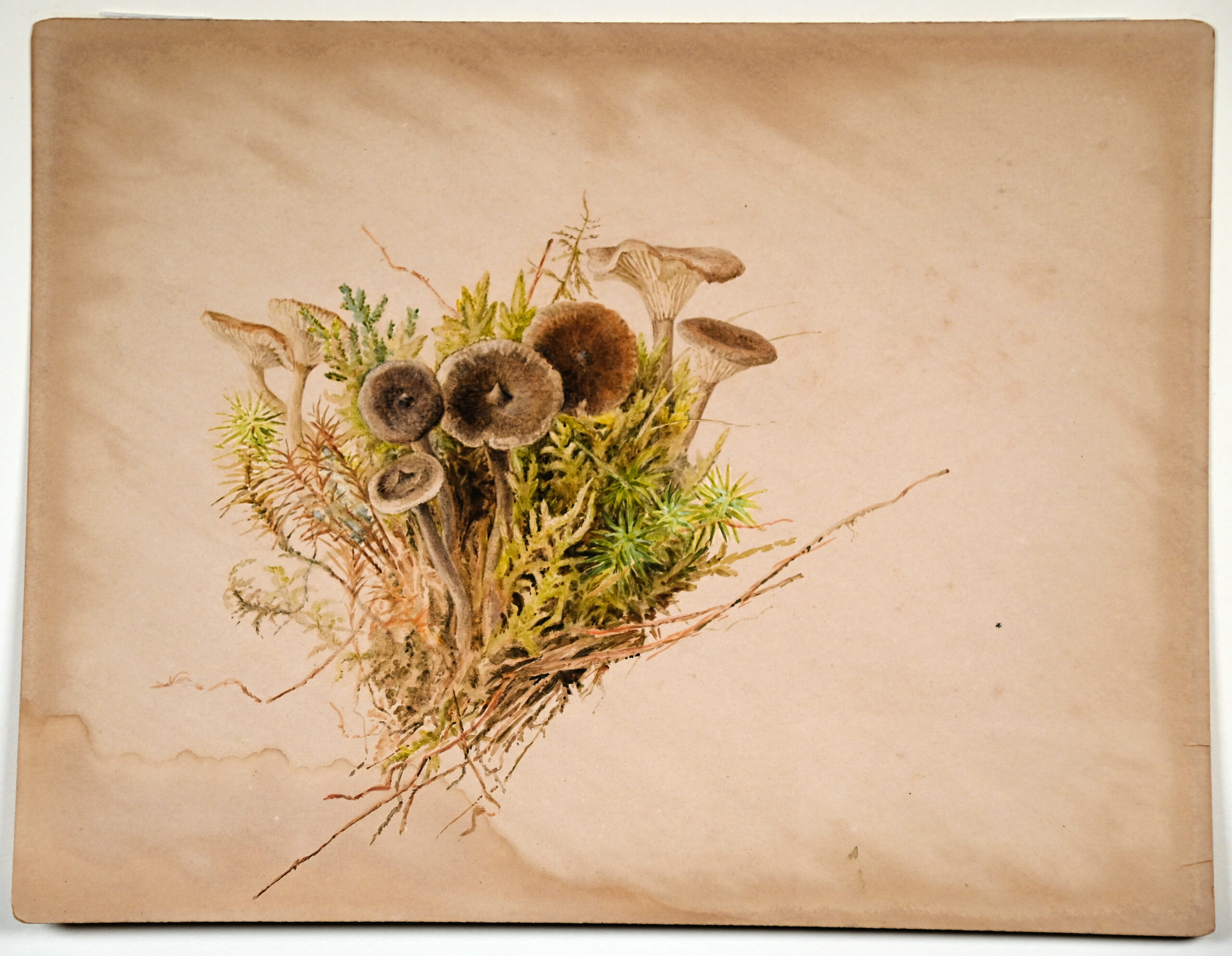
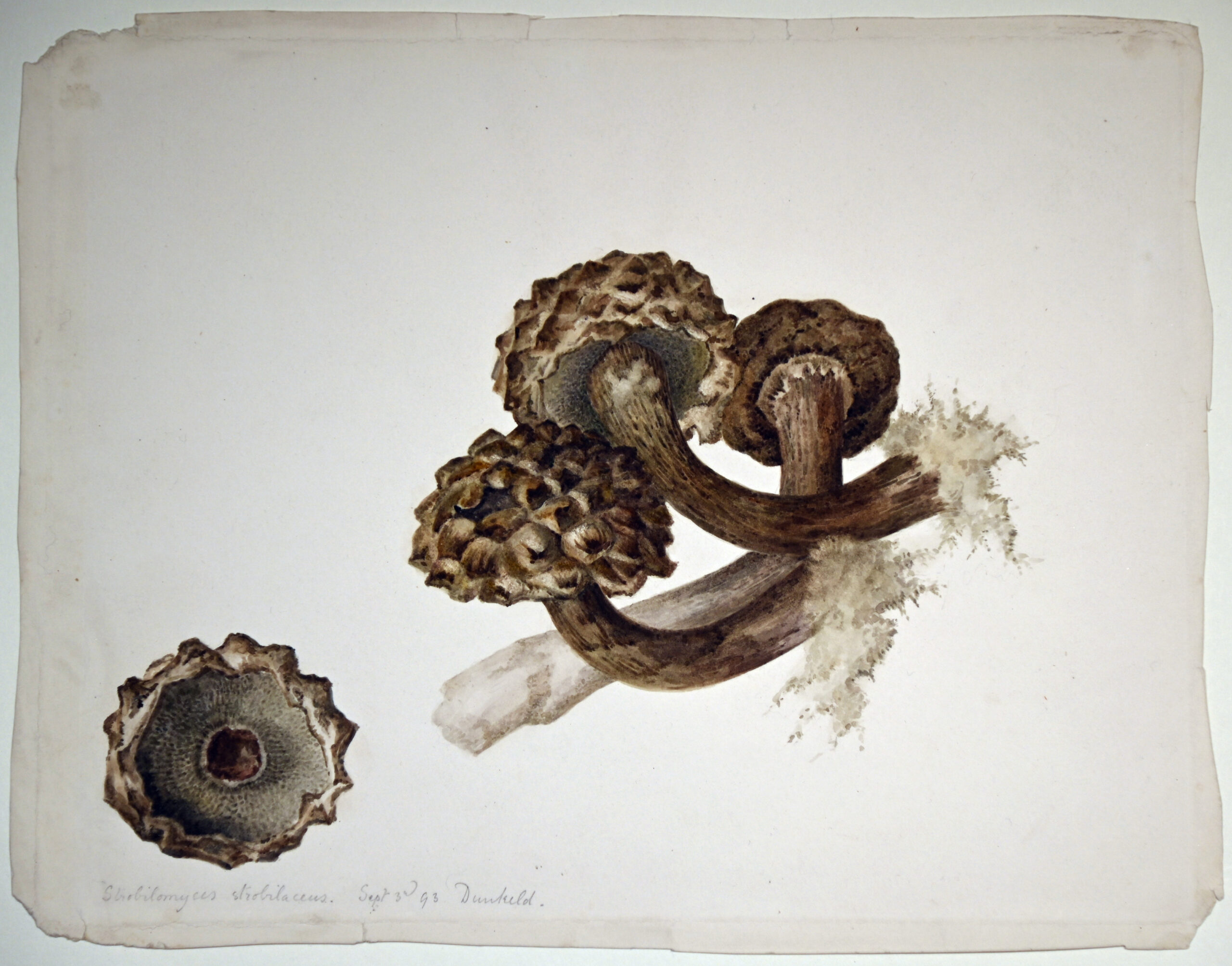
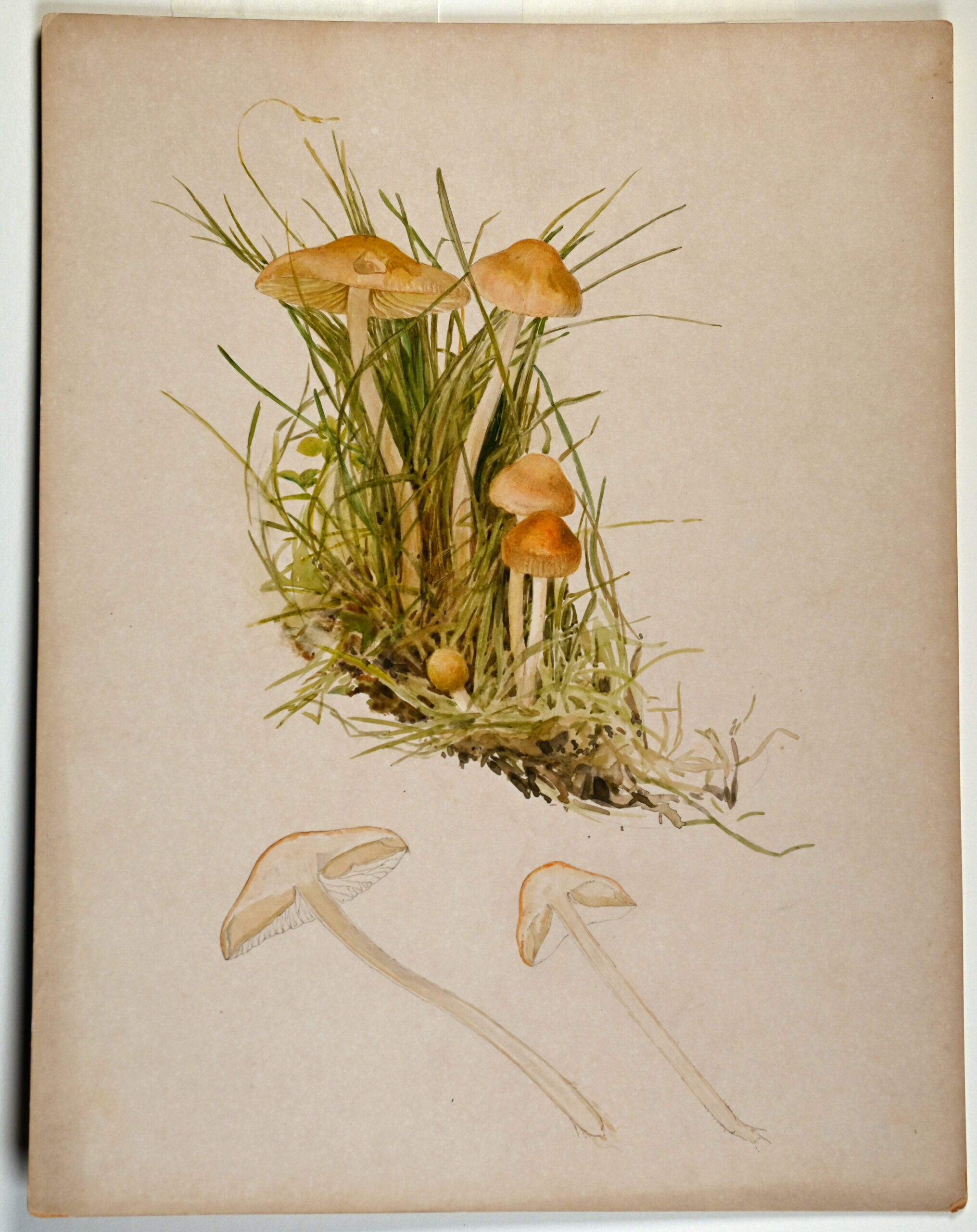
Beatrix Potter first came to the Lake District in 1882, and she spent long family summer holidays engaged in what we might think of as amateur scientific research. Initially this had a broader focus, but very quickly she became interested in mycology (the study of fungi). One of the lovely things about the Armitt Museum is that it holds her body of mycological watercolours – she bequeathed around 350 to the Armitt.
Potter also celebrates in her books the qualities which make the Lake District, as UNESCO describes it, a distinctive cultural landscape. In a single image from Tom Kitten, you’ve got Moppet and Mittens sitting on a dry-stone wall with ferns and various other local plants growing up the walls, a farmhouse in the distance – in that one image she is capturing and celebrating the qualities of this particular human and natural landscape.
You mentioned Beatrix Potter as a conservationist. What were her contributions to conservation in the Lake District?
Potter continues the legacy of William Wordsworth in some ways. If we look at his campaign against the railways, Potter plays a very similar role by campaigning against the development of an aeroplane factory on the shores of Windermere for example. She published an open letter in ‘Country Life’ magazine and put her name behind the campaign.
Beatrix Potter was also influenced by family friends such as Hardwick Rawnsley, one of the founders of the National Trust. He believed that land ownership was the only way to truly protect the region, and she really came to agree with that idea. She used her great wealth, much of which came from her publication successes, to buy up land to halt destructive over-development. Because of her farming interests, she played a very active role in those years of her land stewardship in helping to determine how it should be managed in the future. This has gone on to play a crucial role in how the landscape is managed today.
Tell us more about the exhibition you co-curated with the Armitt museum! Any favourite objects?
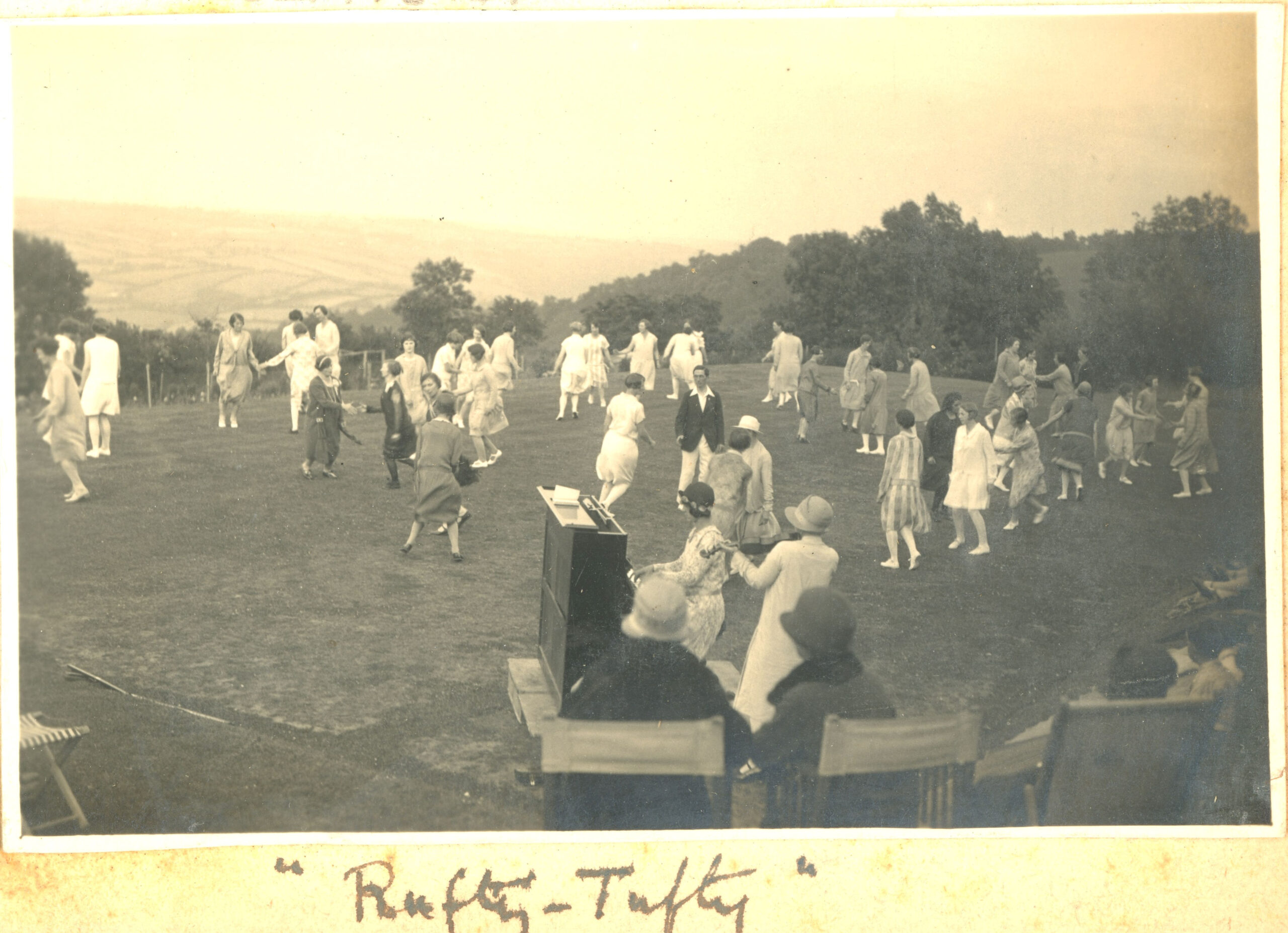
It’s so hard to pick just one! In the ‘D is for Dancing’ section, we’ve got some lovely photographs of folk country dances from the 1920s which were a big inspiration for her. We’ve also got one of the first beautiful sketches she did of the tree fairies that feature in The Fairy Caravan, along with the essay she published in ‘Country Life’ in 1912 against the development of an aeroplane factory beside Windermere. All the way through the exhibition, a key thread is how the Lake District inspired her but also how she used her own voice and her own writing to try and protect this place for the future.
Perhaps my most favourite item in the exhibition is a Jeremy Fisher costume on loan from the Royal Ballet. In 1971, a ballet production of her stories was put together and filmed and it became a big box office success. All the performers were wearing costumes, and we’ve got the Jeremy Fisher costume in the exhibition. It is absolutely stunning – you come around the corner to the dancing section and see it, it’s beautiful.
What would you like to see next in terms of people continuing to engage with Beatrix Potter?
I would like to see Beatrix Potter’s work read and studied in school formats more regularly to help build nature literacy. In Potter’s anthropomorphised stories, the children recognise themselves in the animals but at the same time they recognise them as being of a different species. I think this is absolutely vital as it works against a sense of otherness from nature, because the child gets this lovely sense of connection with the other creatures with whom we share the planet.
In the Lake District, I also hope people will think more imaginatively about their engagement with Beatrix Potter and potentially move away from just focusing on Hill Top cottage, the farmhouse she owned, which is now managed by the National Trust and is under a lot of pressure from visitors in the summer. If we think more broadly about what she’s saying in her books, it allows us to appreciate other areas of the landscape which inspired her, such as the Lake District’s incredible and varied ecology.
One very good way in which adults can continue to study Beatrix Potter is via the University of Cumbria’s Masters in Literature, Romanticism and the Lake District, which is based at our Ambleside campus so in the heartland of this cultural landscape. We work with various partners in the region, and, as part of their course, our students get to go to the Armitt to study Beatrix Potter’s mycological watercolours.
Join a talk by Dr Penny Bradshaw
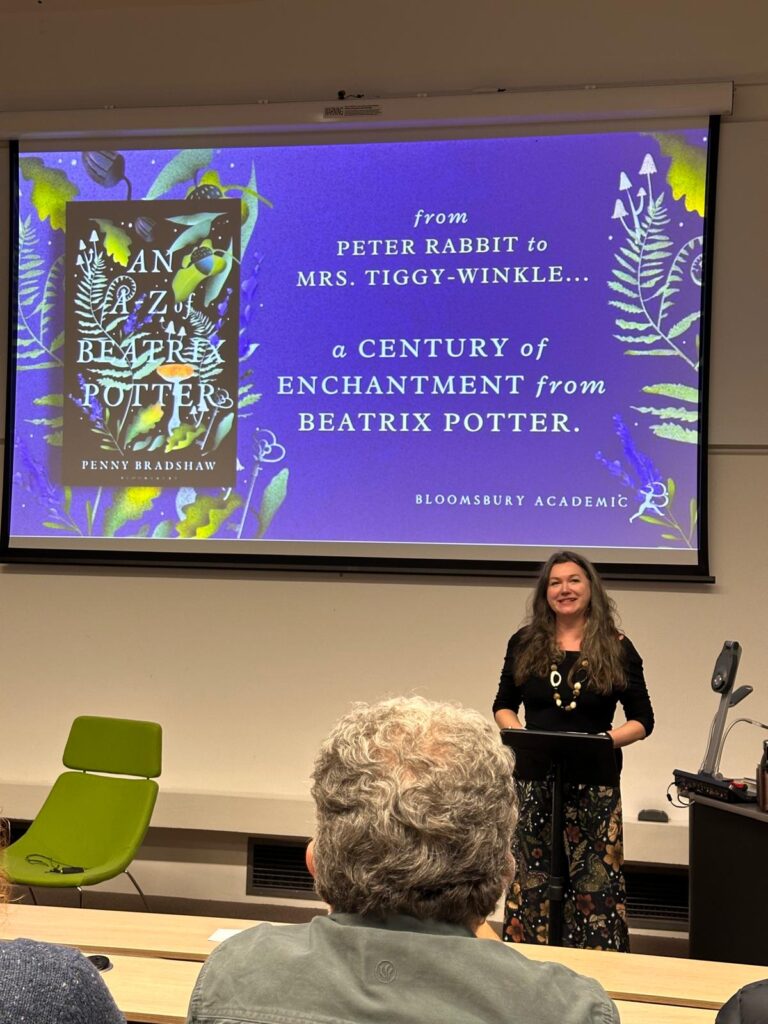
On 22 May, Dr Penny Bradshaw will give a talk at the Armitt exploring Beatrix Potter’s fascination with fungi. Book by visiting the Armitt Museum website.
Penny will also run gallery tours of the exhibition throughout the year. Keep an eye on the Armitt Museum events page for details, and find out more about the Armitt on their website.
Find out more about the Lake District National Park as a World Heritage Site.