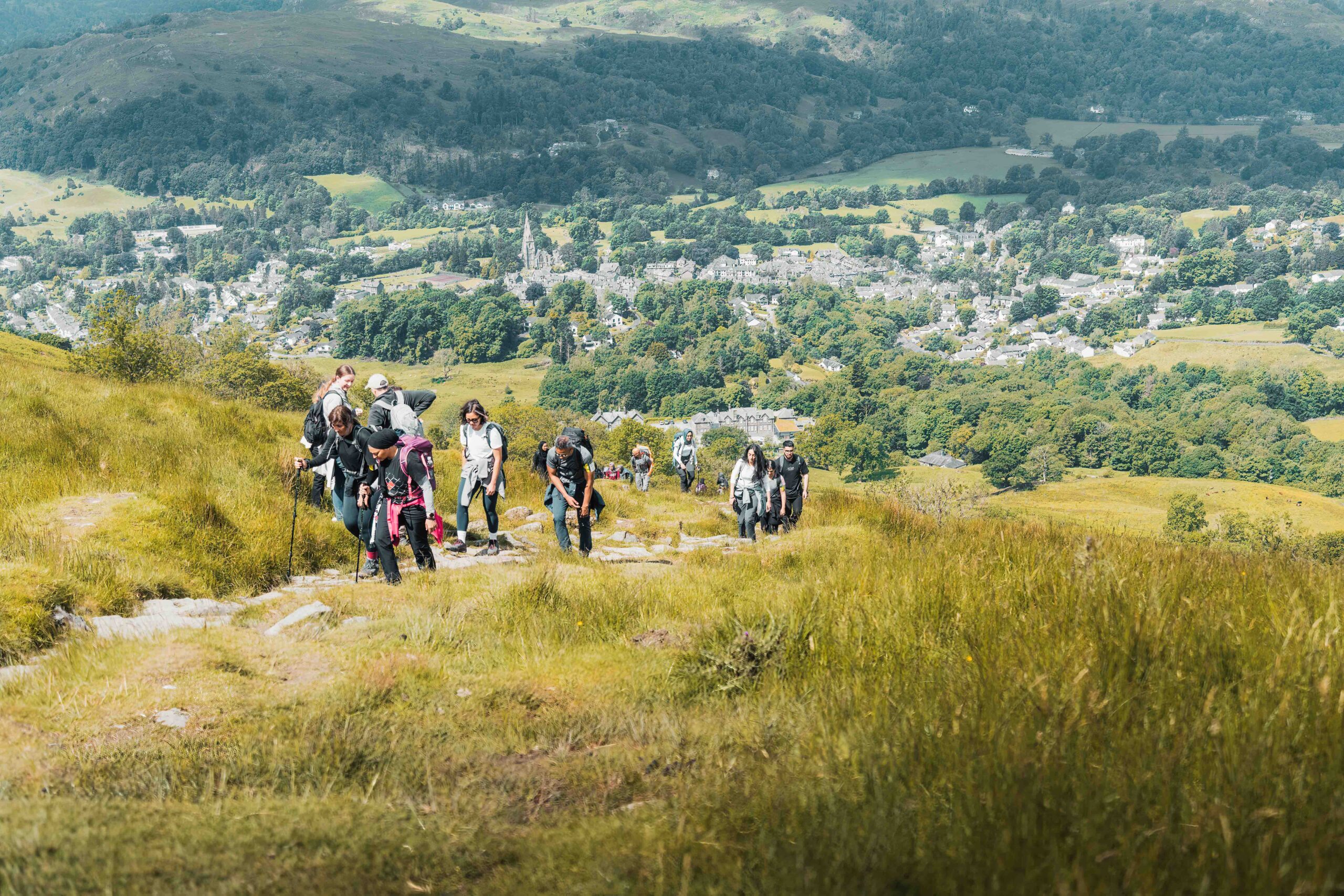


Launch of the UK Industrial Heritage Trail: discover the seven industries that shaped the Lake District
Seven industries that shaped the Lake District World Heritage Site
When people think of the English Lake District, they often picture mirror-like lakes, rugged fells and perhaps a poet wandering about with a notebook in hand. And yes, there’s plenty of that, but they are only part of the story. This beloved landscape visitors fall in love with wasn’t simply created by nature alone.
This is a living, working landscape, one shaped over centuries by the people who farmed, mined, quarried and crafted it.
That is why the Lake District was awarded UNESCO World Heritage status in 2017. Not just for its beauty, but because it’s a cultural landscape: a place where people and nature have evolved together in remarkable ways.
This week’s launch of the UNESCO Industrial Heritage Trail UK is an opportunity to dig a little deeper beneath the postcard picture views and discover the industries that helped shape the Lake District we know today.
Spoiler alert: it involves a lot more than sheep and gingerbread!
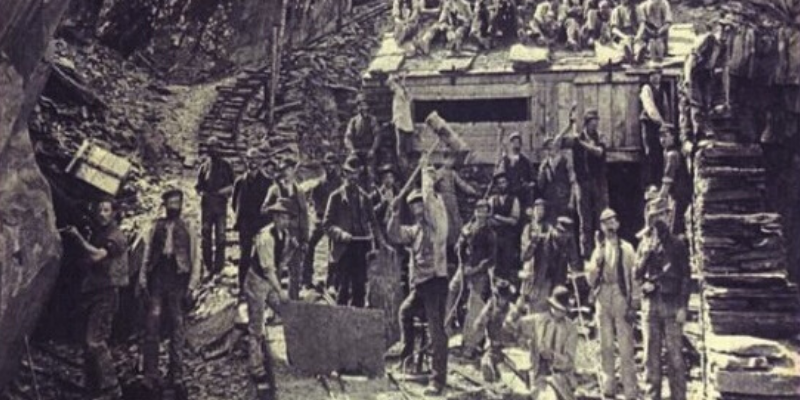
1. Slate quarrying: the stone that built the Lake District
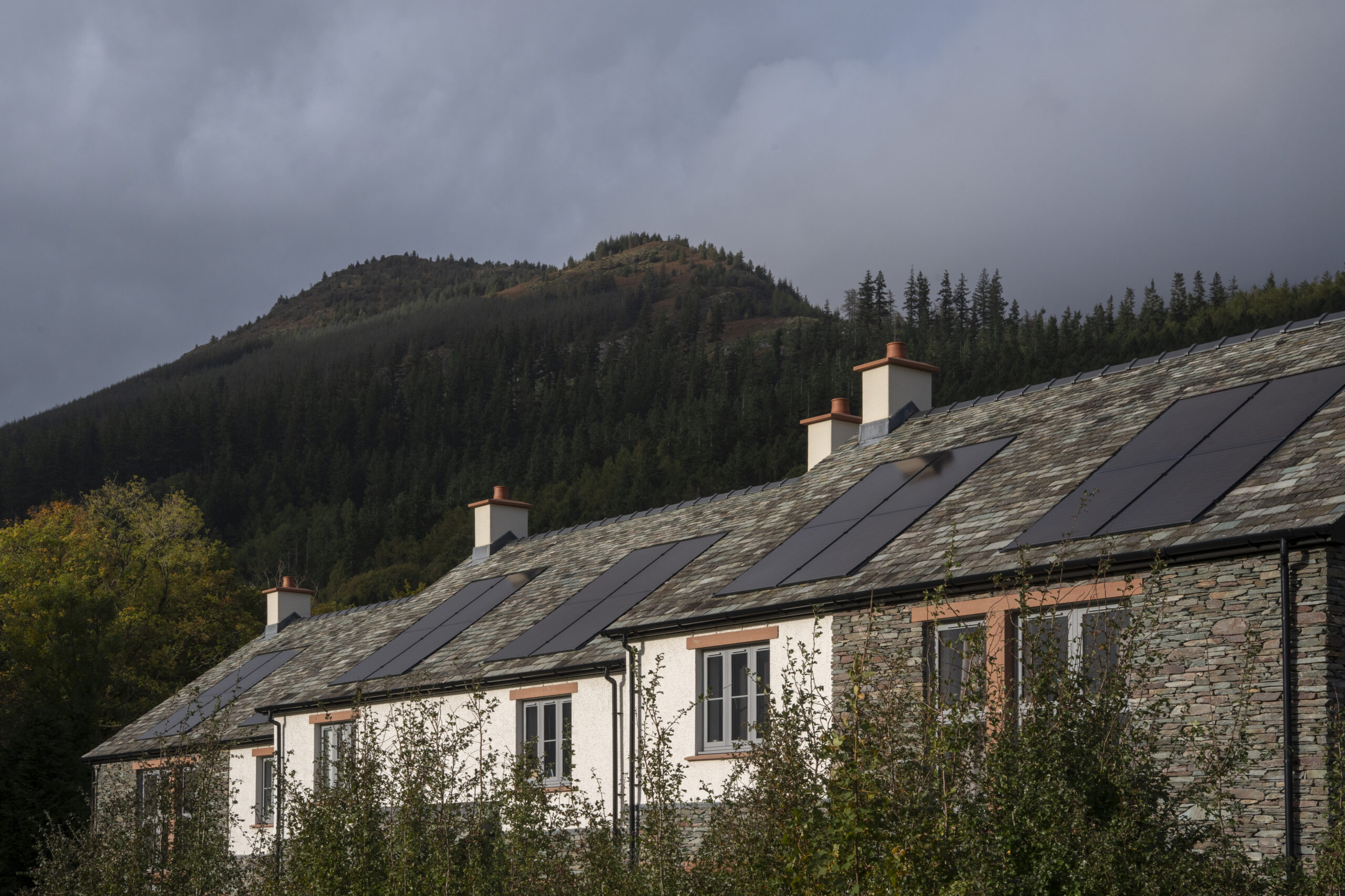
If the Lake District had an official building material, it would undoubtedly be slate. That distinctive green-grey stone roofing cottages, barns and villages across Cumbria has been quarried here for centuries, giving the area its unmistakable character.
Few places capture this story quite like Honister Slate Mine. Dramatically perched between Borrowdale and Buttermere, it is still a working slate mine today. Venture underground and you’ll quickly realise quarrying was not for the faint-hearted. Dark tunnels, steep drops and hard graft were all part of daily life high in the fells.
The marks left behind on the fellside, the spoil heaps, tramways and quarry faces are now part of the very scenery people come to admire – and show how industry and natural beauty exist side by side.
2. Copper mining: beneath the old man of Coniston
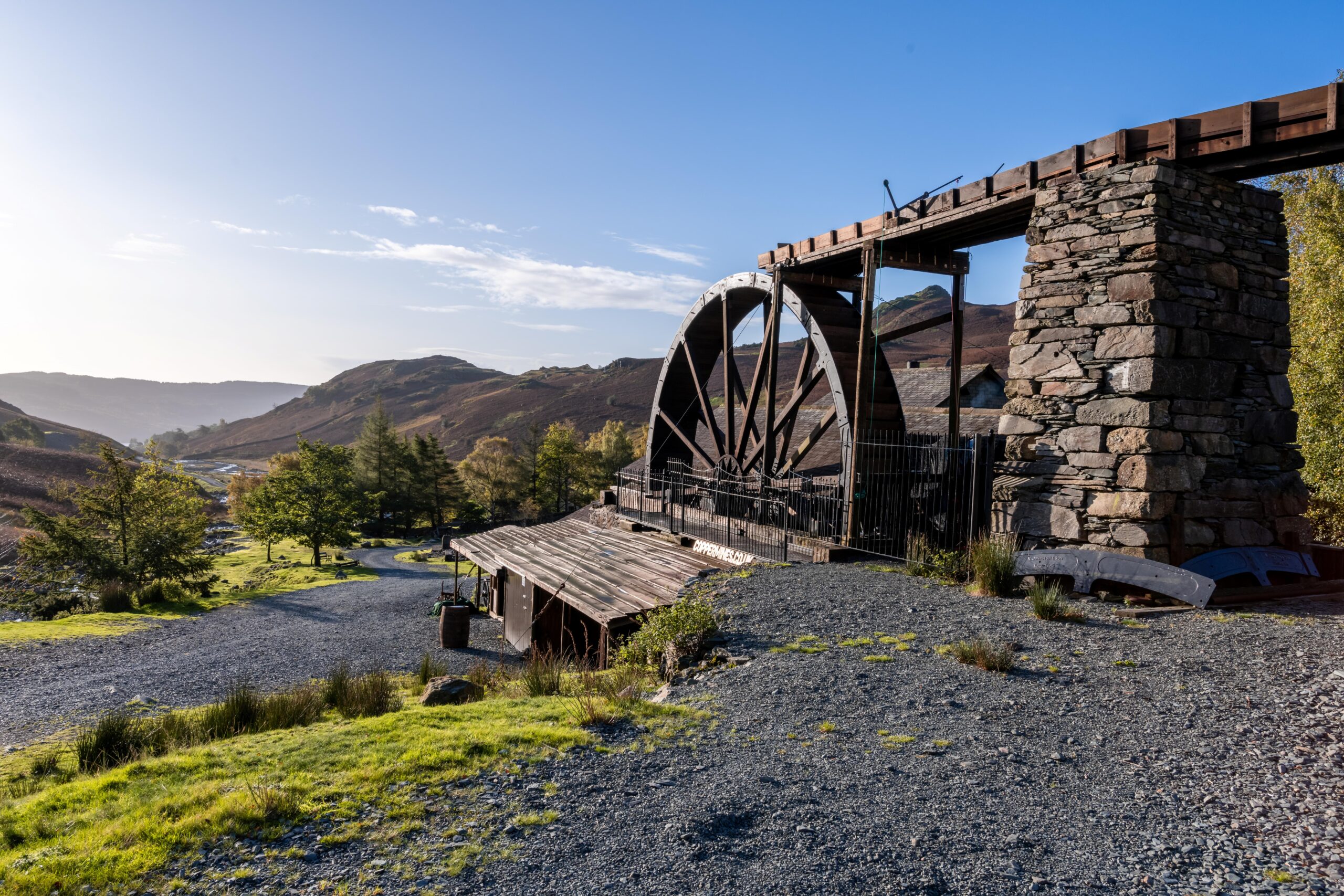
During the 18th and 19th centuries, long before walkers conquered the summit of the Old Man of Coniston with a flask and a flapjack, copper mining transformed parts of the Lake District. Mining brought jobs, transport routes and bustling industry into remote valleys and. miners were hard at work beneath the fell sides.
The remains of the Coniston Copper Mines are some of the most important industrial archaeological sites within the World Heritage Site. Wander the fellside today and you’ll still find engine houses, spoil heaps and mine entrances scattered like clues from another age.
It’s a striking reminder that these seemingly wild, natural landscapes were once places of intense human activity. Conditions were tough, the weather harsher still, and the work dangerous, but it supported entire communities.
3. Graphite mining: Borrowdale’s curious black gold
The Lake District has many claims to fame, but being home to the world’s first pencil industry might just be one of its more unexpected achievements.
Back in the 16th century, an unusually pure deposit of graphite was discovered in Borrowdale. At the time, it was considered incredibly valuable – so valuable, in fact, that the mine was heavily guarded.
It was first used in moulds for cannonballs. Later, someone had the bright idea of wrapping it in wood… and the pencil industry was born.
Today, Derwent Pencil Museum tells the wonderfully quirky story of graphite mining and pencil making in Keswick. It’s proof that even the humblest everyday object can have deep Lakeland roots.
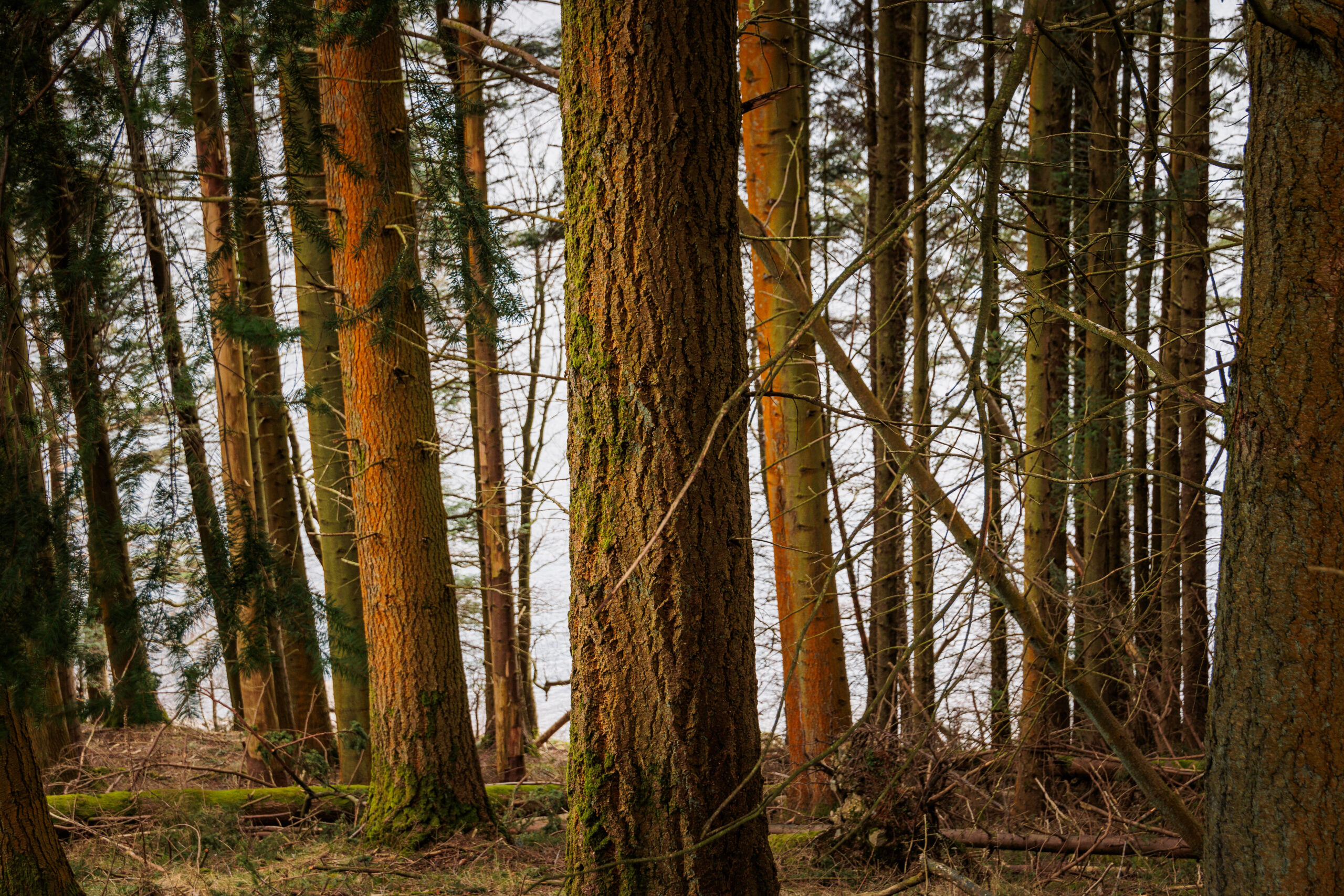
4. Woodland industries and charcoal burning: the original green energy
Before coal took over, woodlands powered much of the local economy.
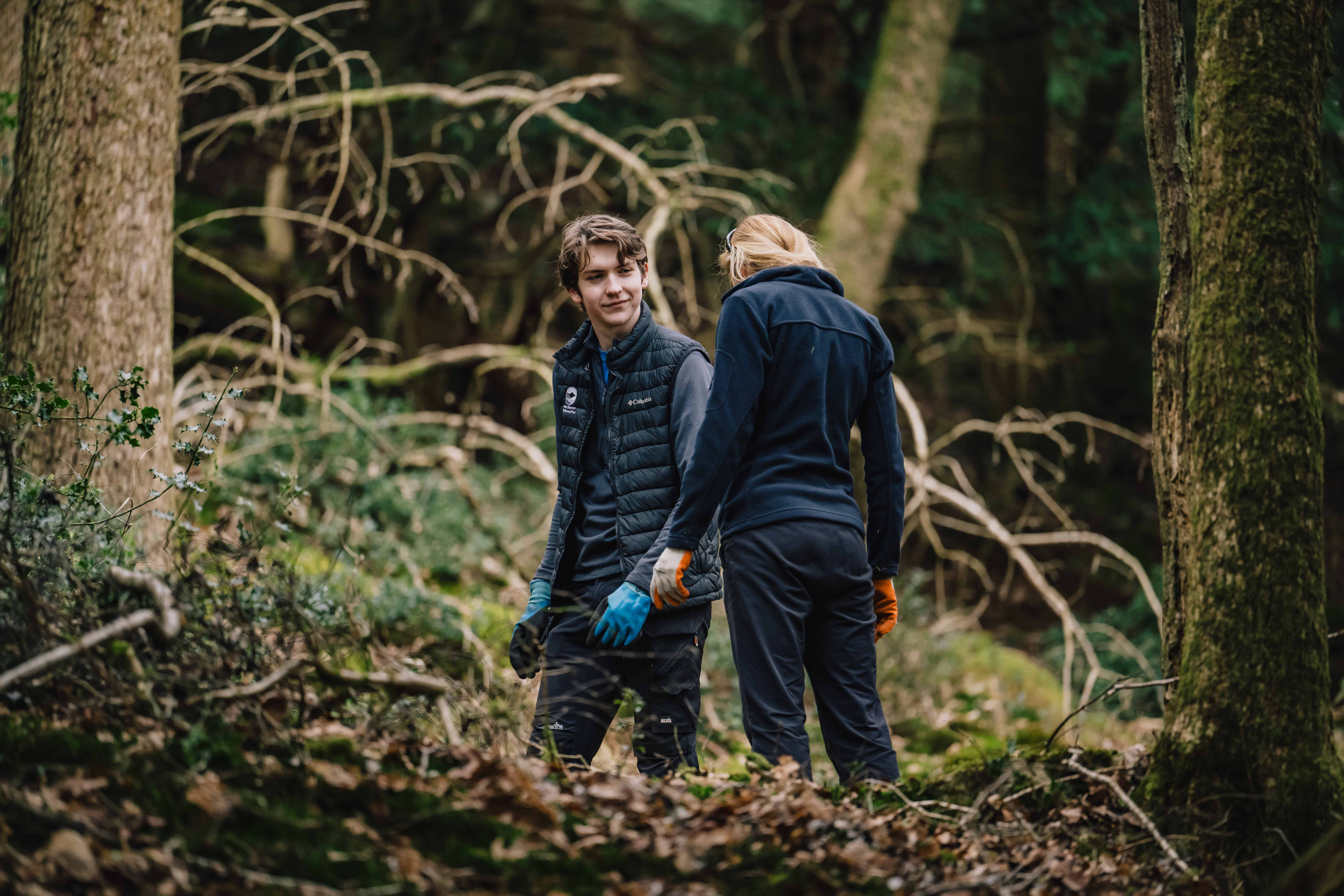
Coppicing – a method of cutting trees to encourage regrowth – provided timber, bark and charcoal for everything from ironworking to rural crafts. These woodlands weren’t wild, untouched forests, they were carefully managed working landscapes, shaped by generations of highly skilled woodland workers.
One of the best surviving examples is Stott Park Bobbin Mill, the last working bobbin mill in England. Using timber from local woods, the mill once produced millions of wooden bobbins for Lancashire’s textile industry.
The Rusland Valley also shows evidence of historic woodland management.
Walk the Greenwood Trails through these woods today and you’re not just enjoying beautiful scenery. You’re stepping through a living record of craftsmanship, industry and careful stewardship.
5. Hill Farming: shaping the landscape
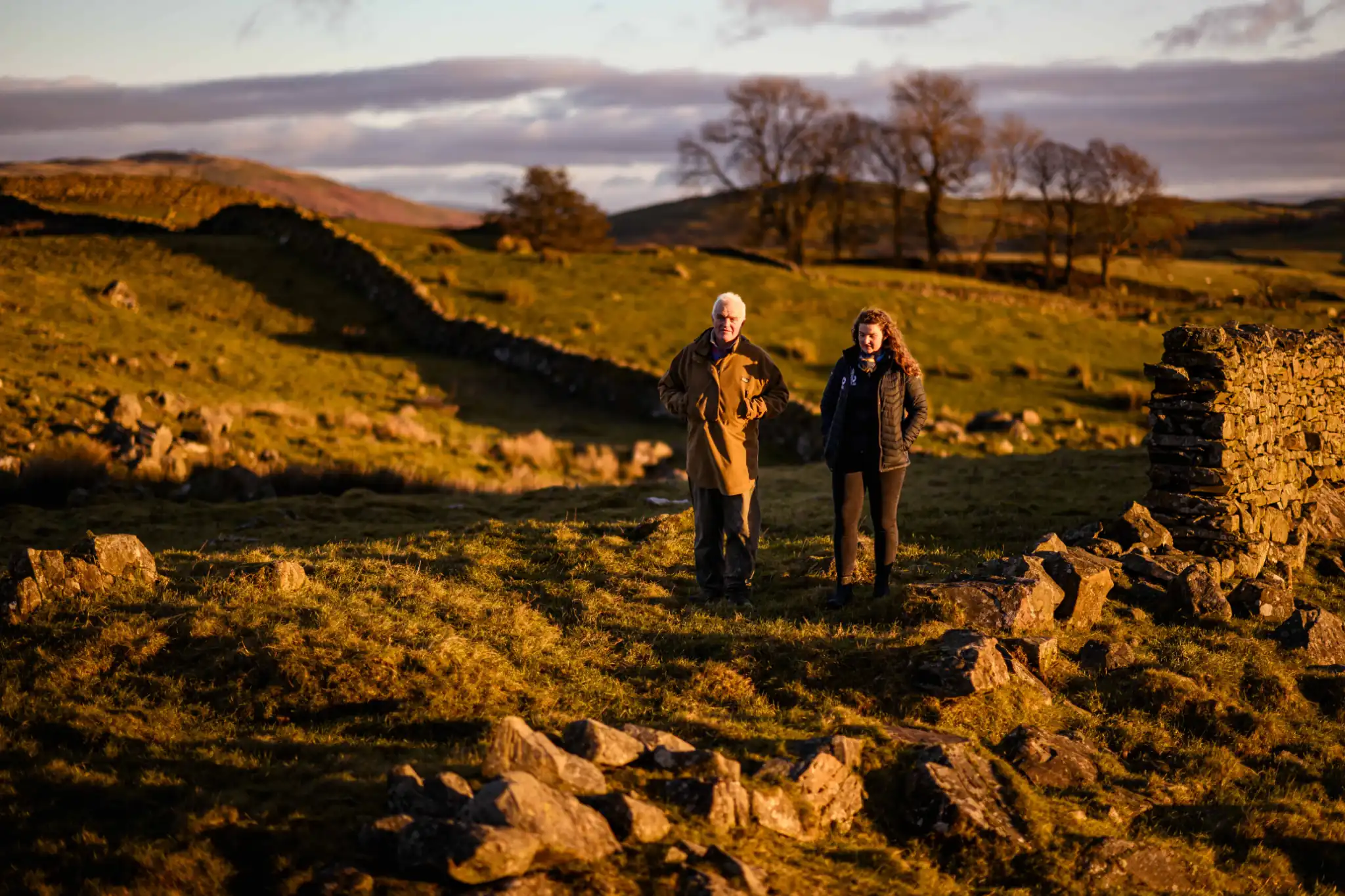
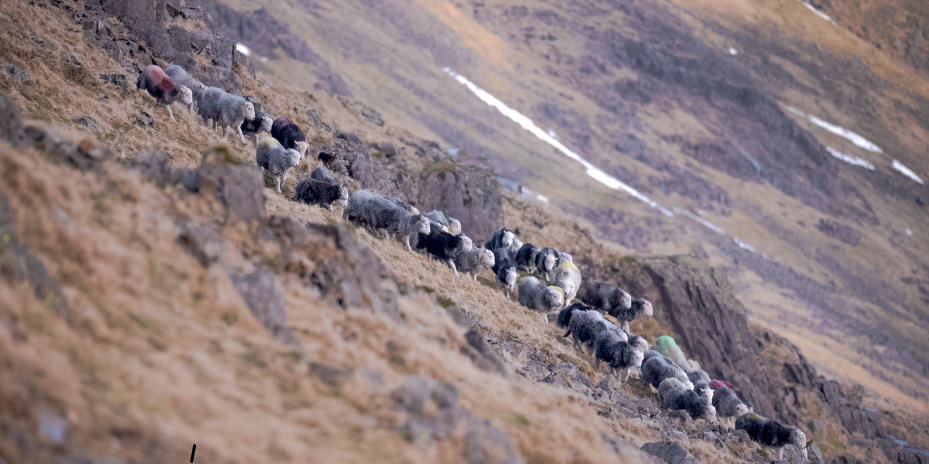
For hundreds of years, farming families have shaped these valleys and uplands through sheep grazing, dry stone walling and traditional land management. Without them, the Lake District simply wouldn’t look the way it does.
The much-loved Herdwick sheep are central to this story. Hardy, independent and well suited to the fells, they’ve roamed these hills for generations.
That iconic patchwork of fields, stone barns and winding walls visitors instantly recognise – that’s farming heritage in action.
Places like Wasdale Head, Borrowdale Valley and Great Langdale still showcase this living cultural landscape beautifully.
And unlike many of the region’s older industries, farming here isn’t preserved behind glass or left as a ruin. It remains an active, working part of everyday Lake District life, exactly the kind of continuing cultural tradition UNESCO recognised in 2017.
You can learn more about modern farming by exploring places like Hill Top or Yew Tree Farm.
6. Weaving and textile traditions: craft in every thread
The Lake District may be best known for mining and farming, but textiles also played an important role in rural life here.
Before large industrial mills dominated the north of England, cloth production often happened in cottages and small workshops scattered across Lakeland villages.
Families combined farming with spinning, weaving and lace making, especially during the quieter winter months. Wool from local sheep was cleaned, spun and woven into hard-wearing cloth for both local use and wider trade.
These crafts helped connect remote communities to broader textile markets across the north of England, while also supporting household incomes through long Lakeland winters, while reminding us that industry in the Lake District wasn’t always noisy or dramatic. Sometimes it happened quietly by firelight, thread by thread.
Today, visitors can still discover these creative traditions through collections and exhibitions that celebrate the Lake District’s textile heritage. A wonderful place to explore this story is the Ruskin Museum, where visitors can learn more about the region’s arts and crafts heritage and discover the story of Langdale lace alongside wider exhibitions exploring Lakeland life, industry and creativity.

7. The railways: connecting industry and communities
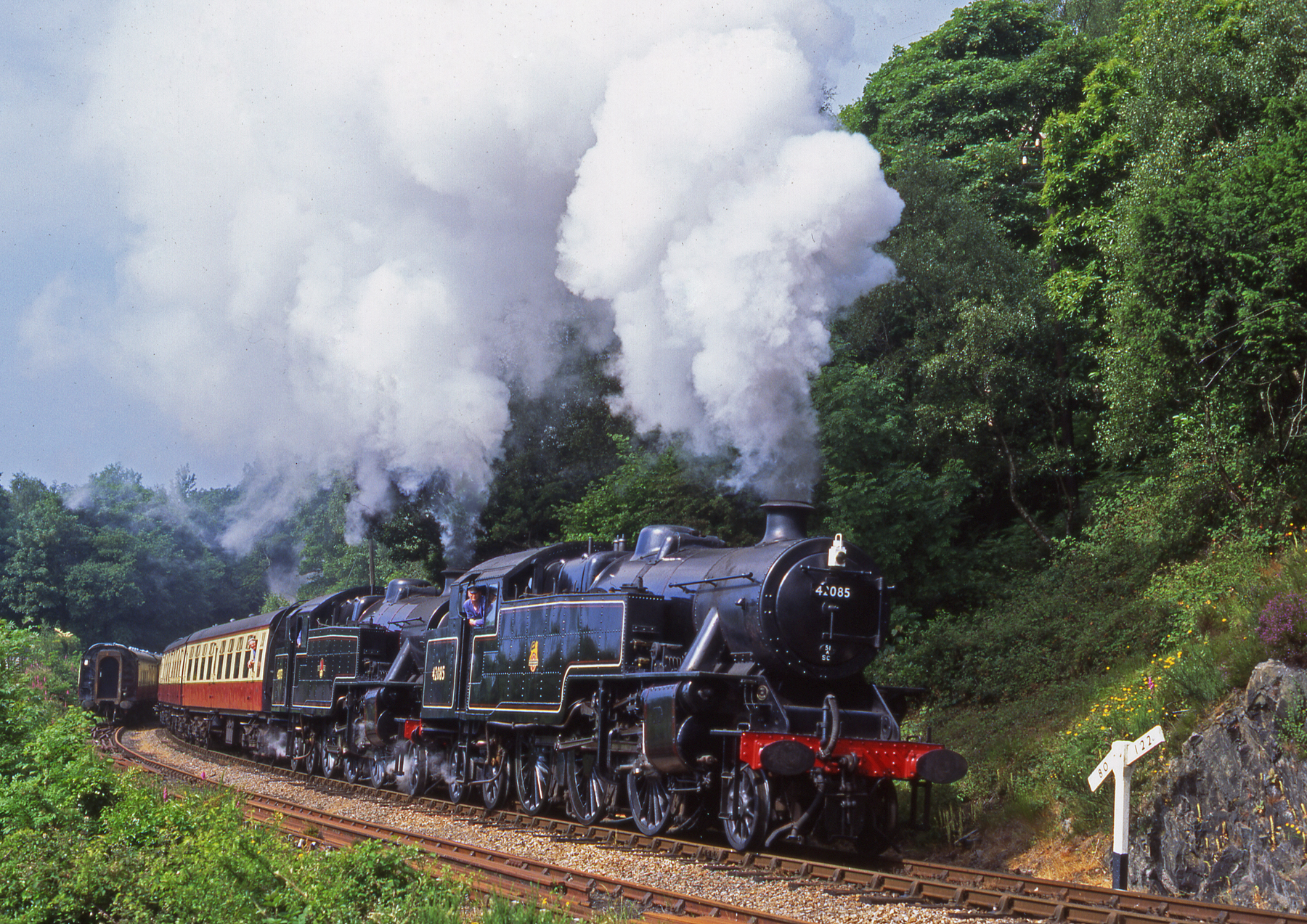
No story of the Lake District’s industrial heritage would be complete without the railways. During the 19th century, expanding rail networks transformed the region, connecting remote valleys, mines, quarries and ports to markets across Britain. Slate, copper, timber and agricultural produce could now travel further and faster than ever before, helping local industries thrive and bringing new opportunities to communities that had previously been relatively isolated.
The arrival of the railway also laid the foundations for tourism in the Lake District, allowing visitors to experience its landscapes on an unprecedented scale. Today, heritage railways offer a wonderful way to step back into this transformative period. The historic Lakeside and Haverthwaite Railway follows part of the old Furness Railway route, while the much-loved Ravenglass and Eskdale Railway, affectionately known as ‘La’al Ratty’, was originally built to transport iron ore from the Eskdale mines to the coast.
Both railways preserve an important chapter of the Lake District’s industrial story and provide memorable journeys through some of the region’s most spectacular scenery
A landscape shaped by people
The Lake District World Heritage Site is far more than a beautiful backdrop for walking boots and camera rolls.
It’s a landscape shaped by generations of ingenuity, resilience and hard work. Quarryworkers carved the fell sides. Miners tunnelled deep beneath the fells. Woodland workers carefully managed forests for fuel and craft. Farming families built the patchwork landscape that still defines the Lake District today.
The launch of the UK Industrial Heritage Trail is a good opportunity to reflect upon these contributions. It reminds us that this landscape is deeply connected to people. Everywhere you look, human history and natural beauty are woven together so tightly they are inseparable.
Perhaps that’s what makes the English Lake District World Heritage Site so special!
More places to explore
If this has sparked your inner industrial archaeologist, there are plenty more places to uncover the Lake District’s World Heritage Site’s working past:
- The Ruskin Museum: excellent for local mining history, Coniston life and Lakeland arts and crafts.
- Brantwood: the former home of John Ruskin, full of insight into art, industry and social reform.
- Lakeland Visitor Centre: a brilliant starting point for exploring the wider cultural landscape.
- Blackwell: a stunning Arts and Crafts house celebrating design and craftsmanship.
- Force Crag Mine: England’s last working metal mine, now preserved as a fascinating industrial site.
Contact the English Lake District World Heritage Site Team at lakeswh@lakedistrict.gov.uk
Georgia Barnes: The English Lake District World Heritage Site Coordinator