
Skip to content
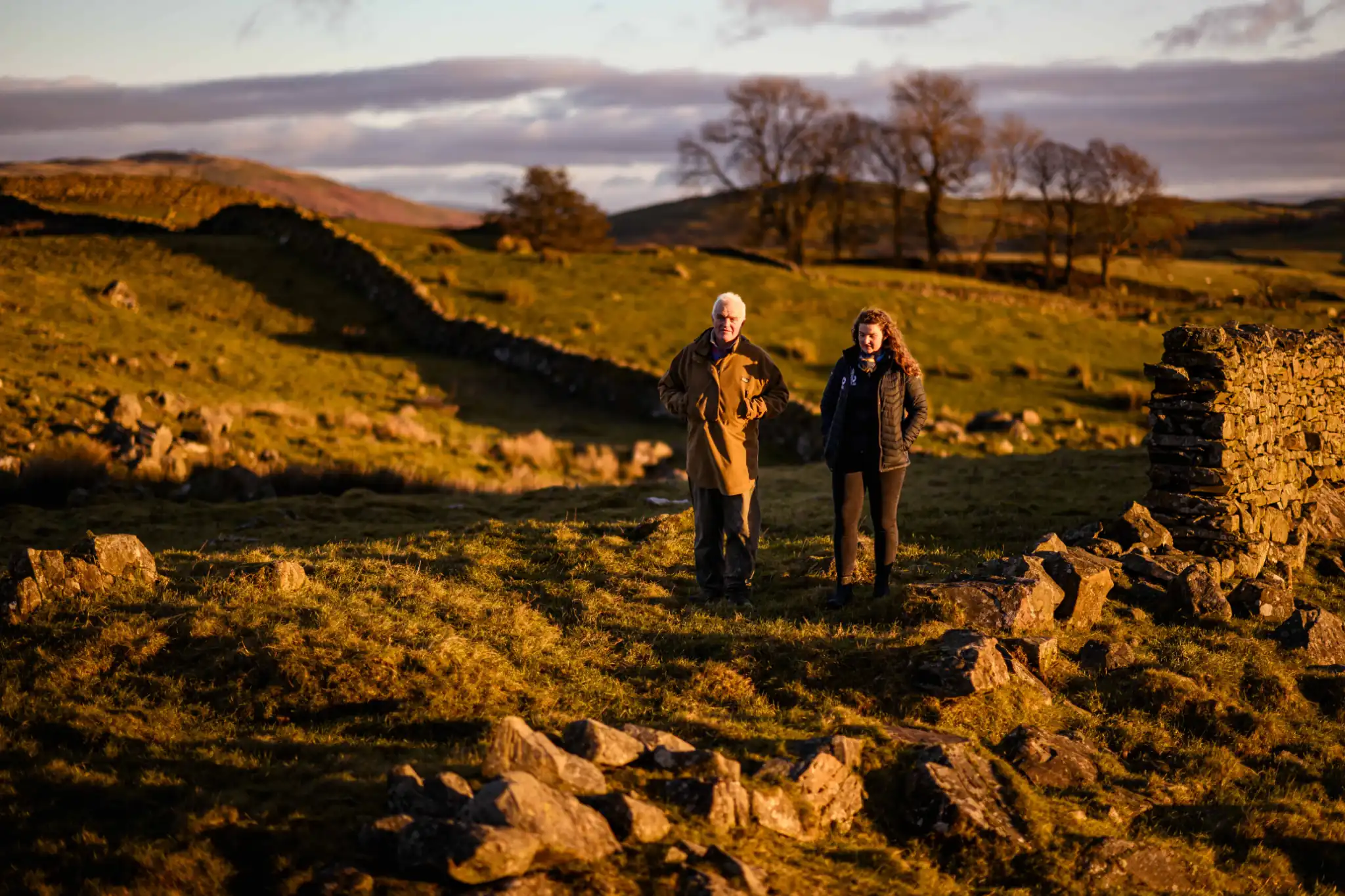
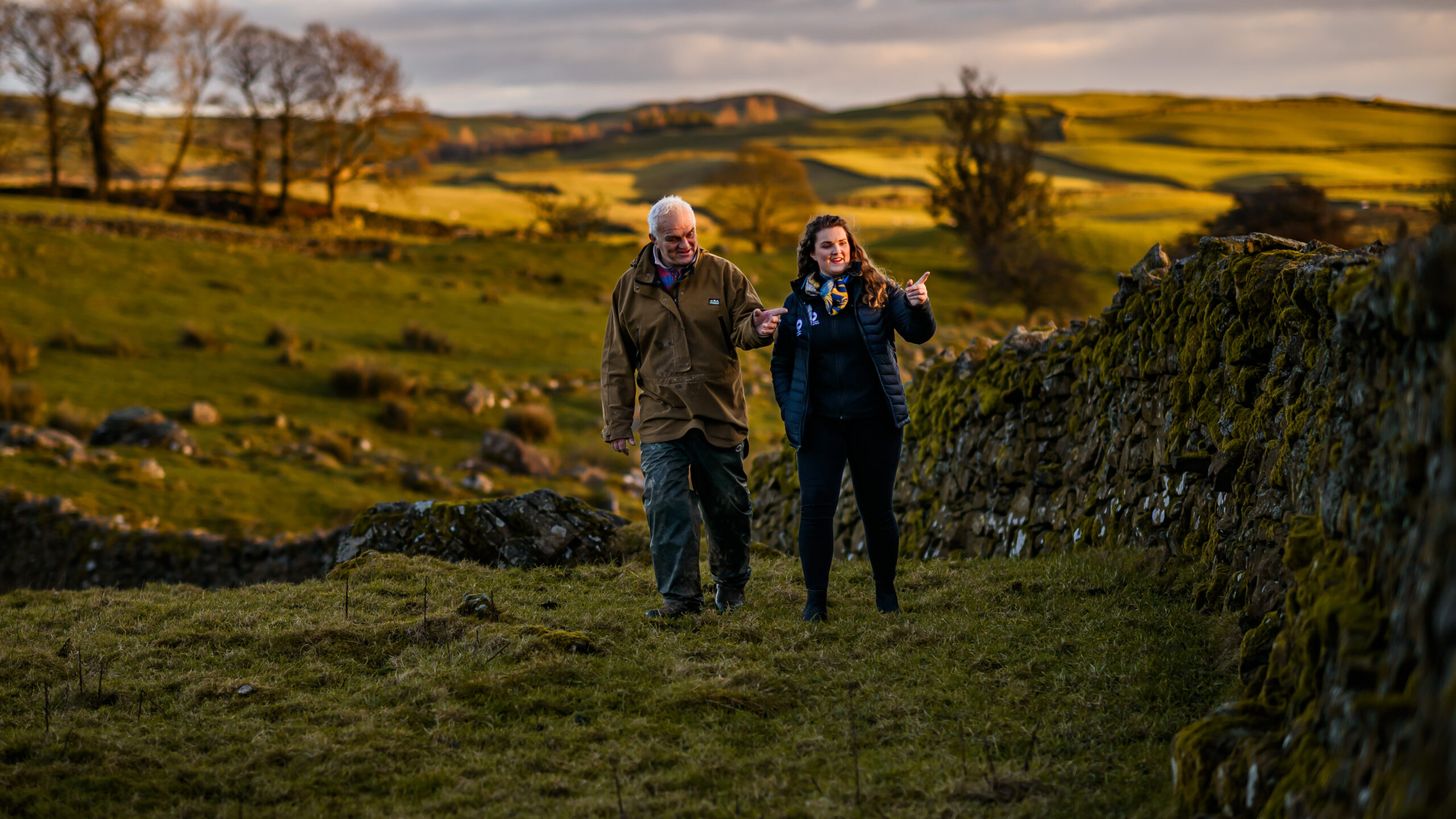
adult male and adult female walking on a grassy path next to a stone wall in a countryside setting at sunset

Farming in Protected Landscapes

Home Protect Farming Farming in Protected Landscapes

Grant funding for farmers and landowners

We’re delighted to confirm that the Farming in Protected Landscapes programme has been extended for a further three years, running from 1 April 2026 to 31 March 2029.

Our Expression of Interest form is live, and we’re keen to hear about your potential projects.

Deadline dates for Local Assessment Panels

For grant requests of £10,000 or above, applications must meet the deadlines set for each Local Assessment Panel (LAP). These deadlines are based on the expectation that you have already been in touch with a FiPL officer to discuss your project.

The dates for the 2026/27 FiPL project LAPs have not yet been confirmed. This page will be updated with application deadline dates once they are organised.


Year 5 priorities

All projects need to be relevant to at least one of the Defra FiPL themes of nature, climate, people and place, see the GOV.UK webpage for getting FiPL funding. In addition, to be able to receive FiPL grant funding you will need to demonstrate that your project contributes towards the Lake District National Park’s priorities. For more information on our priorities see our current management plan: Partnership’s Management Plan 2020-2026. Please note our next Partnership Plan is under development and will be published later in 2026 so you may need to check back before submitting your application form to make sure you’re referring to our most recently published priorities.

We encourage you to get in touch and talk to the team so we can help you to shape your application to achieve greatest benefits for you and the Park.

Please note, single year projects must be able to be fully delivered and paid for by 31 March 2026.

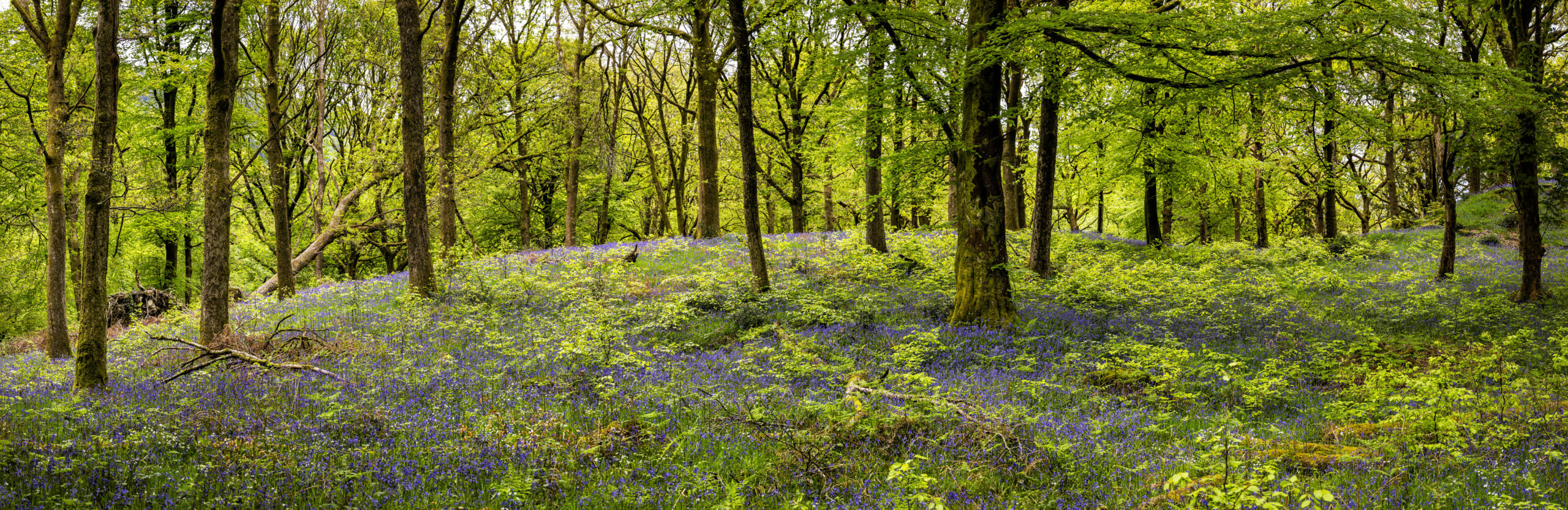
Woodland floor close up of new tree life

Nature

  • Projects in the Windermere catchment, Coniston catchment or the priority river catchments of Kent, Ehen, Eden, and Derwent that inform, and/or deliver on-farm water quality improvements or water slowing and storing interventions to reduce run-off.
  • Habitat surveys for farm holdings, where these will support the achievement of FiPL outcomes.
  • Management of habitats for invertebrates, birds or other priority species highlighted in the Lake District’s Nature Recovery Delivery Plan (PDF) (page 12), such as red squirrel and otters.
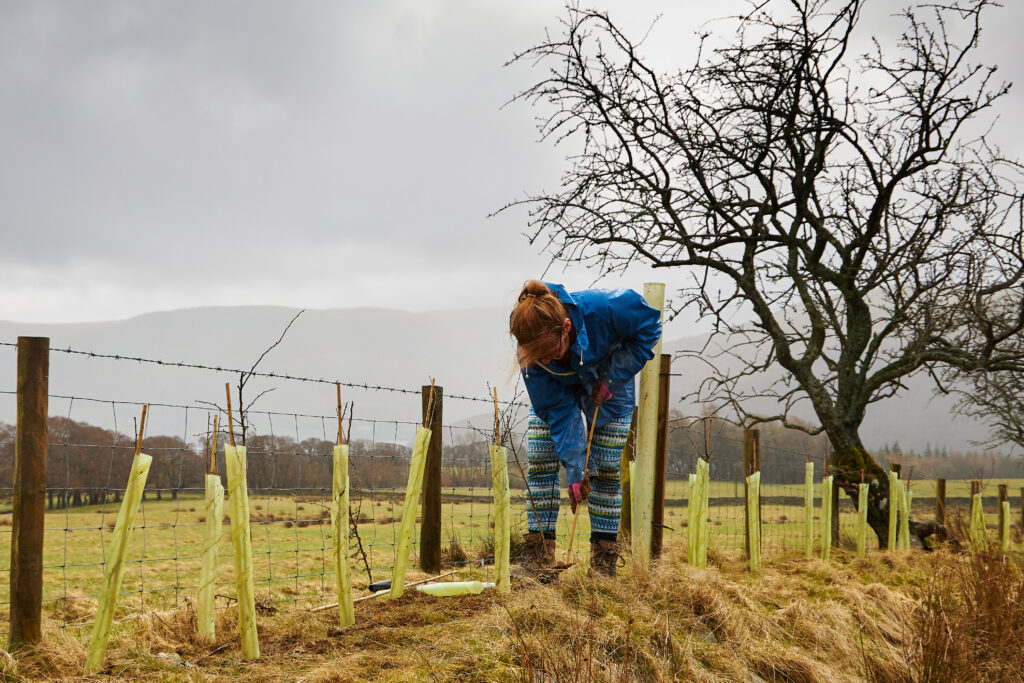
  • Small scale projects to enhance, restore and create habitat that are of priority in the National Park – see Annex 1 of the Lake District’s Nature Recovery Delivery Plan (PDF) – for example ponds and scrapes, species rich hay meadows, woodland edge and regenerative scrub, and creation of wildlife refuges such as Sandmartin holes.
Nature Recovery Delivery Plan (PDF)
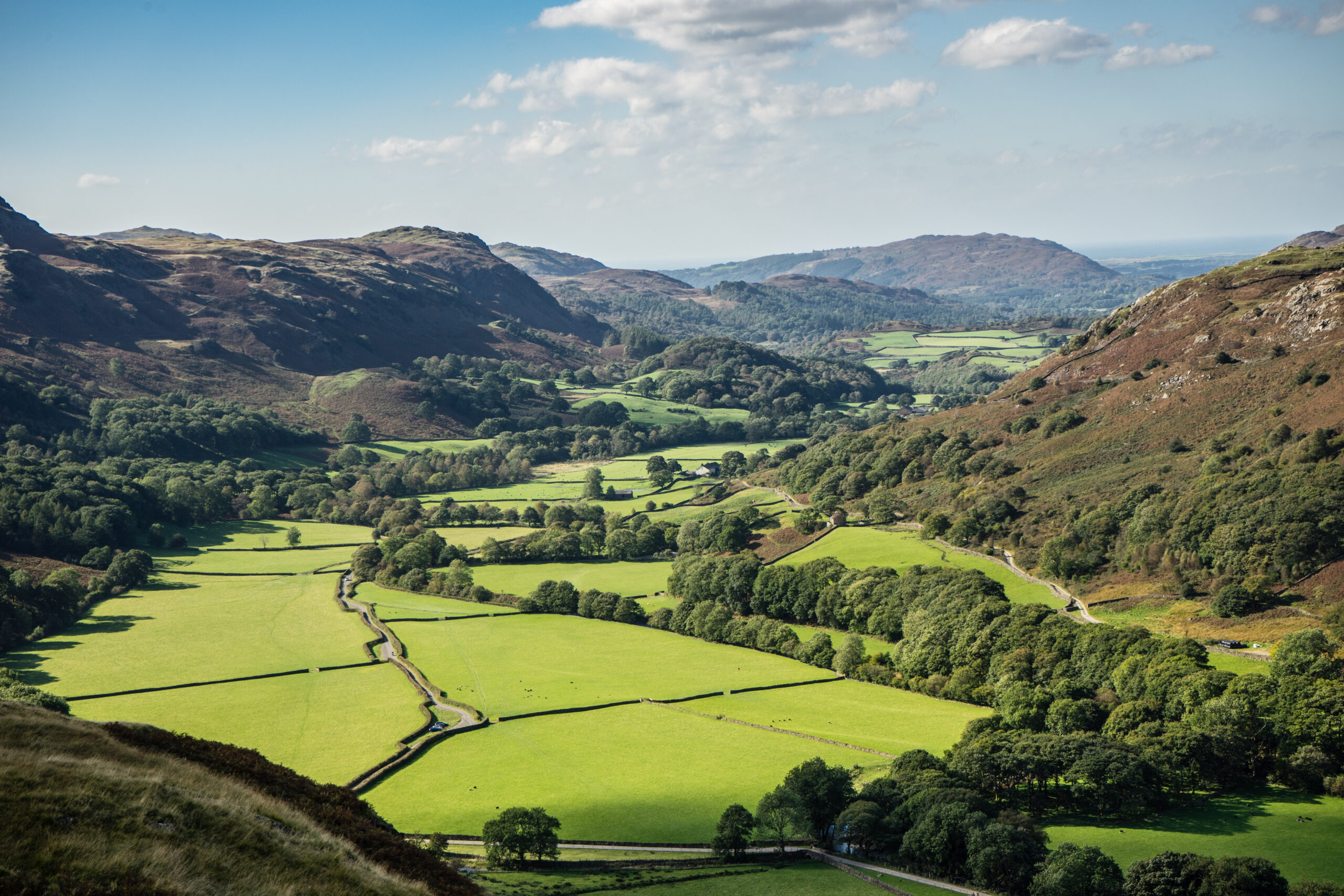
view of river, river back and distant woodland hills with tall grass in foreground

Climate

Delivery of climate resilience initiatives, for example rainwater harvesting, letting rivers and watercourses re-wiggle or creating features to slow the flow of flood waters such as leaky barriers, buffer strips and bunds.

People

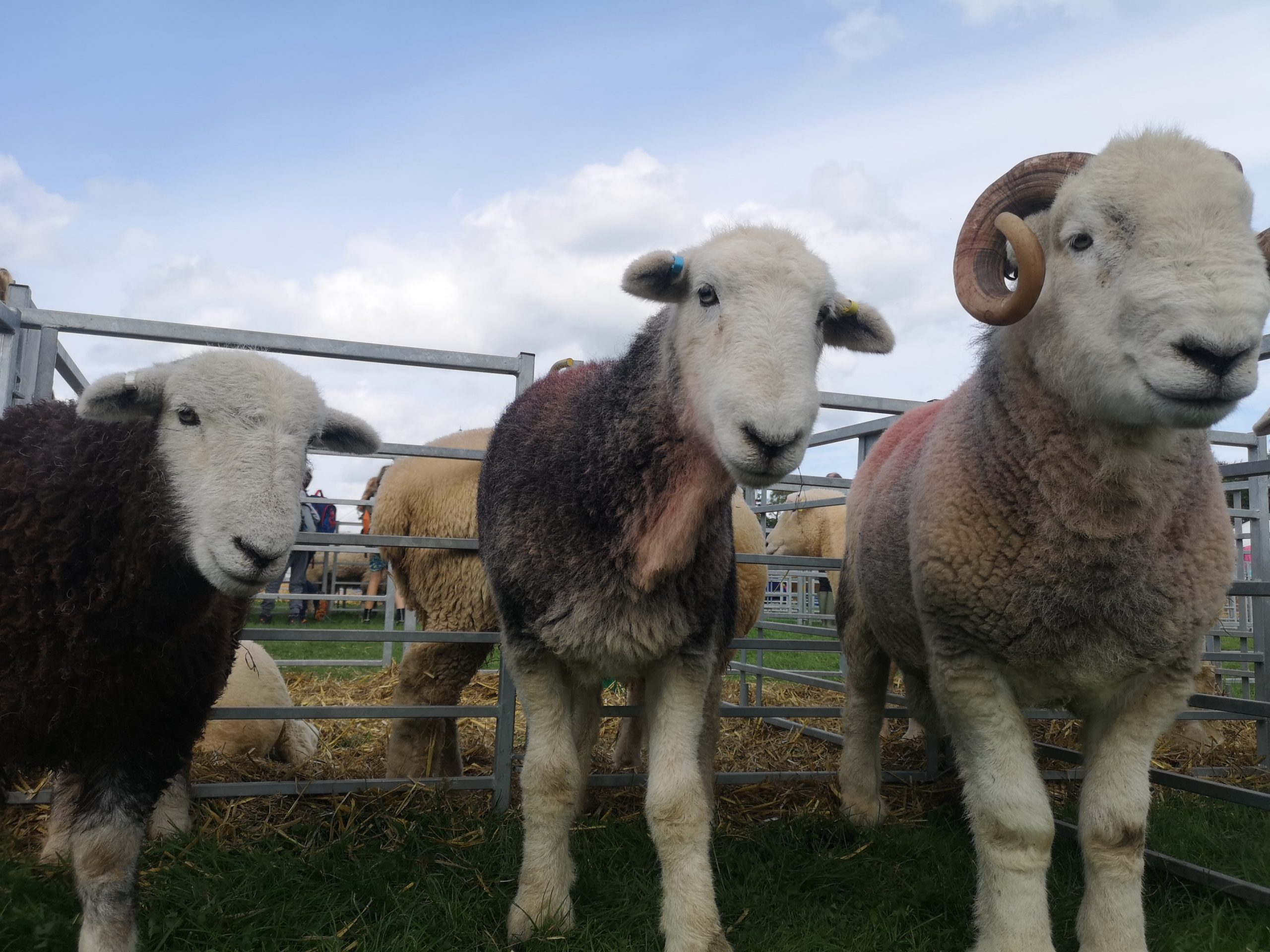
  • Initiatives to secure the long-term future of the traditions and skills of farming and commoning communities, including farming shows and shepherd’s meets.
  • Development of local food and farm product networks and opportunities for farms to access diverse markets. This could include supporting local infrastructure needed and developing skills.
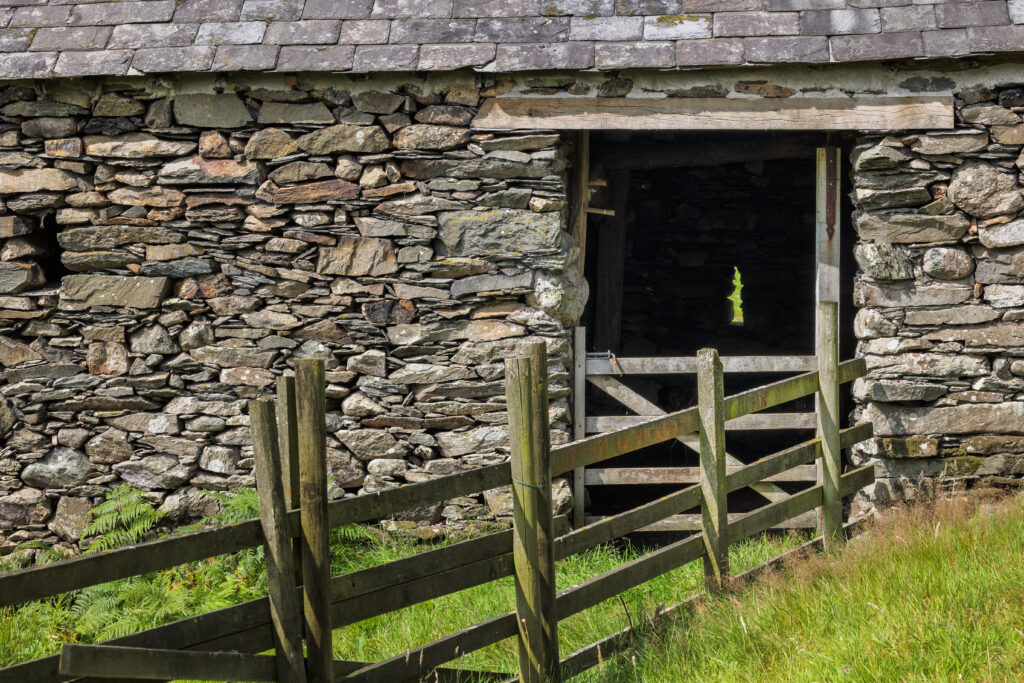
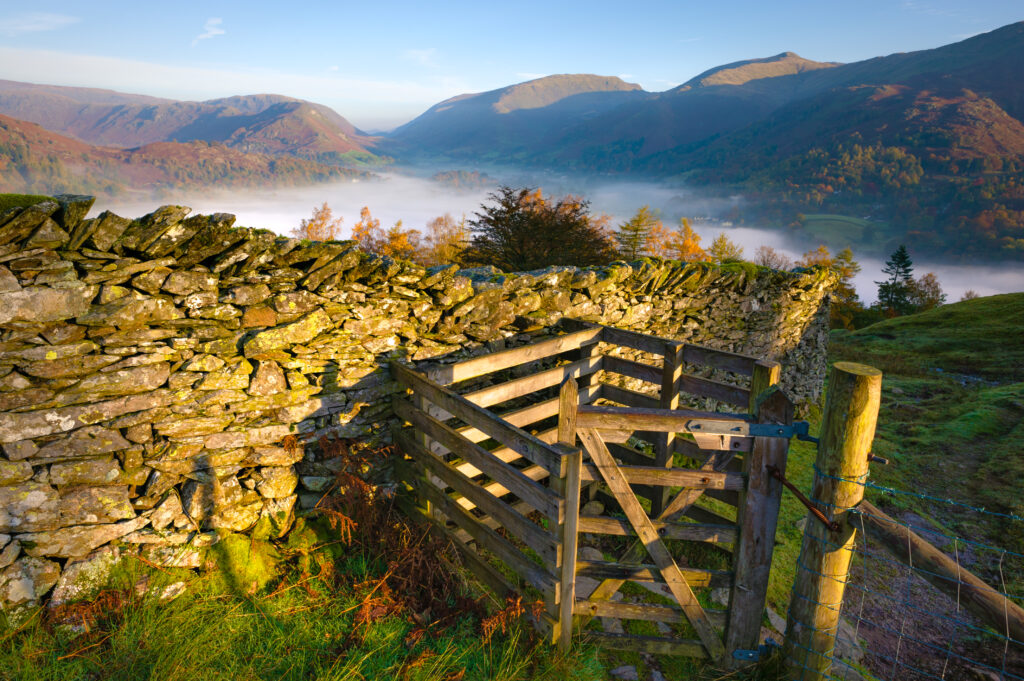
  • Projects to deliver access improvements that help more and different groups of people to access the countryside. These could include replacing stiles with gates on rights of way, creating new paths or upgrading paths to make them more accessible for disabled people.
  • Projects to deliver educational and engagement activities on farm to raise awareness of Lake District farming and encourage responsible enjoyment of the countryside, with a focus on the identified key audiences for the National Park – see outcome 4 of the Lake District National Park Partnership Plan.
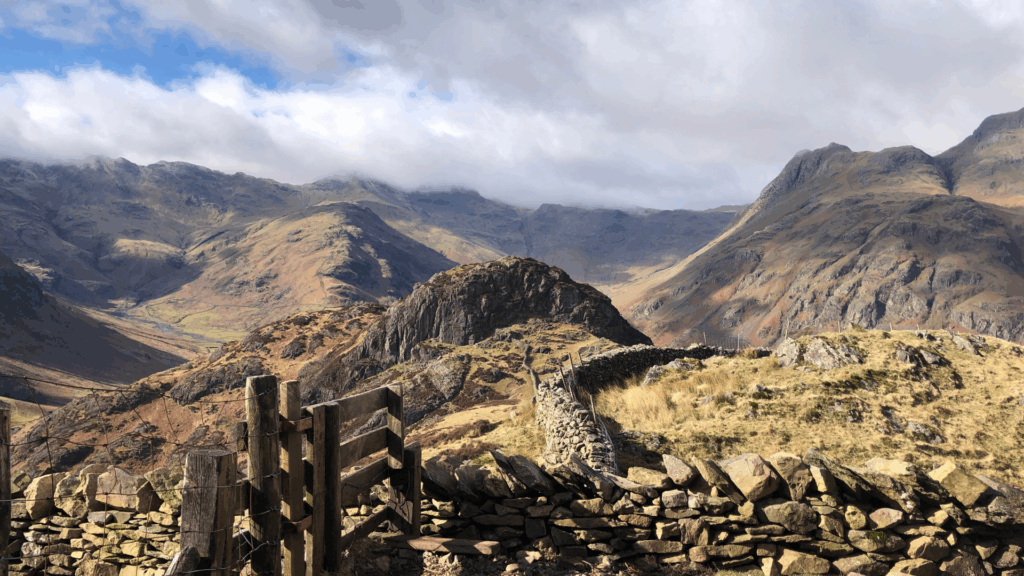
picture of stones in front of a mountain

Place

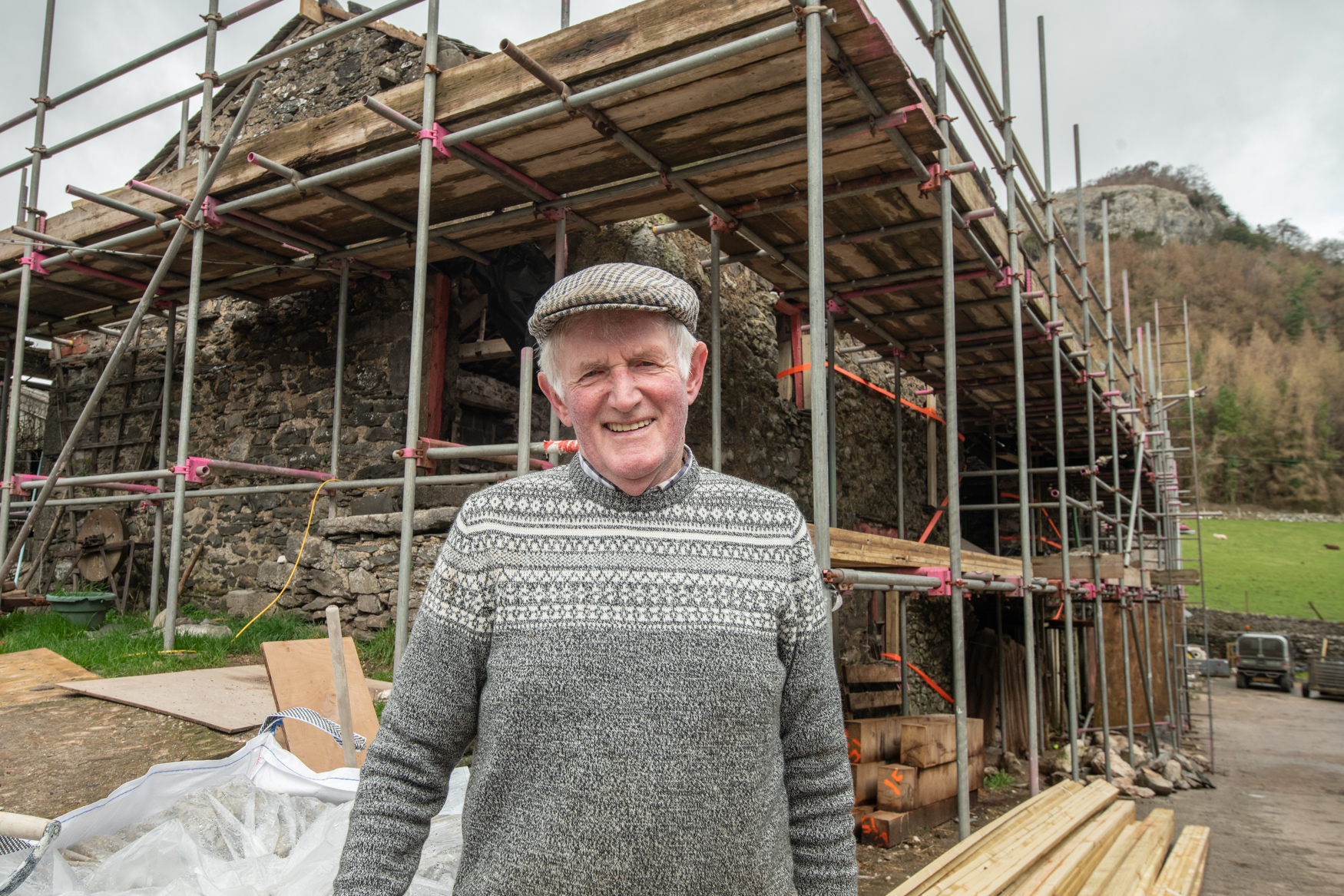
  • Restoration of farm heritage features such as lime kilns, packhorse bridges, sheep folds and washes, pig hulls, hennery piggeries, bee boles, bields and shard fences or other boundary features not covered by Countryside Stewardship capital grants.
  • On-site interpretation (signs, materials etc) of heritage or landscape features to enhance public understanding.
  • Projects building Lake District hill farming business resilience.

What can FiPL grants do?

Farming stories

All farming blogs
Leather from Lake District farms
A busy summer for our Farming Officers
A rainy visit to Keswick Tup Fair
Looking after nature recovery and farming in a protected landscape

How to apply for FiPL funding

1.

Check that your farm is within the Lake District National Park boundary on the interactive map below.

2.

Review the application process, forms and guidance (see links below).

3.

Fill in our enquiry form (below), or email FiPL@lakedistrict.gov.uk with any questions you have about applying.

4.

A member of our FiPL team will be in touch to discuss the next steps.
Application form and guidance

LDNPA FiPL application form (doc)
FiPL application project costs table (xlsx)
FiPL application scoring system (doc)
FiPL application process (pdf)
Guidance for applicants to the FiPL programme (doc)
Applicant checklist (doc)
FiPL privacy notice (pdf)
Funding for farmers in protected landscapes

GOV.UK website

FiPL in the Lake District National Park
Defra logo, lake district national park authority logo and farming in protected landscapes logo