Why is the barn important?
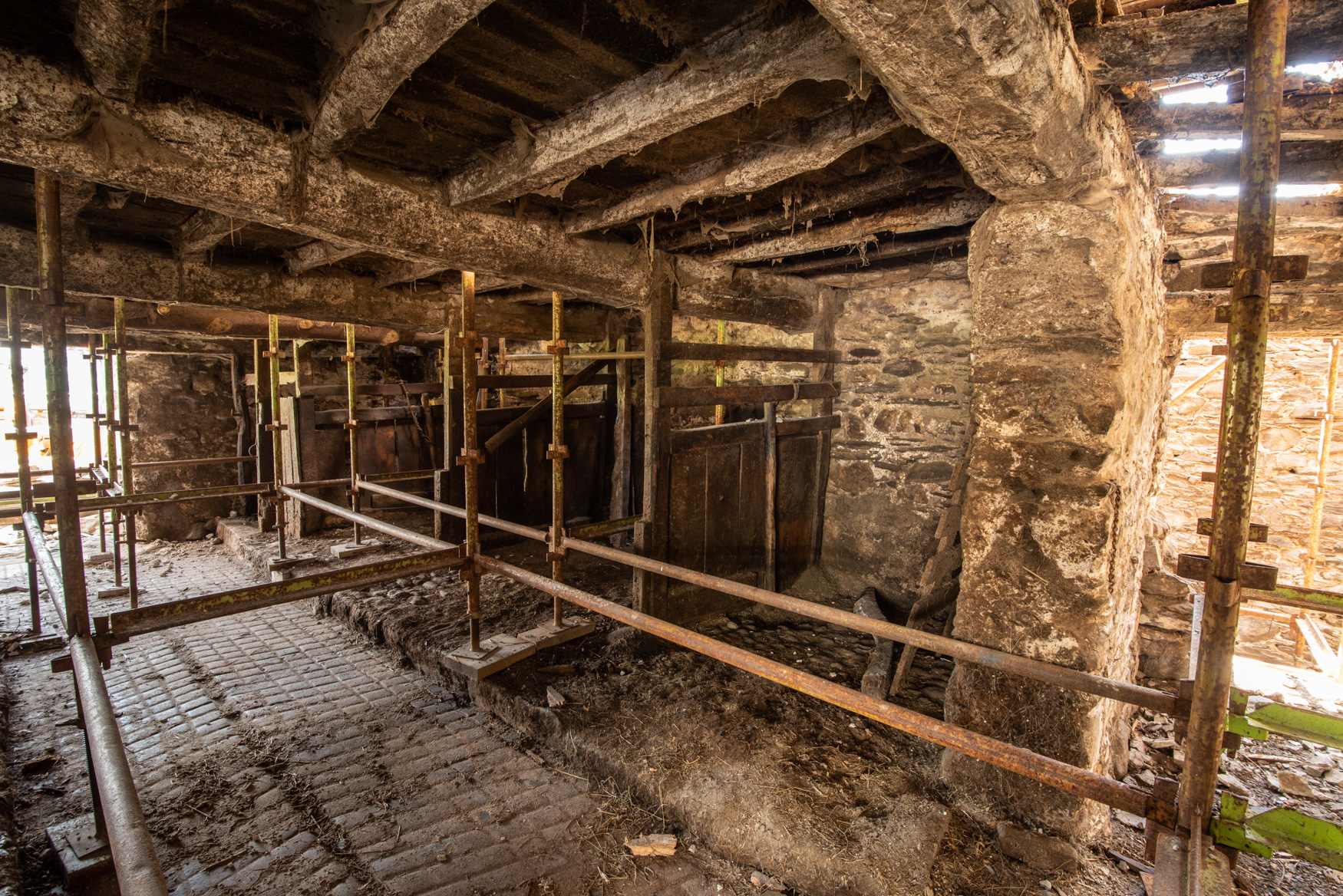
Built in the late 1700s, the barn has solely been used as an agricultural building all this time. It has traditional features and serves a number of purposes.
The family use it for cattle housing, hay storage, stables, kennels and agricultural storage. They fill the barn with hay from our high level stewardship meadows. It’s a low input crop, made close by and without the use of fertiliser, and storing it in the barn means no plastic wrap is need to keep bales dry. As well as continuing a tradition, hay meadows are good for biodiversity.
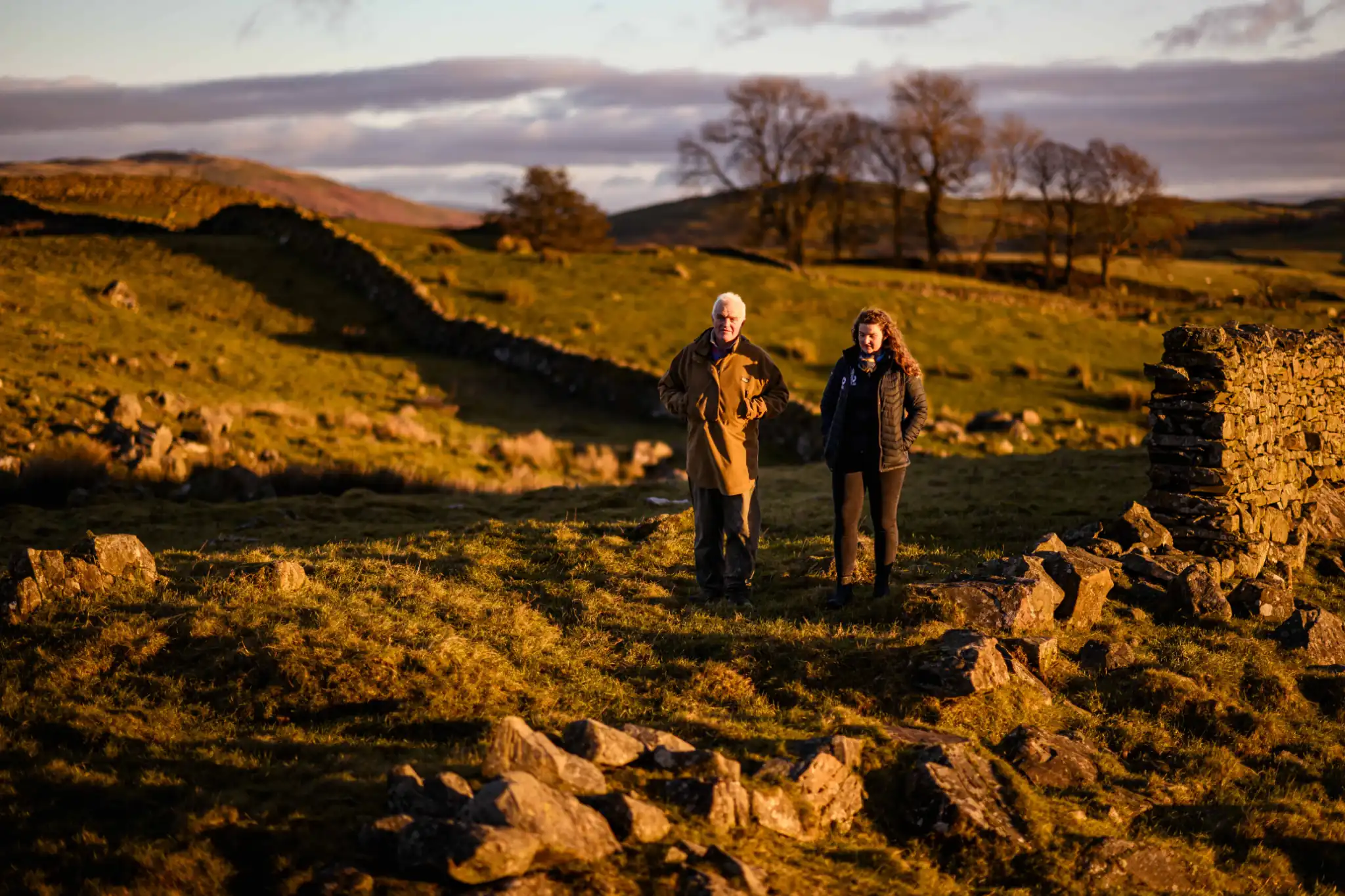
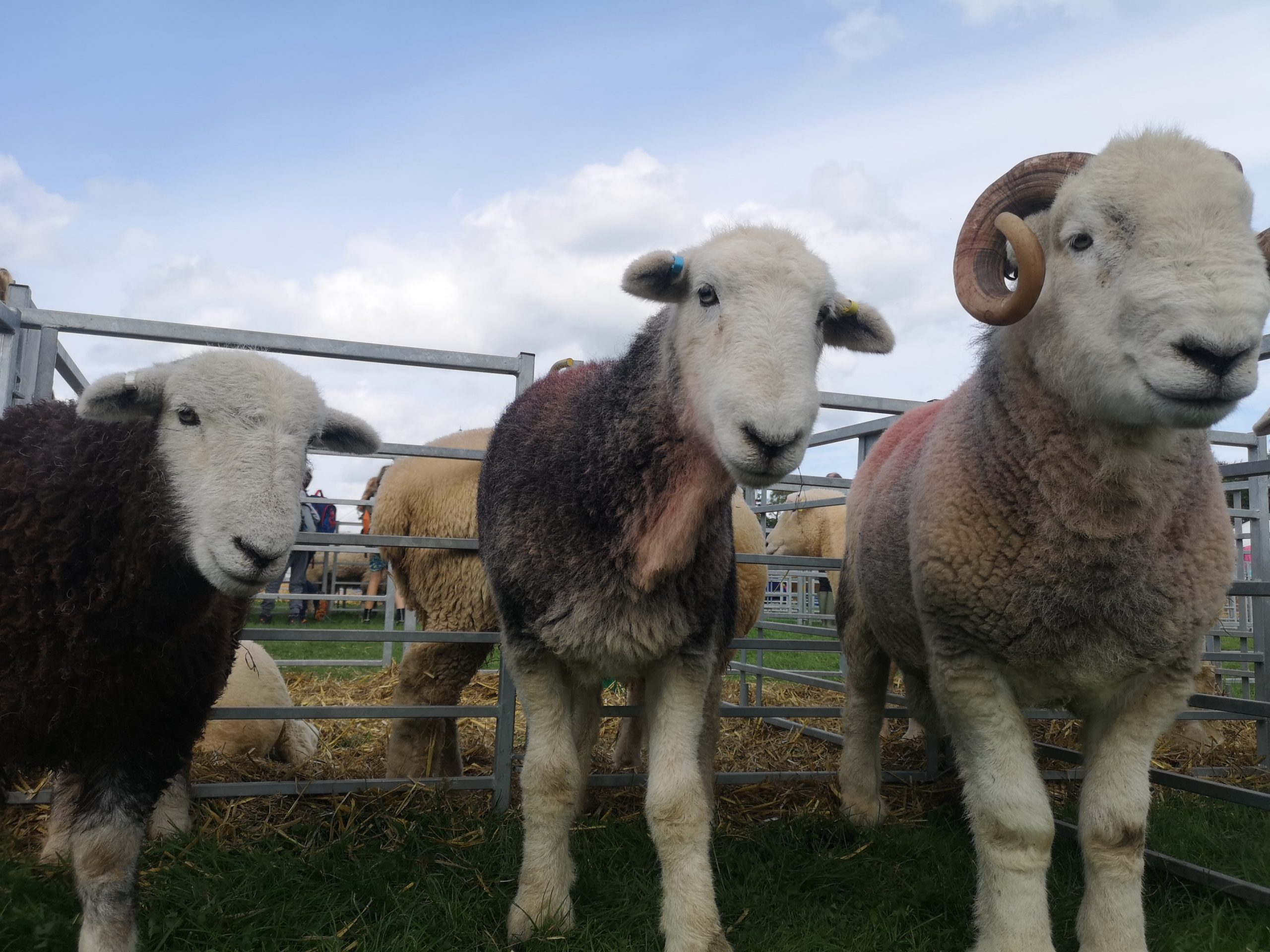
George Birkett is the third generation in his family to farm here, and the project is central to keeping Wescoe Farm going long term. They have two hefted flocks of native breed sheep on Blencathra Common.
Work to the building will mean it will look exactly as it did when it was built. The work will take five to six months, and contractors will be repairing some walls, re-roofing the slate roof and putting in new wooden floors.
Continuing a tradition of farming
Many smaller farms are disappearing and barns are being converted into accommodation for people. Everything about World Heritage Site status for the Lake District is the system of small hill farmers, on small whole farms, staying together. Barns like this one at Wescoe Farm are key to the limited way of farming here, with the sheep coming on and off the fell at key points in the year.
“I would say unlike other funding applications this one is straightforward. Anyone thinking of a FiPL grant should definitely get in touch with the LDNPA, as the support and guidance was excellent.”