
How to speak Lake District – understanding the Cumbrian dialect
Are you planning a trip to the Lake District? Here is a handy guide with words and phrases you may hear when exploring the different valleys. We caught up with Jean from the Lakeland Dialect Society to tell us more about how the Cumbrian dialect is part of our culture and World Heritage Site status.
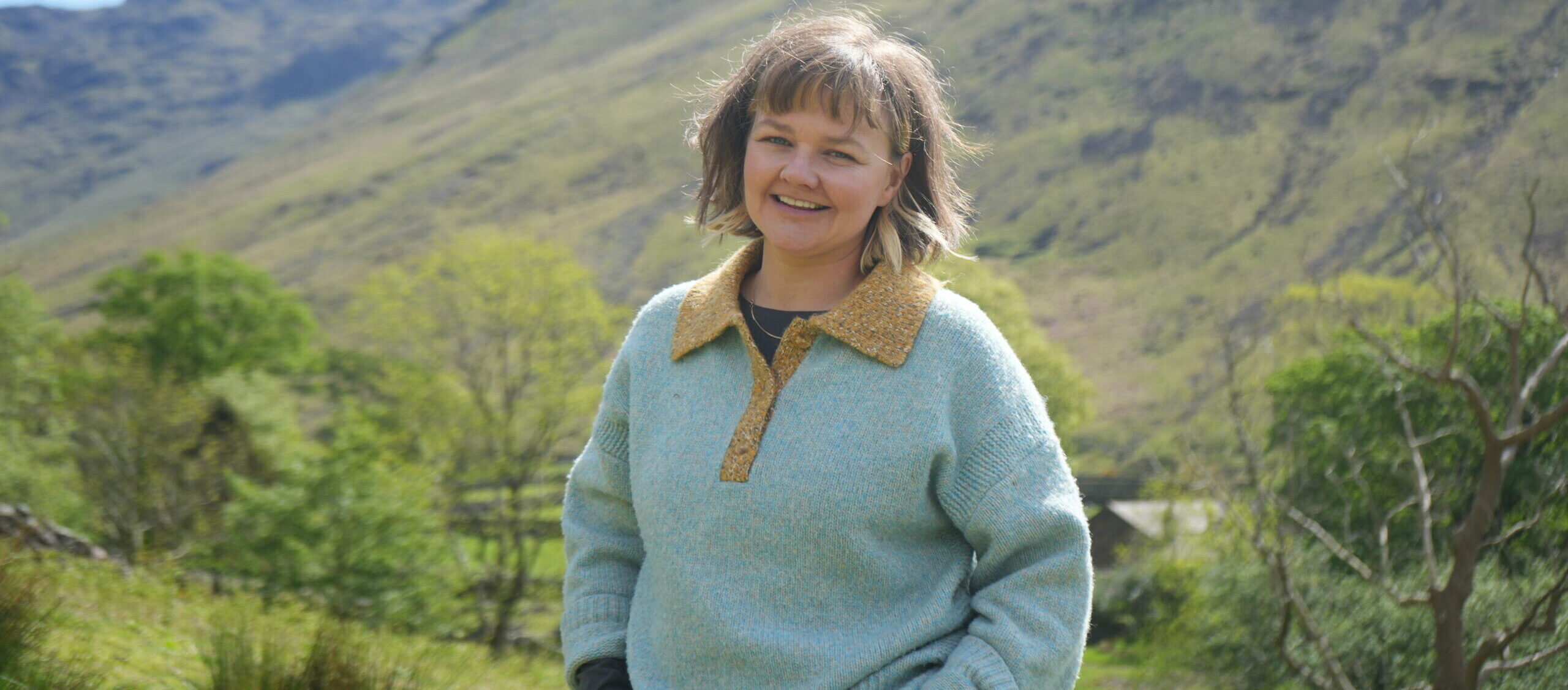
Jean, president of the Lakeland Dialect Society, is Westmorland-born and bred. She is a native of Shap and lives in the house she was born. Jean says that she could call herself bilingual, in school it was discouraged to speak dialect as standard English was taught however, once she got home with her family and friends, they would talk to each other in the Cumbrian dialect.
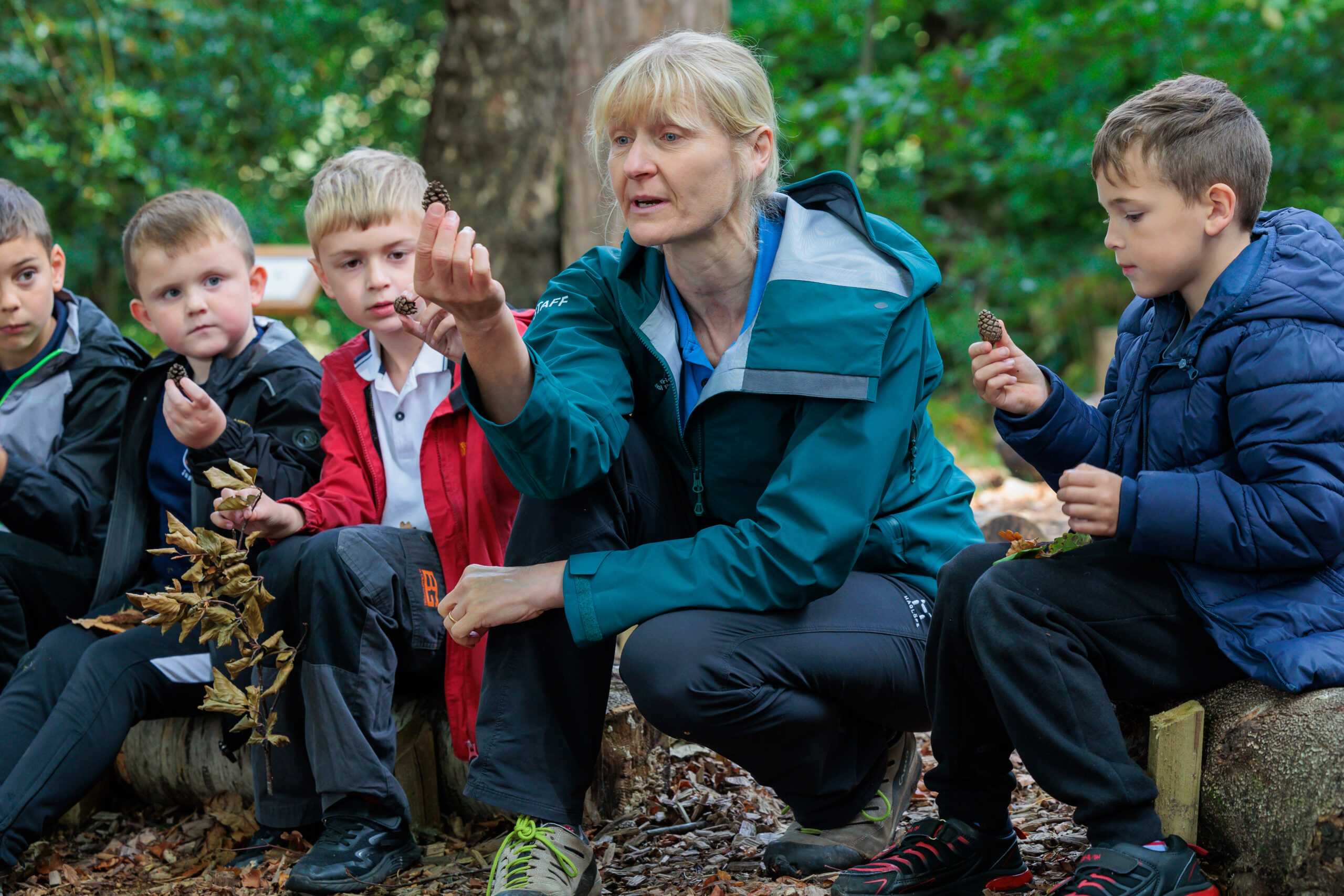
The Lakeland Dialect Society’s aims are to promote, preserve and celebrate the dialect. As part of this, Jean goes into primary and other schools teaching those as young as four about the dialect through pictures and reading familiar children’s stories in the local dialect.
The history of the Cumbrian dialect
Dialect may be defined as a regional variation of a standard language that differs in accent, idiom, pronunciation and words. The Cumbrian dialect was influenced by Celtic and has similarities to the Welsh language, there are also Anglo-Saxon and Old Norse (Icelandic) influences. Old Cumbrian and Old Welsh both belong to the Brythonic Celtic language family. Some Old Cumbrian remains in the modern Cumbrian dialect such as sheep counting, the numbers used are dialect variants of their Old Welsh counterparts:- One: yan
- Two: tyan
- Three: tethera
- Four: methera
- Five: pimp
- Six: sethera
- Seven: lethera
- Eight: hovera
- Nine: dovera
- Ten: dick
- tarn (small lake)
- dale (valley)
- fell (hill)
- beck (stream)
- keld (spring).
Glossary of Lake District words and phrases
Bait/Bate/n. Sandwiches (food carried to work) Barn/Bairn – child Beck - (bekkr) a Stream Claggy – misty, overcast Clarty - sticky - can include anything that sticks to you e.g. Toffee, mud etc. Dyke - Hedge Dook/v. swim. Its gae het tedae. Ah’s gaan dooken. Since it is quite hot today. I shall go for a swim. Force/n Waterfall as in Aira Force from Foss Icel. For a waterfall Laik/v. play -- Dusta want t' cum and laik wid us.? Do you wish play with us? Marra/n. Chum, mate. Friend one of a matching pair. Netty - toilet Nithered/adj Cold and frozen Scran - food Thrang/adj Busy. Ahs bin gaely thrang tedae. I have been very busy today. Yam/n Home For more words and phrases visit the Lakeland Dialect Society glossary.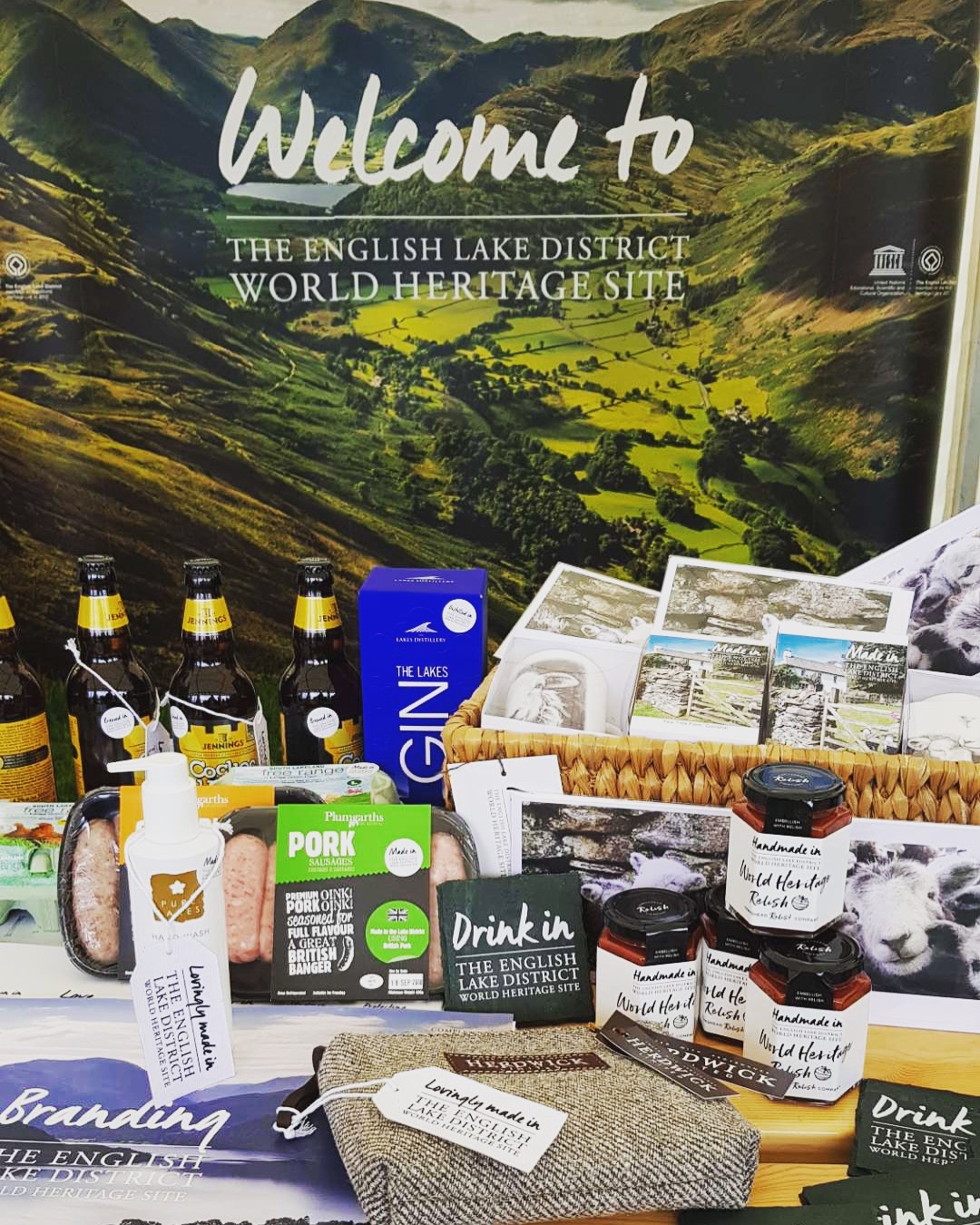
-
Celebrate our World Heritage Site status
To promote wider awareness of the Lake District's World Heritage status, we've produced an extensive Brand Toolkit which is available to businesses and other organisations operating within the World Heritage Site.