
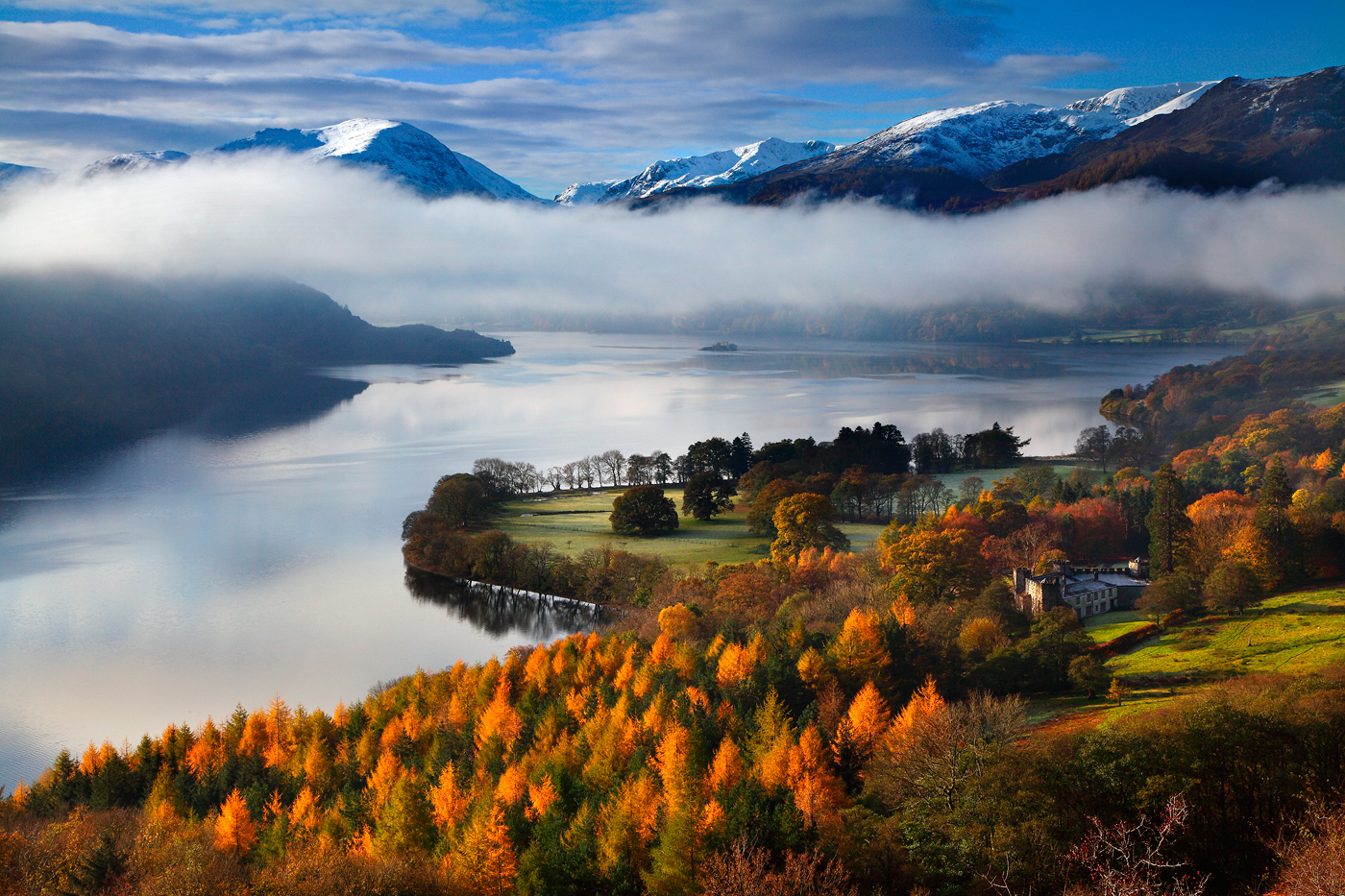
Celebrating eight years as a World Heritage Site
The Lake District National Park has now held the status of UNESCO World Heritage Site for eight years and today marks the anniversary of its inscription on July 9, 2017.
What is a World Heritage Site?
The title of World Heritage Site is awarded by UNESCO, which stands for United Nations Educational, Scientific and Cultural Organisation. UNESCO is an organisation “strengthening our shared humanity through the promotion of education, science, culture, and communication”. World Heritage Sites are places across the globe which are recognised as areas of outstanding universal value. These places form part of the common heritage of humankind, and UNESCO’s role is to encourage the identification, protection and preservation of cultural and natural heritage around the world. “Heritage is our legacy from the past, what we live with today, and what we pass on to future generations. Our cultural and natural heritage are both irreplaceable sources of life and inspiration.” - UNESCO This is a list of all World Heritage Sites.Why is the Lake District National Park a World Heritage Site?
The Lake District National Park was awarded the status in 2017 under the category Cultural Landscape. The Lake District National Park was awarded the status for:- Continuity of traditional farming and local industry in a spectacular mountain landscape
- Discovery and appreciation of a rich cultural landscape
- Development of a model for protecting cultural landscape
-
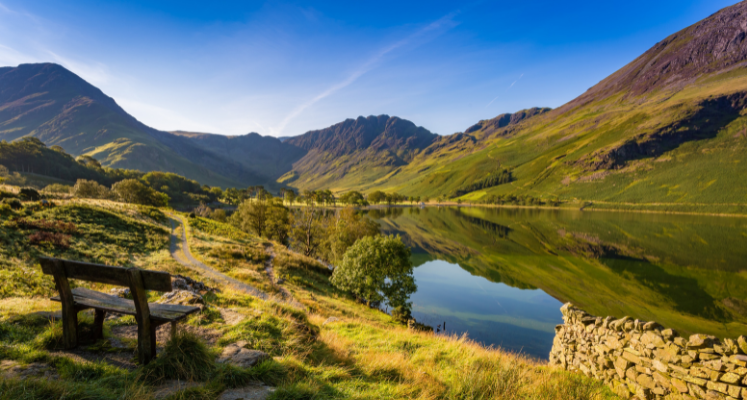
A World Heritage day out in the Lake District Celebrate the English Lake District World Heritage Site by exploring the unique features that gave it a UNESCO World Heritage Site status.
To celebrate the anniversary, we’re spotlighting eight stories to mark each year the Lake District has been a World Heritage Site. Each project below highlights how its heritage and habitats are being conserved and cherished, to maintain the fabric of this breathtaking landscape.
Many of these projects are funded by Farming in Protected Landscapes (FiPL) grants, which you can read more about here.
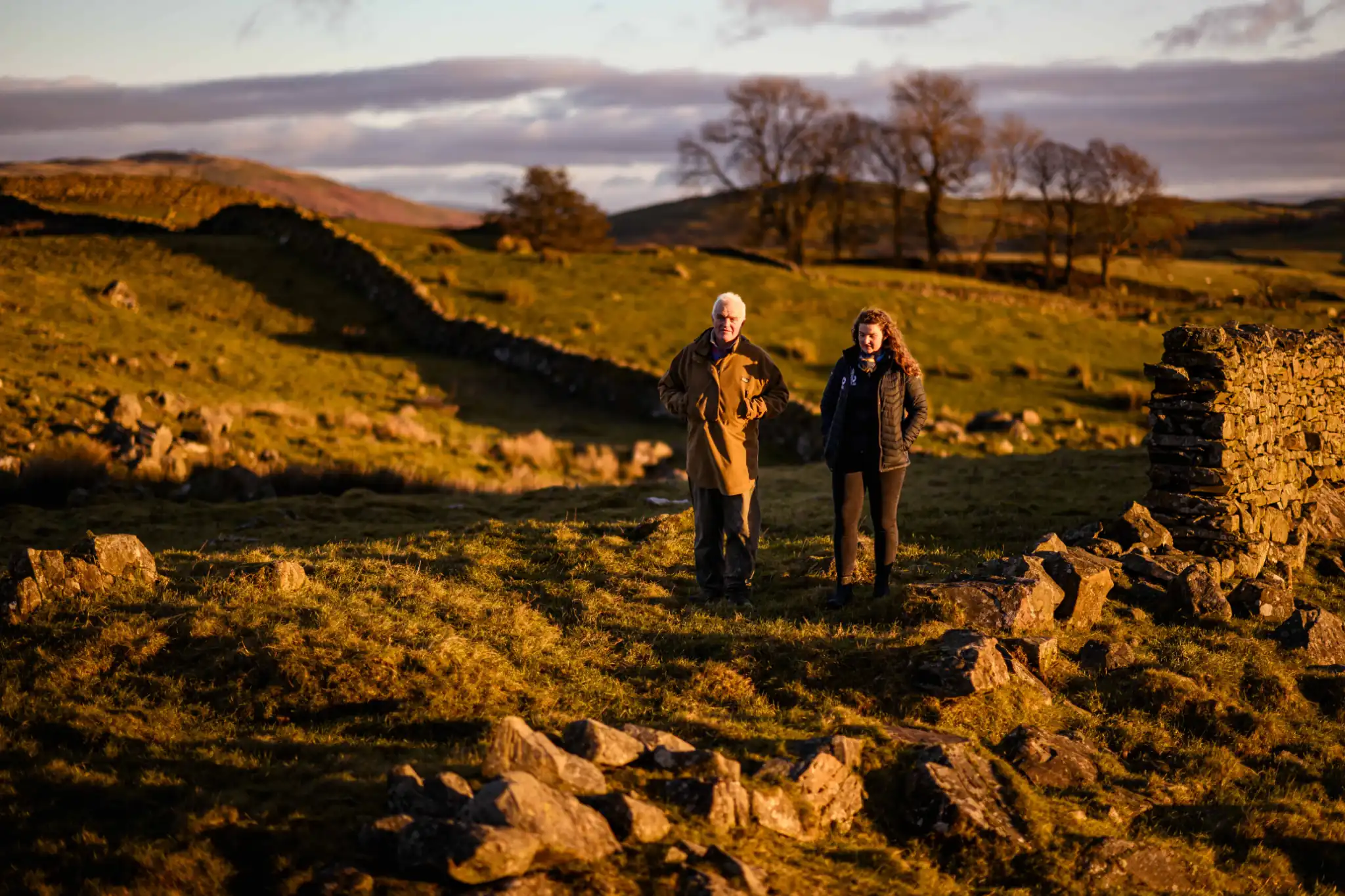
 Tom and Anna Dutson bought Rosgill Hall in 2015. FiPL funding helped them preserve their holistic approach to traditional nature-friendly farming.
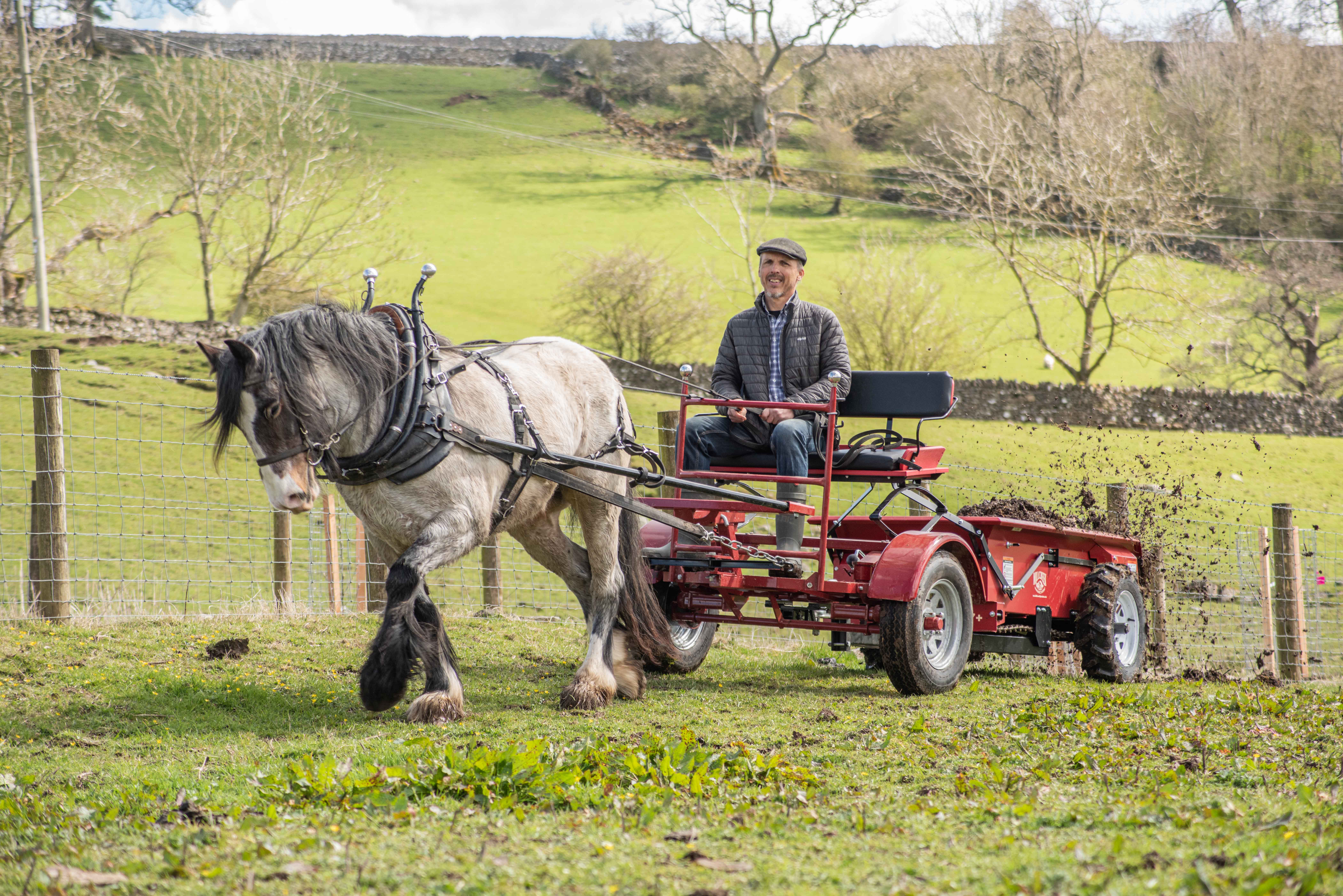
They own native Dales ponies and with a two-wheel hitch cart, use the ponies to manage their hay meadows. By using ponies, they are reducing carbon emissions and soil compaction and playing a part in keeping alive the heritage of working with ponies and horses.
Tom and Anna also:
Tom and Anna Dutson bought Rosgill Hall in 2015. FiPL funding helped them preserve their holistic approach to traditional nature-friendly farming.
They own native Dales ponies and with a two-wheel hitch cart, use the ponies to manage their hay meadows. By using ponies, they are reducing carbon emissions and soil compaction and playing a part in keeping alive the heritage of working with ponies and horses.
Tom and Anna also:
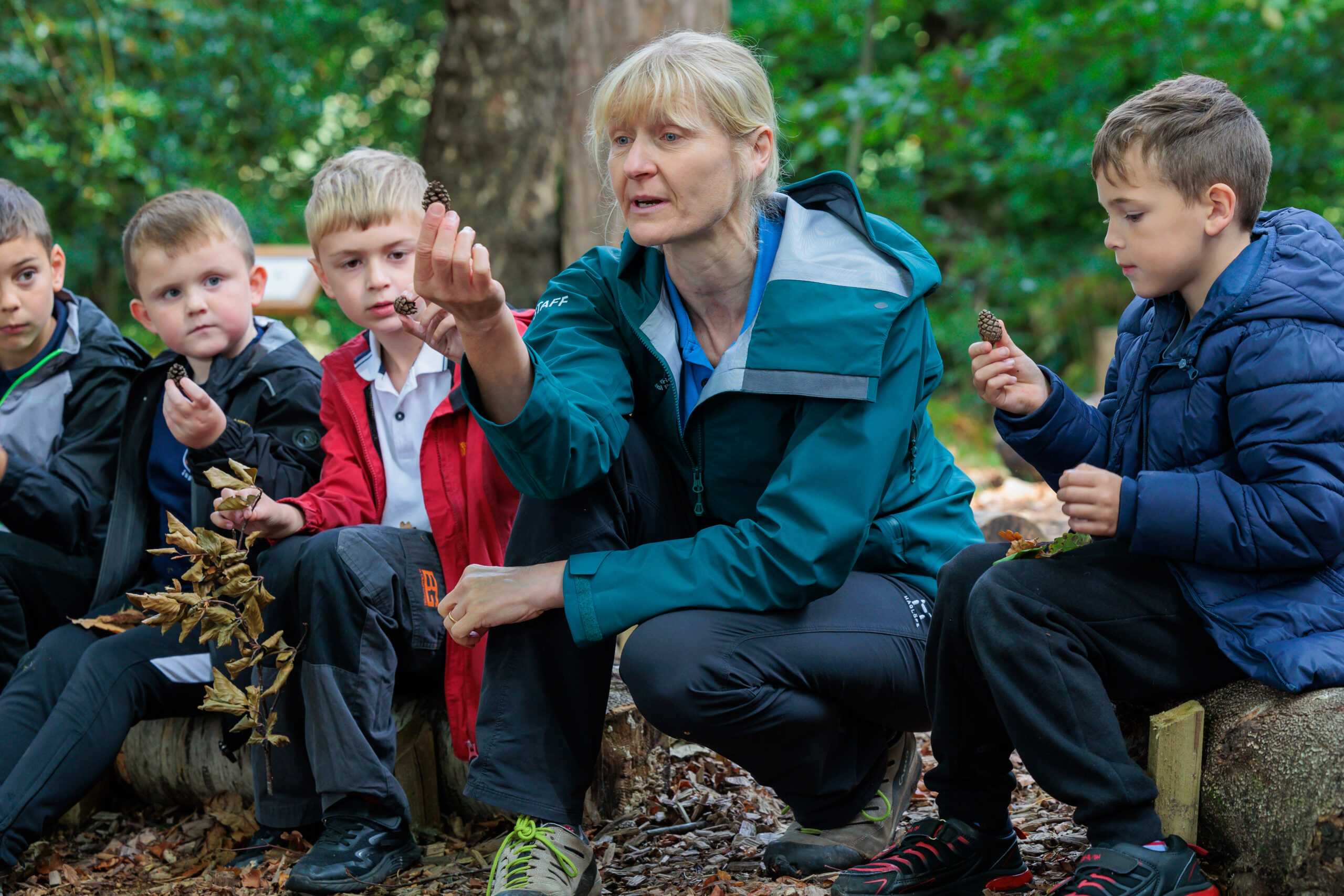
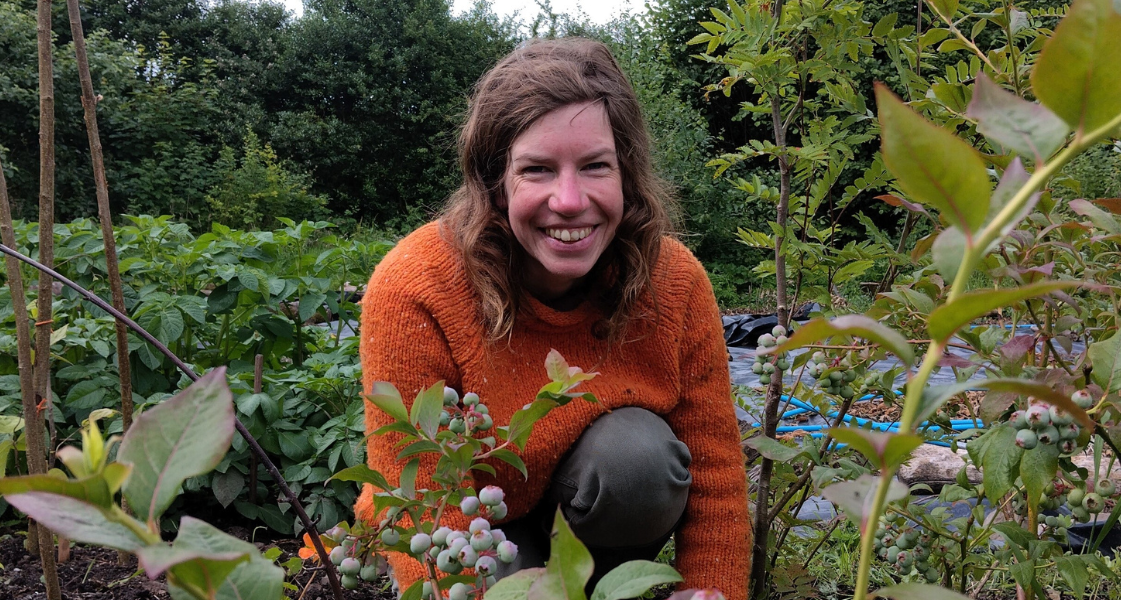 Part of the preservation of our heritage is helping younger generations understand the significance of the Lake District landscape, its communities and the industries which have shaped it.
A project to help farmers connect youngsters with their food origins is doing exactly that, supporting farmers with accreditation, peer networking, and tools to engage schools and community groups. Farmers were able to deliver meaningful experiences to children while developing a new income stream.
Find out more.
Part of the preservation of our heritage is helping younger generations understand the significance of the Lake District landscape, its communities and the industries which have shaped it.
A project to help farmers connect youngsters with their food origins is doing exactly that, supporting farmers with accreditation, peer networking, and tools to engage schools and community groups. Farmers were able to deliver meaningful experiences to children while developing a new income stream.
Find out more.
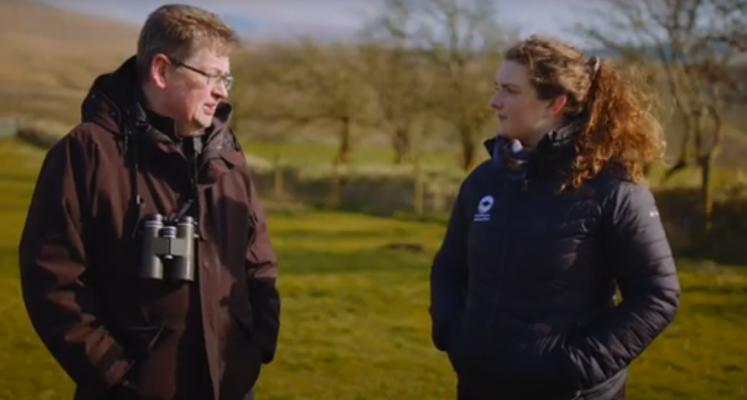 The much-loved Lake District has been shaped by its traditional farming practices, which have been developed over thousands of years.
The West Lakes CiC helps ensure the long-term sustainability of traditional, nature-friendly farming and land management, working with a community of 40 farmers. The organisation provides advice and support, addressing topics such as soil health, grassland management, carbon sequestration, diversifying income streams and capitalising on the benefits of environmental farm assets.
Through FiPL funding West Lakes CiC worked across a number of Lake District farms to collect baseline data on management practices, wildlife, birds and natural features, conduct ecological surveys and perform carbon footprint assessments.
Read more about the work of West Lakes CiC.
The much-loved Lake District has been shaped by its traditional farming practices, which have been developed over thousands of years.
The West Lakes CiC helps ensure the long-term sustainability of traditional, nature-friendly farming and land management, working with a community of 40 farmers. The organisation provides advice and support, addressing topics such as soil health, grassland management, carbon sequestration, diversifying income streams and capitalising on the benefits of environmental farm assets.
Through FiPL funding West Lakes CiC worked across a number of Lake District farms to collect baseline data on management practices, wildlife, birds and natural features, conduct ecological surveys and perform carbon footprint assessments.
Read more about the work of West Lakes CiC.
 Adam Crowe, of Hall Farm, Rusland, was able to increase farm profits and enhance the landscape, biodiversity and soil health. Through FiPL, he re-instated field boundaries, planted new and managed existing hedges and fenced off watercourses.
He said: “Our aim through FiPL and beyond is to see a greater diversity of grassland species and more trees on the farm, to provide habitat and food - through nectar, seeds - and also to farm efficiently with what we have on-farm.”
Read the full story.
Adam Crowe, of Hall Farm, Rusland, was able to increase farm profits and enhance the landscape, biodiversity and soil health. Through FiPL, he re-instated field boundaries, planted new and managed existing hedges and fenced off watercourses.
He said: “Our aim through FiPL and beyond is to see a greater diversity of grassland species and more trees on the farm, to provide habitat and food - through nectar, seeds - and also to farm efficiently with what we have on-farm.”
Read the full story.
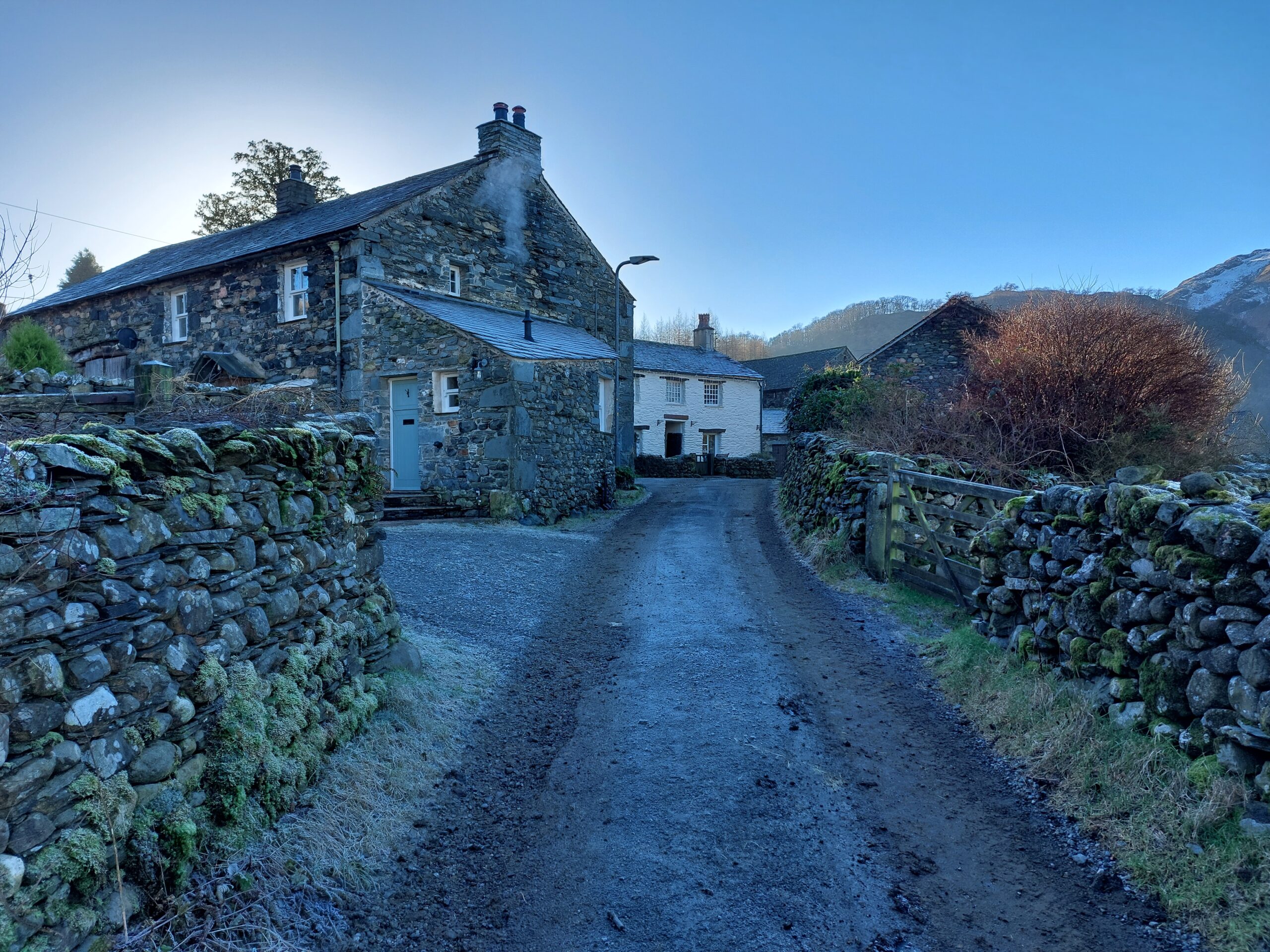 Using traditional skills in the Lake District doesn’t just help deepen the connection to our roots, it creates structures in keeping with the landscape and often uses locally sourced materials, making it often a more sustainable method of construction.
In the upper Lickle Valley, the family at Jackson Ground near Broughton-in-Furness reinstated 260 metres of shard fencing. The fencing is constructed from locally sourced slate or stone shards set upright in the ground, forming a durable, stock-proof boundary for cattle and sheep.
Using traditional skills in the Lake District doesn’t just help deepen the connection to our roots, it creates structures in keeping with the landscape and often uses locally sourced materials, making it often a more sustainable method of construction.
In the upper Lickle Valley, the family at Jackson Ground near Broughton-in-Furness reinstated 260 metres of shard fencing. The fencing is constructed from locally sourced slate or stone shards set upright in the ground, forming a durable, stock-proof boundary for cattle and sheep.
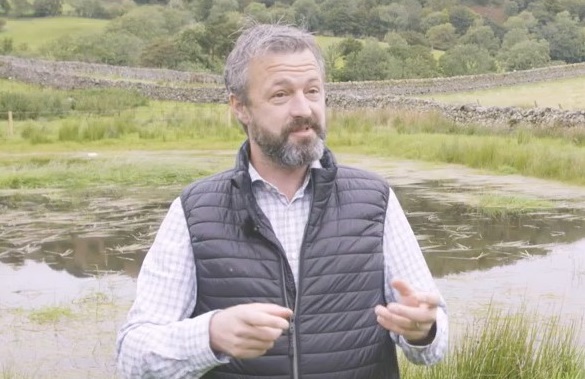 The Ullswater CiC works with farmers on sustainable farming, conservation and natural flood management in and around the Ullswater Valley.
One of their projects saw the creation of wildlife corridors, which double as livestock shelter belts. The corridors show it’s possible to plant hundreds of thousands of trees in the landscape which still allow farming and protect cultural heritage, connecting, expanding and improving habitats.
Hear from Danny Teasdale of Ullswater CiC about the tree planting by volunteers.
The Ullswater CiC works with farmers on sustainable farming, conservation and natural flood management in and around the Ullswater Valley.
One of their projects saw the creation of wildlife corridors, which double as livestock shelter belts. The corridors show it’s possible to plant hundreds of thousands of trees in the landscape which still allow farming and protect cultural heritage, connecting, expanding and improving habitats.
Hear from Danny Teasdale of Ullswater CiC about the tree planting by volunteers.
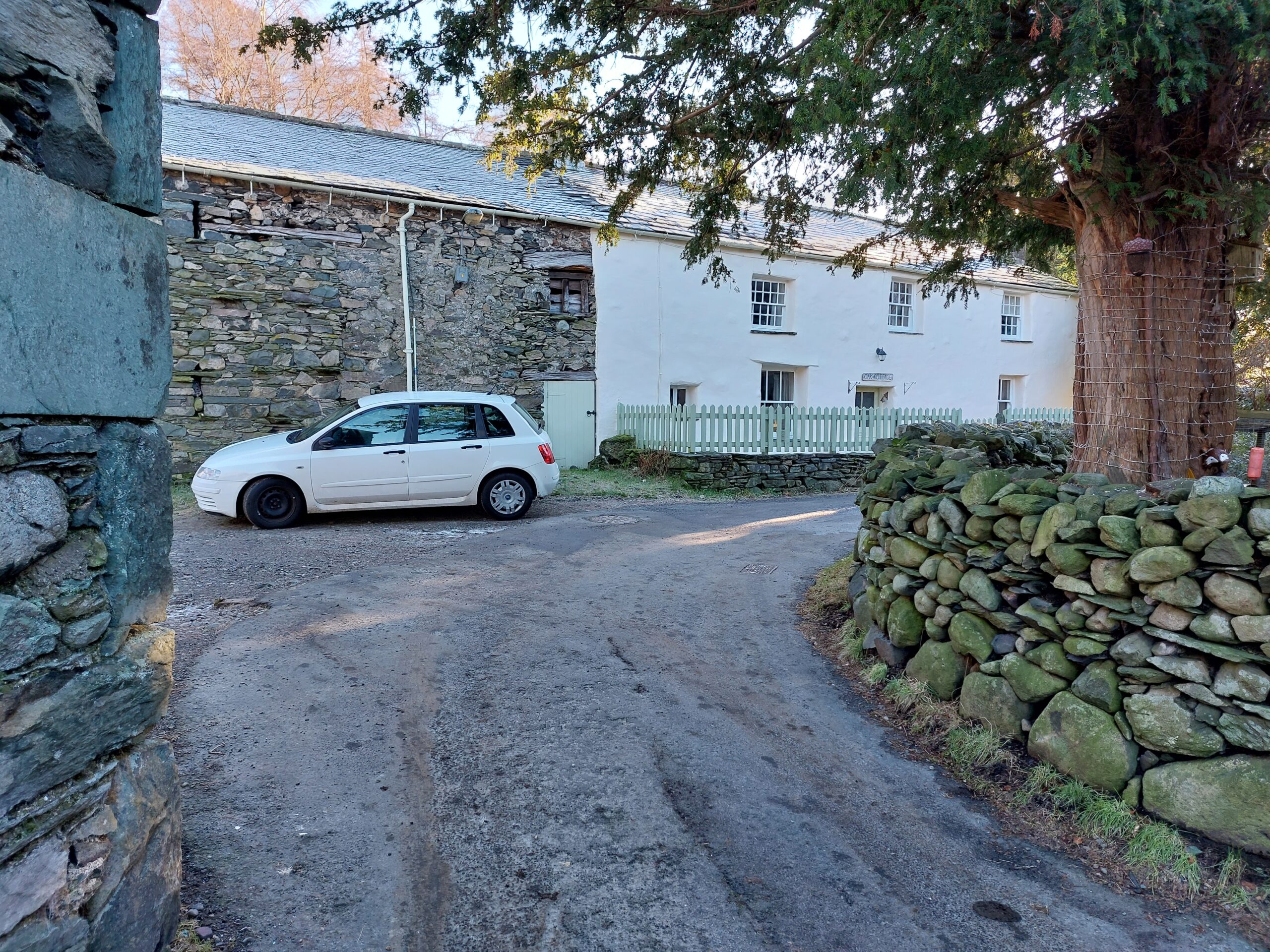 Funding has helped rescue more than 20 barns across the Lake District, enabling their future use for farmers and land managers while preserving their place in the landscape. The work is also helping to meet Cumbria’s ambition to be a net zero carbon county by 2037.
Rose Lord, LDNPA Build Environment Advisor, said: “These historic features greatly enhance the cultural landscape and it’s why many people love the Lake District. Many barns continue to be essential to the business of farming and all provide great homes for nature.”
Read more about the investment into historic barns in the Lake District.
Funding has helped rescue more than 20 barns across the Lake District, enabling their future use for farmers and land managers while preserving their place in the landscape. The work is also helping to meet Cumbria’s ambition to be a net zero carbon county by 2037.
Rose Lord, LDNPA Build Environment Advisor, said: “These historic features greatly enhance the cultural landscape and it’s why many people love the Lake District. Many barns continue to be essential to the business of farming and all provide great homes for nature.”
Read more about the investment into historic barns in the Lake District.
 The Herdwick sheep is a staple of any traditional Lake District scene, with 95% of the breed found in Cumbria. It’s thought they have been farmed in the National Park since the 1300s, and are intrinsic to the mountainous landscape, known for spending much of their time roaming the uplands.
A project by the Herwick Sheep Breeders Association is helping safeguard the future of the breed by establishing a gene bank. The gene bank is conserving important bloodlines to help maintain the Herwick’s distinctive character and resilience for future generations.
Read about the work being done to safeguard Herdwicks.
The Herdwick sheep is a staple of any traditional Lake District scene, with 95% of the breed found in Cumbria. It’s thought they have been farmed in the National Park since the 1300s, and are intrinsic to the mountainous landscape, known for spending much of their time roaming the uplands.
A project by the Herwick Sheep Breeders Association is helping safeguard the future of the breed by establishing a gene bank. The gene bank is conserving important bloodlines to help maintain the Herwick’s distinctive character and resilience for future generations.
Read about the work being done to safeguard Herdwicks.
Combining traditional farming and sustainability at Rosgill
Tom and Anna Dutson bought Rosgill Hall in 2015. FiPL funding helped them preserve their holistic approach to traditional nature-friendly farming.
They own native Dales ponies and with a two-wheel hitch cart, use the ponies to manage their hay meadows. By using ponies, they are reducing carbon emissions and soil compaction and playing a part in keeping alive the heritage of working with ponies and horses.
Tom and Anna also:
- Planted locally appropriate fruit trees in a way that allowed them to maintain productive pasture for grazing livestock
- Purchased firewood processing equipment
- Planted a 37-metre hedge that consolidates a field boundary, provides wildlife habitat and will yield a range of edible fruit and nuts for years to come.
Connecting younger generations with food origins
Part of the preservation of our heritage is helping younger generations understand the significance of the Lake District landscape, its communities and the industries which have shaped it.
A project to help farmers connect youngsters with their food origins is doing exactly that, supporting farmers with accreditation, peer networking, and tools to engage schools and community groups. Farmers were able to deliver meaningful experiences to children while developing a new income stream.
Find out more.
Protecting the future of traditional, nature-friendly farming
The much-loved Lake District has been shaped by its traditional farming practices, which have been developed over thousands of years.
The West Lakes CiC helps ensure the long-term sustainability of traditional, nature-friendly farming and land management, working with a community of 40 farmers. The organisation provides advice and support, addressing topics such as soil health, grassland management, carbon sequestration, diversifying income streams and capitalising on the benefits of environmental farm assets.
Through FiPL funding West Lakes CiC worked across a number of Lake District farms to collect baseline data on management practices, wildlife, birds and natural features, conduct ecological surveys and perform carbon footprint assessments.
Read more about the work of West Lakes CiC.
Enhancing farmland biodiversity in Rusland
Adam Crowe, of Hall Farm, Rusland, was able to increase farm profits and enhance the landscape, biodiversity and soil health. Through FiPL, he re-instated field boundaries, planted new and managed existing hedges and fenced off watercourses.
He said: “Our aim through FiPL and beyond is to see a greater diversity of grassland species and more trees on the farm, to provide habitat and food - through nectar, seeds - and also to farm efficiently with what we have on-farm.”
Read the full story.
Reinstating traditional shard fencing in the Lickle Valley
Using traditional skills in the Lake District doesn’t just help deepen the connection to our roots, it creates structures in keeping with the landscape and often uses locally sourced materials, making it often a more sustainable method of construction.
In the upper Lickle Valley, the family at Jackson Ground near Broughton-in-Furness reinstated 260 metres of shard fencing. The fencing is constructed from locally sourced slate or stone shards set upright in the ground, forming a durable, stock-proof boundary for cattle and sheep.
Find out more about the rare shard fencing project.
Helping farmers creating wildlife corridors
The Ullswater CiC works with farmers on sustainable farming, conservation and natural flood management in and around the Ullswater Valley.
One of their projects saw the creation of wildlife corridors, which double as livestock shelter belts. The corridors show it’s possible to plant hundreds of thousands of trees in the landscape which still allow farming and protect cultural heritage, connecting, expanding and improving habitats.
Hear from Danny Teasdale of Ullswater CiC about the tree planting by volunteers.
Rescuing Lake District barns
Funding has helped rescue more than 20 barns across the Lake District, enabling their future use for farmers and land managers while preserving their place in the landscape. The work is also helping to meet Cumbria’s ambition to be a net zero carbon county by 2037.
Rose Lord, LDNPA Build Environment Advisor, said: “These historic features greatly enhance the cultural landscape and it’s why many people love the Lake District. Many barns continue to be essential to the business of farming and all provide great homes for nature.”
Read more about the investment into historic barns in the Lake District.
Safeguarding the Herdwick breed through a gene bank
The Herdwick sheep is a staple of any traditional Lake District scene, with 95% of the breed found in Cumbria. It’s thought they have been farmed in the National Park since the 1300s, and are intrinsic to the mountainous landscape, known for spending much of their time roaming the uplands.
A project by the Herwick Sheep Breeders Association is helping safeguard the future of the breed by establishing a gene bank. The gene bank is conserving important bloodlines to help maintain the Herwick’s distinctive character and resilience for future generations.
Read about the work being done to safeguard Herdwicks.