
20 must-know facts about the National Park and World Heritage Site
With its stunning landscapes, rich wildlife, and fascinating cultural history, the Lake District National Park is an incredibly inspiring place to learn. With a wealth of wildlife, walks and views, it’s hard not to find inspiration anywhere you look. But while you might have enjoyed the beauty of the landscape, have you ever given much thought to its unique history and quirkier landscape characteristics?
Here are 20 fun facts to pique your interest. If you’re a teacher looking to make the Lake District your classroom, share them with your students and discover our wealth of history resources.
History and cultural heritage
- The Lake District is England’s largest National Park. It was awarded UNESCO World Heritage Site status in 2017, recognised for its landscape, farming traditions, and cultural heritage.
- Famous writers William Wordsworth and Beatrix Potter were deeply inspired by the landscape of the Lake District.
- Within the Langdale Valley lie the remains of stone axe factories that are over 5,000 years old. The ancient people of the Lake District chipped away at the tough volcanic rock high on the fells, creating polished axes so prized they travelled across Britain.
- Dunmail, the last King of Cumbria, was killed in battle and buried under a pile of stones on Dunmail Raise in AD 945 (the highest point on the pass between Grasmere and the Thirlmere valley) after being defeated by Alfred the Great’s grandson, King Edmund the Elder.
- Saint Herbert brought Christianity to the Lake District in the 7th century and lived on an island in Derwentwater, now called St Herbert’s Island. This island was the inspiration behind Owl Island in Beatrix Potter’s Squirrel Nutkin.
- St Mary’s Church in Gosforth has the oldest and tallest Viking Cross in England, dating from the 10th century.
- Pencils were invented in the Lake District in the 16th century, when people discovered a shiny black rock called graphite near Borrowdale and found it perfect for writing and drawing.
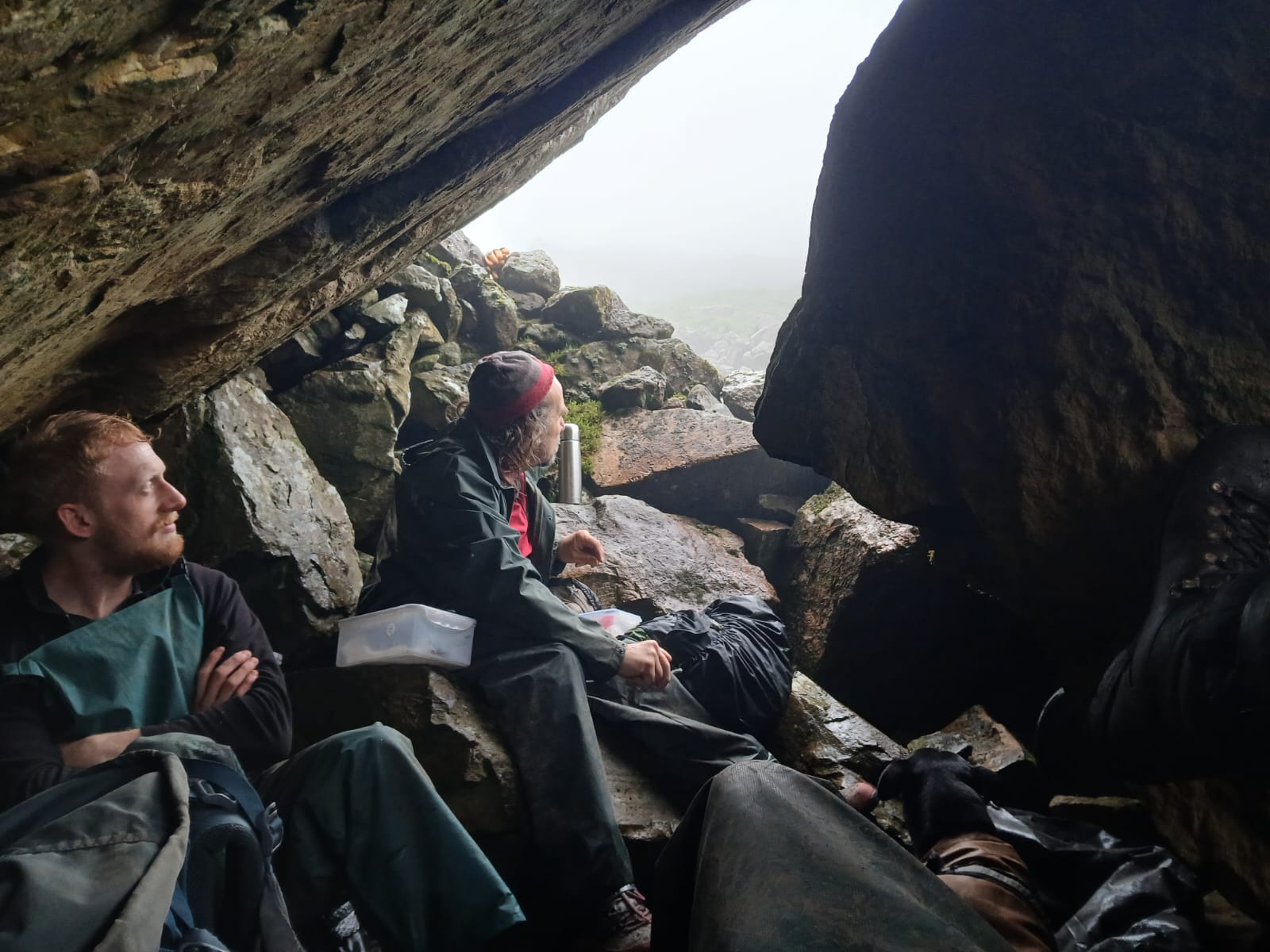
- A cave on Castle Crag was once used by ‘The Caveman of Borrowdale’ – an insurance clerk from London called Millican Dalton (1867-1947), who left his career to live in the cave as a hermit.
- Built in 1863, the flagship locomotive of the Lakeside and Haverthwaite Railway is Britain’s oldest working standard-gauge steam locomotive.
- The crags around Wasdale Head are some of the most challenging rock climbs in the country, including Pillar Rock climbed by George Mallory (Everest mountaineer) in 1913.
Landscape and nature
- England’s highest mountain is Scafell Pike at 978 metres. On a clear day, you can see Scotland, Wales, and even Ireland.
- Not all high hills in the Lake District are called mountains. In the Lake District, to be called a mountain, a peak must be at least 600 metres tall.
- The highest standing body of water in England is Broad Crag Tarn, five minutes from the summit of Scafell Pike.
- There’s only one official ‘lake’ in the Lake District: Bassenthwaite Lake. The others are called meres, waters, or tarns.
- The largest ‘mere’ is Windermere. It is home to Arctic charr, a rare fish species dating back to the Ice Age.
- Wast Water is the deepest body of water in the UK, reaching 79m at its deepest point.
- The Lake District has reservoirs that supply drinking water to millions of people. Next time you turn on the tap, think about where your water’s journey began. Did you know there are two underwater villages hidden beneath these reservoirs?
- The Lake District is home to an incredible variety of habitats - from ancient woodlands and blanket bogs to rivers, lakes, and wildflower meadows. Each habitat supports unique plants and wildlife including red squirrels, otters, waxcap mushrooms and rare birds like the osprey.
- The only colony of black guillemots in England reside on the headland of St Bees in a nature reserve run by the RSPB.
- Grizedale Forest near Hawkshead is the largest forest in the Lake District, and home to the largest exhibition of wood sculptures in Britain.
And there you go, 20 facts to bring you well on your way to becoming a Lake District expert! If you’re heading out into the National Park over the coming months, impress those around you with your knowledge of the amazing natural and cultural heritage that makes the Lake District a UNESCO World Heritage Site.
Thanks to Christopher Winn’s ‘I Never Knew That About the Lake District’ for providing the information for some of these facts.