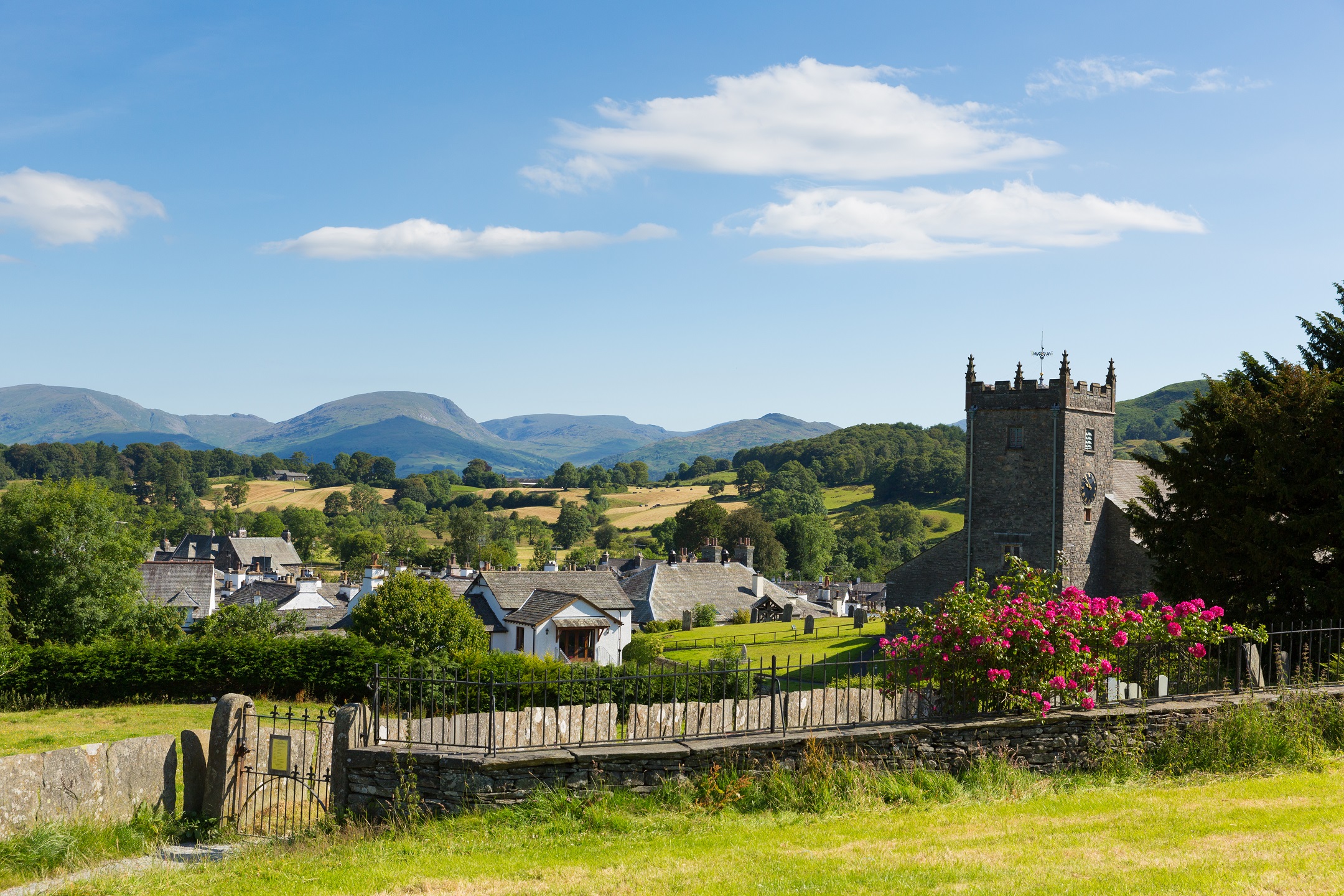


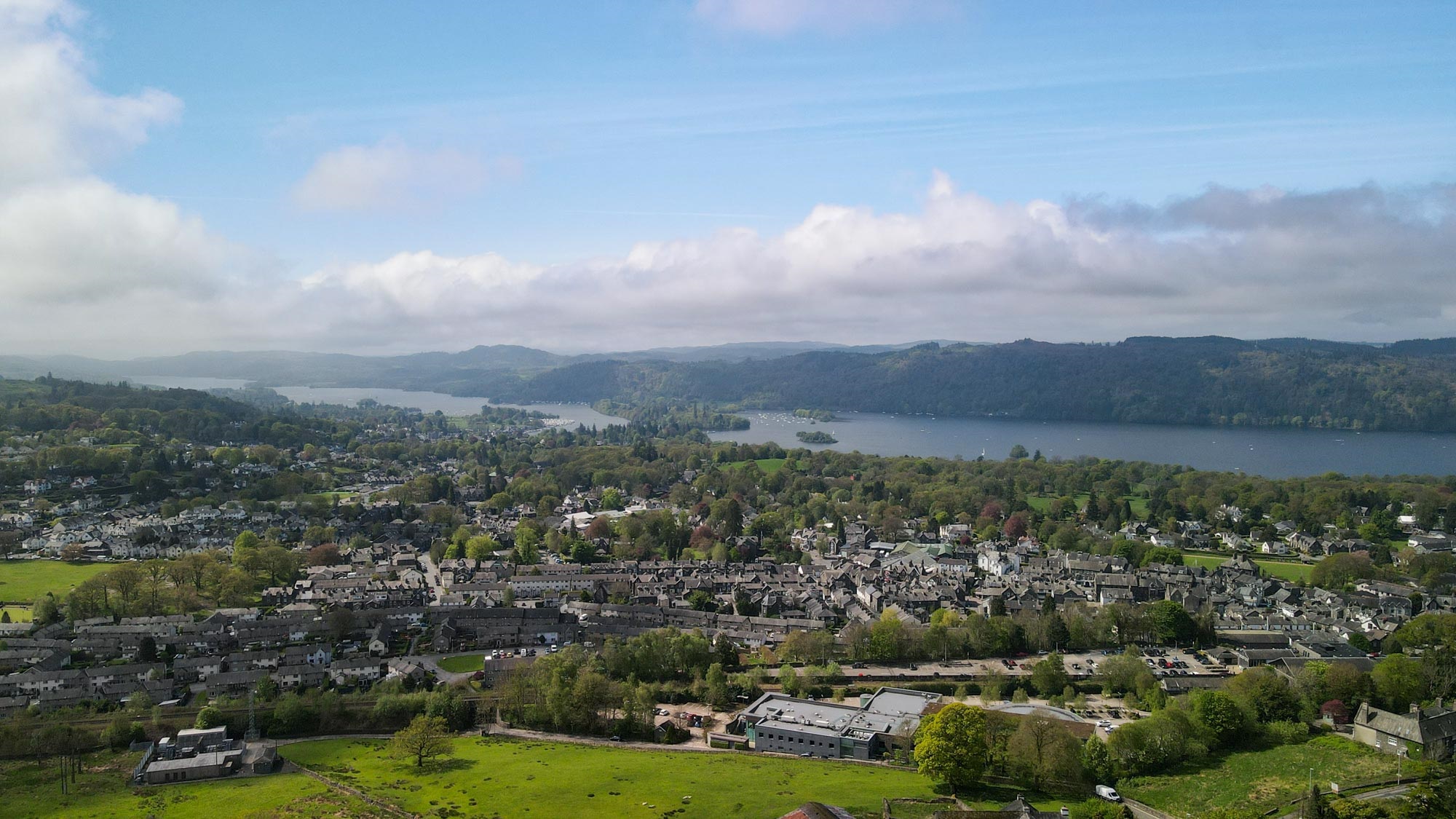
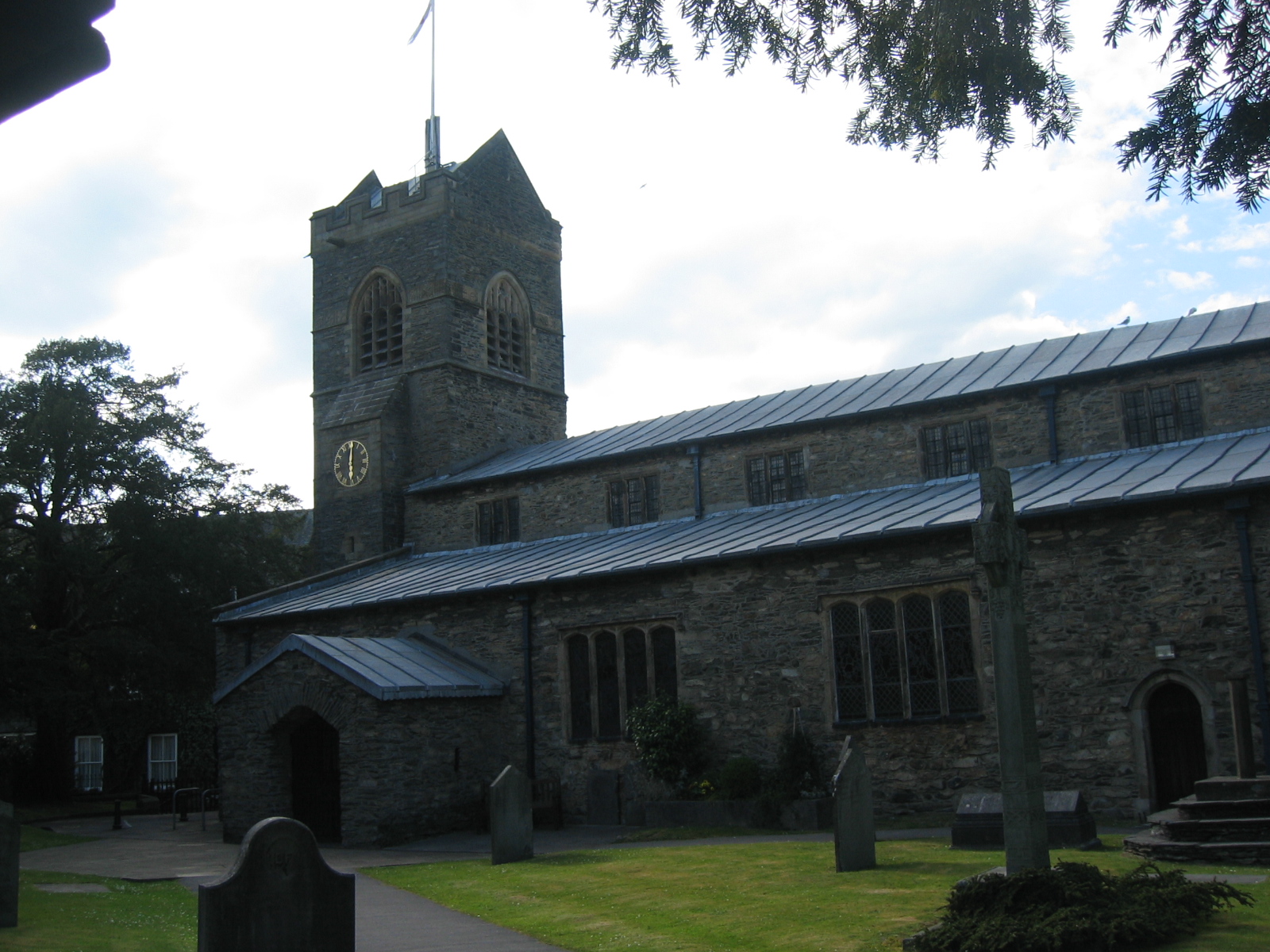
St Martin’s Church, churchyard and ancient yews;
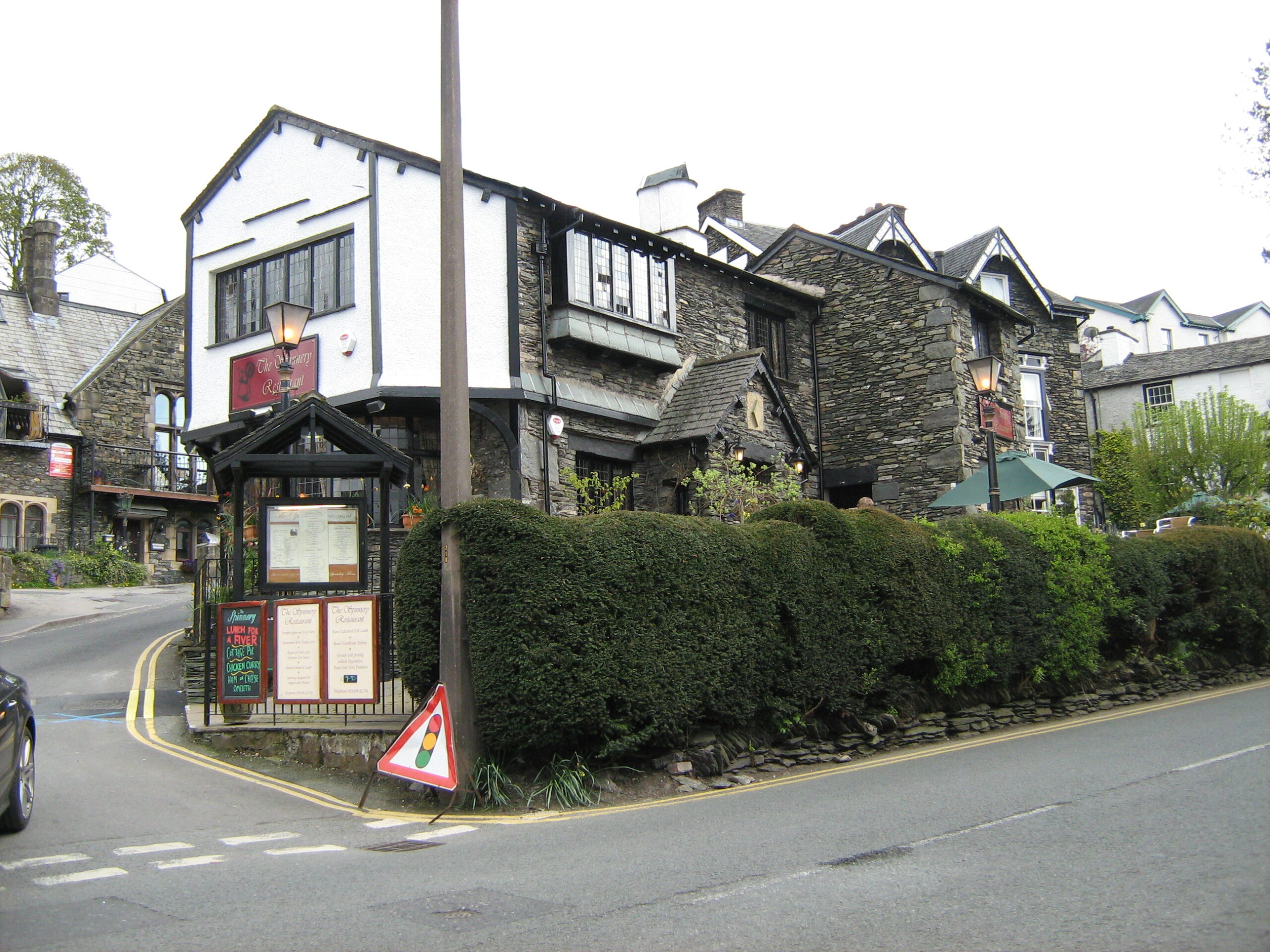
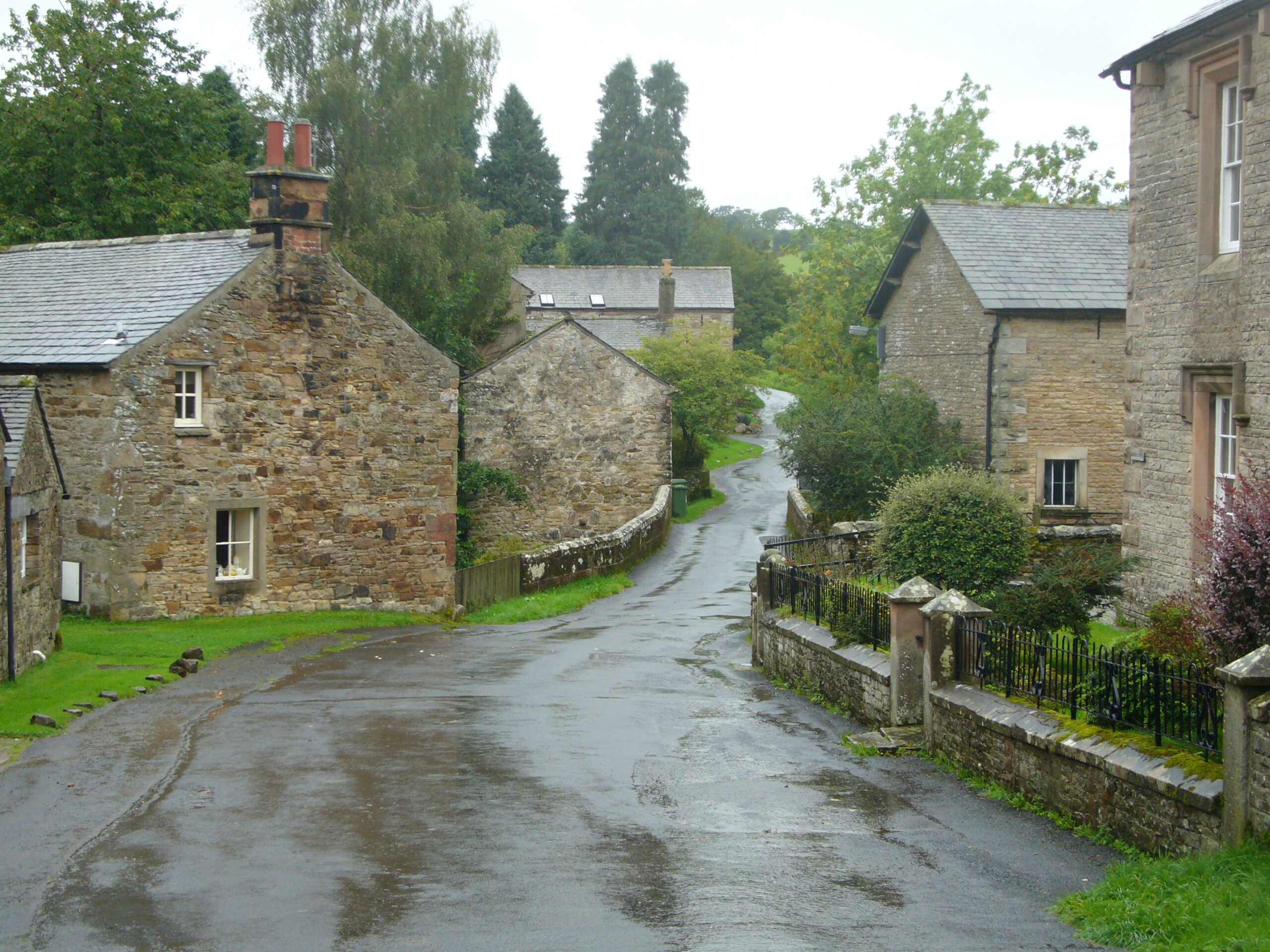
Separate and isolated examples of 18th century and earlier dwellings, notably New Hall Inn (c.1650) and Fold Head (1751)(Fallbarrow Road), Rose Cottage (Church Street), Laurel Cottage and The Spinnery (Brantfell Road), all listed grade II;
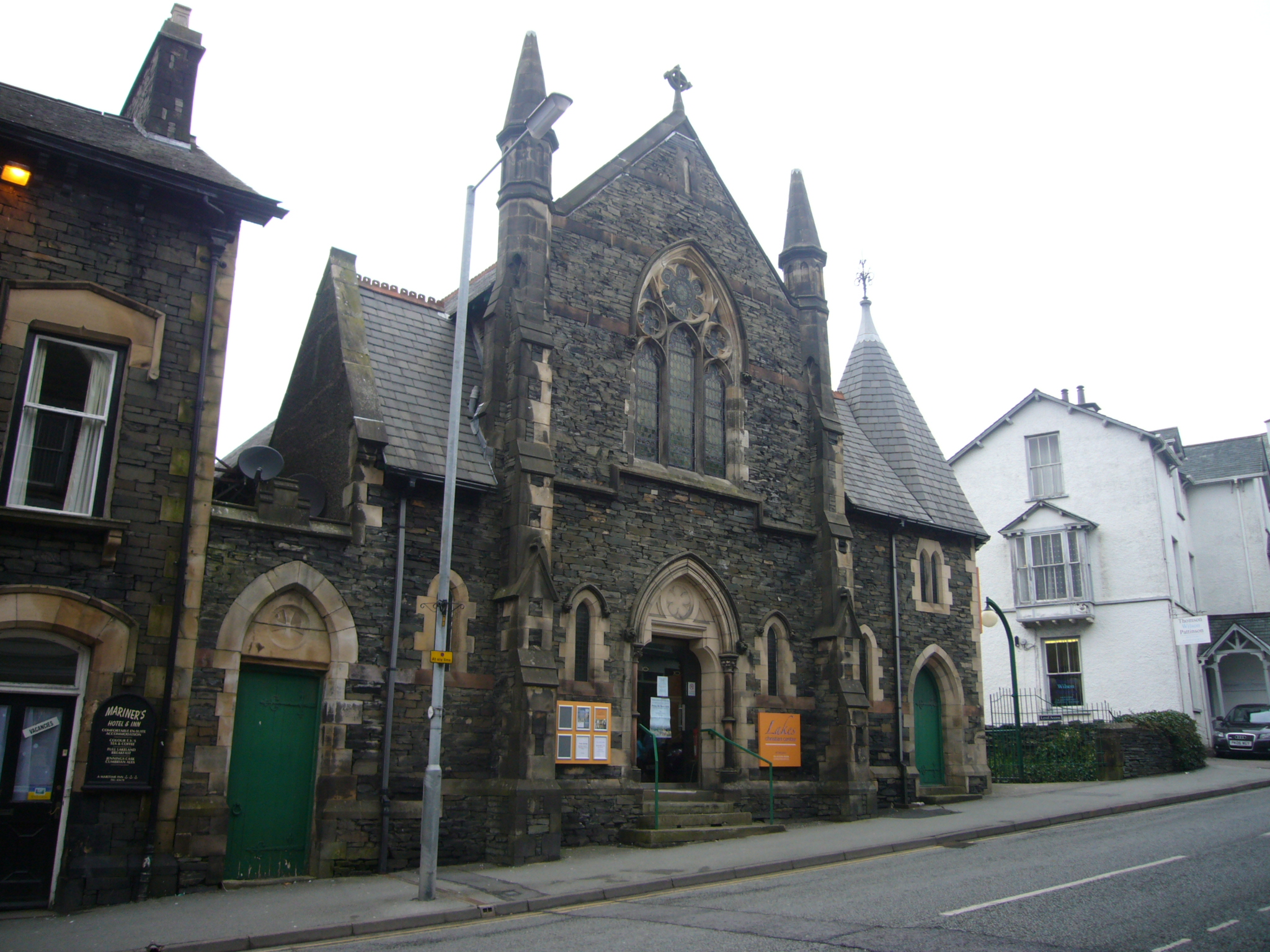
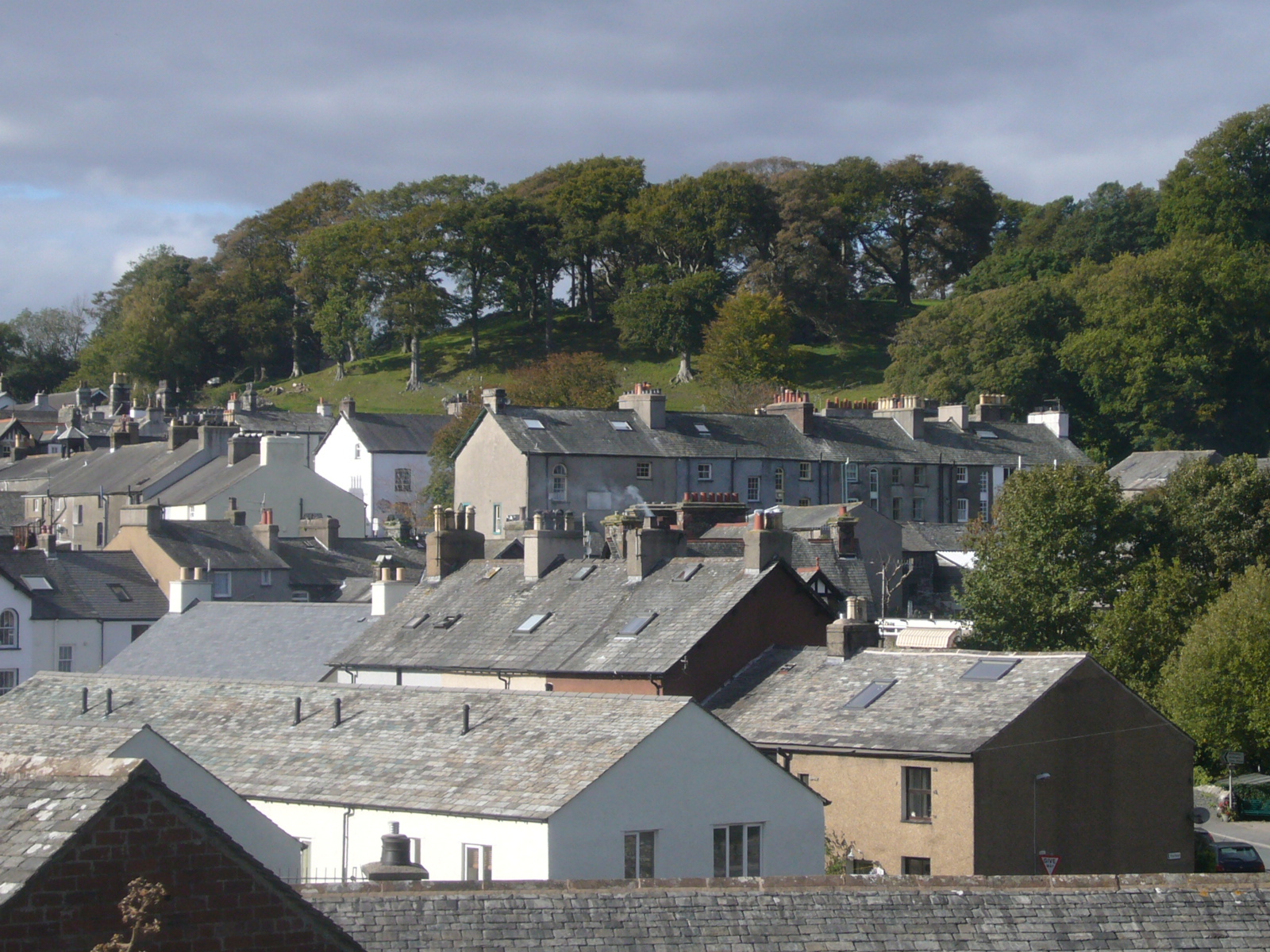
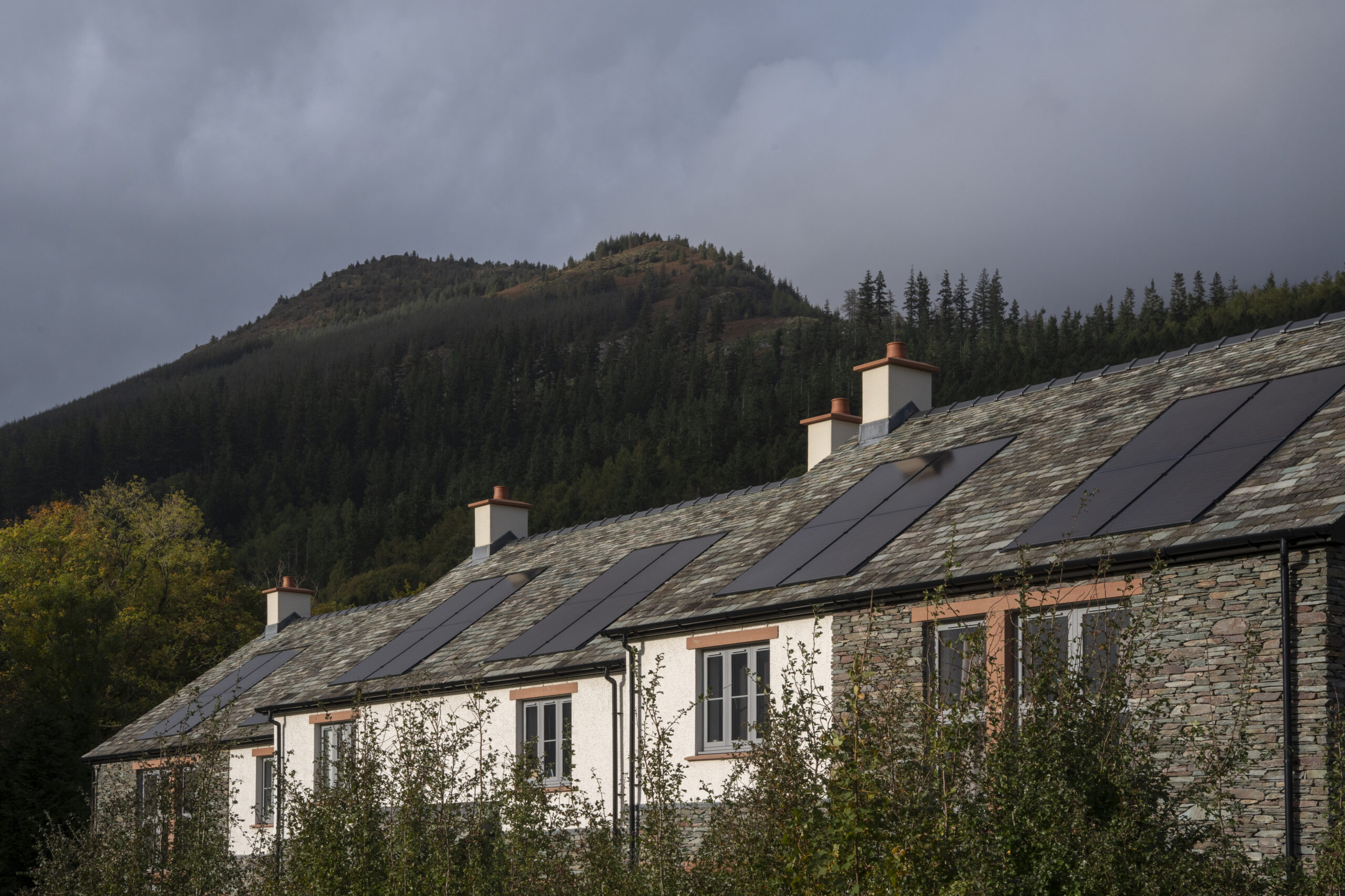
Mid/late 19th century post-railway developments alongside Lake Road comprising non-conformist chapel, former police station, suburban villas, semi-detached houses guest houses and terraces of Victorian stone built houses;
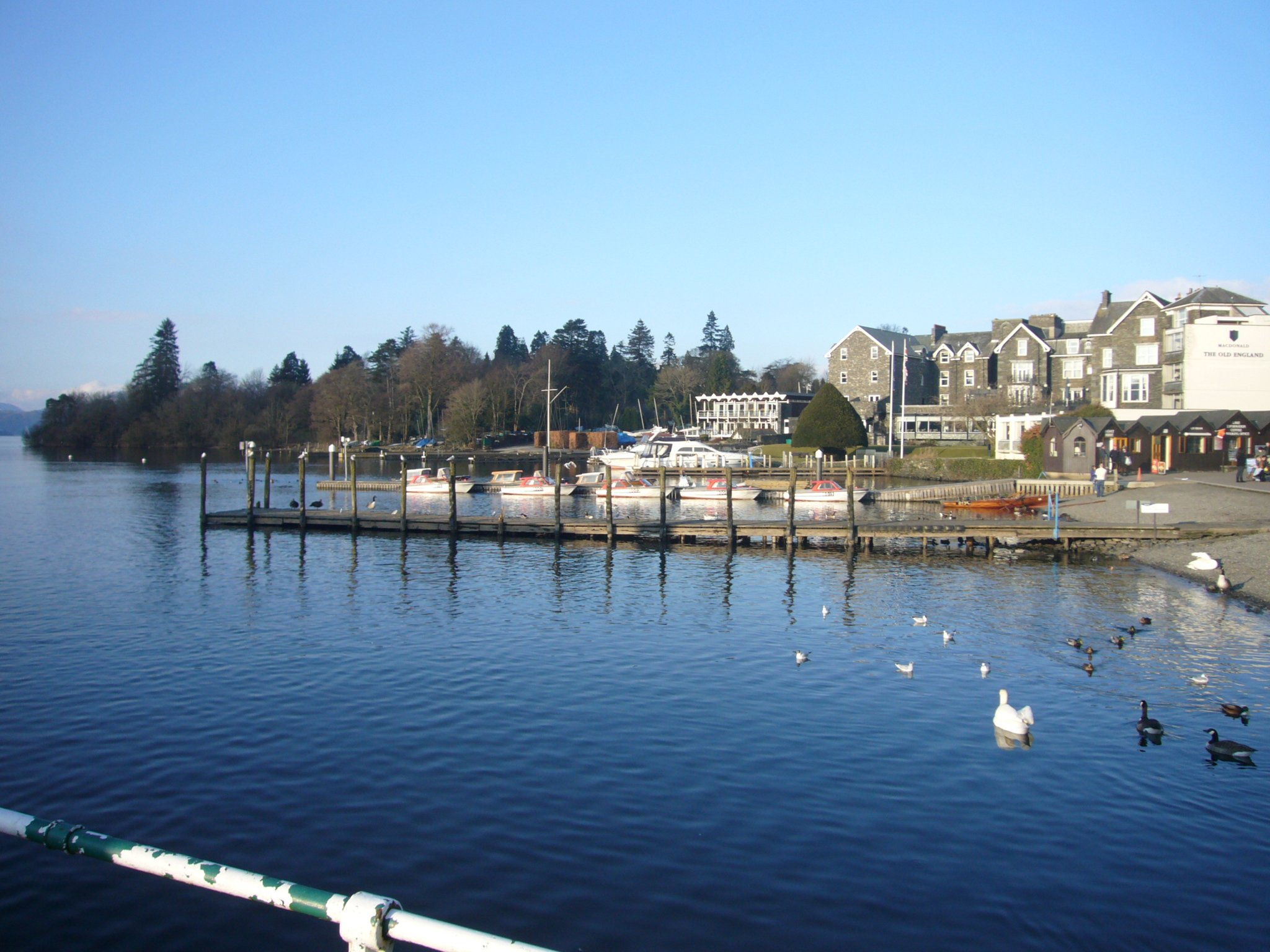
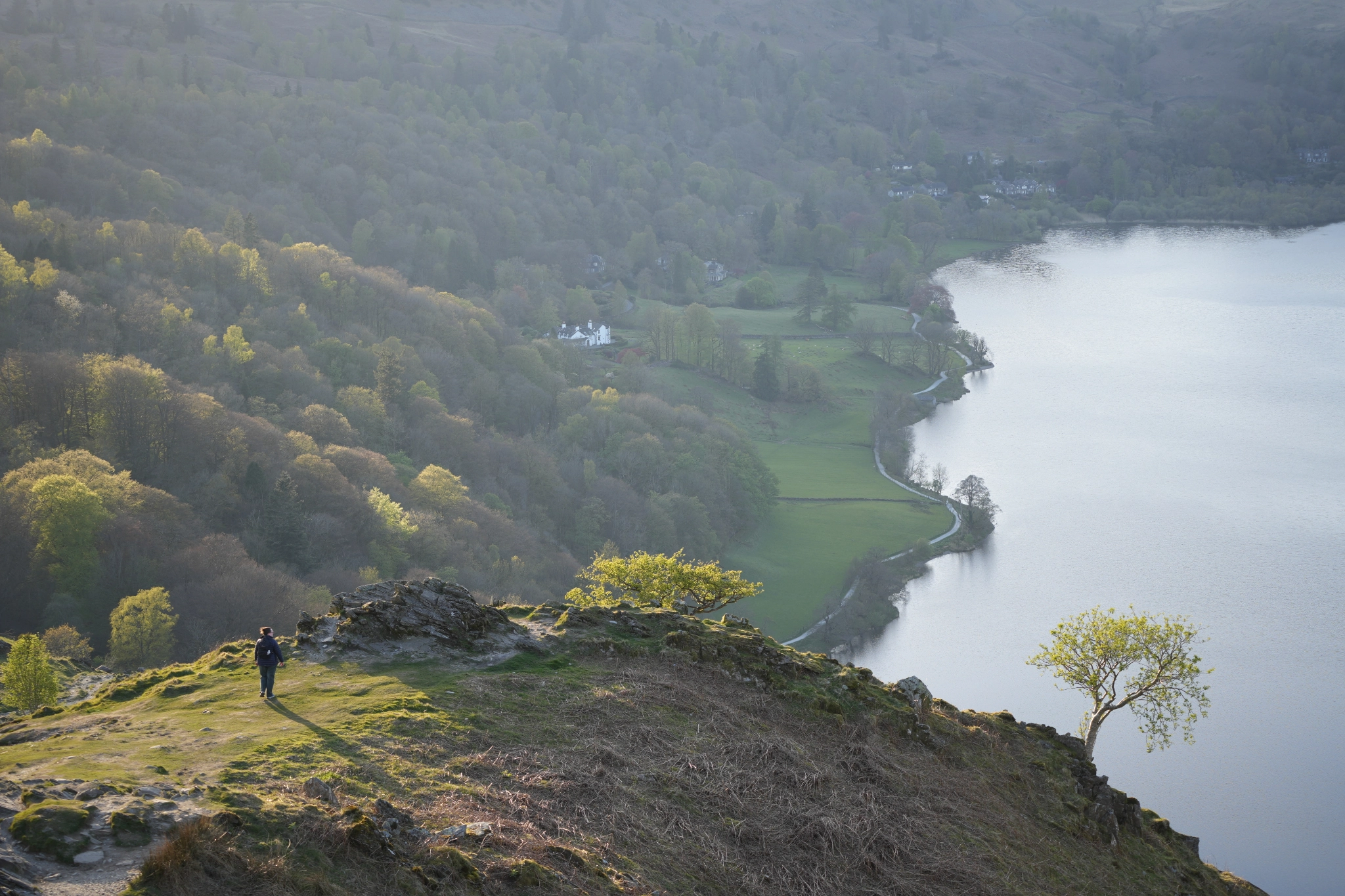
Good examples of large 19th century mansions and purpose-built hotels, located to take advantage of views over Windermere such as The Old England, The Belsfield, The Hydro and Crown Rigg (now private apartments);
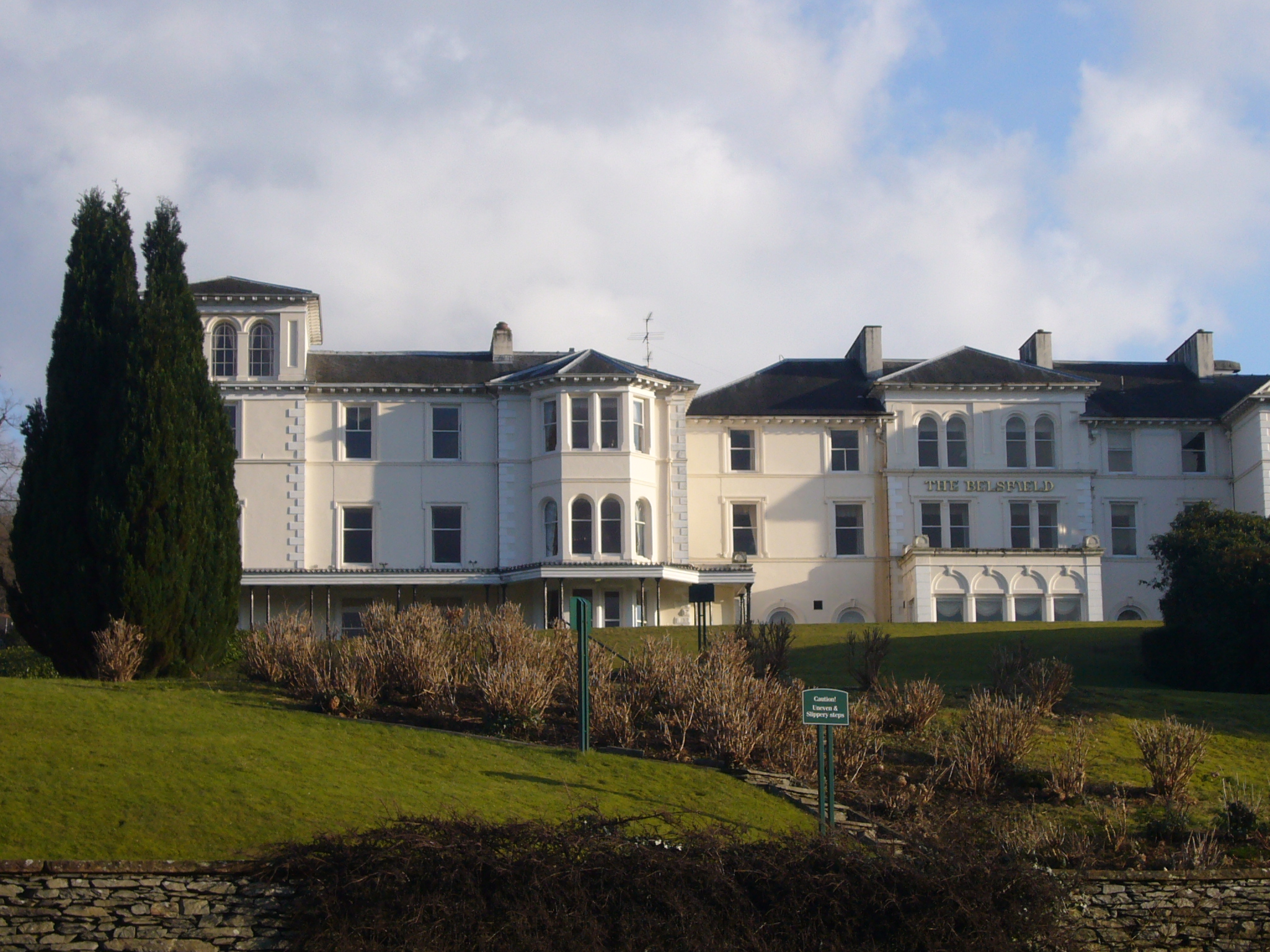
The green open space and planted copse within the grounds of The Belsfield;
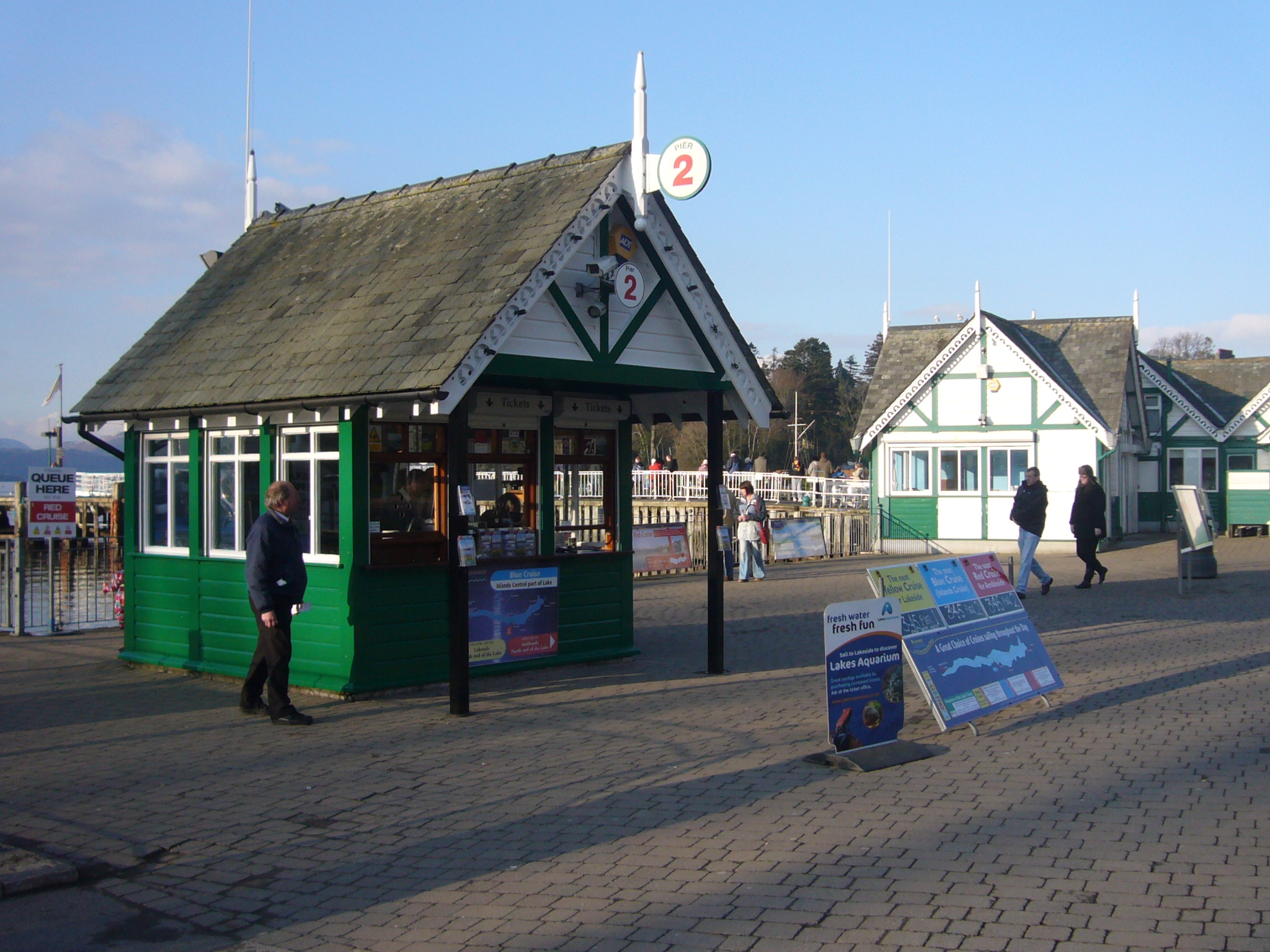
The Promenade and lakeside area of jetties and landing stages, Victorian-style ticket offices and the margins of Bowness Bay.