
The 13 Valleys Trail – celebrating what makes the Lake District special
In 2017 The English Lake District was added to the UNESCO World Heritage Site list, sitting alongside iconic locations such as the Taj Mahal, the Great Barrier Reef and Grand Canyon. The World Heritage Site status underpins key themes of the area:
- Identity: the dramatic and natural landscape of mountains, valleys, lakes, and woodland
- Inspiration: art, literature and love of the place
- Conservation: to protect and look after this special place
The 13 Valleys Trail
There are 13 Valleys that make up the World Heritage Site, each with their own distinctive features celebrating why they are special and supporting the World Heritage Site status.
You can discover everything The English Lake District has to offer by completing our 13 Valleys Trail, and visiting all 13 of the World Heritage Site valleys.
The trail was developed in partnership with the 13 Valleys Ultra to offer a year-round trail for walkers and runners to experience the valleys.
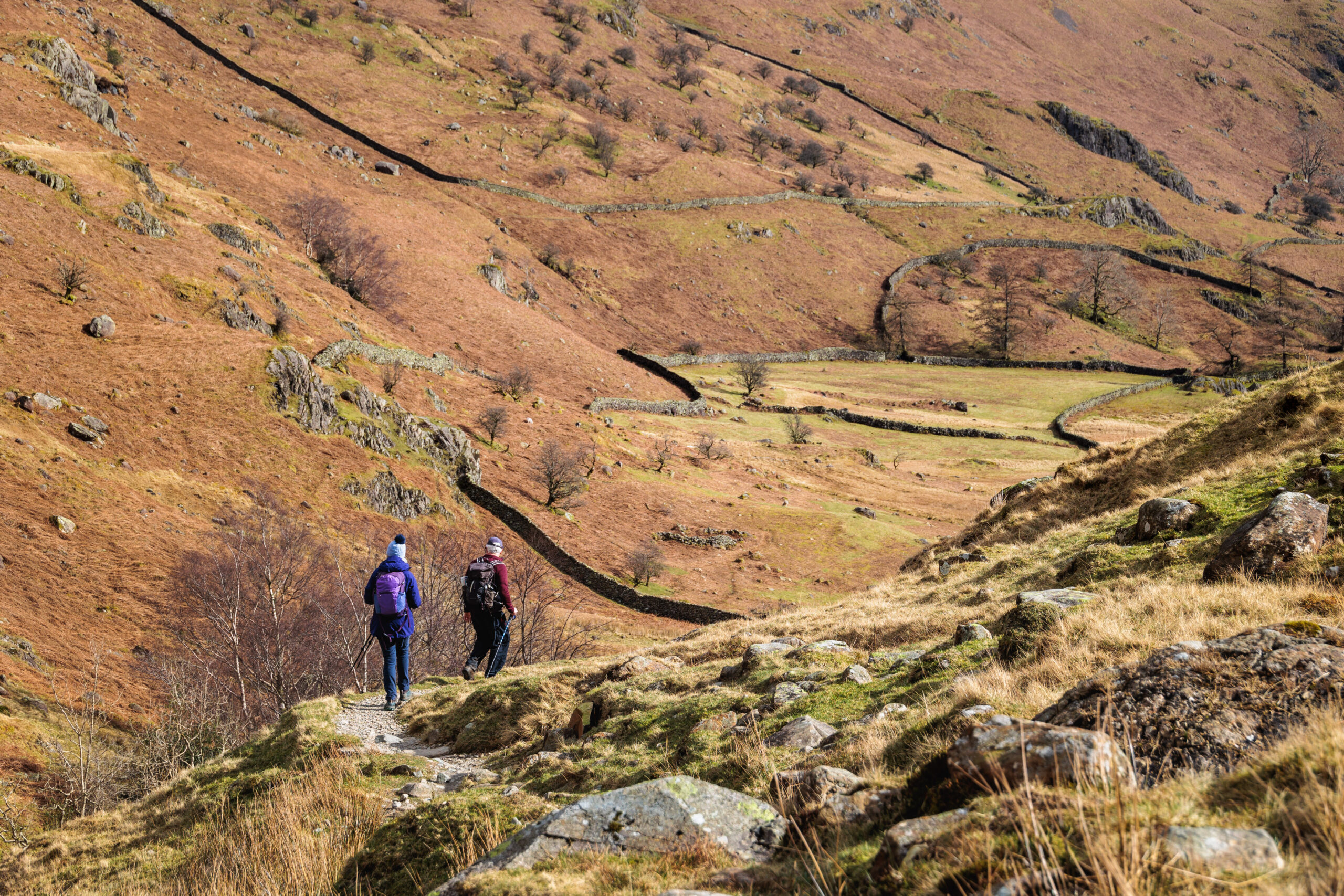
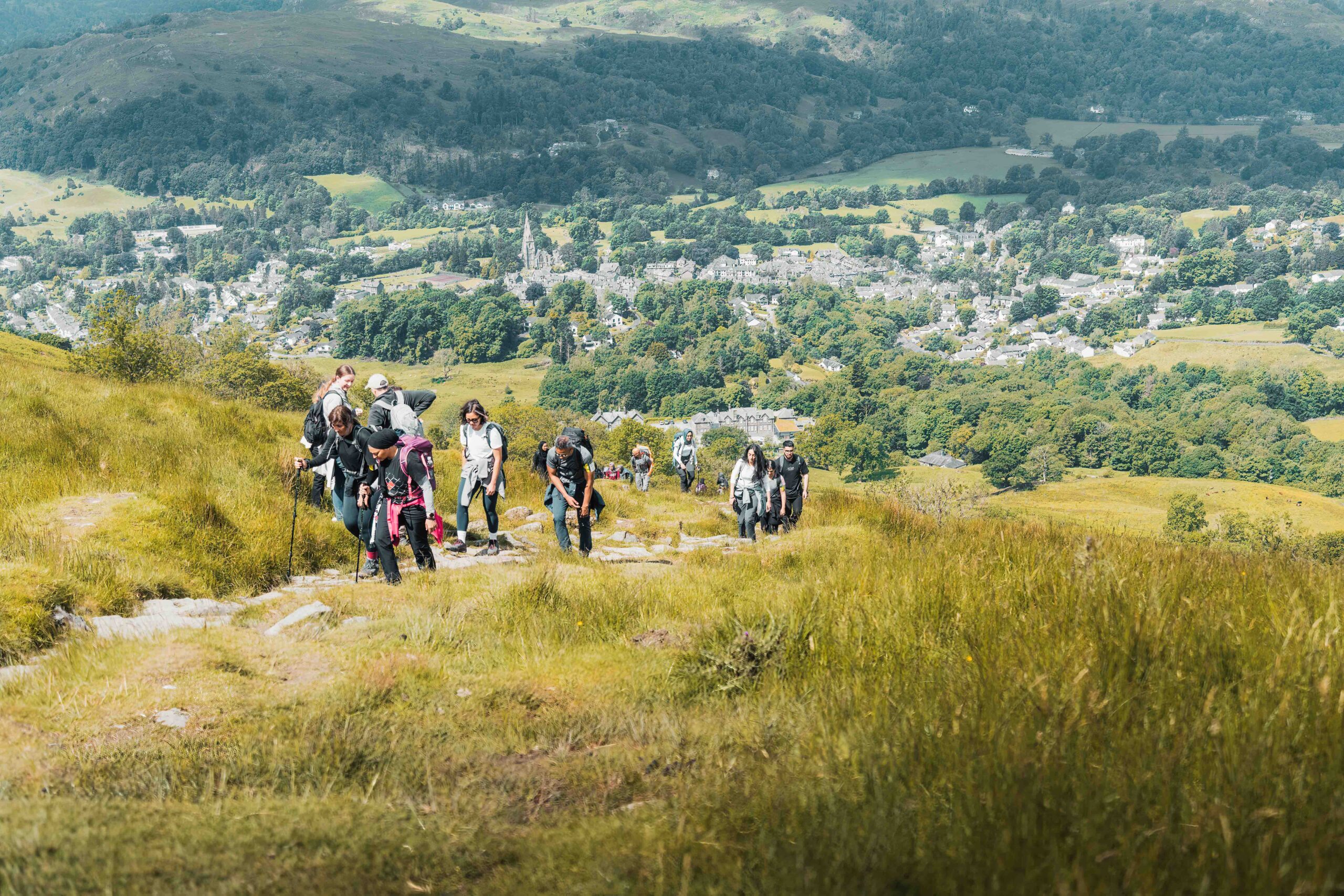
The 13 Valleys Trail can be followed as a long route for the adventurous or walked in short sections, with many parts of the trail accessible by public transport.
Within each valley you will find roundels, such as the one pictured here. You'll be able to scan the QR code to learn more about the unique features of that particular valley you are in.
Along the trail there will be opportunities to support local eating and drinking establishments where you can sample local produce - look out for World Heritage branding on local goods.


13 reasons to visit the Lake District
- The longest and deepest ‘lakes’ in England
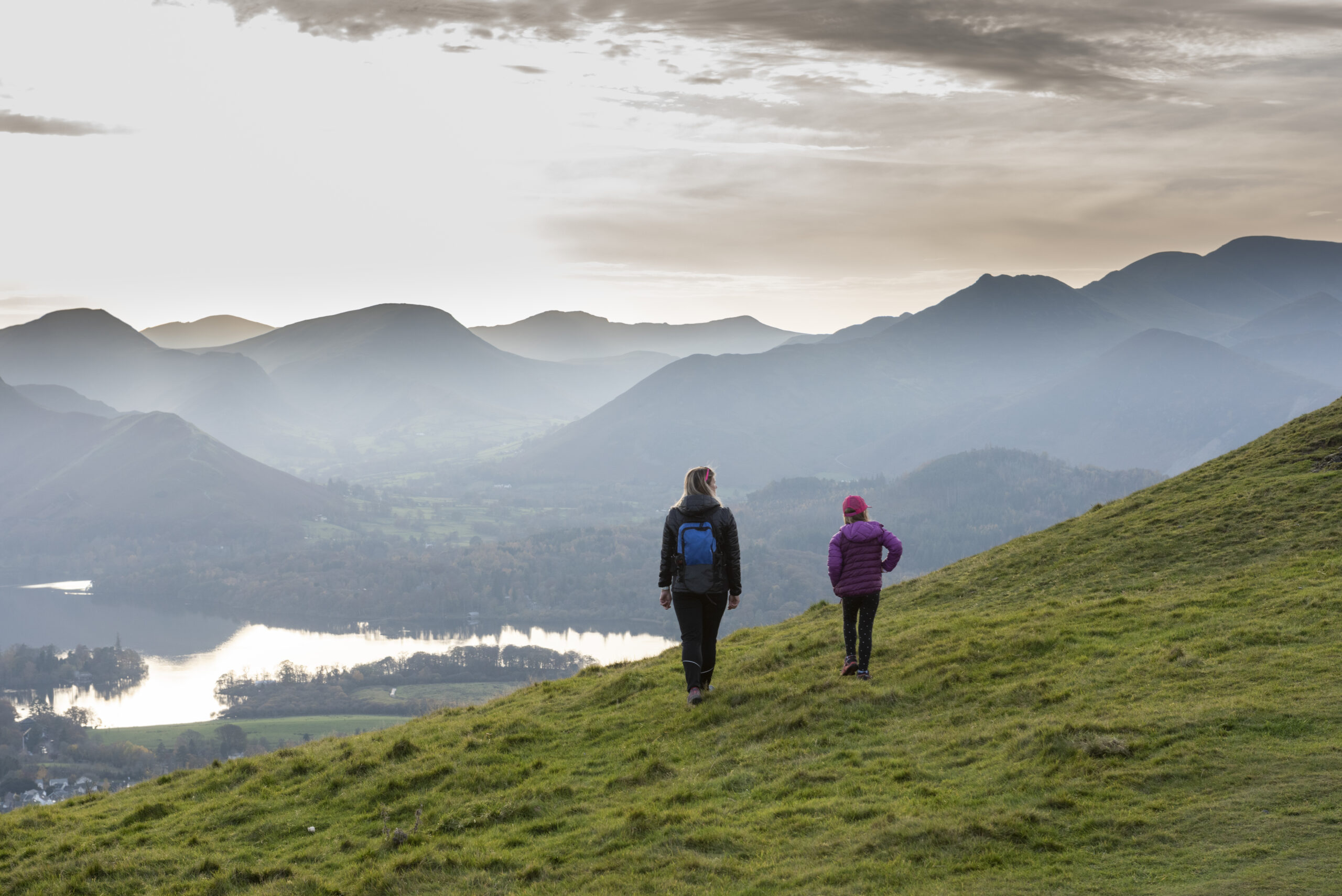
Wastwater, at 74 metres, is England's deepest body of water; Windermere is the longest at 10.5 miles long. But did you know that there is only one official lake, Bassenthwaite Lake, all the others are meres or waters?
- Follow the footsteps of poets and writers
From Beatrix Potter to William Wordsworth and even Taylor Swift. The Lake District has been a backdrop for many writers producing an influential view of the relationship between humans and landscapes. Visit Grasmere, the home of Wordsworth or Near Sawrey, Hawkshead, where Peter Rabbit and Jamima Puddle-Duck were born.
- Wainwright bagging
Alfred Wainwright fell in love with the mountains after climbing Orrest Head in Windermere. The view from the top inspired him to explore the hills and mountains and later created his famous Pictorial Guides inspiring others to walk the 214 ‘Wainwrights’ including Scafell Pike, the highest mountain in England.
- Farming and heritage
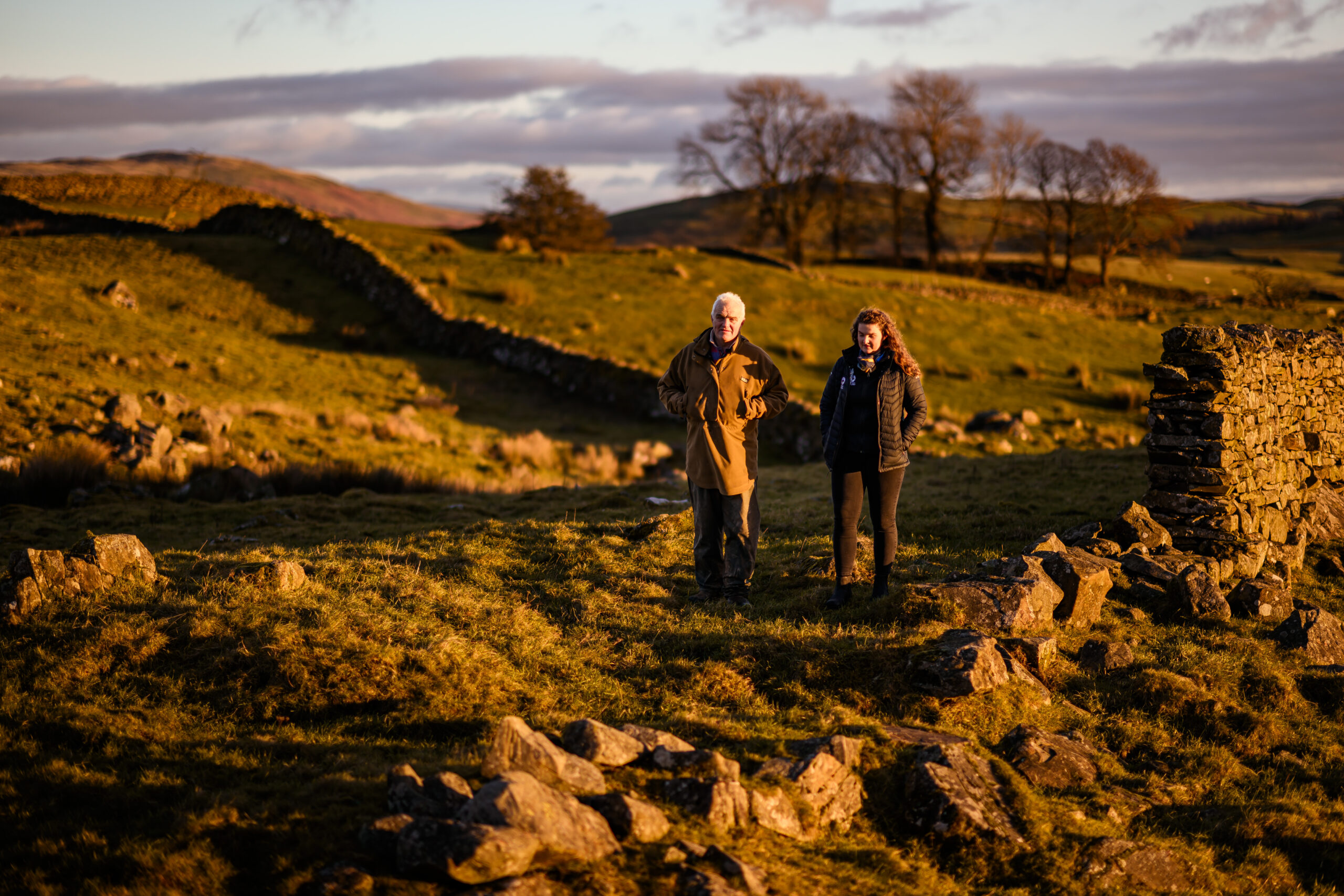
Farming is at the heart of Lake District communities, a core part of the economy and has shaped the landscape for over centuries. Herdwick sheep are native to the Lake District, you’ll often spot one with their loveable smile alongside other native sheep breeds including Rough Fell, Swaledale, and North of England Mule.
- Roman remains
Did you know that there have been people in the Lake District since the end of the last ice age, 10,000 years ago? In the valleys, there are traces of prehistoric settlements and field systems. These include Neolithic stone circles, rock art, Bronze Age settlements, stone axe quarries, Roman forts, and stone circles.
- Miles without Stiles
We have 50 accessible routes, including Orrest Head, which offer spectacular views. These routes are great for wheelchairs, pushchairs, little legs or those who don’t fancy a hike up a mountain.
- Woodlands
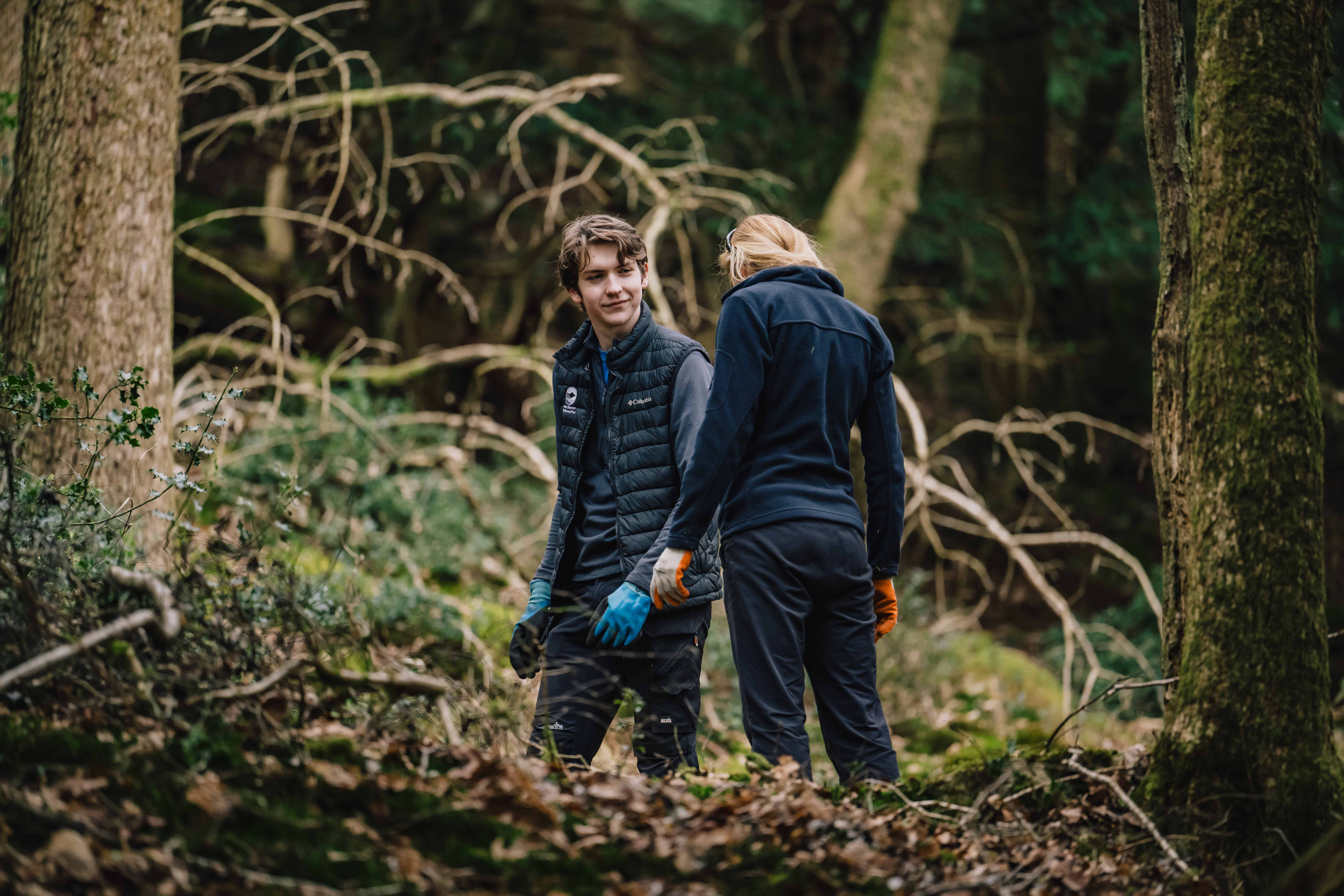
Atlantic rainforests, ancient trees and traditional wood pastures play a part in making the Lake District one of the most distinctive landscapes in the world. Woodlands offer so many benefits including shade and shelter for livestock, reducing our climate impact by locking up carbon, and a home for lush mosses, lichen and ferns to support wildlife. Next time you’re walking through a woodland, remember how important they are.
- Habitats and wildlife
The National Park is home to species of European and national importance including dormouse, otter, bats, Atlantic salmon, red squirrel osprey and deer. Nature reserves are key places for wildlife. Bassenthwaite Lake, is a nature reserve and a Site of Special Scientific Interest. You’ll need a permit to access the lake but it offers a tranquil place to simply take in everything around you.
- Distinctive building characteristics
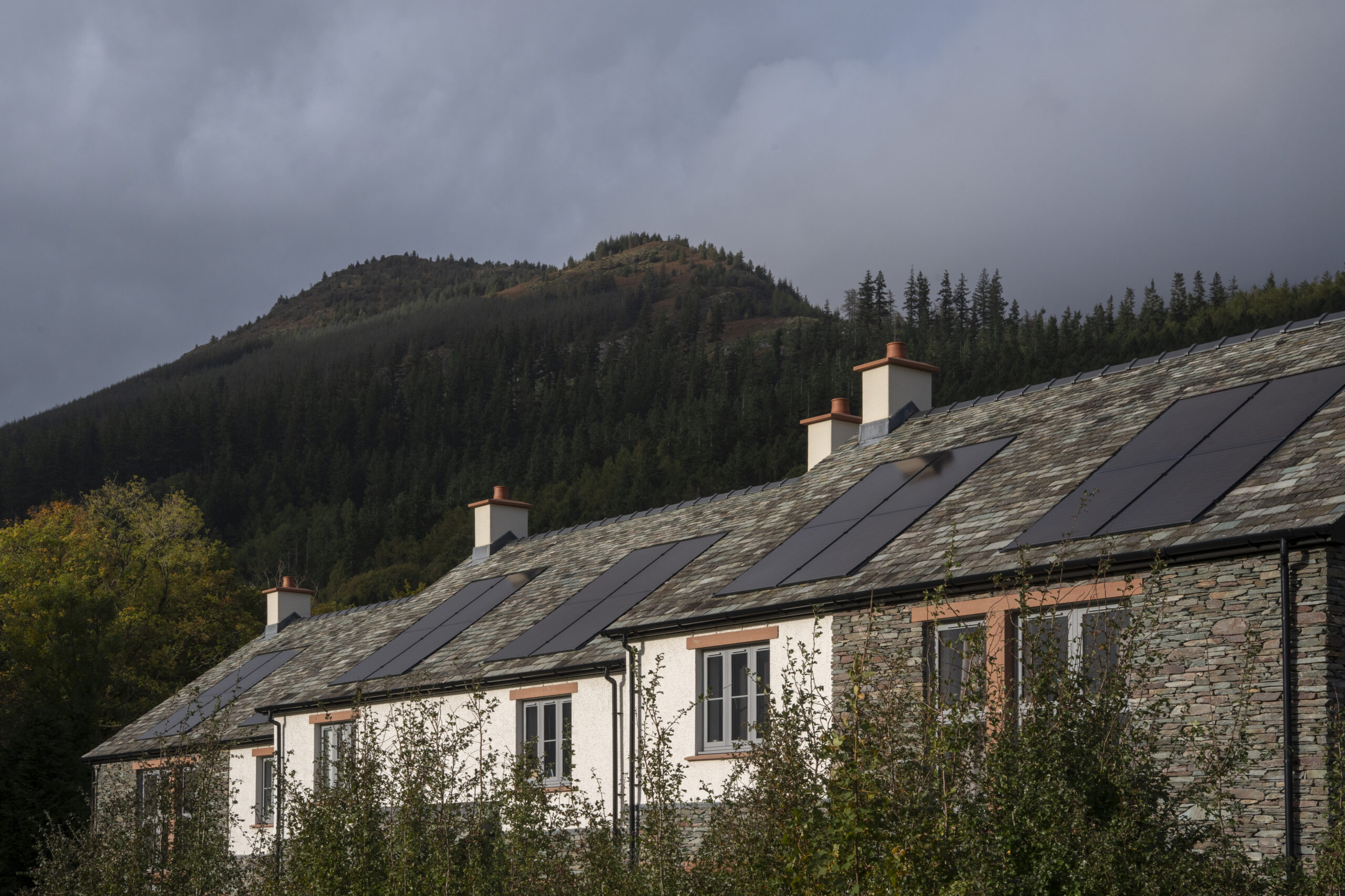
The local architecture varies from vernacular buildings to architectural styles associated with Georgian, Victorian and Edwardian period, including those from the Classical, Gothic and Arts and Crafts movements. Local materials include slate stone, volcanic boulders and cobbles. When visiting towns, villages and hamlets keep a look out for dry stone walls, hedgerows, lanes, and the surviving field patterns that form a visual and historic link between settlement and countryside.
- Coastline and esturaries
Did you know the Lake District has 26 miles of coastline and estuaries? Visit the western area of the National Park and visit coastal town, Ravenglass. Enjoy a dose of vitamin-sea with lakes and mountains just around the corner in the Eskdale valley.
- Cycle trails
See more from two-wheels. With many country lanes, permitted cycleways and bridleways, the Lake District is a playground for cyclists. We have many cycle hire hubs around the Park for people of all levels to explore more.
- Sustainable travel
Getting around the Lake District and discovering new places is better than ever with train stations, bus routes connecting the different valleys and boat trips across the lakes.
- Something for the whole family
The Lake District is a place for everyone. Whether you’re looking for adventure or something more tranquil. Our visitor information centre’s are a great place to find out information and speak to our advisors who have a wealth of knowledge and passion for the place. Visiting for the first time? Explore Brockhole-on-Windermere where you’ll discover everything the Lake District has to offer.
What is a World Heritage Site?
There are over 1000 World Heritage Sites and the English Lake District is the UK’s largest site at 229,200 ha.
World Heritage Sites are places that are inscribed by UNESCO because they are of outstanding global special cultural or physical significance. UNESCO says “Heritage is our legacy from the past, what we live with today, and what we pass on to future generations. Our cultural and natural heritage are both irreplaceable sources of life and inspiration. What makes the concept of World Heritage exceptional is its universal application. World Heritage Sites belong to all the peoples of the world, irrespective of the territory on which they are located”