
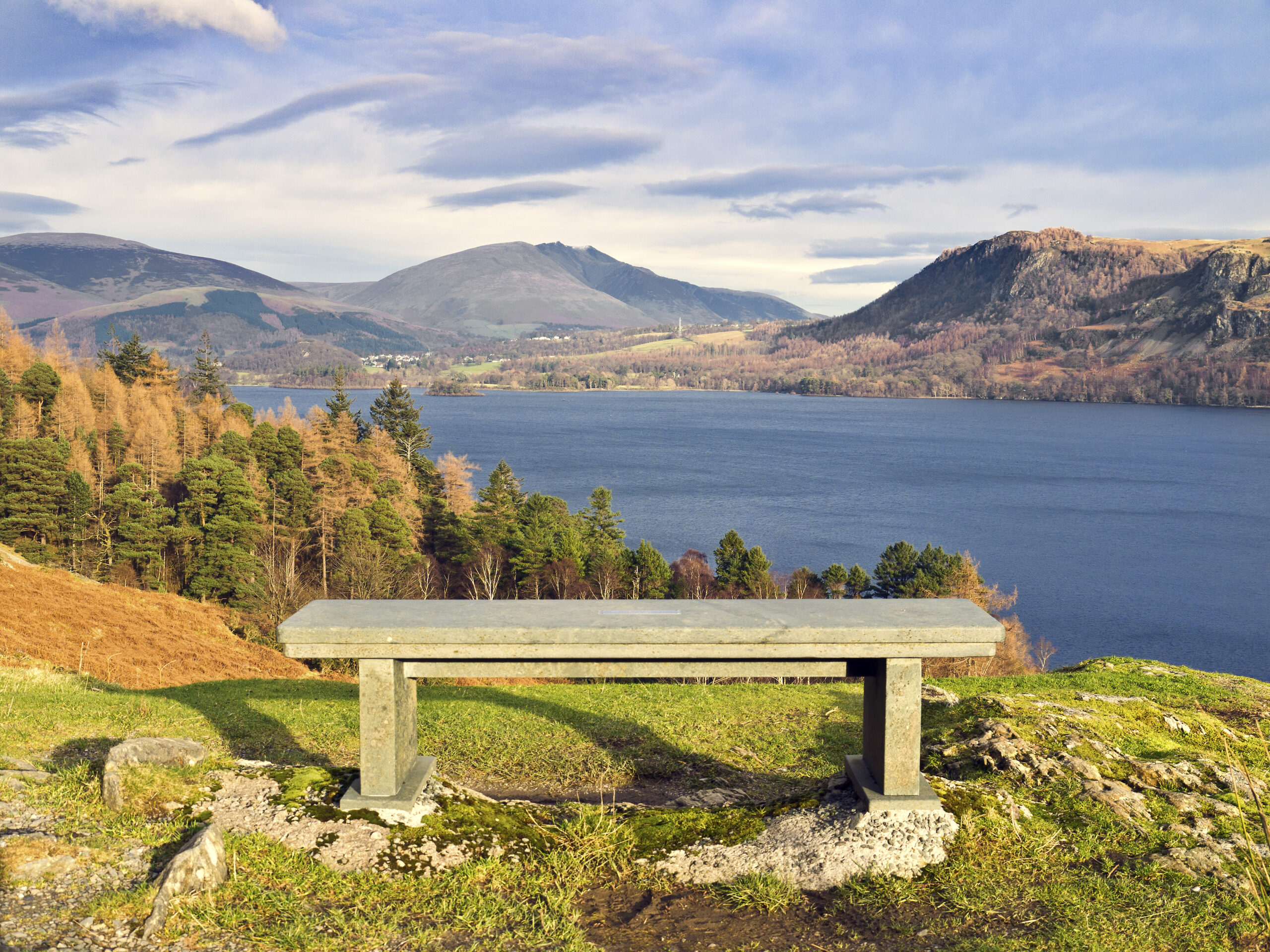
Poetry in the landscape
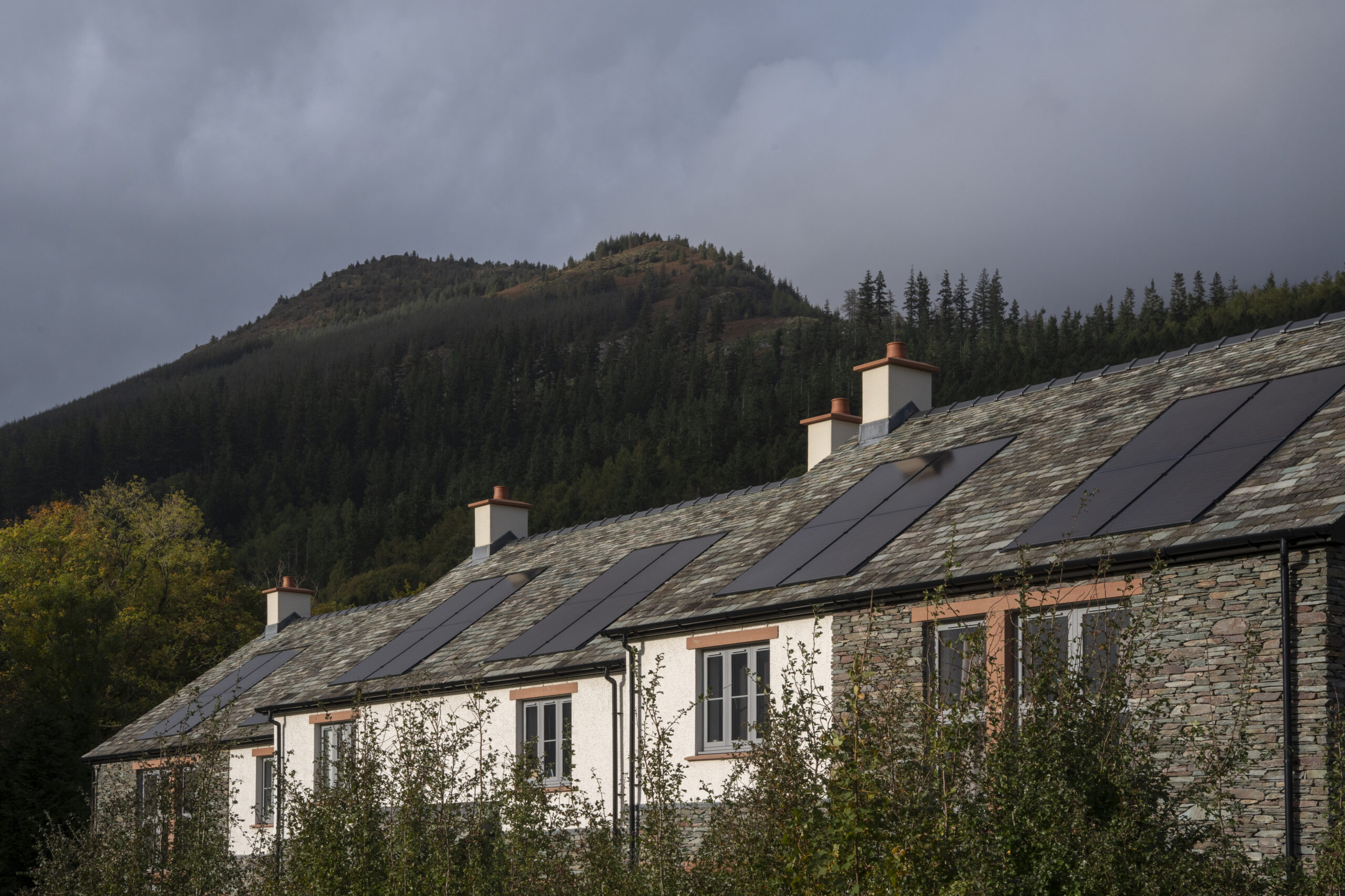
The spectacular landscape of the Lake District has been shaped by farming, industry, picturesque landscape design and the conservation movement. It stimulated poets and artists of the romantic movement from the late 18th century and conservationists from the 19th century.
It continues to culturally inspire the millions who seek out what captivated Wordsworth, Ruskin and Beatrix Potter.
National Poetry Day
National Poetry Day (Thursday 2 October) is an annual event which takes place across the whole of the UK in celebration of poetry. The day is intended to help people discover and enjoy poetry, encourage everyone to read, write, and share poems and recognises the value poetry adds to society.
In the English Lake District World Heritage site, we celebrate the contribution poets such as William Wordsworth have made to this special site. Through his poetry, he inspired people to visit and appreciate the landscape and culture.
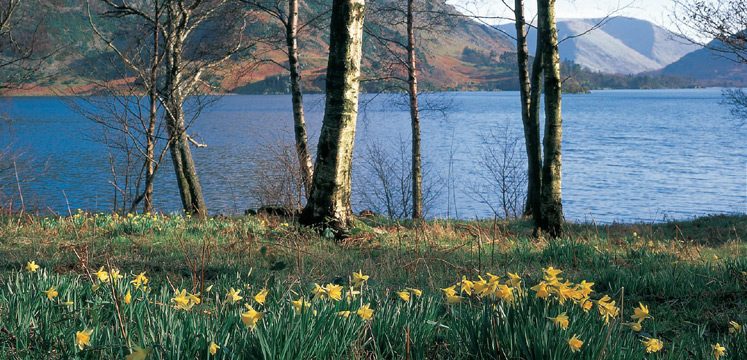
“I wandered lonely as a cloud
That floats on high o’er vales and hills, When all at once I saw a crowd,
A host, of golden daffodils;
Beside the lake, beneath the trees, Fluttering and dancing in the breeze. Continuous as the stars that shine
And twinkle on the milky way,
They stretched in never-ending line Along the margin of a bay:” (Wordsworth)
Wordsworth also contributed to views about the nature of the landscape and how important this place is. He made a quote:
“ a sort of national property in which every man has a right and interest who has an eye to perceive and a heart to enjoy.”
Others took up this view and this eventually contributed to the formation of National Parks.
A poetry day out
There are lots of ways to celebrate National Poetry Day, including reading your favourite poems, recommending poems for others to read, and even writing your own.
You could visit many of the Lake District attractions, which hold information and collections on poets and writers connected to the Lake District, such as Dove Cottage and the Wordsworth Centre in Grasmere, The Armitt Museum in Ambleside, Brantwood near Coniston, and Keswick Museum.
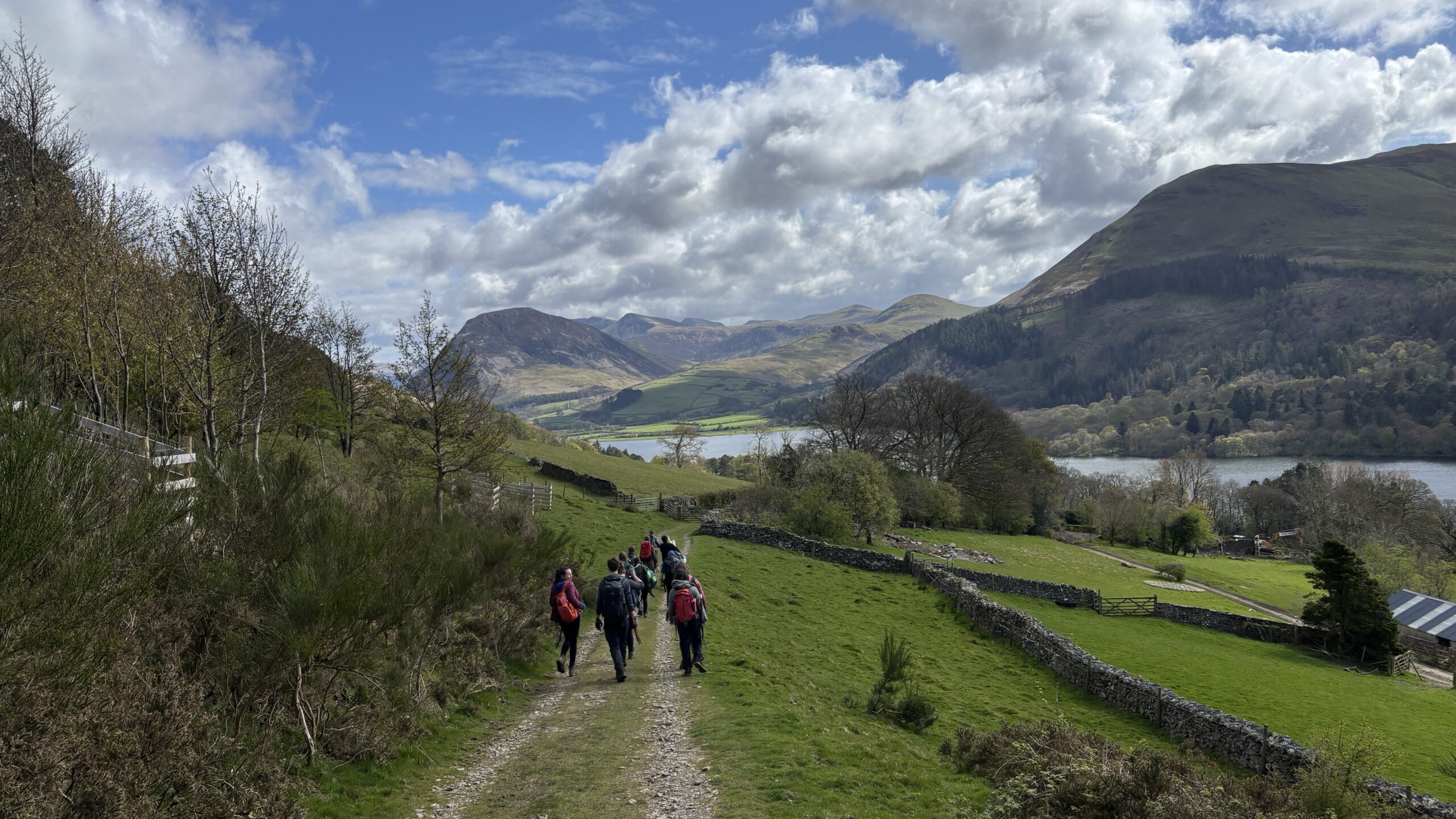
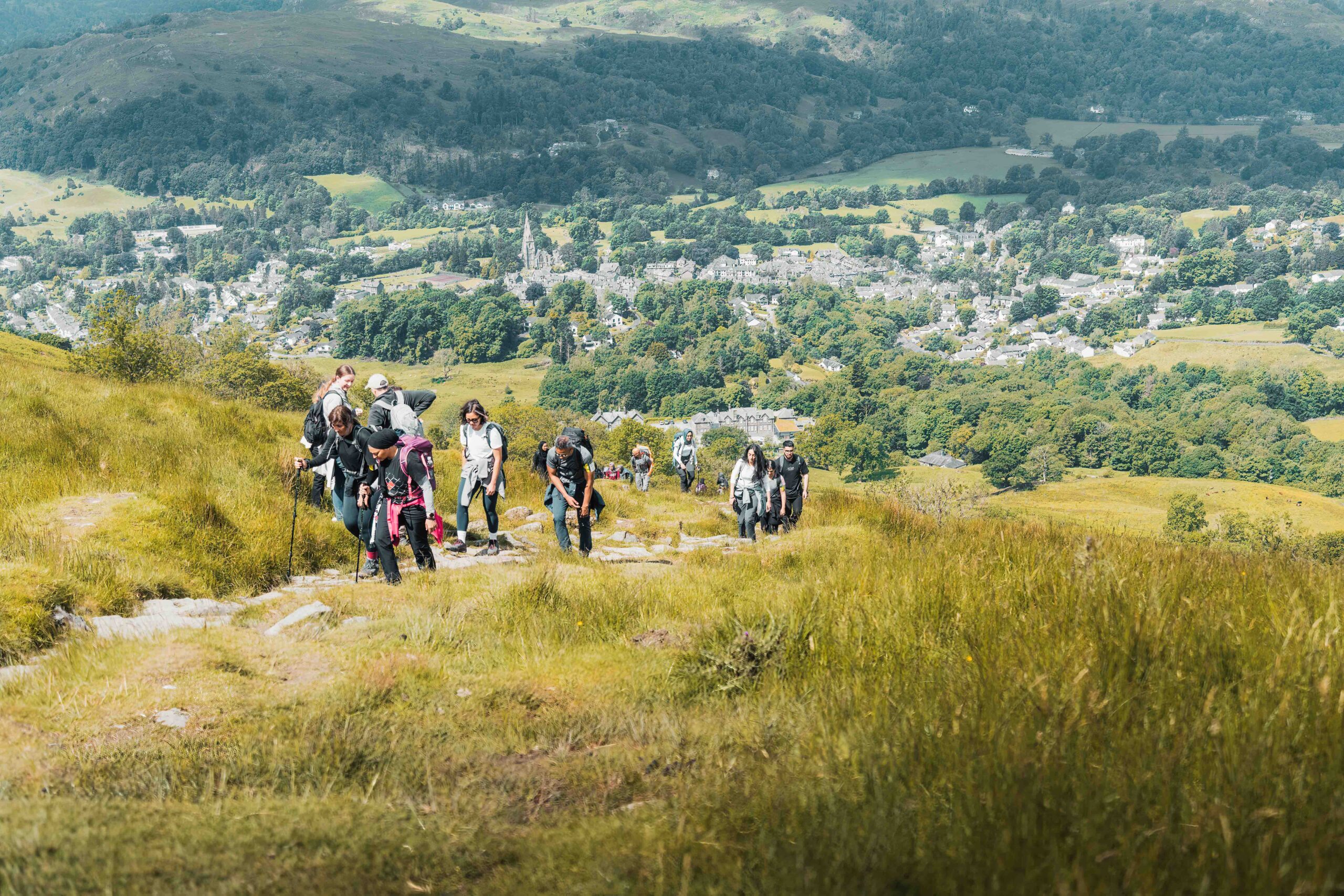
Or, go for a walk in the National Park and be inspired by the same landscape Wordworth was.