
Climbing the Wainwrights without a car
If bagging the Wainwrights is on your bucket list you might think you're only able to tick them off with a car. But guest blogger Roy Kenyon has shared how.
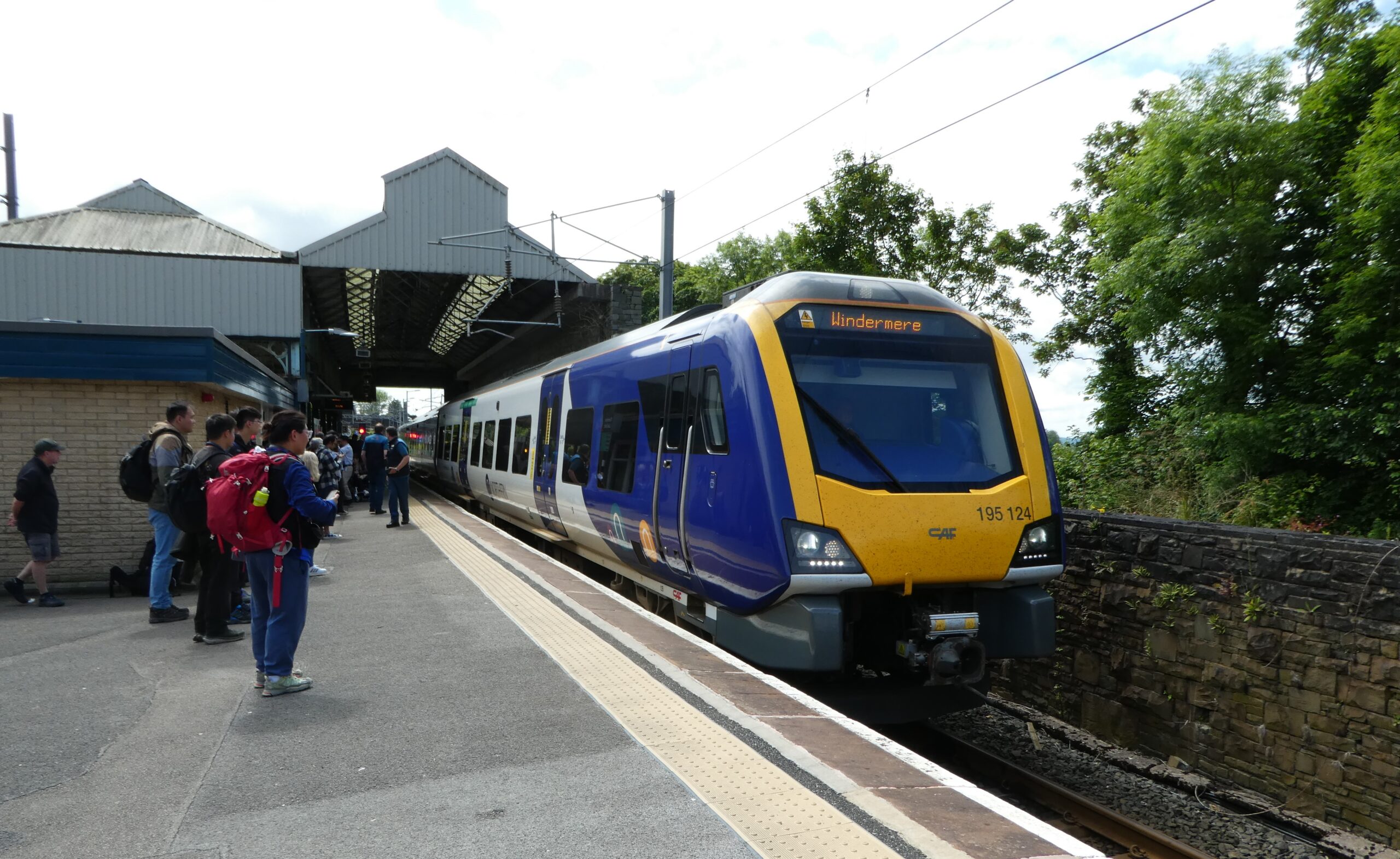
Ron and other members of the Eden Valley Mountaineering Club climbed all the Wainwright summits using only public transport. For each Wainwright Ron and others hopped on buses, trains, boats and bikes, summitting all 214. A book has been written by Ron called ‘Climbing the Wainwrights without a car – A year on the Lake District Fells’ which contains insights about accessing public transport to reach the summits but also information about the Lake District. Read about how the year went from Roy below.
The benefits of ditching the car
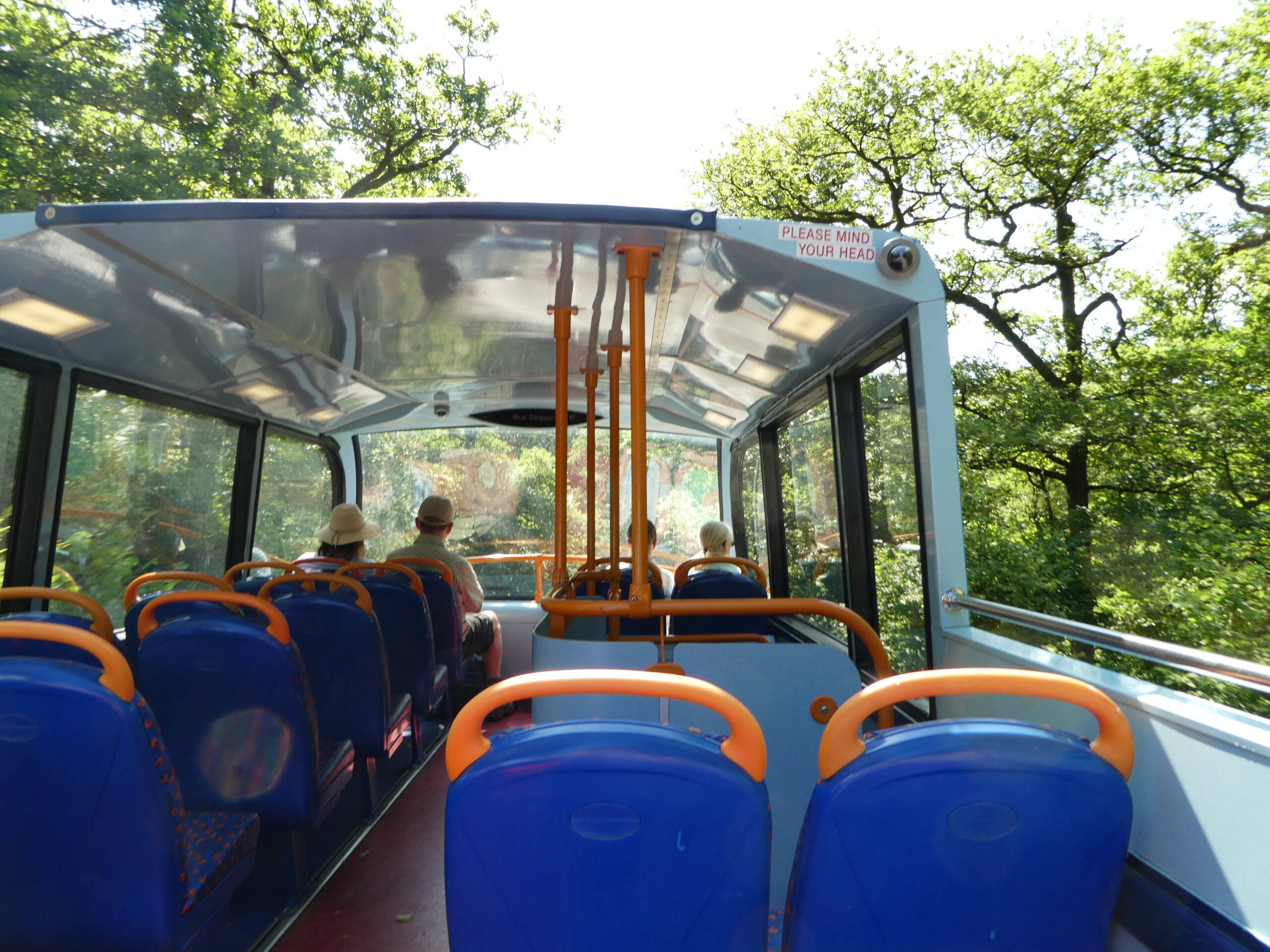
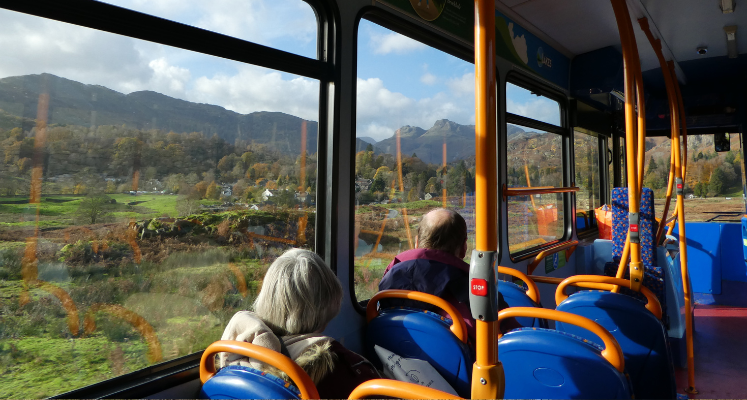
The motor car has been one of the major inventions which has changed the world. It does, however, have its downside with the congestion caused on many Lake District roads, as well as pollution created which is now part of the climate crisis. The Lake District is a tremendous area but has become a victim of its own popularity and comes under more pressure from the number of visitors. There is a good rail service to the area from other parts of the UK and once here there is a network of buses to many parts of the area. “It’s not the destination, it’s the journey” - Ralph Waldo Emerson. Leaving the car often opens up a new world of the journey and meeting other folk on the bus or train or boat as well as on the fells. Also, one does not have the hassle of negotiating busy roads or finding somewhere to park. Using public transport can provide many benefits, especially towards mental wellbeing, sitting back, relaxing on an open-top bus taking in the panoramic views of the Lake District is a stress-free way of getting to the start of your hike. In 2023 members of the Eden Valley Mountaineering Club ascended all Wainwright summits without using a car. I am a club member, having lived in the area most of my life with a wide knowledge of the Lake District fells and I could see there was book there - and here it is.
What to expect in the book
There is a lot crammed into its covers with information about transport around the various valleys of the Lake District, getting to know the area, having a plan, coming back safely and much more. The book is a mixture of a guidebook and reference book and highlights the need, but also interest, in getting to know the area and planning trips out onto the fells. The book highlights the good spread of public transport available including:- Railways with the main West Coast Line, with stations at Oxenholme and Penrith, as well as the Cumbrian Coast Line, which links with the La’al Ratty up Eskdale.
- National bus services pass the area and make a useful link from other parts of the country with National Express, Megabus and Flixbus.
- The main bus service, in the area, is run by Stagecoach, which produces a very useful timetable when looking at using buses in the Lake District.
- There are a number of other local bus services:
- Ullswater Hopper Bus - around Ullswater in the summer.
- The Fellrunner Bus services - important service around the villages and towns of the Eden Valley.
- Wasdale Shuttlebus - useful bus running up and down the Wasdale valley
- Blueworks - bus services on the Furness Peninsula and between Barrow and Coniston
- Navigable lakes with ferry services and boats which provide another useful public transport system.
Bagging the Western Fells by train and bus
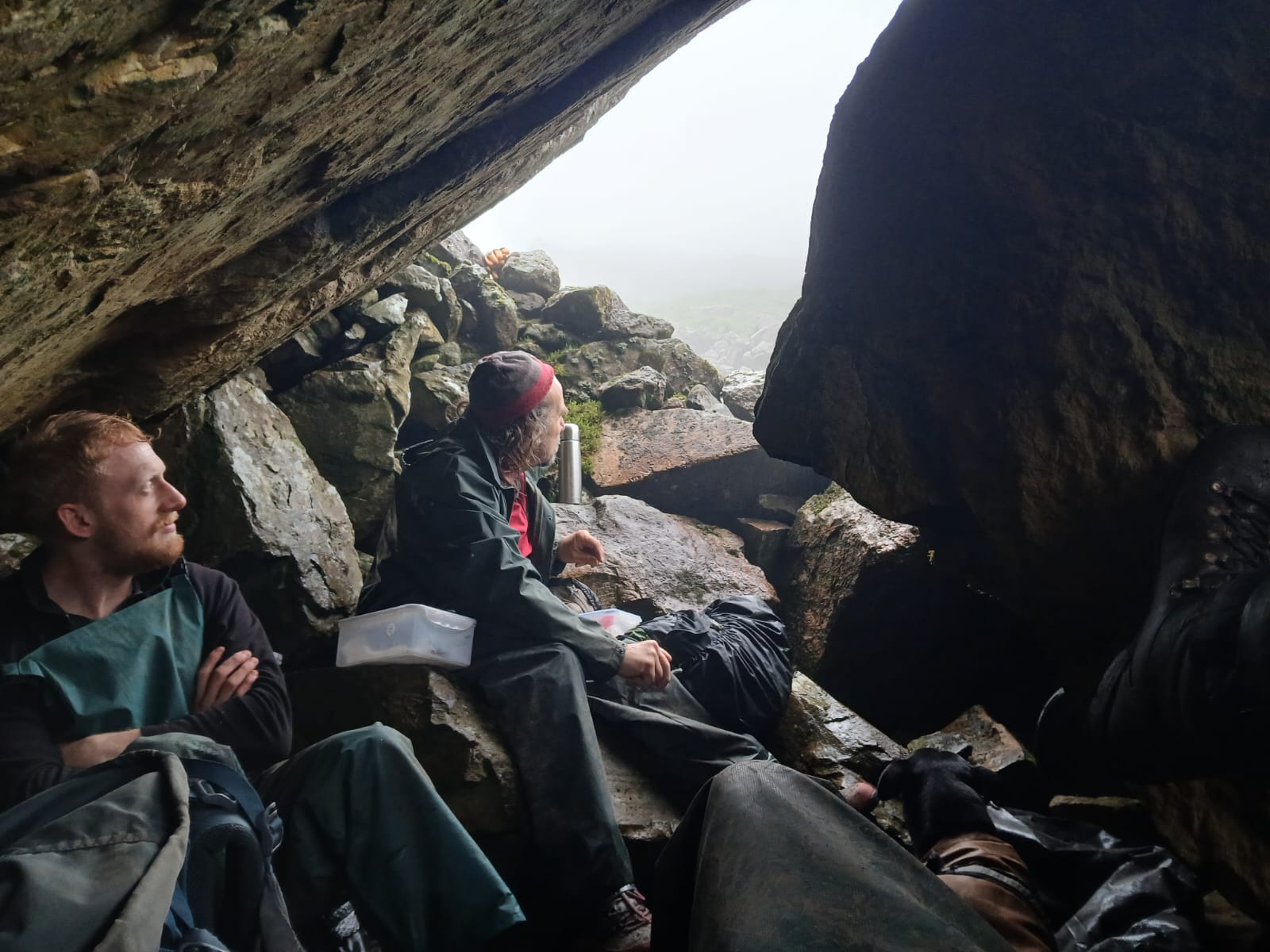
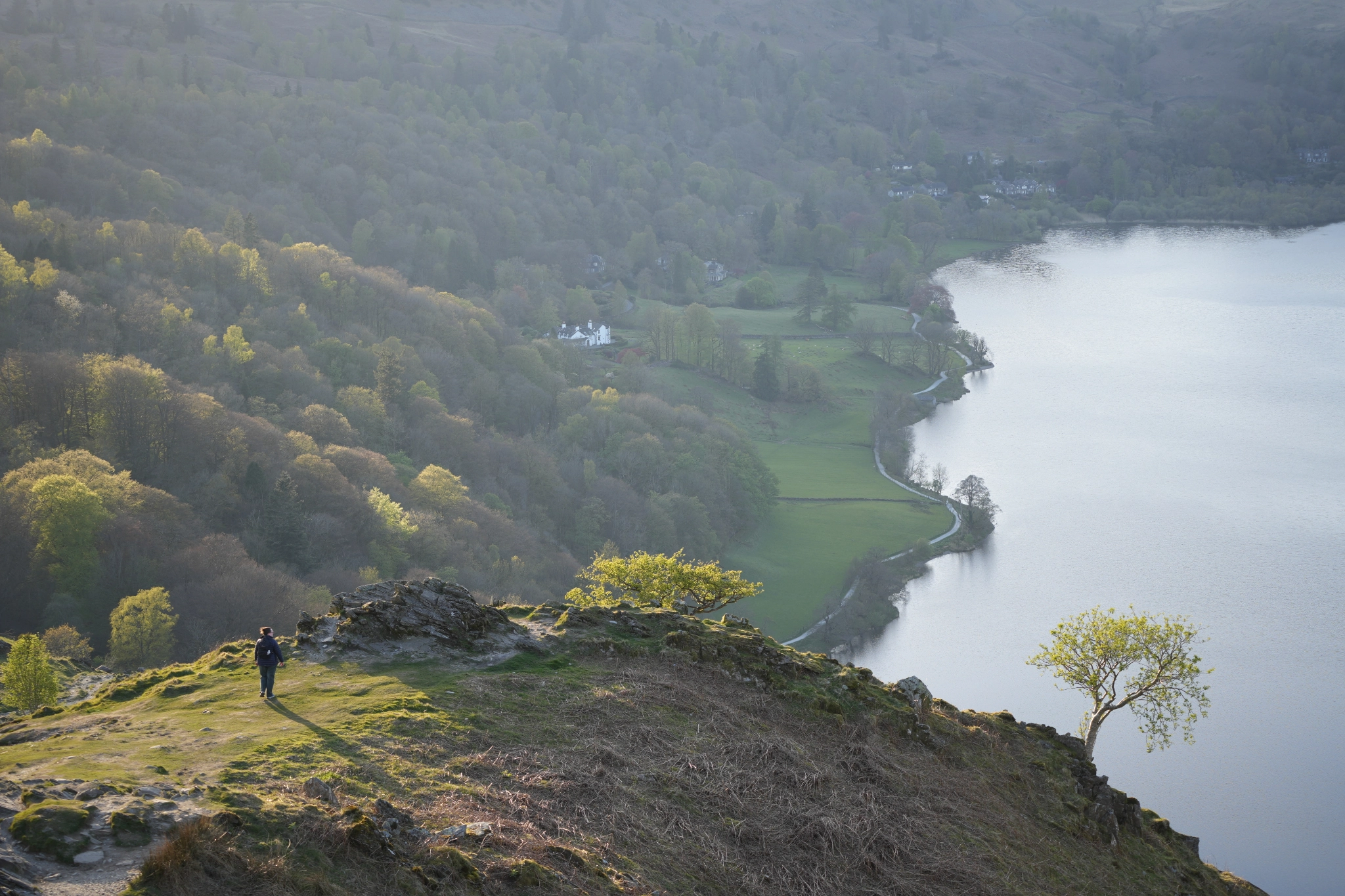
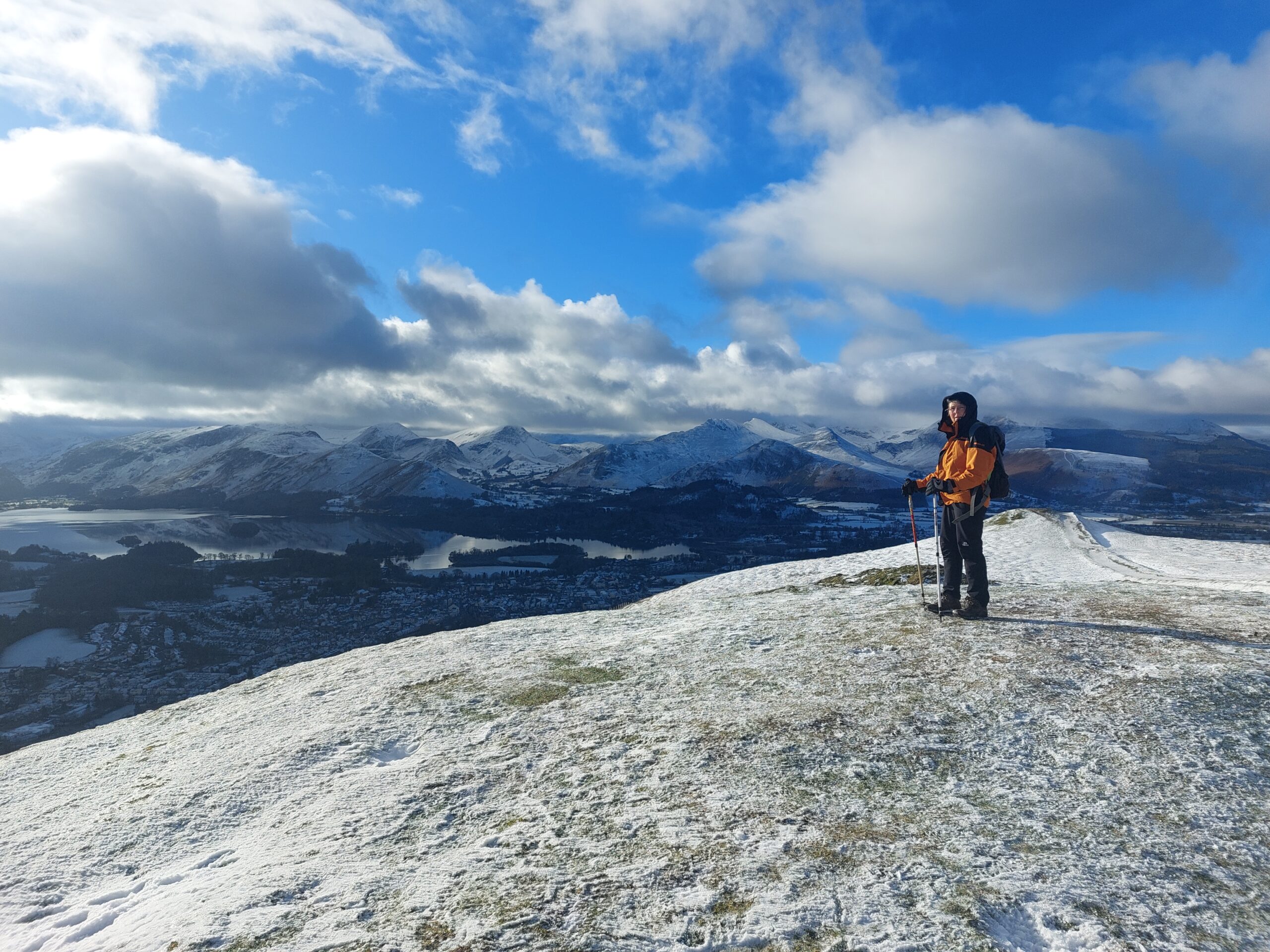
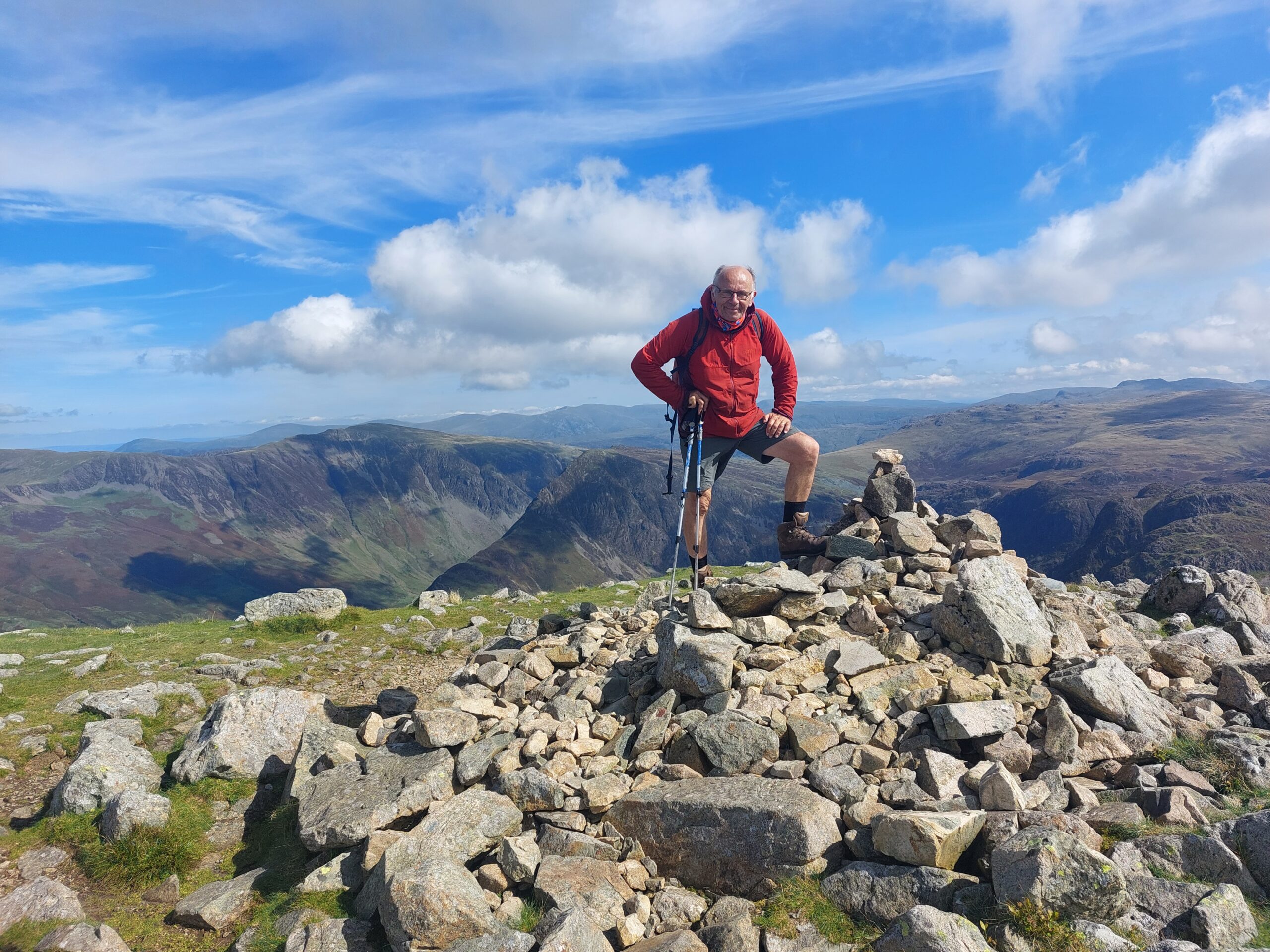
When ticking off the Wainwrights, in the Western Lakes, I got the train to Whitehaven, then the bus to Cleator Moor. I then walked into the fells and over Grike, Lank Rigg and Haycock and camped overnight with fine views with the afterglow, on the Scafell Group, as the sun was setting. I was up early, to head over Seatallan, Middle Fell and Buckbarrow and down to the road from where, a few minutes later, the Wasdale Shuttlebus took me up the valley to the Wasdale Head Inn. Appropriate refreshment was enjoyed and I watched Wimbledon on the TV, before catching the last Wasdale Shuttlebus down the valley to Ravenglass. I stayed overnight camping at the campsite there, before catching the train home in the morning. Read more about getting to and around the Lake District.Supporting Fix the Fells
One third of the profits from the book will be given to Fix the Fells, which relies on donations to repair and maintain upland paths. Fix the Fells is made up of Rangers and approximately 100 volunteers who tackle all weather conditions to help protect the Lake District World Heritage Site for future generations. Most of the rest of the profits will be given to other local causes and organisations.Be Adventure Smart
It is hoped that this book will help promote the public transport available and that more will leave car keys behind and head for the train station or bus stop for their next journey onto the Lake District fells. Before heading onto the fells make sure you're prepared. Ask yourself:- Have I checked the weather?
- Do I have the right gear?
- Am I confident I have the right skills and knowledge for the day
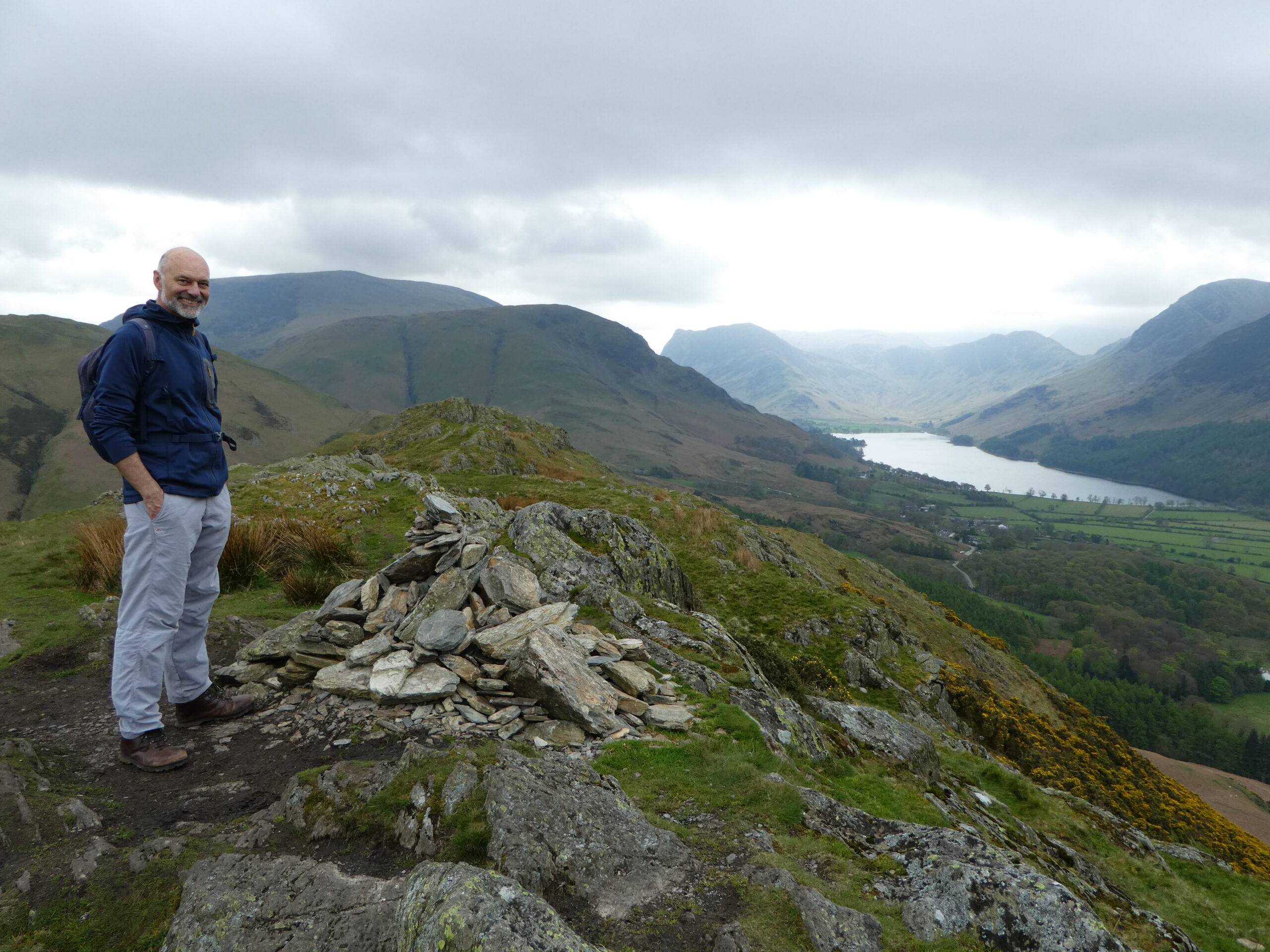
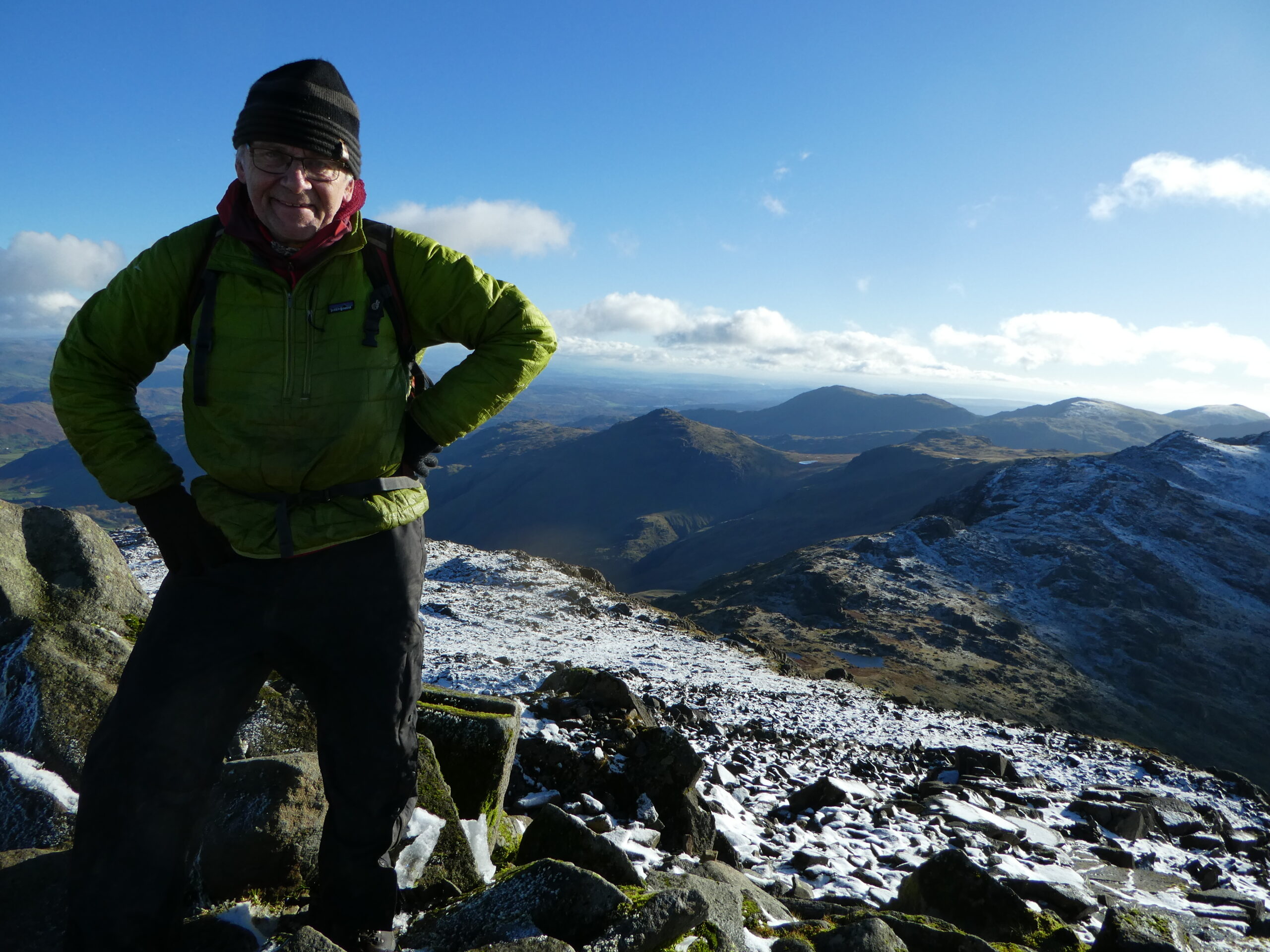

All images credited to Ron Kenyon