
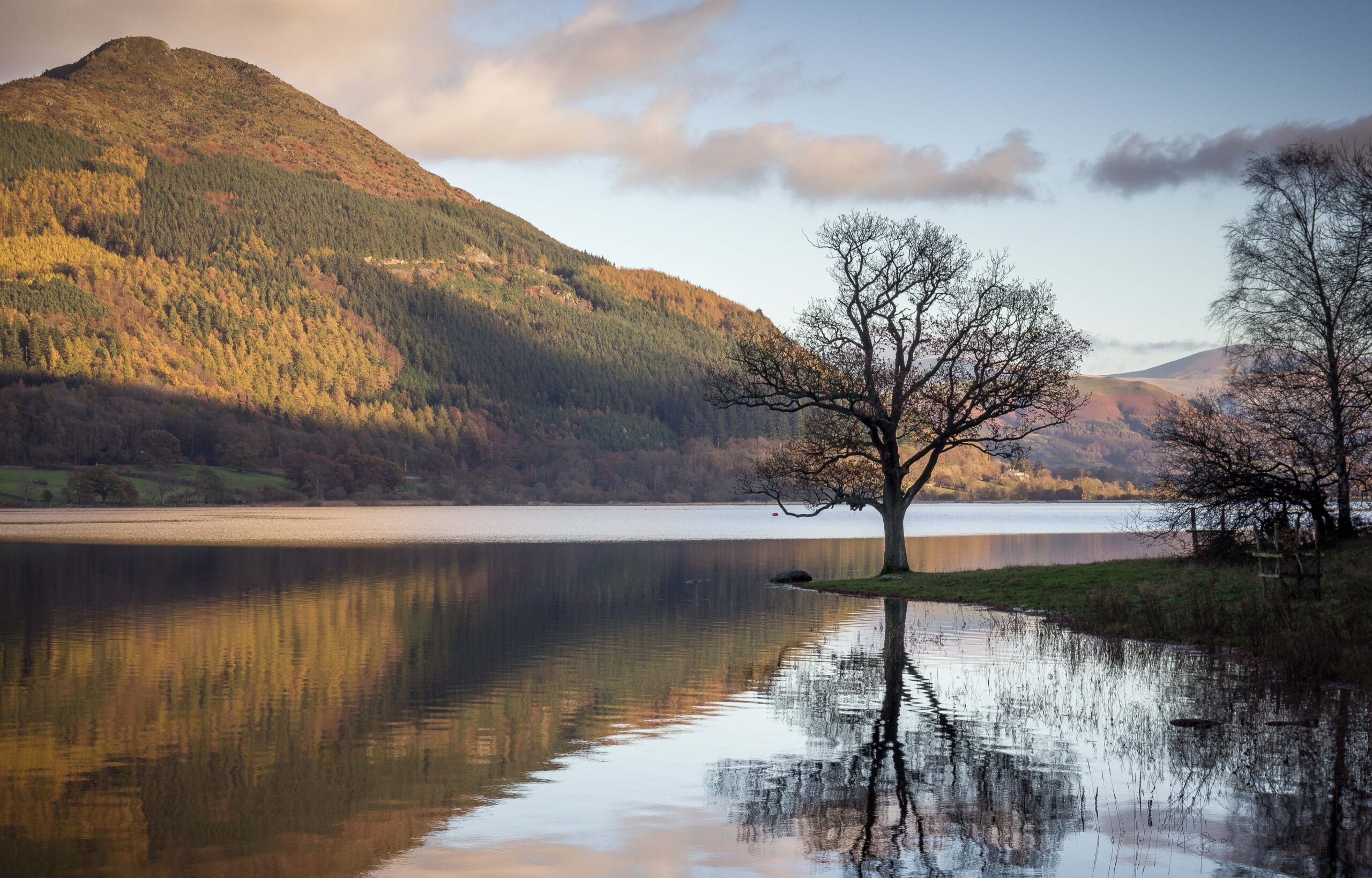
Bassenthwaite Lake: A tranquil haven for nature lovers and wellness seekers
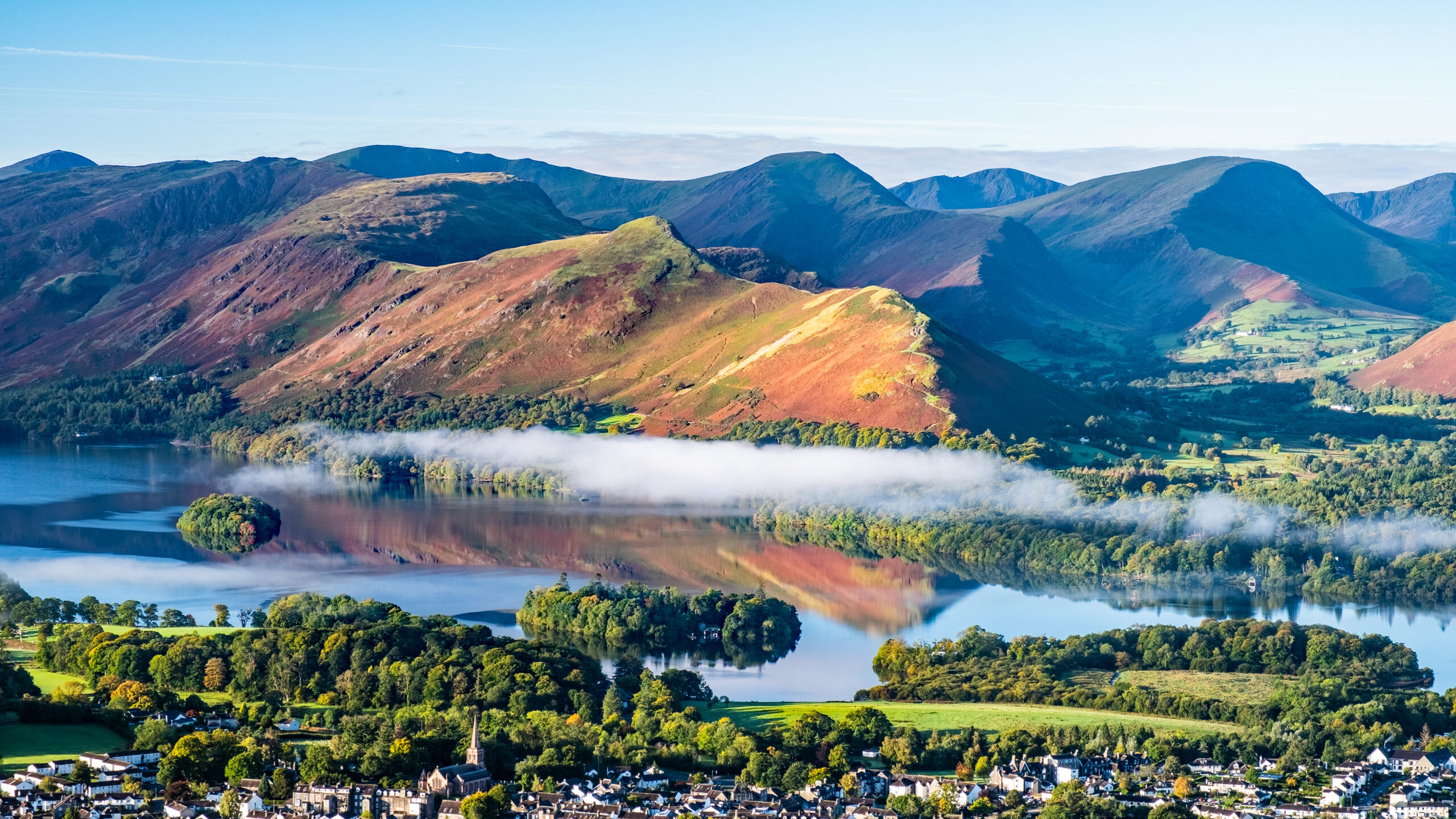
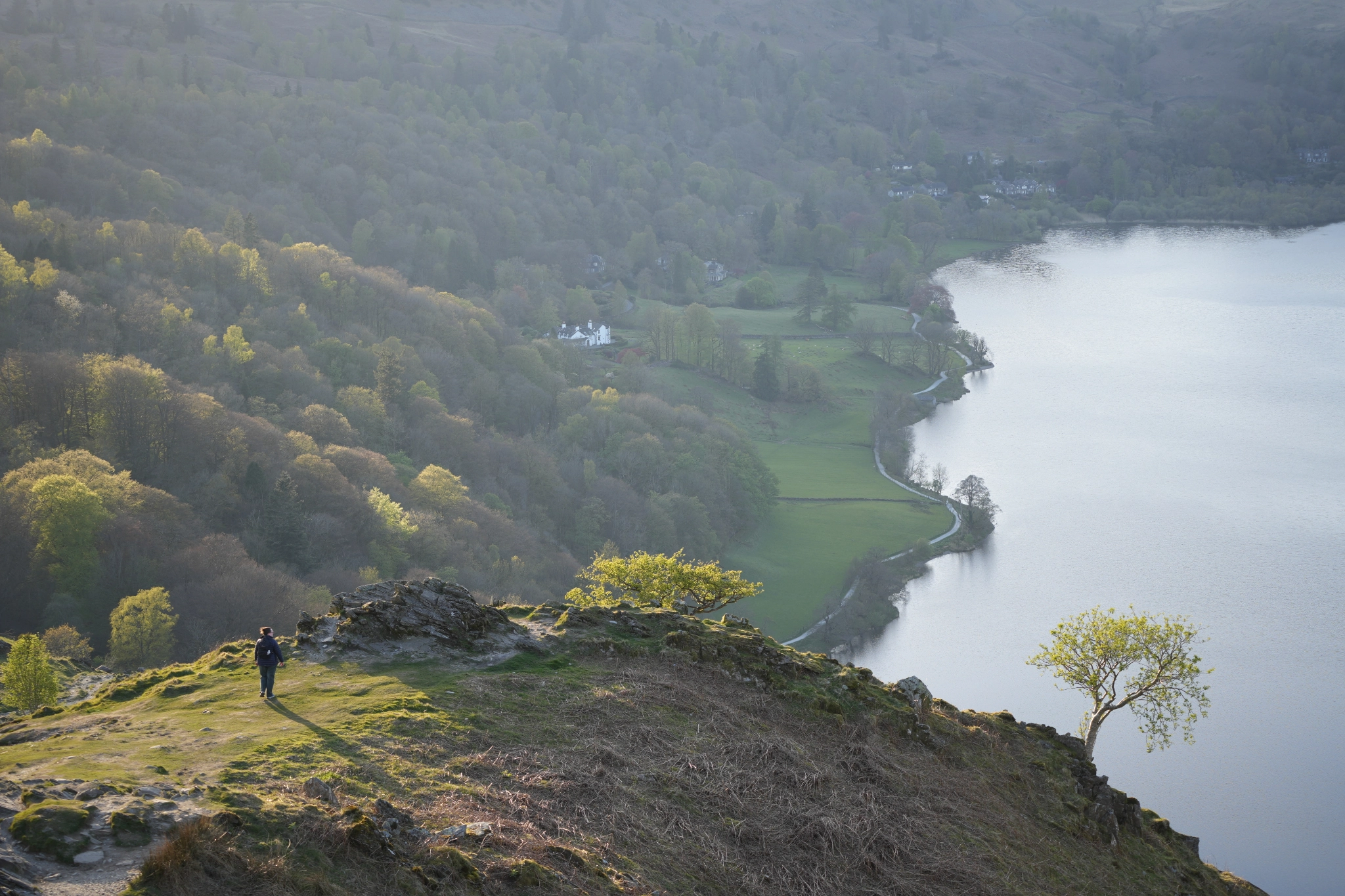
Bassenthwaite Lake lies in the north-west of the Lake District National Park in the valley of the River Derwent, three kilometres north-west of Keswick. It is the fourth largest body of water and only true lake (albeit in name) in the Lake District, the others being ‘meres’ or ‘waters’.
Owned by the Lake District National Park Authority, Bassenthwaite Lake is a National Nature Reserve (NNR), a Site of Special Scientific Interest and part of the River Derwent and Bassenthwaite Lake Special Area of Conservation.
I’m Cath Johnson, Natural Environment Advisor, and as part of my role I have the privilege to help look after Bassenthwaite Lake. Find out what’s so special about the Nature Reserve and why I find it the perfect place to unwind.
Where it began
I’ve worked for the Lake District National Park Authority for over 11 years. Until 2021, I was the Area Ranger covering the north of the Park.
My role as Natural Environment Advisor involves providing specialist knowledge and advice about the natural environment and land management. I work alongside many different organisations and people living, working in and managing the National Park. This means I also get to visit some of the most beautiful and important wildlife sites in England.
I first discovered Bassenthwaite Lake when I first moved to Cumbria in 2009. I felt an immediate connection having previously managed lakes or “broads” in Norfolk as a Conservation Officer with the Broads Authority. I would never have believed back then that a few years later I would be part of a team helping to protect and manage the lake.
Nature and wildlife to spot
The lake supports both nationally and internationally important populations of aquatic plants and fish including floating water plantain, Atlantic salmon and vendace. Vendace is the UK’s rarest fish and is only found naturally in two lakes in England: Derwent Water and Bassenthwaite Lake.
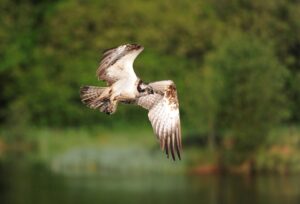
Unlike many lakes in the Lake District, Bassenthwaite has extensive sections of more-or-less natural lakeshore vegetation and these support nationally important invertebrates, plants and birds. An early morning walk along the lake shore can be rewarded with glimpses of thread rush, globe flower, little ringed plover, reed bunting and reed warblers. If lucky you may observe the majestic osprey hunting over the lake for fish. Until 2001 there had been no record of nesting osprey in England since the 1830s, until a pair arrived in the Lake District and successfully started breeding near Bassenthwaite Lake.
A visit to Bassenthwaite can enhance your mental wellbeing
Evidence has shown that wildlife-rich environments benefit both physical and mental health. A visit to the lake, including a quick swim, is a sure way of leaving behind the stresses and strains of work and life. I always come away feeling re-charged and motivated by new ideas towards helping to manage the lake sustainably for people and nature.
My hope for time to come is that Bassenthwaite Lake continues to host a wealth of wildlife and habitats that provide the important well-being benefits that people come to experience. But perhaps more importantly is to ensure that people feel a strong sense of pride and ownership, especially the younger generation, to guarantee the lake is loved and cared for long into the future.
Take a scenic accessible walk
A 2.5km Miles without Stiles walk around Dubwath Silver Meadows, at the northern end of Bassenthwaite is a wildlife haven for nature lovers and bird watchers with excellent example of ‘fen’ habitat. With environmentally friendly and durable boardwalks – made from recycled plastic bottles, this short walk provides access for wheelchair and pushchair users and those with limited mobility.
For route information visit our website: Miles Without Stiles 27: Dubwath Silver Meadows : Lake District National Park
Liten to Cath talk about her love for Bassenthwaite Lake
Protecting the lake for future generations
Bassenthwaite has always been a great place for our visitors and communities alike to enjoy water activities, such as fishing, kayaking, paddleboarding, and swimming, but these activities can also, inadvertently, put pressure on some of the sensitive habitats and wildlife. Please note that a permit is required to access the lake.
Last April we launched our new management plan for the NNR outlining how we intend to manage the site over the next five years with the resources available to us. As NNR managers we work closely with Natural England to contribute towards nature recovery (both on-site and beyond its boundaries), providing opportunities for public enjoyment, quiet recreation, and engagement, sharing knowledge and research and involving communities and stakeholders in the management of the NNR.
The lake can be a very popular place to visit, especially on hot summer days when visitors are eager to reach the water’s edge. Sometimes this results in the trampling of sensitive lakeshore vegetation. Because of this, we have been investigating ideas on how we can protect the lakeshore areas whilst better educating and encouraging the visiting public to visit the lake responsibly.
In the next few months visitors will notice some low rope fencing installed with the aim of discouraging trampling on some of the most vulnerable areas along the lake shore at Banks Point. The style of the fencing has been chosen to fit in with the natural landscape. The idea is not to exclude people from the lake but to help provide visual cues to the areas that would benefit from reduced trampling for the vegetation to recover.
A healthy lakeshore looks like this:
Keeping a healthy lakeshore is vital to the overall health of the lake. The natural vegetation growing here provides valuable cover for fish, birds and insects. It can also help protect the water quality by absorbing phosphorus and nitrogen from land run-off and filtering loose sediments.
For more information on Bassenthwaite Lake, the management plan and how to purchase a permit to access the lake please visit our website:Bassenthwaite National Nature Reserve : Lake District National Park