
Snow and temperature
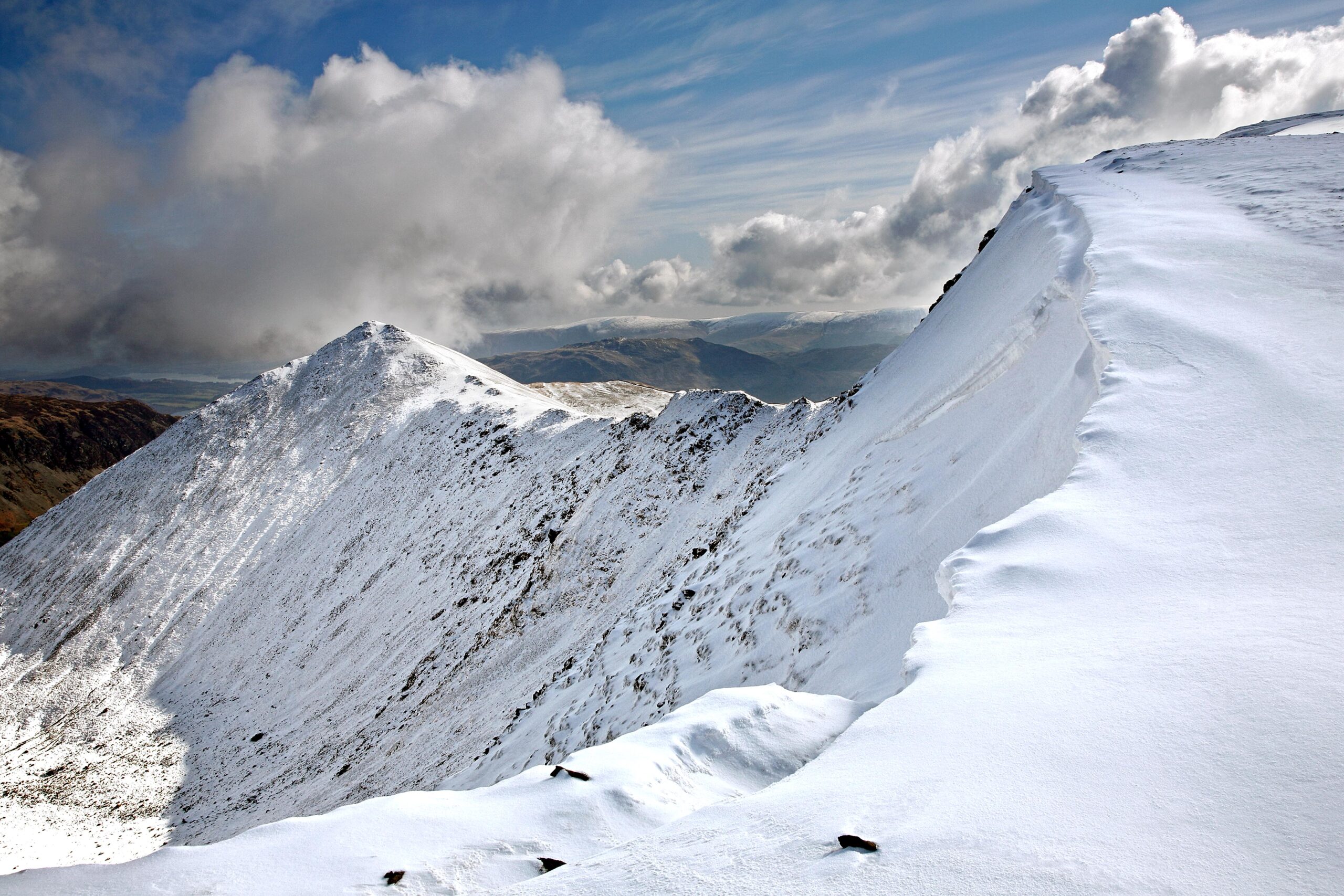
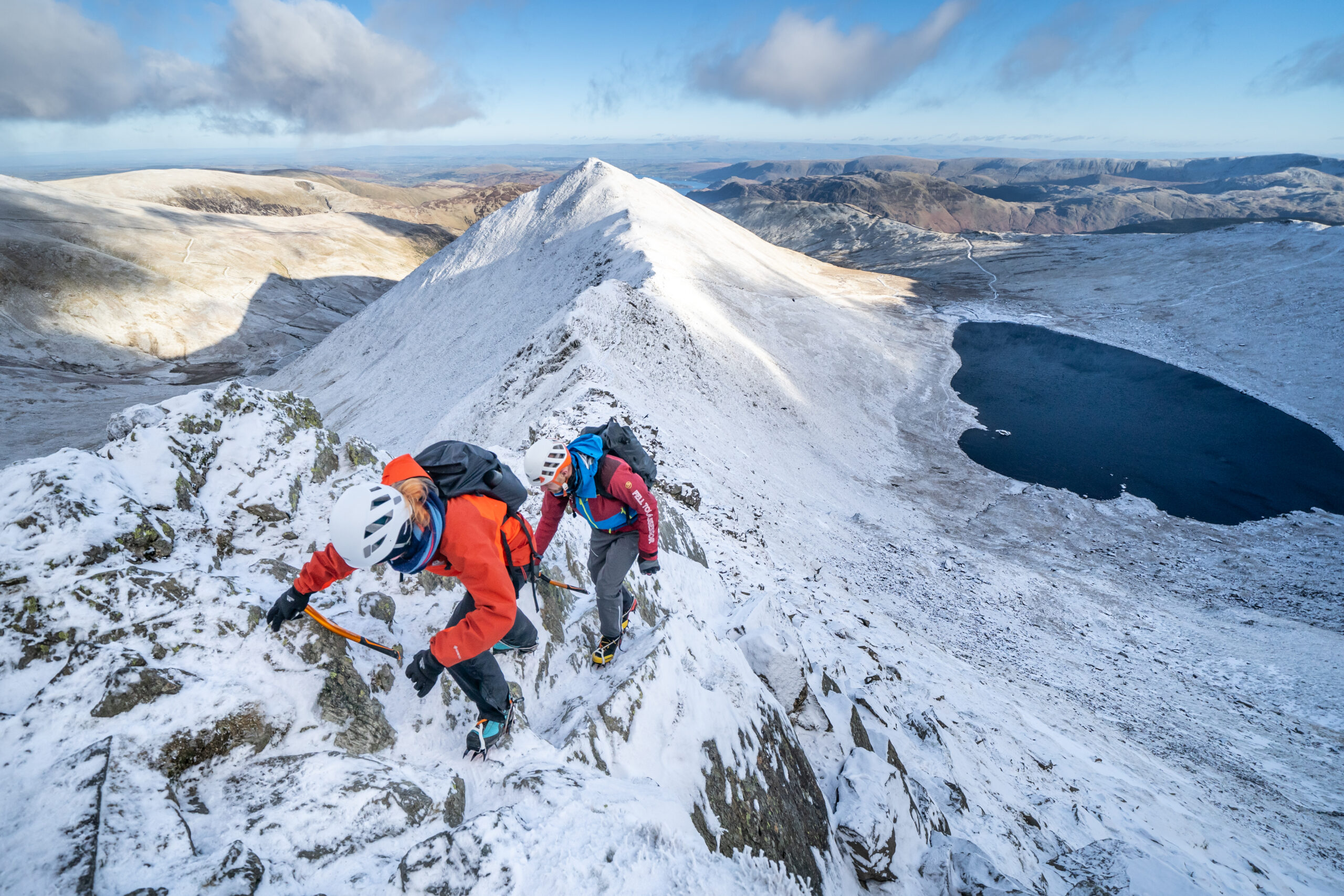
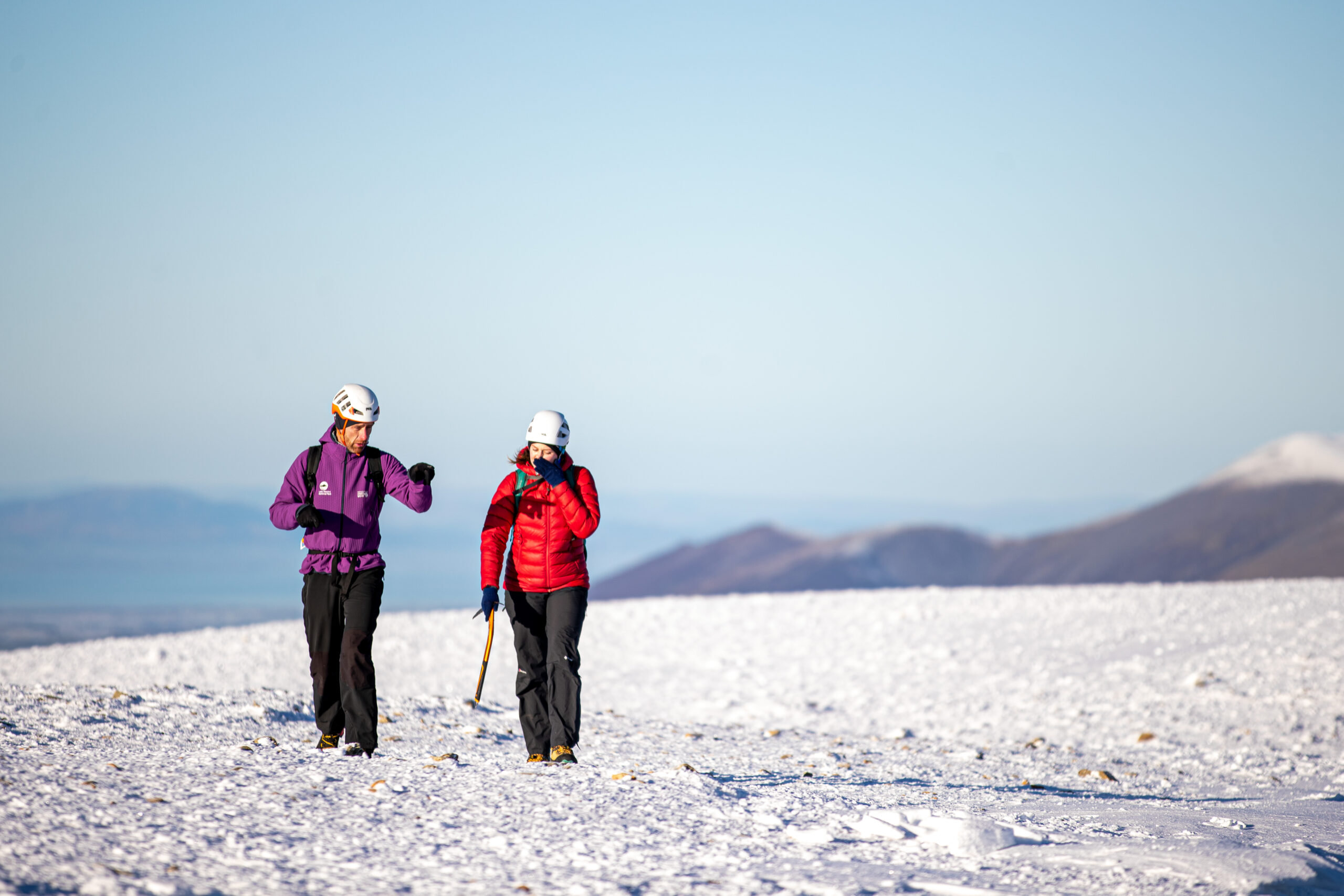
This is an image of two people ascending Helvellyn in the snow.
In the valleys of the Lake District, there are about 20 days per year when snow falls. This can increase to as many as 67 days per year on a mountain such as Helvellyn.
As height above sea level increases, temperature falls. A general rule is that temperature falls by about 1°C for every 100m increase in height. The number of snow-covered days increases by about 5 for every 100m increase in height.
Climate and the landscape
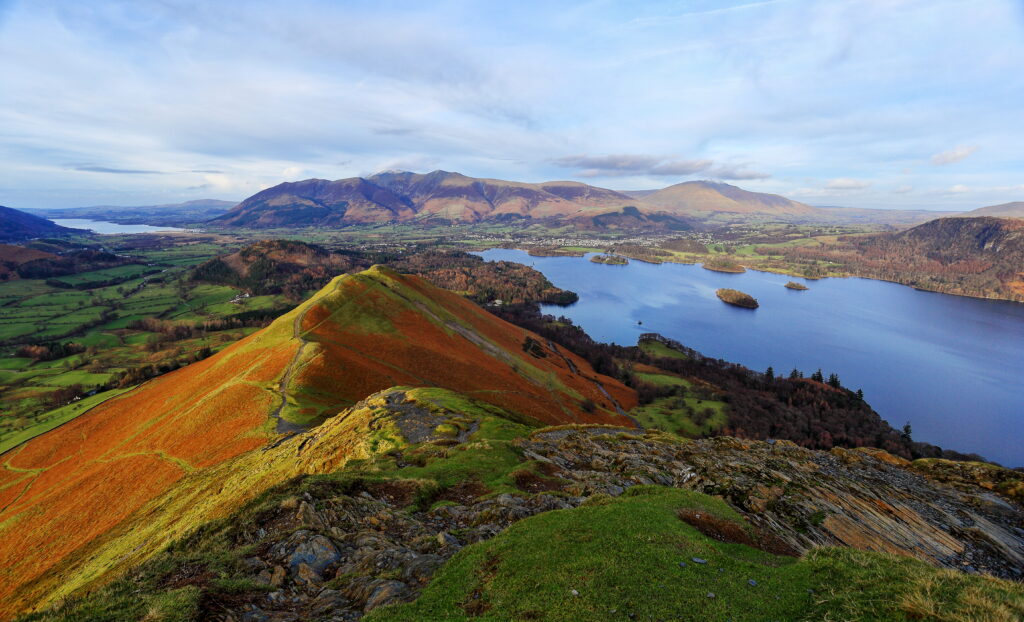
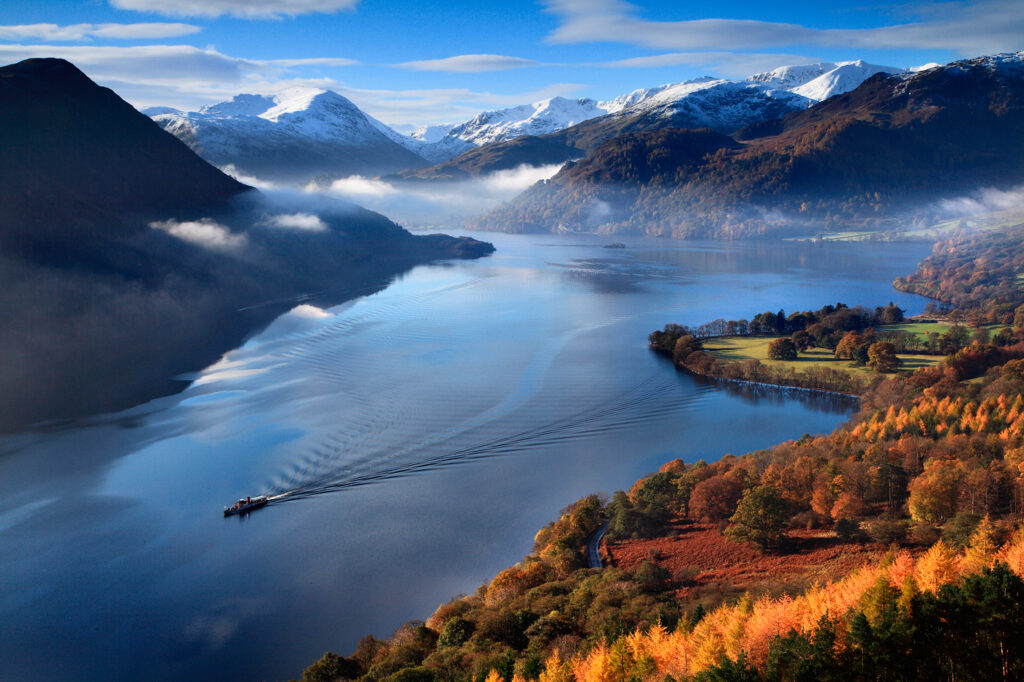
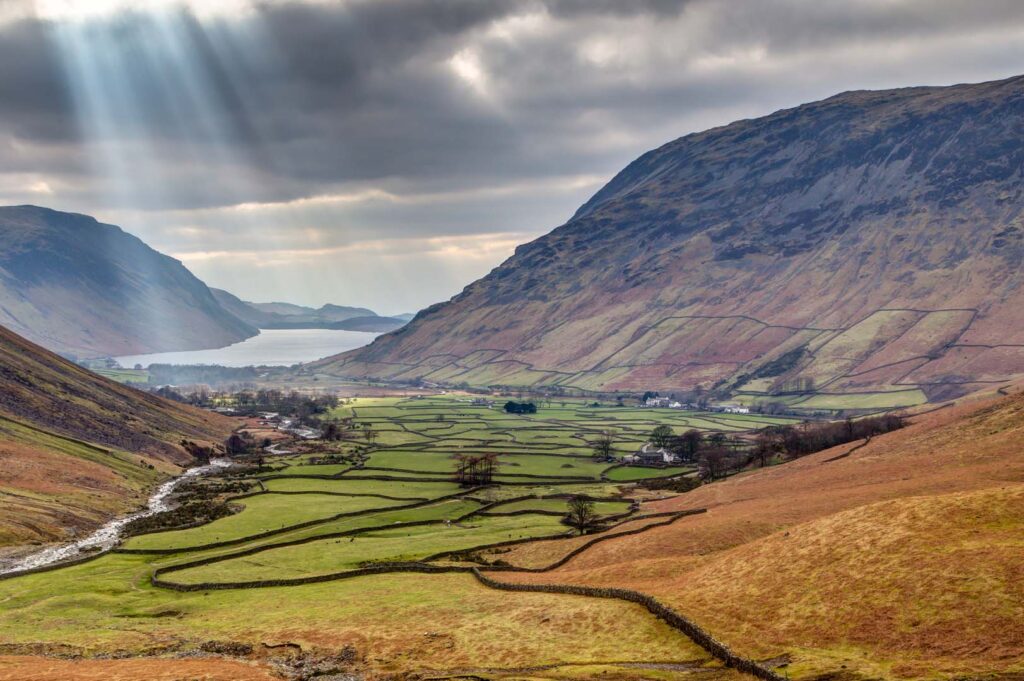
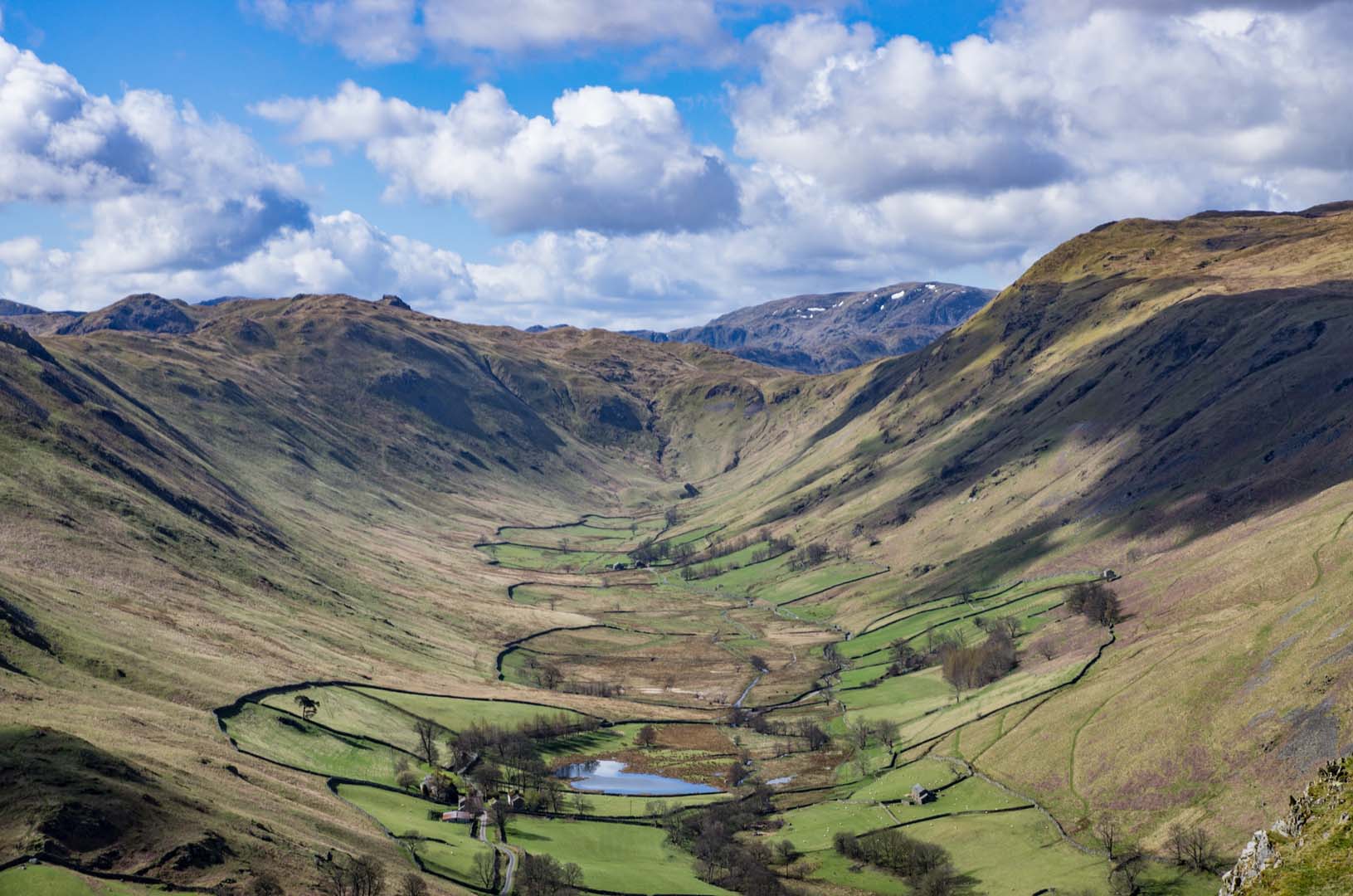
The climate, together with the geology of the area, has made the Lake District what it is today. In the last 2 million years, a series of ice ages left the area buried under glaciers. These rivers of ice carved deep lakes and U-shaped valleys between the hills. The long, narrow lakes radiate outwards from the high mountains of the central area.
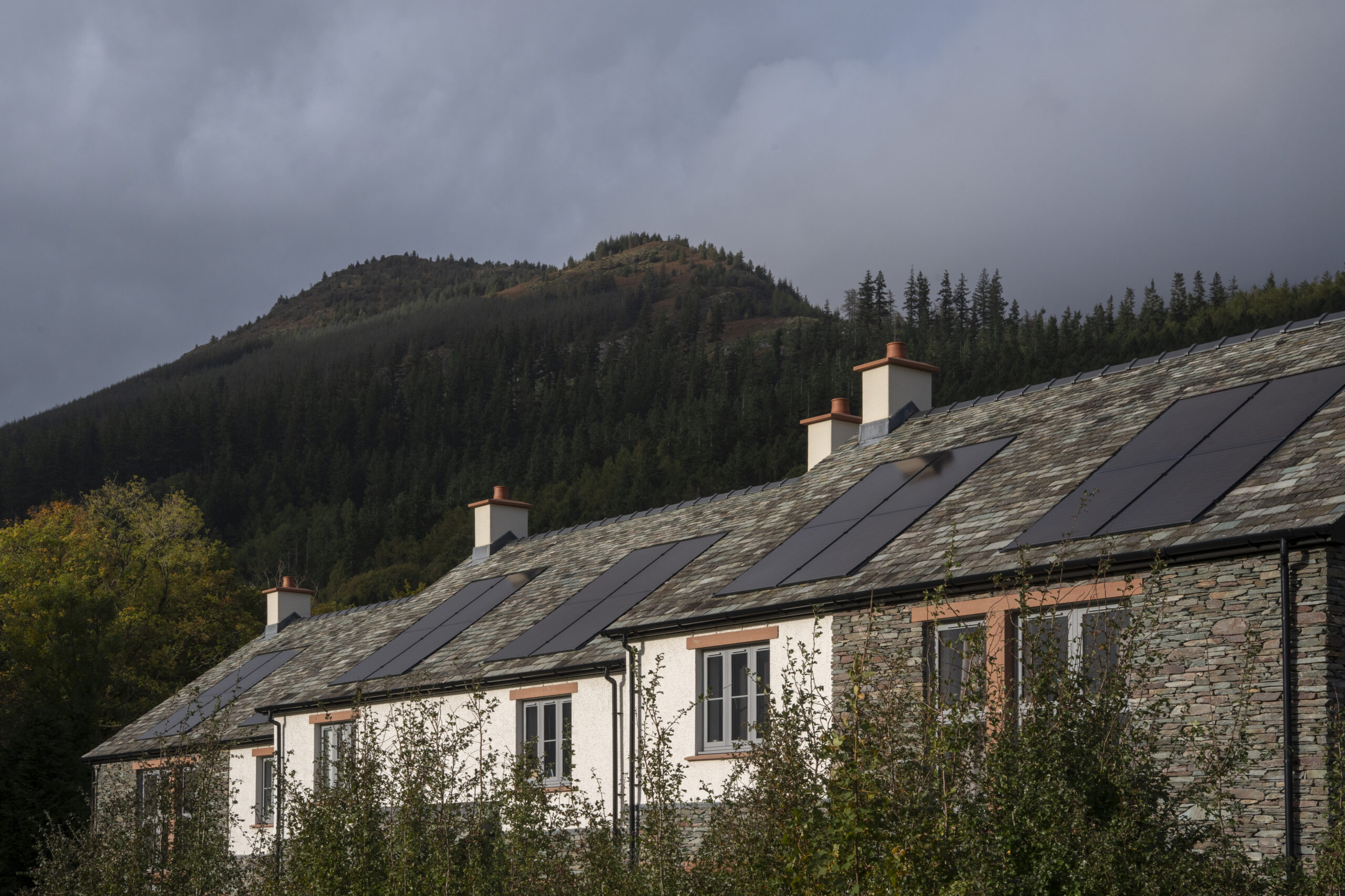
The combination of landscape and weather also provides opportunities for renewable power generation, such as wind farms and hydro electric schemes. Large scale schemes are considered inappropriate for a National Park. Micro generation schemes are already being run successfully.
Image credit: John Hodgson
Climate and farming
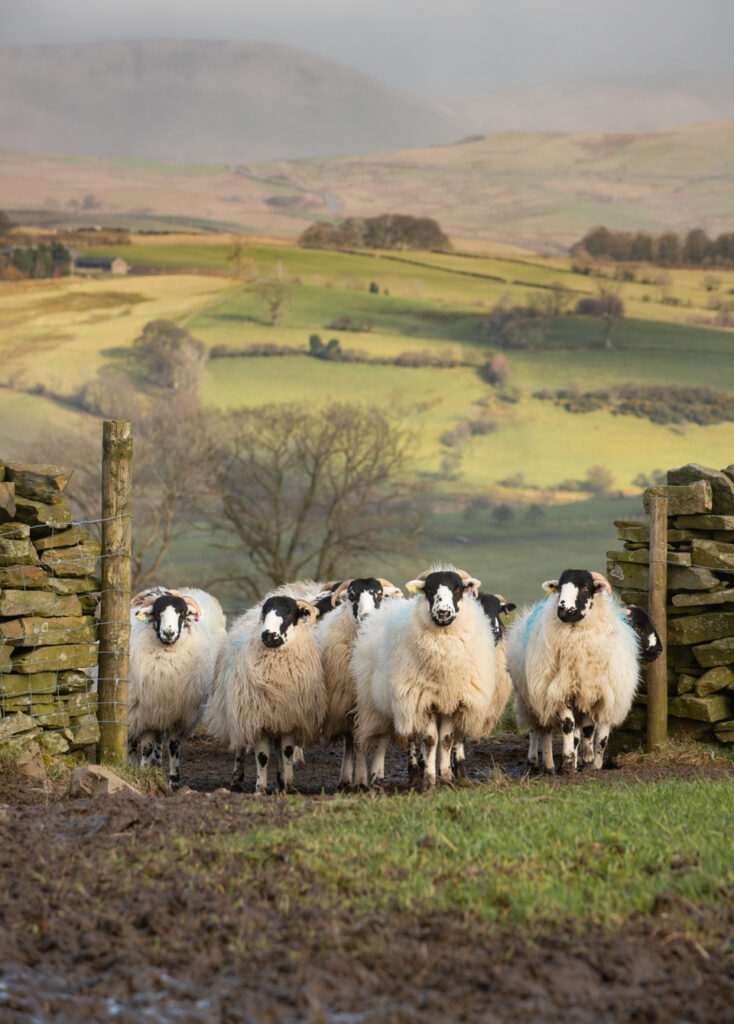
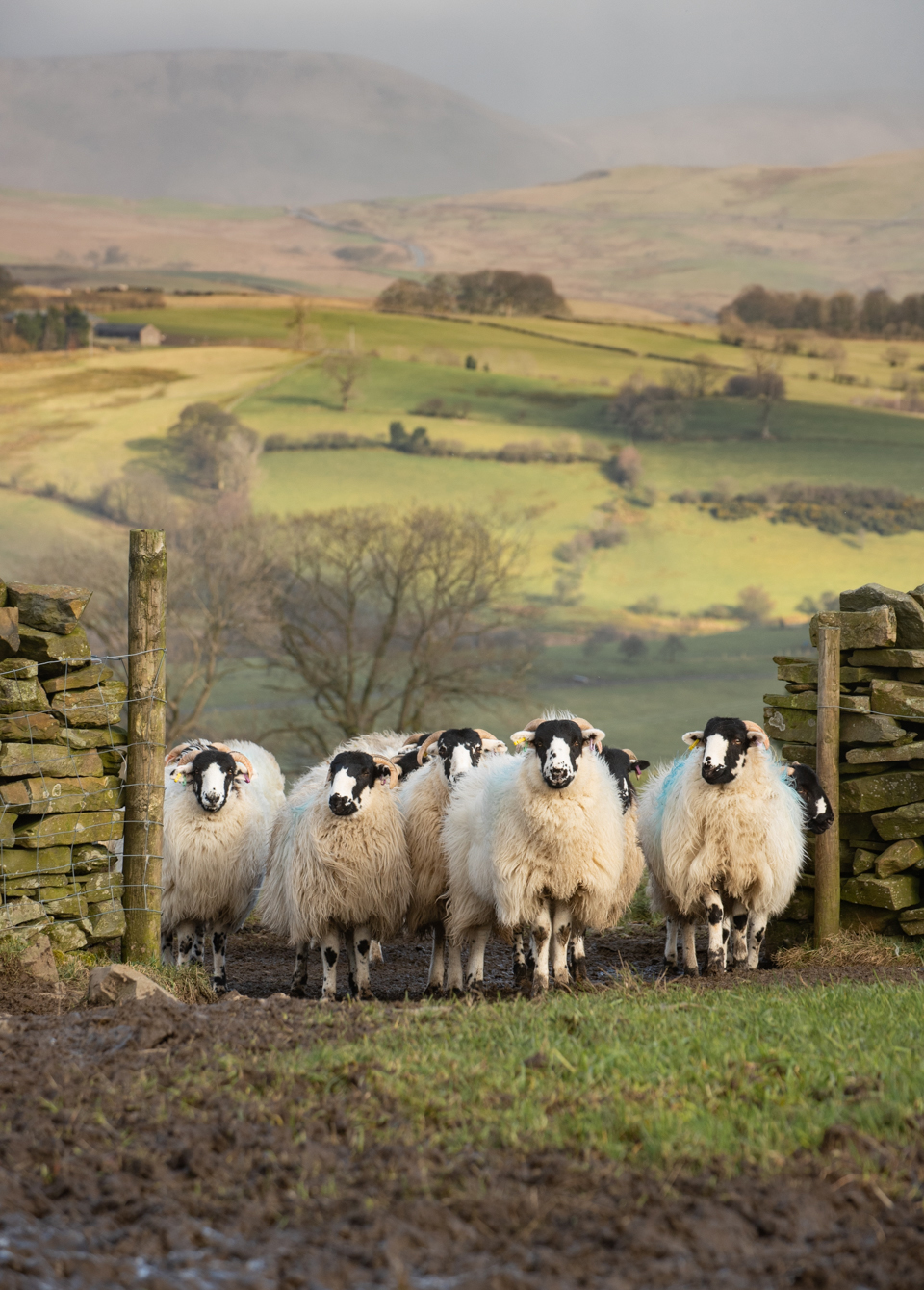
The main agricultural use of the land in the Lake District is sheep farming. The weather plays a large part in this. Plants have a short growing season from mid April through to November due to the temperature. This makes growing arable crops very difficult. The steep rocky terrain also makes access to the land difficult for modern farm machinery.
Hill sheep are extremely hardy and can tolerate the changeable weather. The famous Herdwick sheep thrive in this environment. They have the ability to return to the farm where they were born despite being left to wander on the unfenced fells during the summer. They can survive snow storms due to their thick fleeces.
Hill sheep are able to withstand snow and cold, but lowland sheep may have extra food put out for them. Cows are generally kept in barns between October and May because pasture fields can become waterlogged, the soil can be eroded by trampling, and the grass does not grow during winter. Moving them to barns enables them to be better fed and protected from the worst of the weather.
Climate and tourism
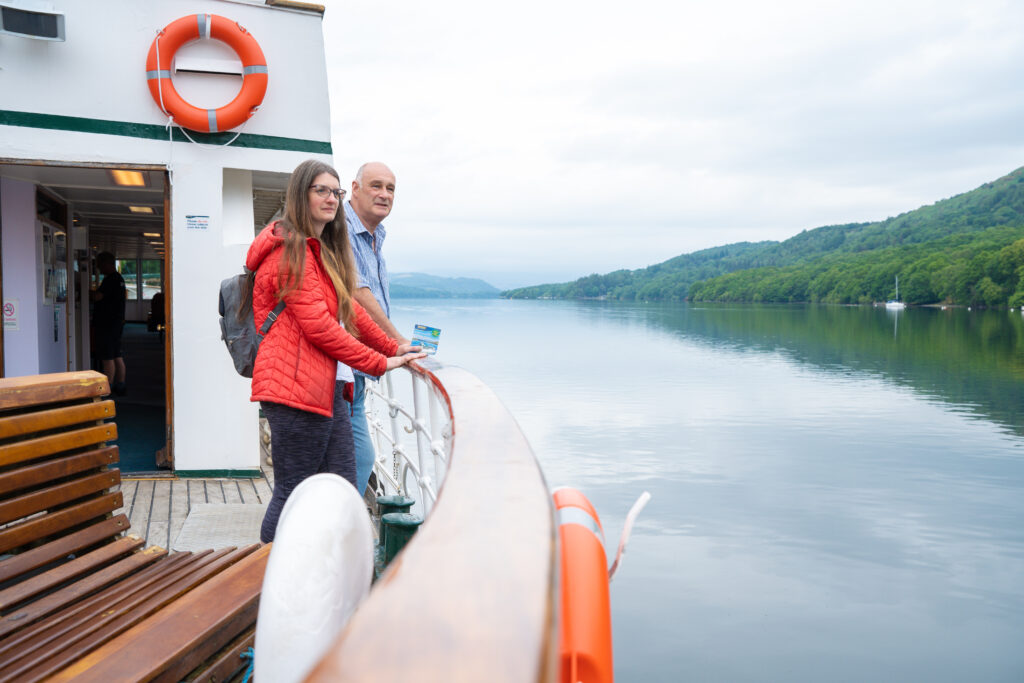
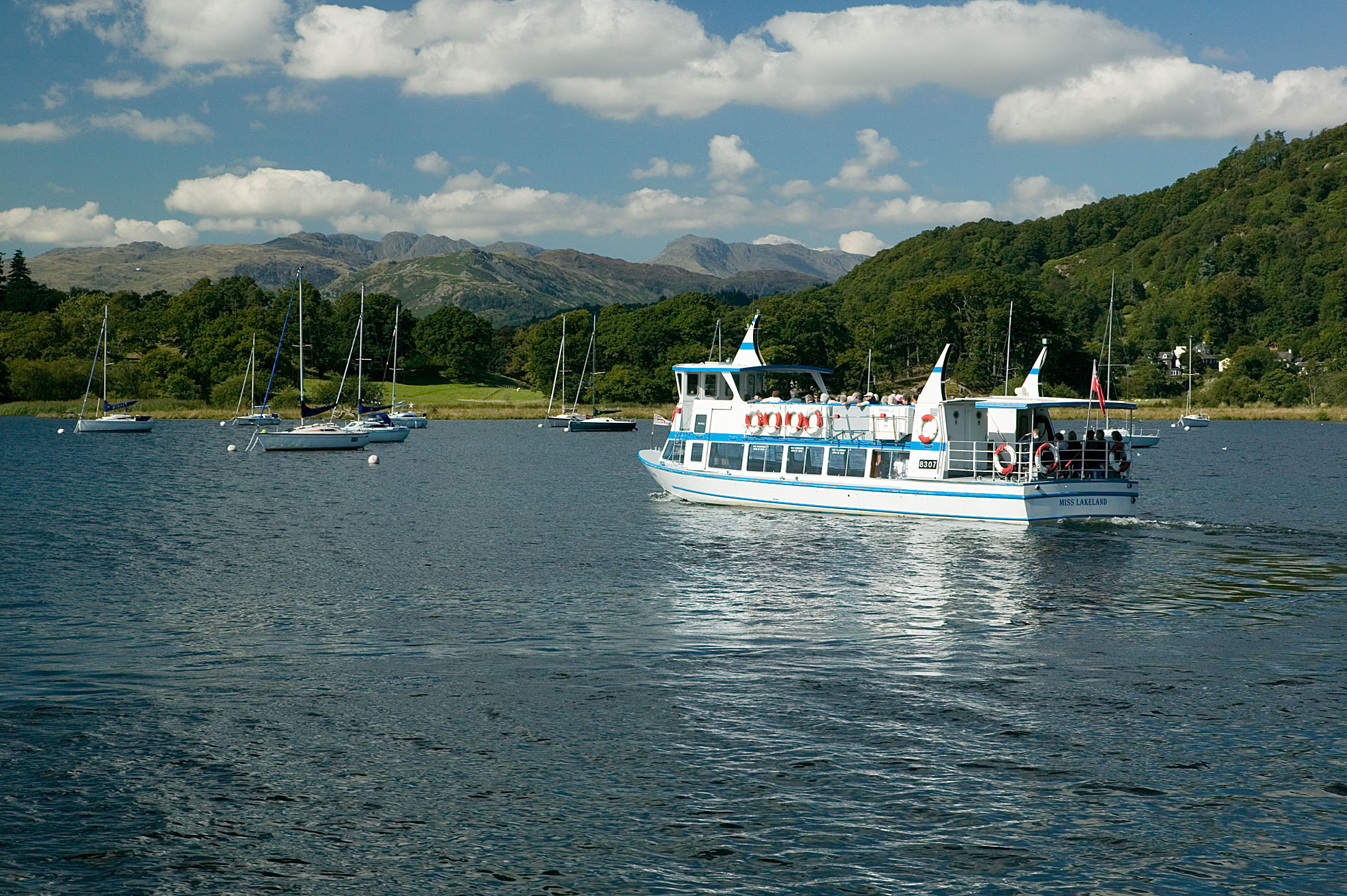
The Lake District climate is both a benefit and a disadvantage for tourists and the tourist industry. Most visitors would like dry, sunny weather on their holiday. However, the rain gives the area its lush green valleys and feeds the lakes and rivers.
The weather may put off some visitors, but those who come often spend more money on wet days when shops, cafés and attractions are more appealing. The weather changes frequently, so most visitors experience a mixture of good and bad weather during their trip.
Weather, safety and recreation
The weather provides opportunities for walking, climbing and other outdoor activities. However, conditions can change quickly, especially on the fells.
For walking and climbing in wintry conditions you need correct clothing and equipment such as waterproofs, boots, ice axes, crampons, bivouac shelters, spare clothing, spare food and water.
There is a local Weatherline forecast that people can use. We employ Fell Top Assessors to climb Helvellyn every day during winter, usually December to March, to record the weather conditions. There are volunteer Mountain Rescue teams who can be contacted through a rescue post or by calling 999 and asking for the police.
Important vocabulary
rainfall, mountain, hill, glacier, weather, climate, temperature
Discussion starters and questions
- Would a lake freeze? How cold would it need to be?
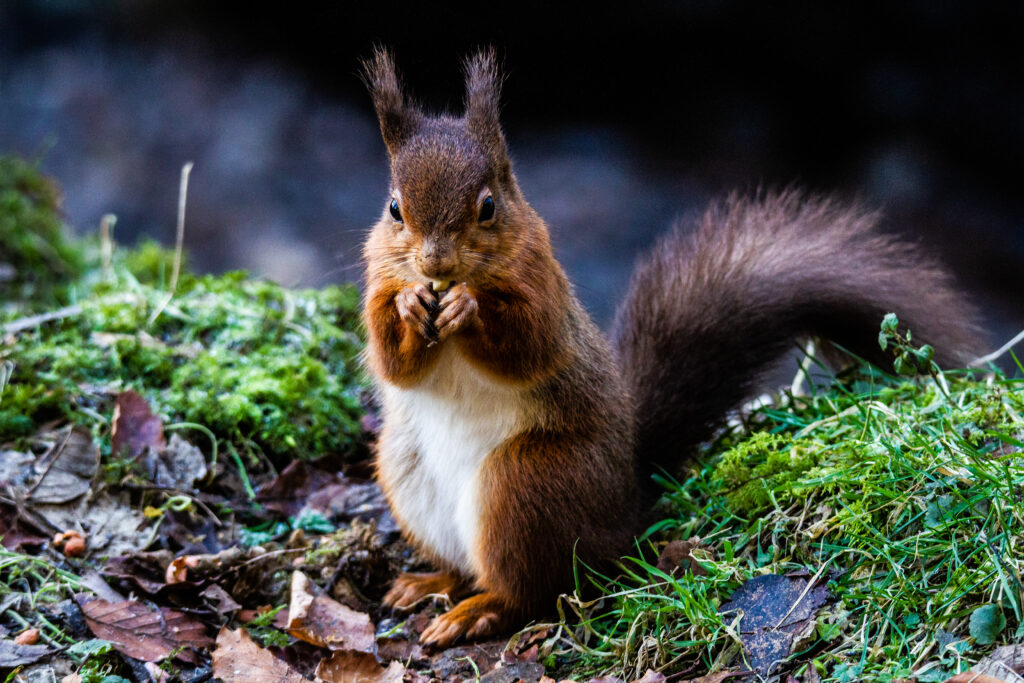
- Where are the animals in winter? What would they be eating?
- Why do some areas have more snow than others?
- Where does the snow go when it melts?
- How different would the weather be at the top of a mountain compared to the valley floor?
- Where are the skiers? Compare Lake District snow with other mountain areas.
- What gear and equipment are needed to enjoy winter walking and climbing?
- What do Mountain Rescue teams do?
- What do wild animals do in winter?