
Thirlmere
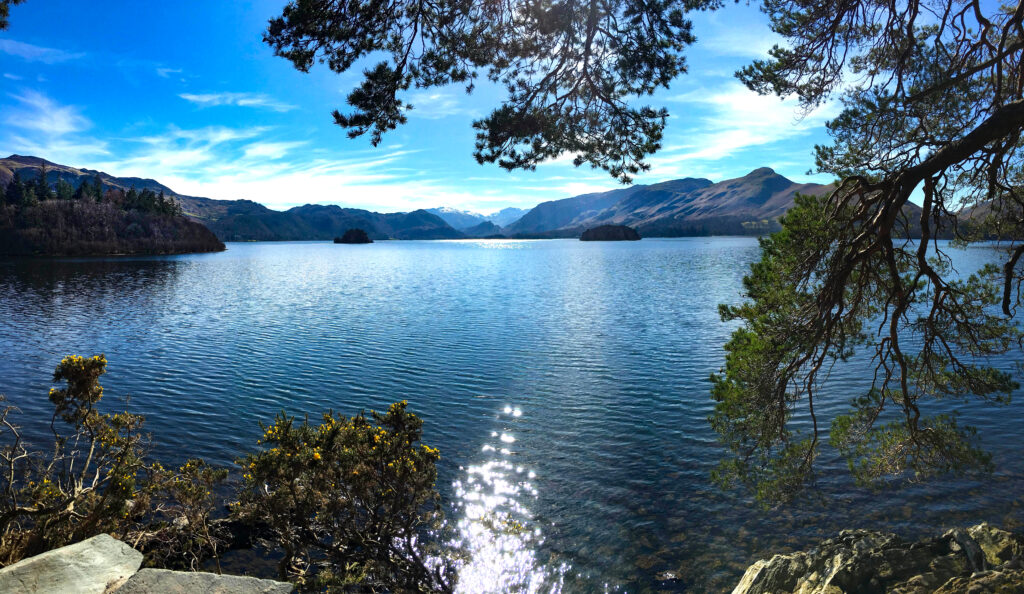
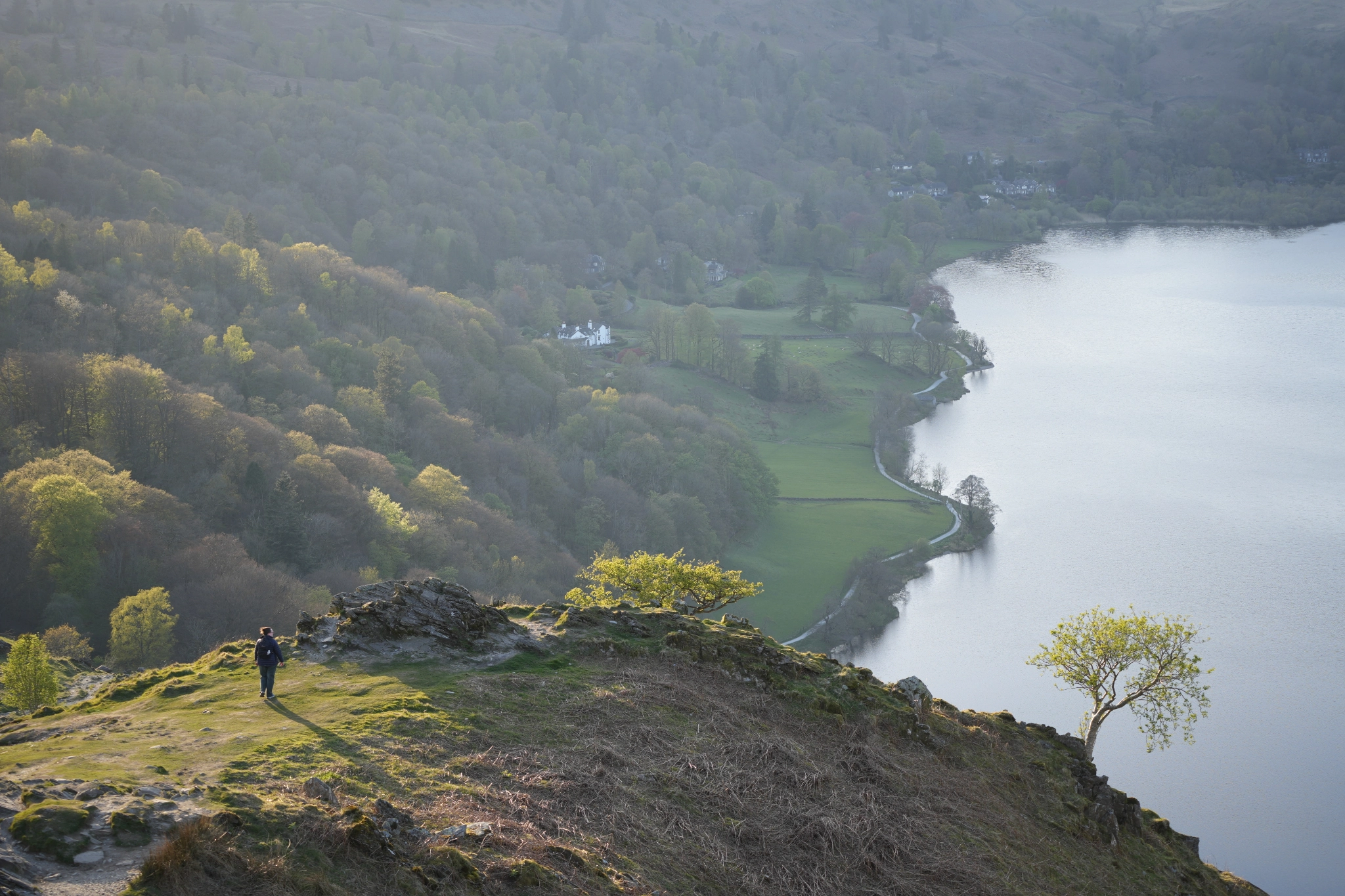
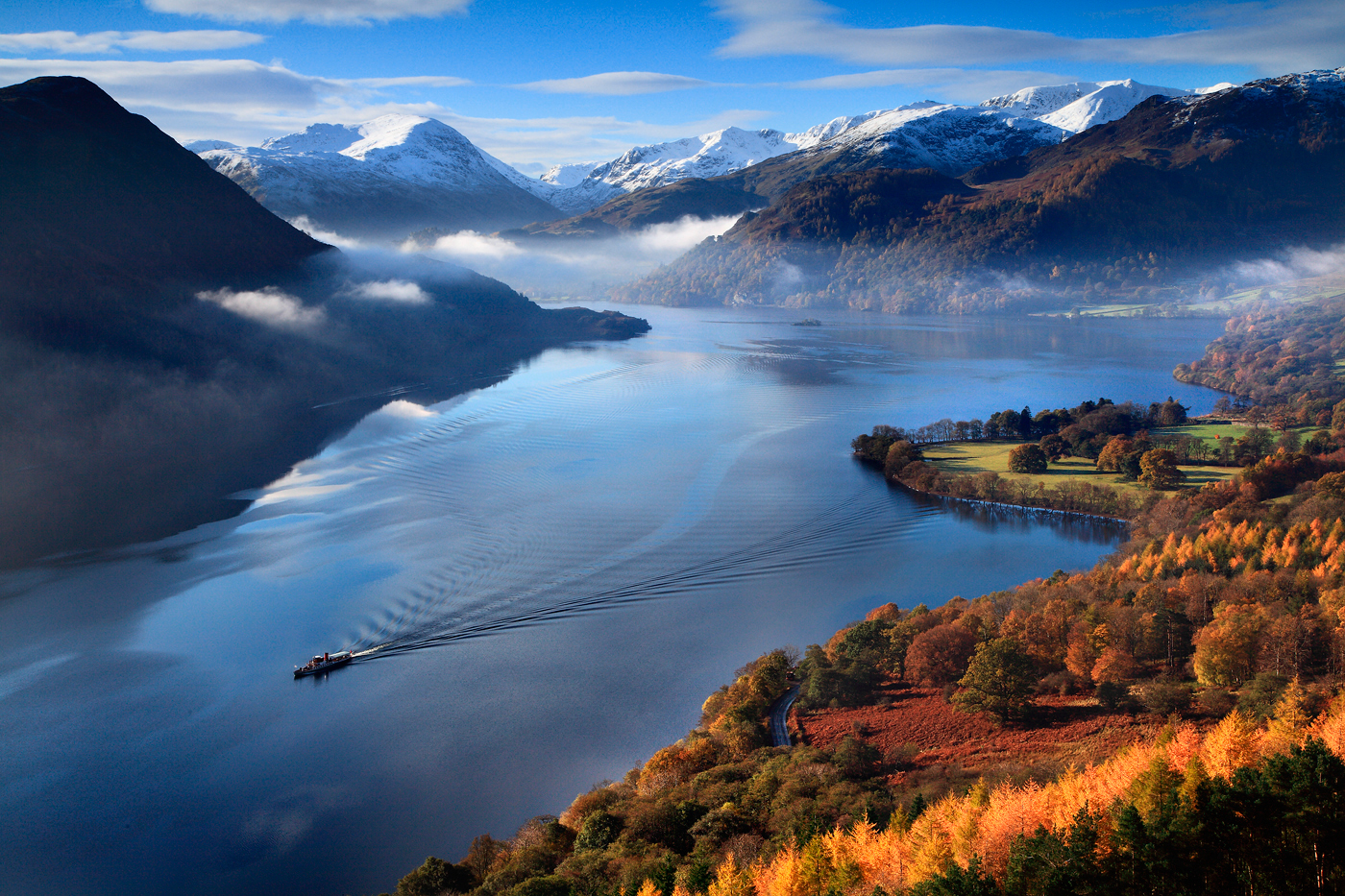
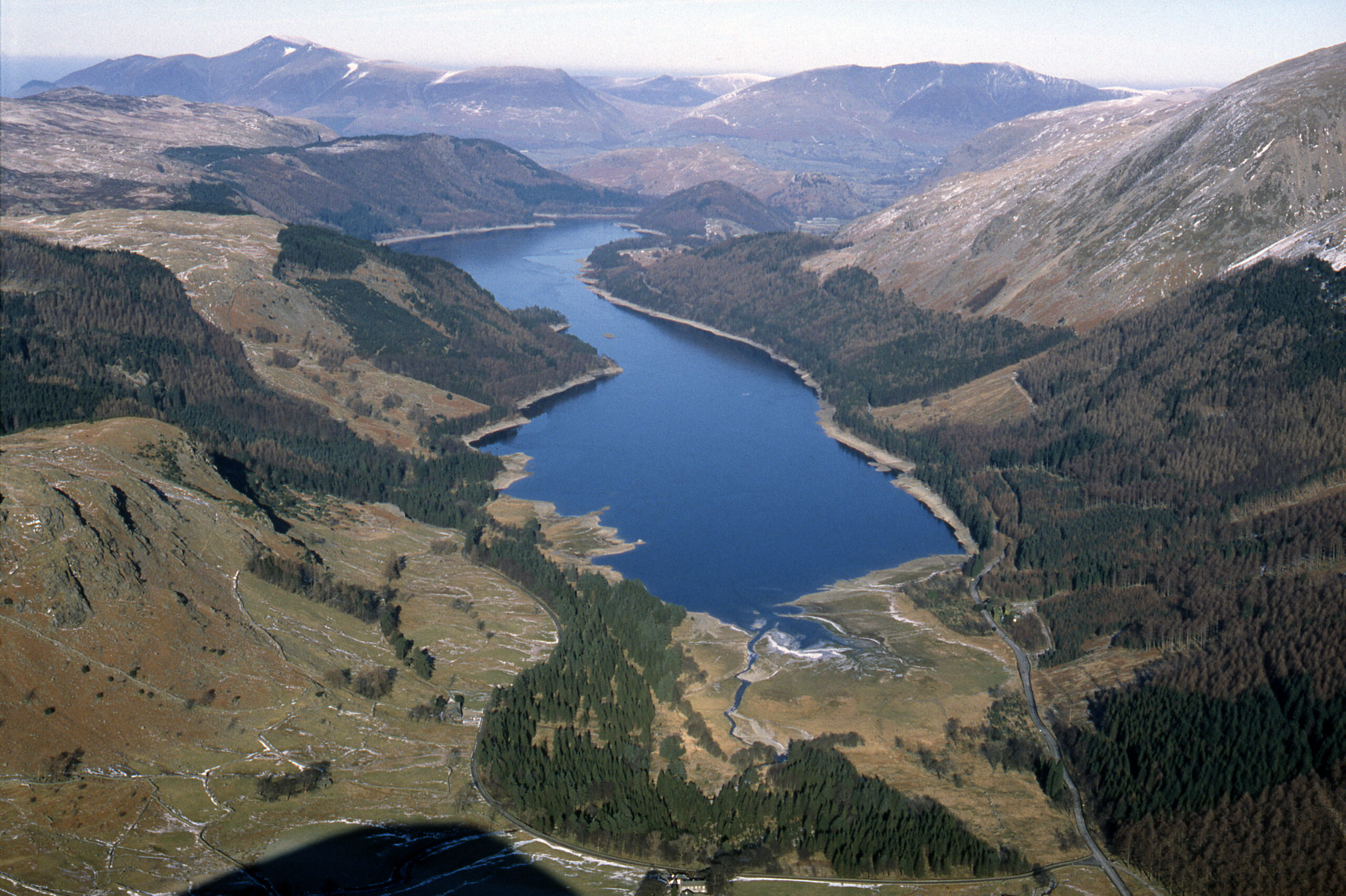
The photo below is of Thirlmere reservoir, a man-made lake created in the late Victorian era. In the mid-19th century Thirlmere valley bore no resemblance to its appearance today. Two small tarns, Leathes Water and Wythburn Water, sat in the bottom of the valley connected by a stream with a small causeway bridge running over it. At the south end there was a small hamlet with a pub.
The Industrial Revolution in Manchester created a demand for more water in the suburbs and factories of the cities. This led to a search for good water sources. The search ended in Thirlmere and following an Act of Parliament, work was begun on a dam at the north end of the valley to stop the water flowing out of St Johns Beck to Keswick. A 96 mile aqueduct was built to carry the water to Manchester. This was connected up for the first time in 1894.
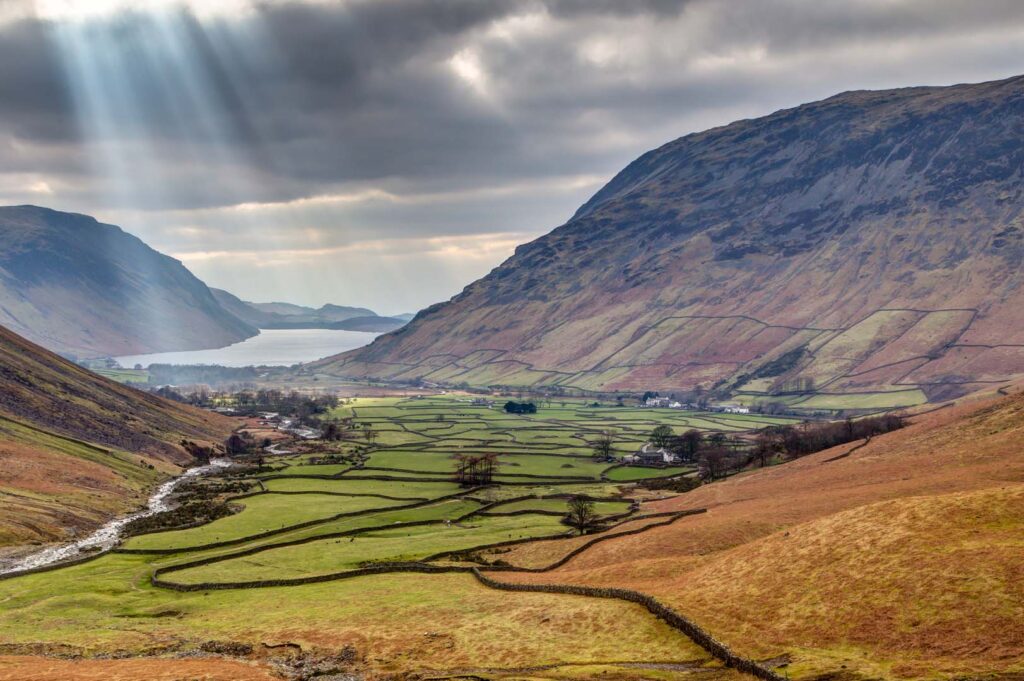
Thirlmere is a glacial valley, with fells either side and streams running down into the valley bottom. These features make Thirlmere one of the purest water sources in the country. Today this same aqueduct takes water to many other places on route to Manchester as well as being supplemented by water from Haweswater and many other smaller sources.
United Utilities currently manage the reservoir and the surrounding 12,0 km² of land. Their ranger looks after the wildlife and protect the reservoir from pollution sources including day visitors, campers and farming chemicals. Canoes and kayaks are allowed to use the reservoir but no swimming or paddleboarding is permitted due to the danger of death by drowning in extremely cold, deep water. No powered crafts are allowed to be used on the reservoir either.
Thirlmere is filled up entirely by rainwater and the streams bringing it down into the lake. The Lake District has so many lakes, largely because of the impermeable rock which does not allow water to seep away. The high rainfall, combined with the extra deep glacial valleys, means that the valleys are able to store large volumes of water.
The Lake District has so many lakes, largely because of the volcanic rock which does not allow water to seep away. The high rainfall, combined with the extra deep glacial valleys, means that the valleys are able to store large volumes of water.
Grid reference of Thirlmere Dam: NY 309 189
Important vocabulary
rainfall, impermeable rock, water cycle, reservoir, flood, drought, mere (word of Viking origin meaning lake), aqueduct, pollution, erosion, coniferous, deciduous, evaporation, condensation, precipitation
Discussion starters and questions
- What would happen to the water levels in a drought?
- How does water get into the reservoir?
- Where does the rainwater come from, discuss the water cycle.
- Why is the water so pure?
- Why are there no boats?
- Why are there so many lakes in the Lake District?
- Discuss possible pollution sources of the water
- What causes ripples and why is the water so still?