

Skip to content
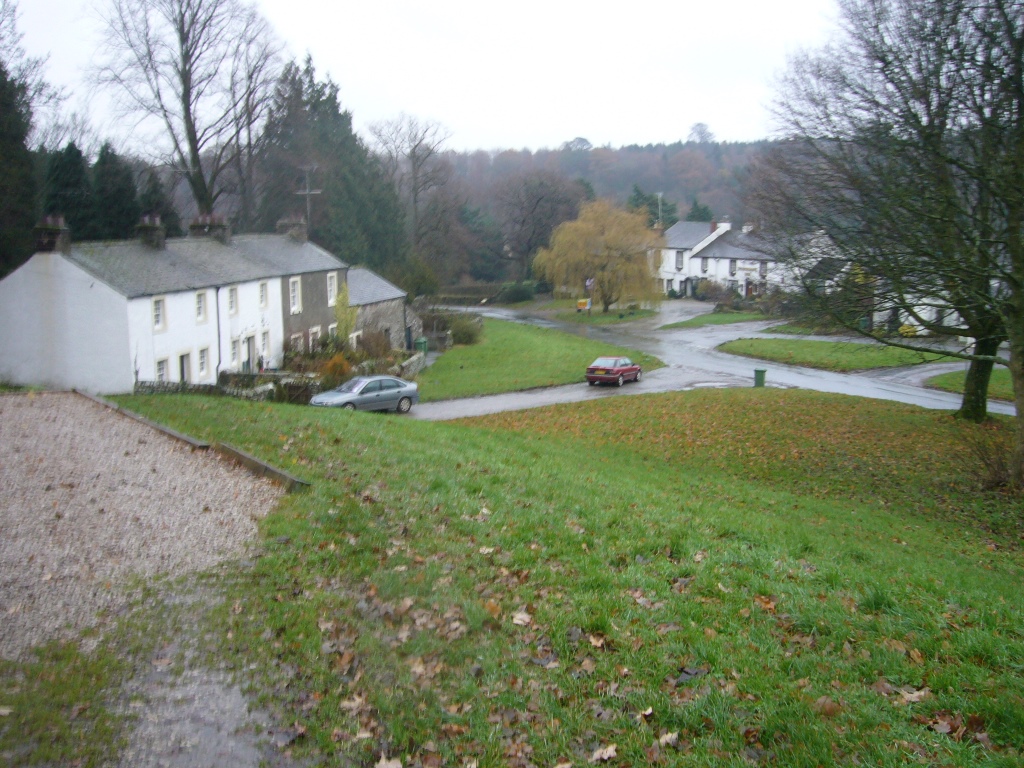
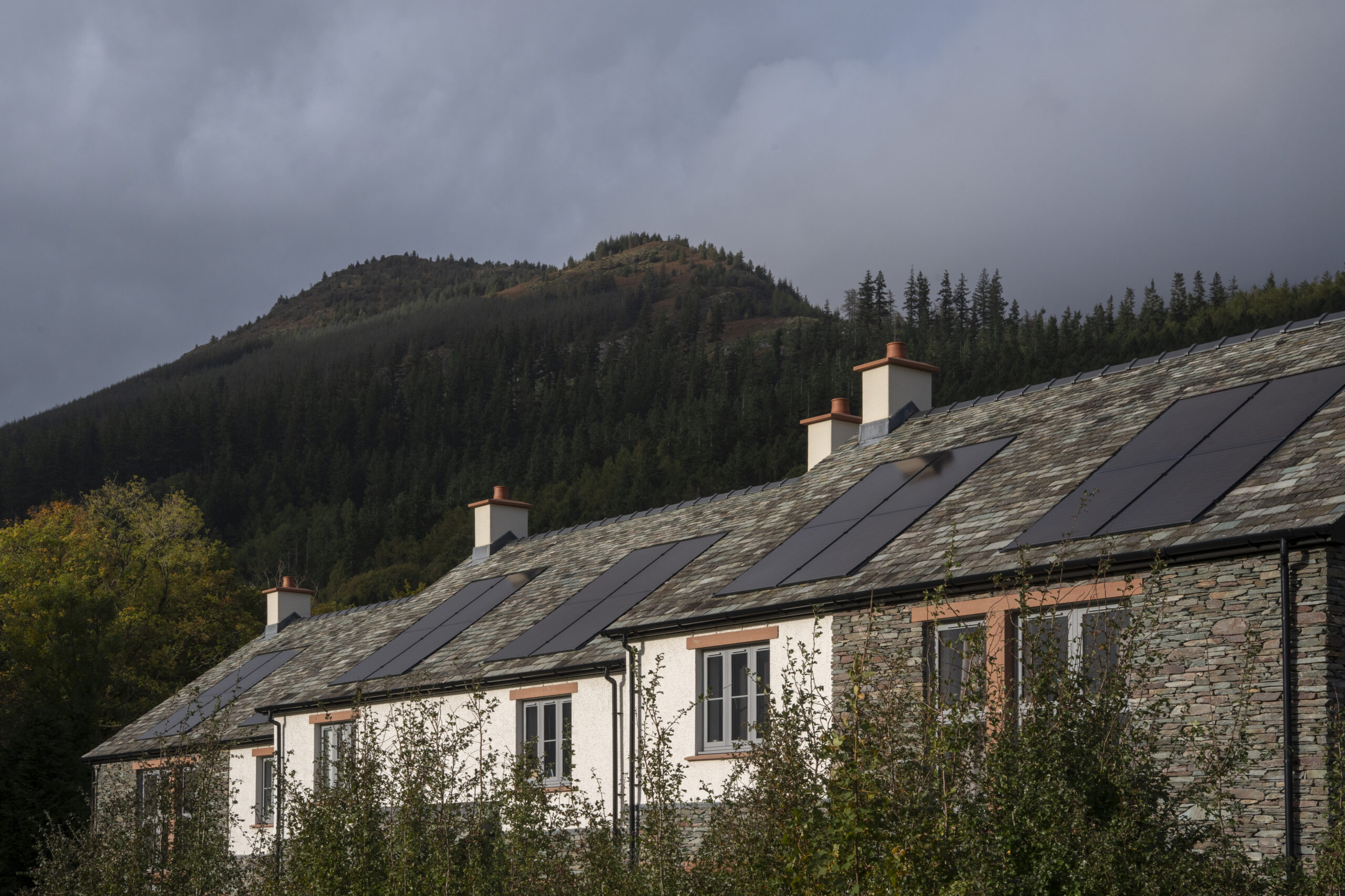
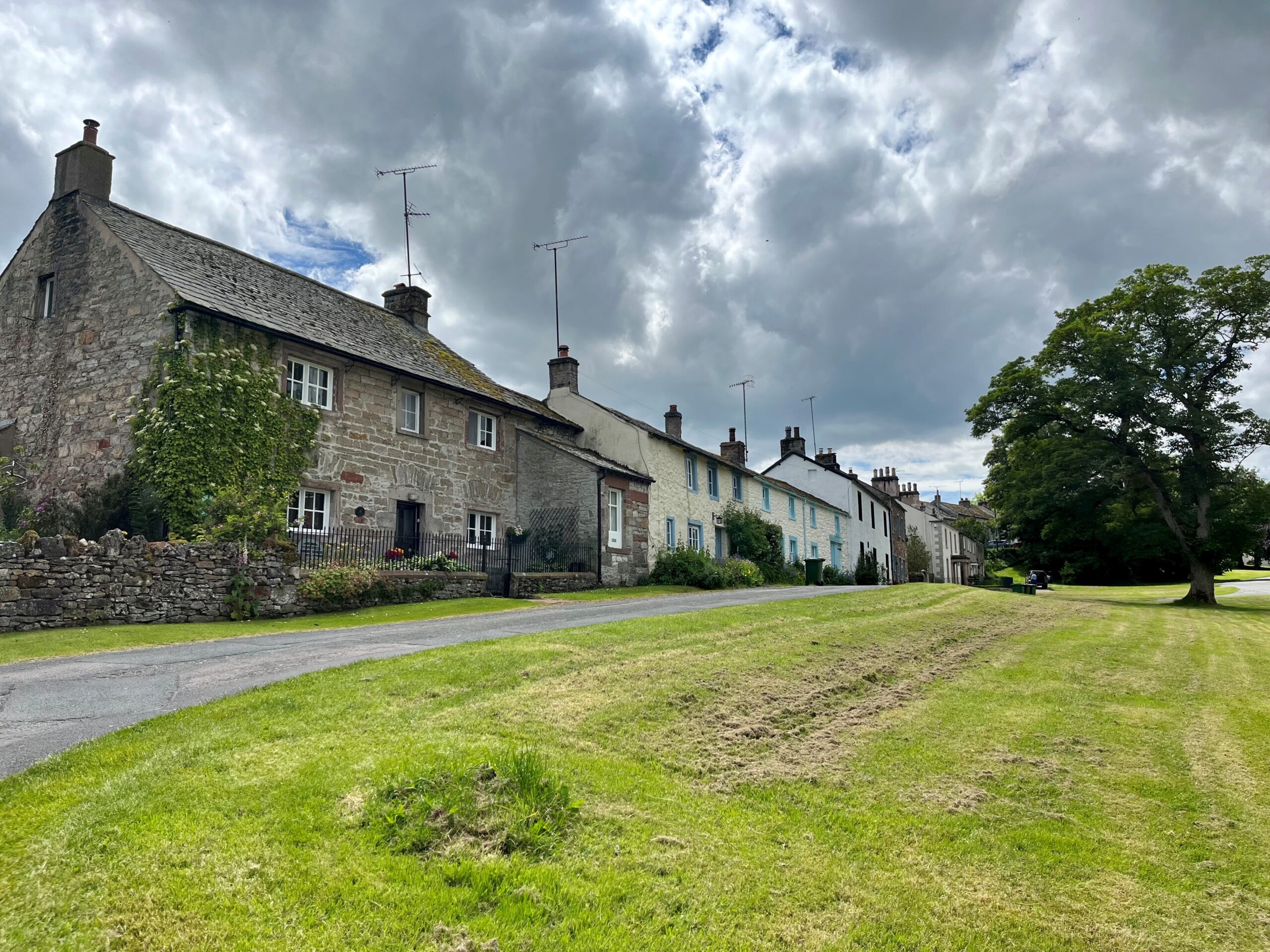
row of rural village houses made of stone, slate and limewash, with grass verge in front

Askham Conservation Area

Why is Askham special?

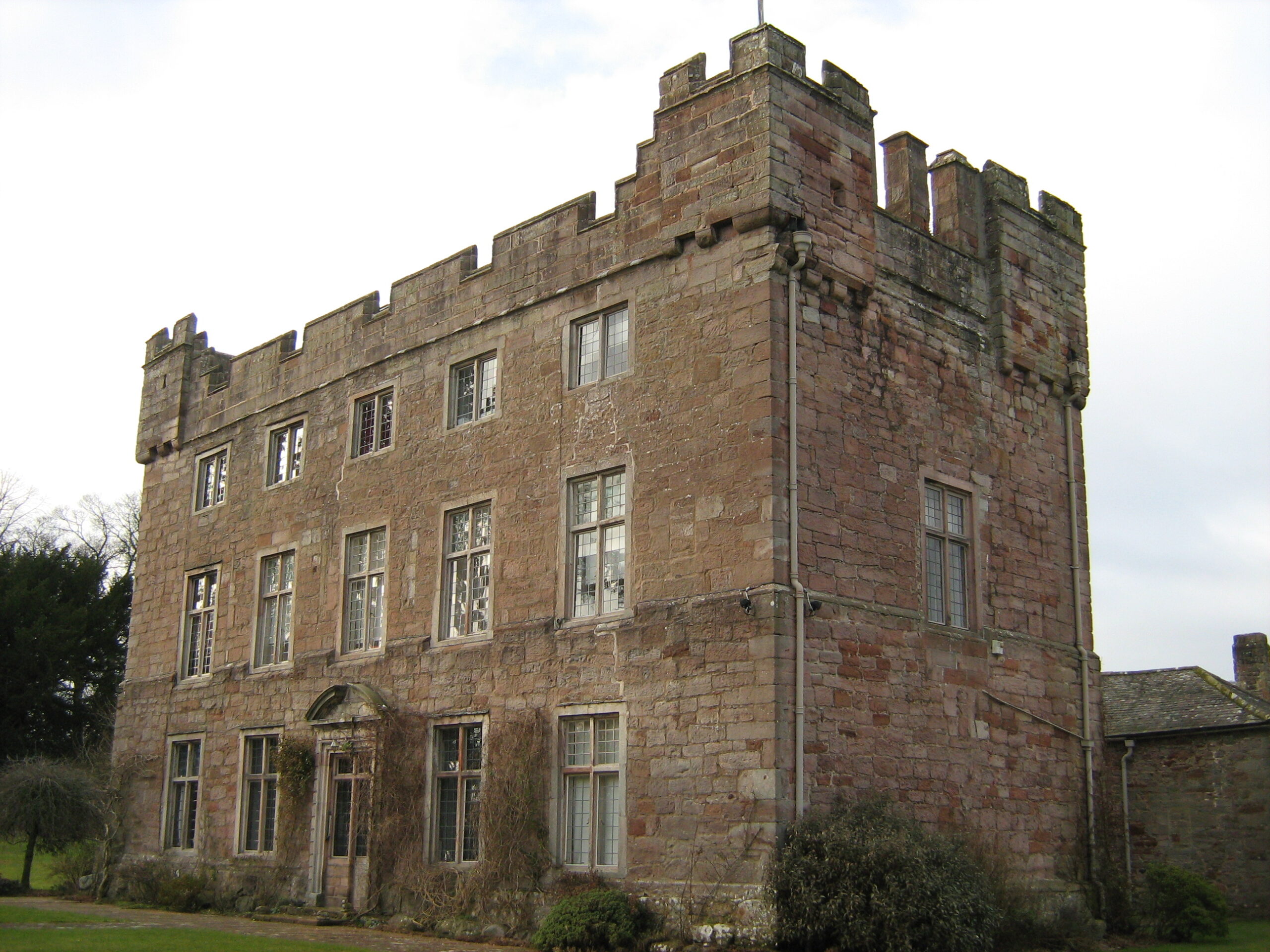
Askham developed as a medieval planned settlement associated with the 14th‑century pele tower at Askham Hall, with evidence of earlier activity on Askham Fell.

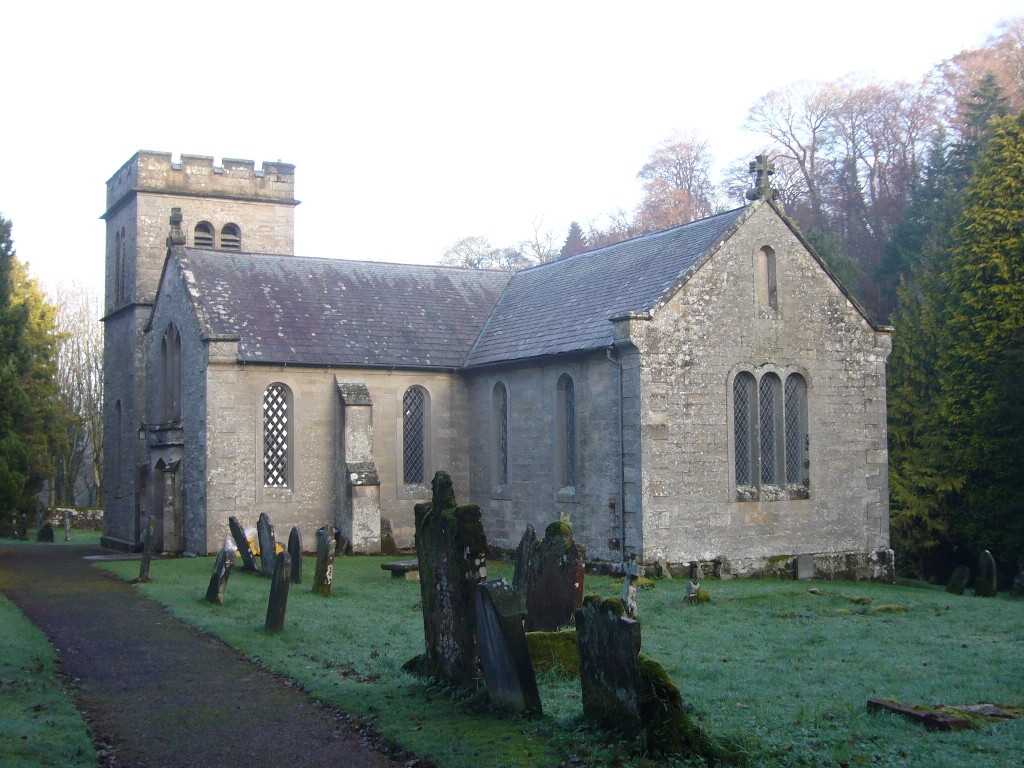
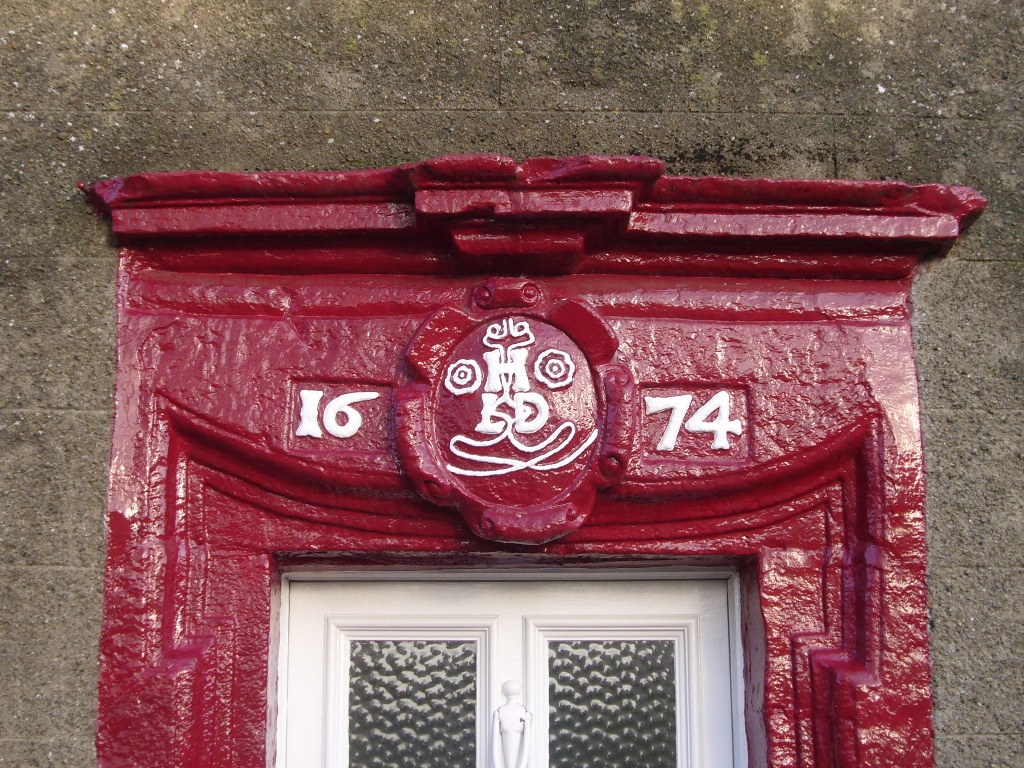
From the 17th century, peace and growing prosperity led to major rebuilding in stone, replacing earlier timber and thatch structures. The village expanded gradually through the 18th and early 19th centuries, shaped strongly by the Lowther Estate following its purchase in 1724, including the building of the new St Peter’s Church in 1832. Limited 20th‑century development and barn conversions have preserved its linear form and historic character.

This historic village with medieval origins has many appealing characteristics such as:

  • close to a 14th century defensive pele tower that is now incorporated into Askham Hall.
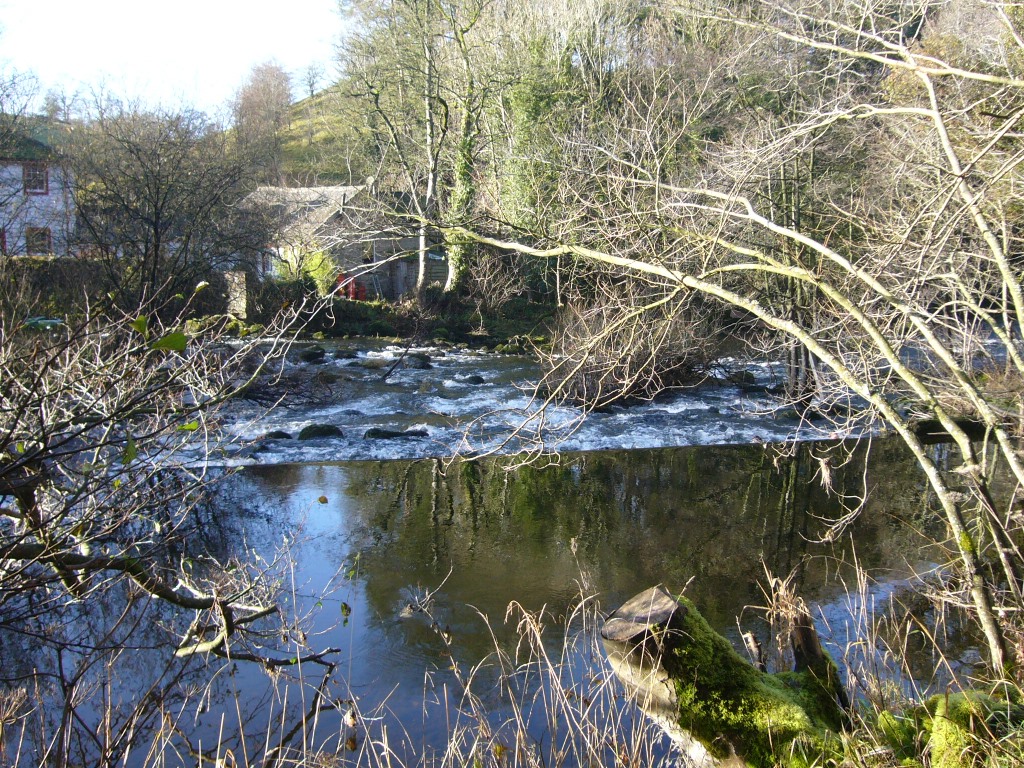
  • Rural setting between Askham Fell and the River Lowther on the western side of the Lowther Valley, surrounded by open fields to the north and south.
  • Rising topography as the main village thoroughfare meanders uphill between wide grassy greens from the valley bottom to the edge of the fell.
  • Series of informal greens rising in stages from the valley bottom to the moor.
  • Distinctive linear settlement pattern with near-continuous frontages of 17th, 18th and 19th century farmhouses, barns and cottages facing each other across the greens.
  • Majority of buildings have architectural and historic interest. The 44 listed buildings and many other unlisted historic buildings make a positive contribution to the area’s special character and appearance.
  • The inter-relationship of the dwellings, farms and barns along the street frontages which point to the village’s agricultural heritage.
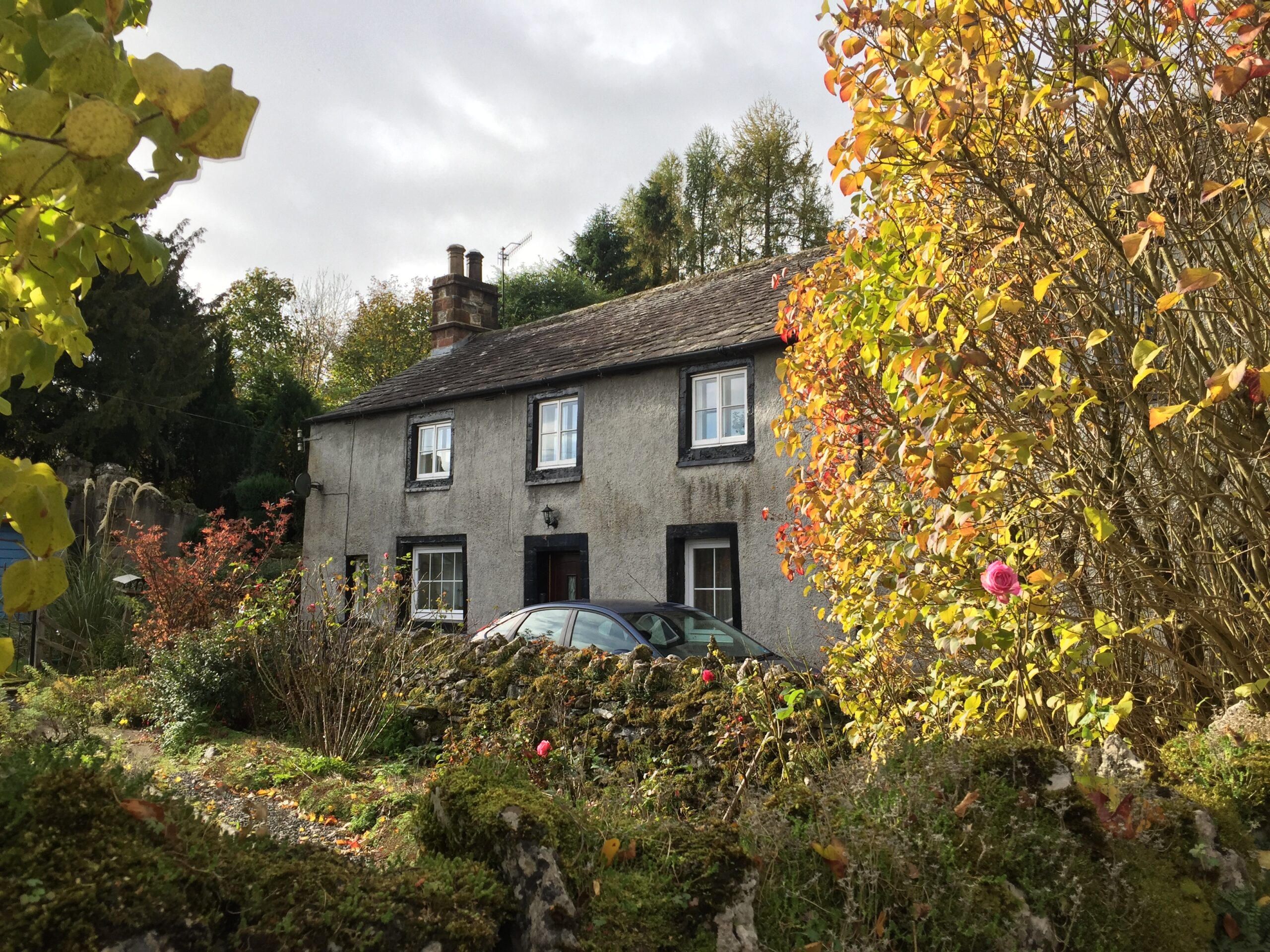
  • Well-preserved examples of local Cumbrian stone-built vernacular architecture, both domestic (usually rendered) and agricultural (usually stonework exposed).
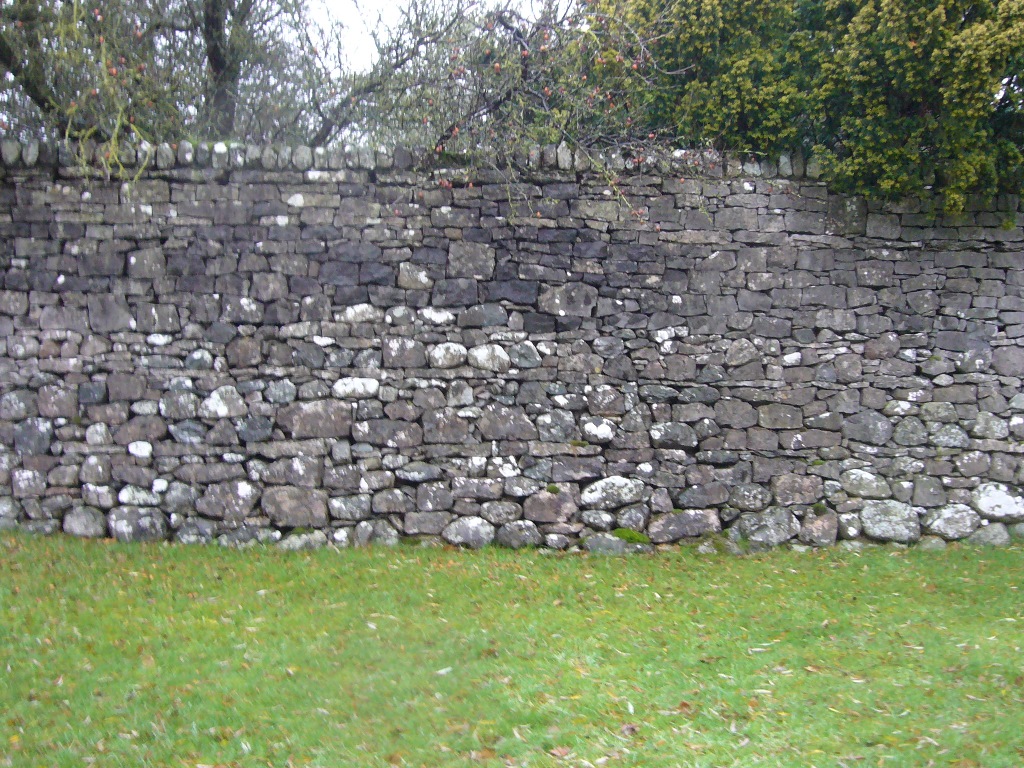
  • Prevalent use of local limestone and red sandstone as a walling material, under greenslate roofs, reflecting the underlying geology of the area.
  • Views from the upper part of the village to Lowther Castle and beyond.
  • Individual trees and small clumps of trees on the village green that enhance the setting of historic buildings and soften the streetscene.
  • The woods and the tranquil sylvan atmosphere around St Peter’s Church and beside the River Lowther.
  • Roadside grass verges without kerbstones.
  • Strong sense of tranquillity and quiet.

Askham Conservation Area resources

Askham Conservation Area Appraisal and Management Plan 2010
Askham Conservation Area Map