
Skip to content
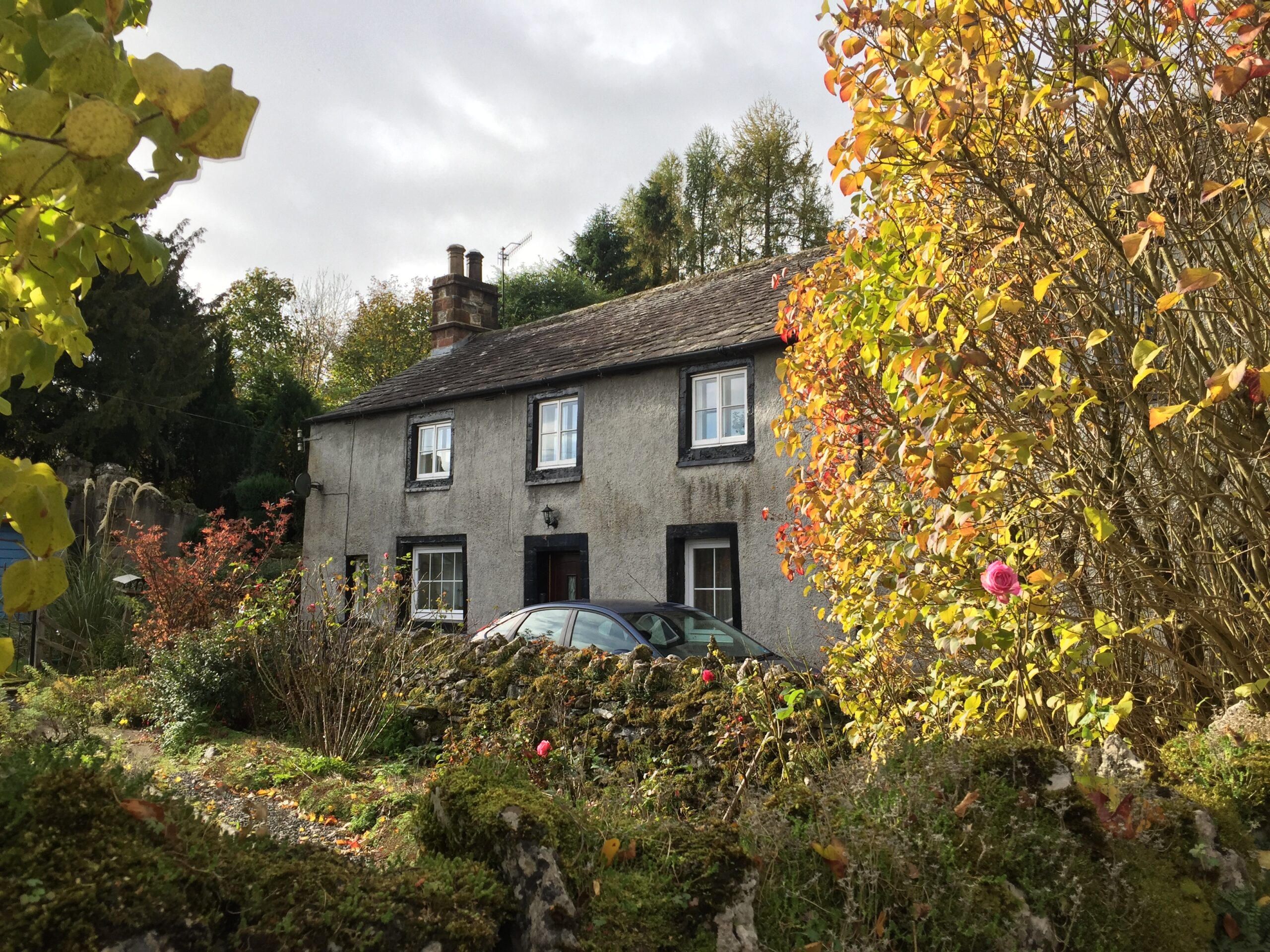
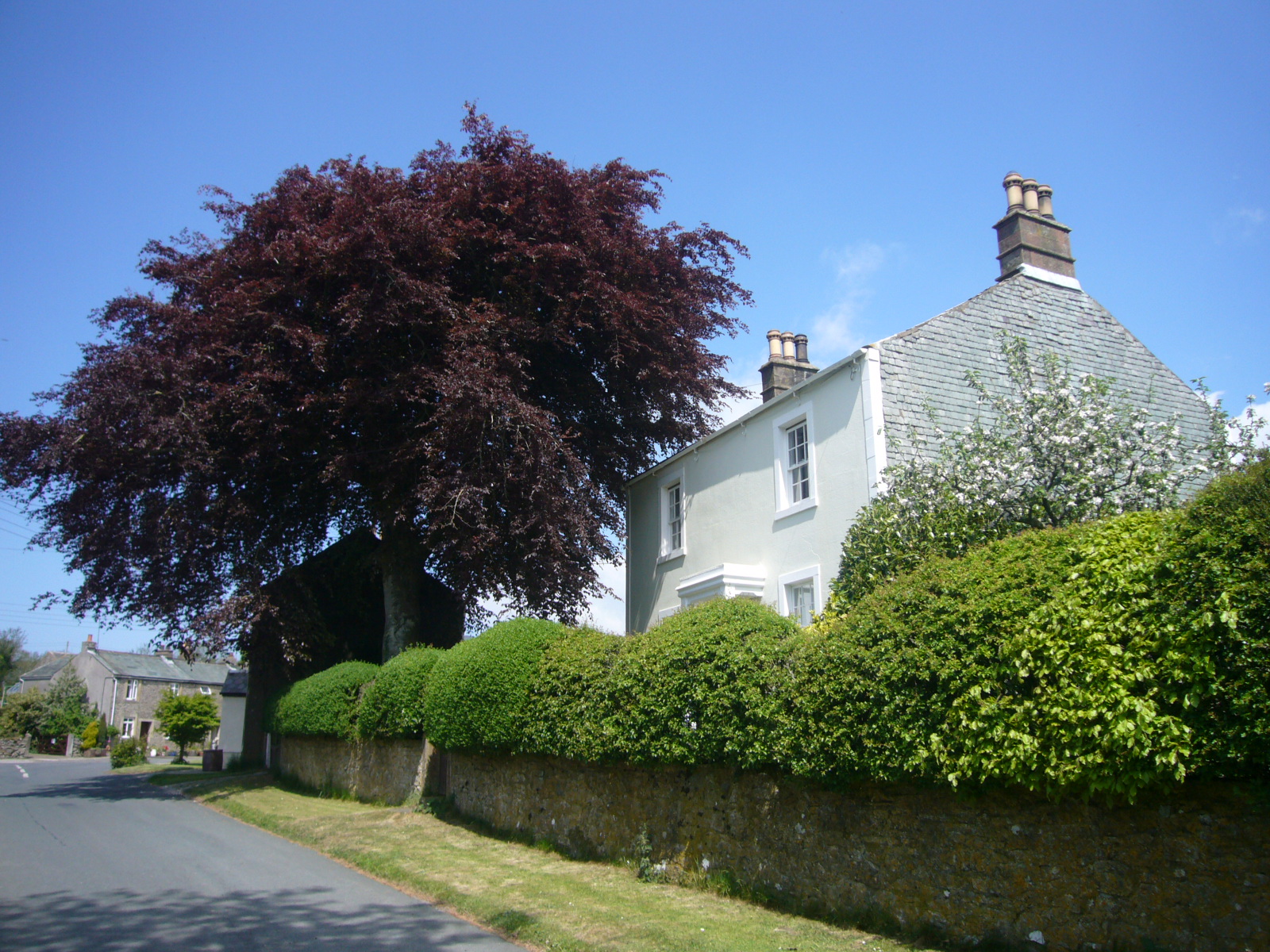
beige limewash two storey detached house amongst autumnal trees and shrub garden

Bampton Conservation Area

Why is Bampton special?

Bampton is one of a string of settlements within the Lowther Valley which have attractive architectural and historic character.

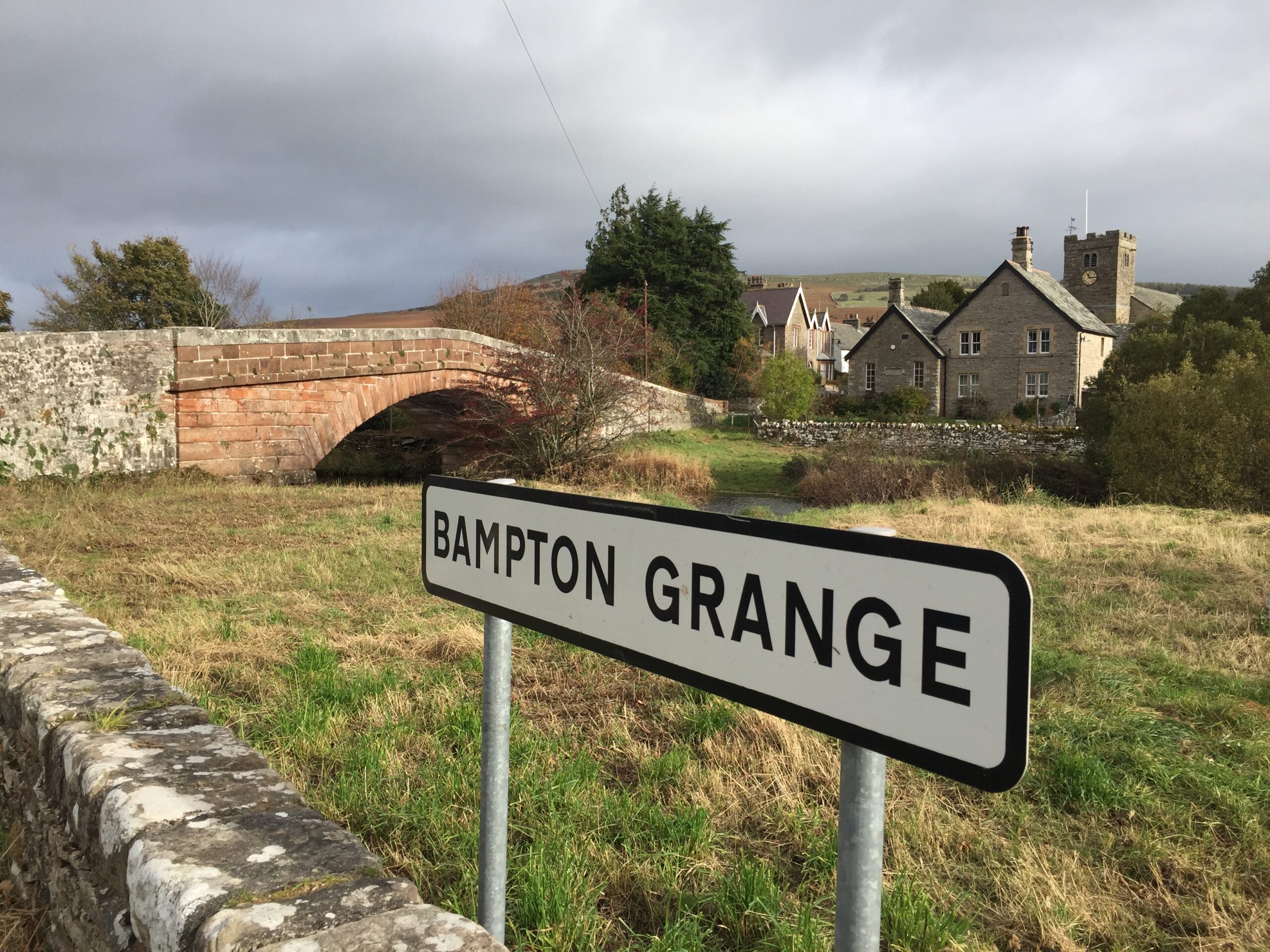
Bampton developed around historic route junctions and the crossing of Howes Beck, with Bampton Bridge recorded from the 14th century. The beck powered early mills, and by the 18th century the parish thrived on sheep farming linked to Shap Abbey’s influence. The village lay on key packhorse routes between Penrith and Kendal, later boosted by the 1846 Carlisle–Preston railway nearby. Its layout and buildings have changed little since the 19th century.

Bamptons attractive architectural and historical character includes:

  • Small historic village clustered around the junction of roads leading to Askham, Haweswater and Shap and the important historic crossing point of the Howes Beck
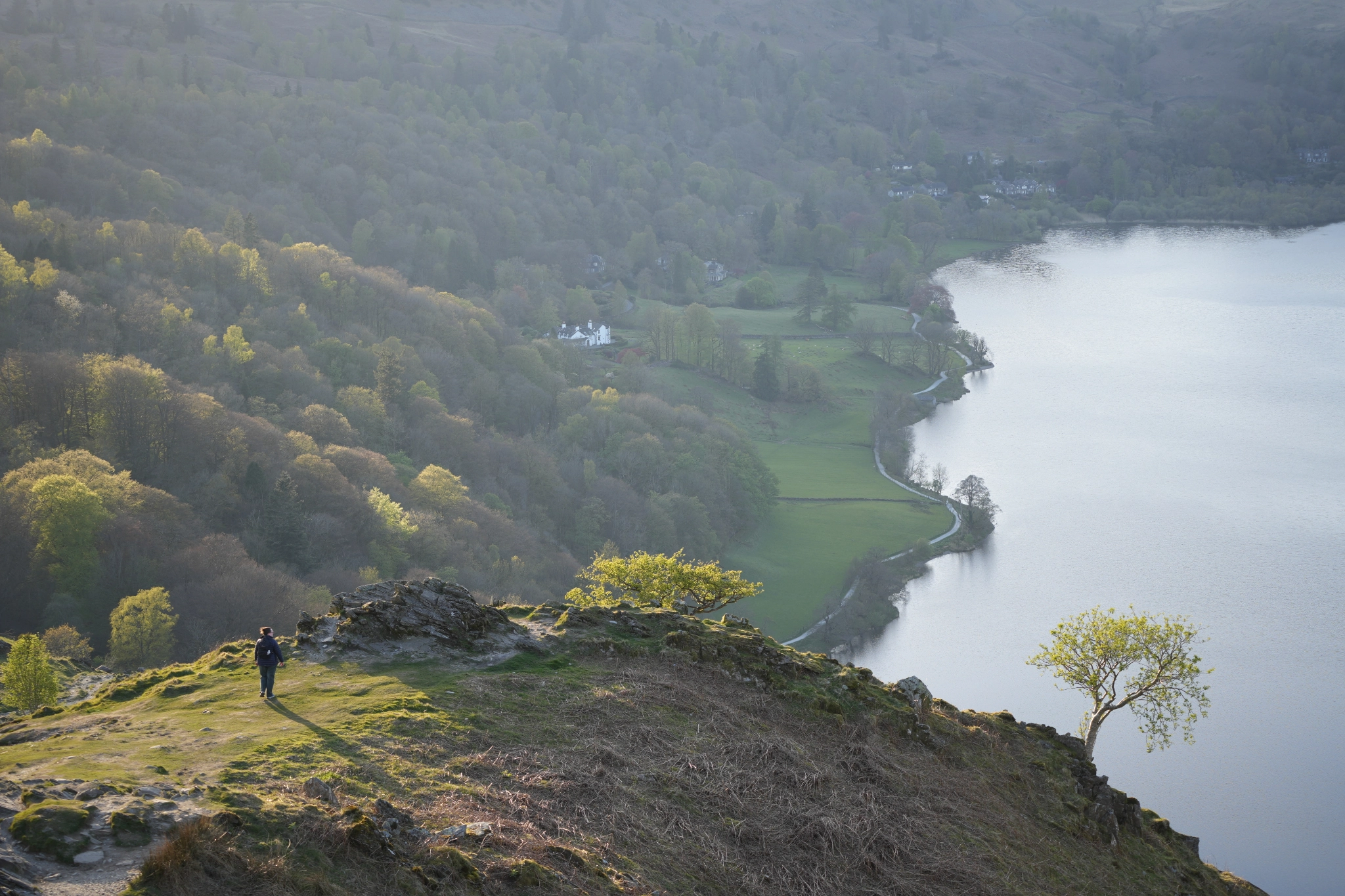
  • Rural location on the floodplain of the Lowther Valley with attractive views
  • Many buildings with architectural and historic quality, four of which are grade II listed buildings, including some good examples of the vernacular tradition
  • The sixteenth century dovecote (grade II) in the grounds of Bampton Hall is the earliest known structure in the village
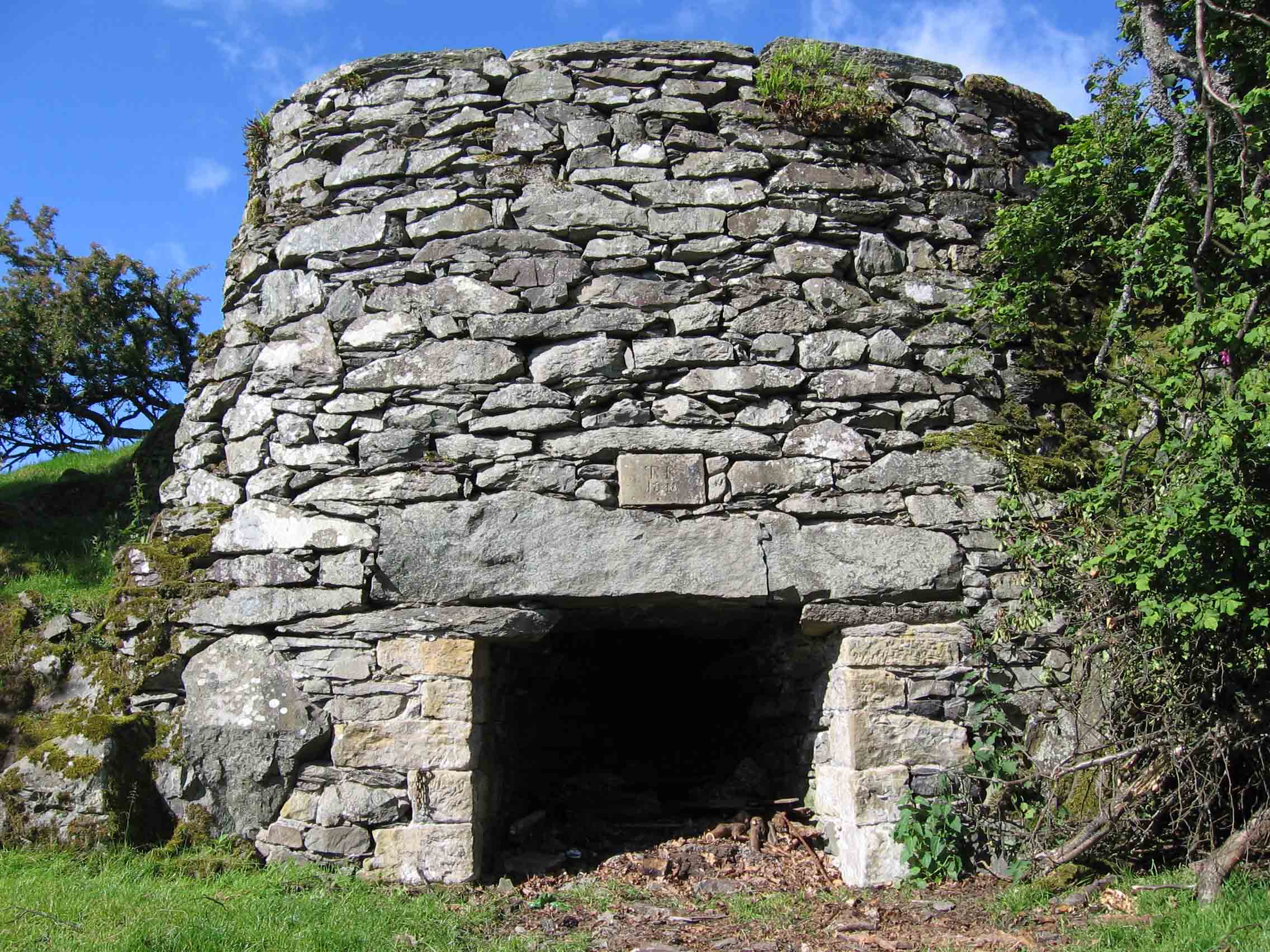
  • The former corn mill and a nineteenth century limekiln (grade II) stands to the west of St Patrick’s Well Public House
  • Palette of  building materials reflects the underlying geology, carboniferous limestone
  • Surviving stretches of traditional cobbled street surfaces
  • Important individual trees and tree groups

Bampton Conservation Area resources

Bampton Conservation Area Appraisal and Management Plan 2009
Bampton Conservation Area Map