
Experts identify mosses and liverworts in the Lake District
Take a closer look when you’re spending time in nature in the Lake District, and you’ll start noticing tiny green carpets or miniature landscapes.
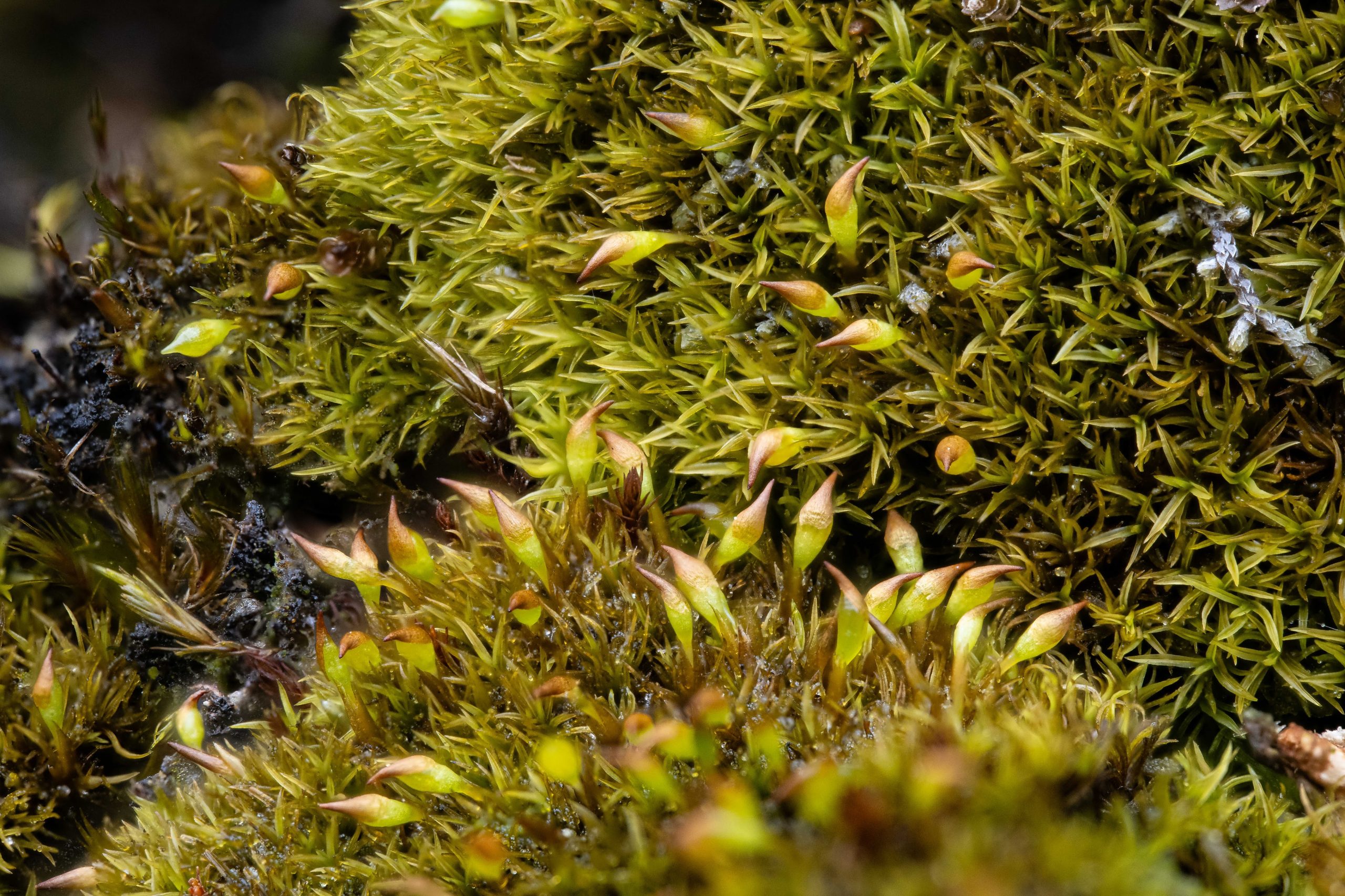
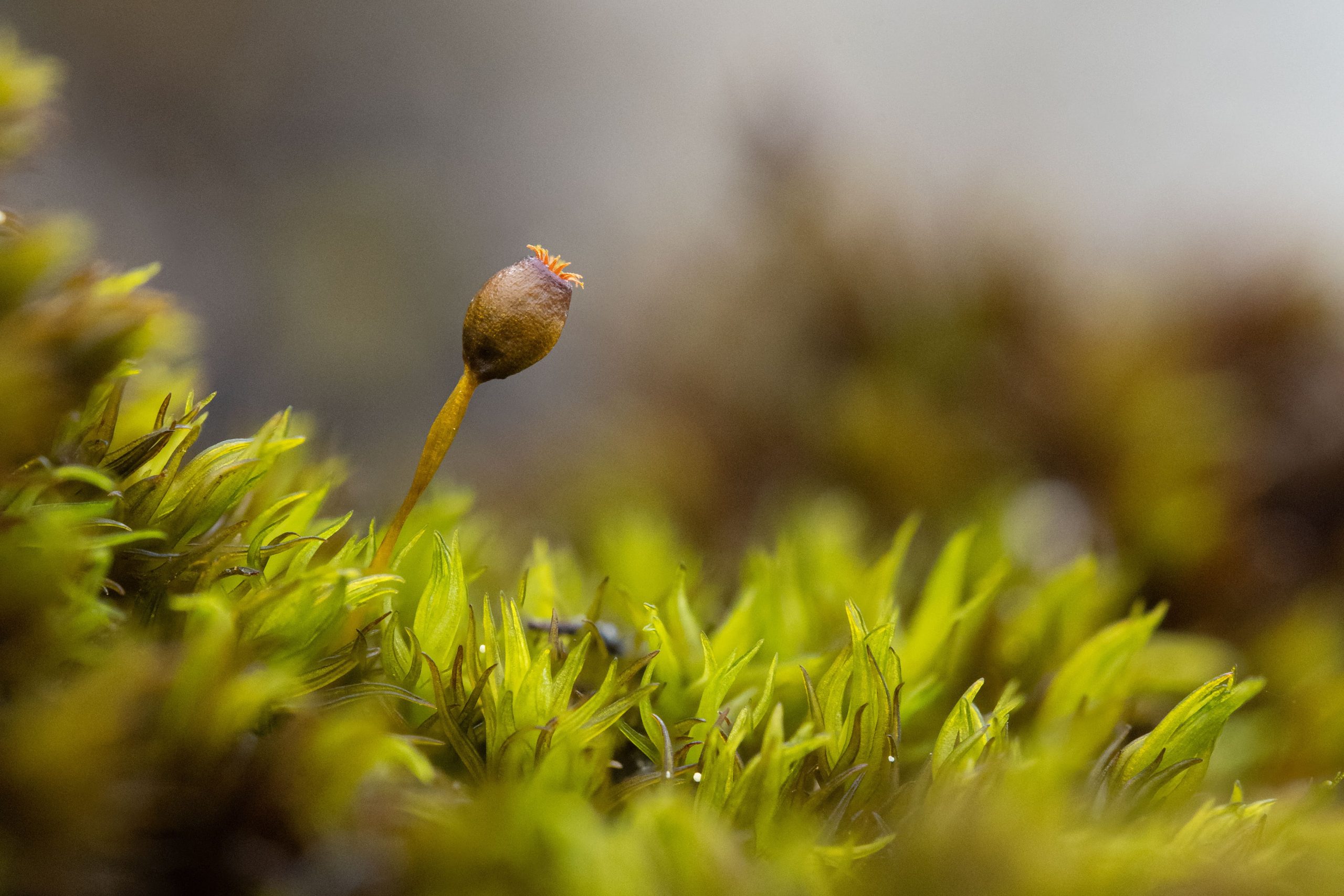
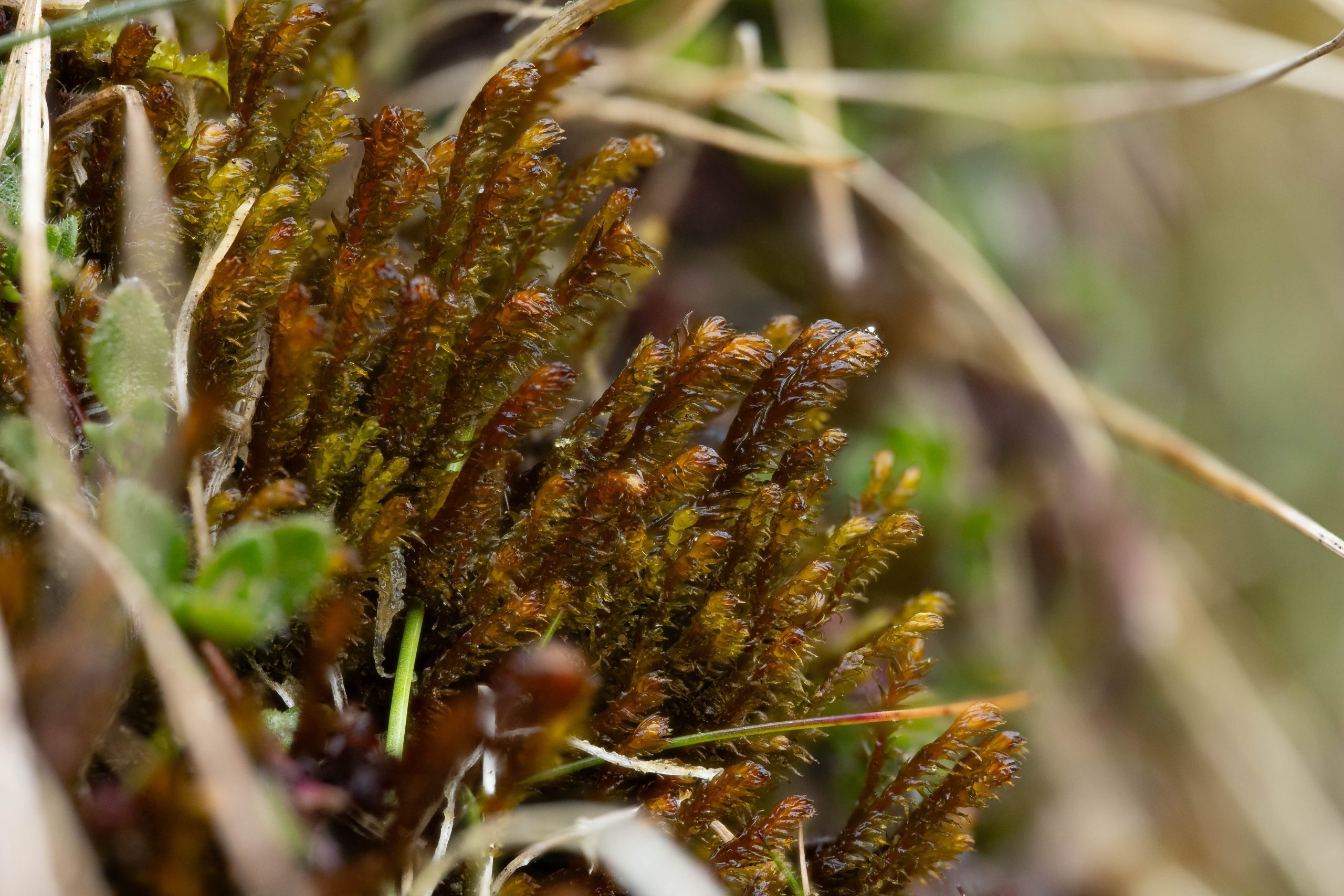
These fascinating ‘mini forests’ are known as bryophytes and are often a few millimetres to a few centimetres tall. While tiny in size, they’re powerful in impact and have huge benefits for habitats, acting as ‘ecosystem engineers’.
Their benefits for the landscape include absorbing huge amounts of water and helping slow water runoff, reducing flooding for local areas. They also maintain humid microclimates, moderating temperature and helping soils develop as well as providing shelter and moisture for wildlife such as small beetles and fungi and bacteria.
One mighty moss you may have heard of is sphagnum moss, which can be found in marshes, heaths and moors.
Sphagnum mosses are vital in creating peat bogs, which store approximately 3.2 billion tonnes of carbon in the UK.
There are more than 1,000 types of bryophytes in the UK, and within the bryophyte family are mosses, liverworts and hornworts. These are non-vascular land plants without flowers or seeds which are small and low-growing and tend to require moisture for reproduction.
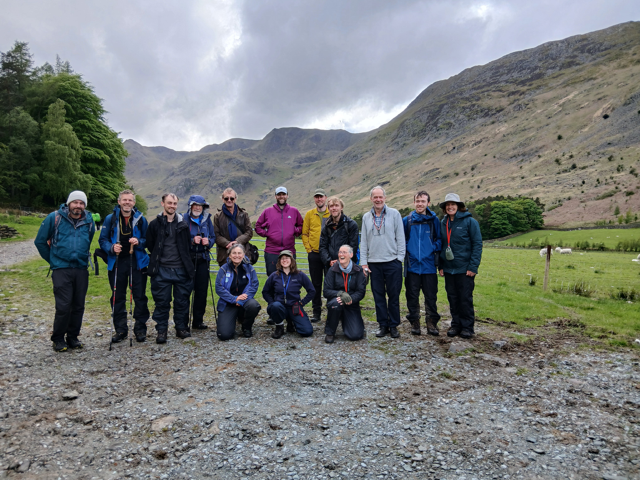
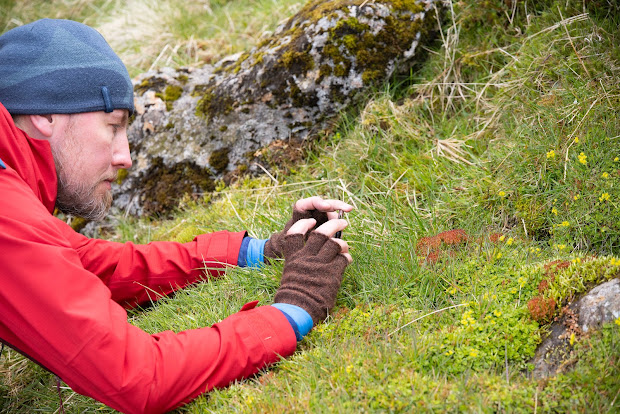
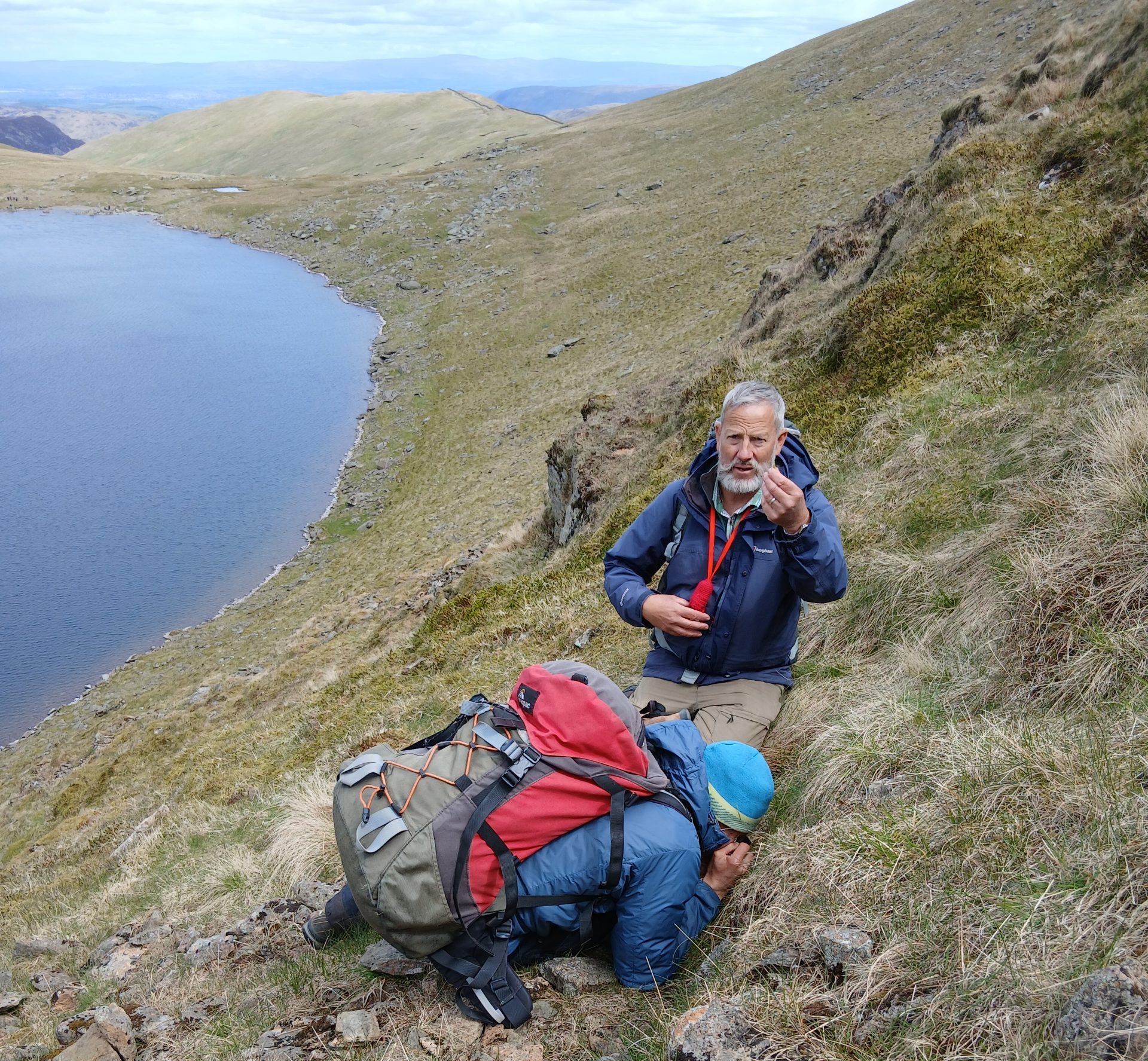
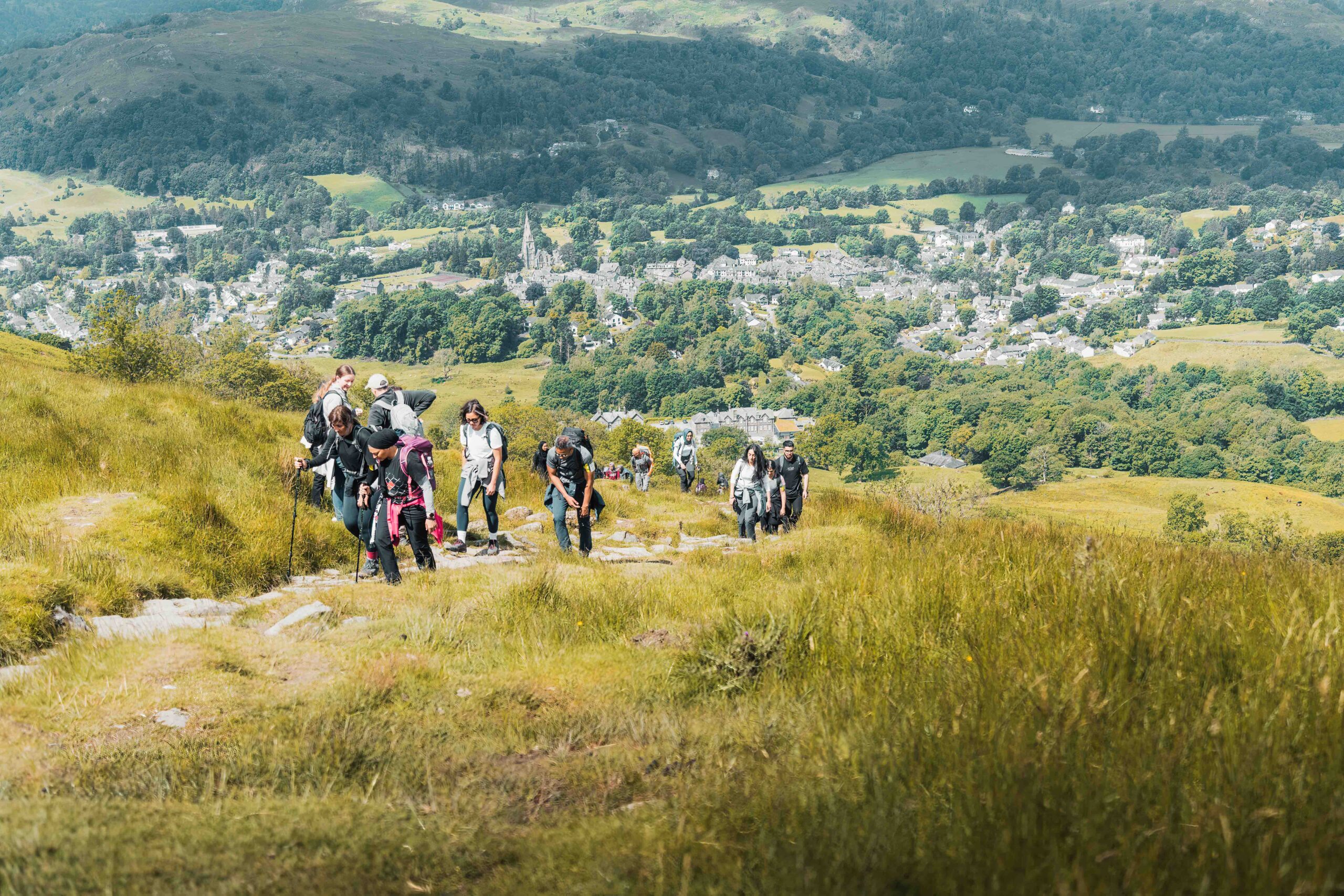
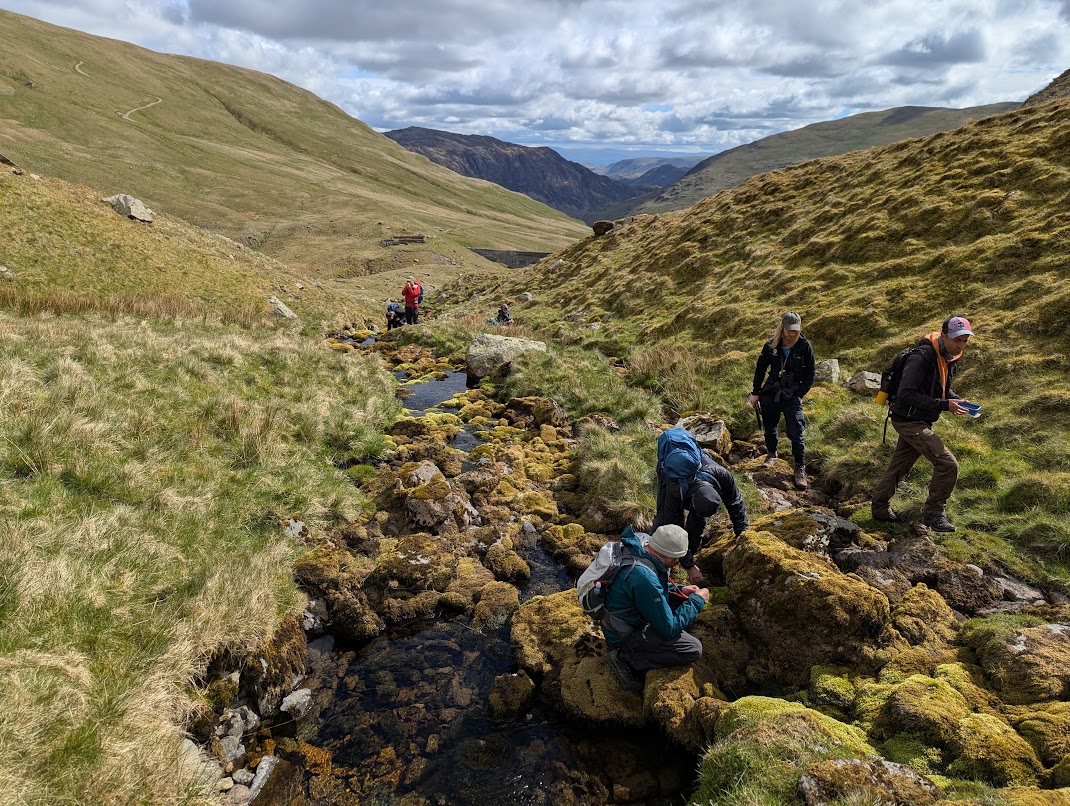
Promoting the study, conservation and appreciation of bryophytes is the British and Irish Bryological Society (BIBS), and a group of their members recently visited the Lake District to explore and survey upland habitats and understand what species exist at high-altitude sites. Among the 18 attendees were bryologists with expert knowledge of high-altitude bryophyte species. The team were hosted by LDNPA Nature Recovery Ranger Nick Hall and below you can read about their fascinating finds at Helvellyn and Fairfield, written by Clare Shaw, BIBS recorder for Westmorland.
The Deepdale coves: Link Cove and Cawk Cove
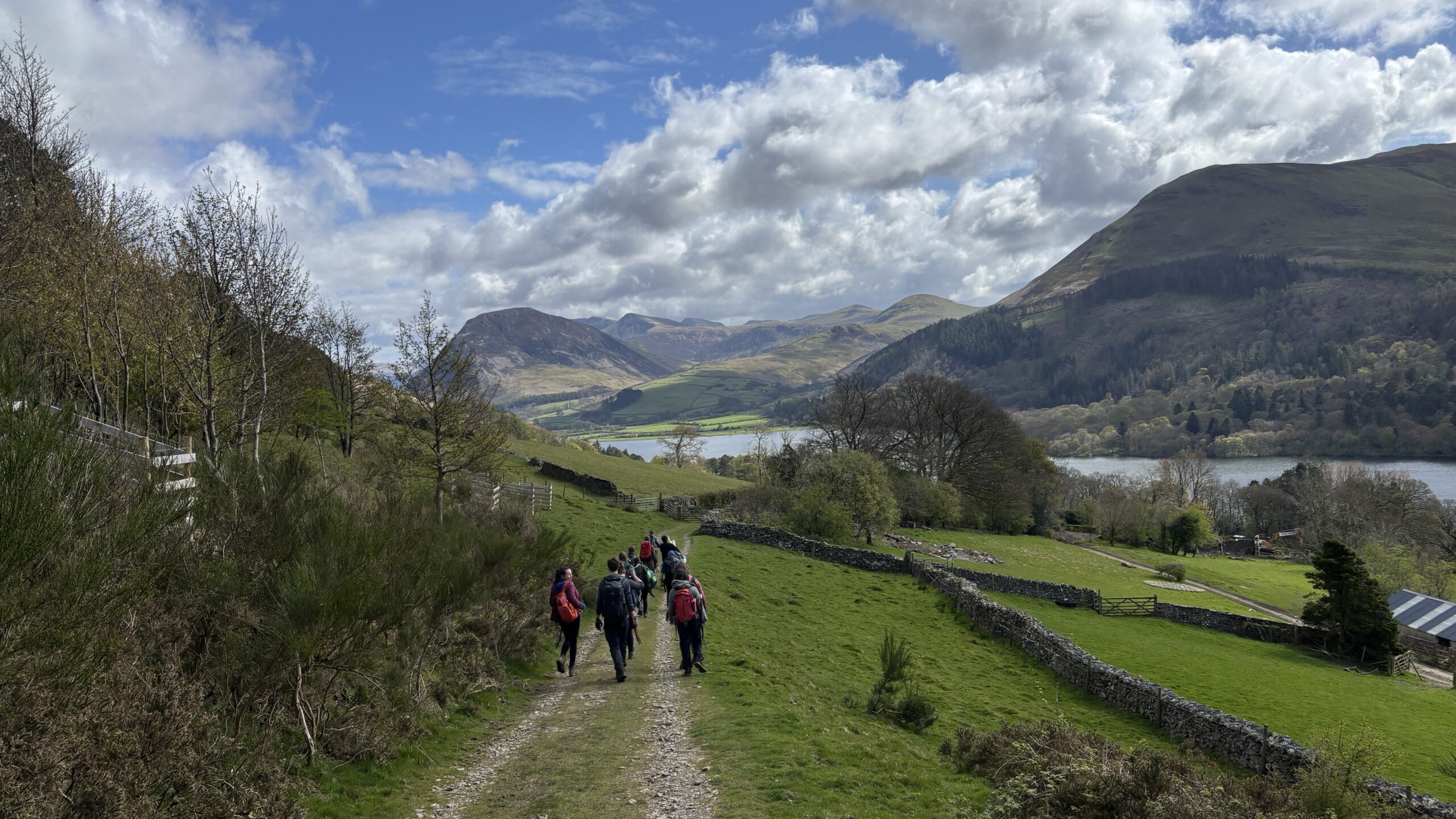
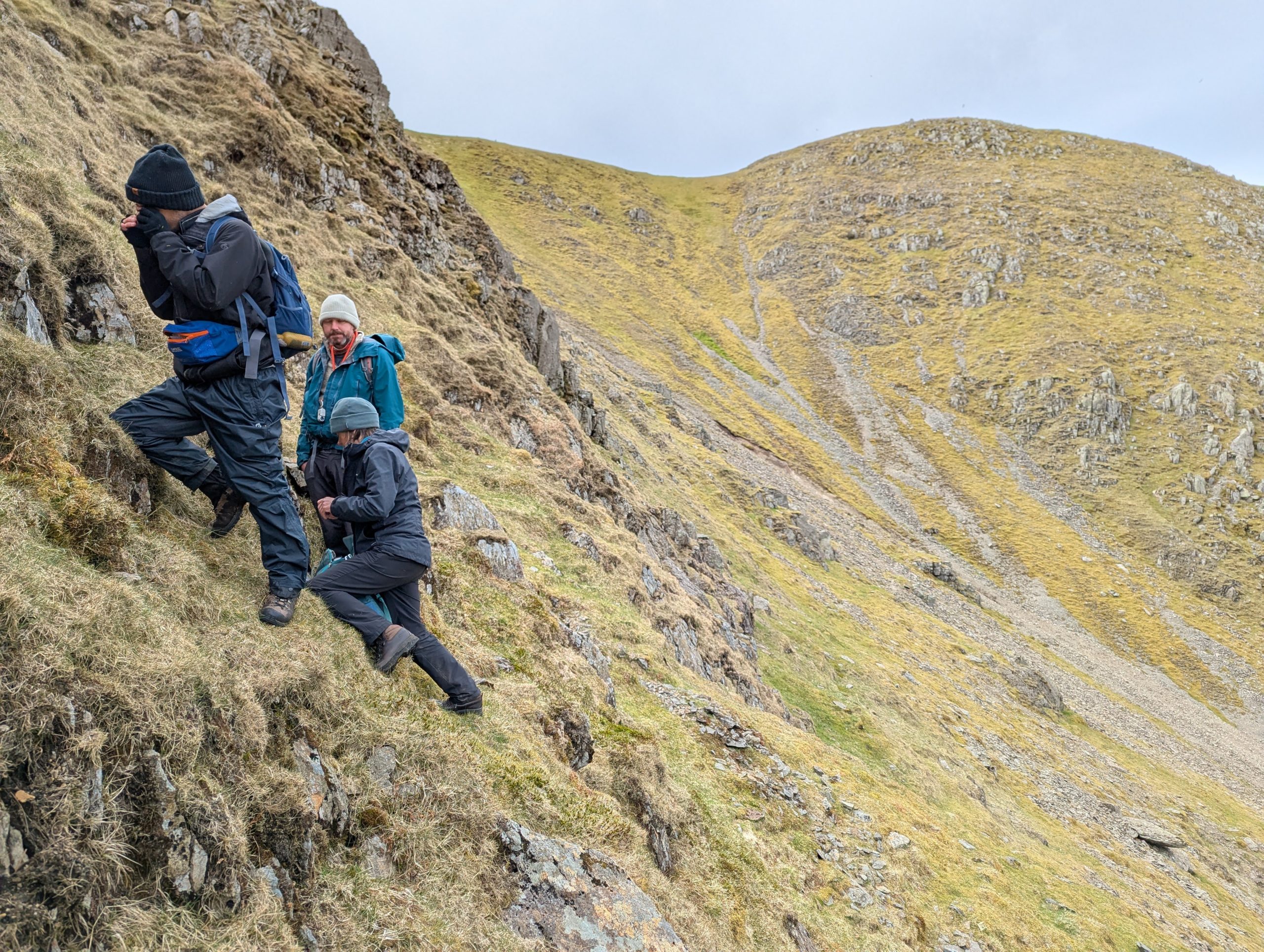
We set off together and split after a two-mile walk up Deepdale, with one group heading into Link Cove and the other into Cawk Cove.
The Link Cove group worked slowly up, looking at the rocky outcrops to the south of Erne Nest Crag. Species here included Orthothecium intricatum, Gymnomition crenulatum, Anthelia julacea (in large quantities around the becks and flushes), Chionoloma cylindrotheca and Racomitrium obtusum. Heading up the steep grassy hump into the cove there was some interest in the beck coming down the slope and Hygrobiella laxifolia was found on an irrigated rock, growing in a dense cushion packed with perianths.
Half the group then headed to the north side of the cove where there was a nice little gully with cushions of Grimmia torquata and G.ramondii and a luxuriant patch of Tetraplodon mnioides – a very striking moss that grows on carnivore scat and carrion. There was an interesting section of crag with water draining down the slope and lusher vegetation; here Stereodon hamulosum was found amongst turf near the base of the crag, along with both Palustriella species, and Schistidium strictum and Tortella tortuosa on the rock. But the find of the day went to Mark Lawley for Chionoloma hibernicum*, which is new to England.
The other half of the group worked steadily upwards on the south side of the cove amongst the outcrops, finding some nice Bryum zieri and Schistochilopsis incisa and Oedipodium griffithianum in the block scree.
Meanwhile, around the corner in Cawk Cove, recording began as the slope became scree, where the usual Racomitrium species were joined by R. sudeticum and R. obtusum. Kiaeria blyttii was found almost immediately and Gymnomitrion obtusum and G. crenulatum hid among the rocks. Here, Rory also found the tiny red Gymnomitrion adustum, though it was rather rare and only occurred in small quantities. This was only the fifth record for the vice-county of Westmorland (vc69) in the last fifty years. A vice-county is a systemised geographical division used primarily for biological recording and scientific data collection.
The group advanced west along the crag base finding occasional Andreaea hookeri, then the first Anthelia julacea of the day; also Isothecium interludens, Schistidium strictum and Rhabdoweisia crenulata. Lower down the slope, a fine colony of Tetraplodon mnioides was discovered on a sheep bone and there was an excellent find of Arctoa fulvella – only the second record in Westmorland since 1971 and the third in Cumbria and England. A small moss cushion on a boulder was later identified as Hymenoloma crispulum – only the fifth record for vc69 since 1900, the previous being in 1982.
Some of the group split off to explore the screes and gullies of Hog Hole and Black Tippet, while the others explored the lower crags and flushes around Black Buttress. Here a second patch of Schistidium strictum was found in the scree, while a nook in one crag had Amphidium lapponicum and Arctoa fulvella.
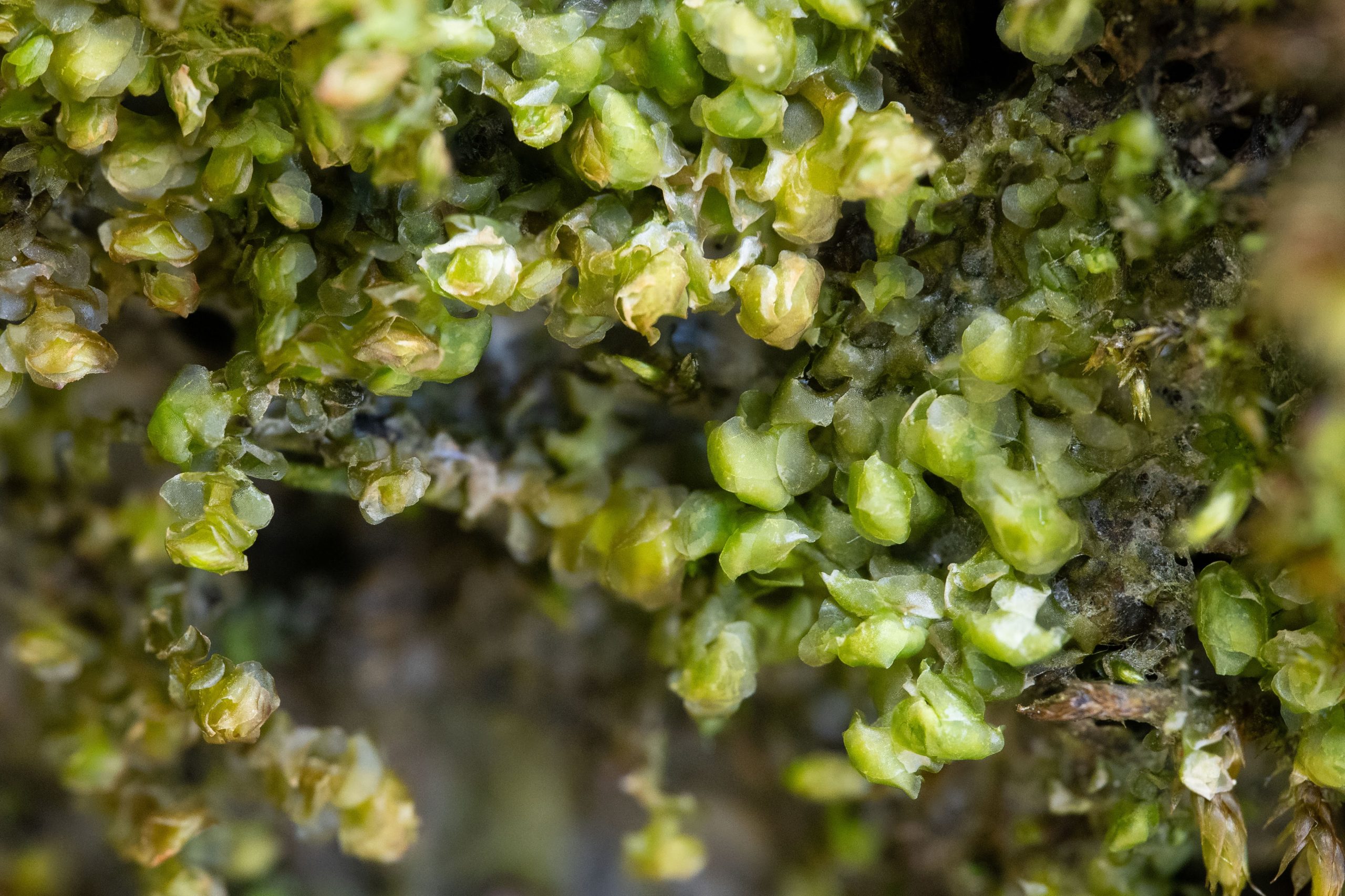
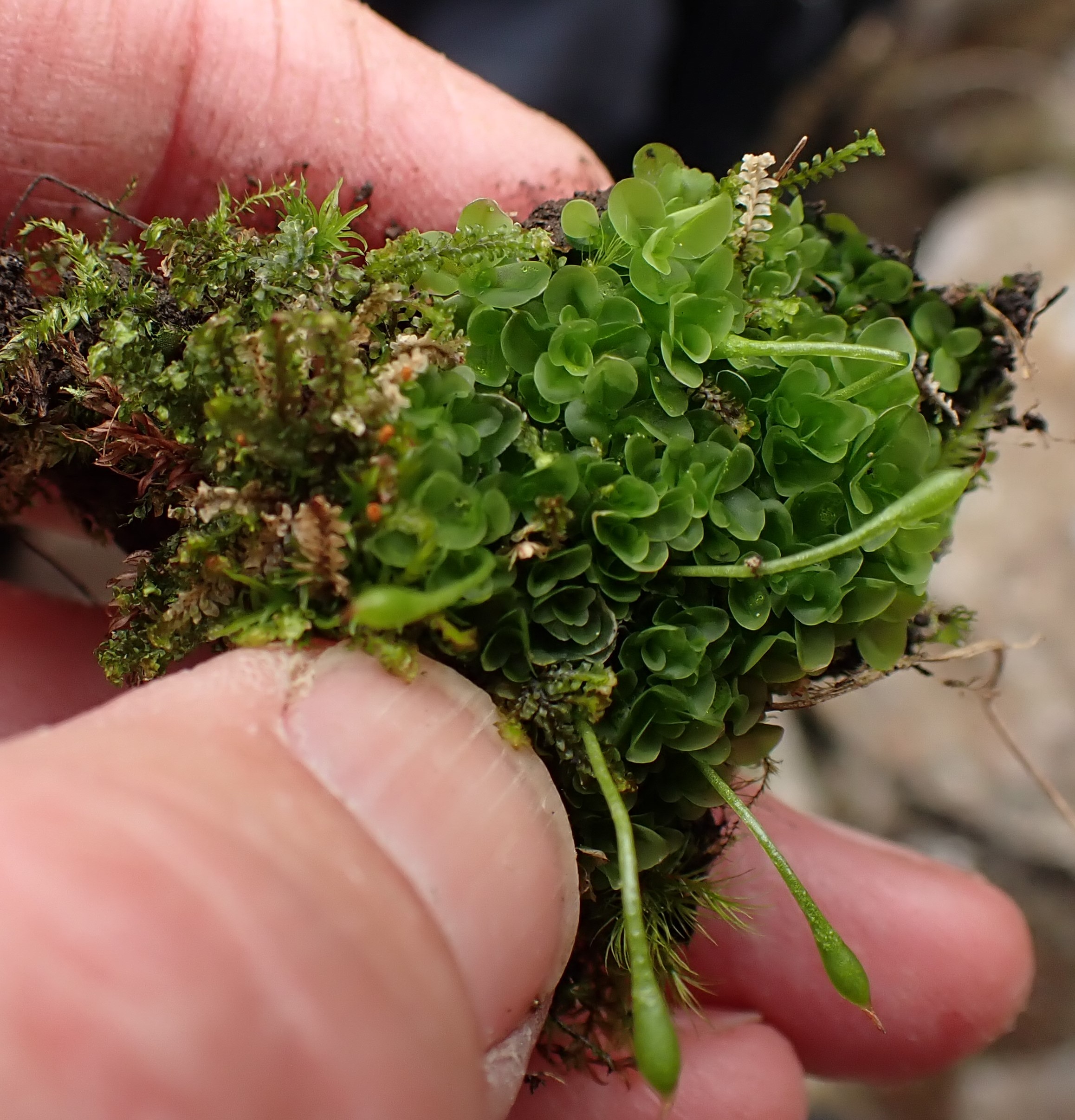
But it was on the crags around Black tippet that the real rewards were reaped, with near vertical gullies with large amounts of scree and loose soil. The first exciting find was the montane moss Oedipodium griffithianum, which happened to be locally frequent in certain places. This is fairly rare nationally, but recorded relatively often at high altitudes in Cumbria. It has a very striking appearance, with rosettes of leaves holding small reproductive particles called gemmae. Not far beyond this, Paul Ross found a substantial patch of Racomitrium macounii ssp. alpinum in a sheltered gully where it carpeted a flushed vertical rock face. This is a new English locality of a species previously known only from the river Duddon, also in vc69. In the same gully, Rory Whytock found Grimmia torquata and G. funalis, with Rhabdoweisia fugax and Bryum zieri continuing the base-rich theme. Higher up the screes, Rory found Racomitrium ellipticum, Orthothecium intricatum and Amphidium lapponicum on a particularly nice crag. Encalypta ciliata was quickly located not far away, the first record in Westmorland since 1969.
Brown Cove and Red Tarn
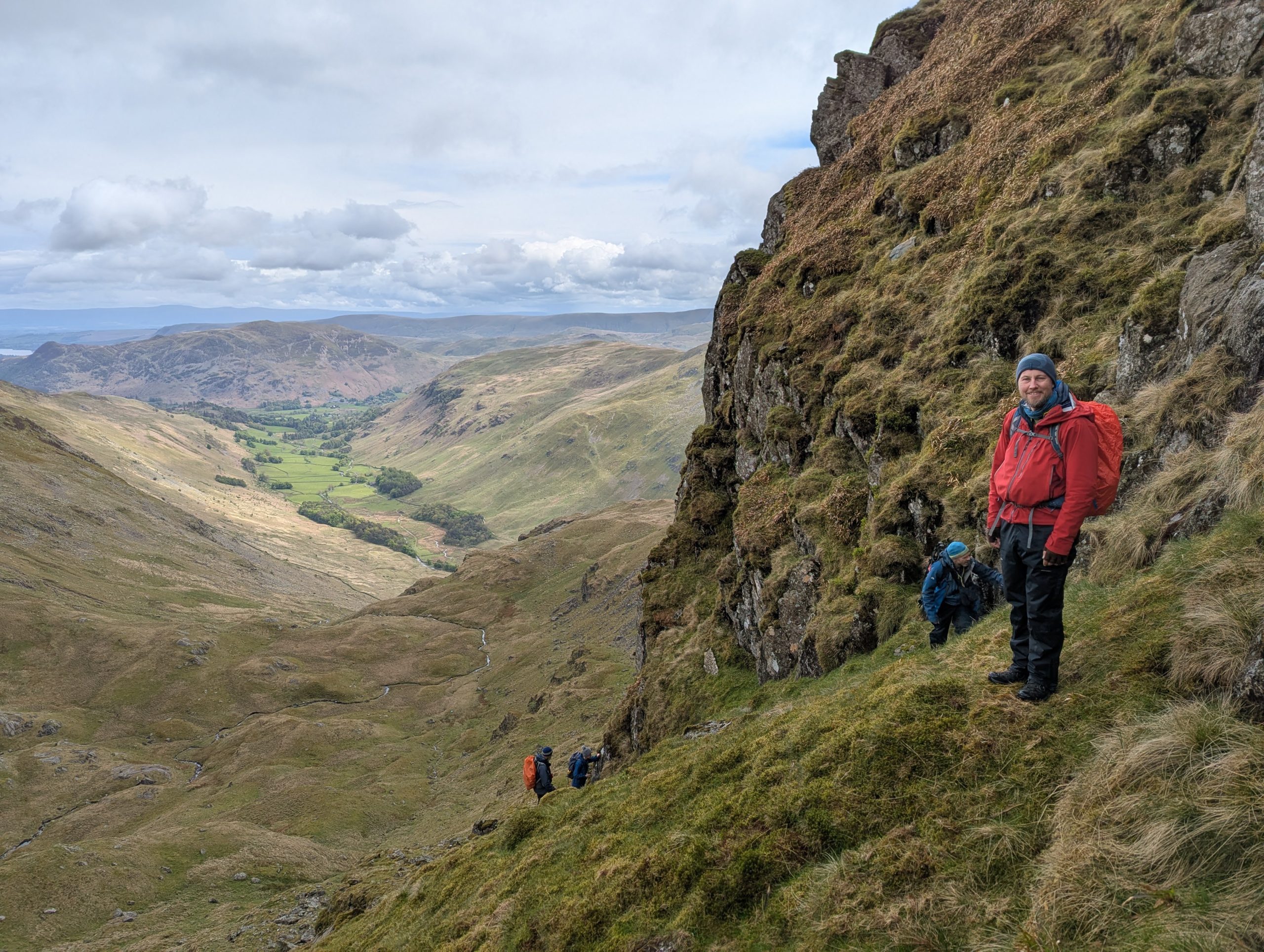
Nick Hall at LDNP had very kindly arranged for two Land Rovers to take a group up to Brown Cove, cutting out some of the slog up the track from Glenridding, while the rest of us had a bit of a slog up to Red Tarn.
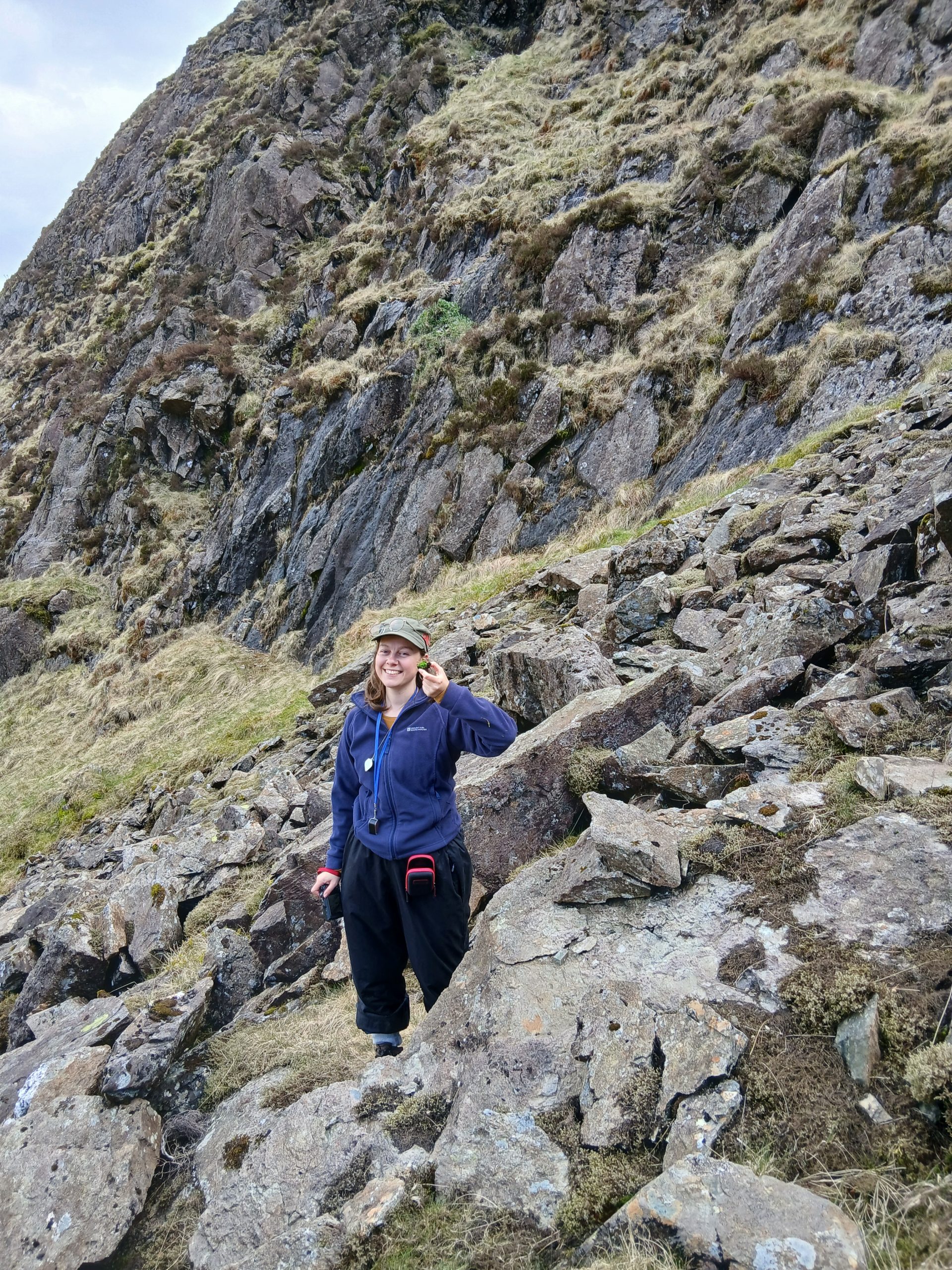
Arriving at the tarn, we headed south into the main monad (a 1km by 1km square) aiming for the north-facing crags under Striding Edge. On the rocks around the tarn there was plenty of fruiting Grimmia donniana and some G. ramondii, as well as Racomitrium sudeticum and R. elongatum. Along the edge of the water there was both Hygrohypnella ochracea and Hygrohypnum luridium. Some Schistidium strictum was found on rocks on the lower slope, while a crevice there had some Scapania scandica and Barbilophozia sudetica. As we contoured around and up into the higher crags, Anthelia julacea started to appear, with Andreaea hookeri, Mylia taylorii and Rhabdoweisia crenulata, and a couple of tufts of Kiaeria blyttii were confirmed microscopically later. An interesting-looking, dark Marsupella scraped from the side of a rock was confirmed later as Gymnomitrion alpinum, which only has a few recent records in vc69. There was plenty of Gymnomitrion crenulatum and Becky again found Oedipodium griffithianum and a small patch of Bartramia ithyphylla, nice additions to the list. On the way down we looked at flushes on the west and north side of the tarn. Sarmentypnum sarmentosum, Sarmentypnum exannulatum and Scorpidium revolvens were found here, with large cushions of Jungermannia eucordifolia.
At Brown Cove he main feature that looked to provide bryological interest was a very nice (and colourful) stream that ran along the base of the cove, where the scarce Bryum weigelii was spotted and proved to be locally frequent. Other highlights were Plagiochila spinulosa, Dichodontium flavescens and Scapania subalpina, last recorded in vc69 in 1971. The group followed the stream up to a small disused dam that still retained water, where Porella obtusata, Antitrichia curtipendula and Grimmia hartmanii were found.
After lunch, the group split into two with one group continuing to record in the lower monad and one hitting the north-facing crags on the higher ground. The upper crags produced a suite of species that are rare in the region including Gymnomitrion alpinum, Arctoa fulvella, Racomitrium ellipticum and much more Bryum weigellii. Rory located Pohlia wahlenbergii var. glacialis in its typical montane springhead habitat, but a sample was not taken, meaning it could not be officially recognised as a rediscovery for the county, and indeed England. Base-rich outcrops had a range of species including Racomitrium ellipticum, Arctoa fulvella, Amphidum lapponicum and a further nice find from Paul of Plagiopus oederianus. Back to the acid crags many species were still being added to the cards including Oedopodium griffianium, Gymnomitrion concinnatum and Schistochilopsis opacifolia (only the second record in Westmorland, the previous record being in 1964).
Nethermost Cove
The whole group set off from Elmhow Farm, heading up Nethermostcove Beck to the right of Eagle Crag and the disused mines. A small group broke away to explore the crags and block scree on the ascent. There was plenty of Amphidium mougeottii on the rock face, also Anoectangium aestivum and some very large patches of Rhabdoweisia crenulata, most of it fertile and covered with capsules. We found Chionoloma cylindrotheca and Gymnomitrium obtusum. Later, Gymnomitrium crenulatum would start to make an appearance. Gordon Rothero found a patch of Anastrepta orcadensis and pointed out a good expanse of Scapania compacta. Becky found the first little bit of Mylia taylorii, of which we would see much more. Further up, in the block scree, there was lots of bright green Racomitrium obtusum, some R. sudeticum with neat, short capsules, and small cushions of Grimmia donniana. There was a particularly nice base-rich corner with lots of Palustriella commutata, Bartramia pommiformis and Plagiochila spinulosa.
As we headed higher some thin Anthelia julacea and Andreaea hookeri started to make an appearance, with a couple of small tufts of Amphidium lapponicum.
Meanwhile, the second group had pushed on into Nethermost cove itself. One of the first crags encountered here was moderately base-rich and held a wonderful display of species including Herbertus hutchinsiae, Bartramia halleriana, Orthothecium intricatum, Isopterygiopsis pulchella and Plagiopus oederianus. A search of the acid scree nearby yielded Kiaeria blyttii and sparse populations of Grimmia incurva. As the group ascended the cove Paul made an excellent discovery of Herbertus stramineus in a flushed, base-rich area – only the second record in the vice-county.The species list continued to grow with Scapania aequiloba, Gymnomitrion concinnatum and Bazzania tricrenata. Rory also found Chionoloma hibernicum in two locations (found earlier in the weekend as a first find for England). On the slope below the summit a second population of Herbertus stramineus was found, with Scapania uliginosa, Scapania subalpina, Racomitrium ellipticum and more Pohlia wahlenbergii var glacialis.
It had been a most enjoyable and successful weekend. One species new to England was found at three locations, four species were found again after an absence of more than 50 years, and many valuable records were made of montane species that are rarely seen in England. For many of us it had been an opportunity to see some new species in good company and lovely surroundings.
Our grateful thanks to the staff of LDNPA for help with organising the weekend, particularly Nick Hall, Keith Waite, India Tuer and Rebecca Walden. Thanks also to Madeleine Scott for permission to park at Elmhow, and Jimmy Brown of Deepdale Hall Farm for access permission.
Images below provided by BiBS captured by Paul Ross and Clare Shaw. Find out more about BiBS on their website: Home – British and Irish Bryological Society