
Volunteer celebrates 61 years and counting with the National Park
Introducing Ron Wood
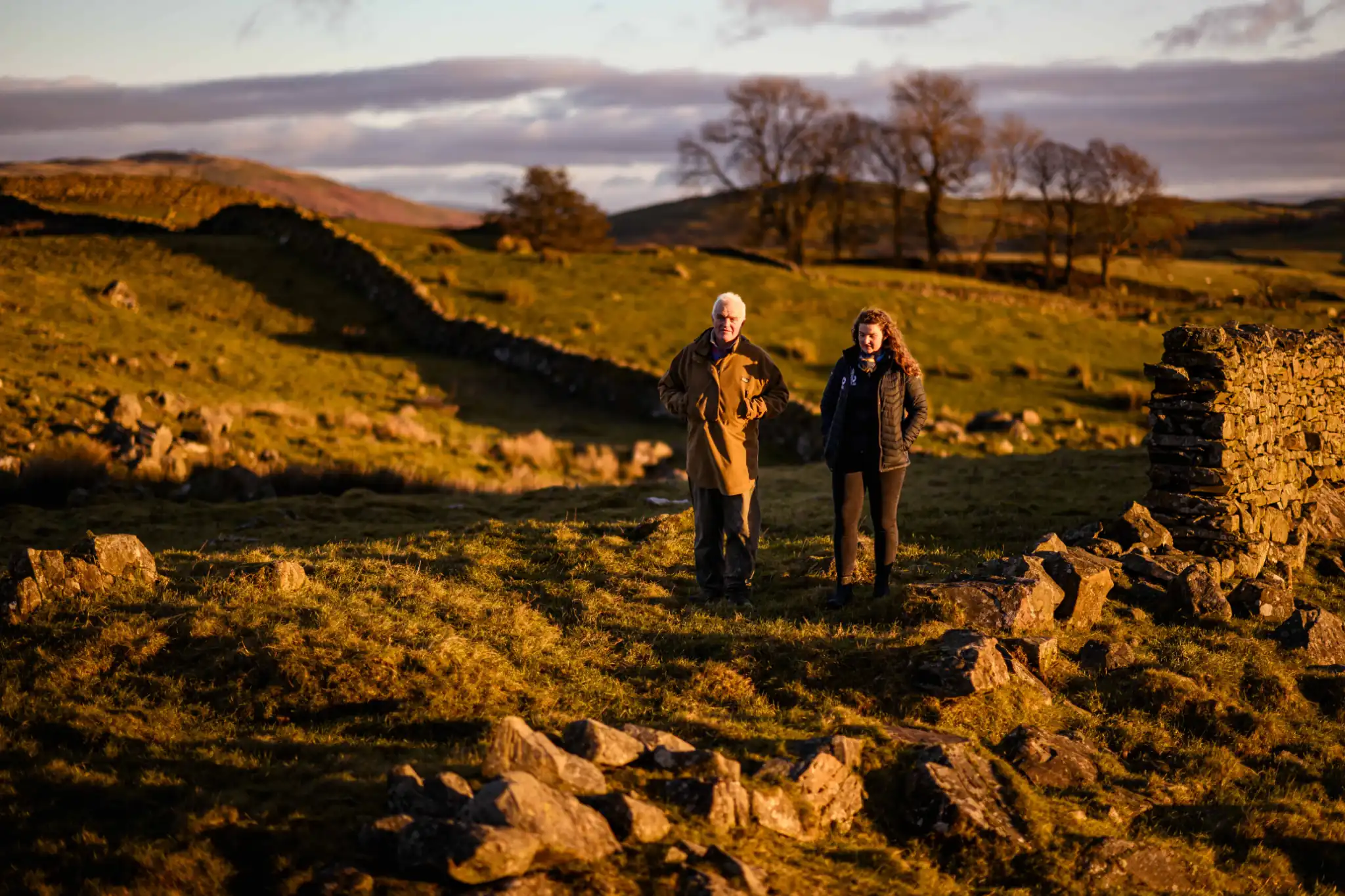
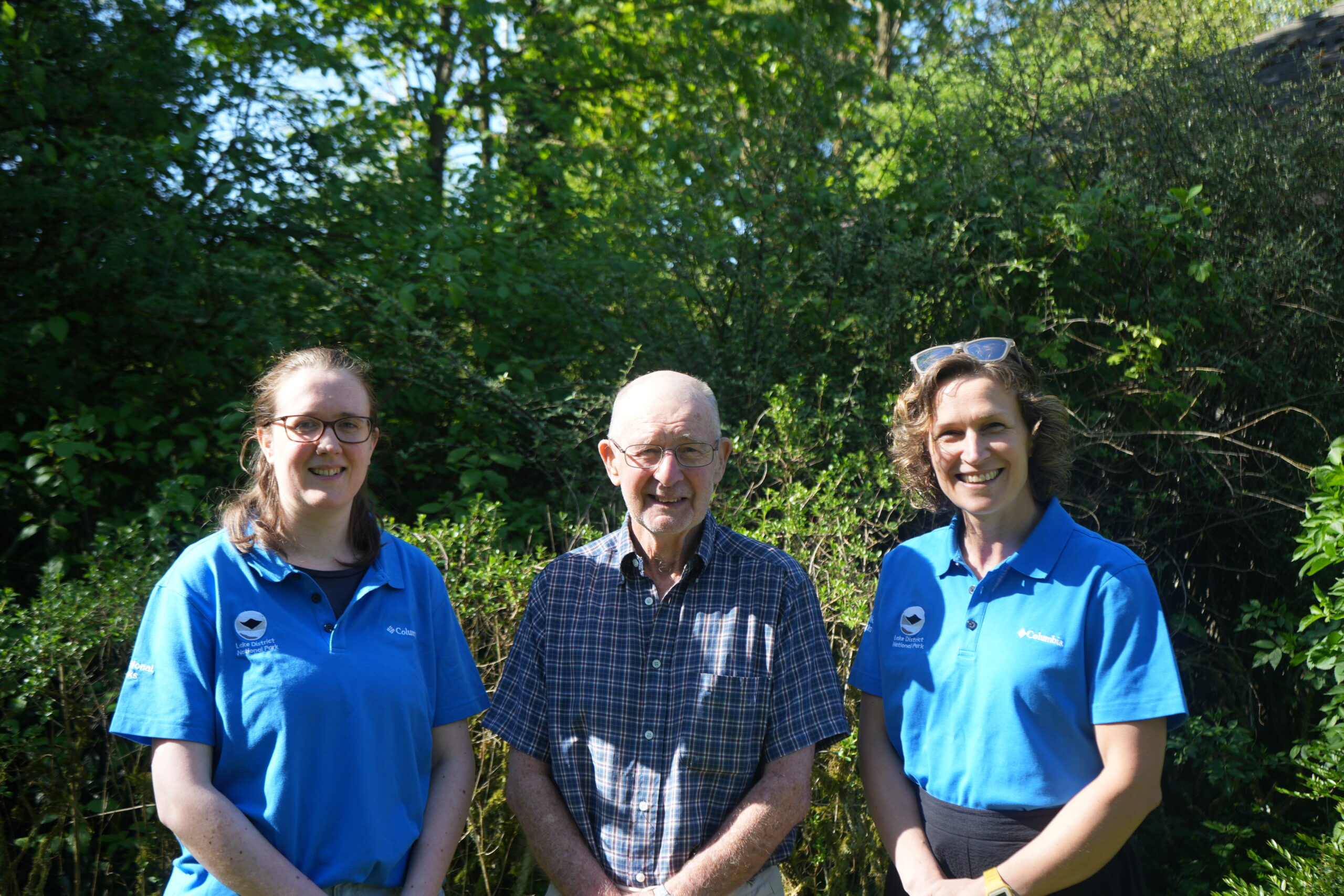
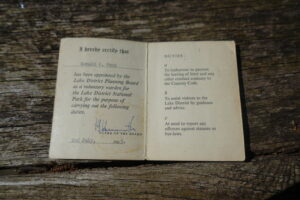
Ron Wood is the Lake District National Park Authority’s longest serving volunteer, having given his time to help others and the environment for 61 years. Ron started volunteering 14 years after the Lake District was designated a National Park. Since then, Ron has been involved in inspiring responsible visitor behaviour, delivering mountaineering training, and guiding people on walks across the Lake District’s diverse landscape.
A lot has changed in his time – the Authority no longer operates out of a caravan, for a start! But the purposes of the National Park Authority remain the same: to protect the natural environment of the Lake District and to provide opportunities for access and enjoyment to all. The people of the National Park, like Ron, help to maintain the Lake District’s natural and cultural legacy for generations to come.
As we celebrate 75 years of the National Park, we caught up with Ron to talk about his impressive and varied volunteering experiences and the changes he has seen in the Park over time.
Ron started volunteering (almost) aged 18
“I was born in Kendal, and my backyard was Scout Scar. In summer evenings and on weekends, I was always on Scout Scar. We used to visit the ‘Mushroom’, [a stone memorial to King George V built in 1912] and the challenge was to get a stone to stop on the top.”
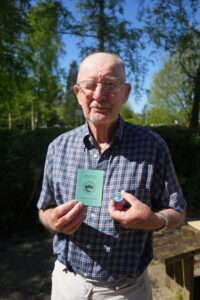
But Ron’s encounter with a member of staff from the Lake District National Park Authority changed his behaviour, and the trajectory of his career. “One time I was maybe 13 or 14, and someone came along with a badge. She was a Warden, and she told us that what we were doing was not really acceptable in the National Park. From that I thought, that’s a good thing to do, being a Warden. A year later, I found out one of my teachers was a Warden. I spoke to him and he said you’ve got to wait until you’re 18 and I will be your reference.”
So keen was he to get involved, Ron skipped ahead: “Three weeks before my 18th birthday I became a Warden.”
Before Rangers, there were Wardens
“Warden service started in 1954, which was 11 years before I joined. John Wyatt [the first LDNPA Ranger] started in 1960, so there were six years when there were only Wardens looking after the National Park.
“Anything that needed doing, we did it.
“We were litter picking and advising people, such as those who were camping. Another of the main things I was involved in was running mountaineering schools, taking place over weekends for children around the area (now known as Cumbria).
“I taught mountain leading as well. Eric Penman was a full-time Warden and used to do mountain leading for adults. He taught navigation, rock-climbing, how to behave on the mountains, what to do when you’re in danger, and first aid.”
Guided walks – then and now
“We didn’t have information buildings in my day – instead, we had an old caravan, which was toured around from one place to another. If we didn’t have the caravan, I went to places like White Moss, opened the boot of the car, put a line of string from the boot and hung leaflets from it.”
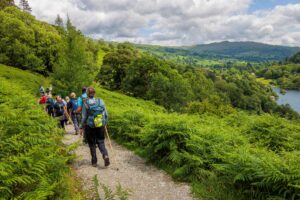
“Today there’s two leaders, one per 10 people – in those days there was one leader. There was no first aid training, no navigation training, no training on speaking to people, and no internet or advertising. Just a board outside the caravan saying: ‘guided walk here at 10.30am’. Though we were insured! We used to average about 14 or 16 people and there were a lot were visiting families.
“We started having evening strolls after I suggested having them as well as daytime ones. I remember watching a tremendous sunset from Biskey Howe once. We were meant to finish at 9pm at Bowness, but we were still there at 9.50pm because the sunset was so great – we were watching it go behind the peaks.”
Ron’s unique memories
Ron remembers the year the fells ‘closed’. “During 1967, due to foot and mouth disease, the fells closed. One day, there were five climbers up in the fells, and we shouted for them to come down because we’d just had the instruction to stop people going onto the fells. They closed until January 1968.”
Another year Ron remembers is 1986 – a year of drought. “There was a big drought in ’86. I went right near the top of Helvellyn to Brownrigg Well, which is said never to go dry. I went up there thinking, this drought is never going to come to an end.
“It was sunny, and on my day off, I went up there and it was still running. There were almost five months with little rain – it was the driest hottest for decades, and it was still running – only 200 feet from the summit of Helvellyn.”
Volunteering can be extremely varied
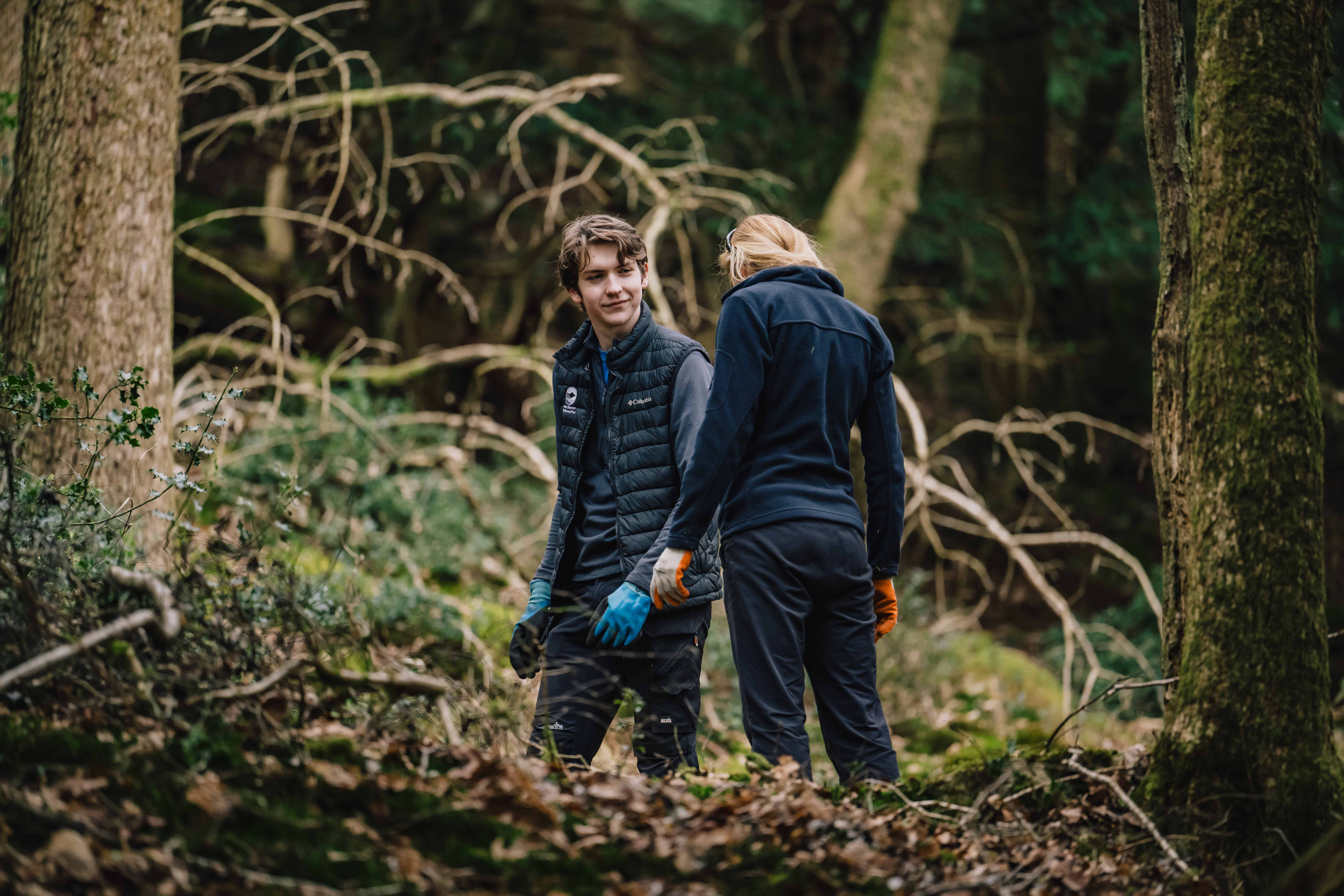
“Volunteering is great – you meet lots of people. In the old days we’d experience jobs we’ve never done before. Building dry stone walls, tree planting. It’s an enjoyable thing to do. Work parties finished in 2020 – we did lots of things; built a bird bath at Brockhole, cut hedges, planted things, and even recovered a car from valleys, quarries and woodlands.
“I can walk past walls now and think ‘I built you’. Dry stone wall is the most satisfying. Even when you get guided walks you can tell people about dry stone walls, what they say is: it’s a pile of stones. After the walk finishes, what they see is something totally different, they can appreciate how it’s made and crafted to match into the landscape.
“You can tell that people take an interest – you can tell they want to know what’s going on. My speciality is knowing a mountain and knowing the name. Others have specialities like folklore, flowers, or trees.”
Ron’s message for people coming to the Lake District
“You look after the National Park not for yourself, but for people who are coming, the ones that are following you. You’re enjoying it now while it’s there. Your enjoyment is coming from people who came before, the ones in 1951 who realised that this should be a National Park, this should be an area that’s preserved for the nation.
“You’ve got to think of what’s coming. Look at what’s been and thank the people who are no longer around and thank them for what’s around you now.
“Take only photographs and leave only footprints. Try and make it better.”