
Rare 17th century farmhouse given Grade II listed status
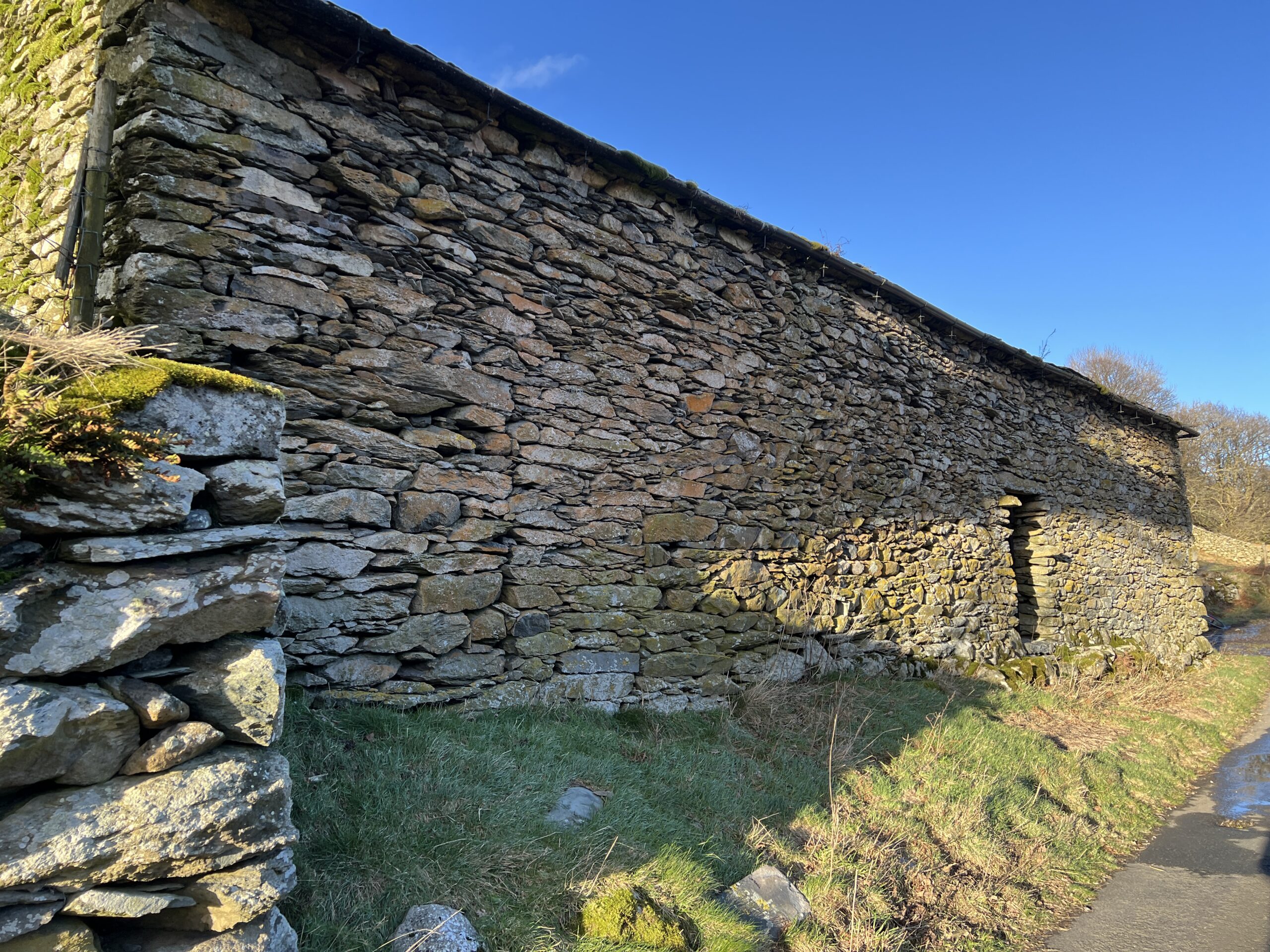
A rare surviving 17th century hall house in the remote valley of Swindale has been awarded Grade II listed status by Historic England. Known as Mullender, the former farmhouse and its adjacent threshing barn represent an important part of the Lake District’s cultural heritage. The listing follows a Building Preservation Notice issued by the Lake District National Park Authority earlier this year when the property was put up for auction.
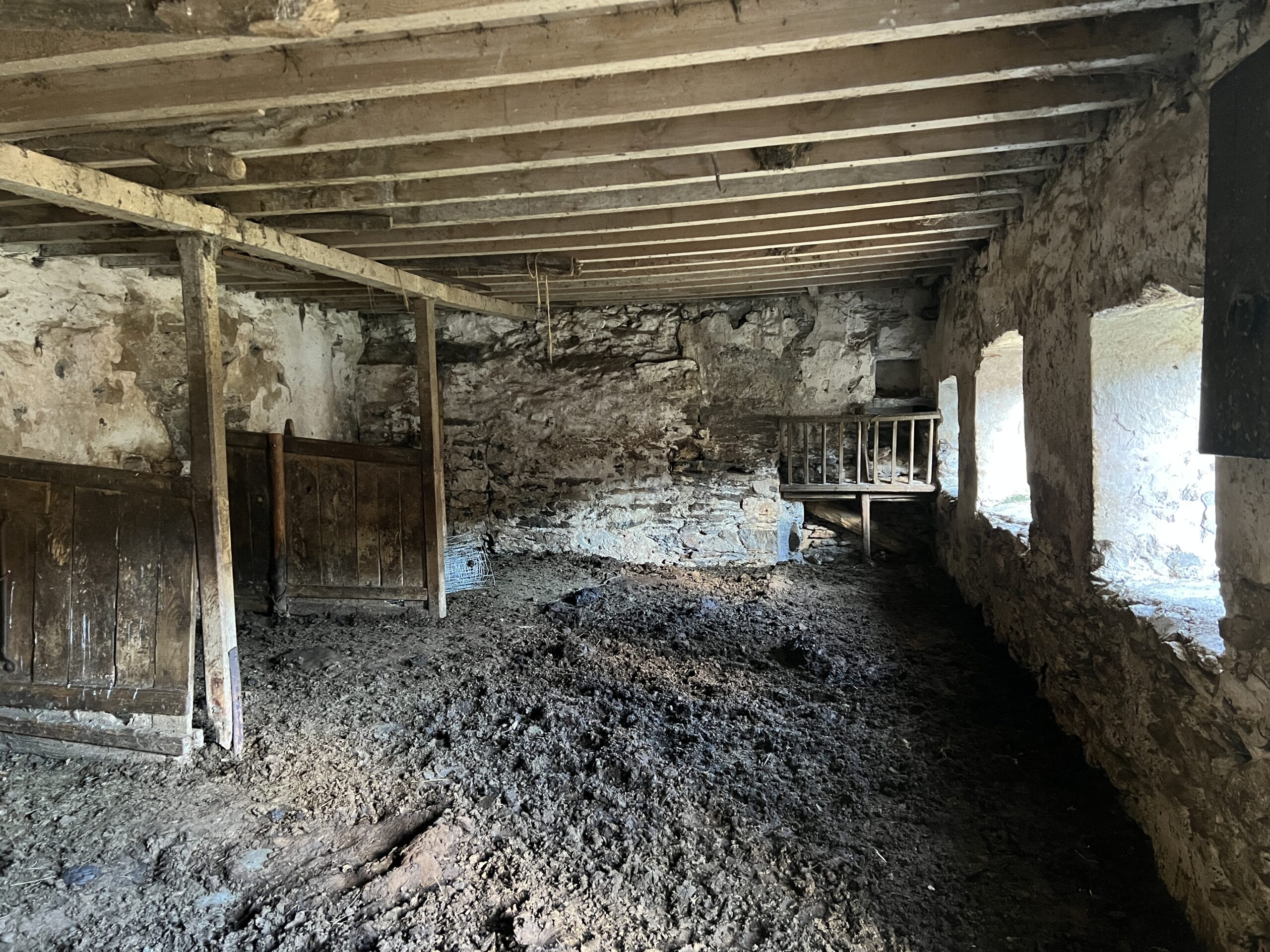
Mullender is a good example of a hall house, a type of early domestic building in which the main living space was open to the roof, usually with a hearth at one or both ends. Although its appearance has been shaped by agricultural use over the centuries (the house was turned into a cow byre in the early 1800s), there are still strong clues to its original residential role.
Look closely and you’ll find a glimpse into 1600s rural life with:
- Hearths at each end of the main hall
- A blocked gable-end entrance
- Windows on both floors that have been filled in
- Small, plastered niches near the hearth, once used for kindling and fuel storage
Historic farming community
Swindale is a remote Cumbrian valley, and between 1669 and 1672, the Hearth Tax recorded just 14 households in the area. Mullender is believed to be one of them. By 1834, an entry in the Kendal Mercury noted the sale of the property (then called "Mullinders") as part of the Earl of Lonsdale’s Manor of Thornthwaite. It was described as a “customary messuage and tenement… consisting of a Dwelling House and Outhouses and diverse parcels of land containing together 22 acres or thereabouts”.
That farmhouse was still in residential use at the time. The “outhouses” mentioned likely refer to the secondary attached building and the separate threshing barn, which has also been granted protection.
A rare threshing barn
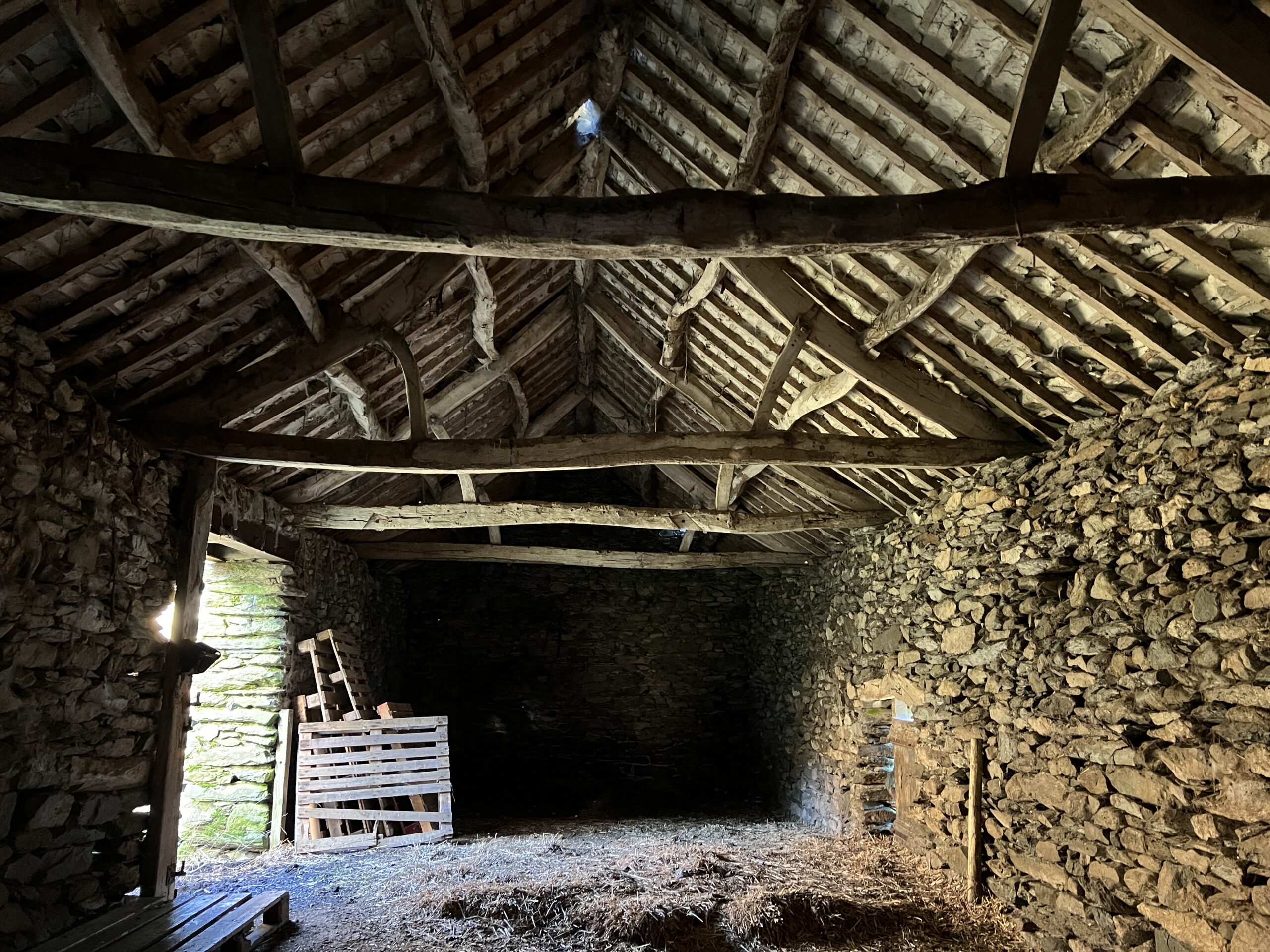
The detached barn is a particularly valuable survivor. It features:
- A hand-adzed (not sawn) and pegged timber roof frame
- A large boulder plinth foundation
- A small winnowing door facing the road
In their listing report, Historic England praised Mullender as “a good example of a modest Westmorland farmstead, which contributes to our understanding of regional diversity and local vernacular construction and materials”.
What happens next?
Although the farmhouse has not been used as a residence for nearly 200 years, there’s a strong chance that future proposals will be made to convert the buildings for residential use again. However, because the site is now Grade II listed, any development plans must comply with:
- The Lake District National Park Local Plan (including the adopted Design Code)
- The National Planning Policy Framework (NPPF), which sets clear guidance for managing changes to listed buildings
Under the NPPF, when assessing proposals that affect heritage assets, planning authorities must give great weight to the asset’s conservation. If a proposed development would cause even minor harm to its historic value, that harm must be balanced against potential public benefits, including finding a viable new use for the building.
Preserving the past
Mullender is a compelling example of how buildings can tell stories that stretch back centuries. Thanks to its new listed status, this remarkable piece of Swindale’s history is now protected and its story can be told more widely.
Rose Lord, Built Environment Adviser for Lake District National Park Authority, said: “Listing buildings with special historic and architectural interest allows us to protect and celebrate these irreplaceable assets which connect us to our past and define the character of the National Park and World Heritage Site.
“Listing introduces an extra layer of protection above normal planning rules, but this is crucial to prevent unsympathetic alterations that could harm a building’s character and the wider area.
“The distinctive traditional buildings of the Lake District are a key part of the National Park’s Special Qualities and contribute greatly to the Outstanding Universal Value of the World Heritage Site. They are a finite resource to be cherished and passed on to future generations.”