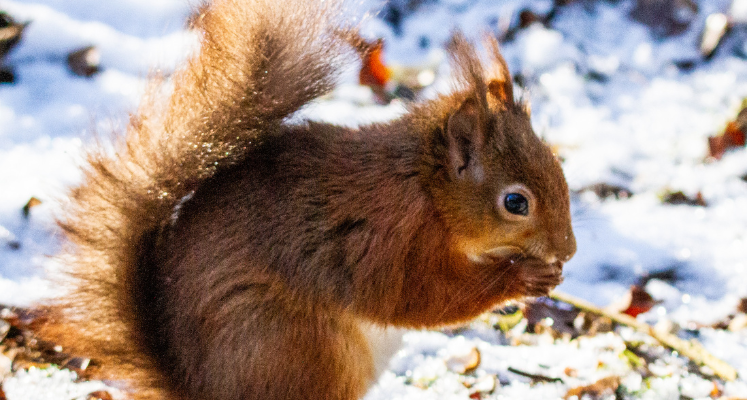

Protecting the tufty-eared red squirrel
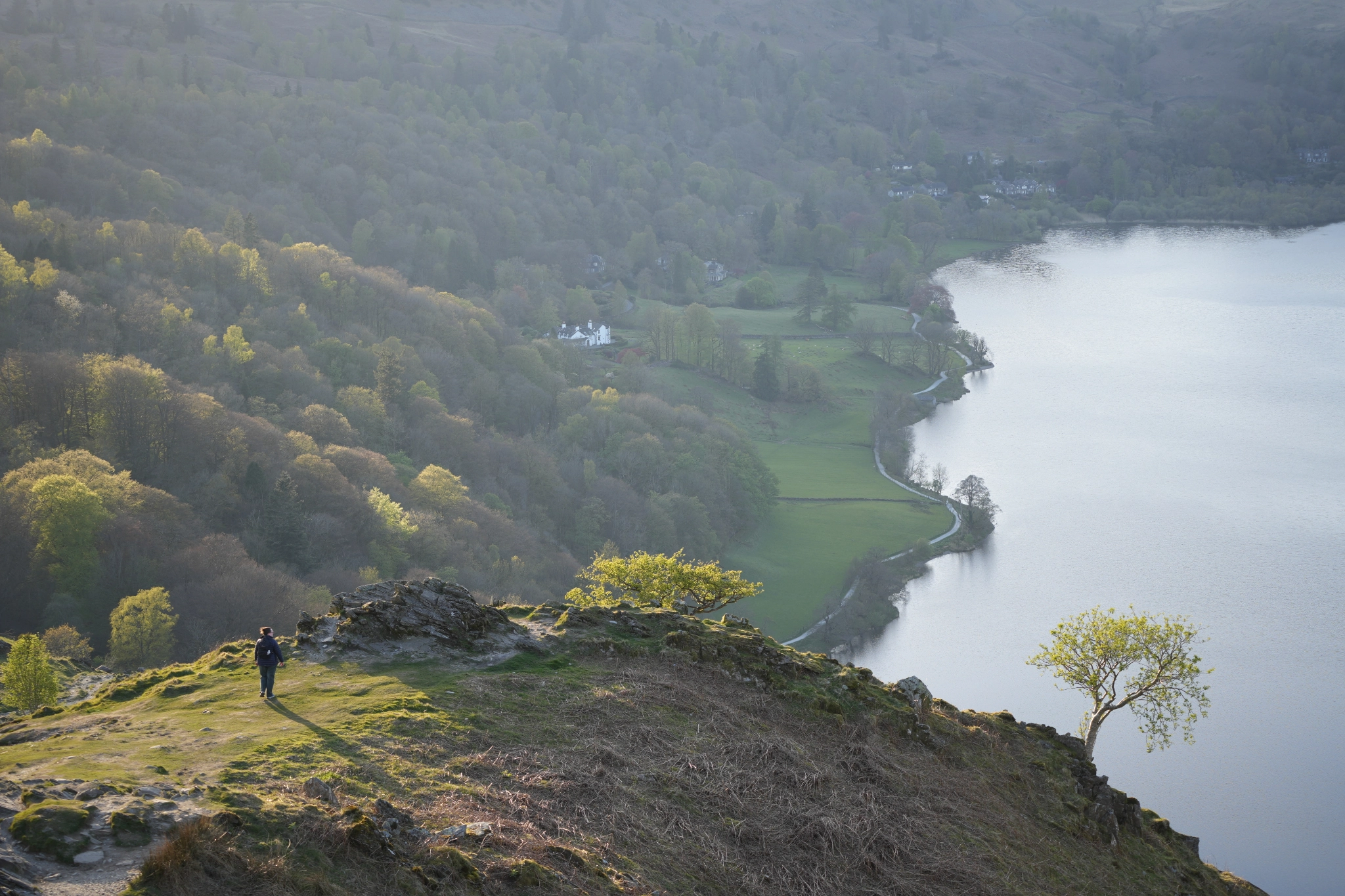
The red squirrel is an iconic species of the Lake District celebrated in the Tale of Squirrel Nutkin, by Beatrix Potter, and influenced by her stays at Lingholm, on the western shores of Derwentwater, in the northern reaches of the Lake District.
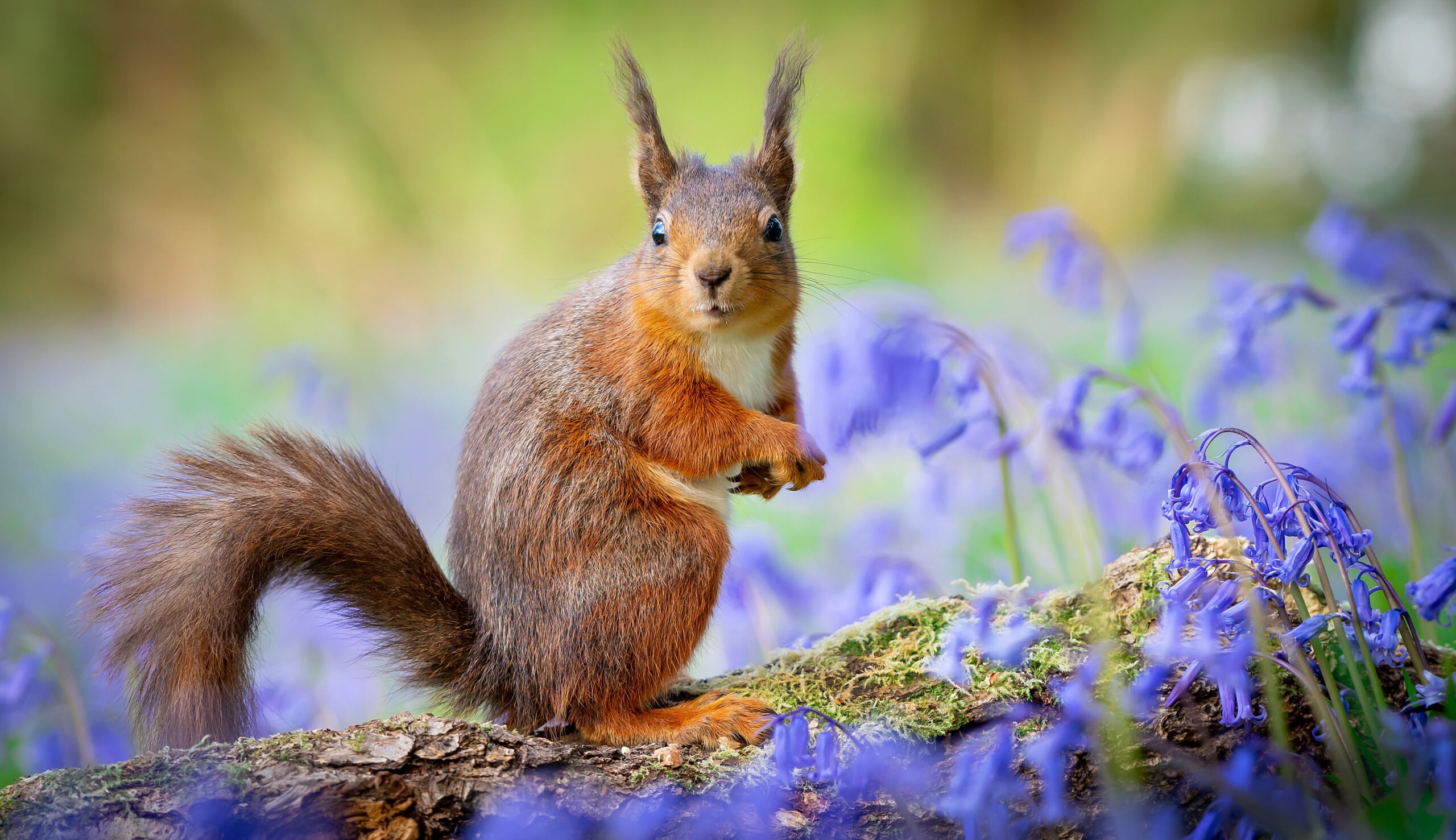
Red Squirrels are the only native squirrel living in the UK. The Red Squirrel used to exist in very large numbers throughout the UK but is now an endangered species. The main threat is the non-native grey squirrel, introduced in the early 20th century. The larger greys can out-compete the reds for food in deciduous and mixed woodlands and transmit a disease ‘squirrelpox’, the squirrel Parapoxvirus, which they are immune to but is fatal to red squirrels. Reds have now disappeared from most of England and Wales and the red squirrel population in the UK is estimated to be 287,000 compared to 2.7 million greys. Only 15,000 red squirrels are believed to be in England and a population stronghold exists in the Lake District.
What work is being done to help the red squirrels?
Many wildlife organisations, supported by local and regional voluntary red squirrel groups, play an active role in researching, recording, and managing red and grey squirrel populations. This includes trialing new approaches for the control of grey squirrels, engaging more people in the conservation of red squirrels, and collating information on the numbers of squirrels. Research has also indicated that the recovery of pine marten populations could help boost red squirrel numbers. Unlike the grey squirrel, reds are native and have evolved to coexist alongside pine martens.
What food do red squirrels eat?
Red squirrels’ diet is mainly made up of seeds and nuts but also includes fruit, tree shoots, bark, lichen and fungi. Pine seeds are a particular favourite, but they will also take hazelnuts, and the seeds of larch and spruce. Autumn is a good time to see red squirrels as they search for food and bury it away to keep them going through the winter months when food is scarce. Morning and late afternoon are when they are most active.
Facts about red squirrels:
- They don’t hibernate, although they may be less active in winter.
- They can jump over 2m.
- They usually produce 2-3 young, called kittens, in February to April and they often produce a second litter from May to June.
- Outside of the mating season, red squirrels tend to live alone.
- In early spring you can often see their courtship displays in the trees.
- Only 20-50% of red squirrel kittens survive to adulthood.
- They live in dreys usually around 6m off ground built close to the trunk or in the forks of branches to provide strong support in all weathers. Sometimes they may even inhabit woodpecker holes in tree trunks.
- Dreys are basically a ball of leafy twigs lined with lots of layers of soft materials, such as moss, feathers, grass, leaves, shredded bark and pine needles.
- Squirrels have a summer home and a winter home – winter homes will usually have more structure to protect them from the inclement weather.
How can I help red squirrels?
- Join a local group and help record sightings. For information on your local squirrel group, visit the Northern Red Squirrels website: https://www.northernredsquirrels.org.uk/nrs-groups/ or contact Cumbria Wildlife trust Red squirrel conservation | Cumbria Wildlife Trust.
- Buying or making a squirrel box or feeder is a great way to help reds, and sizing the entry hole carefully will mean larger grey squirrels can’t get in. Food sources are scarcer in spring and summer, so putting out a mix of nuts, seeds, fruit and veg can be welcome. Only leave a small amount every few days though as it’s important they still look for natural food sources. Feeders should be regularly cleaned (every 3–4 days) with a disinfectant/water (1:10) solution or a detergent. Make sure you check that the detergent is safe to use around animals. The red squirrel groups can provide more advice and information to help with this.
- Take care with tree work - check them carefully for dreys before carrying out any maintenance work, especially during breeding season.
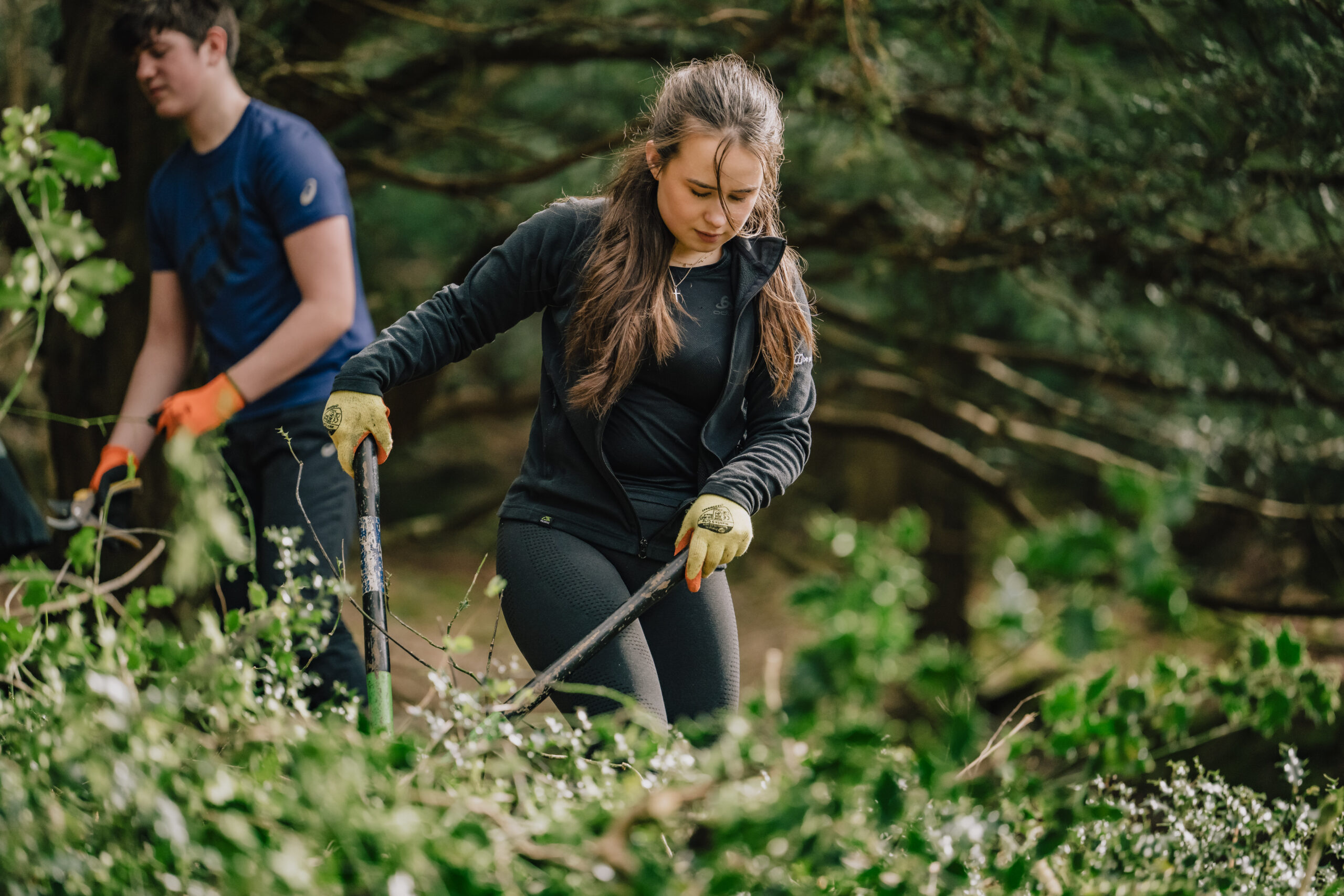
- You can help red squirrels and other native species by caring for their habitat. Planting trees and protecting our woods is crucial for wildlife.
For more information visit:
Red Squirrels in Cumbria - Cumbria Biodiversity Data Centre