
Influencers: How to be a Lake District Kind hero
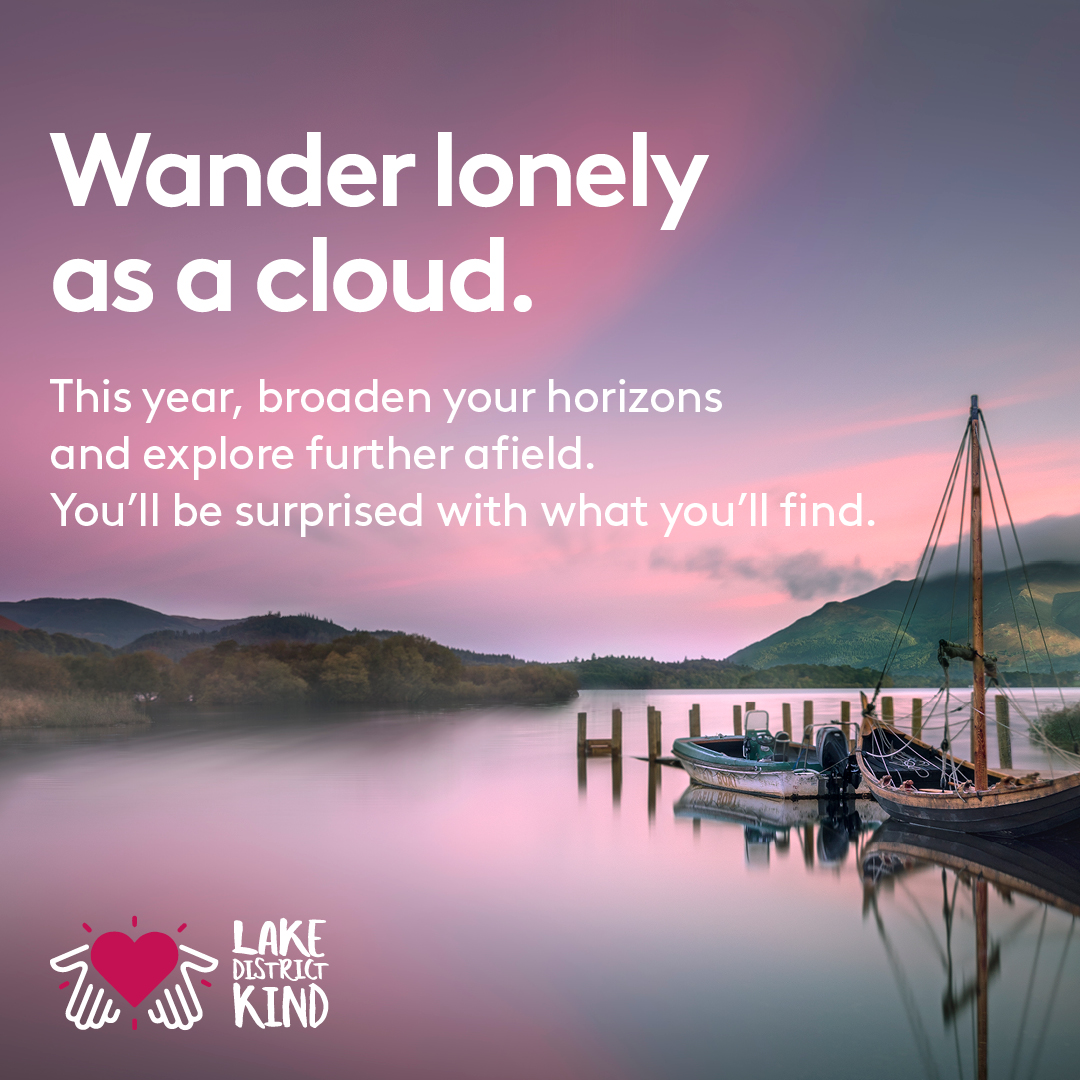
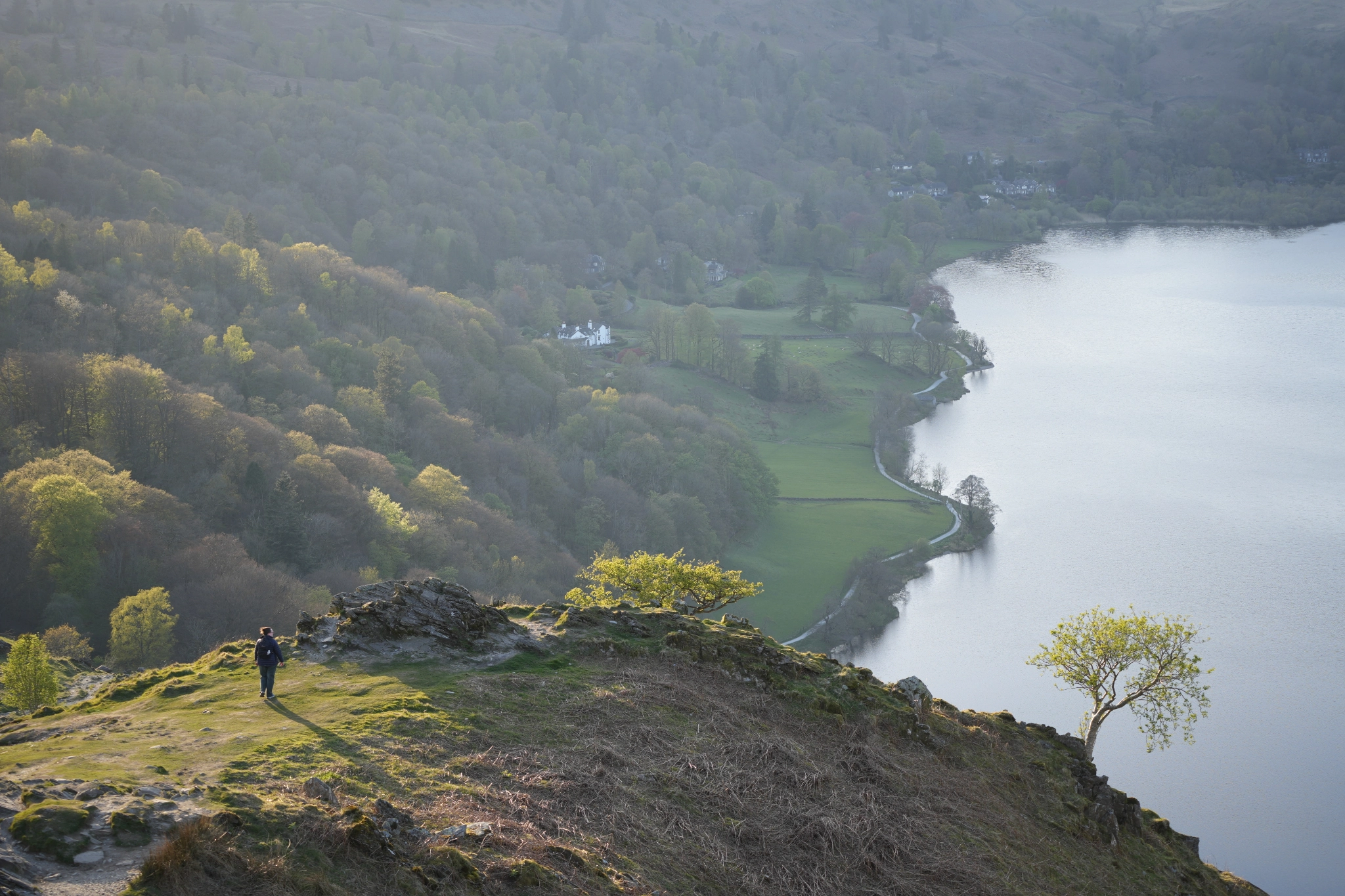
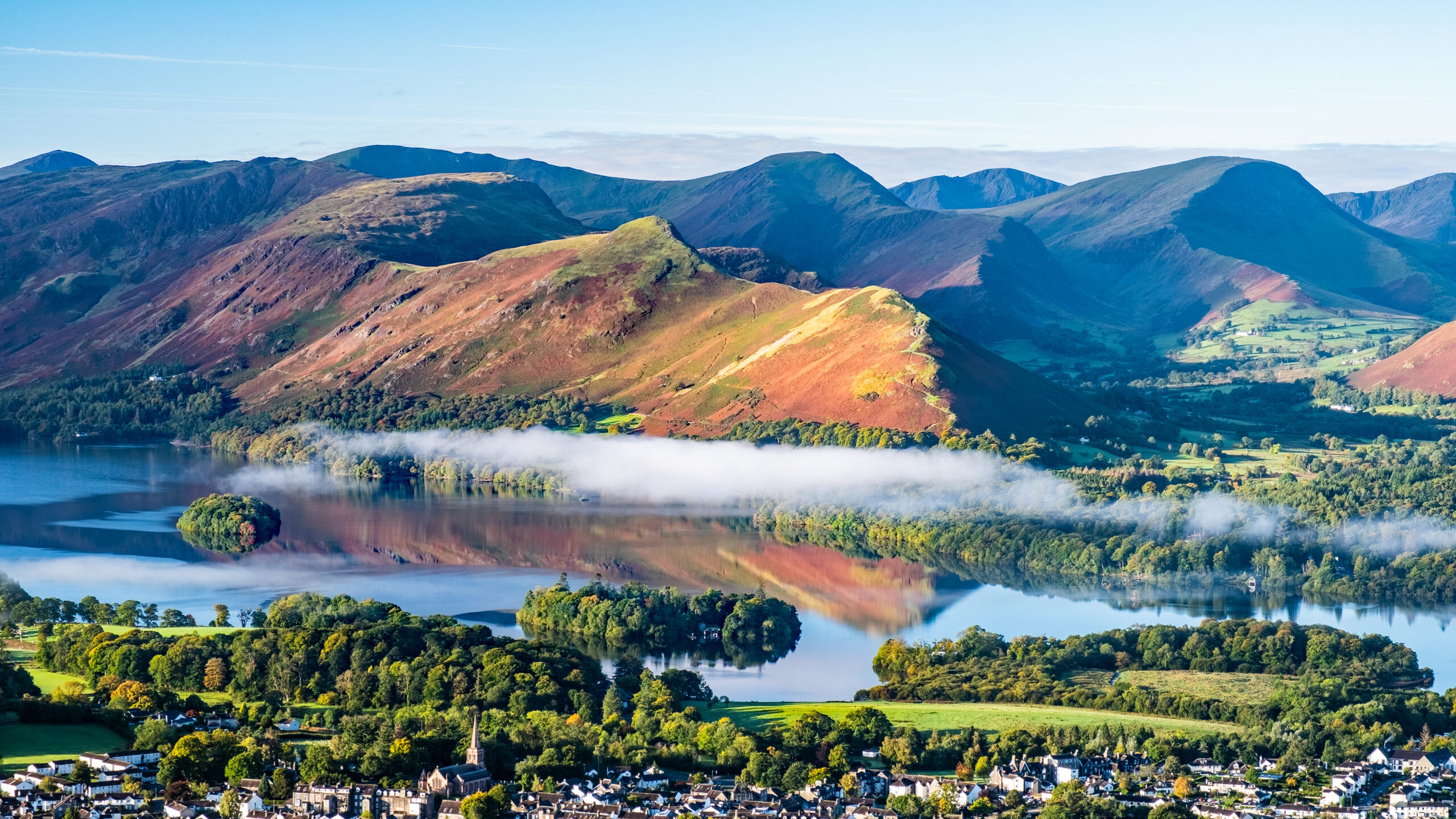
The Lake District National Park is defined by awe-inspiring scenery, dramatic mountains, relaxing lakes and rolling valleys, providing endless opportunities for enjoyment. Pair it with a rich agricultural heritage, fascinating archaeology and geology, picturesque villages, vibrant communities and a rich diversity of habitats and wildlife, and you have a truly breath-taking place.
It’s no surprise the Romantics found great artistic inspiration here, with the Lake District providing subject matter for poets including William Wordsworth, Dorothy Wordsworth and Samuel Taylor Coleridge.
Today, the Lake District continues to inspire millions more people, many of whom find moments of wonder in the National Park having first seen the place through social media.
Influencers sharing information about the Lake District are custodians of the landscape, who share their enjoyment and often practical tips. For anyone who is planning on sharing their Lake District adventure through social media, we encourage you to include information on the below topics, to help keep people safe and to promote a culture of respect for the Lake District, its communities and its wildlife. By doing so, you’re championing what it means to be Lake District Kind.
Leave no trace
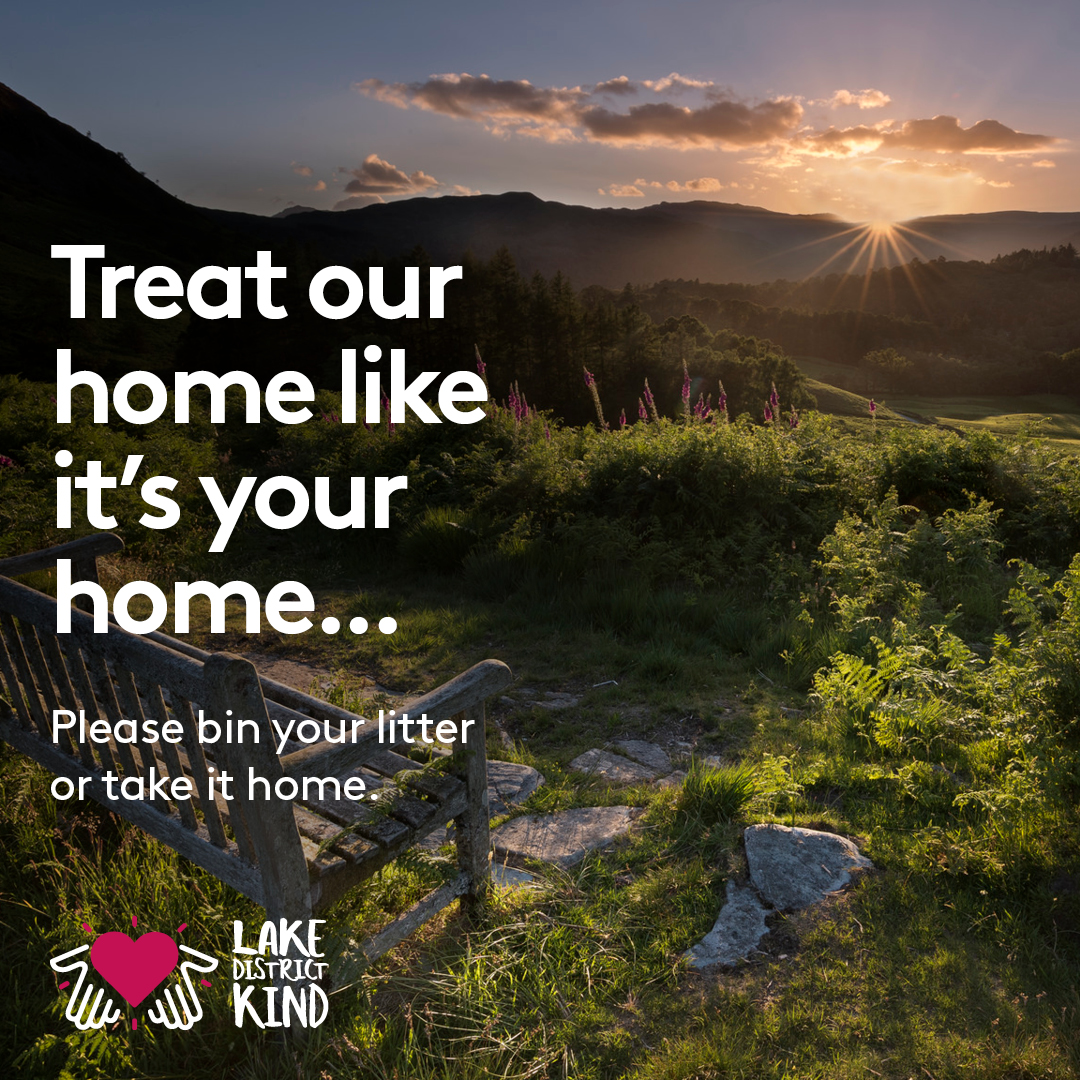
There are around 18 million visitors to the Lake District each year, and the majority of people treat the National Park with a great deal of care and respect, as they would their own home. However, in certain hot spot locations during busy periods of the year, there are instances of littering, ‘fly camping’ and damage to the landscape and habitats.
As a result, it’s great to get the message out to visitors about why it’s important to take home any rubbish and ‘leave no trace’. This isn’t just to help stop the visual impact of litter, but helps protect habitats and wildlife, as well as respecting local communities and those who call the Lake District home.
Just a spark can cause devastation
The risk of wildfires is higher during periods of prolonged sunny and dry weather, and the Lake District’s open landscape is particularly susceptible to wildfire risk, with peatland, gorse and grasslands throughout.
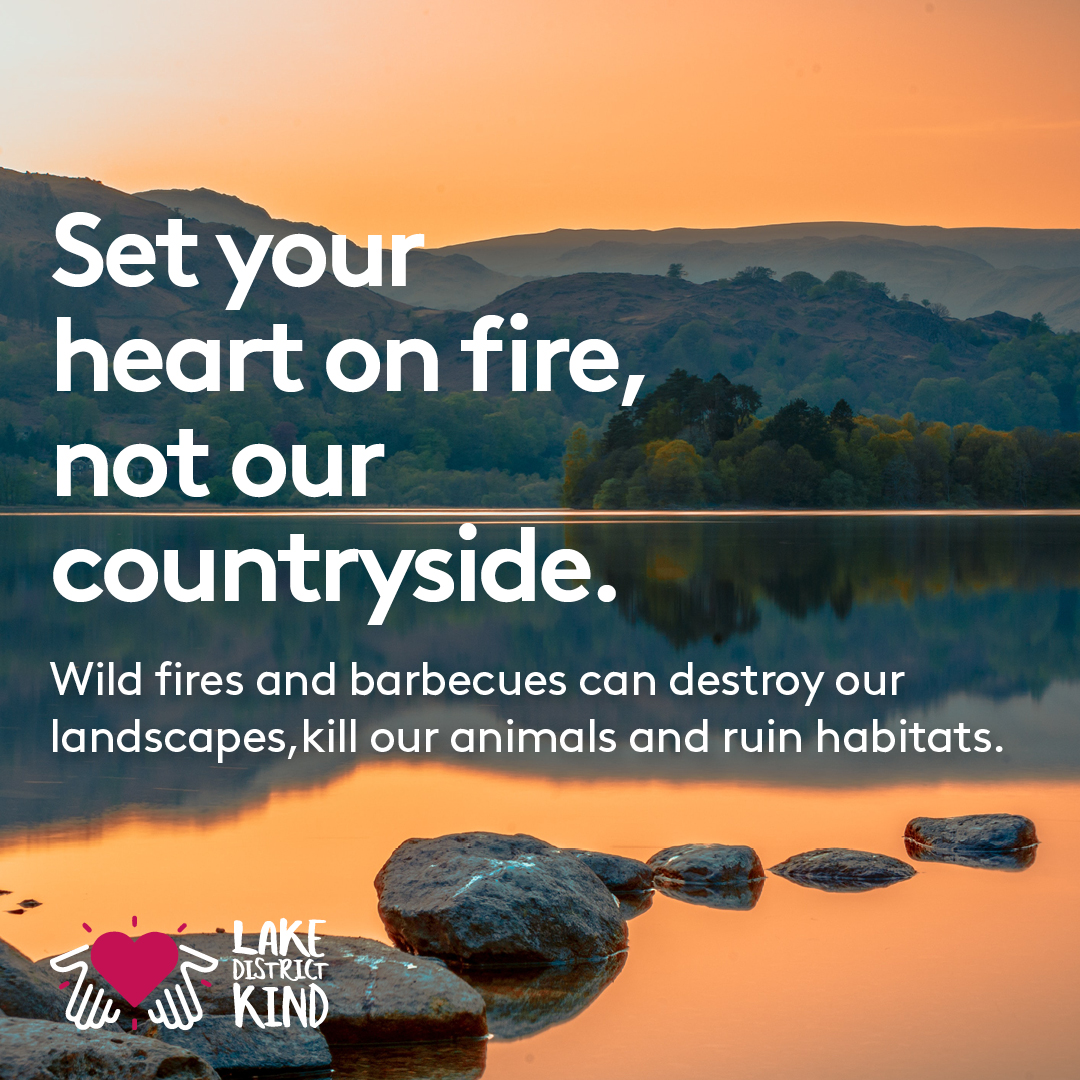
Wildfires have the potential to devastate the landscape, kill animals and ruin habitats, and protecting this special place from potential wildfires is vital.
Consider asking your followers to choose a picnic instead of a barbecue and to avoid lighting fires. There’s also risk from glass bottles left in the sun and cigarettes not put out properly – another reason to leave no trace!
Get the bus, boat, train or cycle!
During busy periods, areas of the National Park can be particularly congested with traffic as people come to enjoy to beautiful landscape. This isn’t just frustrating for drivers, it has an impact on the environment with an increase in carbon emissions.
Instead, why not do a sustainable travel challenge to give your followers ideas on how they can get to and around the Lake District without adding to the problem? There are beautiful train journeys along the coast which offer unrivalled views of the sea and the mountains, tranquil boat rides on the navigable lakes and open top bus routes throughout the region. Encourage your followers to opt for an option that offers a new perspective and means they aren’t contributing to traffic troubles!
Read about getting to and around the Lake District, including bus timetables and shuttle bus routes in Buttermere, Wasdale and Ullswater: Getting to and around the Lake District – Lake District National Park
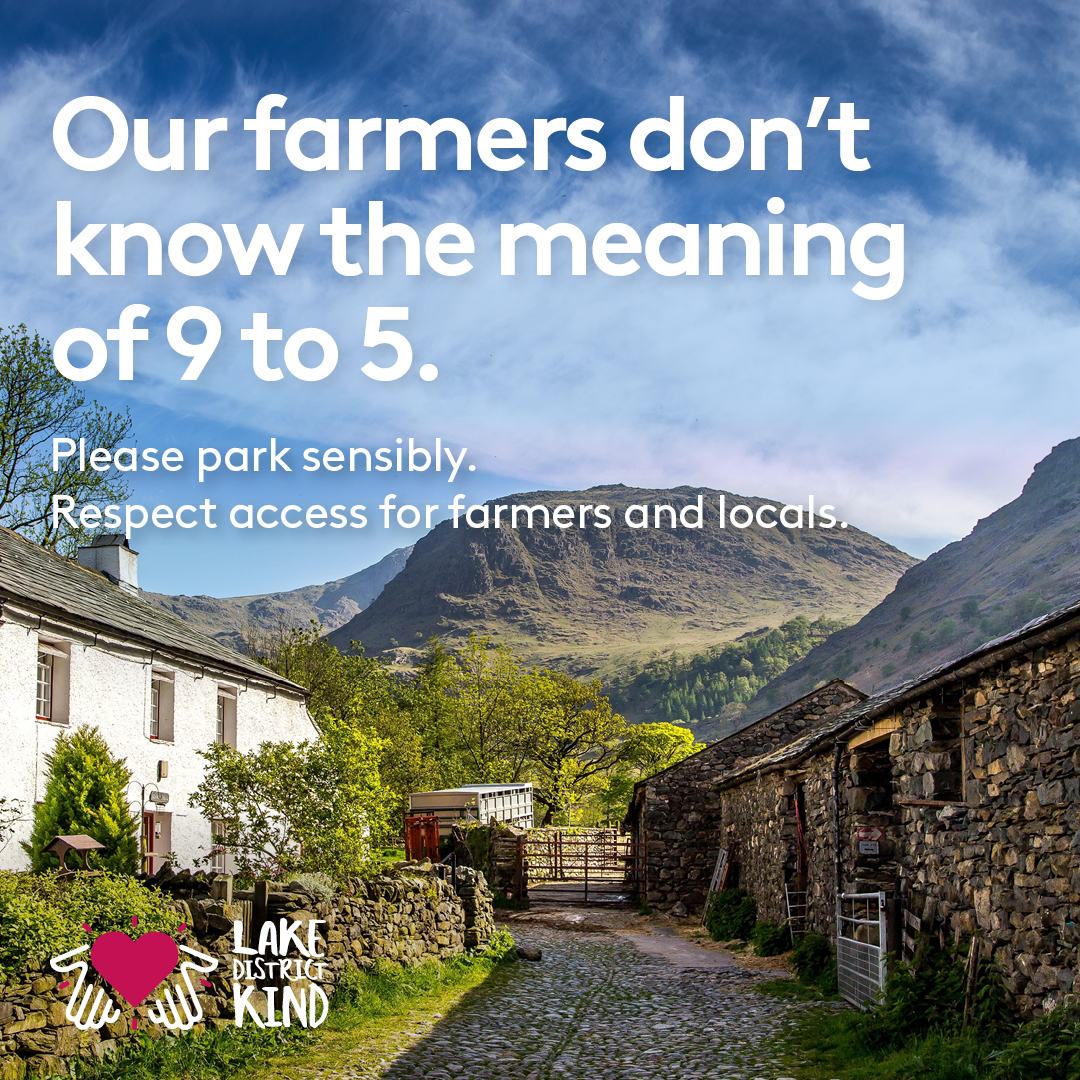
It’s also helpful to remind people who are travelling by car to avoid parking on roadsides and verges and to not block farmers gates.
Golden rules of wild camping
Wild camping is technically not permitted anywhere in the Lake District without prior permission from the landowner. (Read more about landownership in the National Park: Land ownership – Lake District National Park).
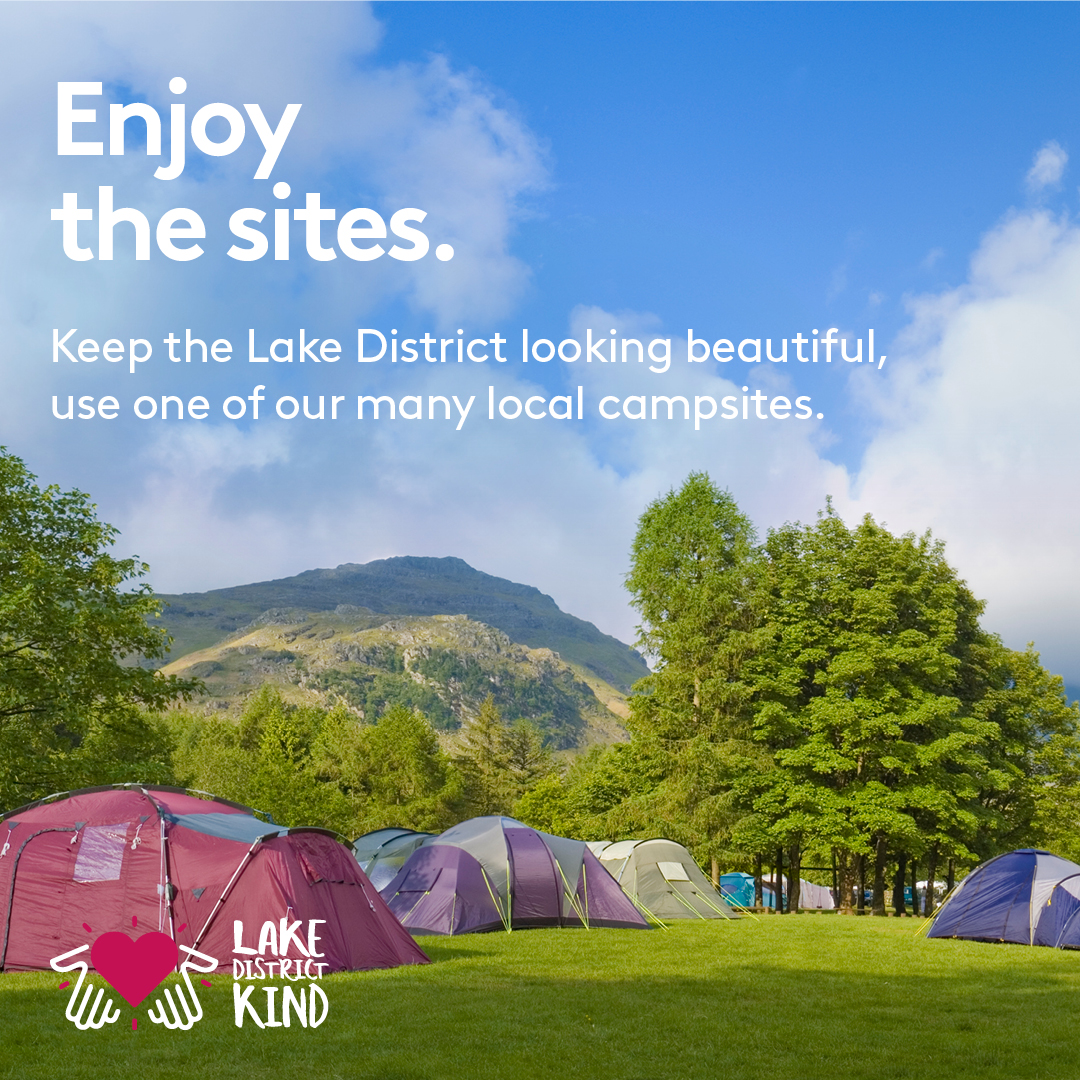
However, if done respectfully and discreetly, wild camping is often tolerated. This includes staying for just one night, camping above the highest fell wall, camping unobtrusively in small groups and leaving nothing behind.
You can find more information about wild camping in the Lake District, and other key messages to share with your followers, here: Wild camping – Lake District National Park.
Float to live
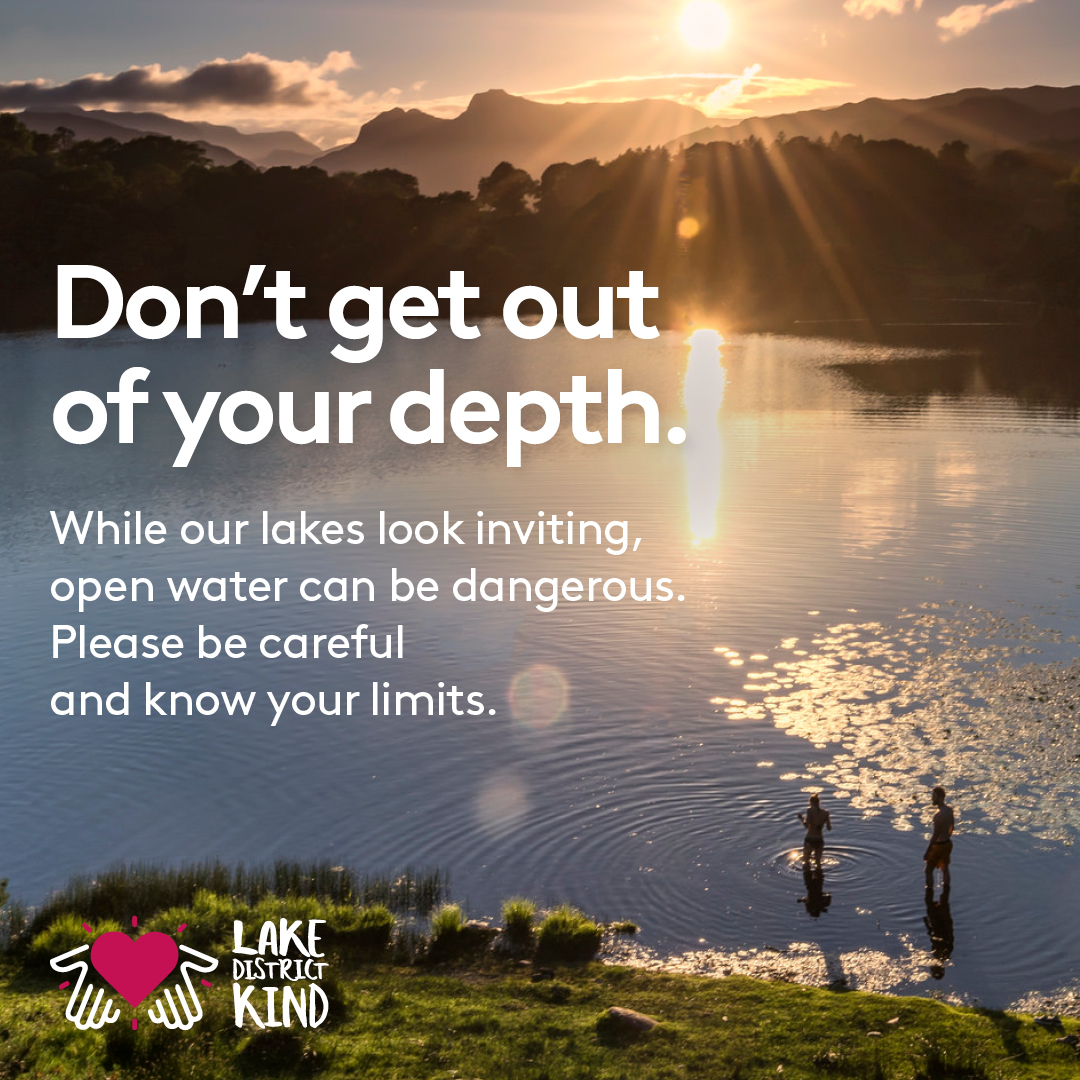
The mosaic of tarns, rivers and lakes in the Lake District are one of its special qualities and a reason it was designated as a National Park, so it’s no surprise people want to spend time soaking them in – whether from the shore, a boat or paddleboard, or in the water with a wild swim.
Educating people about water safety can help save lives. There are five steps to ‘Float to Live’:
- Tilt your head back, submerging your ears
- Relax and control your breathing
- Move your hands and legs to help you stay afloat
- Your legs may sink – that’s OK (everyone floats differently)
- Find your float by practising at a supervised location
It’s also useful to remind paddleboarders, kayakers and other boat users to ensure they’re wearing buoyancy aids, and for swimmers to never swim alone and wear a bright swim cap and tow float. Even smaller pools and waterfalls can be dangerous and jumping in them can result in serious injury from unseen hazards. People shouldn’t be in or near the water after drinking or taking drugs.
Avoid promoting particularly busy areas
During peak seasons the Lake District can become particularly busy in certain areas of the National Park. This can cause additional pressures including traffic congestion and roadside parking. To help ease these pressures, please avoid promoting areas of the National Park which are typically already very busy during these periods, and encourage people to disperse to different places within the National Park.
Tips for staying safe on the fells
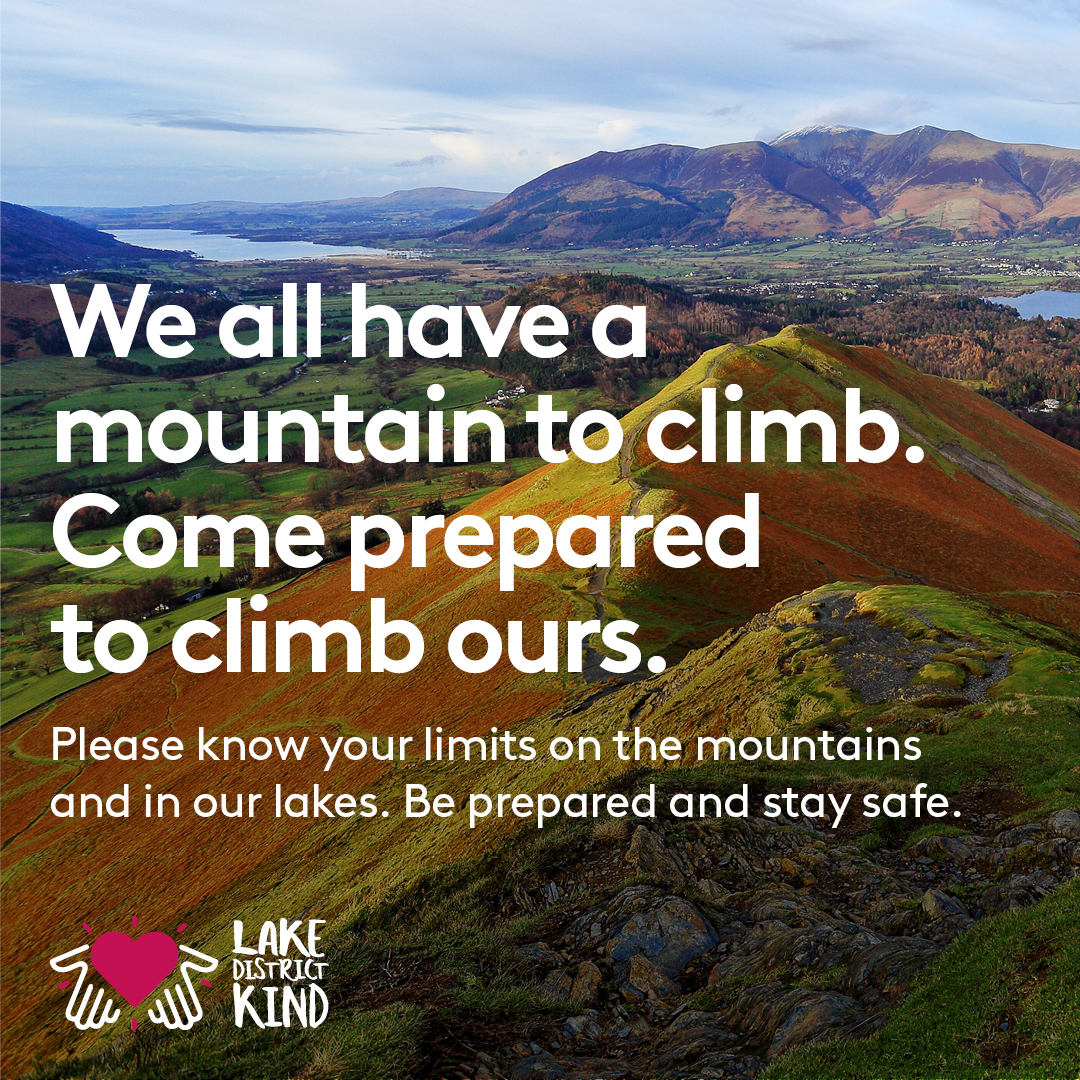
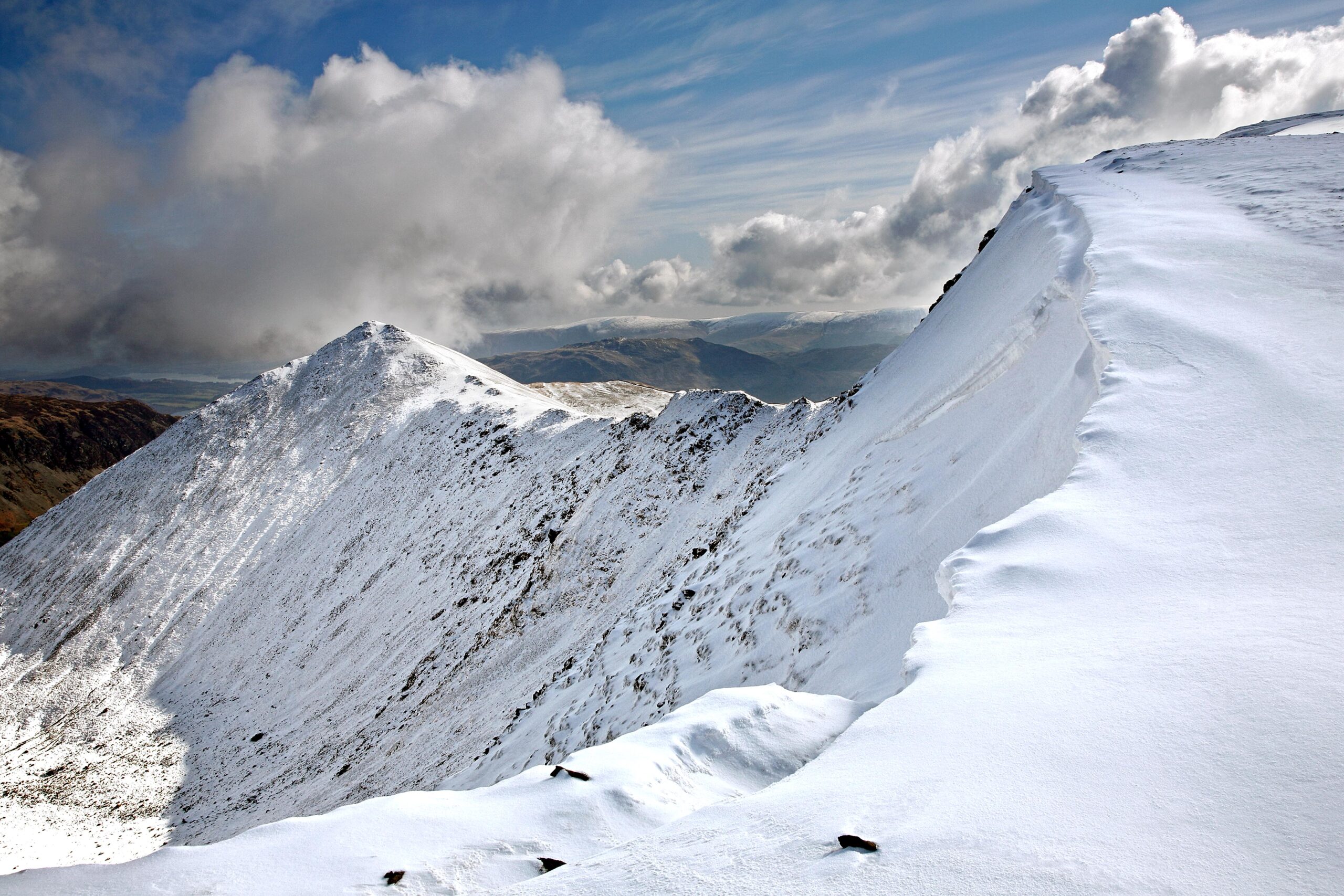
If you’re heading out on hikes in the Lake District, why not remind your followers of what to pack to keep themselves safe too. A useful tip is to ask:
- Do I have the right gear?
- Do I know what the weather will be like?
- Am I confident I have the knowledge and skills for the day?
Get more information on what to pack: What to pack – Lake District National Park
You can also point towards Lake District Weatherline, which operates between December and Easter each year, and is updated by LDNPA’s Fell Top Assessors, who provide boots-on-the-ground condition reports: Weatherline: Daily Lake District mountain weather forecast
Stick to the paths
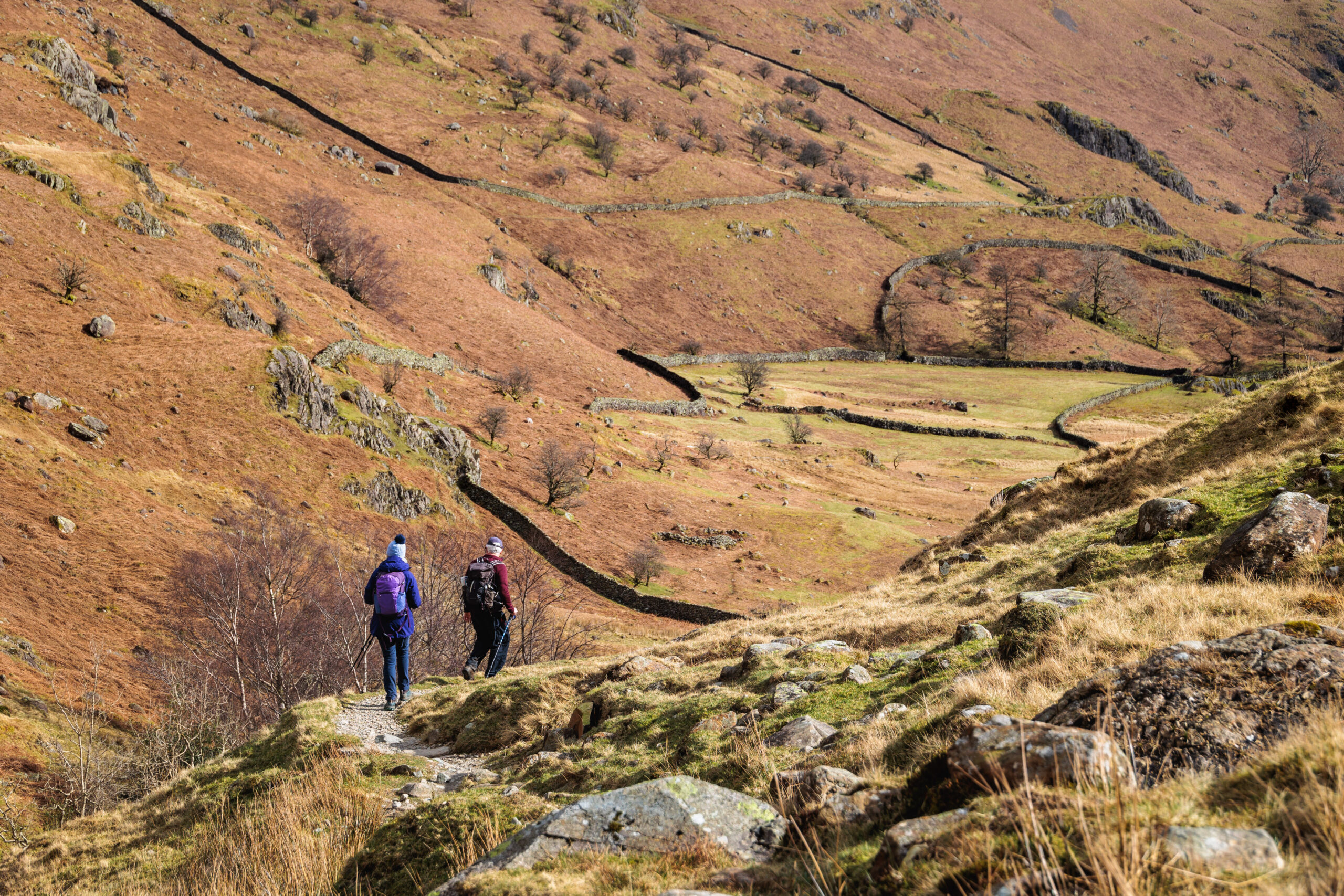
When you’re next on a Lake District path, why not educate your followers on the work of Fix the Fells? There are a team of dedicated rangers and volunteers at Fix The Fells who maintain and repair the paths millions of people use each year. Their work helps prevent the erosion of natural habitats and helps people enjoy upland fell walking.
By sticking to the paths people help preserve fragile mountain habitats and avoid trampling drainage, which keeps water away from the paths. Learn more about the work of Fix the Fells: Fix The Fells – Caring for the Lake District’s mountain paths and landscape.
Help protect lambs and ground nesting birds
Perhaps you’re not the influencer, but your furry friend is! The Lake District is the perfect place to bring along a canine companion, with plenty of dog-friendly establishments throughout the area.
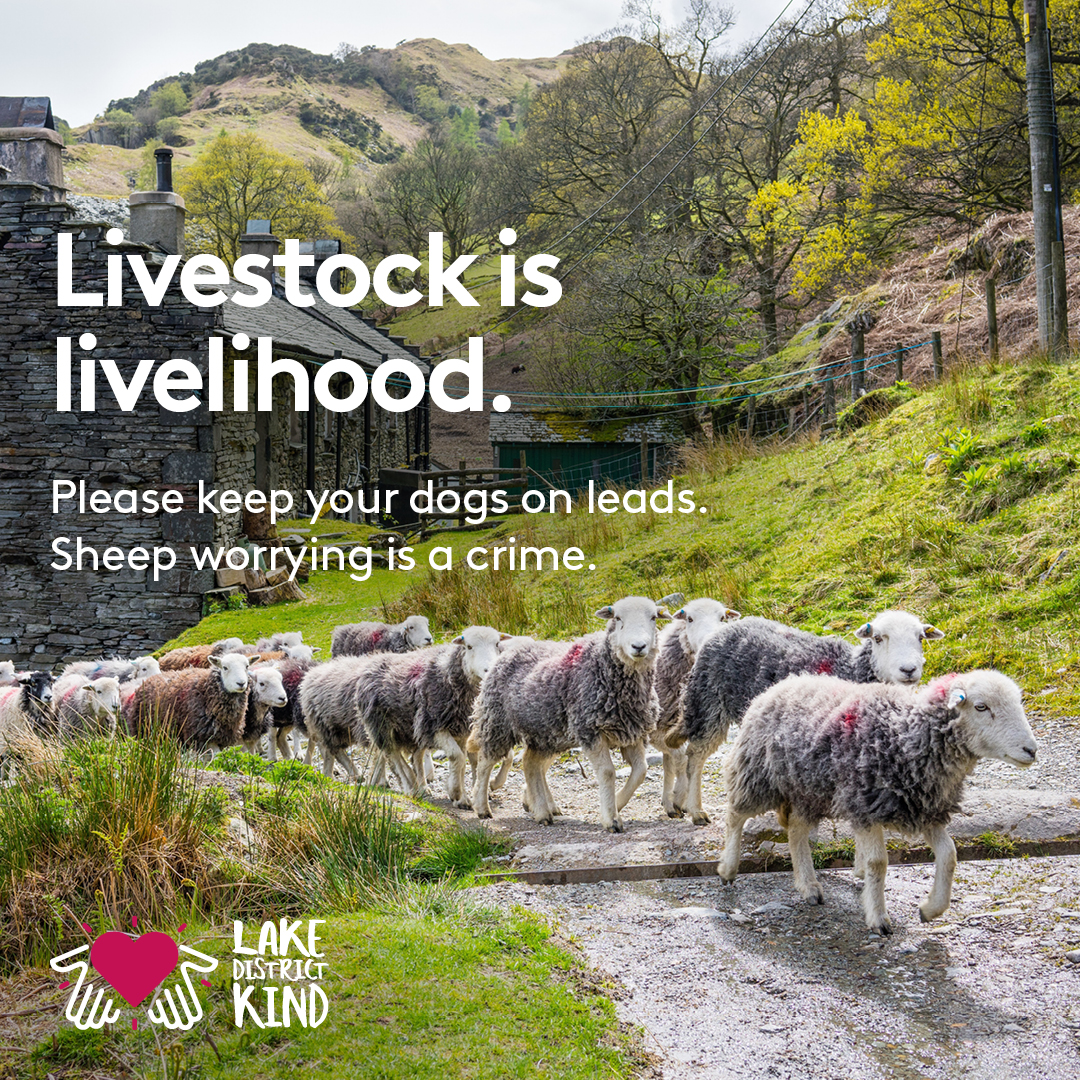
If you’re speaking to an audience of fellow pet-lovers, consider a reminder to keep dogs on leads in the lead up to and throughout spring and summer. During this period ground nesting birds will be at risk of being disturbed, and sheep will be lambing.
It may feel like a restriction, but it’s a good way to help keep the animals of the Lake District unperturbed and enjoying the landscape just as much as visitors and their dogs.
If you’re an influencer and would like more information on useful messaging you can share to help keep this place special, email comms@lakedistrict.gov.uk. You can also use the Lake District Kind assets below. You can also check out @cam.is.exploring on Instagram and TikTok for ideas on how to include this messaging in your own videos.
Lake District Kind assets