

Boost for Keswick’s Red Squirrels thanks to funding
One of the Lake District’s most loved, and most threatened, residents has been given a lifeline
Keswick Red Squirrel Group (KRSG), a small but passionate volunteer team, has successfully secured £9,475 from the Farming in Protected Landscapes (FiPL) programme to purchase specialised equipment to help protect the area’s endangered red squirrel population.
The funding will go towards five or more thermal imaging devices and 10 super-size squirrel feeders, tools that will make a real difference in the group’s daily conservation work.
Why Keswick’s reds matter
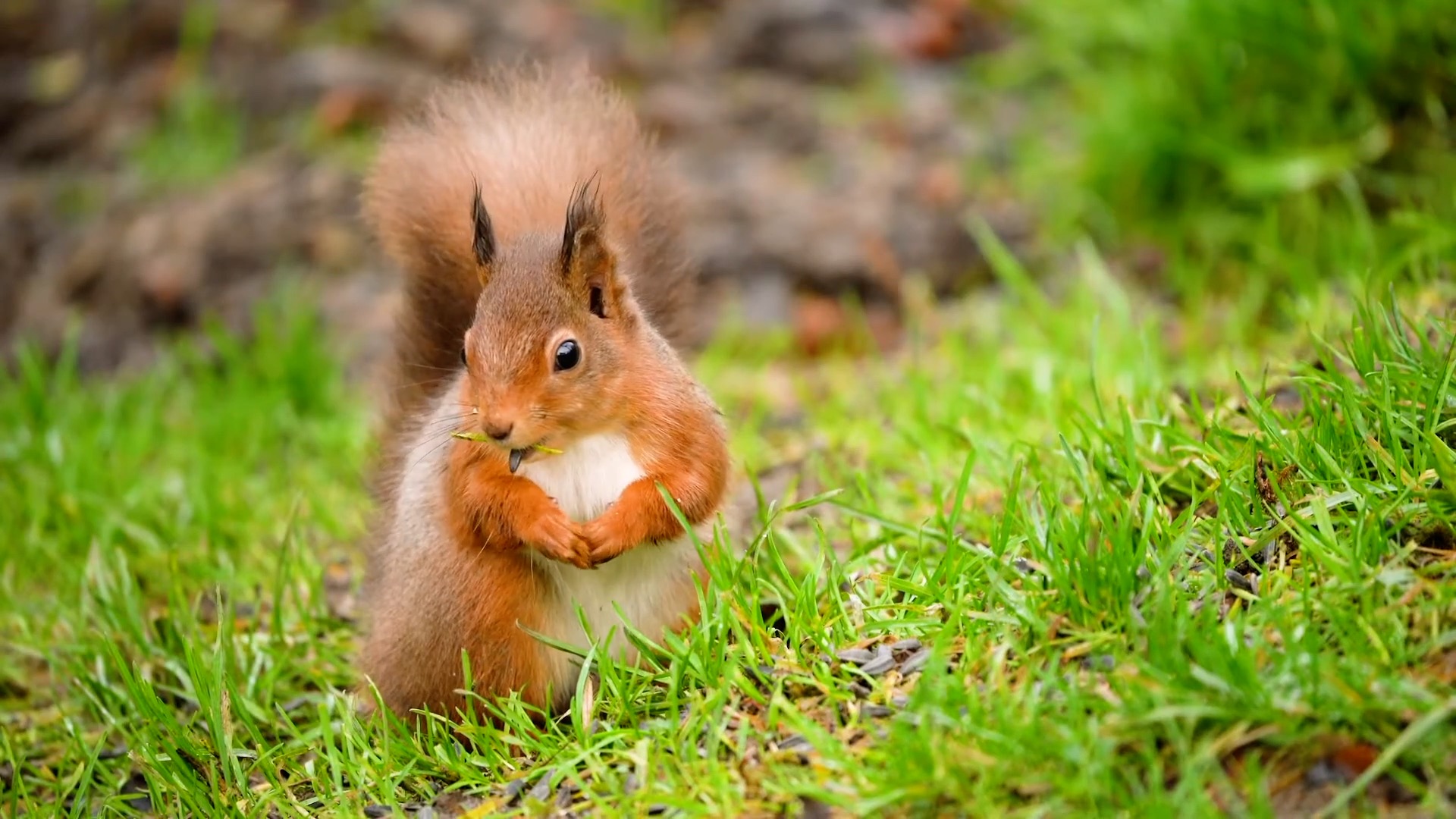
Cumbria is one of the last counties in England where red squirrels still survive in the wild. They’re more than just charming woodland residents, they’re part of the Lake District’s natural heritage, immortalised in Beatrix Potter’s Squirrel Nutkin, and are an important indicator of healthy woodland ecosystems.
But their survival is under constant threat from the non-native grey squirrel, which outcompetes reds for food and habitat and very often carries squirrel pox virus, harmless to greys but almost always fatal to reds. In fact, in 2024, the Keswick area saw numerous outbreaks of the fatal virus in red squirrel communities, each time seemingly wiping out most or all of the reds close by.
Lynne Roberts, Chair of KRSG, said: “Without constant, targeted conservation efforts, it’s feared red squirrels could disappear from northern England altogether. This grant allows us to equip our incredibly dedicated and hard-working volunteers with tools that will make a real difference.”
The kit that will make a difference
The thermal imagers will allow KRSG’s volunteer rangers to detect and track grey squirrels even in low light or dense woodland, saving hours of patient waiting. This means humane control measures can be carried out more efficiently and effectively, a vital step in keeping reds safe.
The ten new “super-size” metal feeders will provide larger volumes of clean, dry food for reds, cutting down the risk of disease from damp or mouldy food. They’re also easier to disinfect, potentially reducing the spread of squirrel pox. With greater capacity, they’ll need fewer refills, freeing up valuable volunteer time.
Volunteer heartbeat
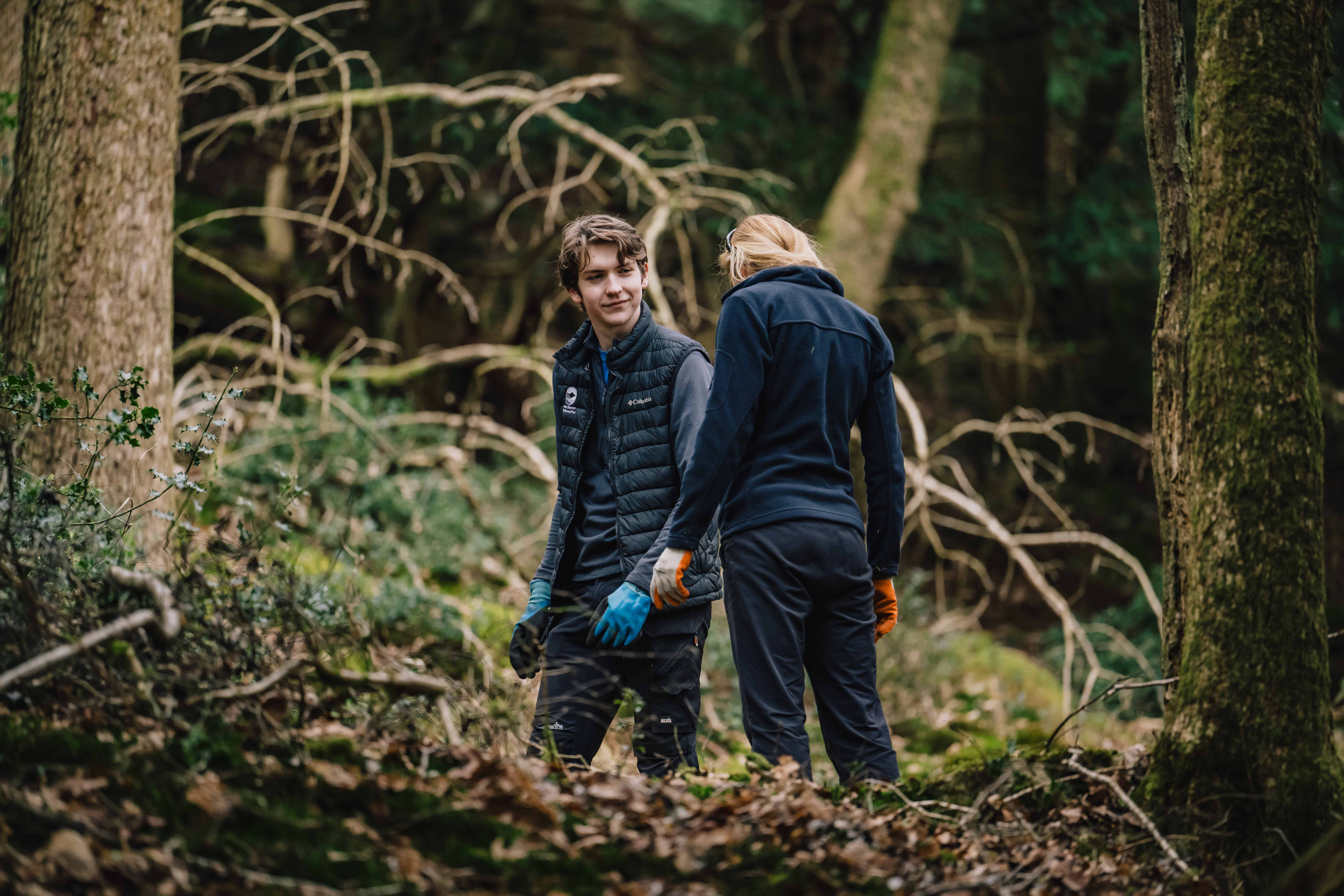
KRSG is entirely volunteer-run, with 25 team members covering a huge 12,400-hectare area, including parts of the Borrowdale National Nature Reserve and several National Trust-owned SSSI woodlands.
It’s not unusual for volunteers to head into the woods at first light, in all weathers, to monitor feeders, record sightings and humanely manage grey populations. Their dedication keeps Keswick’s reds hanging on, but it’s an uphill battle without the right tools.
Suzy, a FiPL Officer who supported the funding bid, said: “It’s fantastic to see volunteer groups like KRSG benefiting from FiPL funding. This project is a great example of how targeted investment can help nature recovery in the Lake District.”