
Learn about heritage at risk
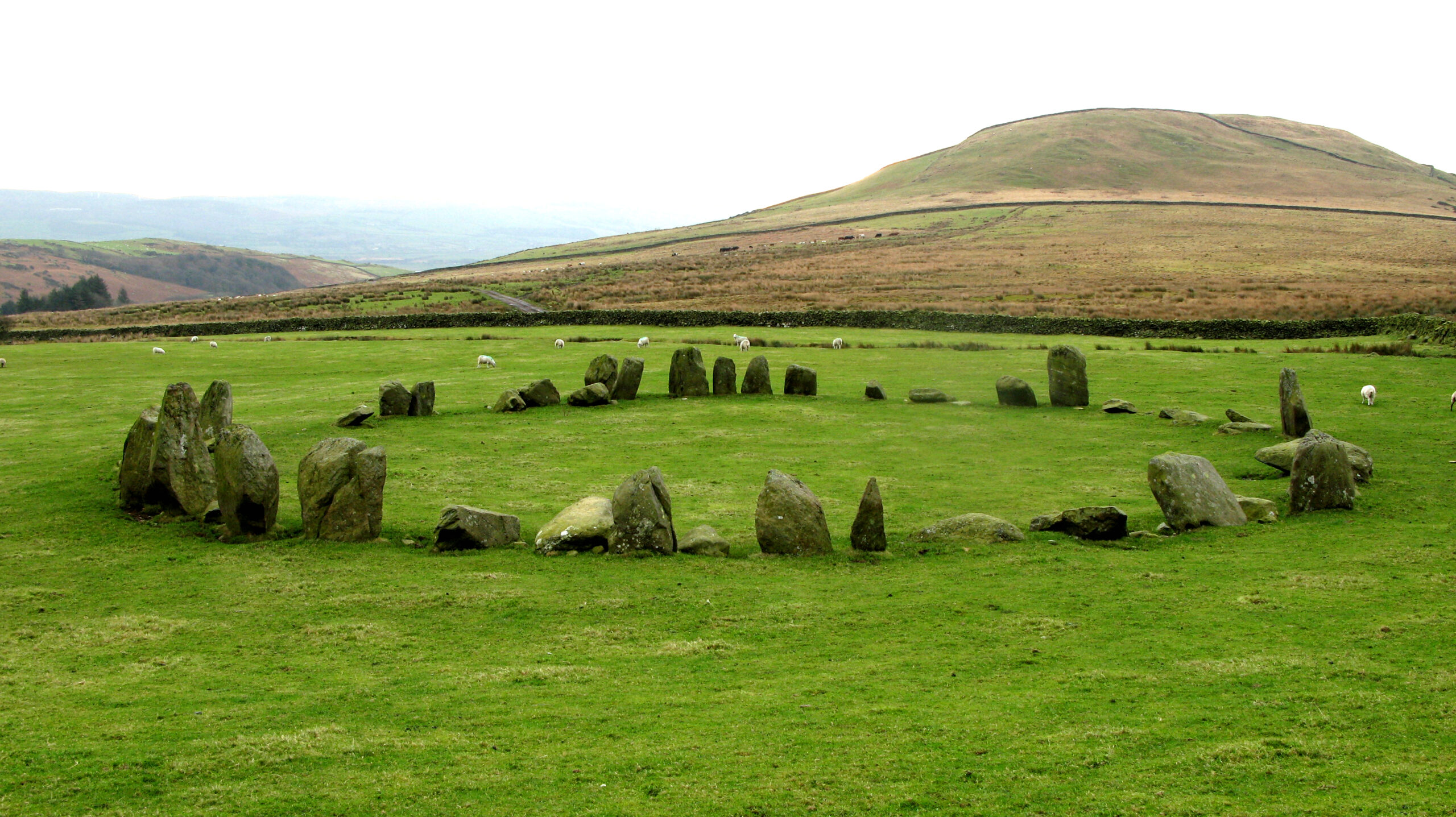
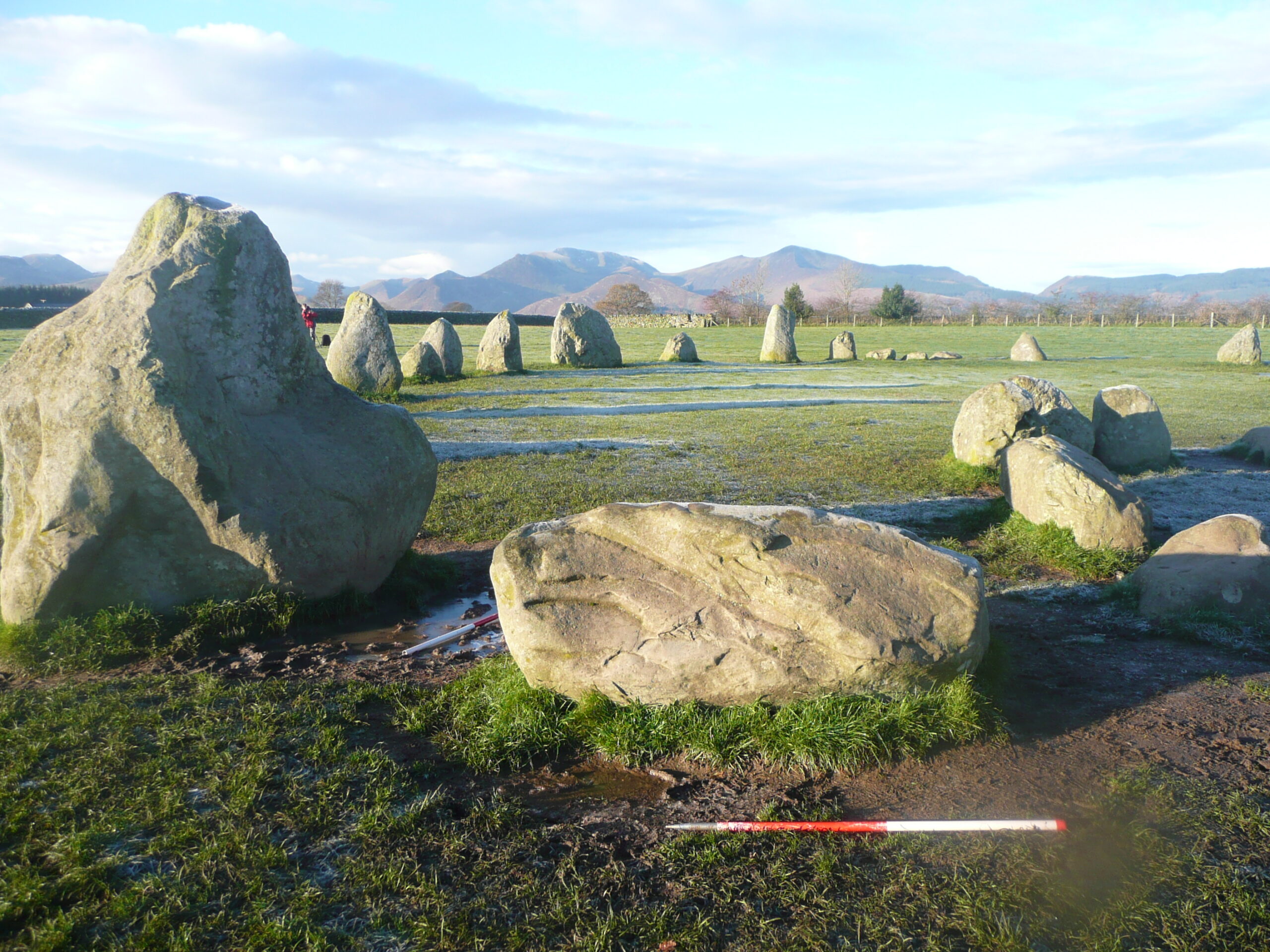
A scheduled monument is a nationally important archaeological site or structure. Recorded on the National Heritage List for England, these sites can be above or below ground and include remains such as burial mounds, standing stones, or monastic buildings. It is illegal to destroy or damage a scheduled monument, including conducting any works within the scheduled area as well as using a metal detector or removing any historic or archaeological material without prior consent from Historic England.
A listed building is a structure of special architectural or historic interest granted legal protection which ensures it cannot be demolished or altered without official permission. Listed buildings can range from a grand castle to a small section of wall.
The Heritage at Risk Register is an annual systematic review by Historic England of all scheduled monuments and listed buildings (Grade I & II*) within England. It evaluates the condition and threats facing protected heritage assets, categorising them as low, medium, or high risk. This raises awareness amongst owners, authorities and the community to ensure our heritage survives for future generations.
Grade II listed buildings are also surveyed periodically by the Local Authority to assess their risk of loss.
Threats to heritage
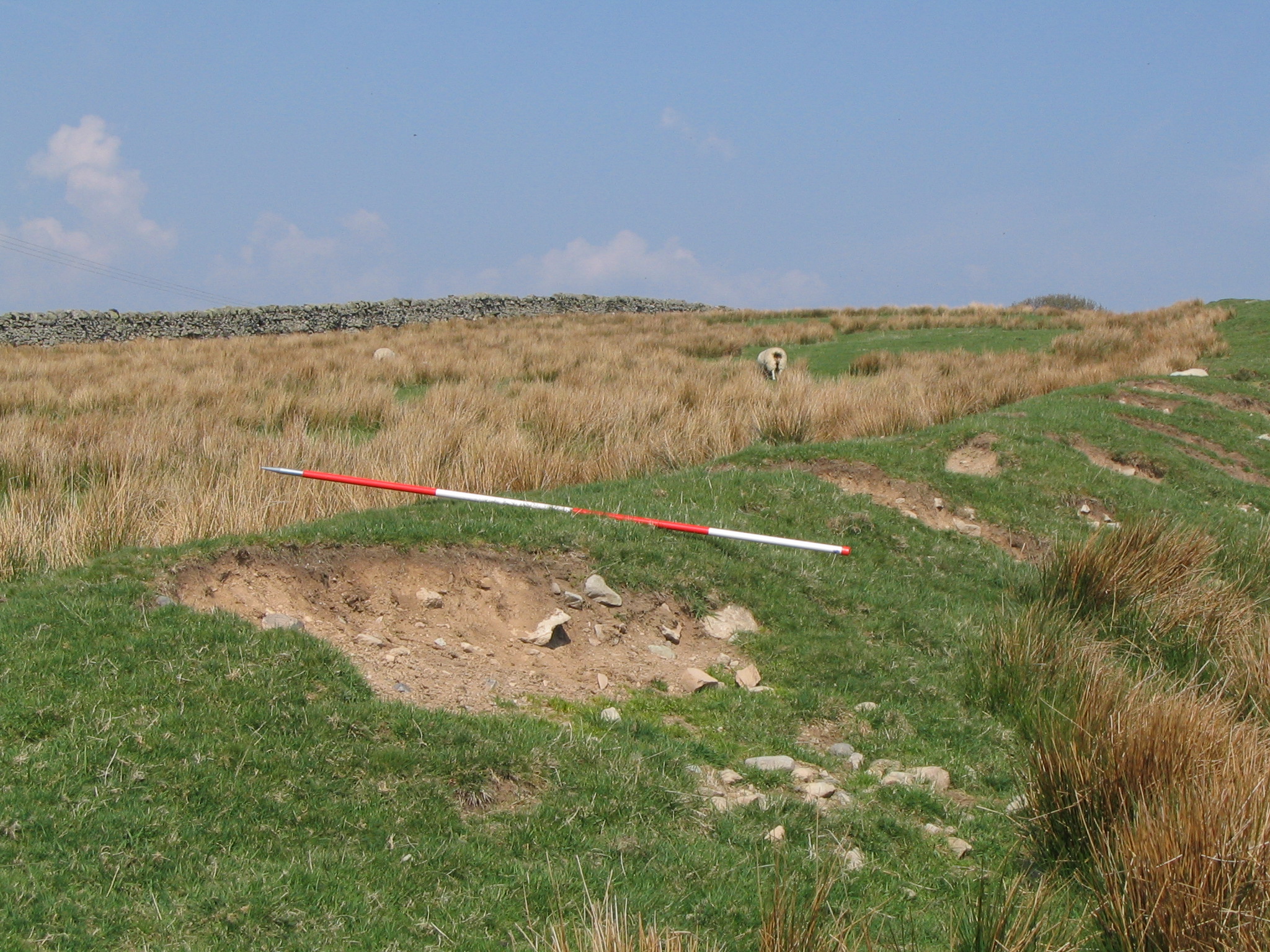
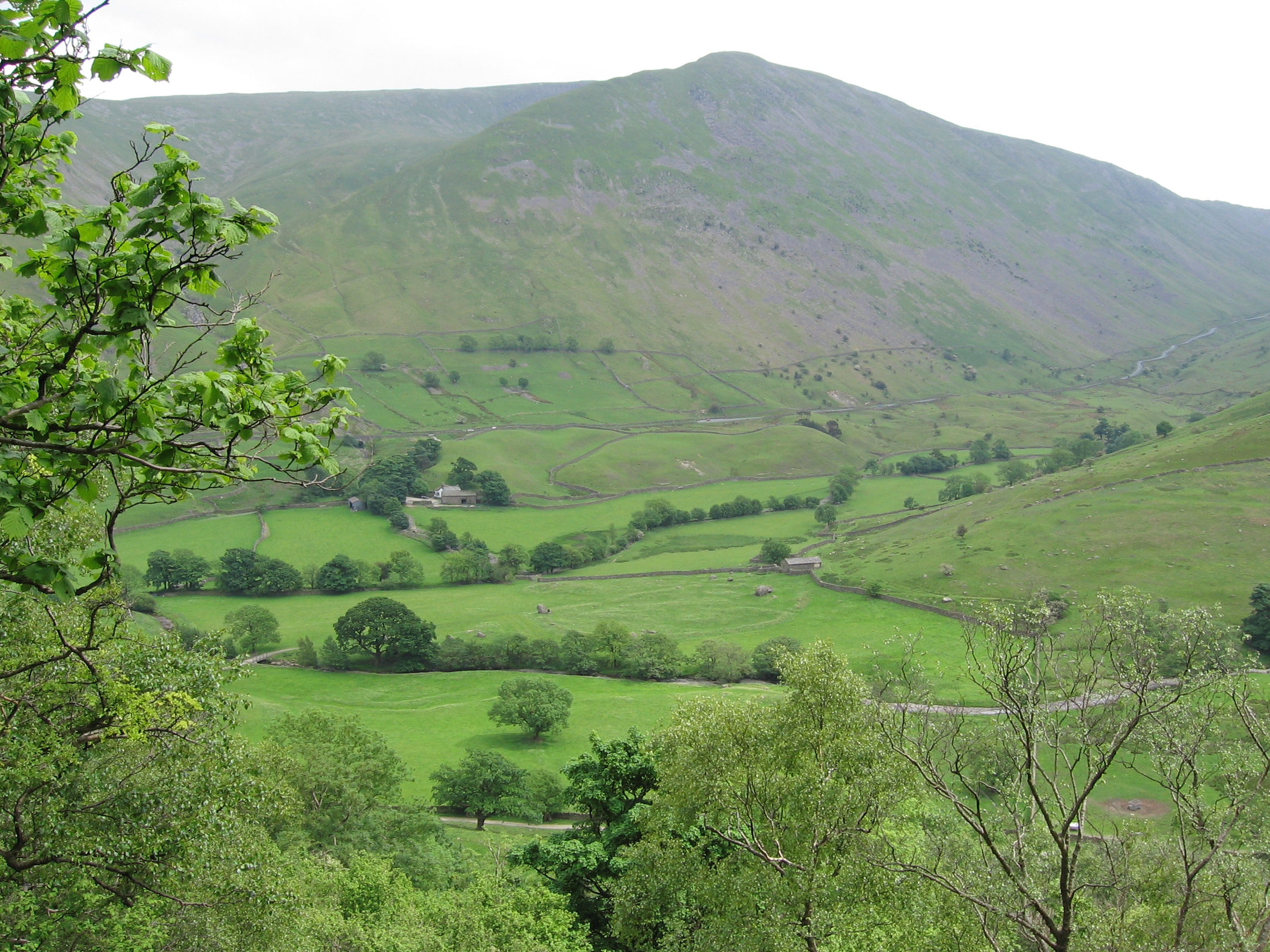
Many scheduled monuments throughout the Lake District National Park have above ground remains, such as earthen banks or walls, as well as archaeological deposits. This makes them vulnerable to damage through a variety of different threats, both intentional and unintentional. Threats that scheduled monuments face within the Lake District National Park include:
How we help
The Lake District National Park Authority takes an active role in ensuring the protection, preservation and consolidation of our heritage. In partnership with landowners and stakeholders, we undertake a range of projects to remove scheduled monuments from the Heritage at Risk Register.
You can read more about our heritage at risk projects below and visit the related pages to find out more.
Bracken bashing
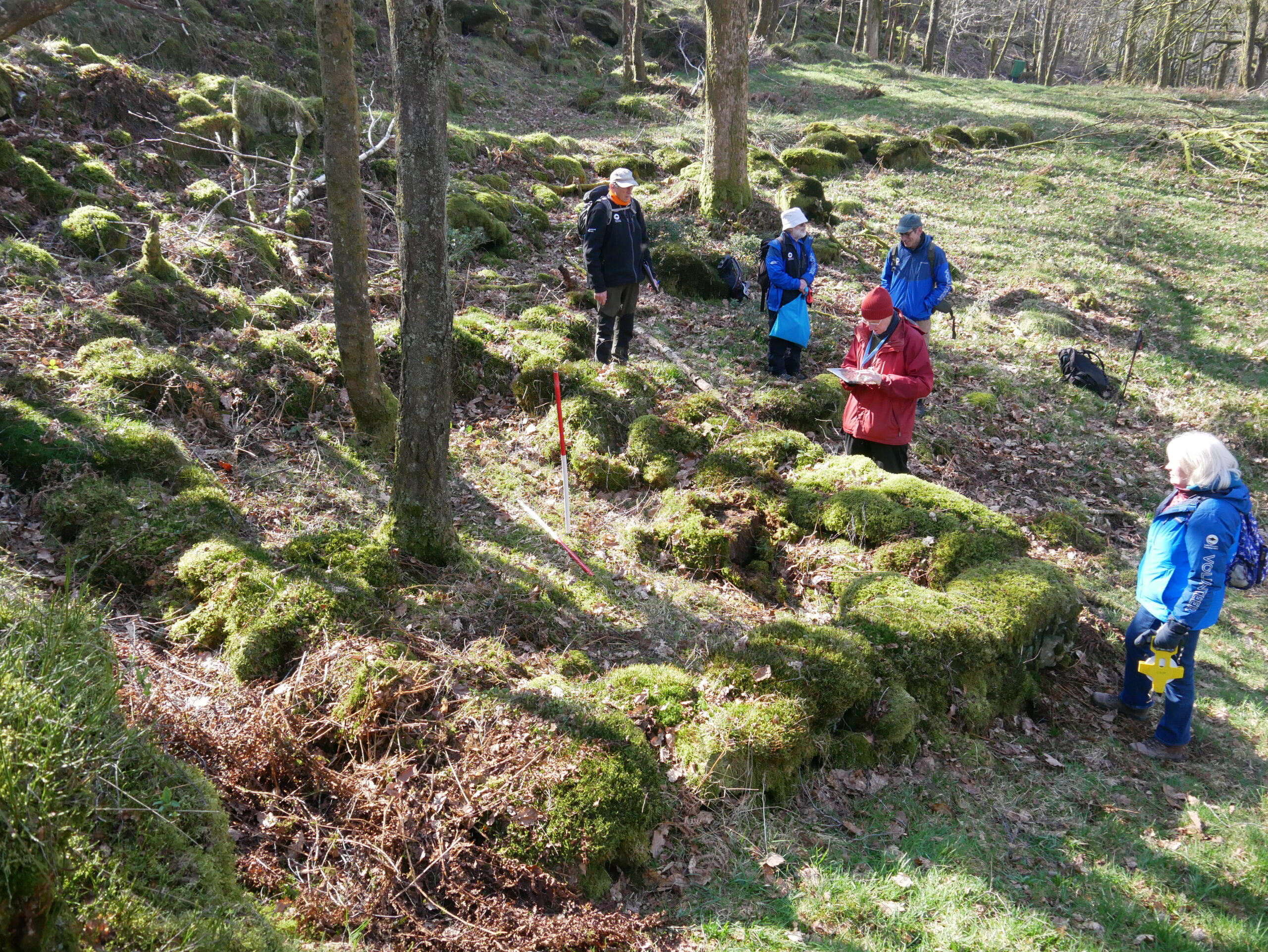
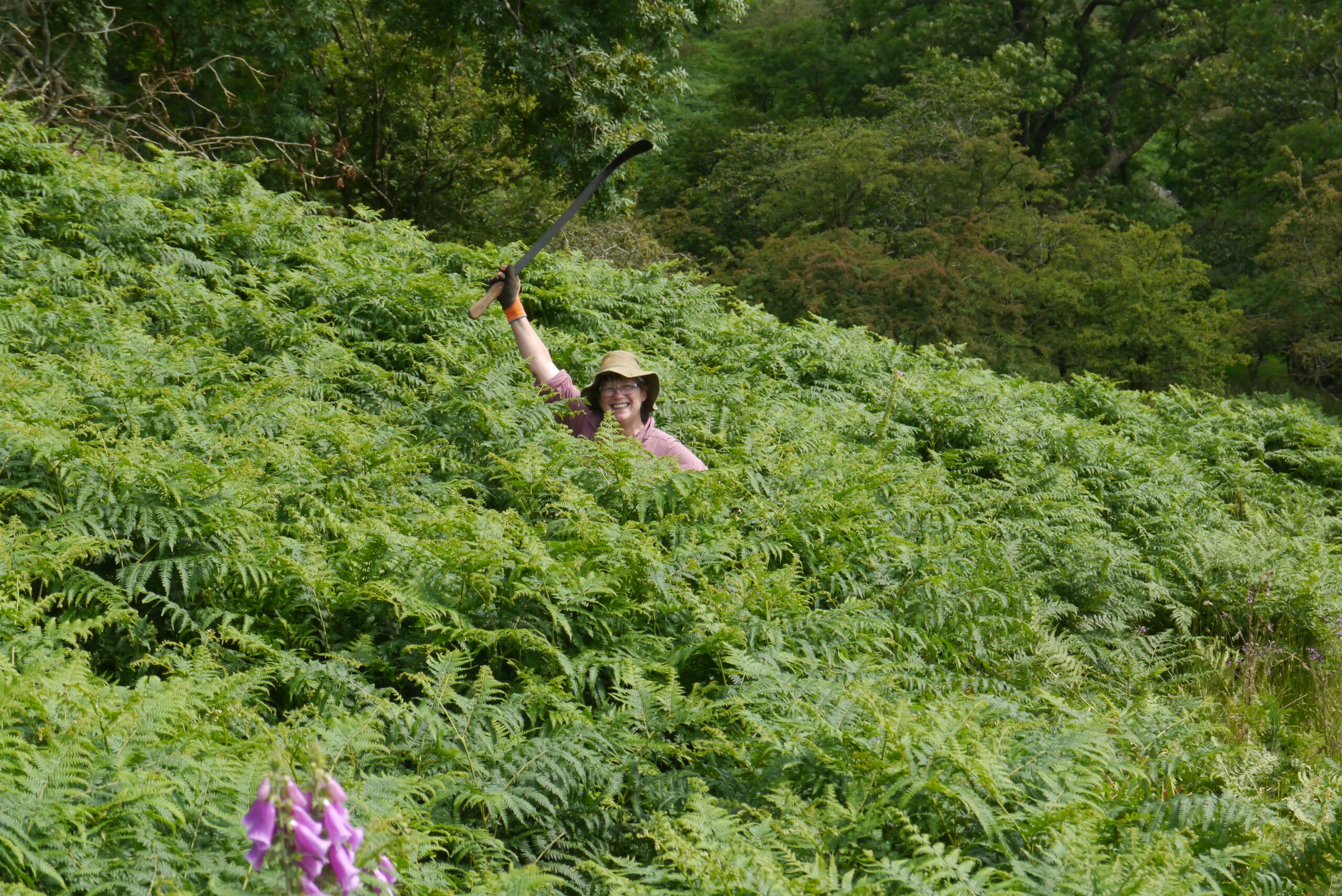
Since 2012, our Lake District Archaeology Volunteers Network has conducted a programme of bracken bashing on scheduled monuments at risk across the National Park. Bracken bashing is a targeted management practice where the bracken is hit at the base by a slasher or strimmer to weaken the plant and shock the root system, discouraging further growth or spread. This is conducted twice a year: once during spring when the bracken is beginning to grow and once in later summer to prevent the bracken from producing spores.
The volunteers have worked tirelessly as bracken requires years of management before it is entirely removed (and even longer to prevent it returning). However, it’s results for removing bracken are unquestionable and we have seen multiple sites across the National Park reappear from under the brush. This allows for the scheduled monument to be more visible in the landscape, preventing accidental damage, as well as preserving any archaeological remains.
Vegetation clearance
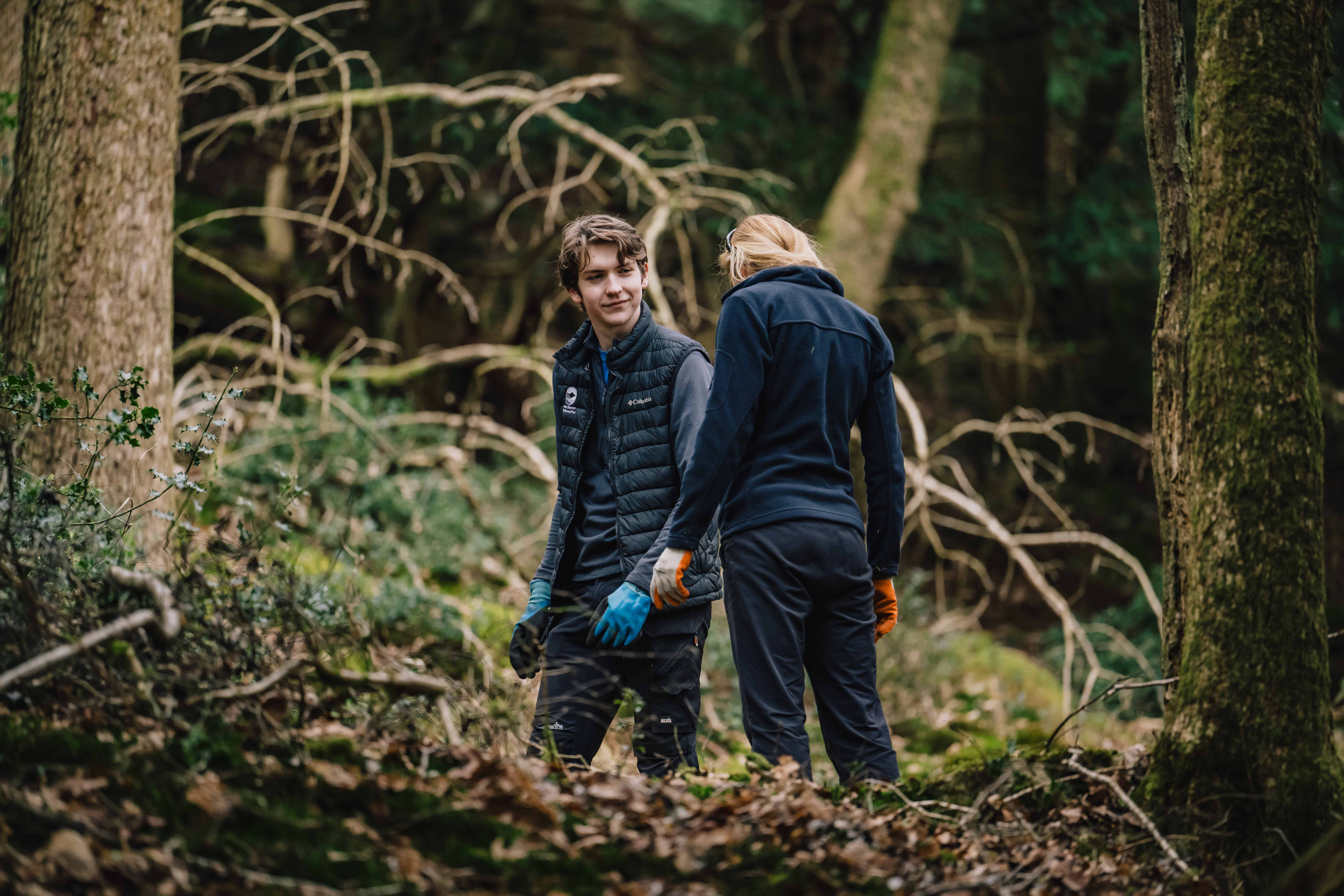
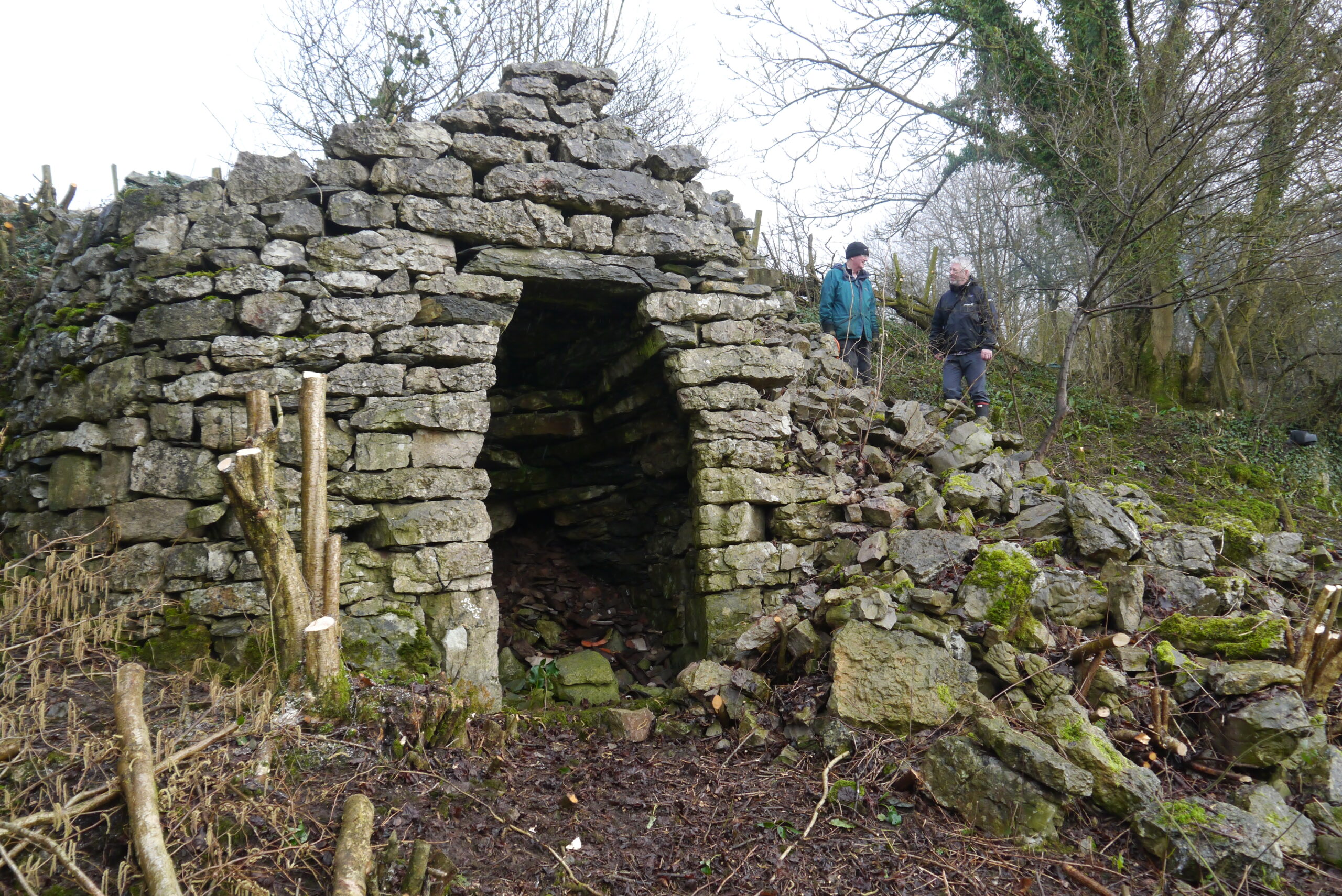
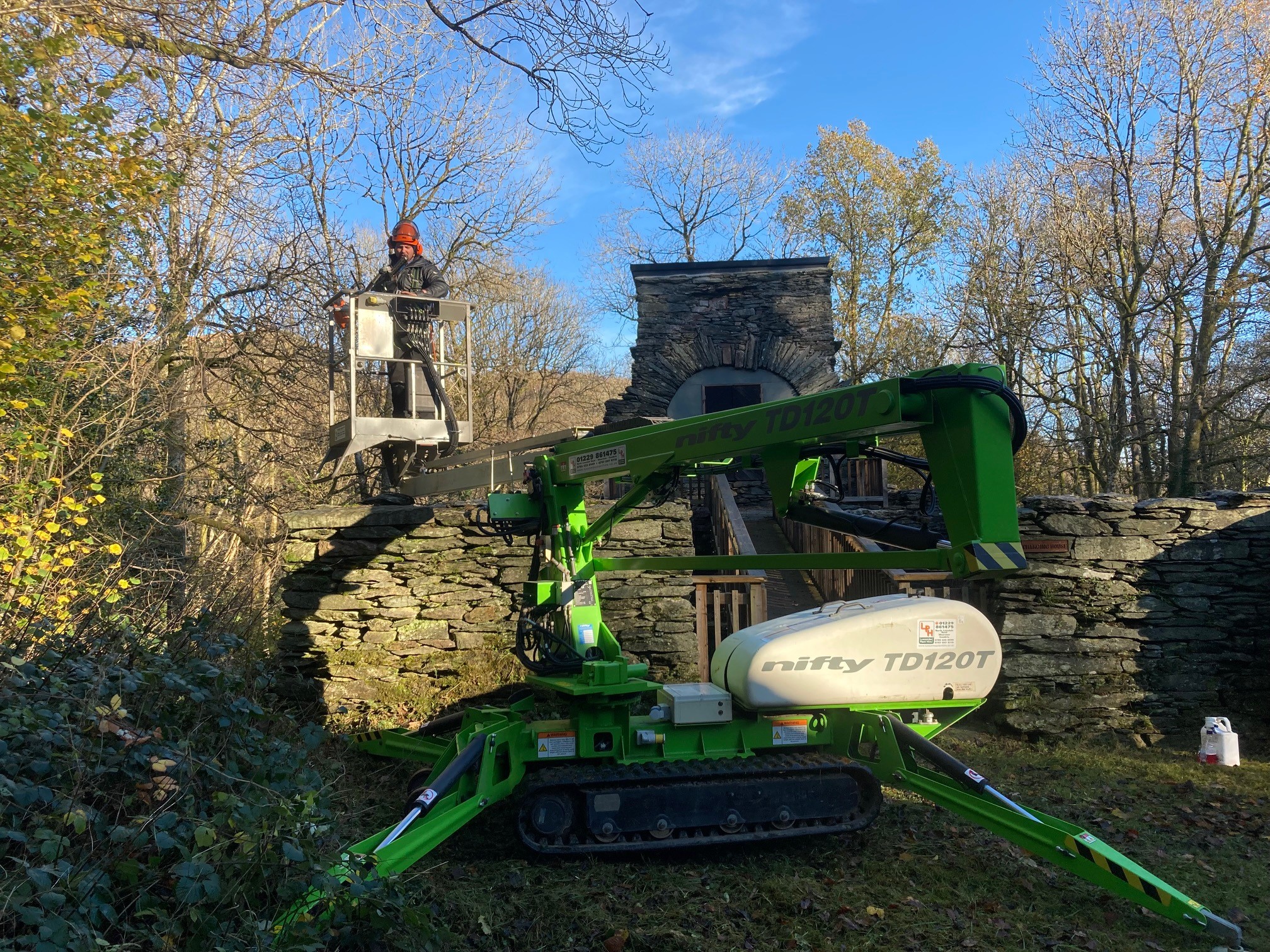
Similarly, other forms of vegetation can be a huge potential threat to heritage. Trees and scrubs not only damage buried archaeological remains but they can also destabilise built heritage, eventually leading to collapse. Our volunteers and rangers work together to remove this vegetation from a variety of scheduled monuments across the National Park. From gorse cutting at Caldbeck to tree removal at Witherslack, we maintain a programme of clearance on many scheduled monuments and listed buildings.
We work with landowners to help initially clear overgrown sites and support them to maintain regrowth in the future. This work not only helps remove sites from the Heritage at Risk register, but also ensures that many of them are never added as they continue to be responsibly managed by the local community.
Partnership projects
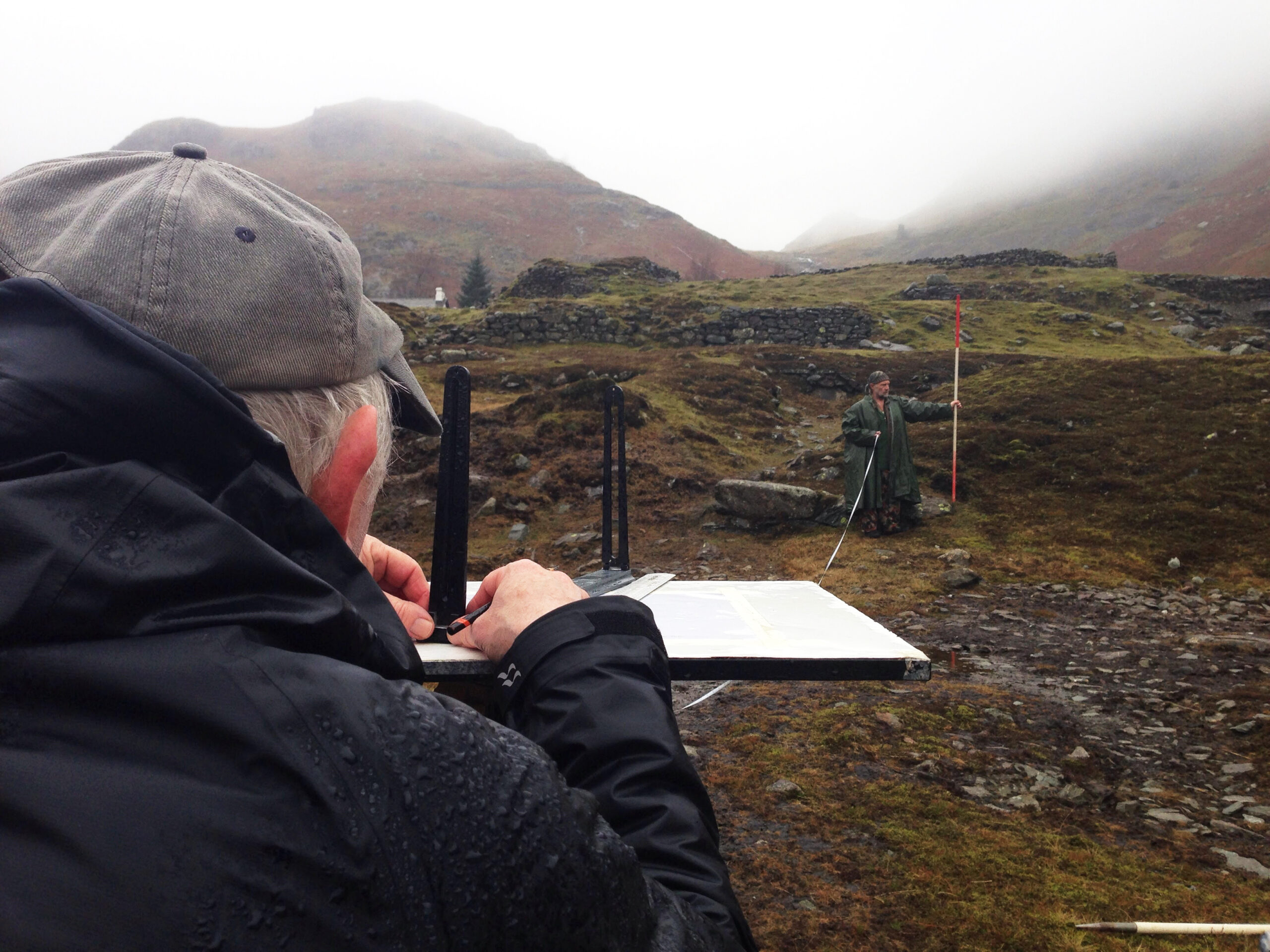
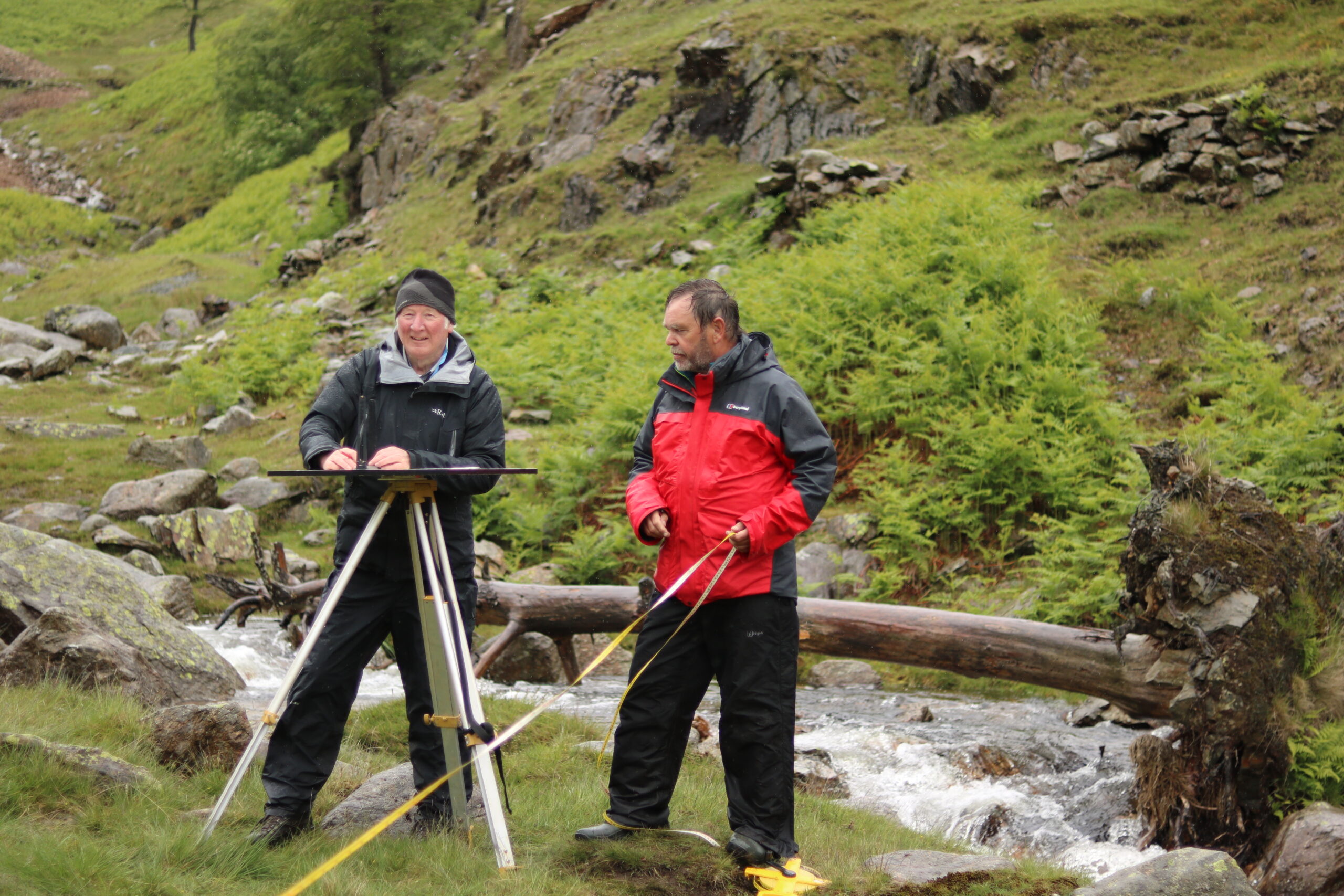
Some heritage at risk sites require complex restoration and management plans in order to remove them from the register such as grand buildings or massive mines. In these instances, we work with partners and stakeholders to achieve funding in order to establish community projects to tackle all the threats the site may face. These projects can involve:
- surveys and excavations to understand more about the sites past,
- restoration work to rebuild or consolidate built features,
- outreach and community work to spread awareness.
These projects can take multiple years, a great deal of funding and a lot of man power but they reap the greatest reward ensuring our heritage is protected, promoted and enjoyed by everyone for years to come.
Planning and development
Some heritage at risk, located in populated areas of the National Park, are part of planning and development process. In this instance, development can provide a long term management option for sites which are decaying due to neglect or inability to control complex large scale scheduled monuments. Here, our team will work with planners, landowners, stakeholders and Historic England to ensure the scheduled monument is protected whilst providing the opportunity for ongoing management through housing or business schemes.
When scheduled monuments are a part of these processes, they often achieve positive outcomes as the character and integrity is protected through the new tenants of the area.
Duddon Iron Furnace case study
In 2018, the Lake District National Park Authority conducted a project at Duddon Iron Furnace in order to remove it from the Heritage at Risk Register.
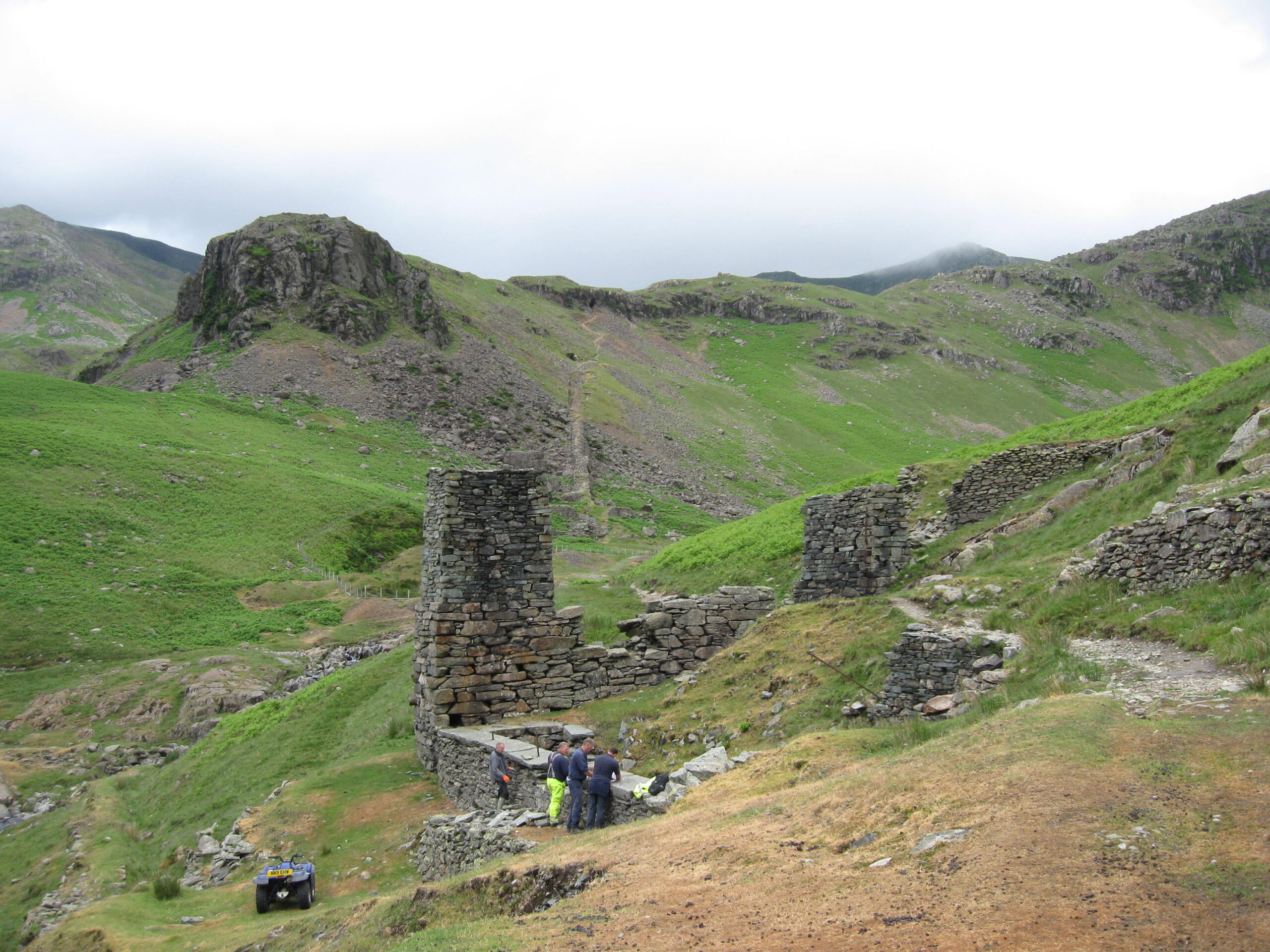
The oldest and best surviving charcoal fired furnace in the south Lake District, Duddon Iron Furnace was closed to the public after safety concerns were raised relating to crumbling masonry and overgrown vegetation. To rectify this, the National Park applied for funding from Historic England to survey the condition of the site, undertake repairs, install protections and enhance access.
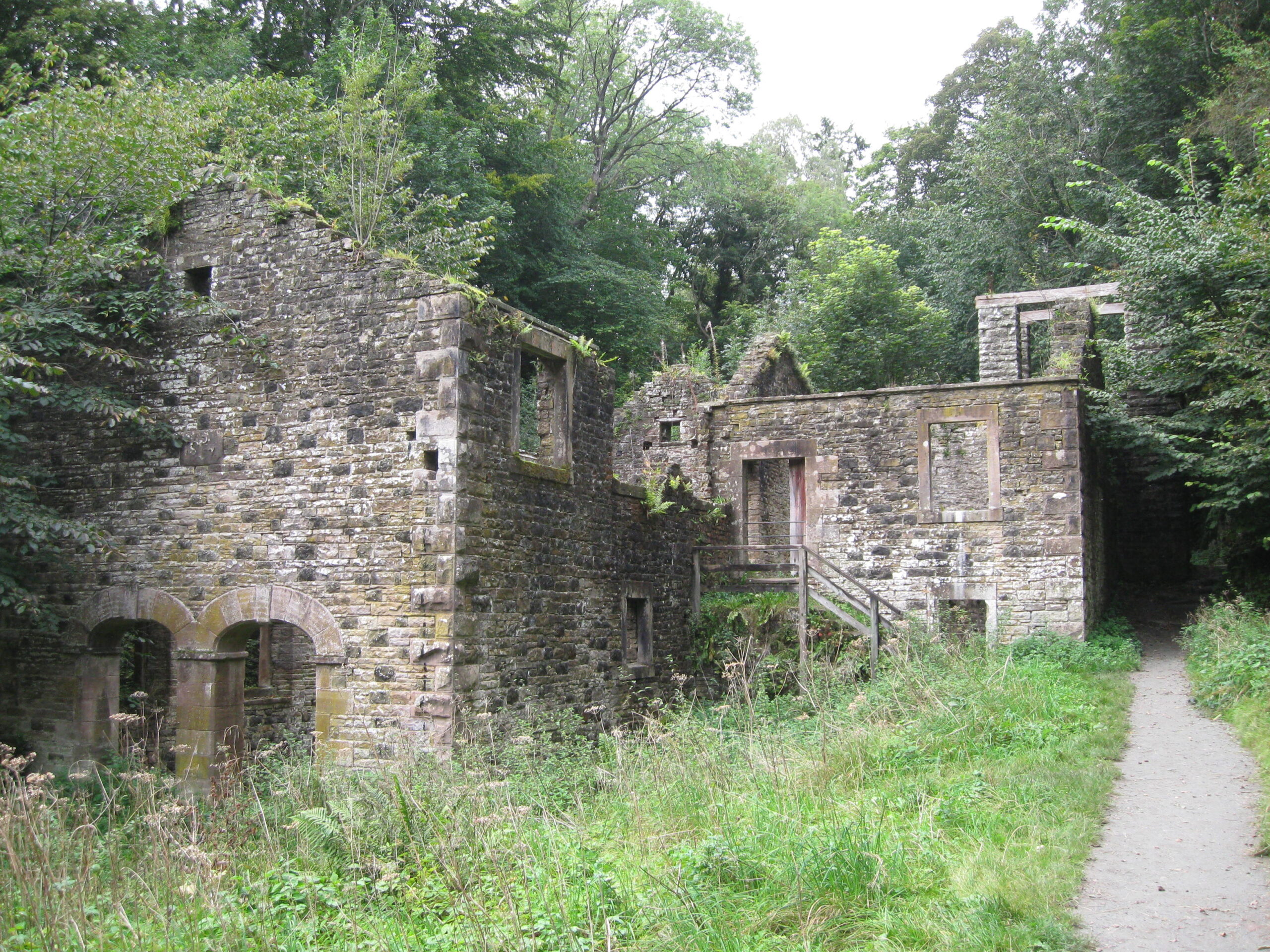
Hidden in the wooded lower slopes of the Duddon Valley, the Duddon Iron Furnace is one of the finest and best‑preserved charcoal‑fired blast furnaces in the Lake District. Built around 1737, it once formed the heart of a busy industrial community, transforming local iron ore and vast quantities of charcoal into pig iron for markets across Britain.
Today, the site stands as a rare and atmospheric reminder of the region’s industrial past—its towering stone furnace, charcoal barns, and ore store offering a glimpse into a world powered by water, woodland, and human ingenuity.
Why did the furnace need conservation?
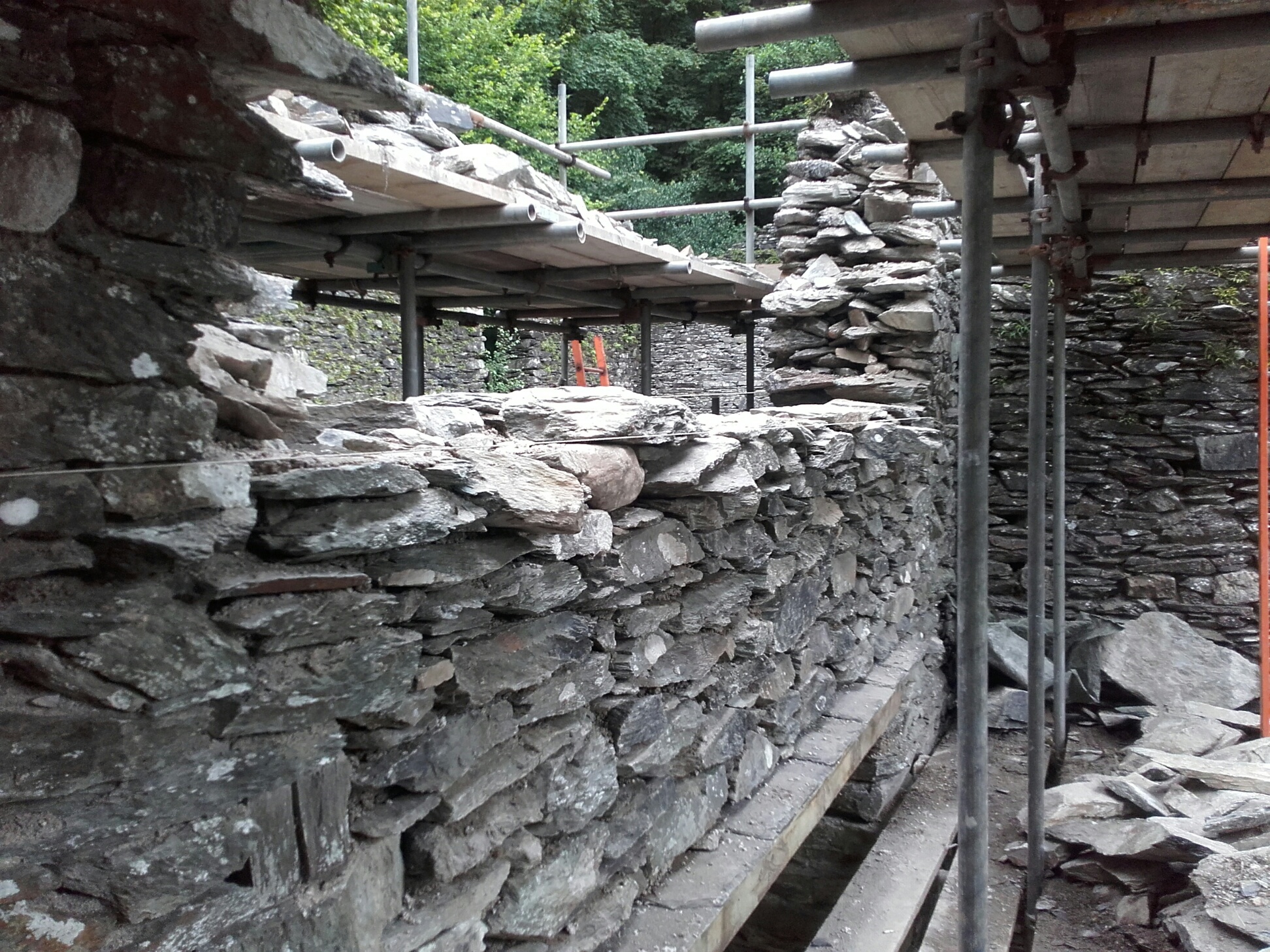
Centuries of exposure had taken their toll on the structures. Many of the buildings are roofless, and the stonework—some of it over six metres high—had begun to loosen, lean, or crack. The conservation report noted issues such as:
- Loose stones and deteriorating wall tops
- Bulging and leaning walls in the charcoal stores
- Failing lintels and spreading arches
- A weakened roof structure on the iron‑ore store
- Decay in the timber access bridge
- Drainage problems and visitor safety concerns
Without intervention, the site risked further deterioration—and public access would have become unsafe.
How was the furnace conserved?
A careful programme of conservation work was designed to stabilise the monument while preserving its historic character. The approach focused on sensitive repair rather than reconstruction, respecting the site’s status as a Scheduled Monument. The result is a safer, more resilient site—one that retains its rugged authenticity while being protected for future generations. Explore the works completed below:
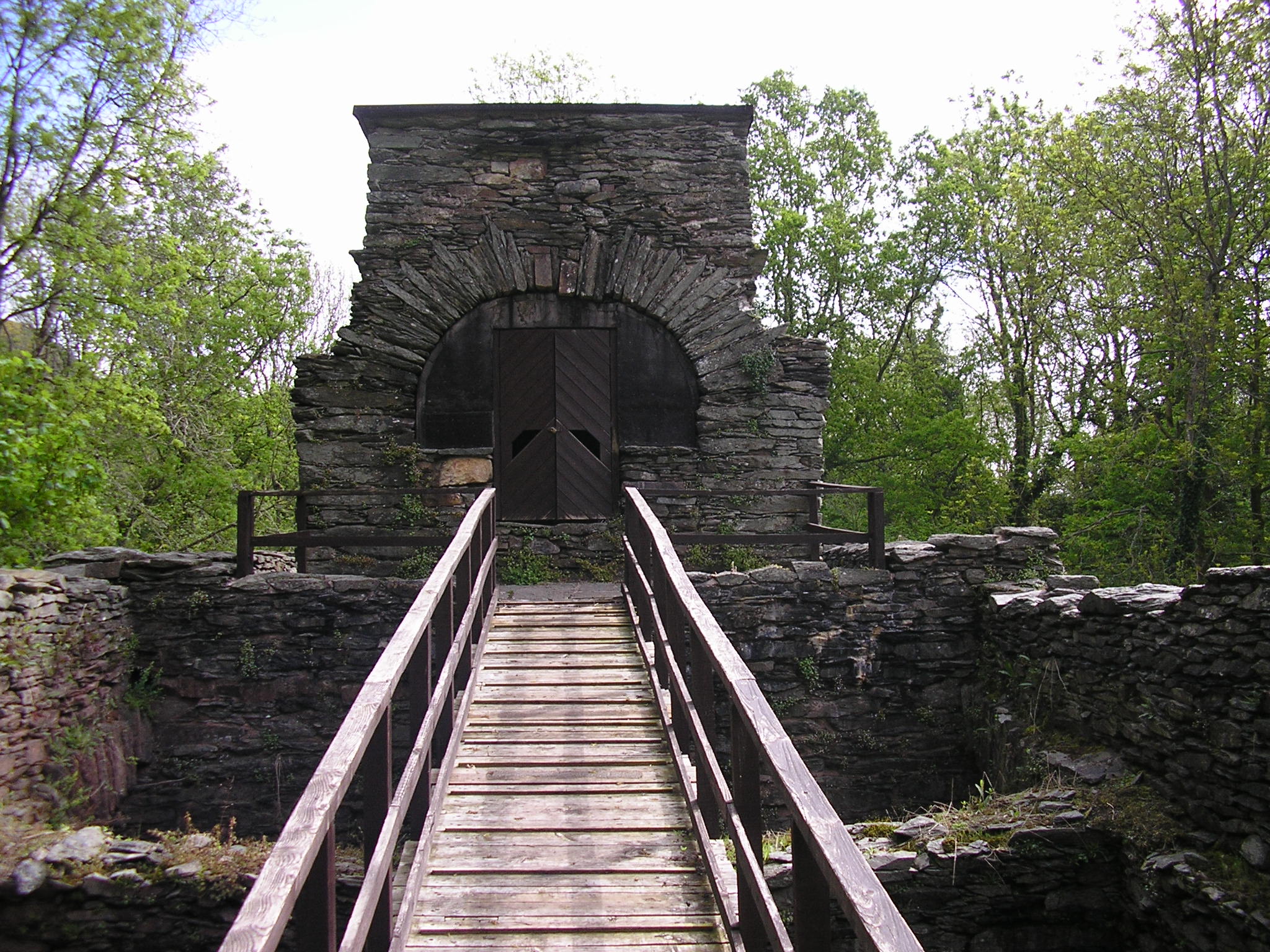
Visitors today can wander through the charcoal barns, stand beside the great furnace stack, and imagine the heat, noise, and activity that once filled this valley. With its blend of industrial archaeology and natural beauty, Duddon Iron Furnace offers a unique window into the early iron industry of the Lake District.
Find out more about visiting Duddon Iron Furnace on our industrial heritage sites page.
Funded by
Historic England Repair Grants for Heritage at Risk