
What is the Lake District?
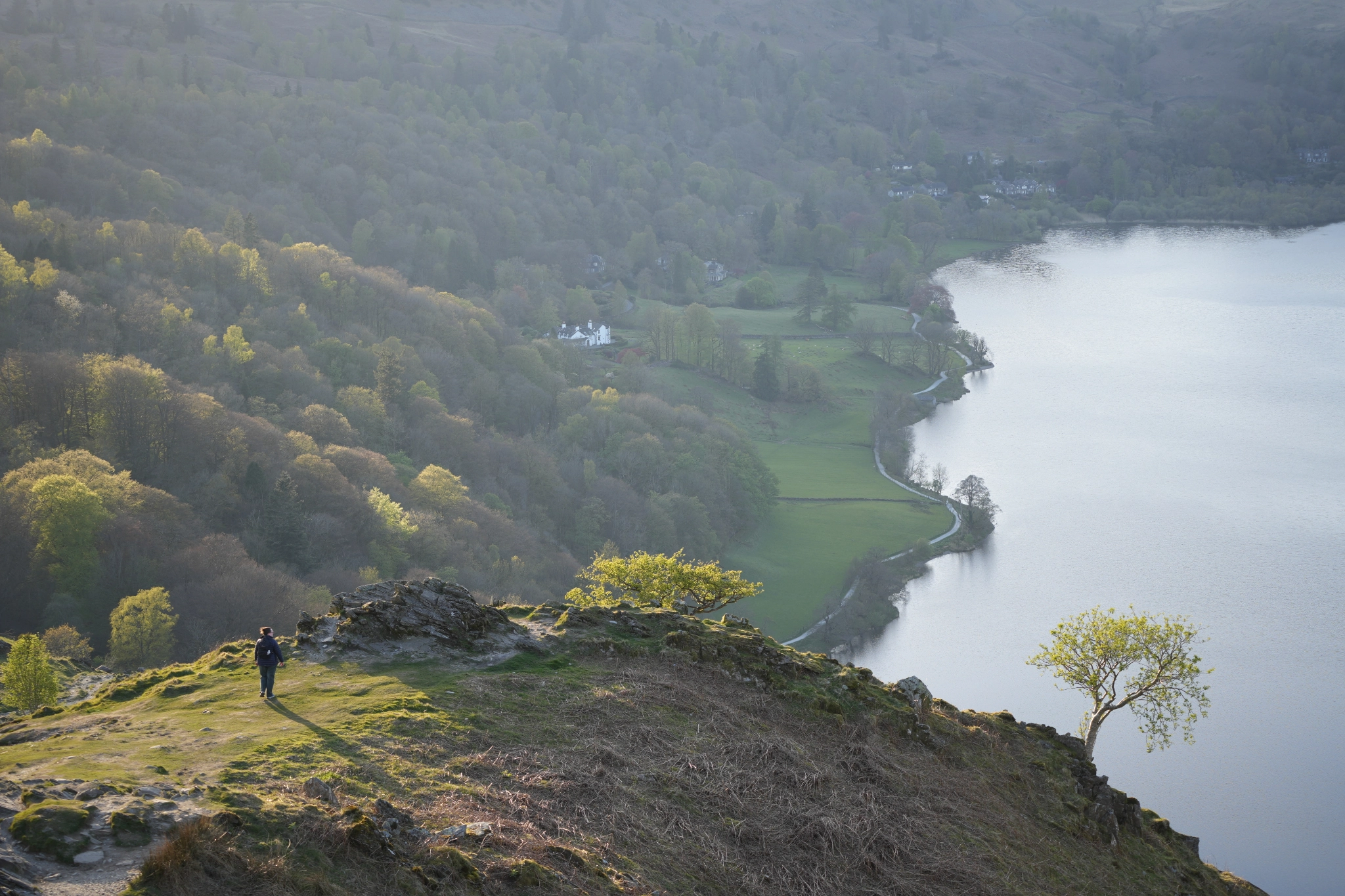
The Lake District is both a National Park and World Heritage Site.
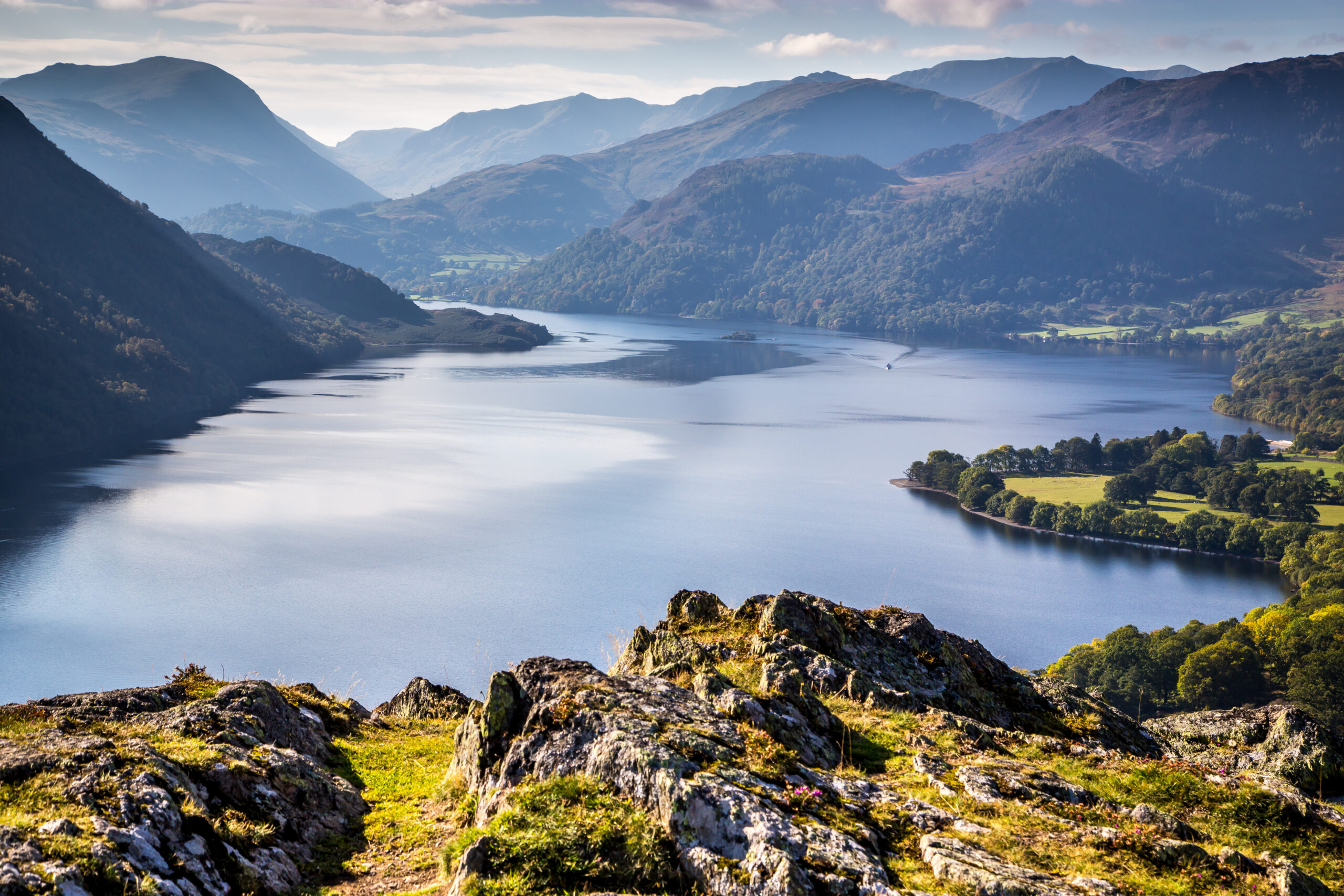
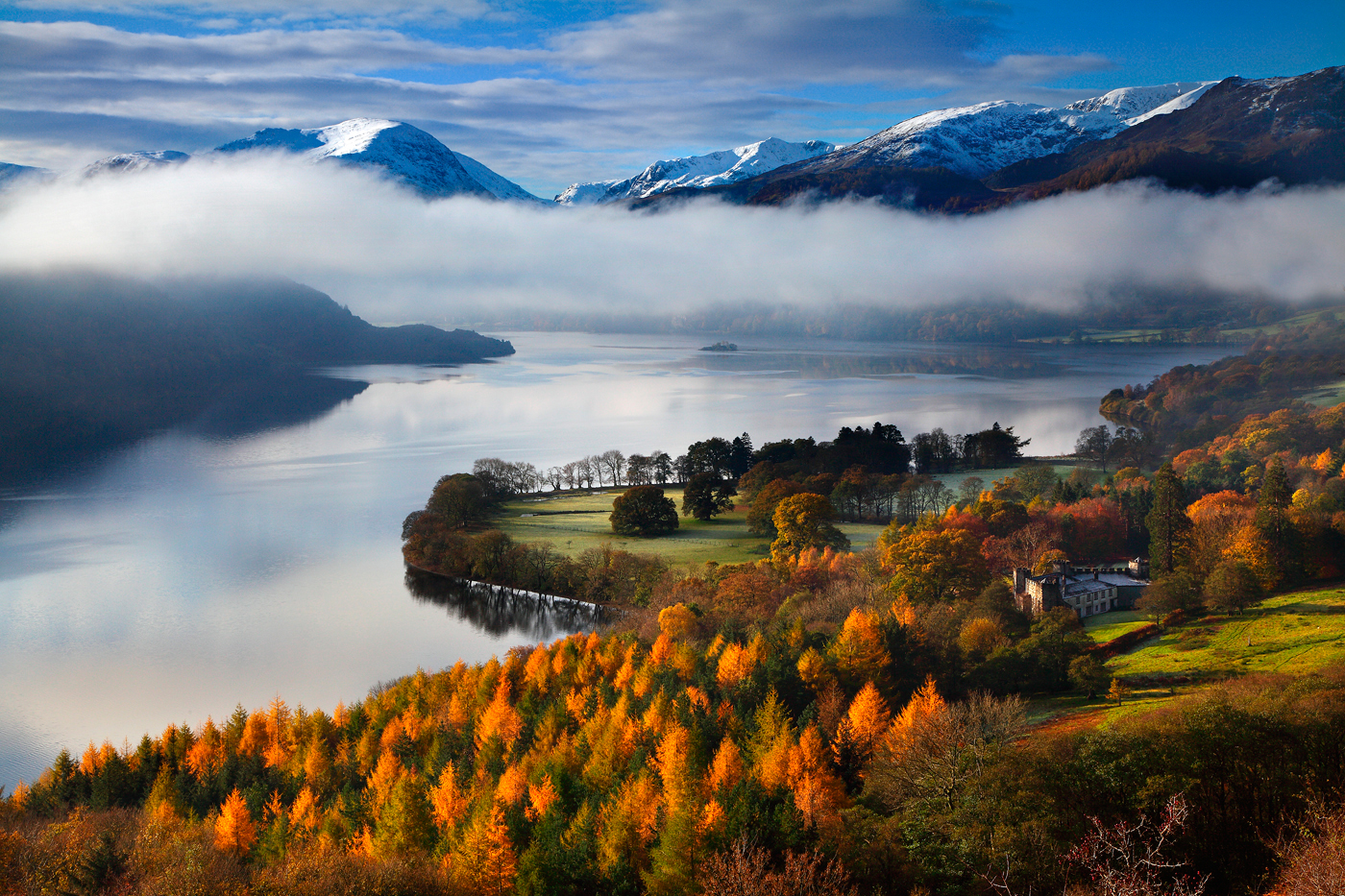
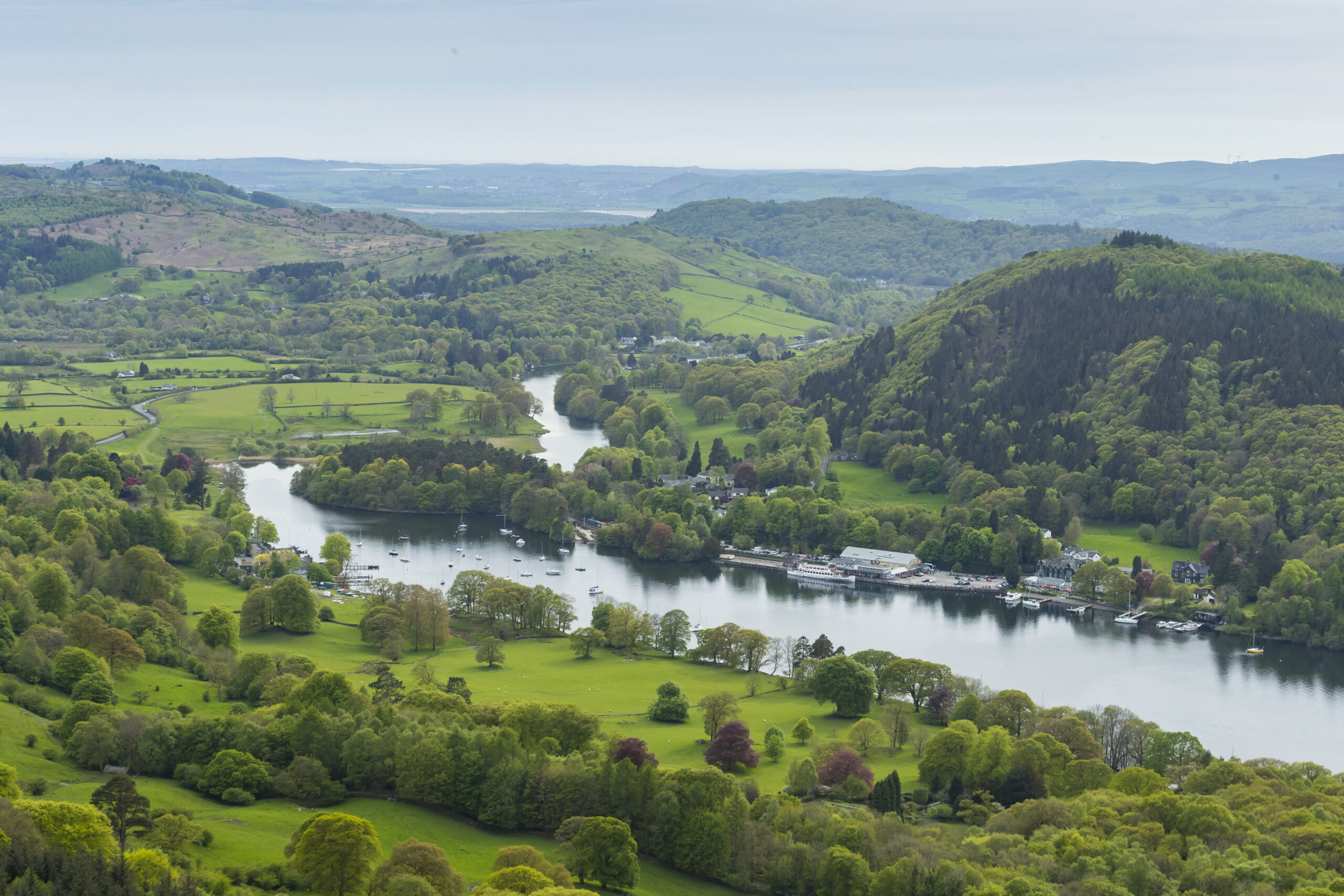
The Lake District is a National Park, protected because of its beautiful countryside, wildlife and cultural heritage. It offers fantastic opportunities for recreation to support the nation’s health and wellbeing, and attracts millions of visitors each year to enjoy this unique example of a living working landscape. A requirement of being a National Park is to identify its ‘Special Qualities’, which combine to produce a landscape of remarkable beauty and distinctive character that is cherished and enjoyed by the nation.
The Lake District provides many crucial services for our local communities, businesses and visitors, and includes the provision of food and water, carbon storage, clean air, flood regulation, aesthetic value, inspiration, heritage and opportunities for recreation. The natural world, its biodiversity and its ecosystems are critically important to our well-being and economic prosperity; they underpin our very existence.
How was the Lake District National Park established?
Inspirational landscapes and the Romantics
Until the 19th century relatively wild, remote areas were seen as uncivilised and dangerous. However the Romantic poets found inspiration in the beauty of “untamed” countryside with Wordsworth describing the Lake District as “a sort of national property, in which every man has a right and an interest who has an eye to perceive and a heart to enjoy”.
In the early 20th century a growing appreciation of the outdoors, the feeling of freedom and spiritual renewal found there and the benefits of physical exercise led to demands for more access to the countryside. The conflict between landowners and public interest groups grew with the expansion of towns and cities and the enclosure of more land by landowners.
Calls for countryside access and protection
In the 1930s leisure enthusiasts and nature conservationists such as the Ramblers’ Association, the Youth Hostels Association and the Council for the Preservation of Rural England pressed the government for access for and protection of the countryside. After World War Two the movement towards creating National Parks gained momentum.
Historical timeline
There are also lots of facts and dates in the following account by Jeremy Rowan Robinson: Managing the Lake District National Park: the first 60 years (PDF).
And you can find more information in this independent report by Andrew McCloy, commissioned for the 75th anniversary of the National Park: 75 years of National Parks: A celebration and a look forward (PDF)
1936 Standing Committee on National Parks to press for legislation
1945 Dower Report on the concept of National Parks
1946 Hobhouse Report on the administrative systems of National Parks, including their potential boundaries
1949 National Parks and Access to Countryside Act
1951 Lake District National Park designated on 9 May and founded on 13 August
1974 Sandford Review establishing the Sandford Principle
1992 Edwards Review which produced the ‘Fit for Future’ report, the recommendations of which were taken into account in:
1995 Environment Act making fundamental changes to the system of care and control of National Parks. It defines the purposes and duty of the National Park Authorities.
2016 Lake District boundary extended
2017 The English Lake District (pre-2016 extension area of the National Park) becomes a UNESCO World Heritage Site
Purpose and duties
As set out in the Environment Act 1995, the Lake District National Park Authority’s statutory purposes are:
- To conserve and enhance the natural beauty, wildlife and cultural heritage of the Lake District National Park; and
- To promote opportunities for the understanding and enjoyment of the special qualities of the National Park by the public.
Public bodies, and statutory undertakers such as utility companies, when undertaking any activity which may have an impact on the designated area, have a duty to have regard to these purposes.
As a National Park, we also have a duty in pursuing those purposes:
- To seek to foster the economic and social well being of local communities within the National Park by working closely with the agencies and local authorities responsible for these matters, but without incurring significant expenditure.
Sandford Principle
Section 11A (1A) of the National Parks and Access to the Countryside Act 1949 states that “in exercising or performing any functions in relation to, or so as to affect, land in any National Park in England, a relevant authority… must seek to further the purposes… and if it appears that there is a conflict between those purposes, must attach greater weight to the purpose of conserving and enhancing the natural beauty, wildlife and cultural heritage of the area comprised in the National Park”.
This is known as the ‘Sandford Principle’ and stems from the Sandford Committee’s recommendation, in 1974, that enjoyment of the National Parks ‘shall be in a manner and by such means as will leave their natural beauty unimpaired for the enjoyment of this and future generations’.
The Lake District National Park Partnership
The Lake District National Park Partnership works hard to ensure harmony between the National Park designation and World Heritage Site inscription, compromising and taking a balanced approach when required to ensure we look after the Lake District. The Partnership Management Plan sets out to ensure that the public benefits from the natural and historic (and/or cultural) environment of the Lake District, and that it continues to deliver for future generations. As the UK population continues to grow, the pressure on these precious resources will increase, accentuated by the impact of climate change.
Frequently asked questions
The Lake District National Park is one of a family of 15 National Parks. The others are: Brecon Beacons, the Cairngorms, Dartmoor, Exmoor, Loch Lomond and Trossachs, Northumberland, North York Moors, Peak District, Pembrokeshire Coast, Snowdonia, South Downs, the Yorkshire Dales, the Broads and the New Forest.
Read more about them on the National Parks UK website.
Our model for running a national park is not based on public ownership and people are often surprised to learn the National Park Authority owns less than four per cent of land in the Lake District. The rest is owned by organisations such as the National Trust, United Utilities, Forestry Commission and other private landowners.
For more information, visit our Land ownership in the Lake District page.
The National Trust is an independent charity which owns and looks after stately homes, land and coastline which sometimes fall within a National Park boundary. A National Park Authority is a local government organisation set up to look after the whole of the National Park.
Often the National Trust and National Park Authorities work in partnership on conservation projects – Fix the Fells is just one example.