

What makes the Windermere Villas Area special
A landscape shaped for beauty
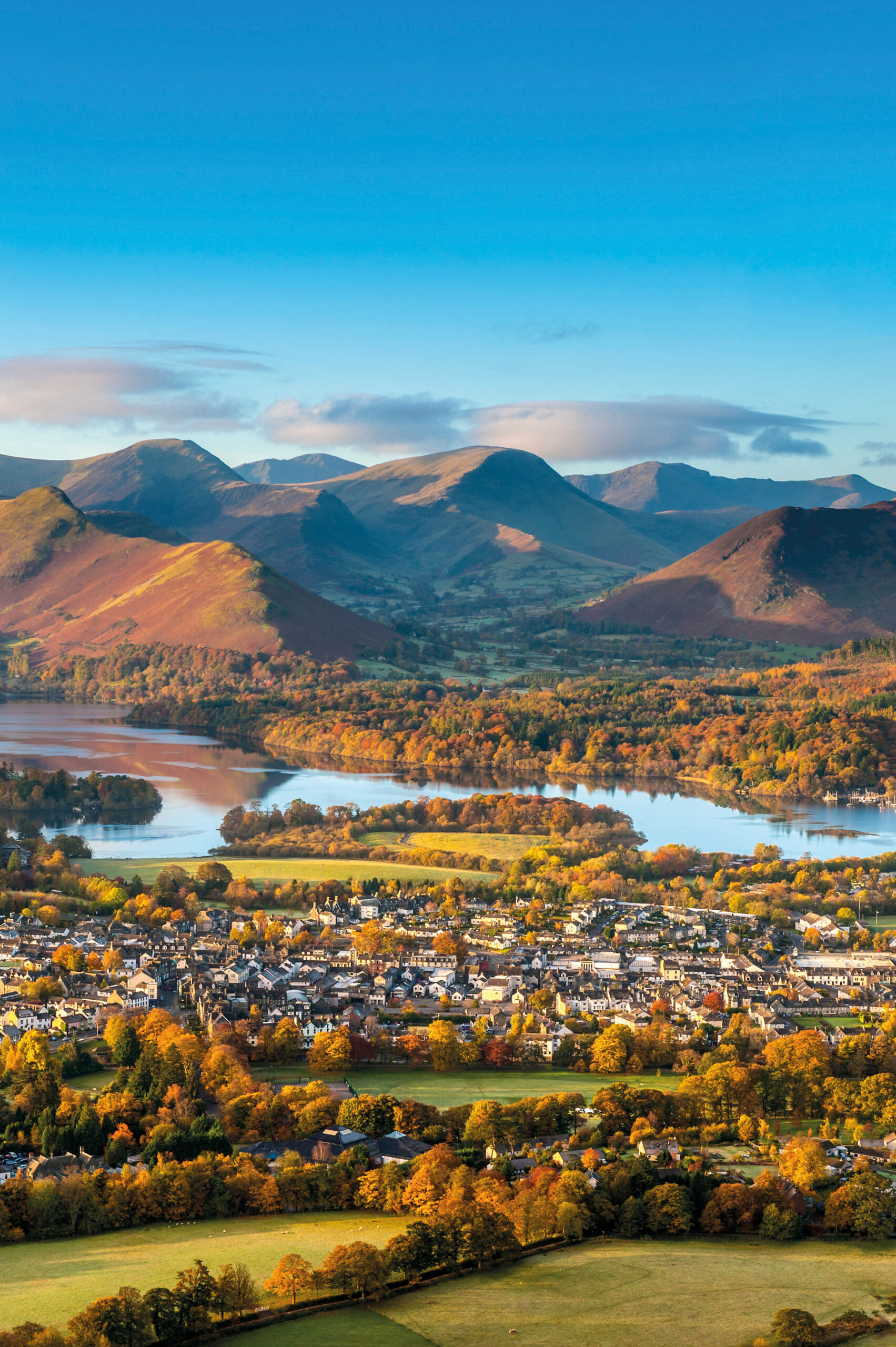
The villas along Windermere’s eastern shore were designed to sit within the landscape, not dominate it. Their gardens, terraces and viewpoints were created to frame the lake and mountains, following the Picturesque ideals that first drew visitors here.
A birthplace of Lake District tourism
This area is one of the earliest and clearest expressions of Britain’s growing love for domestic travel in the 18th and 19th centuries. Wealthy visitors built elegant homes here long before mass tourism arrived.
Architectural gems in a pastoral setting
From graceful Georgian villas to striking Arts & Crafts houses by architects like C.F.A. Voysey, the area is full of distinctive, high‑quality buildings. Despite their variety, they share a common theme: generous gardens, natural materials and a deep respect for the surrounding landscape.
A landscape with deep roots
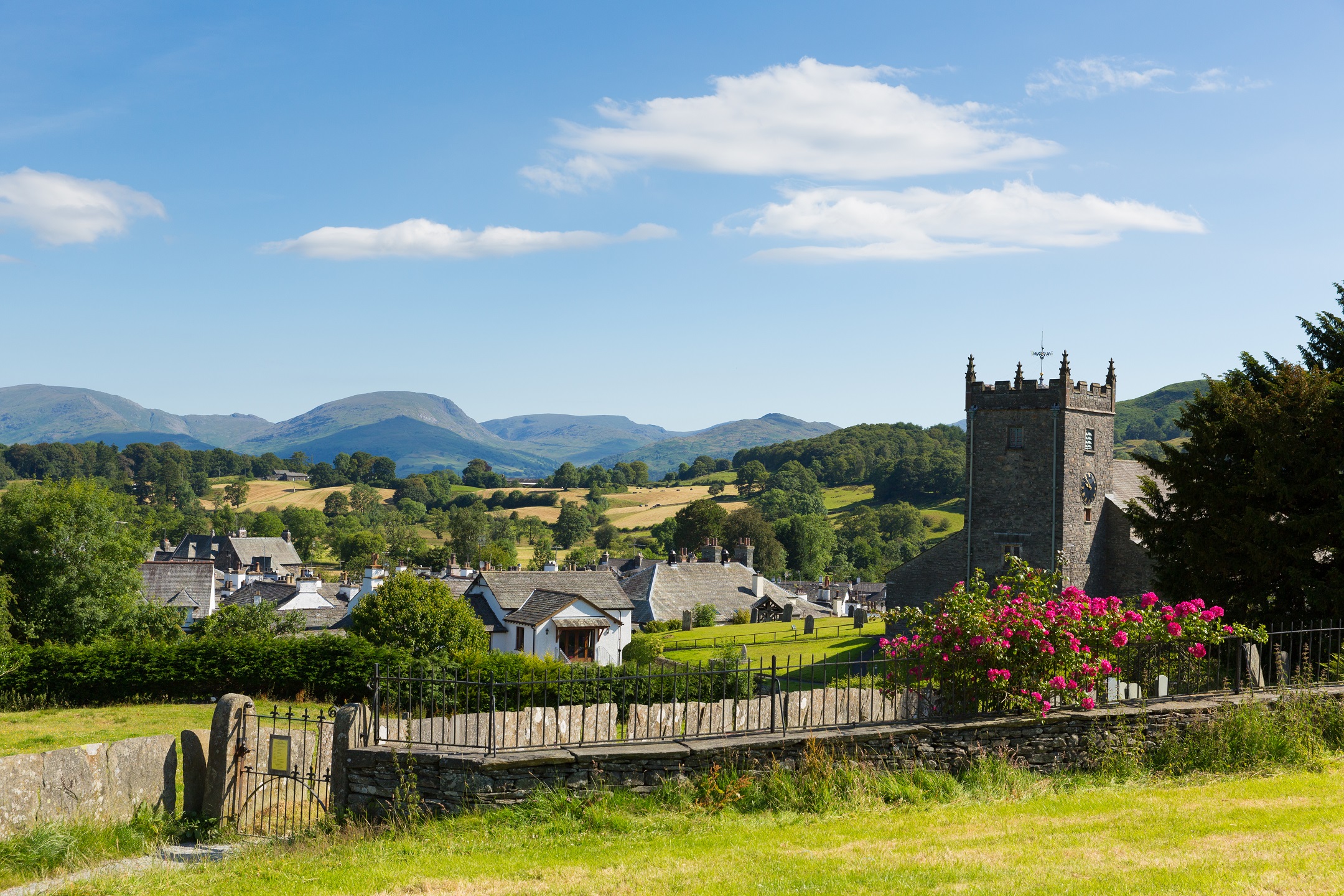
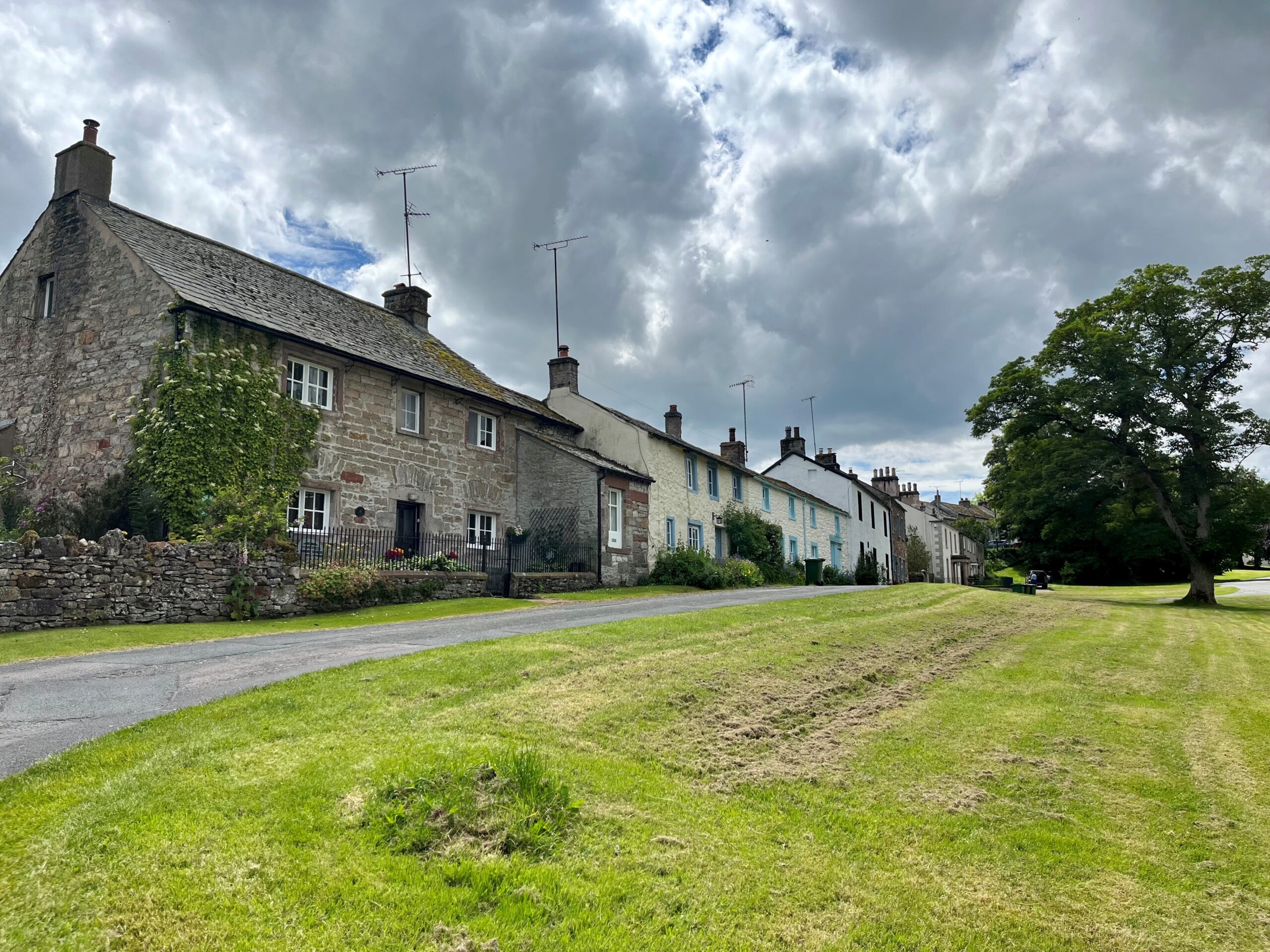
Before the villas, this was a quiet farming valley. Remnants of that rural past – stone cottages, farm buildings and traditional materials – still shape the character of the area today.
Connections to famous writers and artists
The beauty of Windermere inspired major cultural figures including William Wordsworth and Beatrix Potter. Their work helped spark global interest in the Lake District’s scenery and values.
Gardens designed by masters
Many villa gardens were created by leading landscape designers such as Thomas Mawson. Their planting schemes, terraces and pathways were carefully planned to make the most of the views and the natural setting.
A place that shaped conservation
Ideas born here about protecting beautiful places and ensuring public access to nature helped lay the foundations for modern conservation and the concept of protected landscapes.
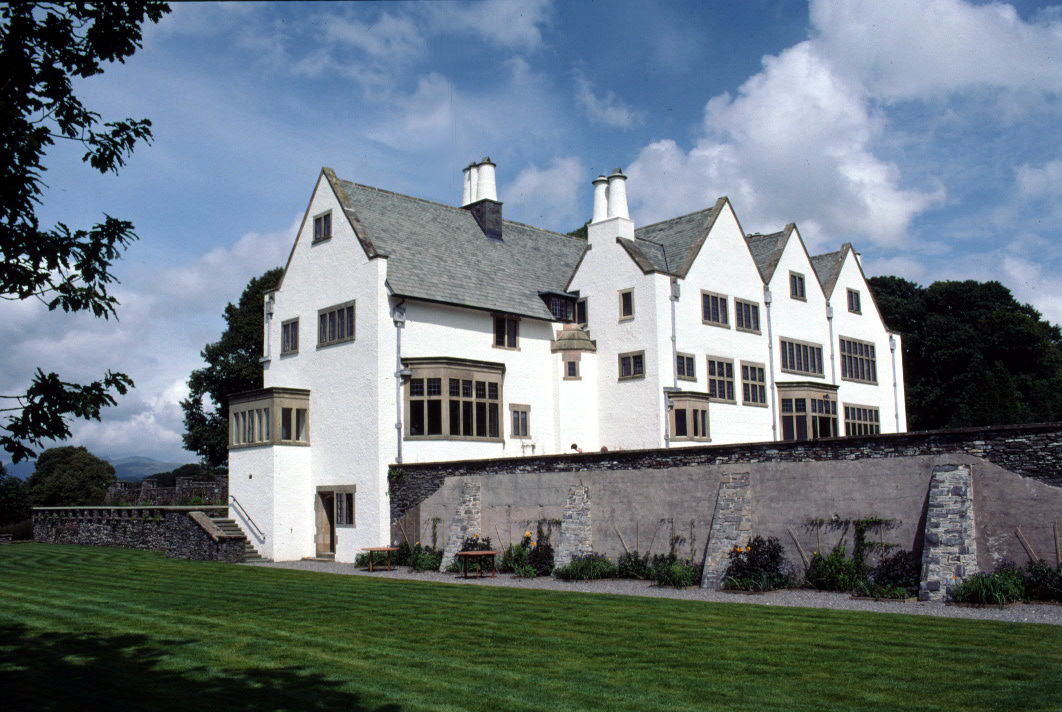
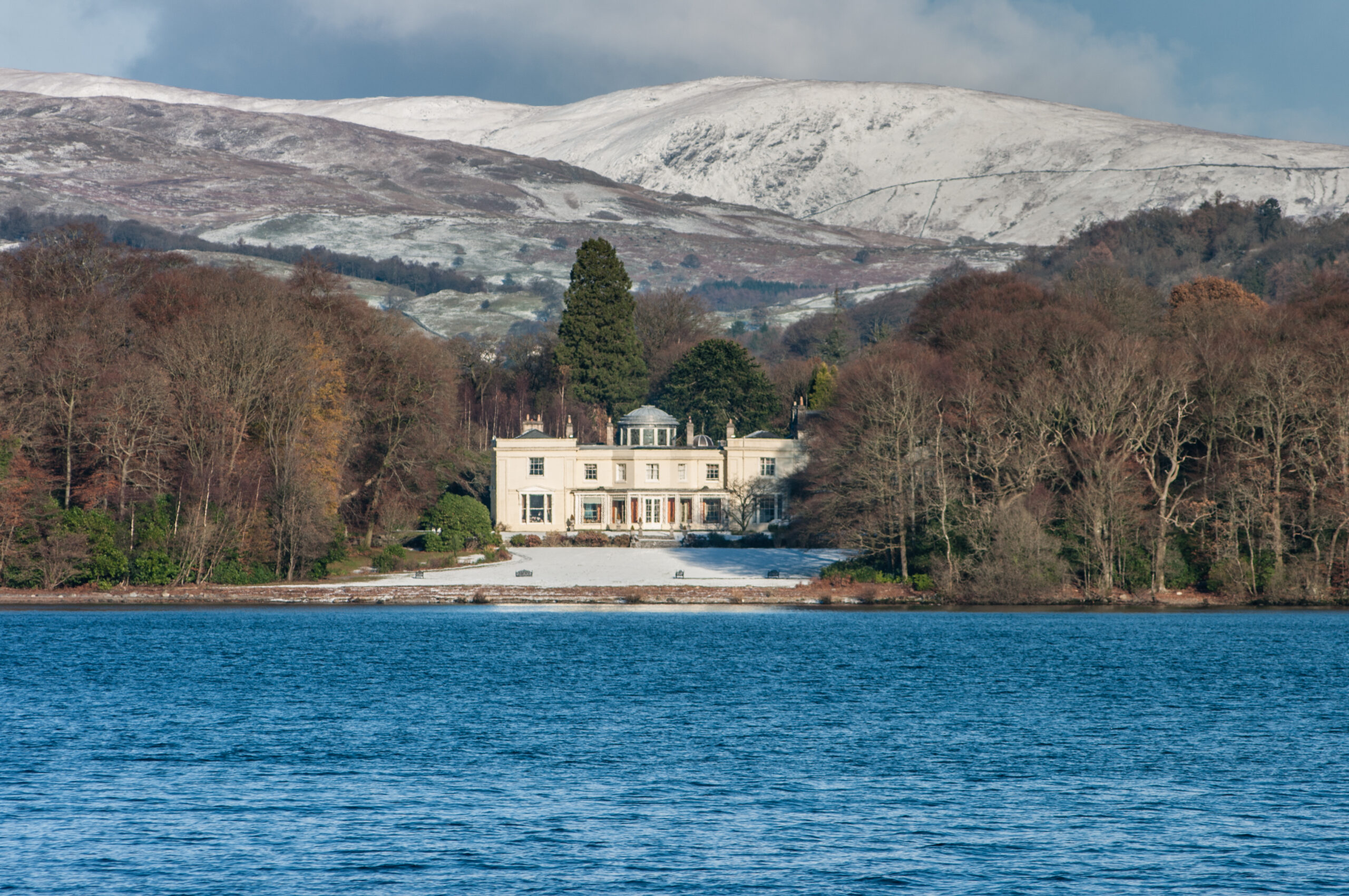
Photo by Historic England. Broadleys is a Grade I Listed Arts and Crafts Villa, designed by C.F.A. Voysey and now the clubhouse for Windermere Motor Boat Racing Club. It is occasionally open to the public for tours, events or overnight accommodation.
Frequently asked questions
A Conservation Area is an area identified as having special architectural and/or historic interest where the character and appearance of that area is desirable to preserve or enhance.
There are 24 Conservation Areas in the Lake District National Park, information about why they are special and a map of each area can be viewed on our A-Z of Conservation Areas page.
The purpose of the Conservation Area is to promote and support development that is in keeping with or enhances the special character of the area. It is not intended to stifle change within the proposed boundary; it is intended as a tool to positively manage change.
We are responsible for the designation and review of Conservation Areas. This is a statutory requirement under Section 69 of the Planning (Listed Buildings and Conservation Areas) Act 1990.
The Conservation Area boundary has been drawn to include buildings, designed landscapes and open space which are considered to contribute to the special character and appearance of area. The character of the area is inextricably linked to its history and historical development, and the proposed boundary takes account of this.
The boundary also incorporates important areas of green space and groups of trees which add to the setting of many buildings and views into and out of the Conservation Area, as well as providing a verdant backdrop to the lake and lakeshore.
The Conservation Area Appraisal sets out the justification for the proposed boundary changes by analysing the historic interest and character of the area.
Some extra controls and considerations apply in conservation areas. Alterations and development within a conservation area should conserve or enhance the special character of that area; planning applications should include a heritage statement which sets out how the proposed work conserves or enhances the conservation area.
For guidance on how to prepare a heritage statement please refer to the Heritage assessment and information requirements PDF.
If you want to demolish a building in a conservation area you will need Planning Permission.
Conservation area designation means that, with limited exemptions, anyone proposing to carry out works to trees with a stem diameter of 7.5 cm or more (measured at 1.5 m above ground) must give prior notice to the local authority so their contribution to the area’s character can be assessed and protected.
In cases involving all but the smallest of trees you must notify the authority six weeks before work begins, this allows us to consider whether a Tree Preservation Order should be made on the tree, or if work can continue. Undertaking unauthorised tree works in a conservation area is an offence and risks prosecution.
If you are unsure about any aspect of tree work please contact the Duty Planner Service or seek the advice of a suitably qualified arboriculturist.
For information on how to apply for planning permission or works to trees please see our Trees and hedgerows page.