

Skip to content
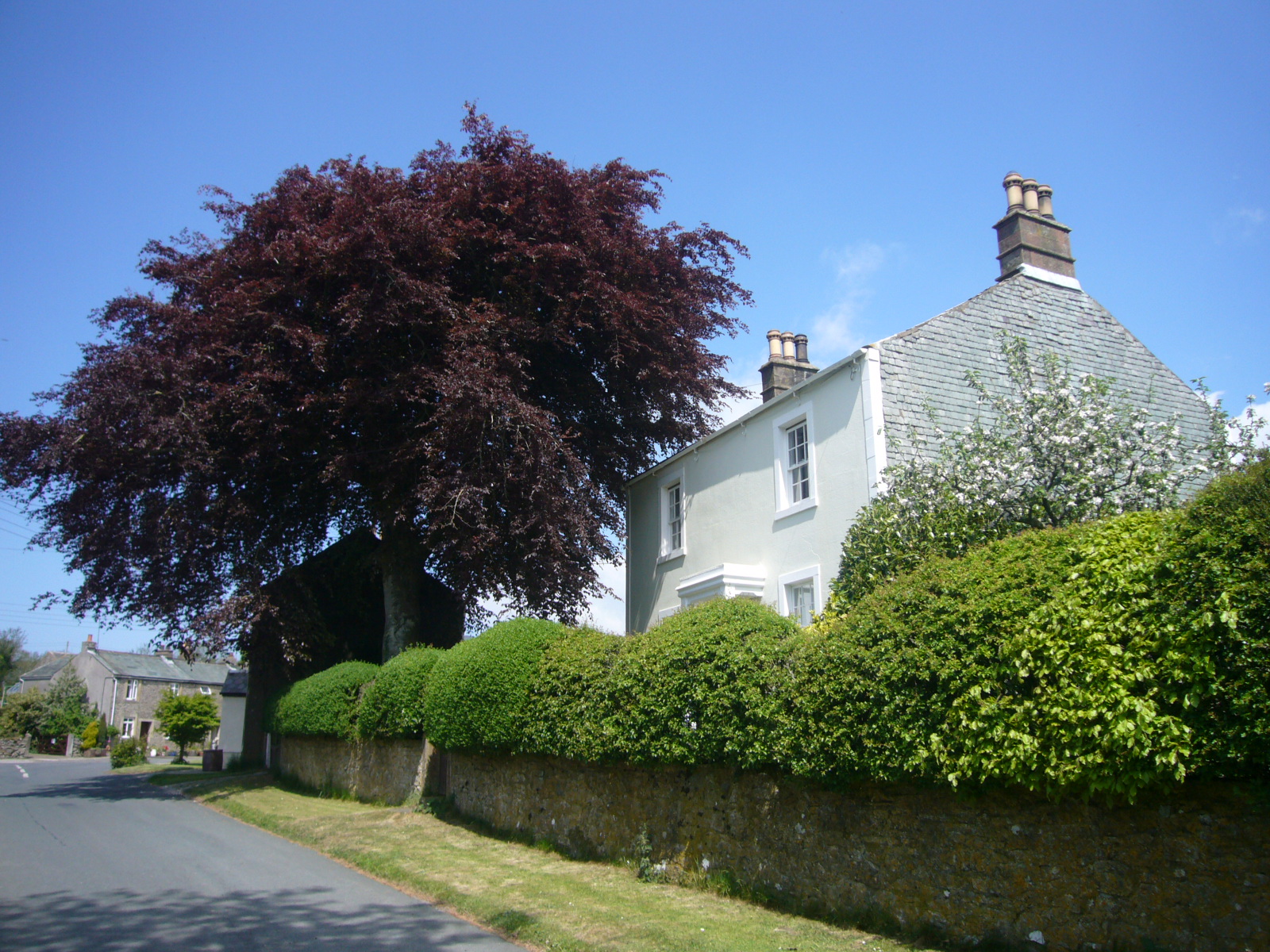
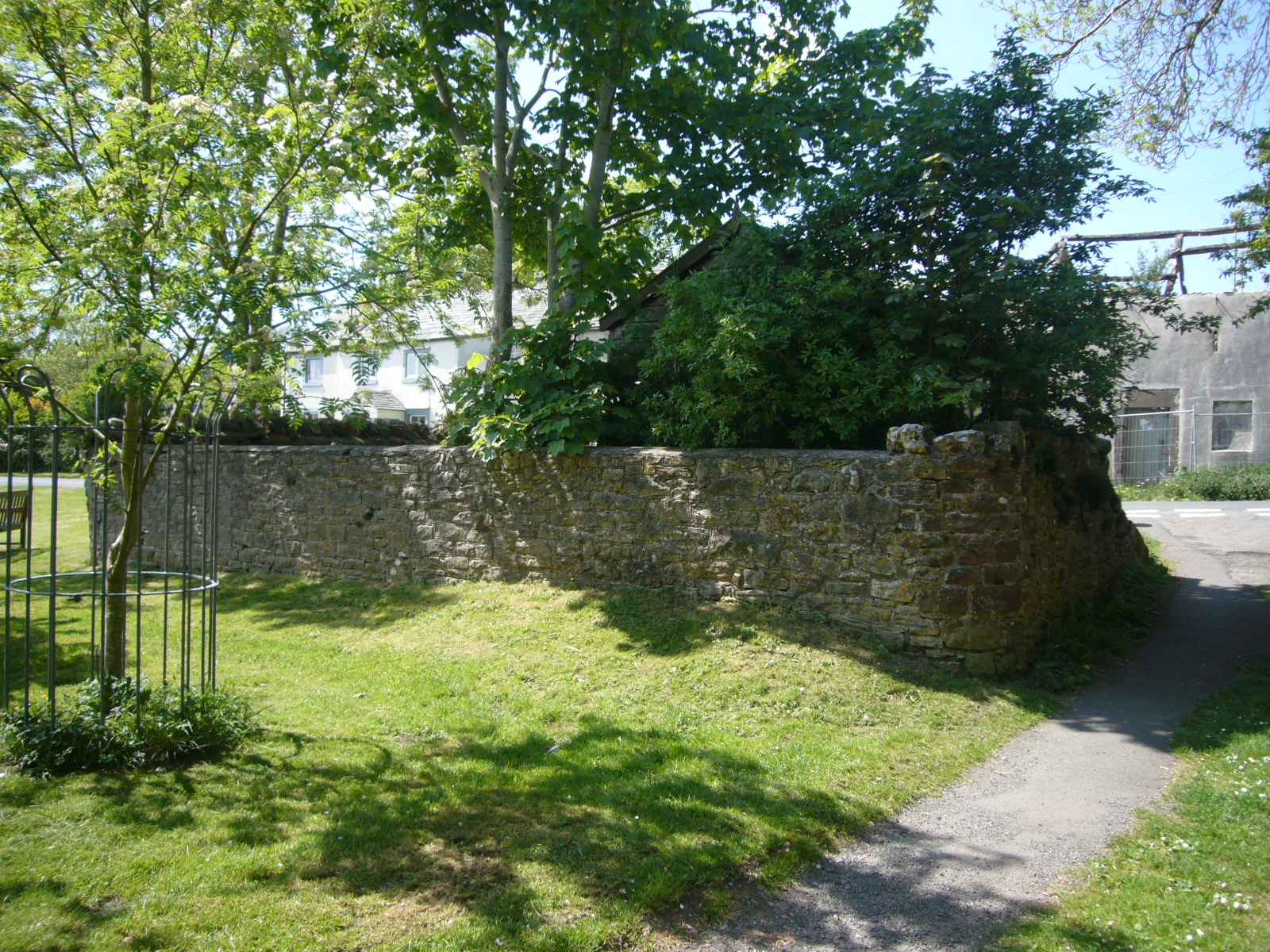
tarmac road parallel to well kept tall green hedge on top of dry stone wall. behind it a deep burgundy tree and two storey detached white house

Blindcrake Conservation Area

Why is Blindcrake special?

Blindcrake is an historic village with medieval origins located on a quiet rural road. Special qualities include:

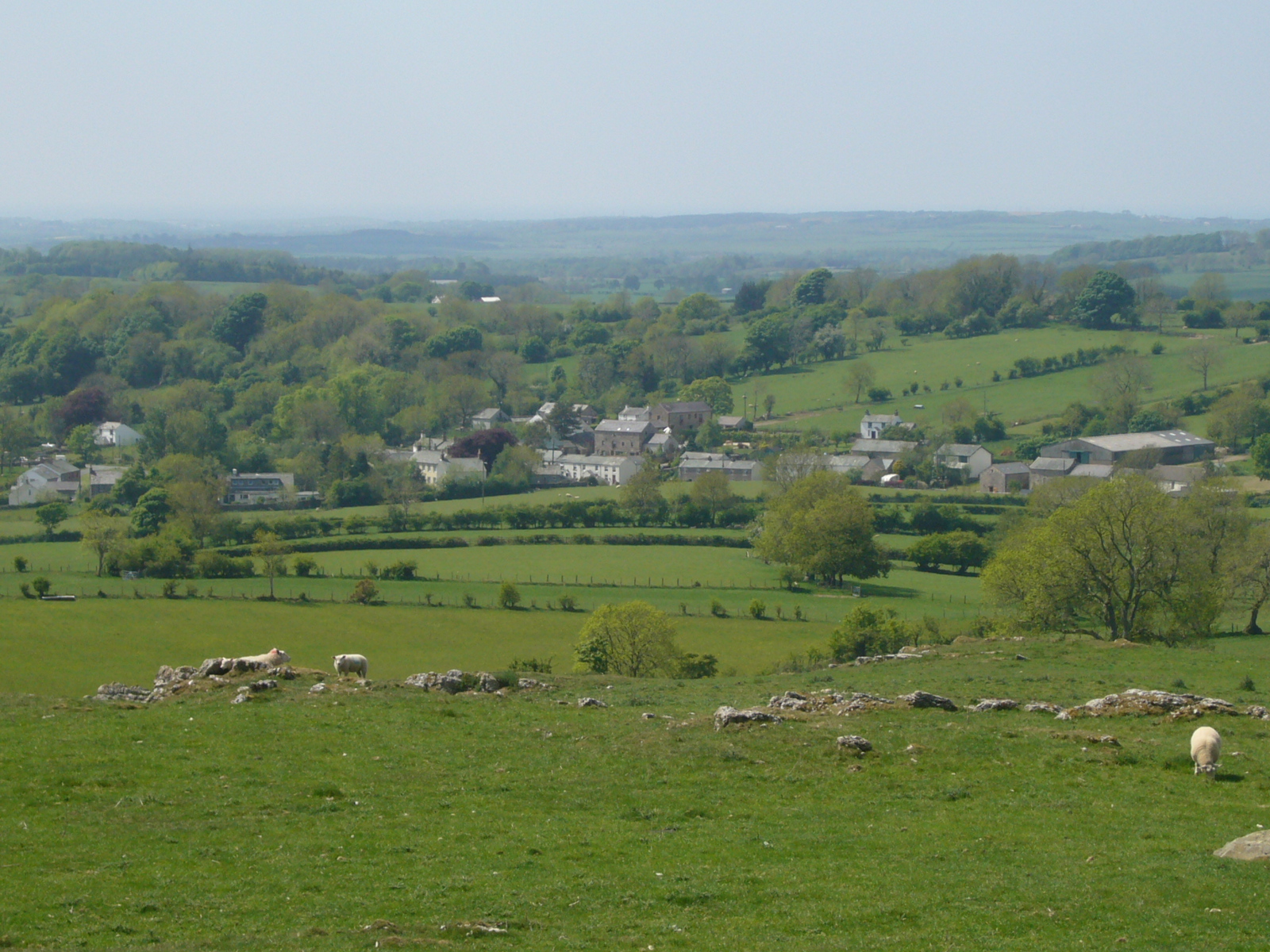
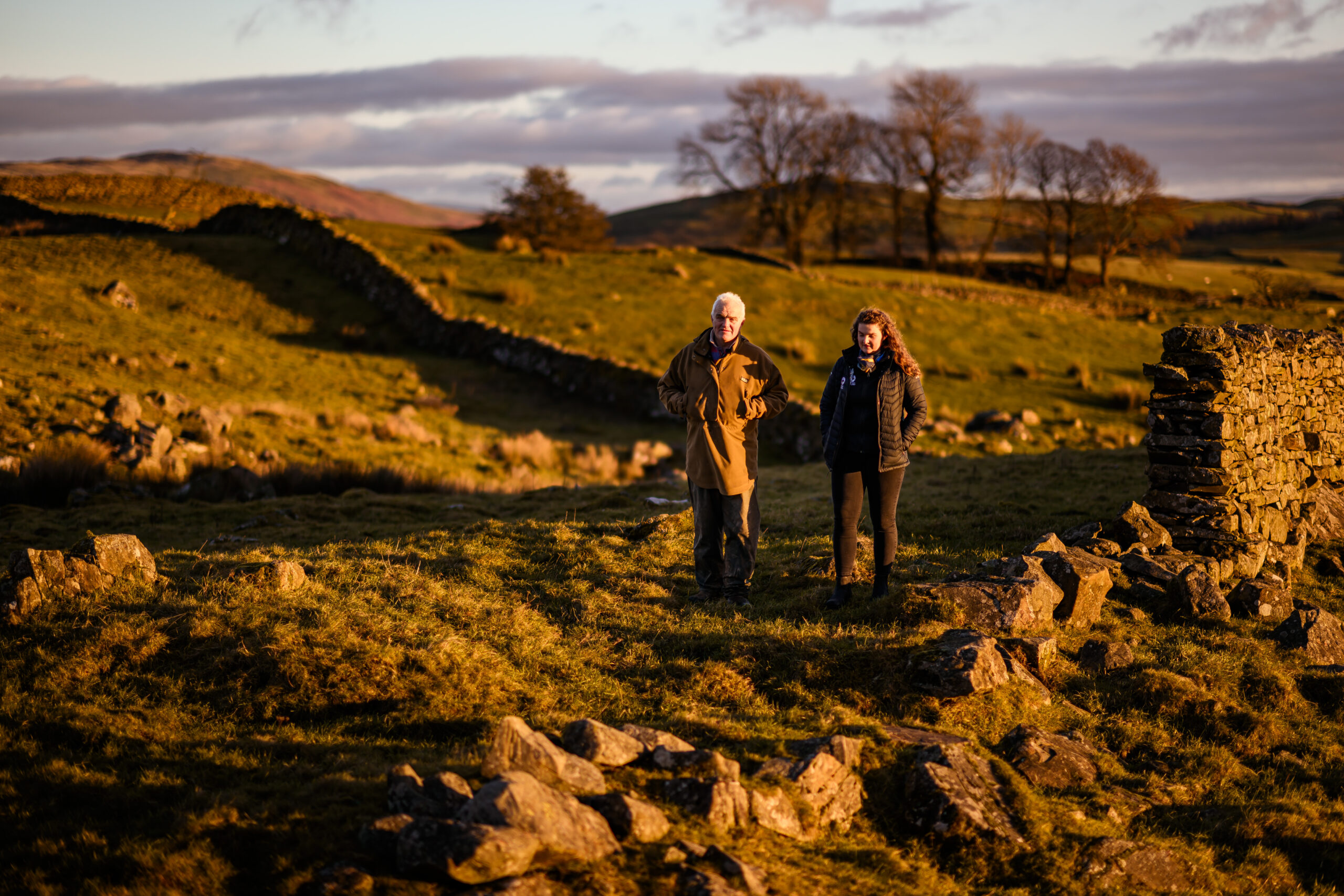
  • Rural setting between Moota Hill and Clints Crag on a low ridge above the Derwent Valley;
  • Distinctive linear settlement pattern comprising a series of 18th century farmhouses, barns and cottages laid out beside a mile-long main thoroughfare;
  • Unspoiled surviving relationship between historic village and medieval strip field pattern;
  • Majority of buildings have architectural and historic interest, seven of which are grade II listed buildings, and many others which make a positive contribution to the area’s historic character and appearance;
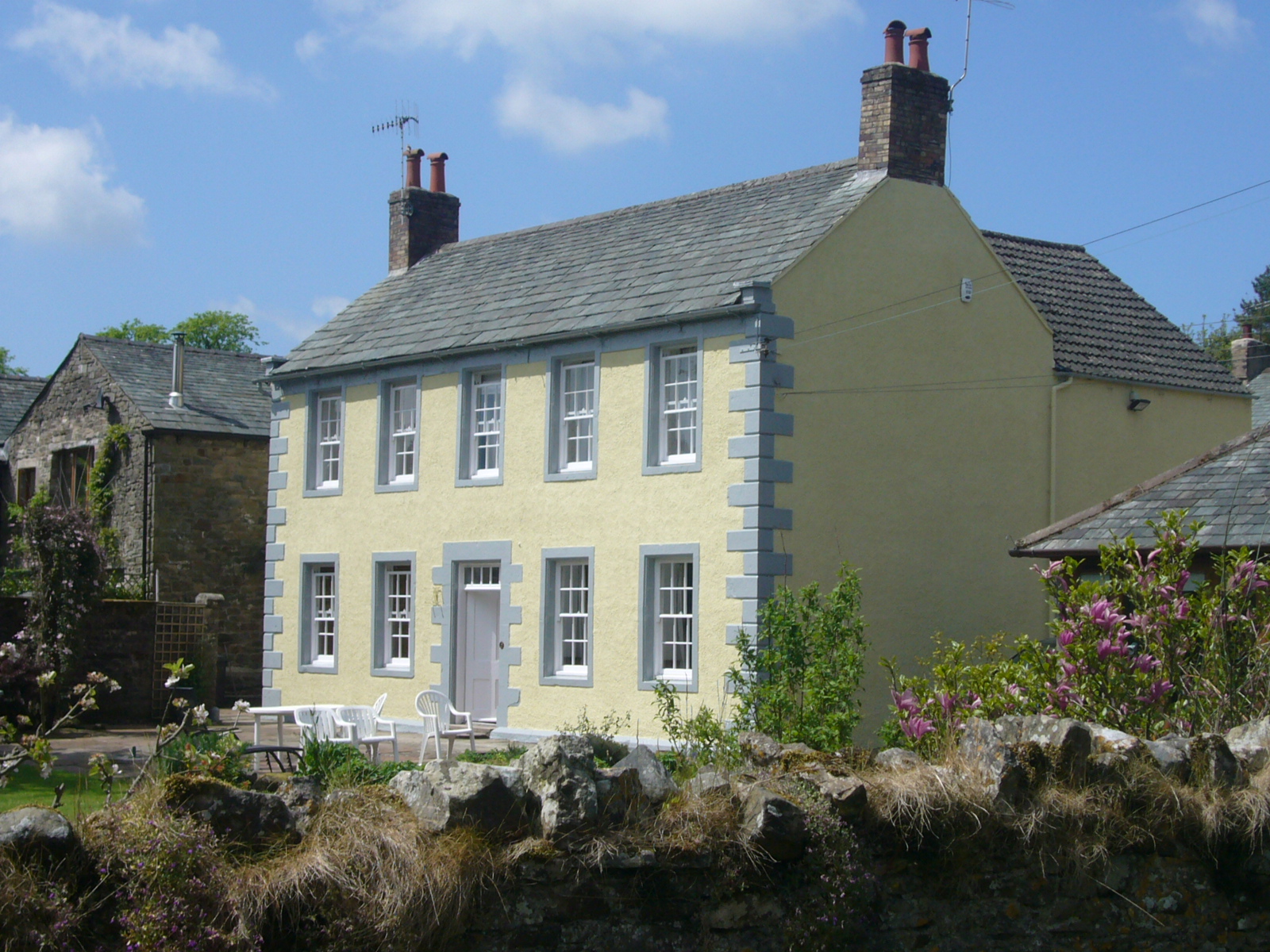
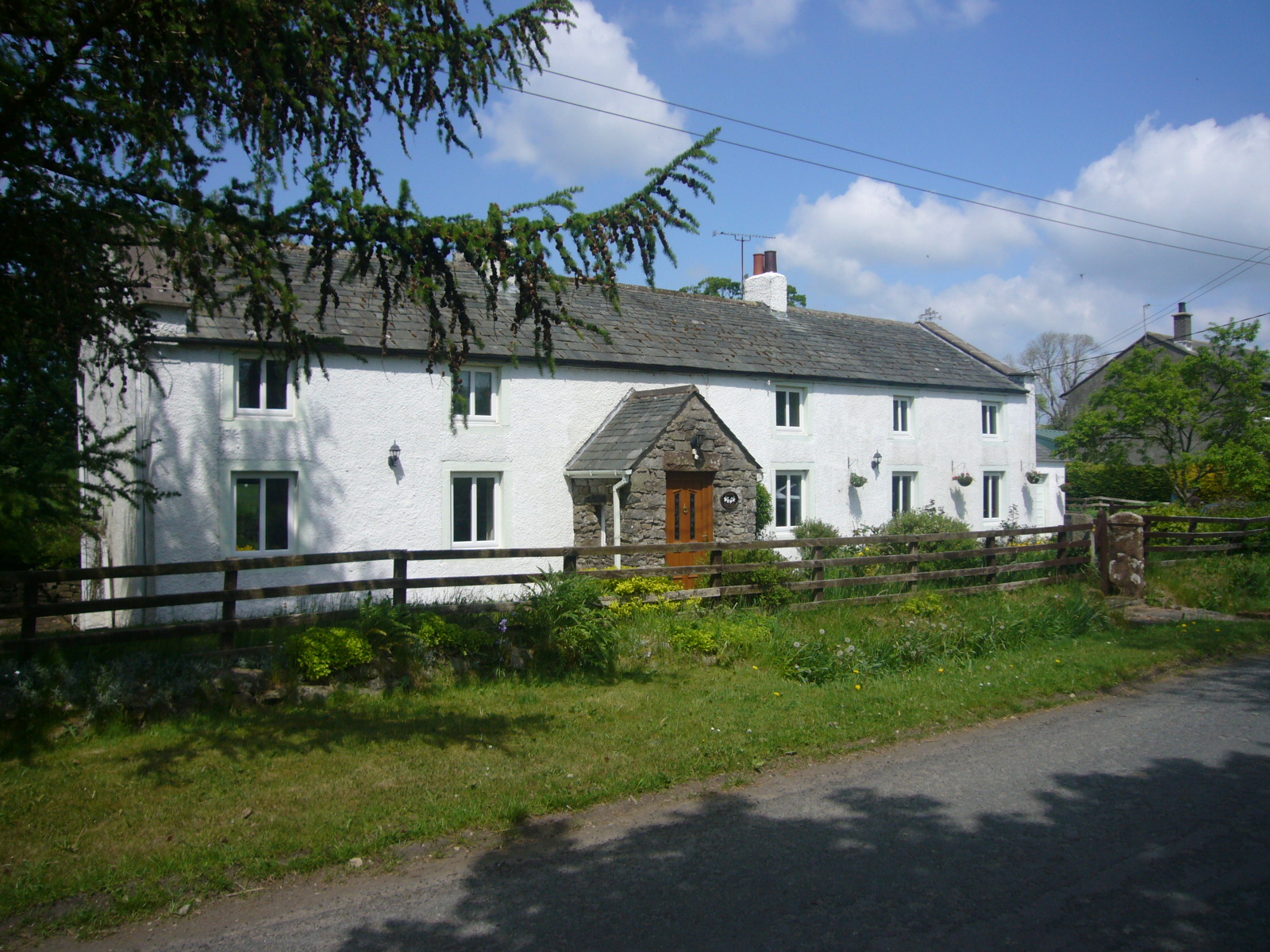
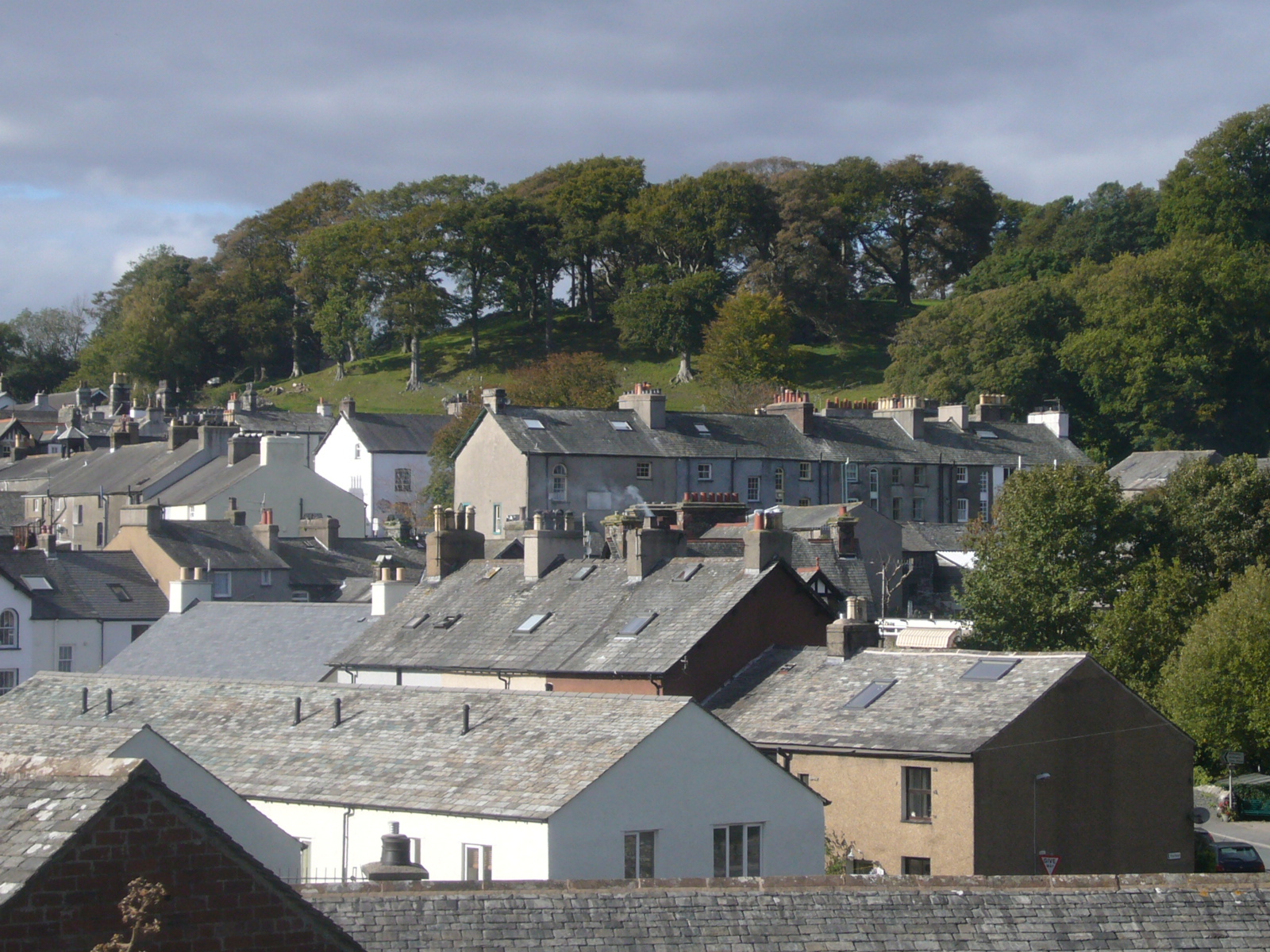
  • Well-preserved examples of local Cumbrian stone-built vernacular architecture, both domestic (usually rendered) and agricultural (usually stonework exposed);
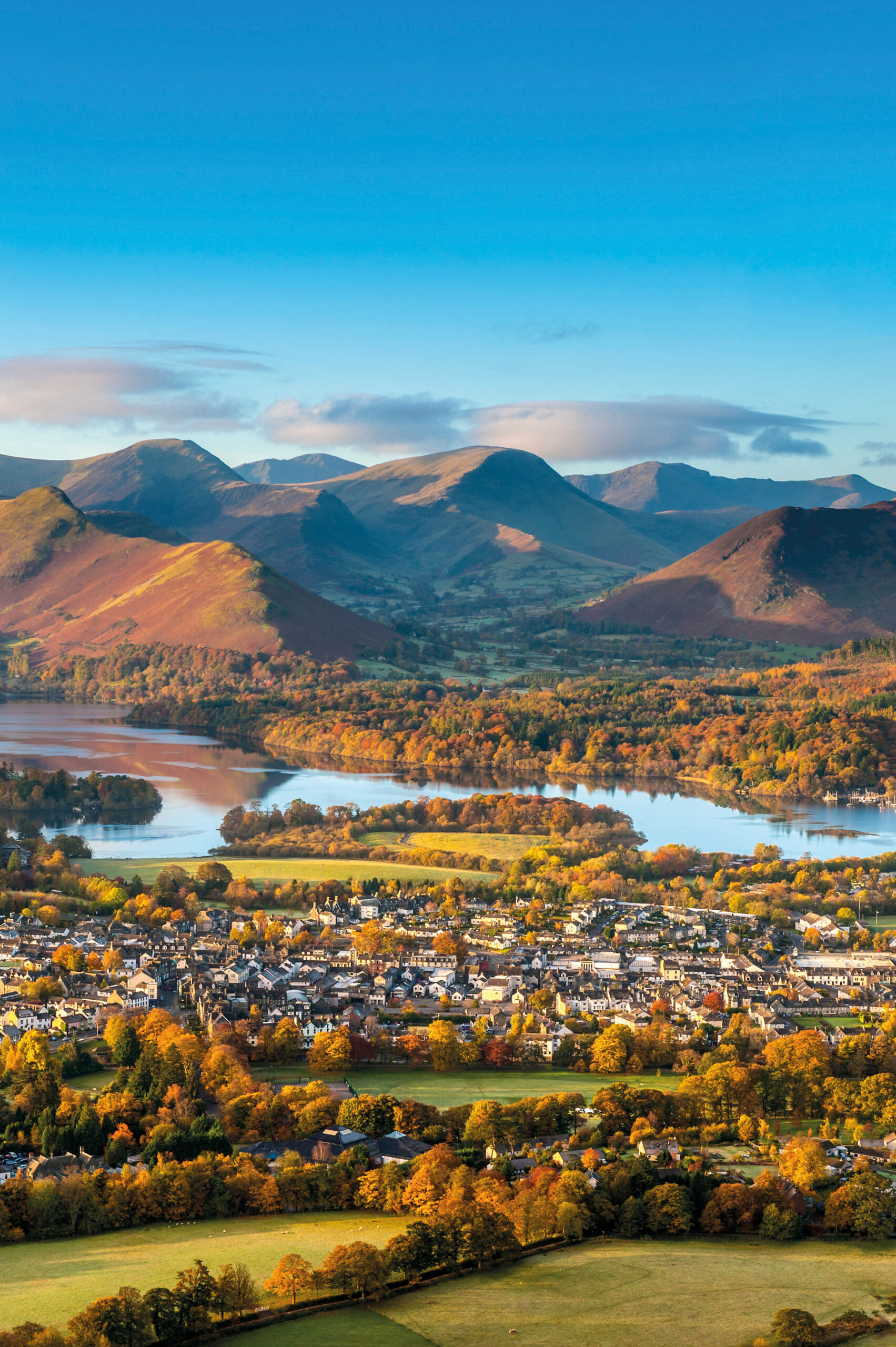
  • Extensive views to Skiddaw and the Buttermere Fells;
  • Trees and small copses that enhance the setting of historic buildings and soften the streetscene, giving parts of the village a sylvan atmosphere;
  • Attractive village green with a backdrop of mature trees and expansive southward views;
  • Roadside grass verges;
  • Prevalent use of local limestone and red sandstone as a walling material, under greenslate roofs, reflecting the underlying geology of the area;
  • Surrounding countryside presses right up the side of the area’s spine road and to the rear of roadside plots;
  • Strong sense of quiet and tranquillity.

Blinkcrake Conservation Area resources

Blindcrake Conservation Area Appraisal and Management Plan 2011
Blindcrake Conservation Area Map