
Population and demographics
The population of the Lake District National Park (LDNP) is declining, particularly the proportion of the population who are working age (those aged 15 to 64). Between 2011 and 2021, the total population of the LDNP has declined by 4.5% from 40,770 in 2011 to 38,992 in 2021 (Office for National Statistics, 2021).
Between 2011 and 2021, the proportion of the Lake District’s population aged 65+ years increased by 3.9%, those aged over 65 now represent 24.3% of Cumbria’s total population in comparison to over 65’s representing 18.4% of England’s total population.
Active travel can play a vital role in improving the health, mobility and social engagement of ageing populations demonstrating the need to foster environments that encourage and facilitate active travel.
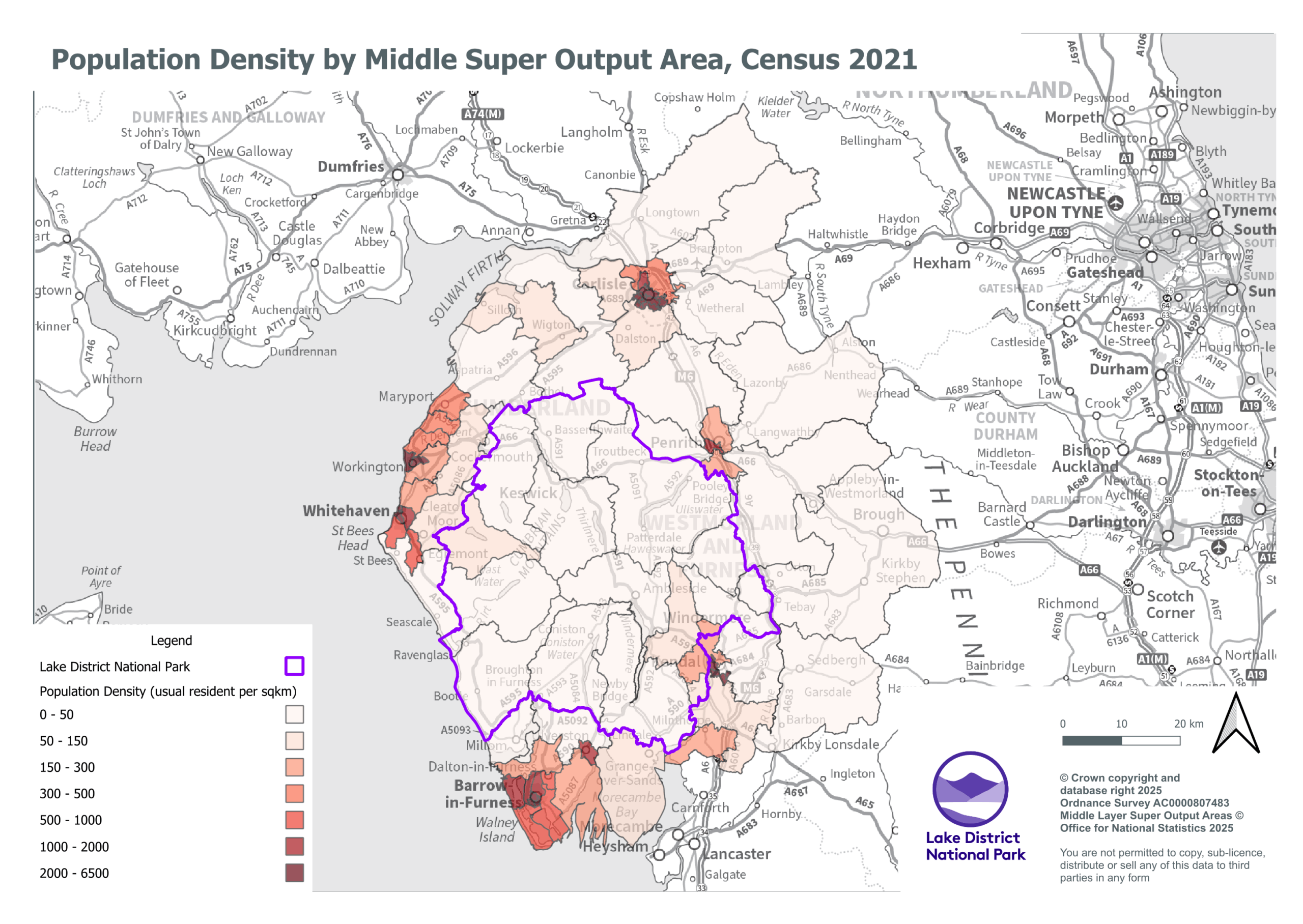
Map 1 illustrates how the population is distributed across the LDNP, providing insight into the potential demand for walking and cycling trips.
Key settlements in the LDNP include Ambleside, Backbarrow/Haverthwaite, Bootle, Bowness and Windermere, Broughton in Furness, Caldbeck, Coniston, Glenridding/Patterdale, Gosforth, Grasmere, Hawkshead, Keswick and Staveley.
These settlements are located across the LDNP and provide a range of services and amenities for local residents and visitors.
The map below shows that the population density in the LDNP is low in comparison to the areas immediately outside of the LDNP, demonstrating the need for this Network Plan to consider and prioritise active travel routes into the LDNP.
Indices of multiple deprivation
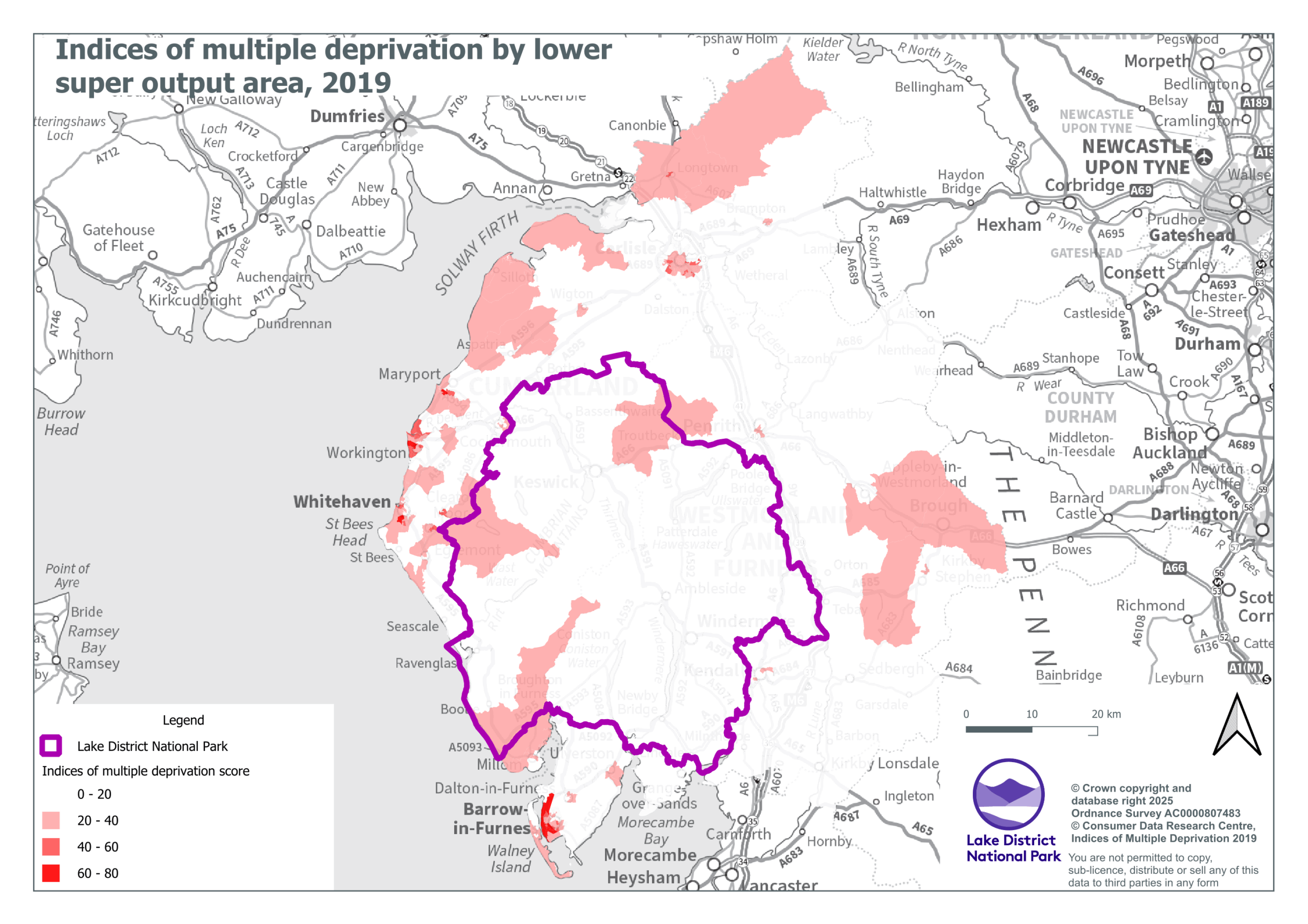
Map 2 illustrates the 2019 indices of multiple deprivation (IMD) – a measure of relative deprivation for small areas or neighbourhoods in England, identified by the Lower Super Output Area (LSOA) census boundaries. The IMD assesses multiple factors such as income, employment, health, education, crime, living environment, and barriers to housing and services. The first decile represents the most deprived areas, and the 10th decile represents the least deprived areas (the most affluent areas). For the purposes of this study, the IMD has been used to determine which areas could benefit the most from improvements in walking and cycling networks.
Figure 4 shows that the LDNP is an area with relatively low levels of deprivation. Larger settlements outside the LDNP experience higher levels of deprivation. Barrow-in-Furness experiences the highest level of deprivation in Cumbria, it falls within the 10% most deprived nationally for overall deprivation. It’s important to note that whilst some areas in the LDNP rank low on the indices of multiple deprivation, pockets of deprivation are found across the National Park. Increased property prices, exacerbated by the prevalence of second homes and holiday rentals and seasonal employment make it challenging for local residents to afford the high costs of living