
Woodland holly clearance at Haverthwaite Heights
Every December, the tradition of ‘decking the halls with boughs of holly’ celebrates one of Britain’s best-known winter evergreens. At Haverthwaite Heights, an ancient woodland in the south of the Lake District owned by the National Park Authority, holly has been doing exactly that – but a little too enthusiastically!
Spending time in these woods, it’s hard to miss the thick, spiny thickets that rise all around you and weave through the understorey, forming tangled, shadowed corridors where sunlight struggles to reach the woodland floor. Left unchecked, this dense growth can create a near-monoculture, leaving little room for other plants to thrive – including delicate woodland flora, lichens, and young saplings.
With funding from the Woodland Trust through DEFRA’s Species Survival Fund, the Lake District National Park Authority is working with K Anders Forestry Ltd to carefully thin the densest holly this December – helping the woodland regain light, diversity, and balance while keeping holly a thriving part of the woodland. Here’s why…
When holly takes over the halls: why does holly need to be managed?
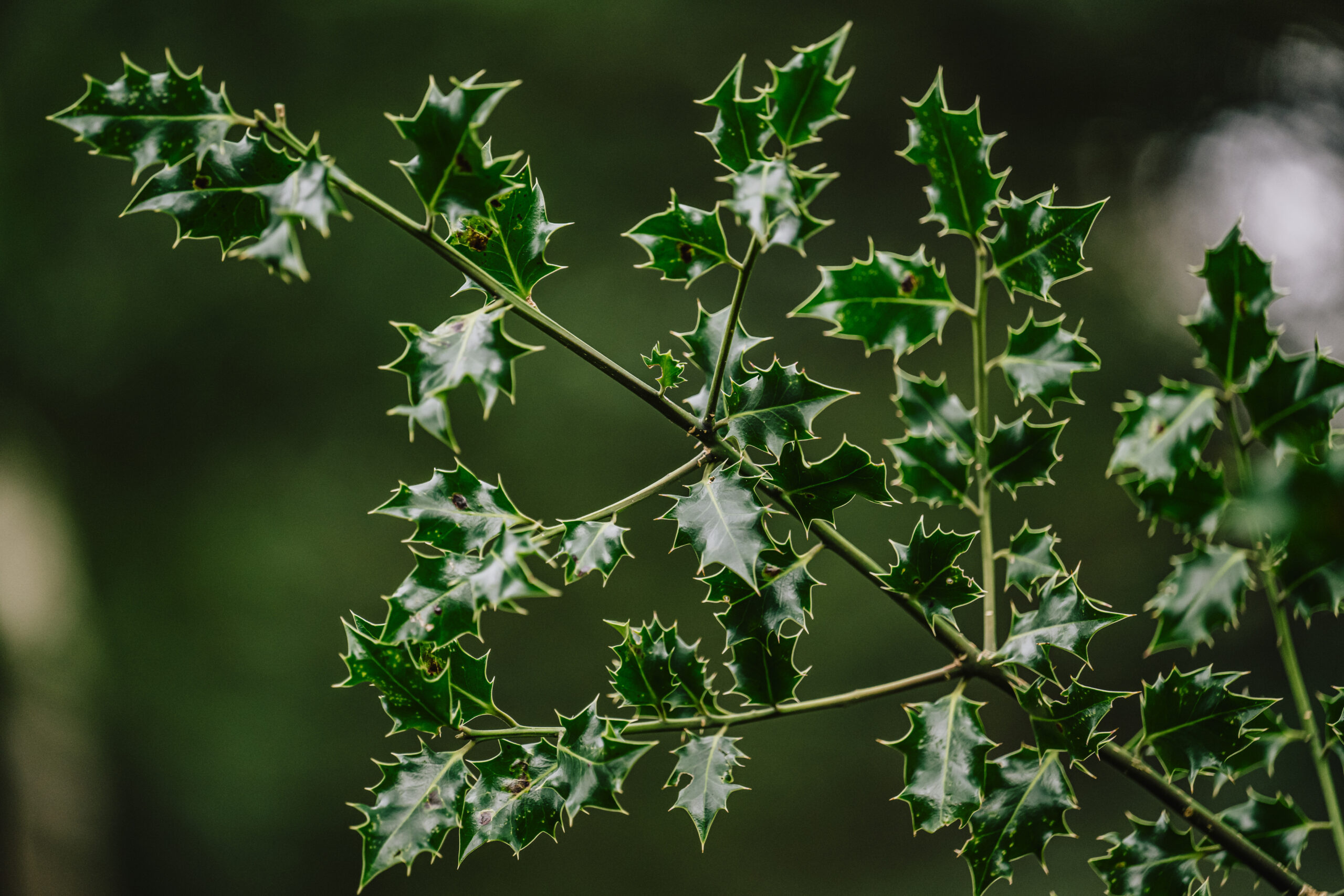
Beneath the towering oaks and slender birches of Haverthwaite Heights, holly – evergreen and shade-tolerant – plays a vital role in the woodland understorey.
- In winter, its bright red berries provide a lifeline for birds such as blackbirds, thrushes, redwings, and fieldfares.
- Its dense, spiny foliage offers year-round shelter for birds and small mammals – from hedgehogs to dormice – keeping them safe from predators and harsh weather when the deciduous trees have shed their leaves.
- Come summer, holly bursts into tiny, creamy-white flowers, serving up a hidden banquet of nectar for wild bees, hoverflies, and other pollinating insects.
In short, while holly is valuable, too much of it can reduce diversity and slow the woodland’s natural regeneration, which is why thoughtful management is sometimes needed to ensure holly continues to thrive while also letting the rest of the woodland flourish.
Why does this winter’s holly management matter?
Thinning the holly will bring a cascade of benefits, from the woodland floor all the way to the canopy:
More light to the woodland floor
The canopy will be opened up just enough to let early-spring sunshine reach the ground – encouraging carpets of bluebells, wood sorrel, violets and other woodland flora.
Revival of lichens, mosses, and potentially some rainforest specialists
At the bases of trees, light, airflow, and humidity will be increased, giving moisture-loving bryophytes (mosses and liverworts) and lichens a chance to recolonise. Dense holly can grow right against tree bases, shading the bark and sometimes rubbing it, which can limit growth and reduce the surfaces available for corticolous lichens (those that grow on tree bark).
Encouragement of natural regeneration
Saplings of oak, birch, hazel, and rowan will be encouraged more than ever to establish and grow, helping to build further a resilient, mixed-age, mixed-species woodland.
Greater structural diversity
The understorey will be transformed from a flat, uniform layer into a rich, multi-level woodland – from ground flora to shrubs, young trees, and up to the canopy. This structural diversity supports greater biodiversity – from invertebrates to birds to mammals.
Holly at Christmas
Every December, holly bursts into our homes, its bright green leaves and red berries appearing on wreaths and Christmas puds. Holly has long been rooted in our culture – sacred to Druids and pagans, a symbol of protection and resilience in the darkest months, and valued in Christian tradition. In parts of Cumbria, “Holly Night” or “Twelfth Night” celebrations would see villagers parading holly with torches, honouring its evergreen strength through the depths of winter.
In the woods, holly is a living, year-round presence. But even the most cherished evergreen benefits from balance. This winter, by carefully thinning the densest patches at Haverthwaite Heights, we’re letting light, air, and space return to the understorey.
Return in spring and we hope that you’ll discover a woodland transformed: carpets of bluebells and other ancient woodland specialists, young saplings pushing through the understorey, and lichens ready to take hold on newly freed and sunlit trunks. Ample holly will remain, proud and evergreen, but now sharing space with a richer, more balanced woodland structure.
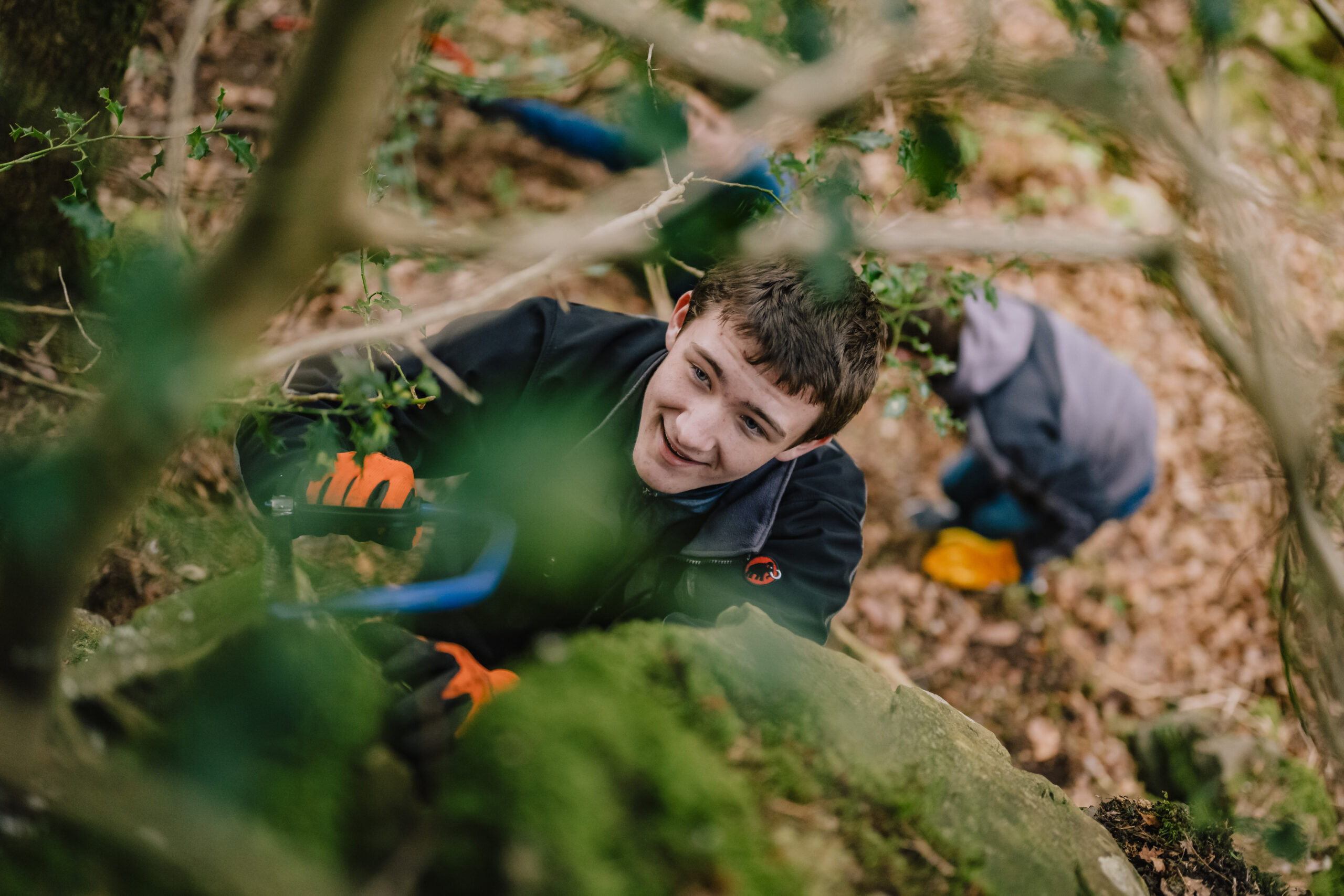
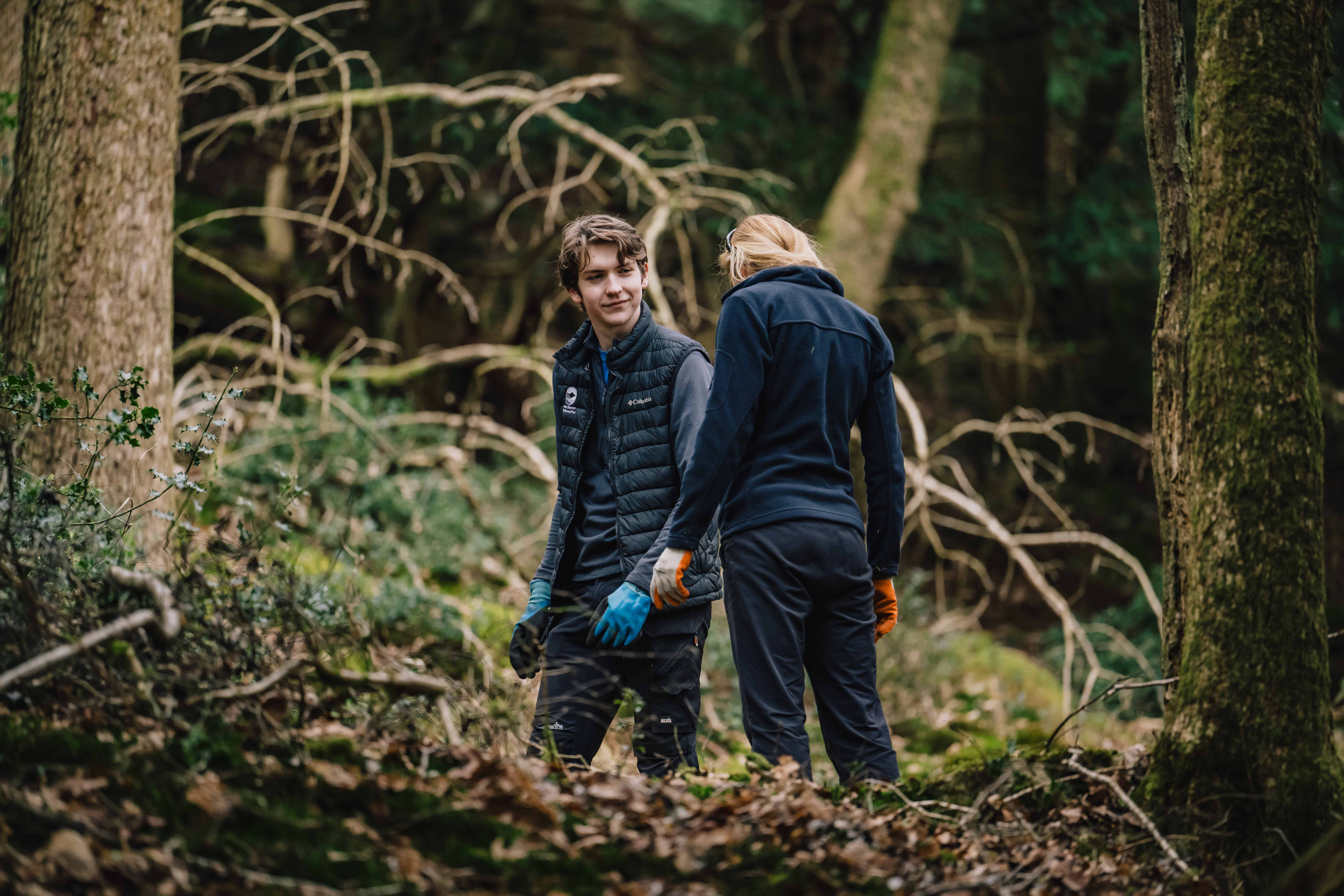
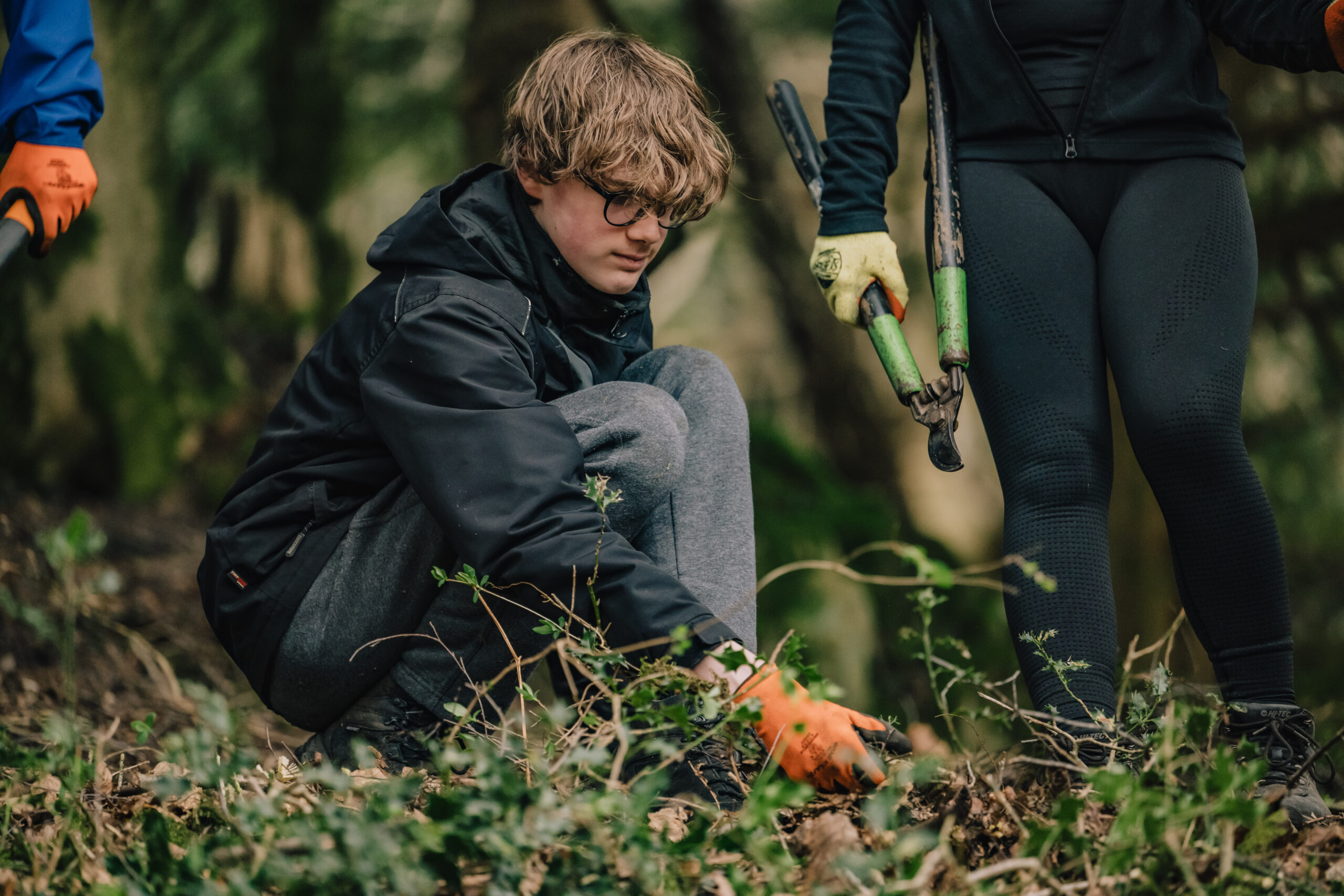
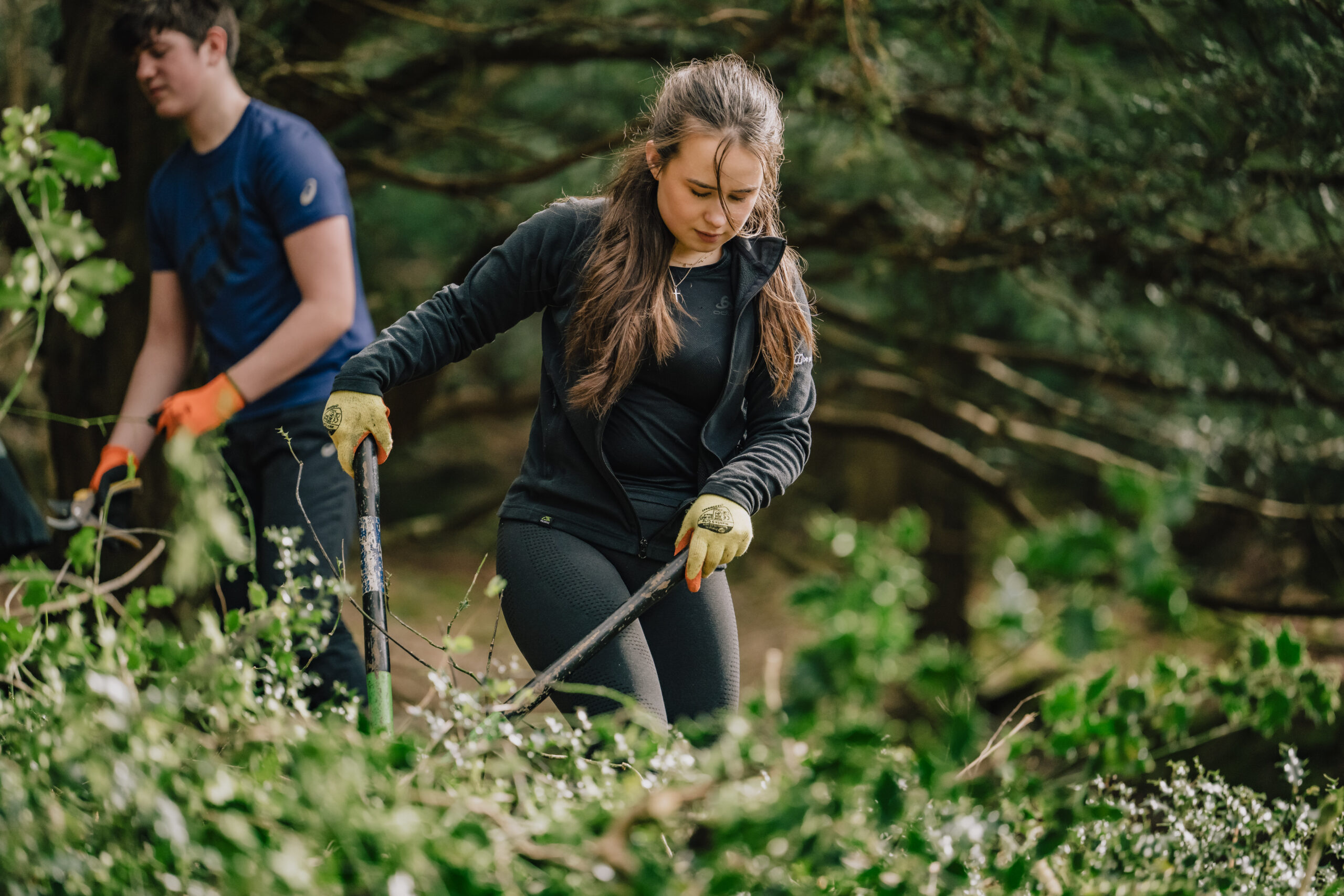
Young Rangers holly clearing at Haverthwaite Heights