

Measuring the carbon footprint of the Lake District
Local carbon footprinting experts, Small World Consulting, have calculated the carbon emissions of the National Park. The study revealed the Lake District is annually responsible for emitting 3.1 million tonnes of carbon dioxide and other greenhouse gases.
Action to reduce emissions
Our target is to reduce emissions by one per cent a year, in line with national statutory carbon budgets established in the in the 2008 Climate Change Act.
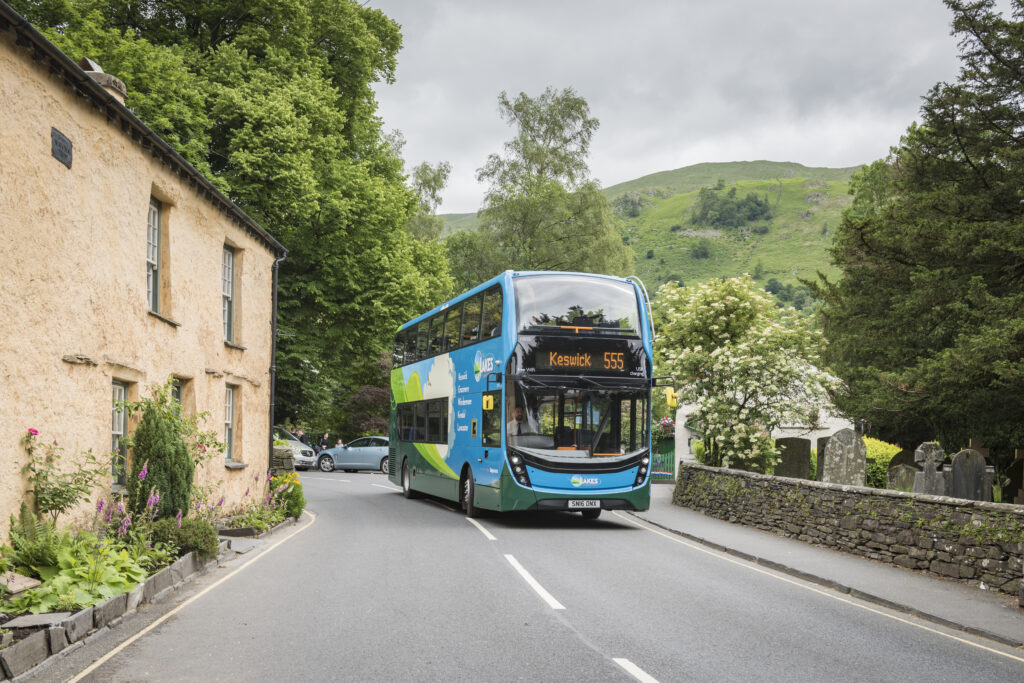
The Partnership’s Climate Change Group have drawn up a Carbon Budget Action Plan (2019-20), which can be seen above, to reduce emissions. The latest report shows the two areas which offer the greatest opportunity to significantly reduce emissions in the Lake District are the transport sector, particularly visitor transport, and the accommodation, food and drink sector.
Other projects include:
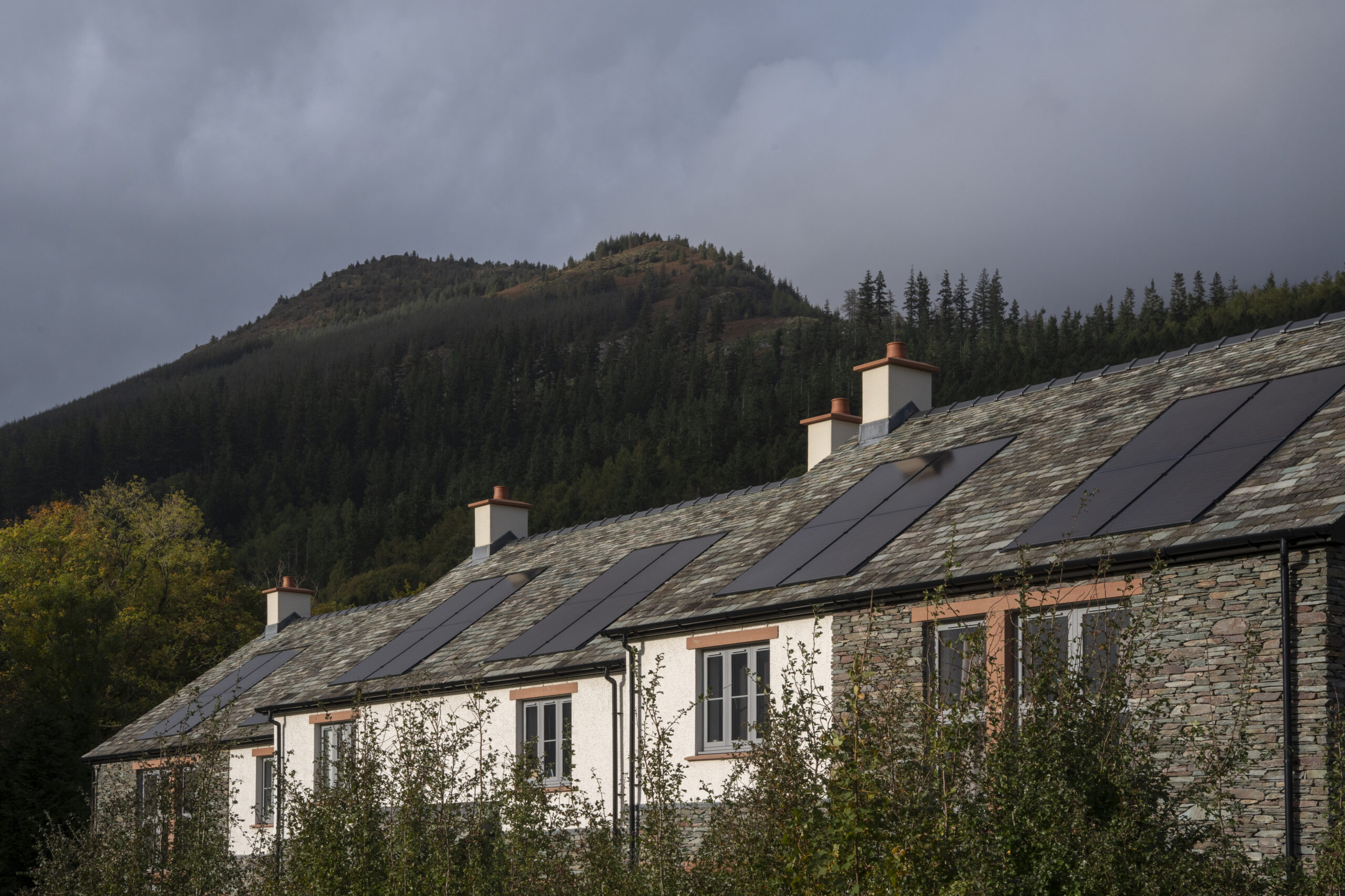
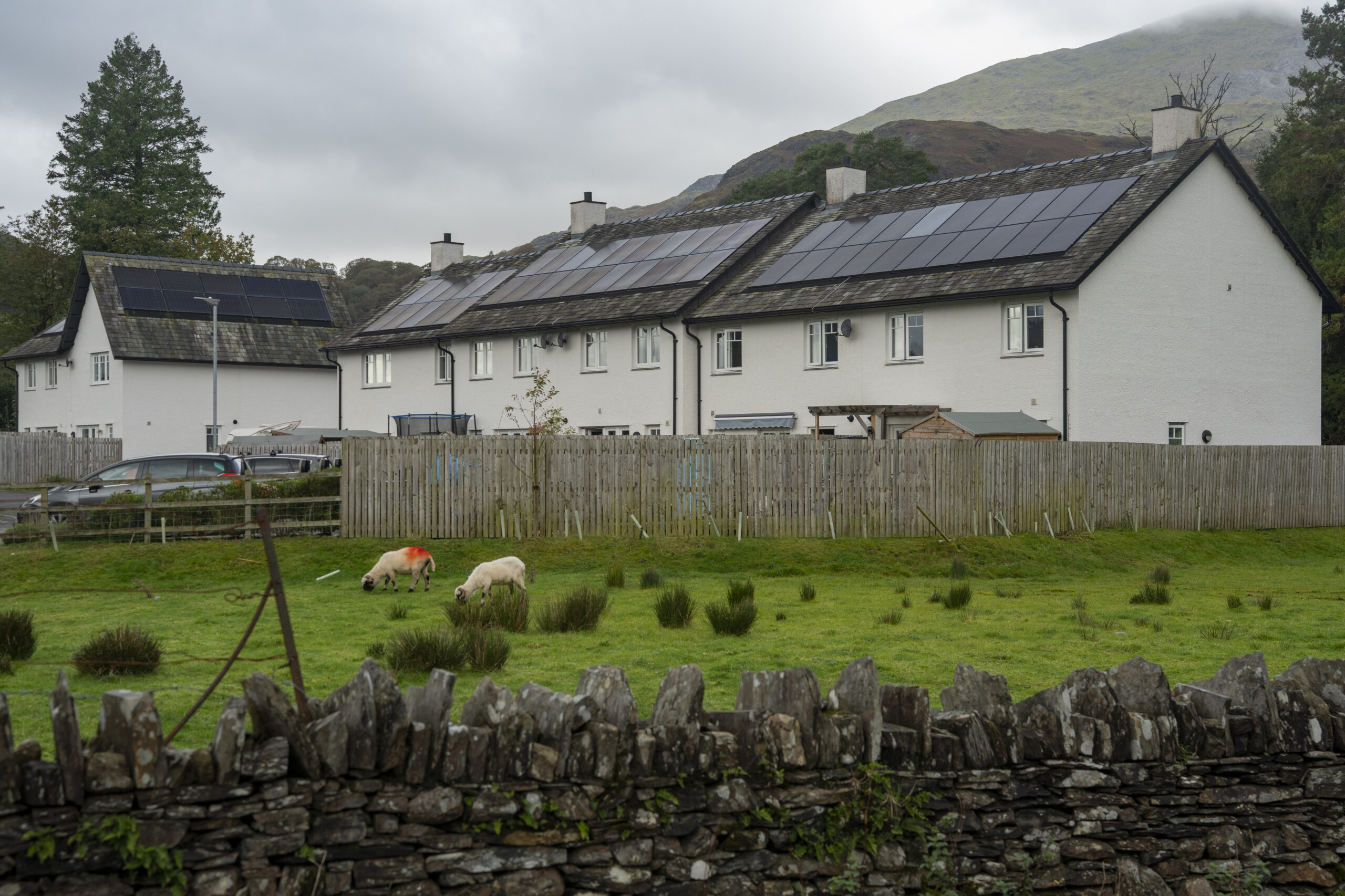
- Support to local communities to develop energy projects
- Installation of new hydro electric schemes
- Support to local businesses to improve efficiency and develop new solutions for industry through innovation, and
- Peatland restoration work.
The plan is overseen by the full Lake District National Park Partnership. It forms part of the management plan for the National Park, the Partnership Plan.
It is part of the Low-carbon Lake District initiative, an area-wide strategy to tackle climate change.
How are we doing?
We report progress against our action plan. Our target is to reduce emissions by one per cent a year, through an annual monitoring audit of carbon saving actions in the National Park, including the actions in the Action Plan.
An independent review of carbon savings was carried out in 2017. This identified measurable carbon savings of approximately 94,000 tonnes of CO2. The full details are available in our ‘Carbon budget review and progress 2017 report PDF below.
For the first time, in 2013, we looked in detail at the carbon savings from renewable energy in the Lake District. There were over a thousand renewable energy installations, saving about 19000 tonnes of carbon. See the summary of research in the Renewable energy in the Lake District 2014 report PDF.
Previous reports
Working with other local areas
As the first of its kind, the Carbon Budget has attracted considerable interest, with West Sussex and Greater Manchester adopting a similar approach.
In 2012 we gave written oral evidence to the House of Commons Energy and Climate Change Select Committee. We are cited in their Consumption-Based Emissions report.