
What are we wanting to achieve for nature from the plan?
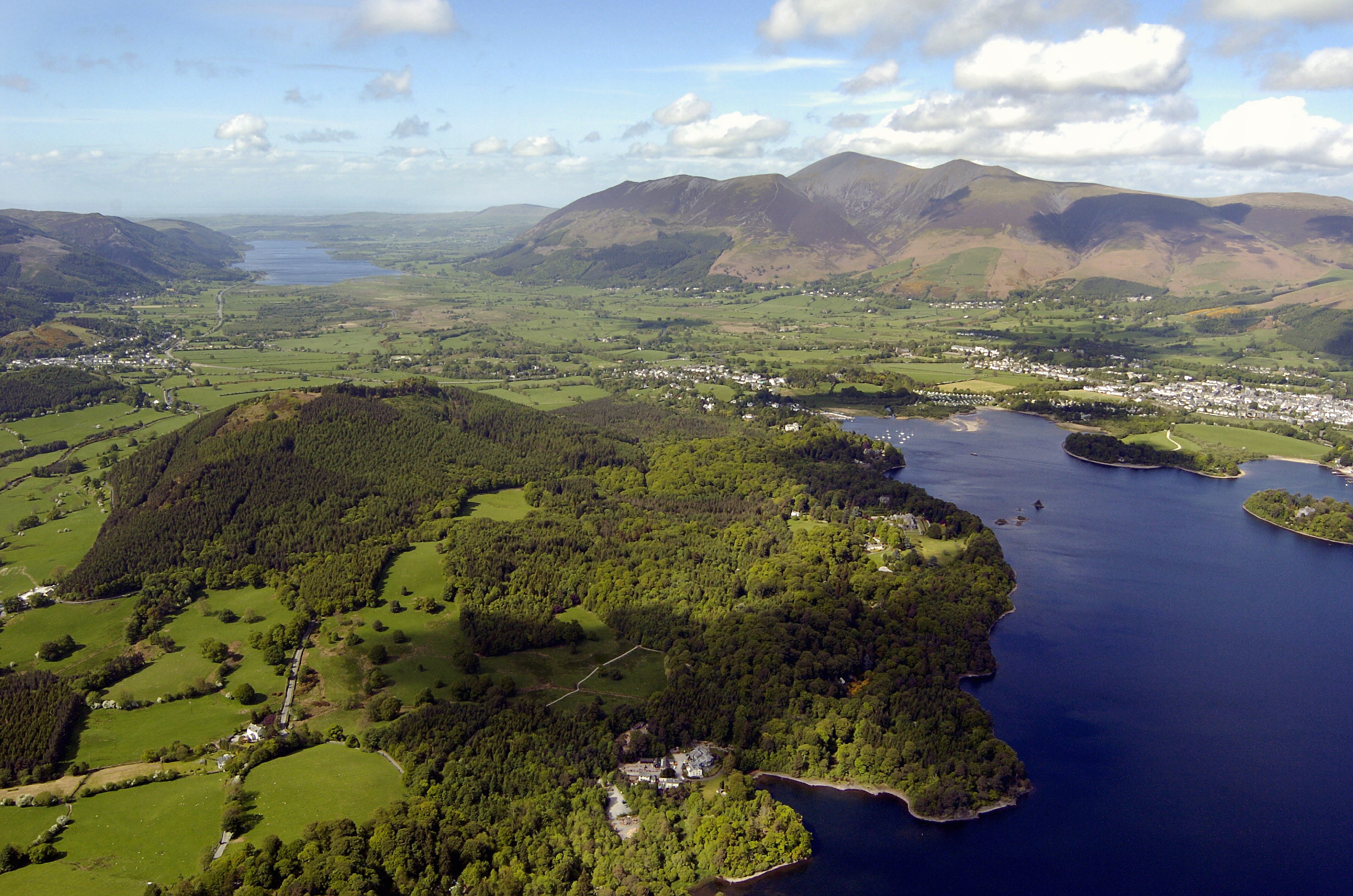
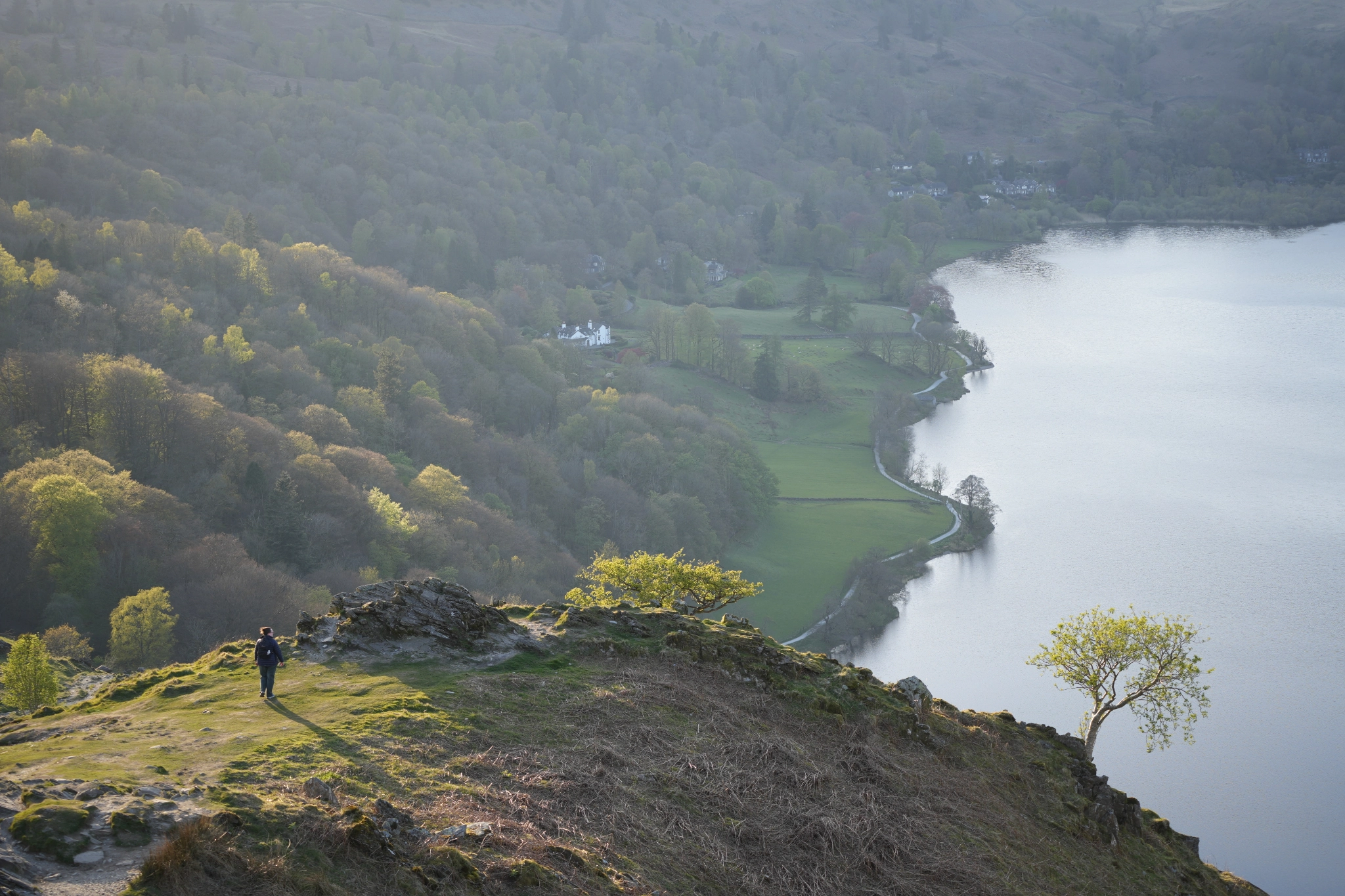
Our vision for nature is a National Park full of thriving nature and functioning ecosystems renowned for their intrinsic value that provide wellbeing for people who live and visit. People will know the moment they step across the National Park boundary, the landscape inside will look and feel visibly richer in nature.
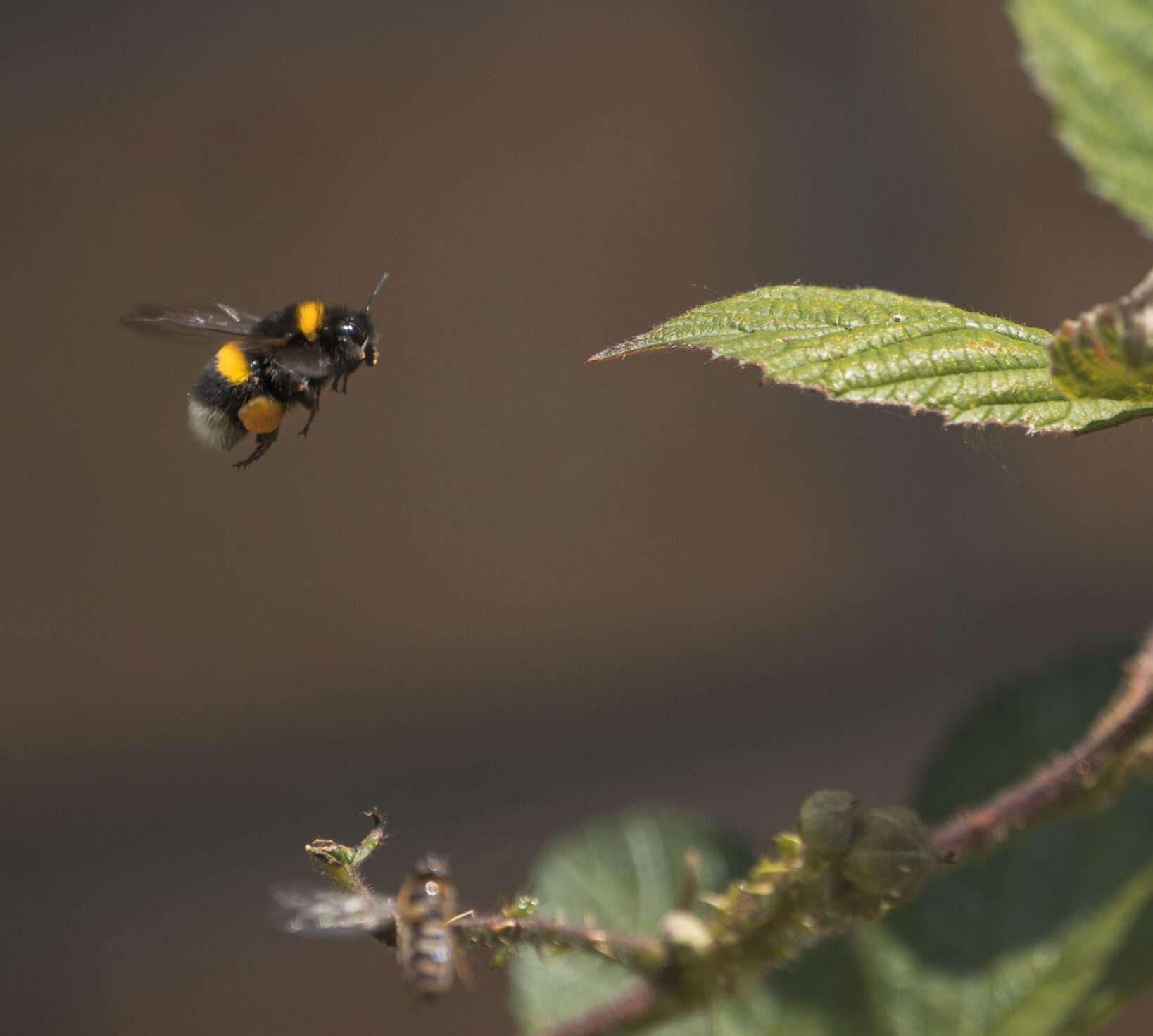
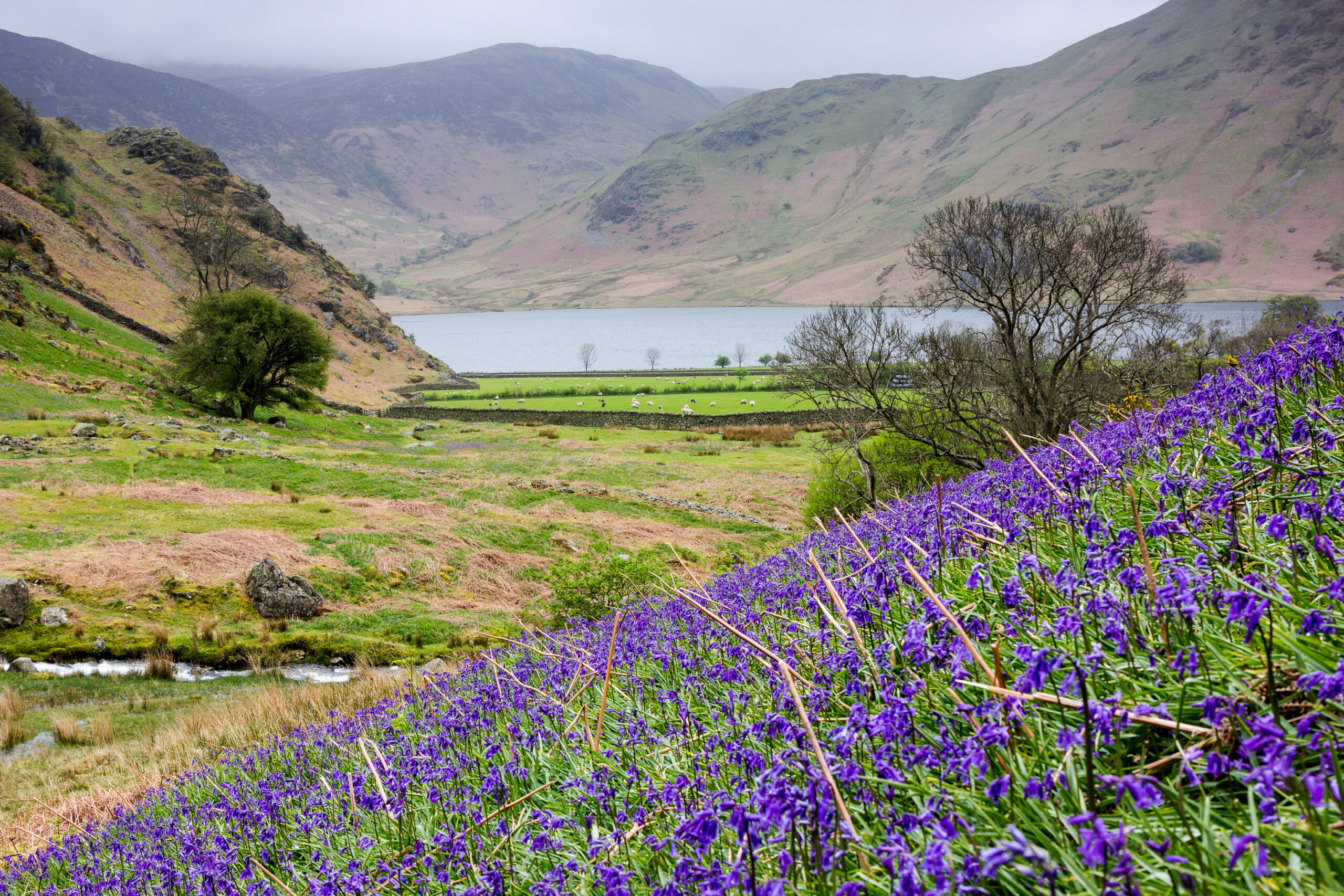
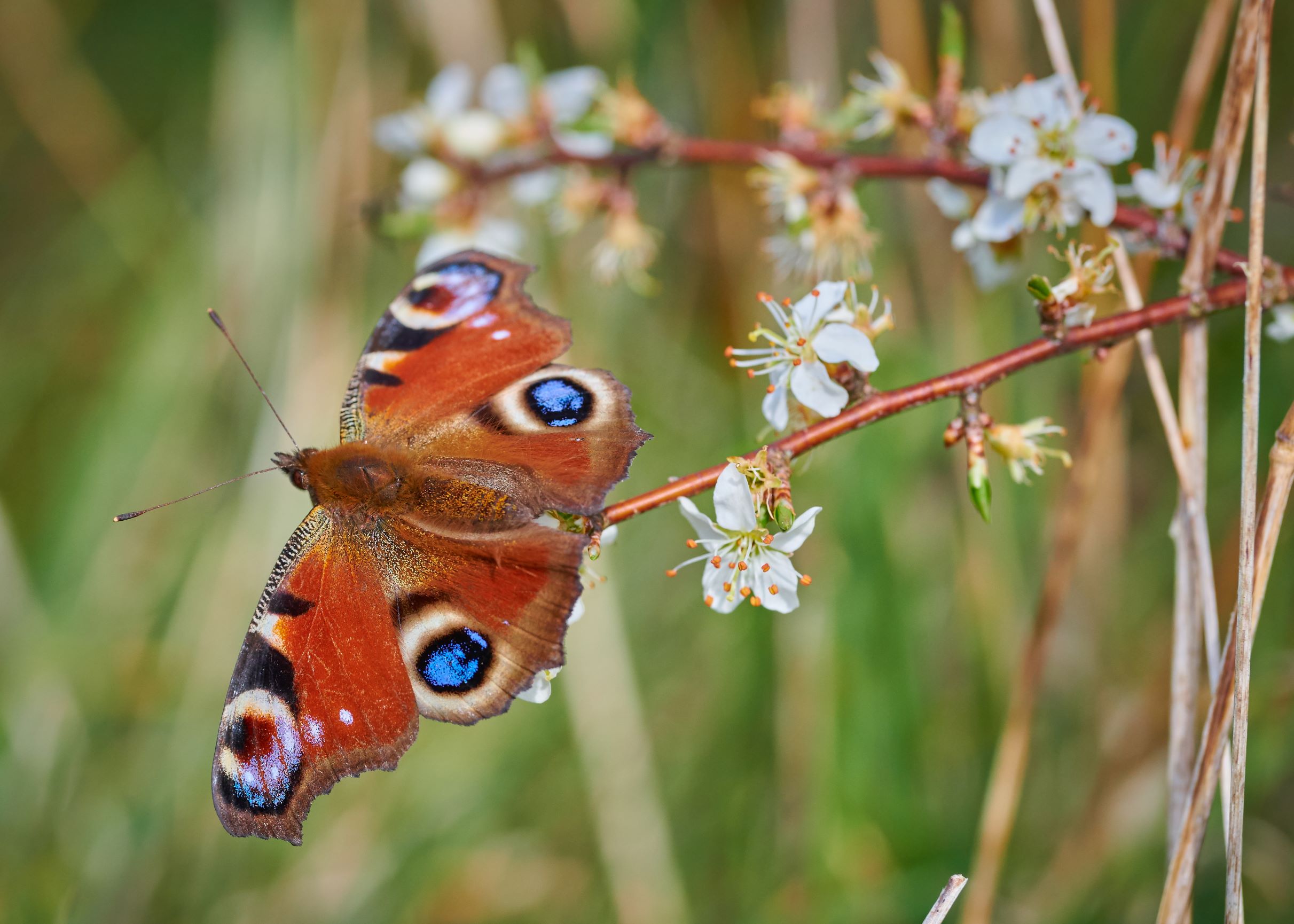
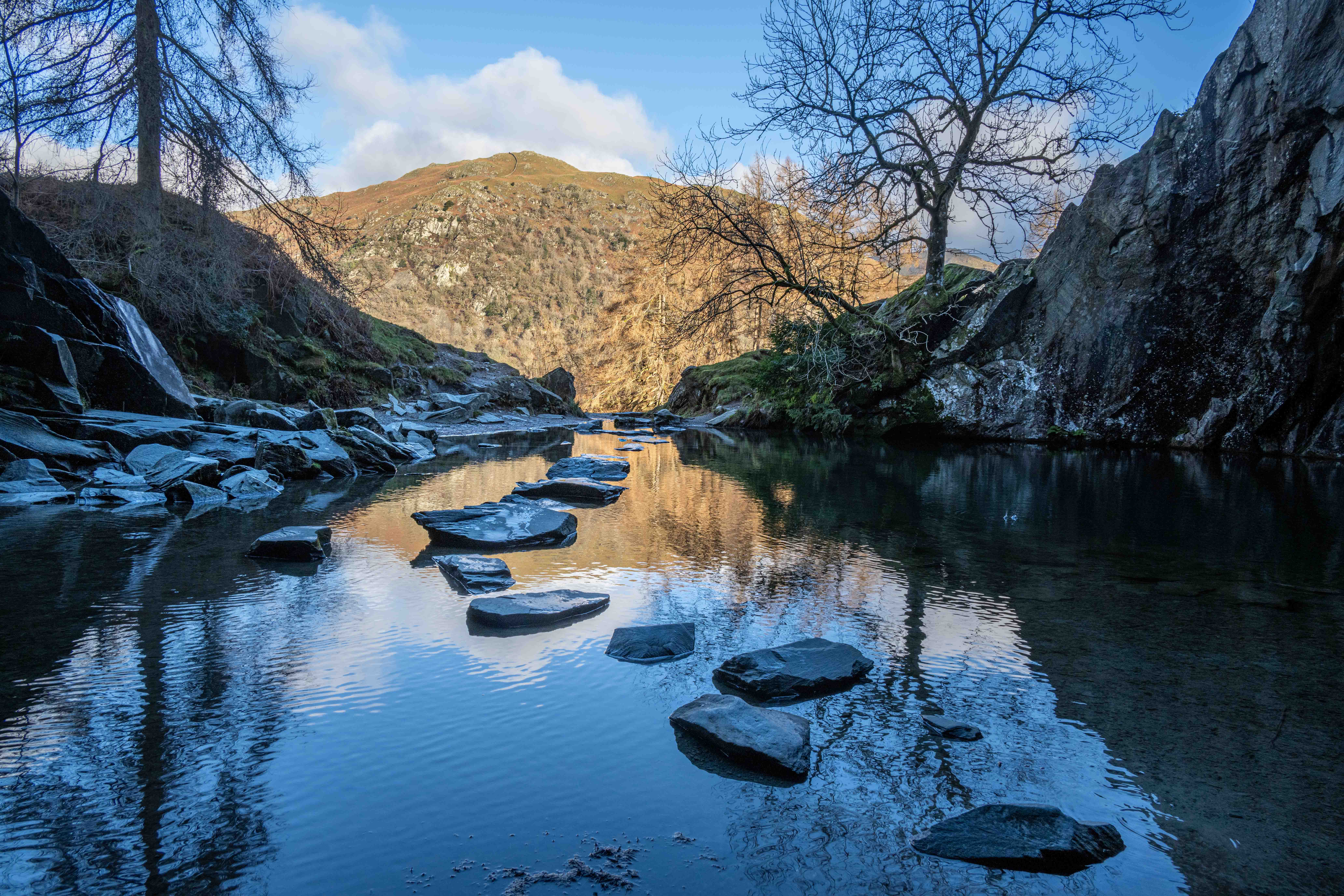
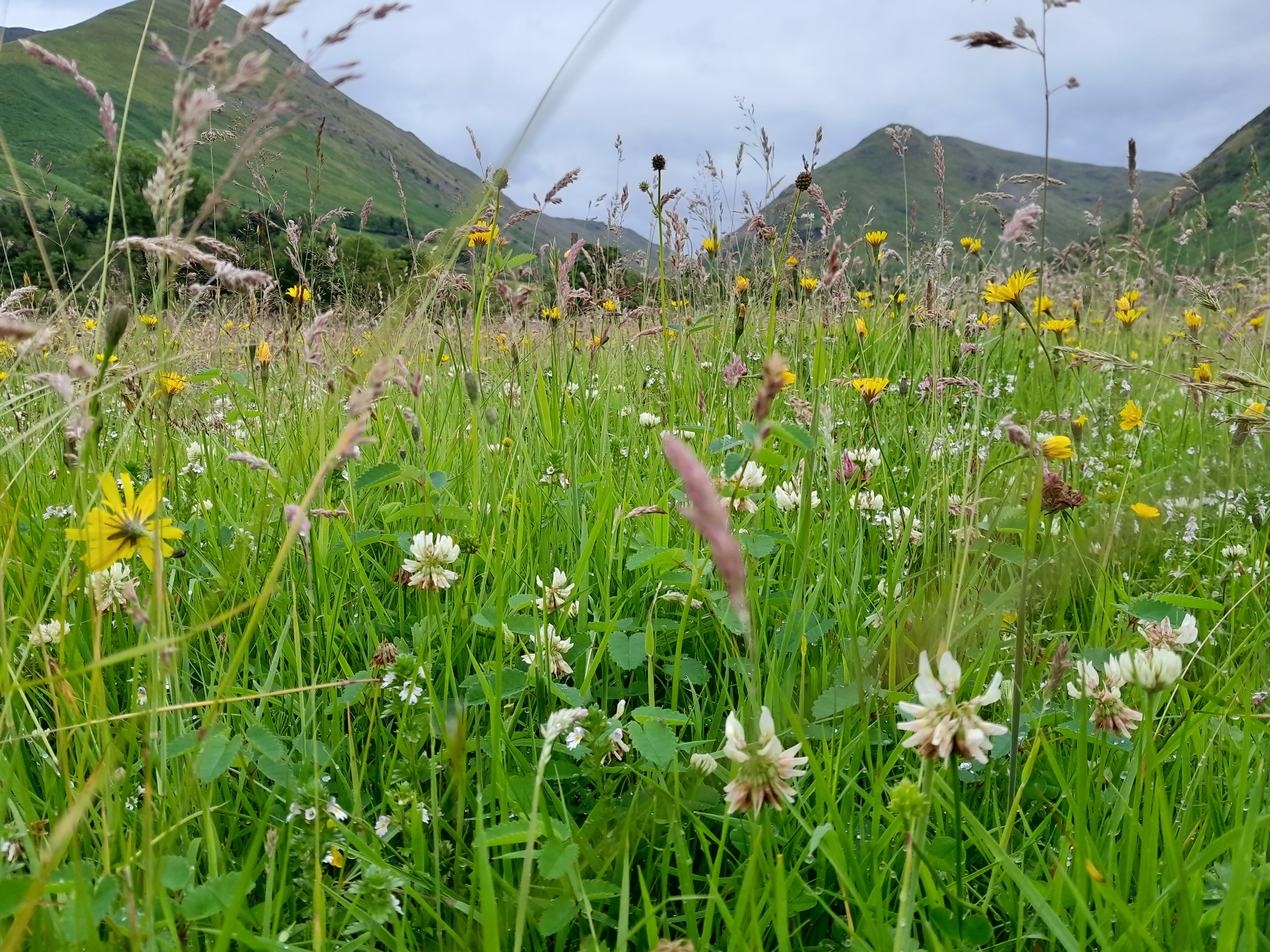
The air will be alive with buzzing insects and scented with wildflower rich hay meadows. Salmon will spawn in the natural gravel beds of tree-lined rivers, following their natural course, while the crystal-clear lake water entices bathers to take a dip.
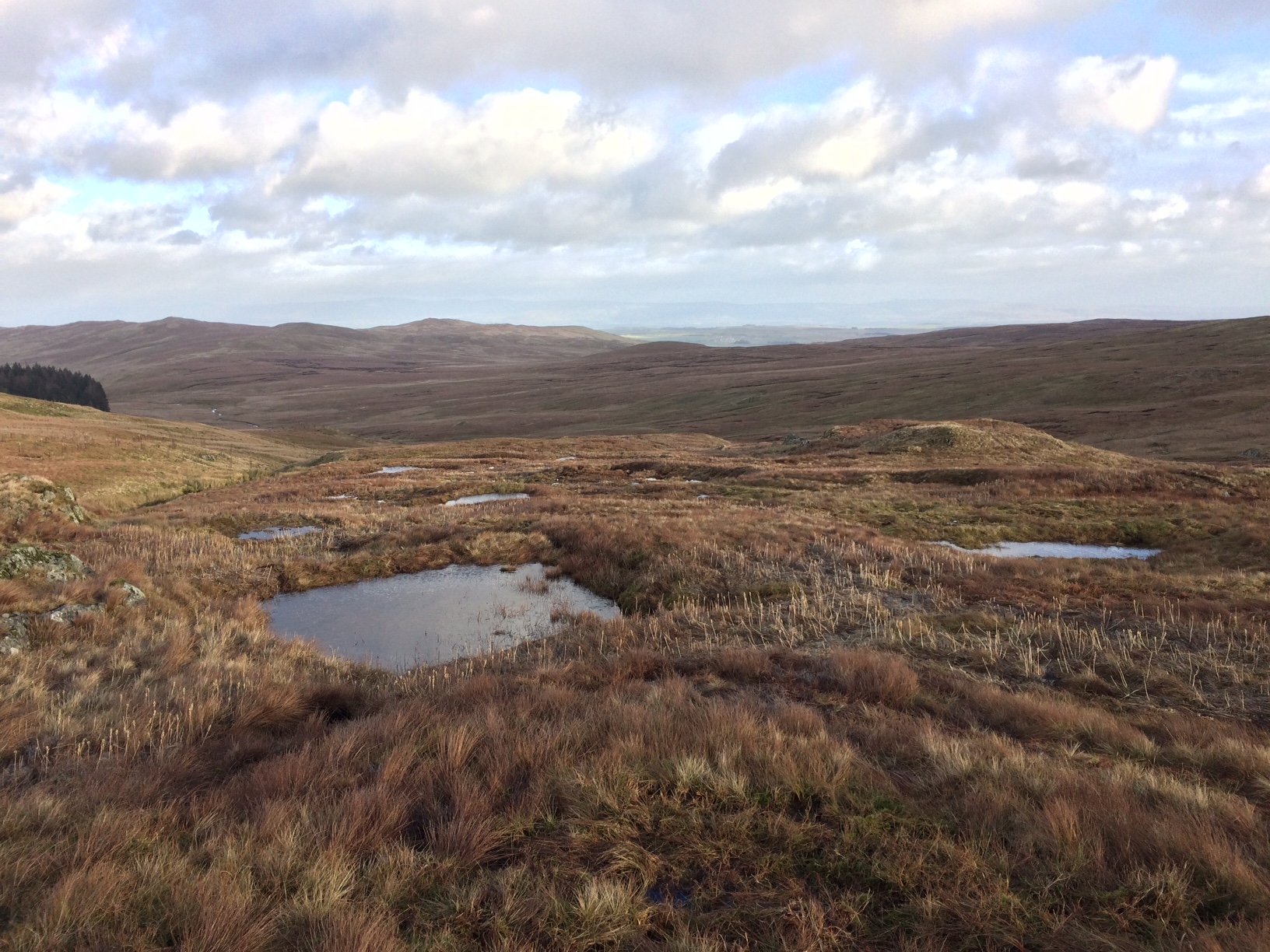
Peatlands will be restored to active carbon sinks, thronging with waders between tufts of cotton grass and sphagnum mosses, while ancient woodlands will be expanded and reconnected.
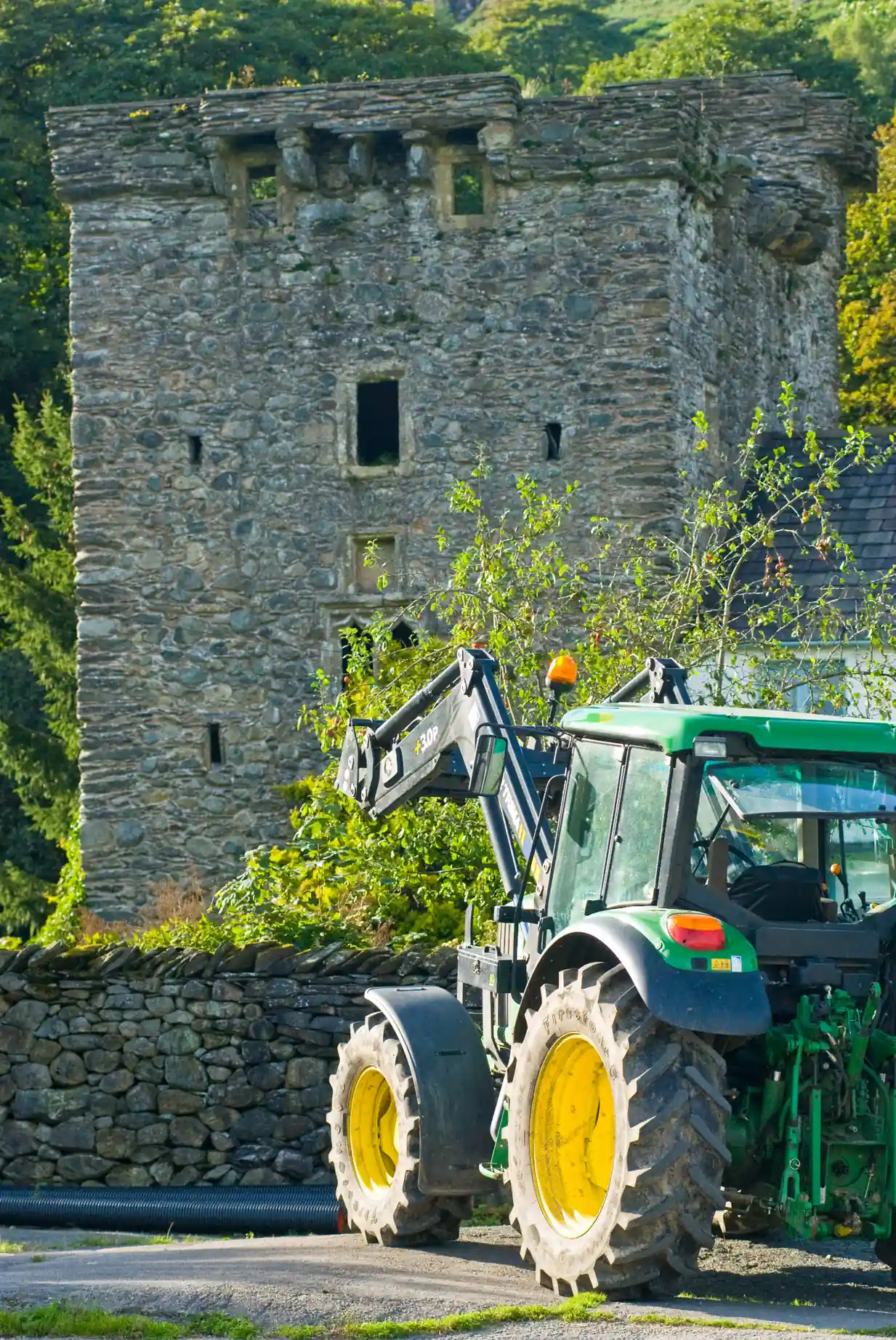
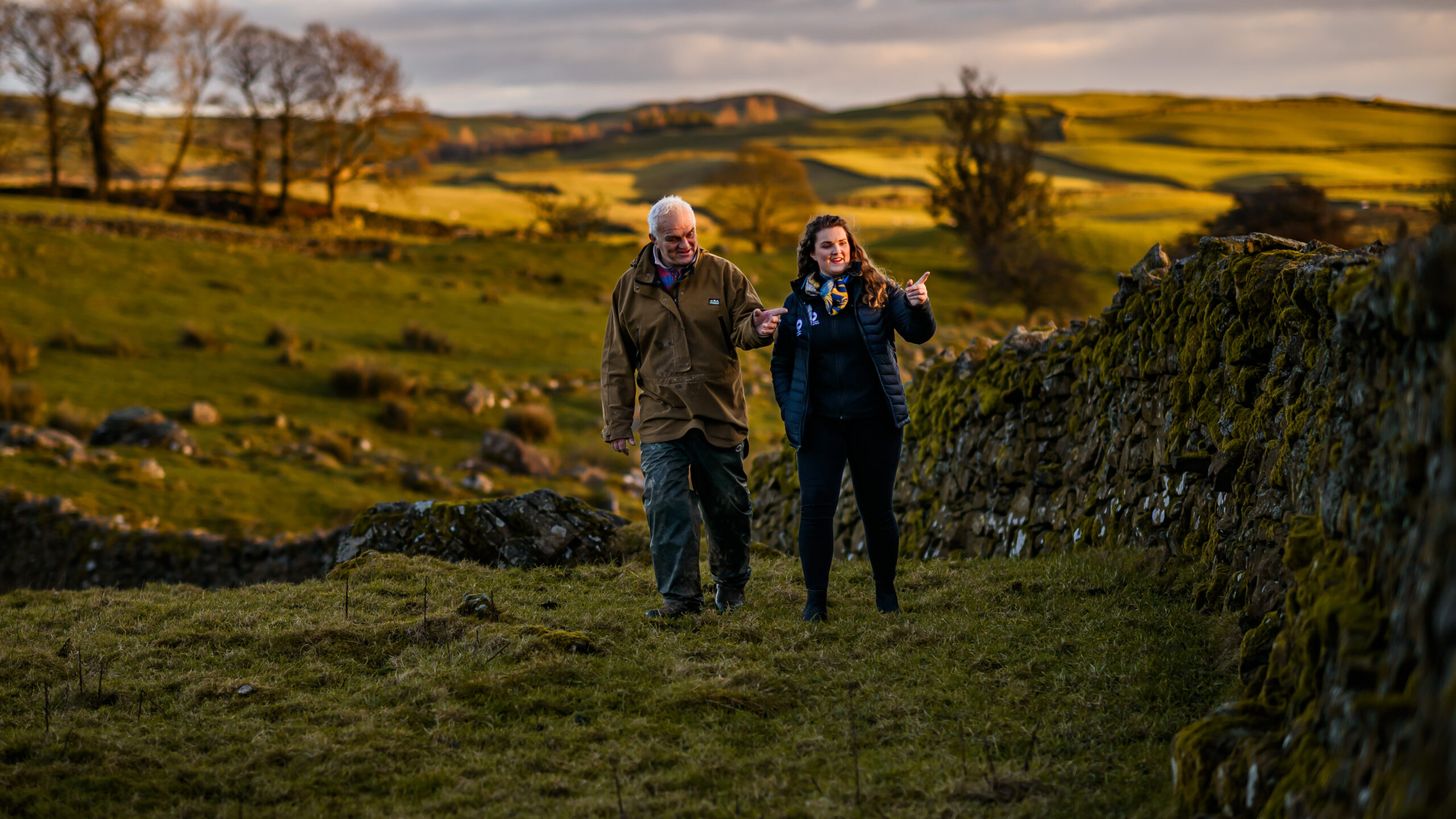
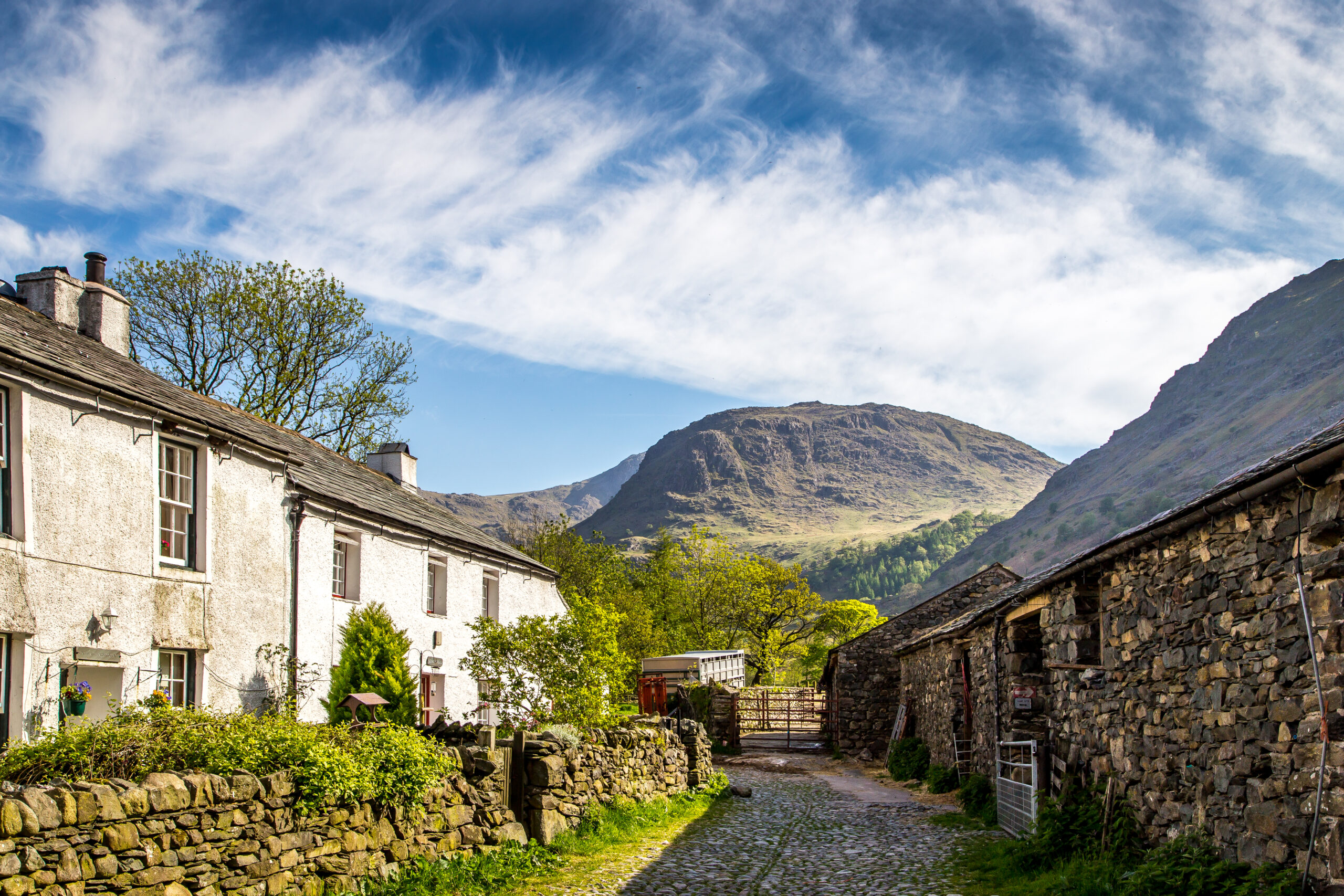
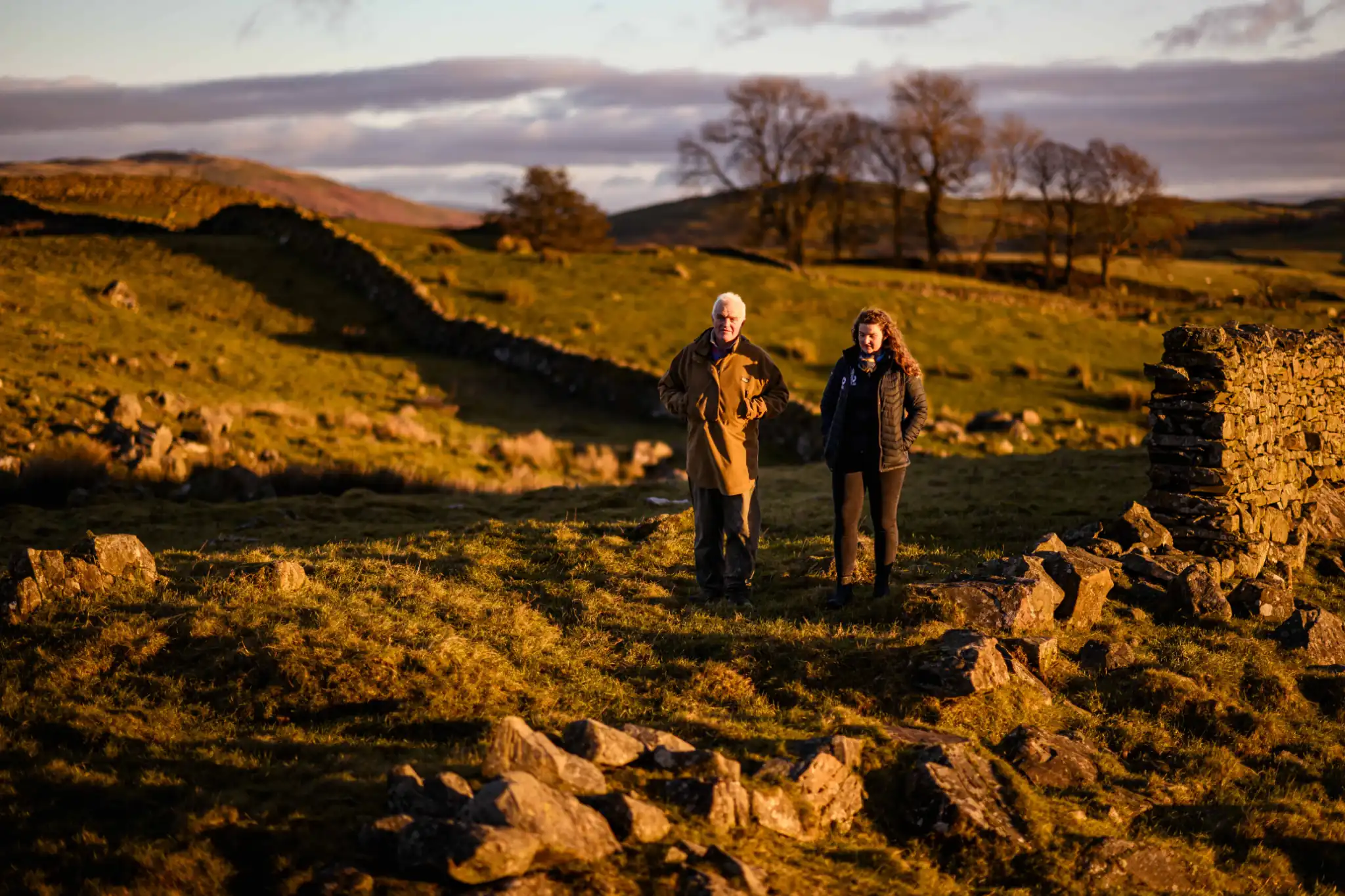
Thriving family farms, underpinned by sustainable soils will weave nature and cultural heritage together, blurring boundaries between different land uses to connect communities and habitats, allowing species to move and expand, so wildlife richness is not confined to a few select sites but becomes the norm.
Nature Recovery Plan
Download and read our Lake District National Park Recovery Plan below.
Central to the 2030 vision
- Restoration of SSSIs to a favourable condition. These nationally important sites cover nearly a quarter of the Park and are legally protected for nature. Managed well, they are vital reservoirs out of which priority habitats and species can expand.
- Established core nature recovery areas to deliver 30 x 30 across wider landscape. Areas of land managed for multiple benefits, with clear, long-term focus on and commitment to restoration of natural processes, species and habitats on a landscape scale, following Lawton Principles of ‘more, bigger, better’ and more connected.
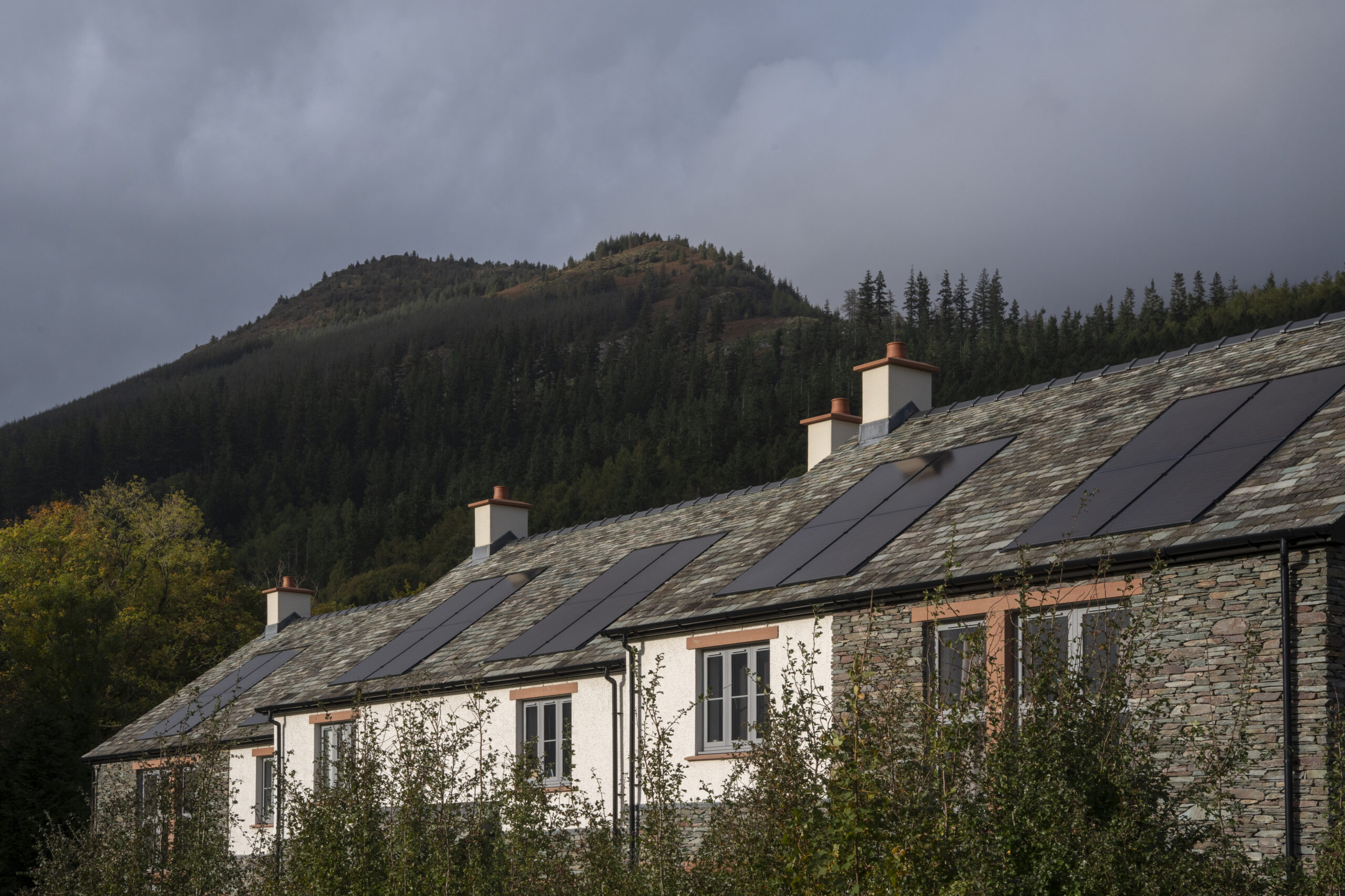
- Integration of nature through everyday land management/activities across the Park as a whole, from swift bricks and sustainable housing design, to flower-rich roadside verges, restored hedgerows and scruffy field margins, we will use tools such as the Farming in Protected Landscapes programme and the Lake District Design Code pilot to champion a nature-positive approach.
By 2030 we will deliver
- 30%+ of Lake District National Park managed as core areas for nature recovery
- 95% of SSSIs will be in recovering condition
- 100% of SSSIs in favourable management
- 75% of waterbodies at/above Water Framework Directive good ecological status
- 209 hectares of annual woodland creation
- 1000 hectares of annual peatland restoration works
We will do this by:
- Working with individual farms, farm clusters, community farming initiatives to increase understanding of options for nature and climate recovery and identifying and cocreating farming-led nature recovery schemes at local and landscape scale.
- Supporting partners in their nature recovery endeavours.
- Championing and resourcing the recovery of priority and or protected habitats and species across the Lake District through restoration schemes. This will include their long-term protection and management.
- Delivering targets for woodland creation and restoration schemes in line with the Partnership’s tree planting/woodland creation plans.
- Delivering targets for peatland restoration in places such as Rusland Moss National Nature Reserve, Caldbeck Common and Barf Common.
- Delivering targets for improving water environment by taking a catchment-based approach to restoring natural processes by delivering river restoration, water quality improvements and habitat enhancement.
- Pursuing restoration and reintroduction of key species.
- Establishing a system to assess condition and extent of all priority habitats in the National Park and a means of properly selecting County Wildlife Sites.
- Supporting delivery of four community-led land management initiatives to increase nature recovery, climate recovery and maintain cultural heritage.
- Linking nature with other nearby protected landscapes, as well as other important habitats and nature areas outside of the National Park, making the Lake District’s wildlife-rich sites part of a nationwide Nature Recovery Network.
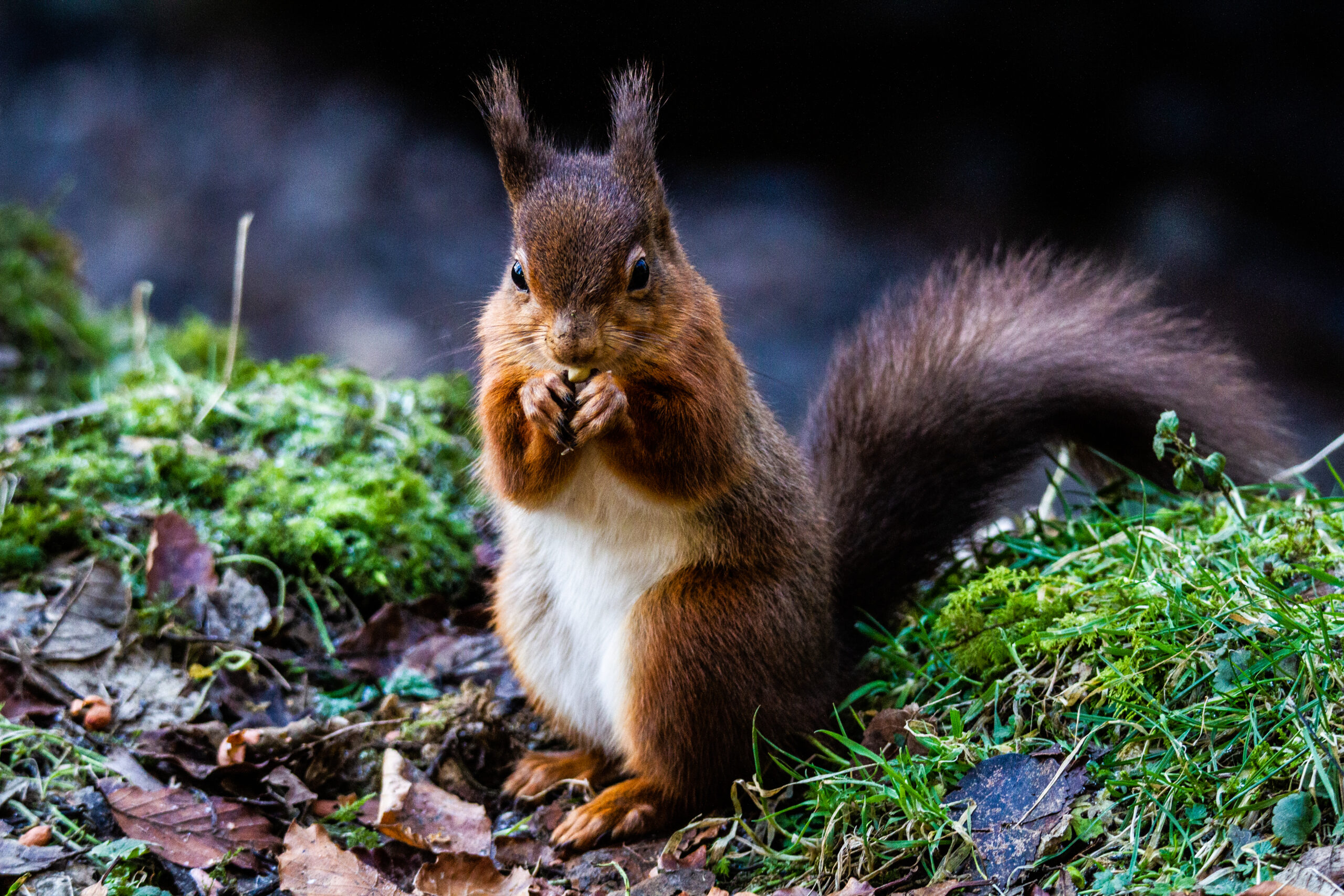

Habitats and species recovery
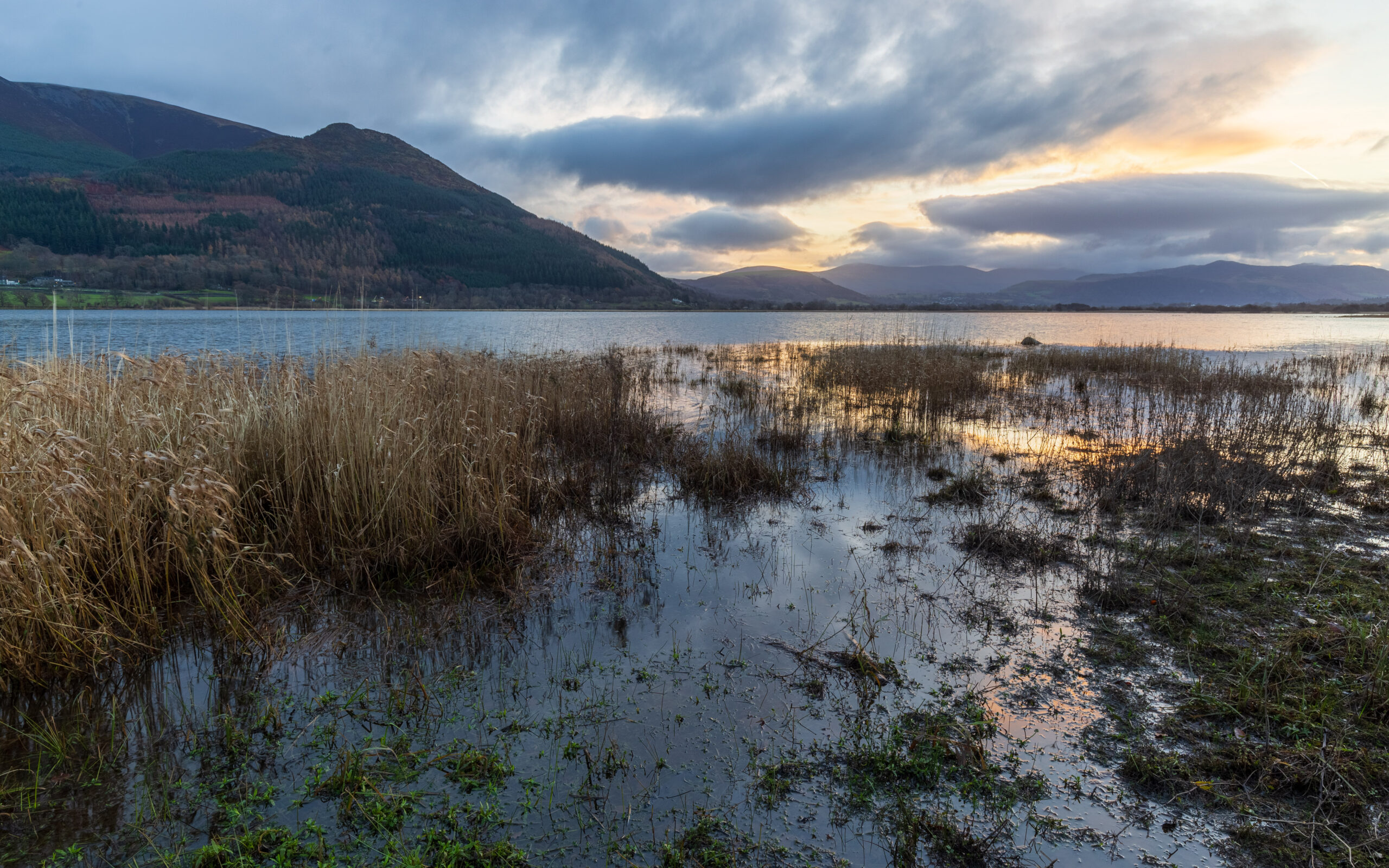
Key habitat types we wish to improve and opportunities for new habitat and connectivity between them include grasslands, wetlands, peatlands, coastal flats, woodlands, lowland heath, fells, lakes, rivers, tarns, limestone and farmland. We will prioritise according to the local nature recovery strategy species lists.
Image credit: AdeGidneyPhotography
Our contribution to 30 x 30
In line with UK’s commitment to protect 30% of the UK land and sea for nature’s recovery by 2030 (30X30), our plan includes work within the Park’s SSSIs, National Nature Reserves, Special Protection Areas, Special Areas of Conservation and farming land, and lists out key initiatives, from farming-led projects to land recovery.
What is happening now?
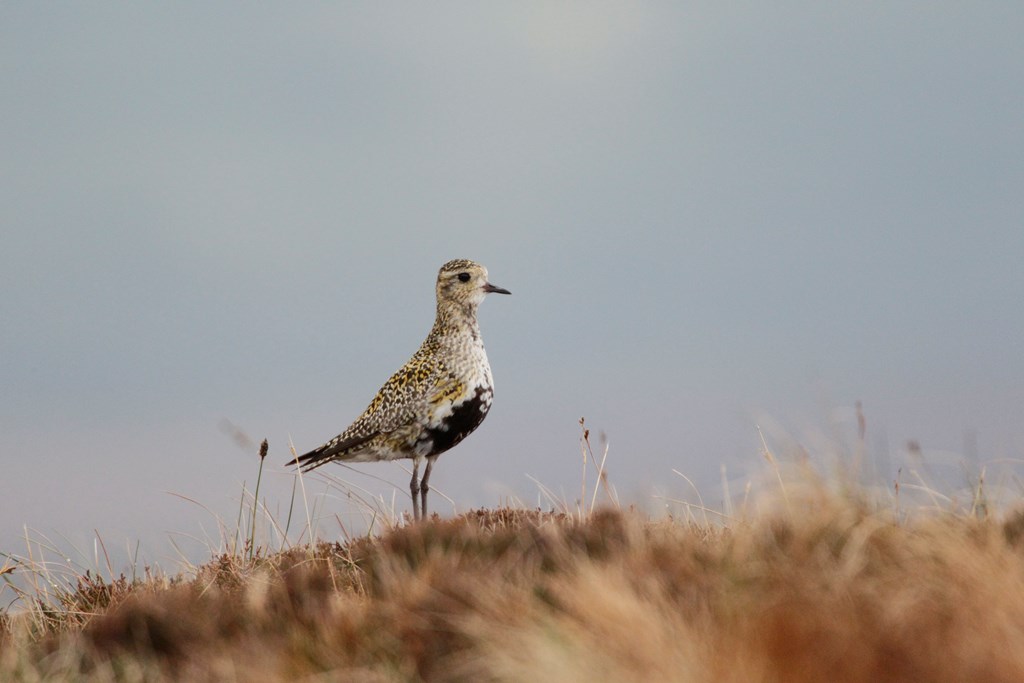
The Partnership has identified opportunities to deliver nature recovery between now and 2030. High level priorities and ambition for the National Park include landscape recovery pilot projects, the pine marten project, and the reconnecting Cumbria endangered landscapes programme.
Image credit: Andy Hay, RSPB images
Targets for 2030
2030 targets will see 10% of the Park managed as core areas for nature, 81% of SSSIs in recovering condition, 75% of waterbodies at or over the Water Framework Directive ‘good’ ecological state by 2027, 209 hectares of annual woodland creation and 1000 hectares of annual peatland restoration works completed.
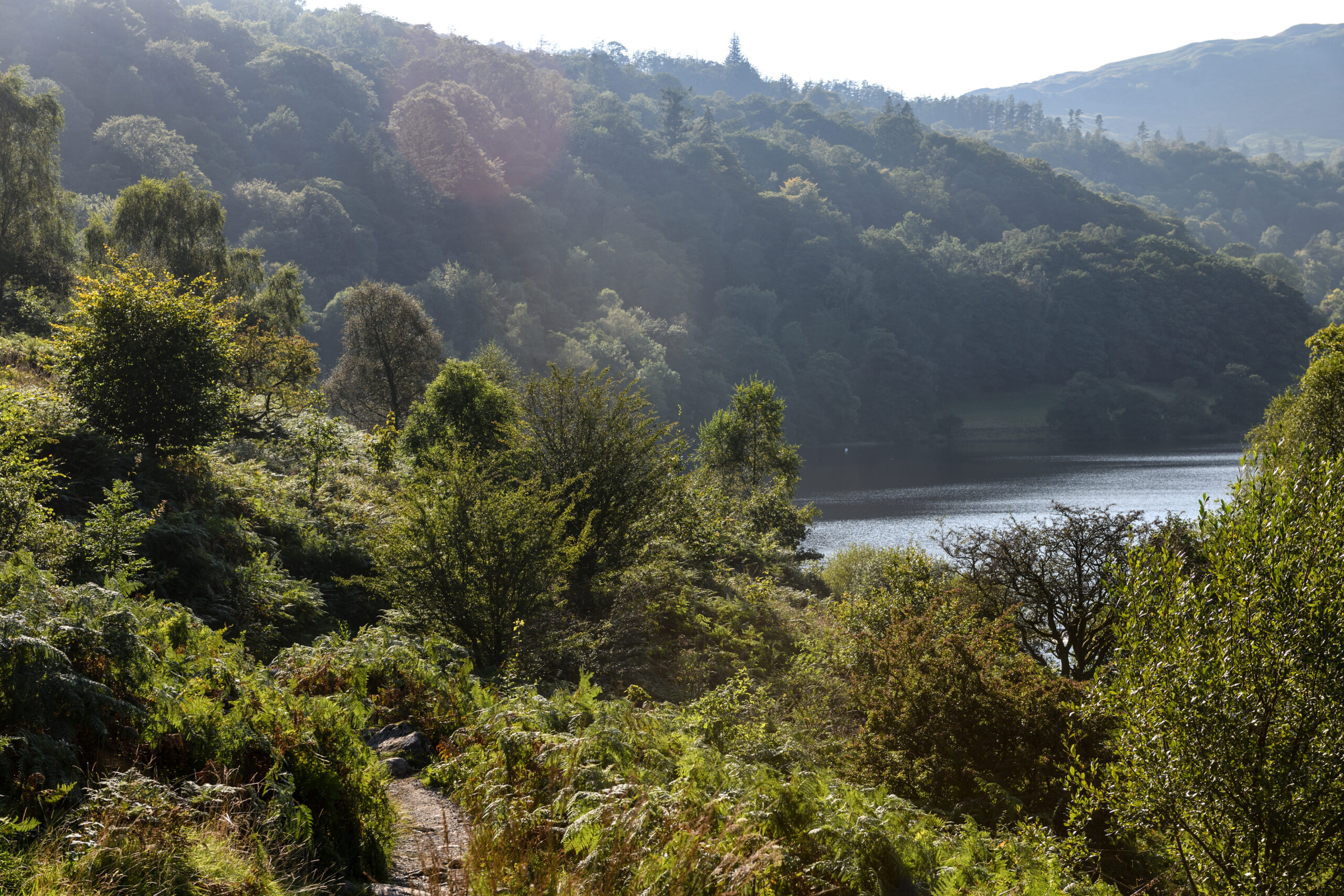
Image credit: Cumbria Wildlife Trust
Action plan
From working on core nature recovery areas and priority habitats, including woodland regeneration, to habitat connectivity opportunities that link protected sites and core nature recovery areas, our actions will enable targets and ambitions to be realised.
Monitoring
The Lake District National Park Partnership will develop a monitoring approach that will work to complement and build on existing and evolving national and local monitoring frameworks. In particular, the Cumbria Local Nature Recovery Strategy and the Partnership Plan.
Mapping nature
Our collaborative effort will be guided by strategic habitat network maps, ranging from coastal habitats and grassland, to fell and fell edge, water and wetland, and peatland and woodland habitat networks.