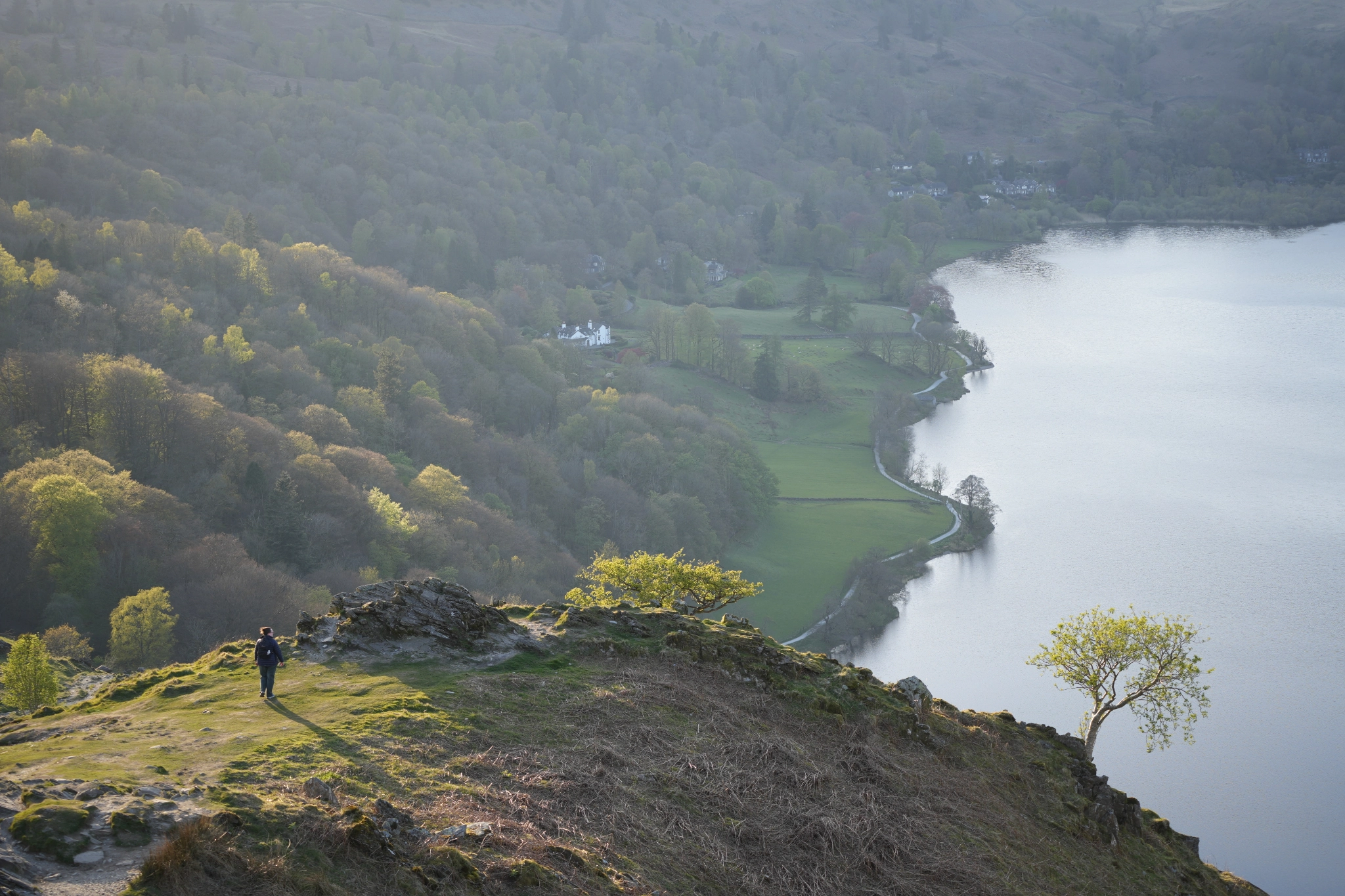

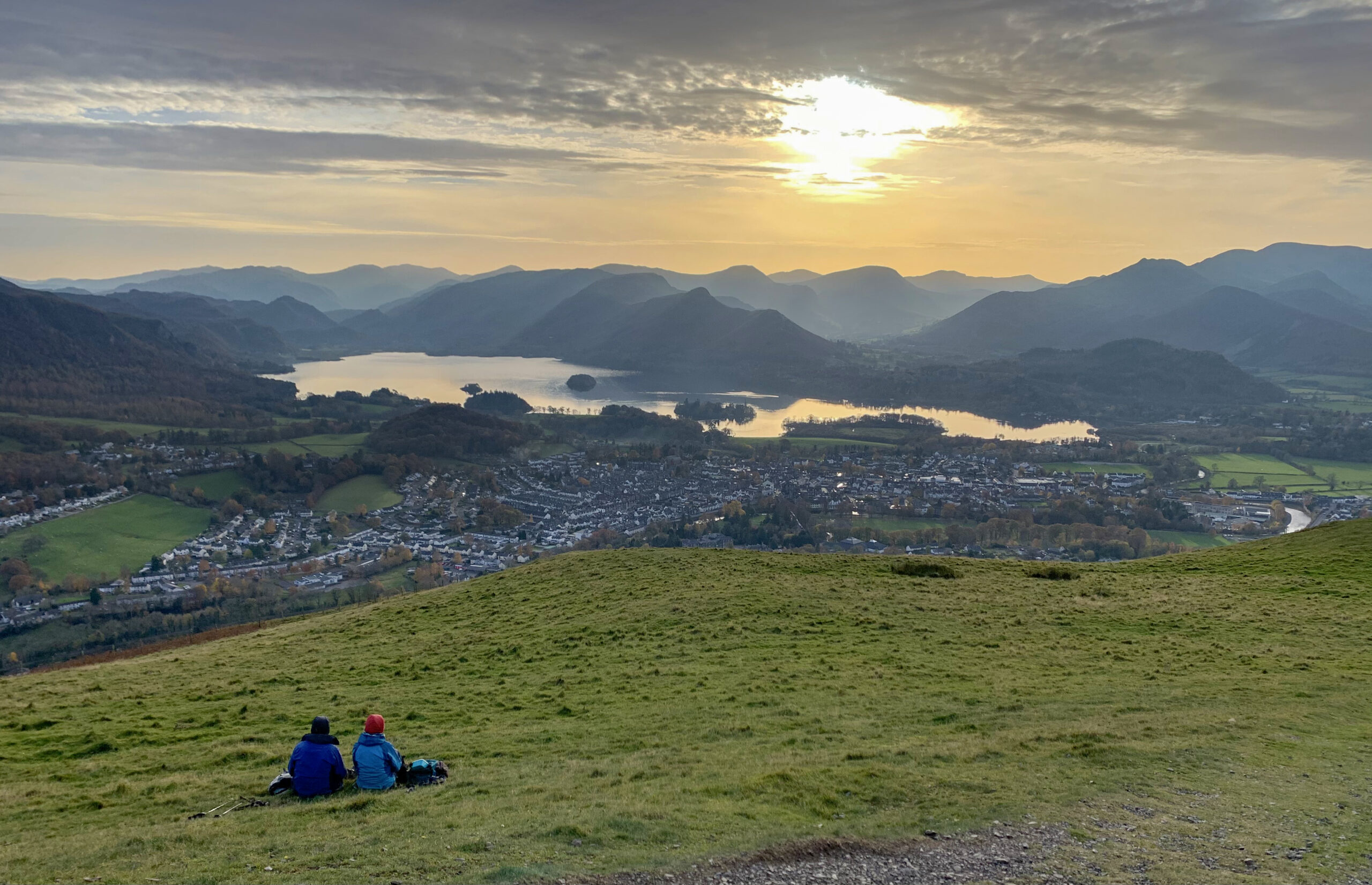
Keswick continued to grow in popularity, in part influenced by the draw of its associations with the poets Wordsworth, Coleridge and Southey, and more recently Hugh Walpole.
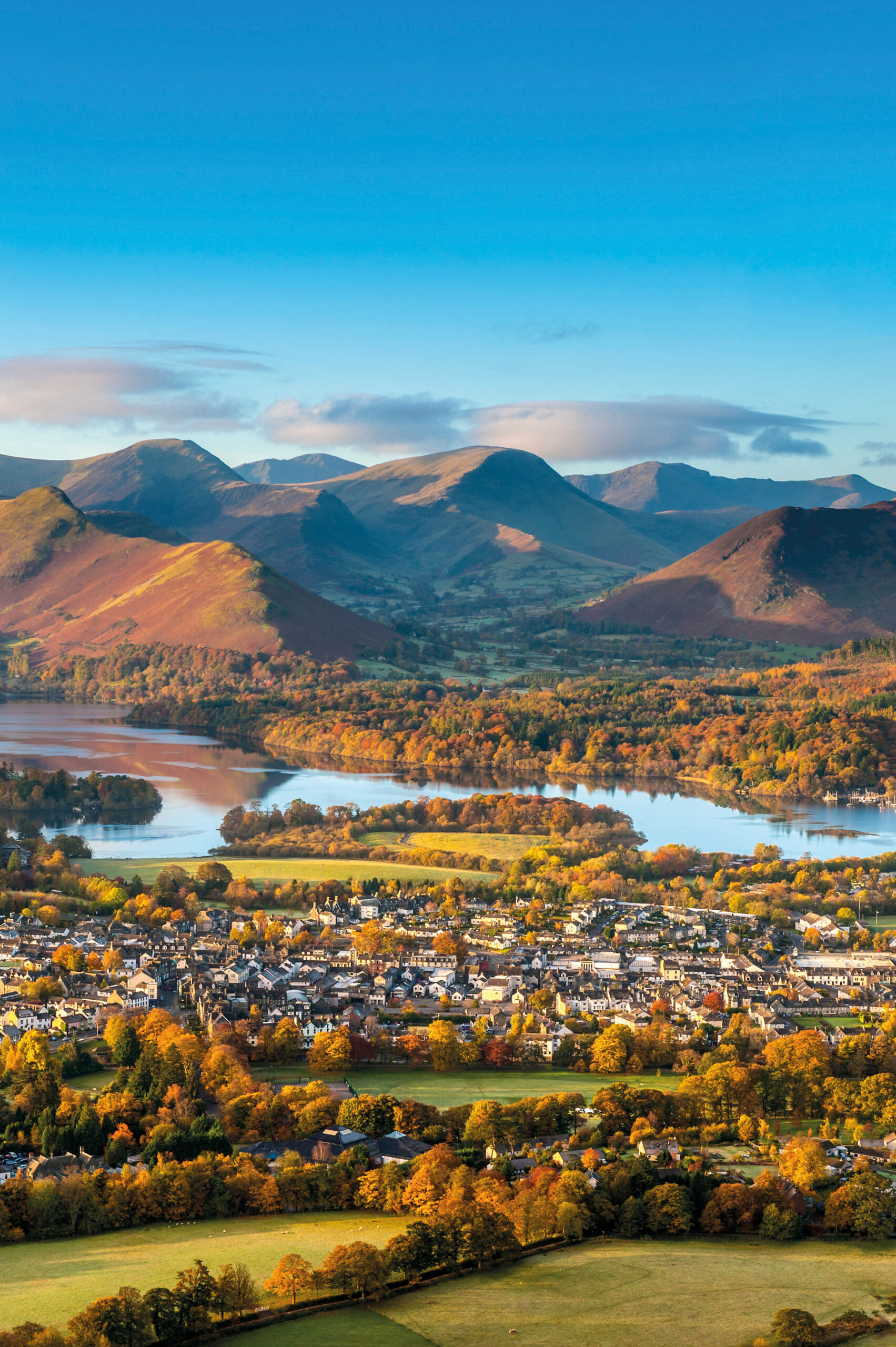
- A dramatic landscape setting of lakes, high fells and hinterland of agro-pastoral landscape, with extraordinary literary and artistic associations;
- Association with nationally significant literary figures: Robert Southey, Samuel Taylor Coleridge, William Wordsworth, Canon H. Rawnsley, John Ruskin, Hugh Walpole;
- An awareness of its natural beauty and conscious effort in the second half of the 19th century to design buildings that complement its native character and are harmonious;
- Significant patronage from social reformers, entrepreneurs and influencers with a conscience about the landscape, society and a desire to enhance the town for the public benefit and greater good, whether this is by example, through education or through charitable concerns;
- Strong linear character with a planned medieval 13th century core which is a highly valued street pattern, with remains of burgage plots;
- The ever-present powerful River Greta, which was once harnessed for industry but which today dramatically fluctuates in level;
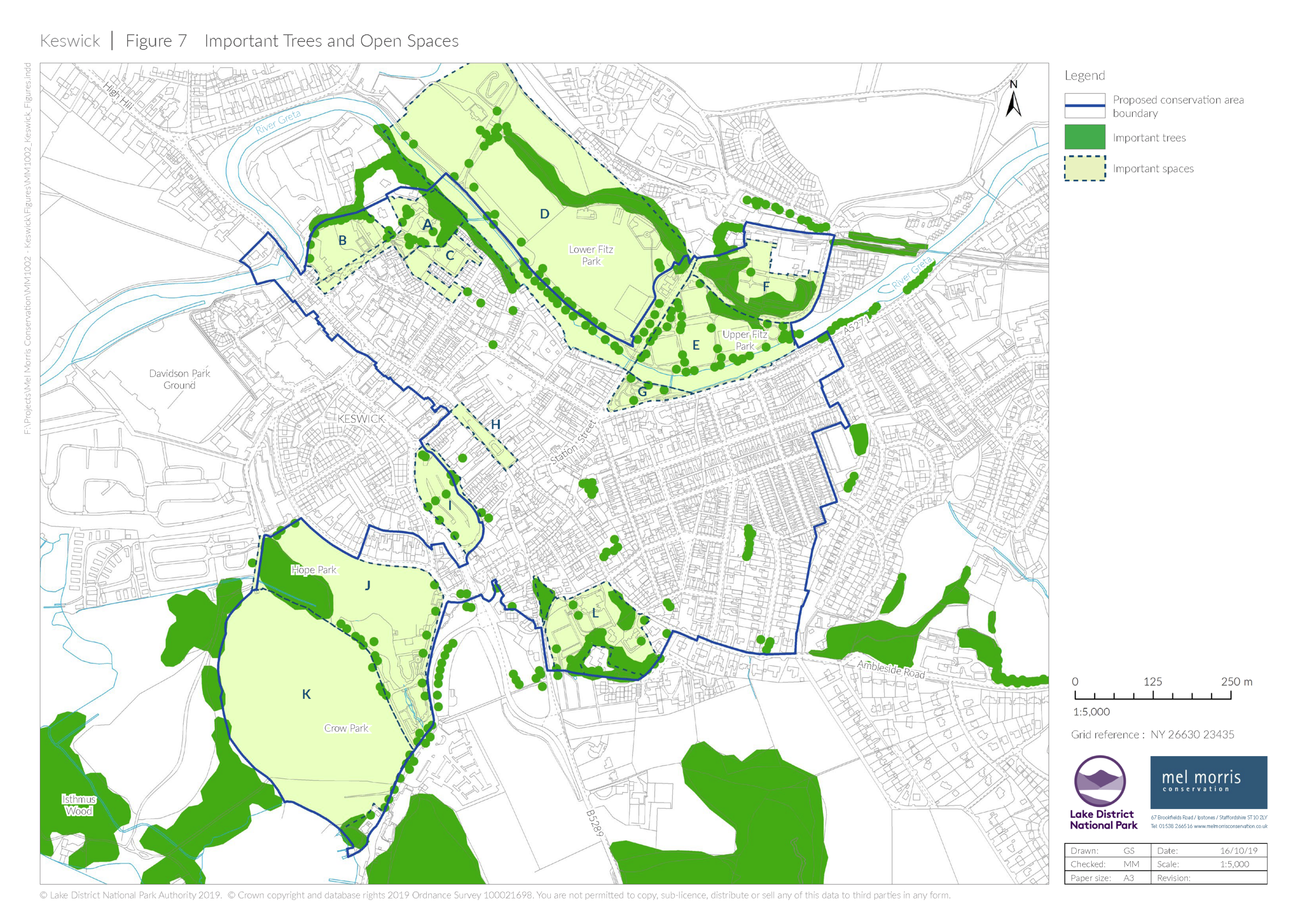
- Large peripheral areas of public open space, parks and amenity trees, which were sometimes ornamented, and designed to be visited, enjoyed and heavily used by visitors and residents alike;
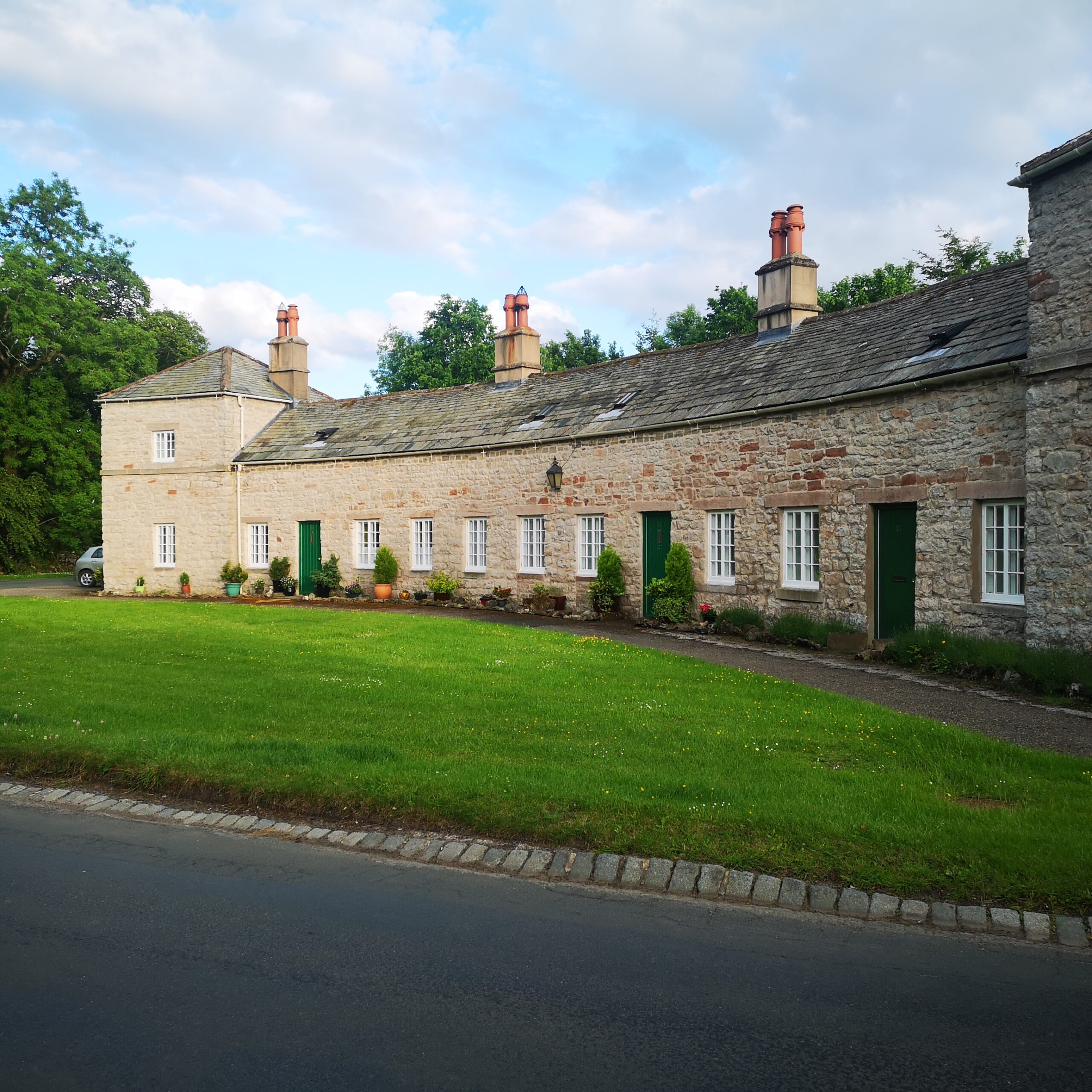
- Well-preserved domestic Georgian suburb to the south with unified cottages and striking Georgian character;
- Picturesque and rustic public buildings of dark rubble dolerite developed by the Marshall family;
- An eagerness to celebrate its own historic associations; for example, the use and re-used of local and literary names and the celebration of its diverse geology – found in building materials and walling;
- A hub of well-oiled tourism, pivotal to local road networks, dominated by hotels, guest houses, self-catered accommodation and tourist-associated shops
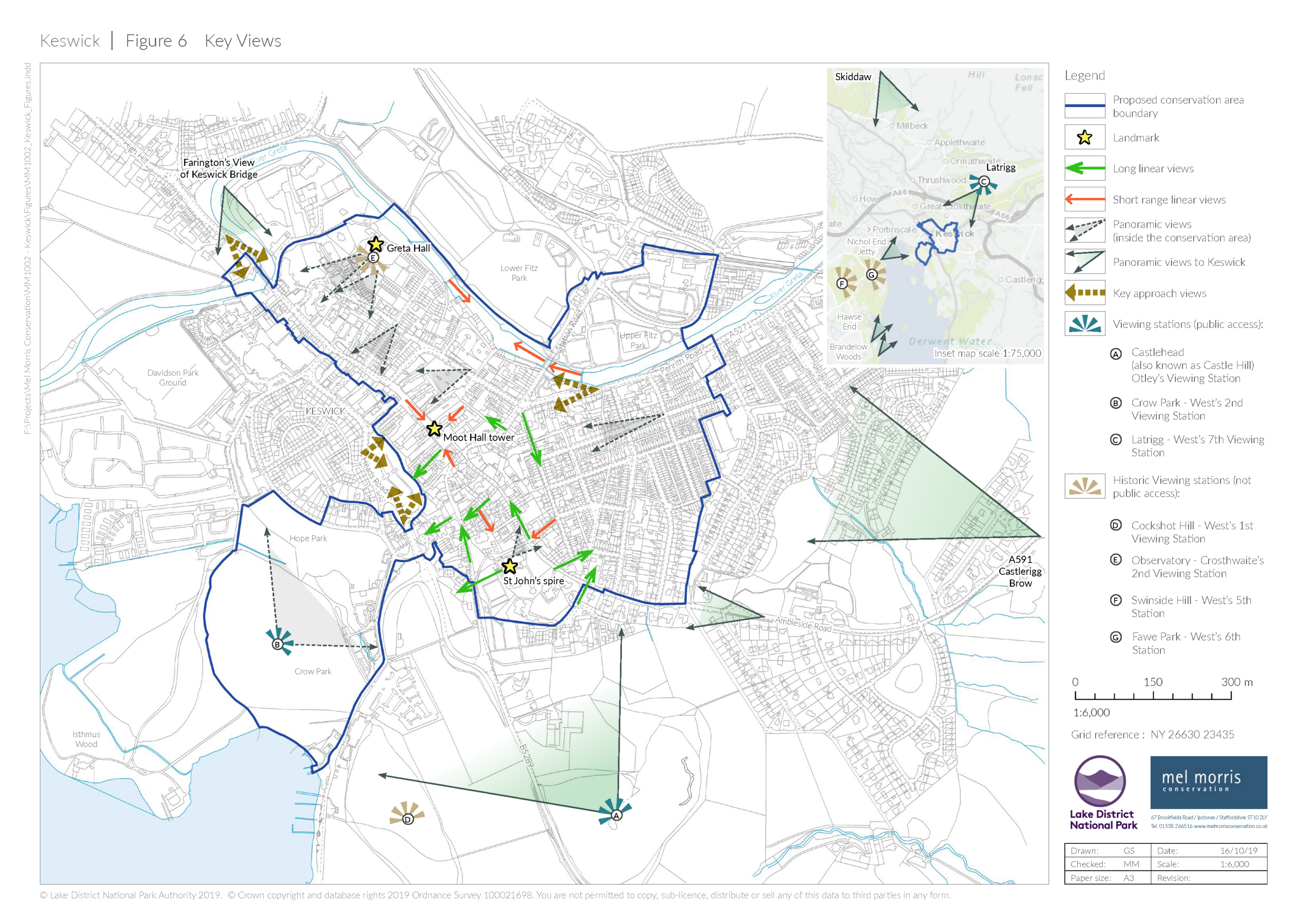
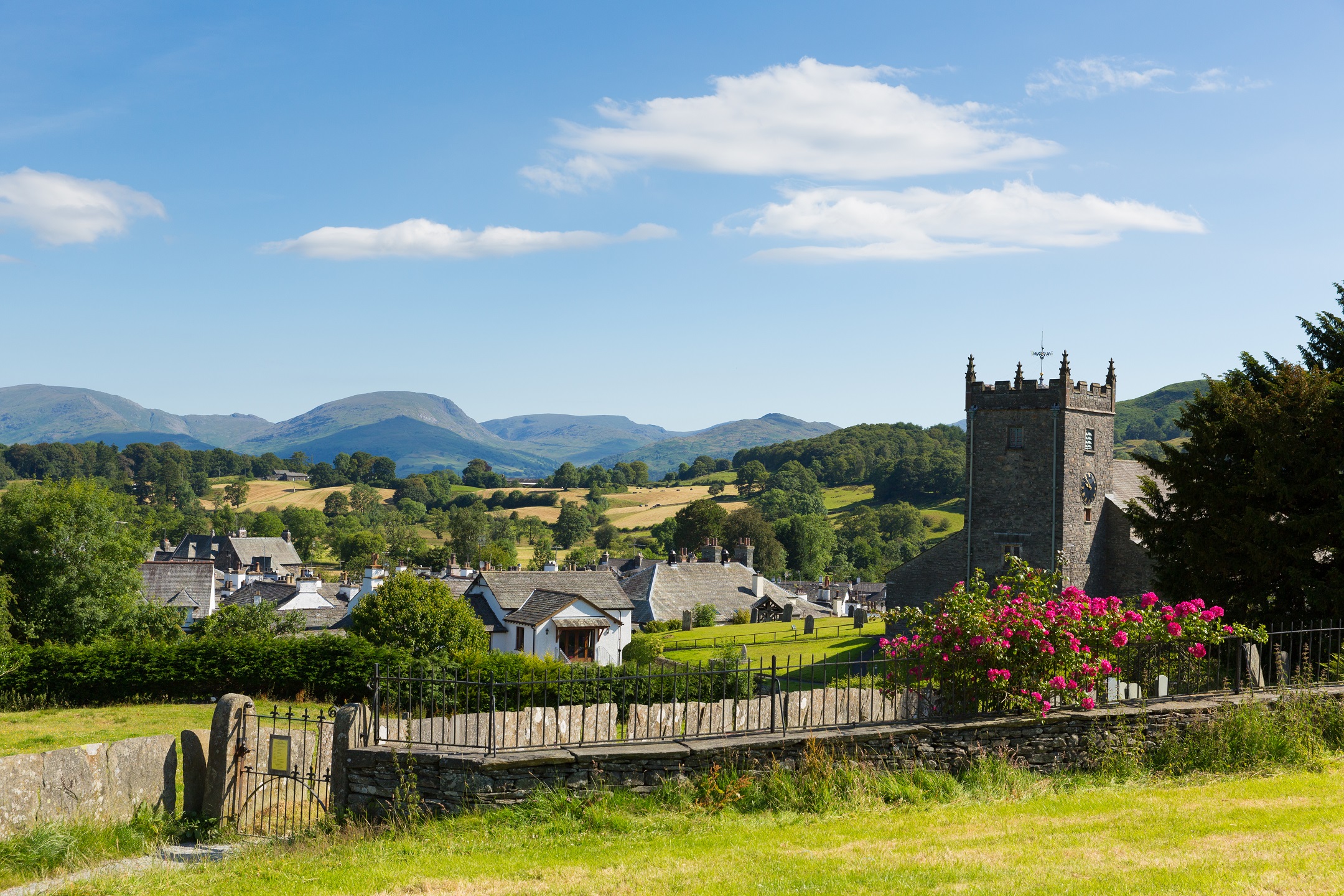
- Linear views to distant fells with specific peaks.
- Panoramic views from Viewing Stations at Crow Park, Castlehead and Latrigg overlooking the town
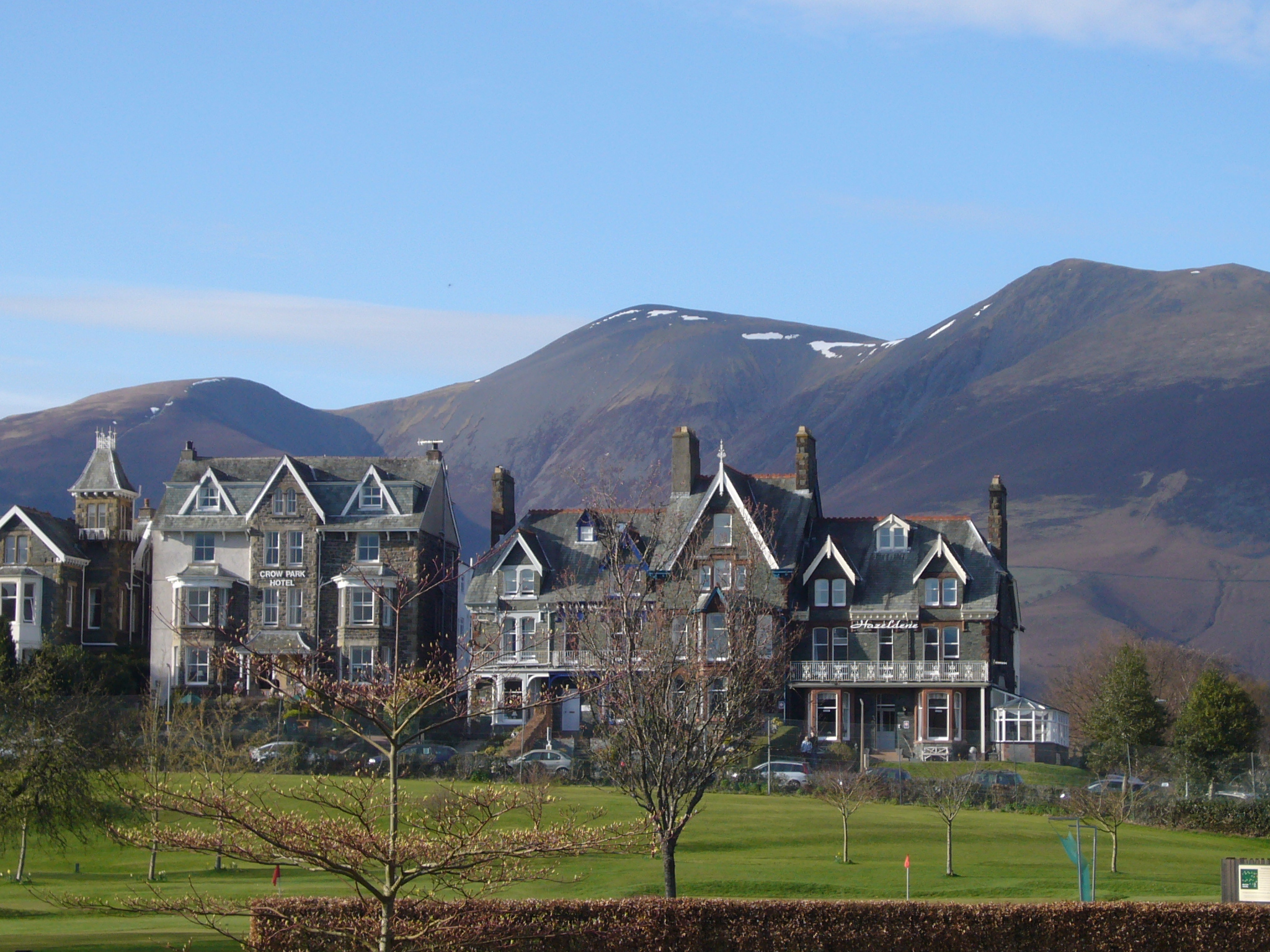
Villas designed for key residents, dominated by Greta Hall, a former observatory and later home of S.T. Coleridge and R. Southey
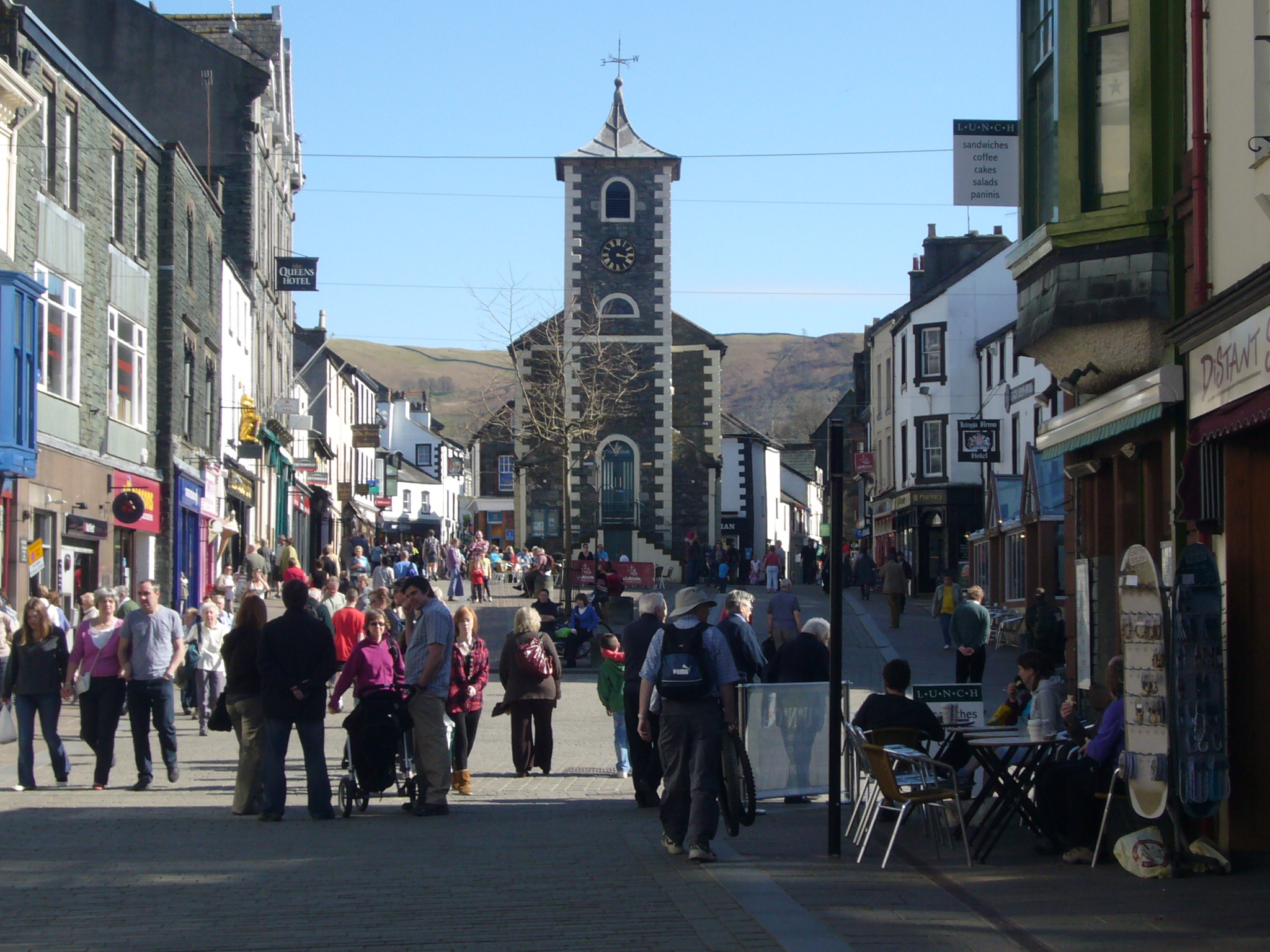
Two principal landmarks - the 1813 Moot Hall at the Market Place, the pivotal building of the town, and the 1838 St. John’s Church, with its landmark spire;
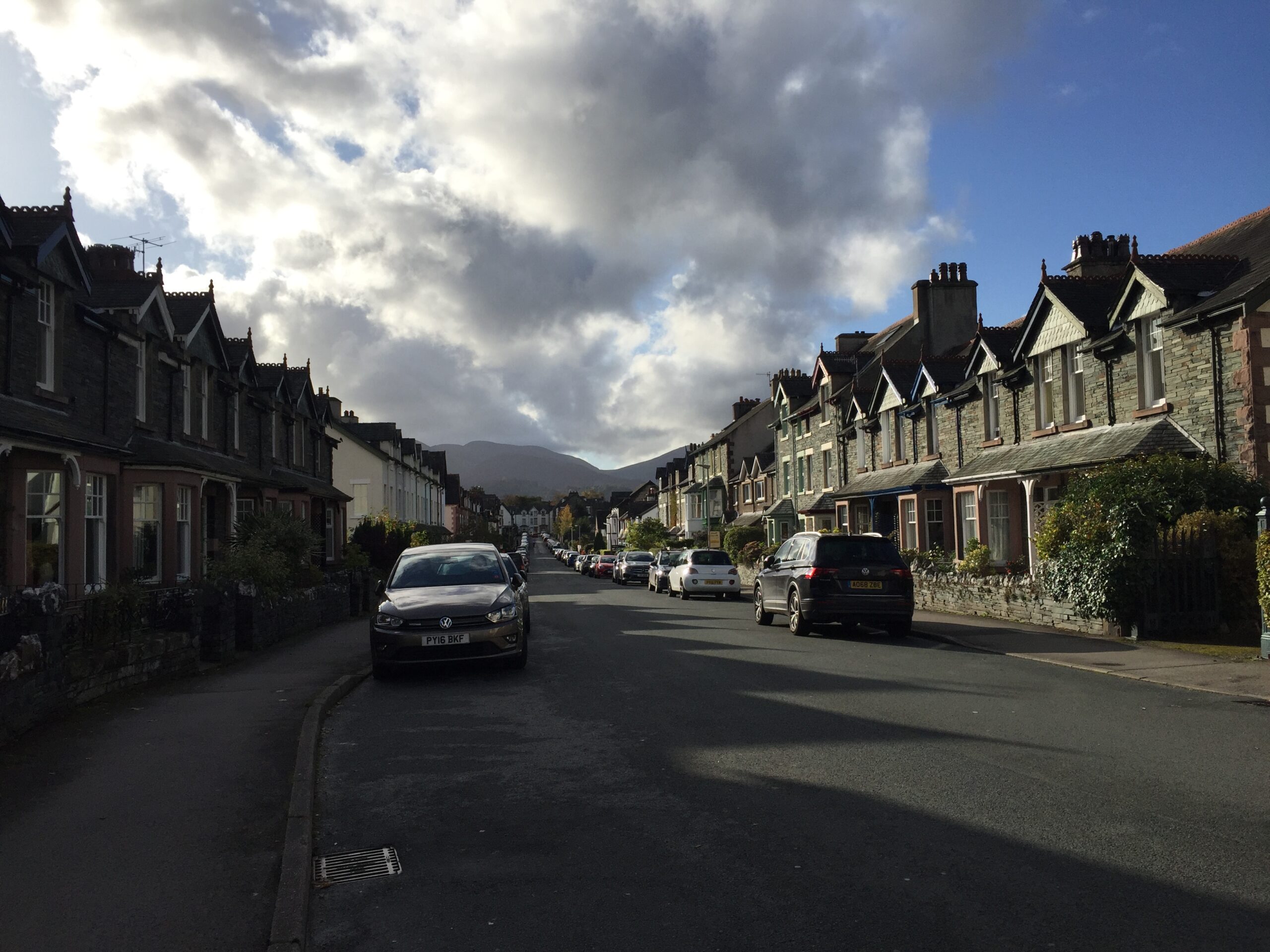
Well-preserved and carefully detailed, cohesive blocks of Victorian terraced houses that developed from 1863, after the arrival of the railway;
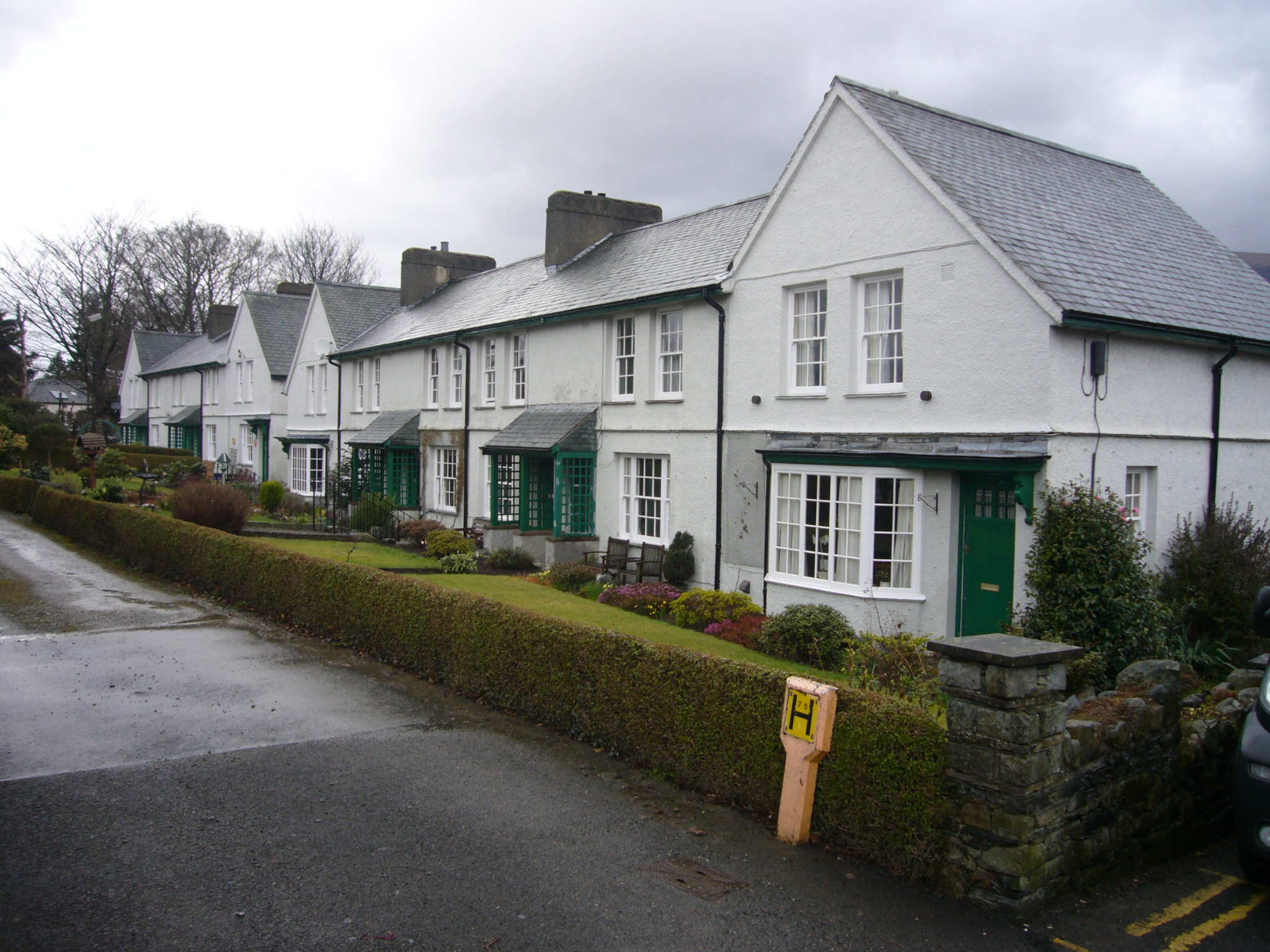
Greta Hamlet (1910-11), a small self-contained garden suburb of 25 houses surrounding a central court, built in the spirit of the ‘garden city ‘movement;
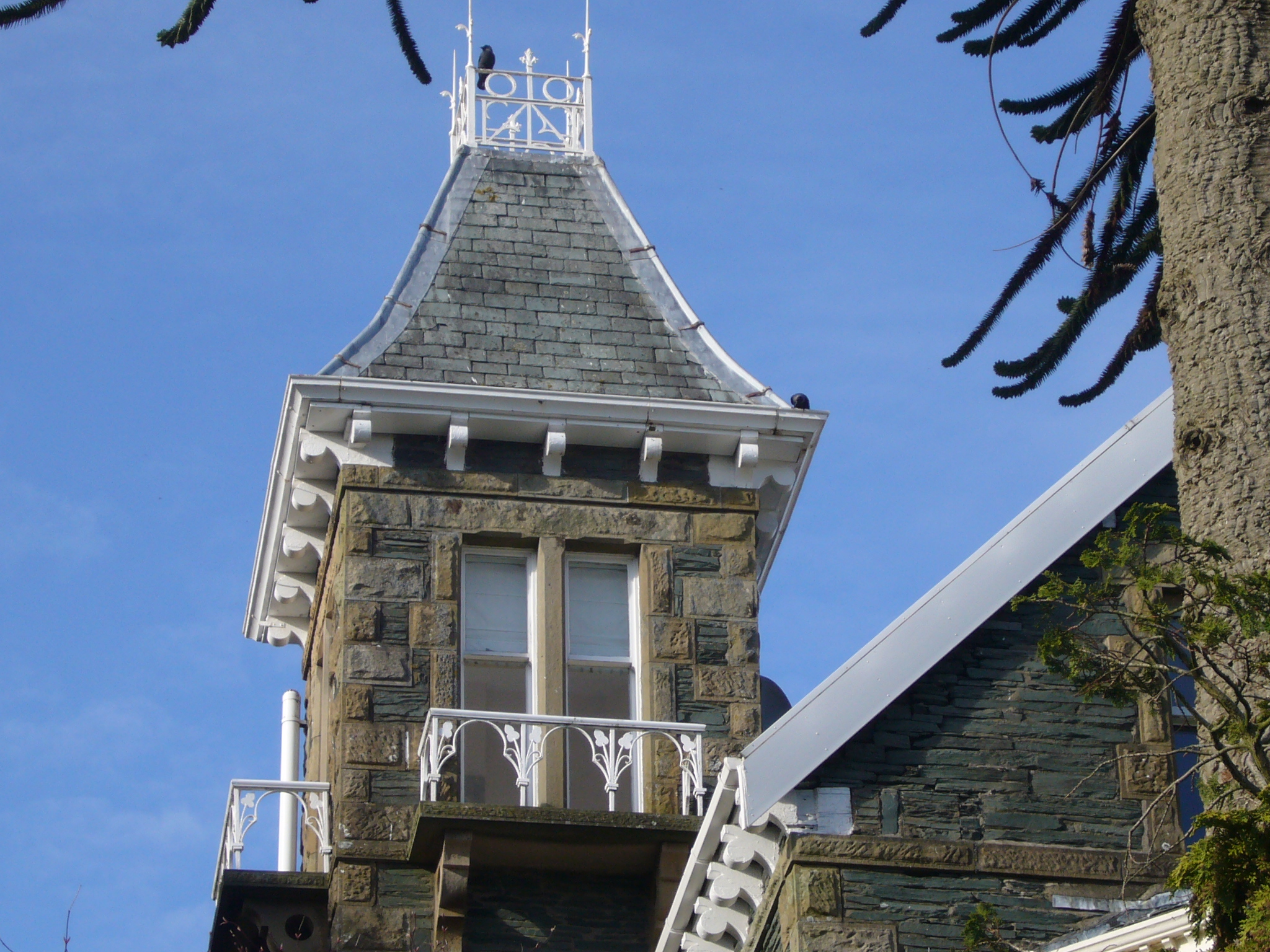
A wealth of details including: decorative pierced bargeboards and eaves brackets, bay windows, dormers, oriels, finials, decorative ridge tiles, blue enamel street signs;
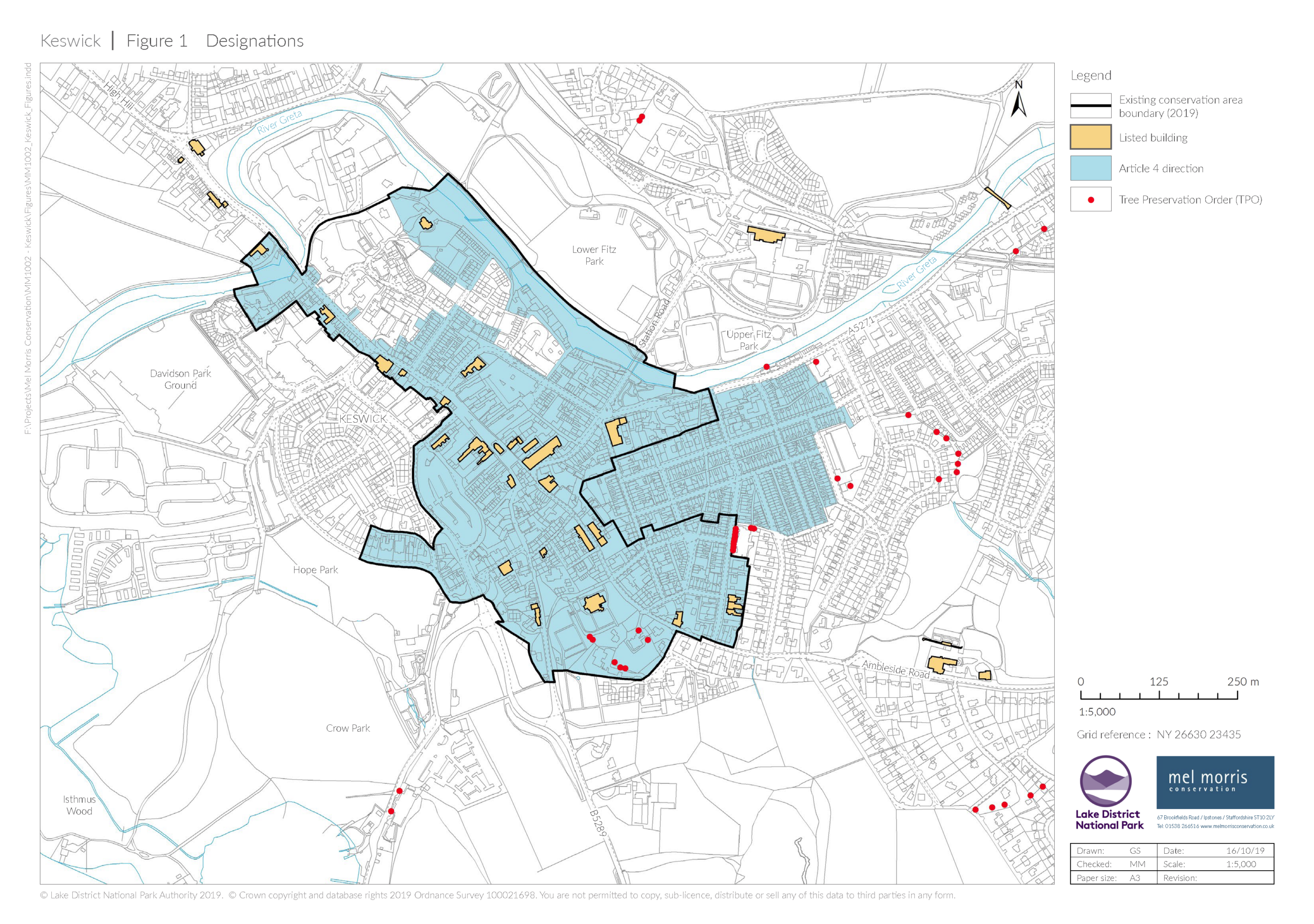
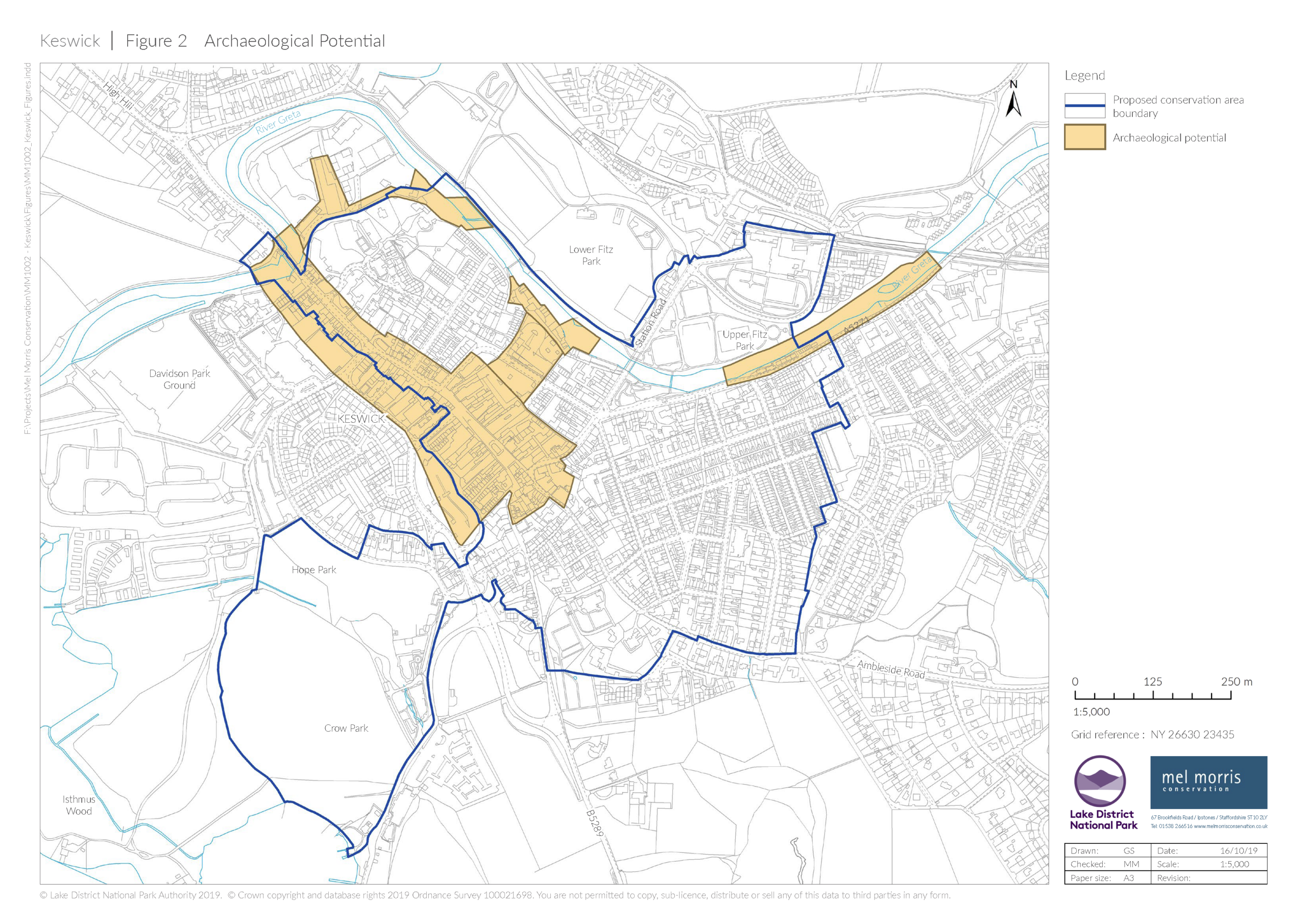
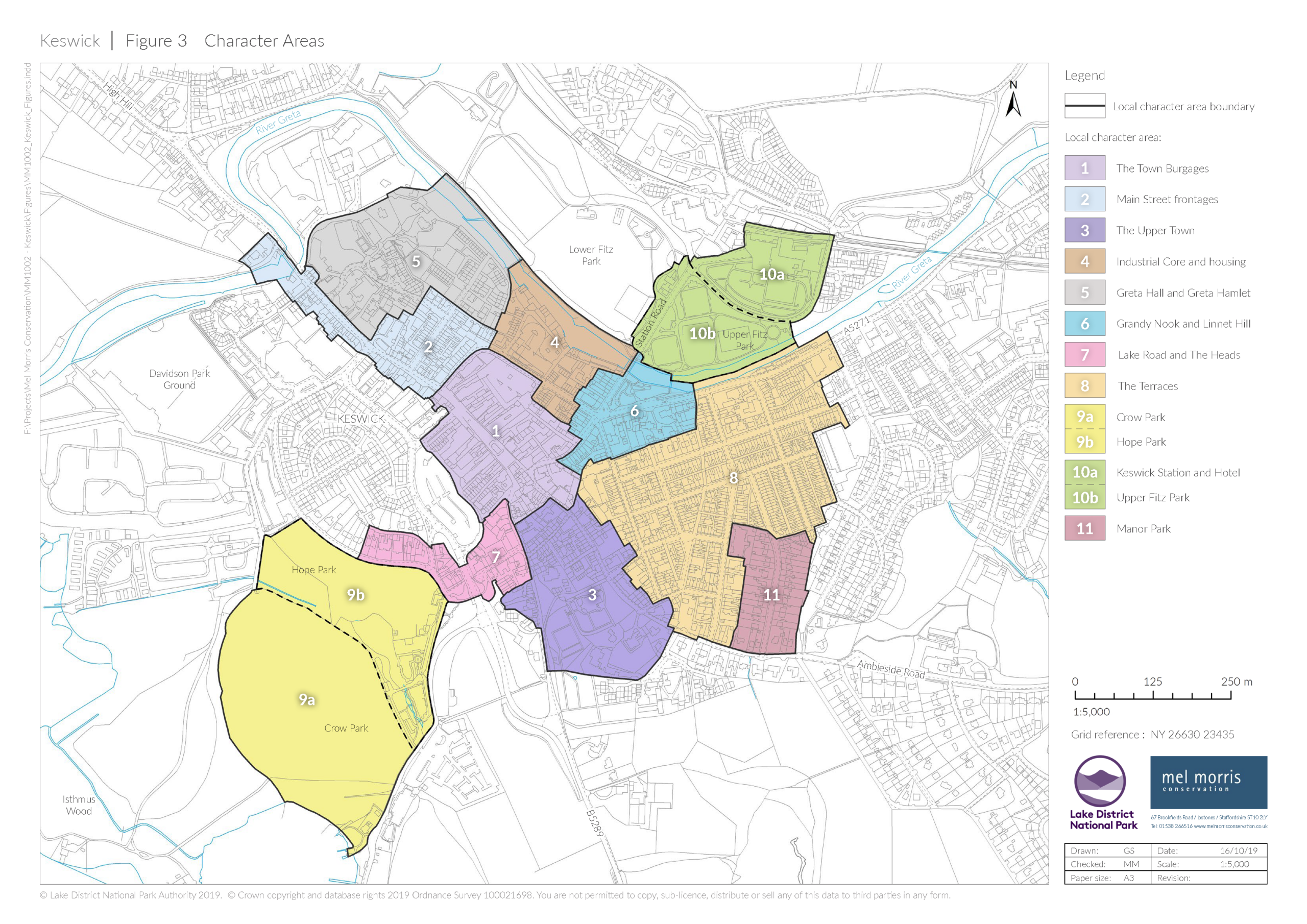
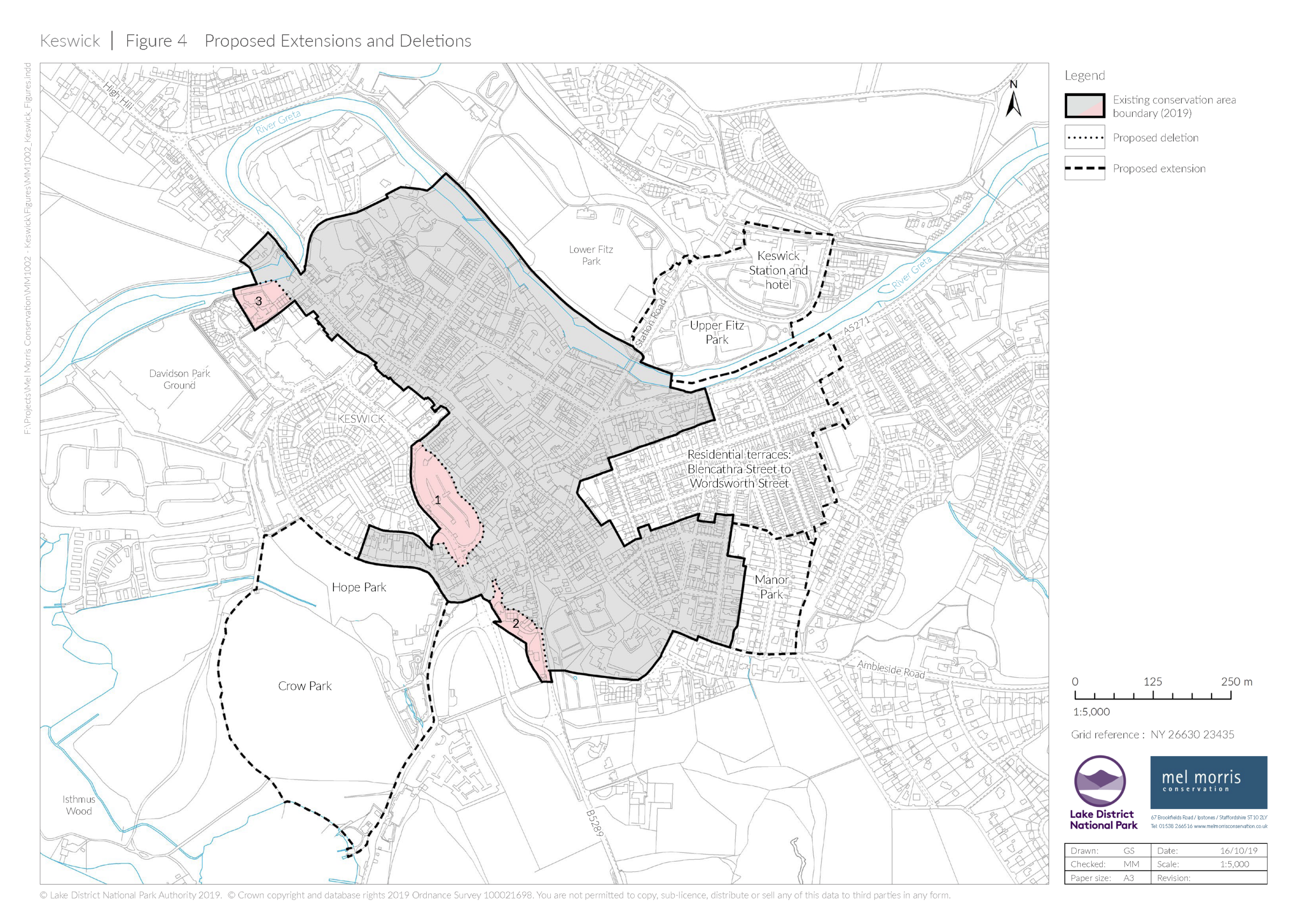
Figures
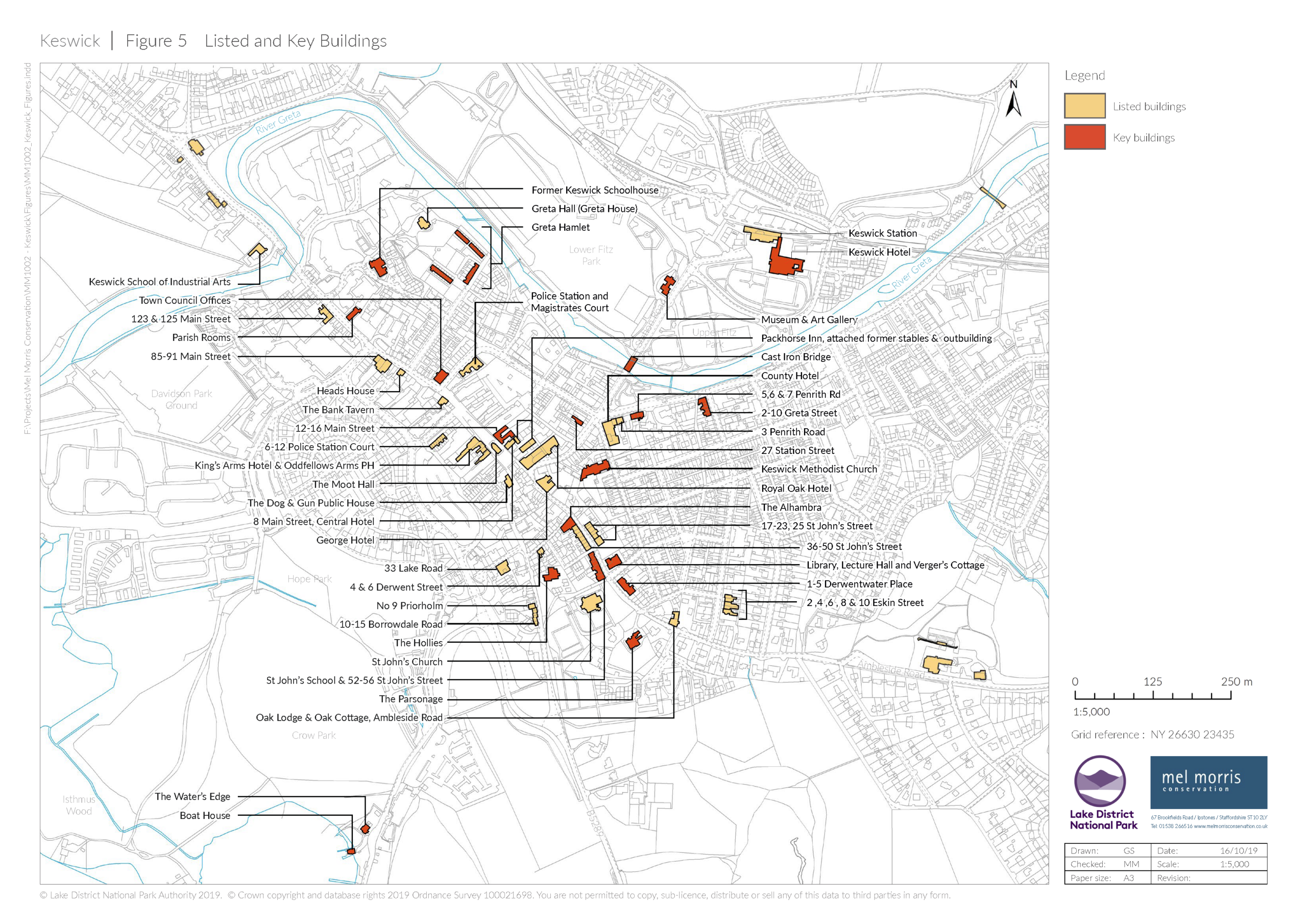
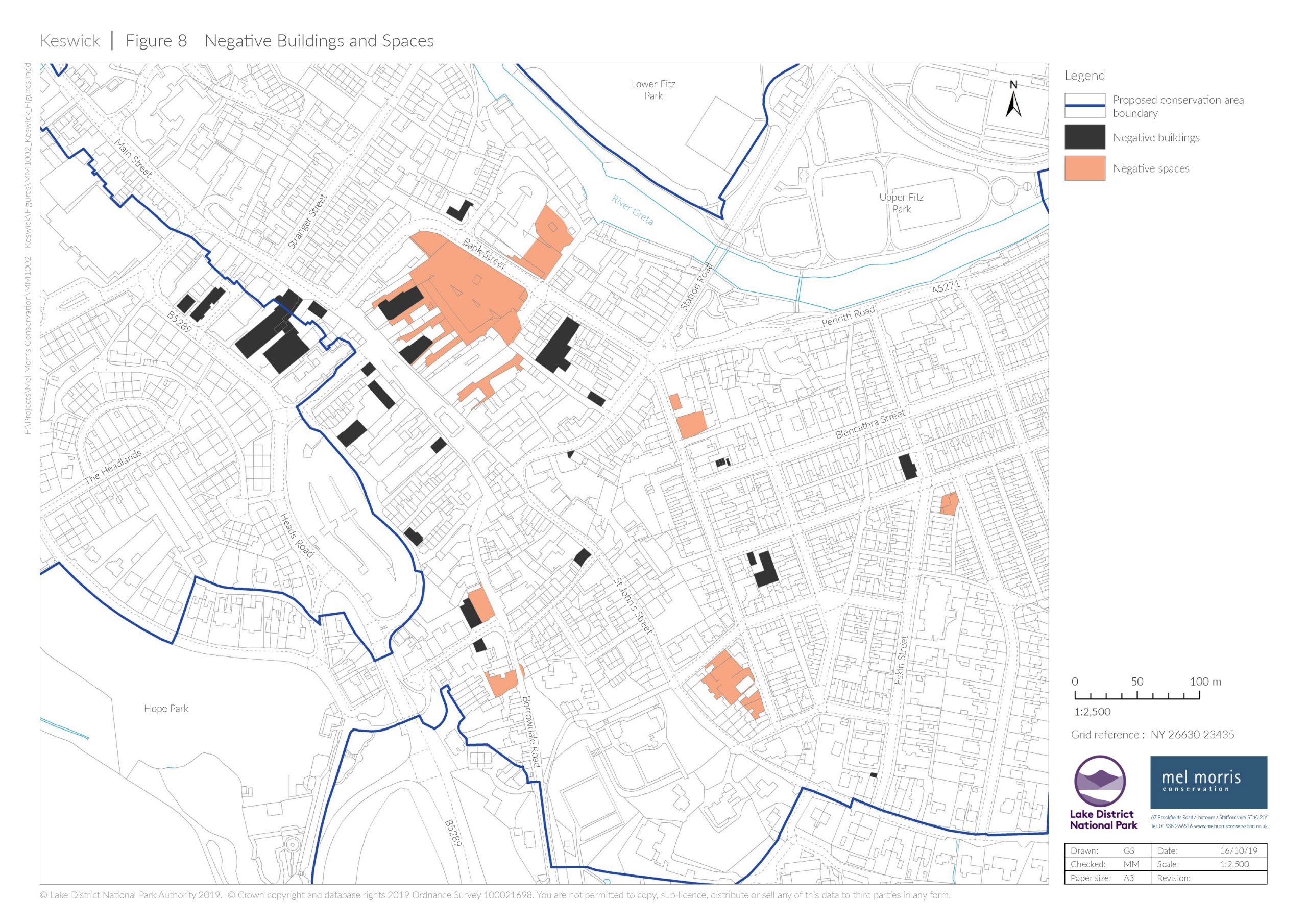
The figures below show some of the key factors that have been considered in the appraisal of the Keswick conservation area, and the changes to it that are being proposed.
Click on any image to get a larger version.