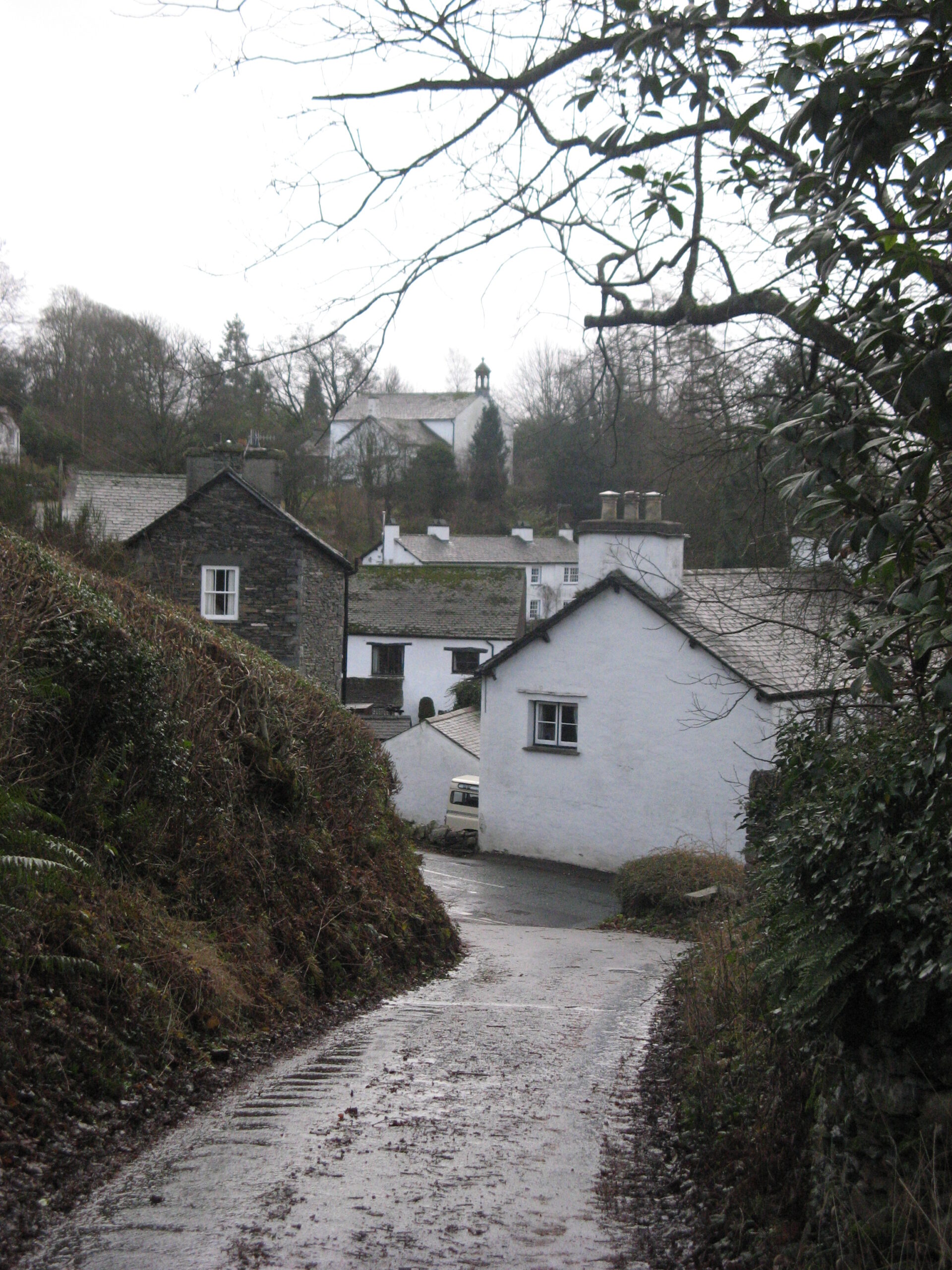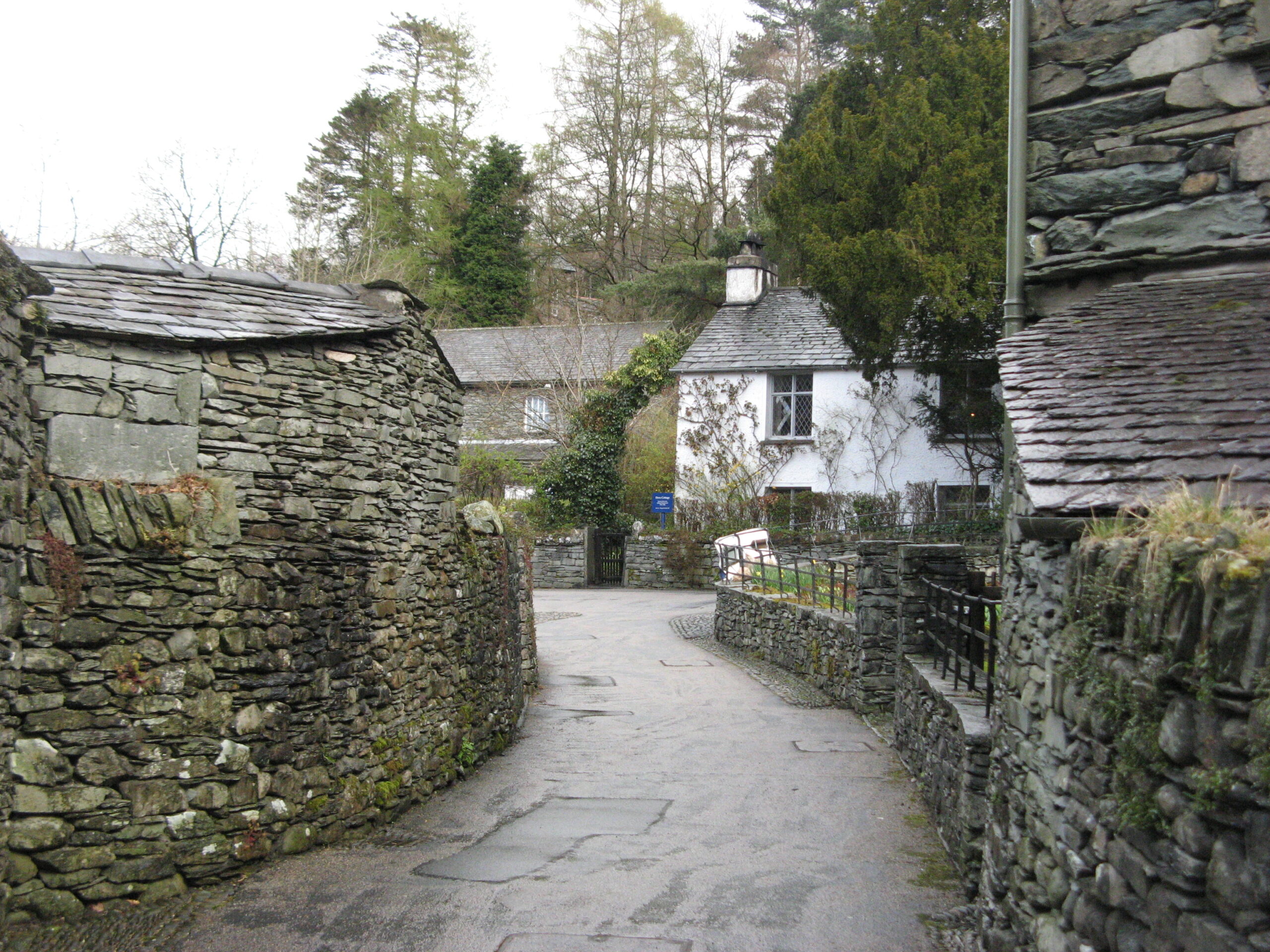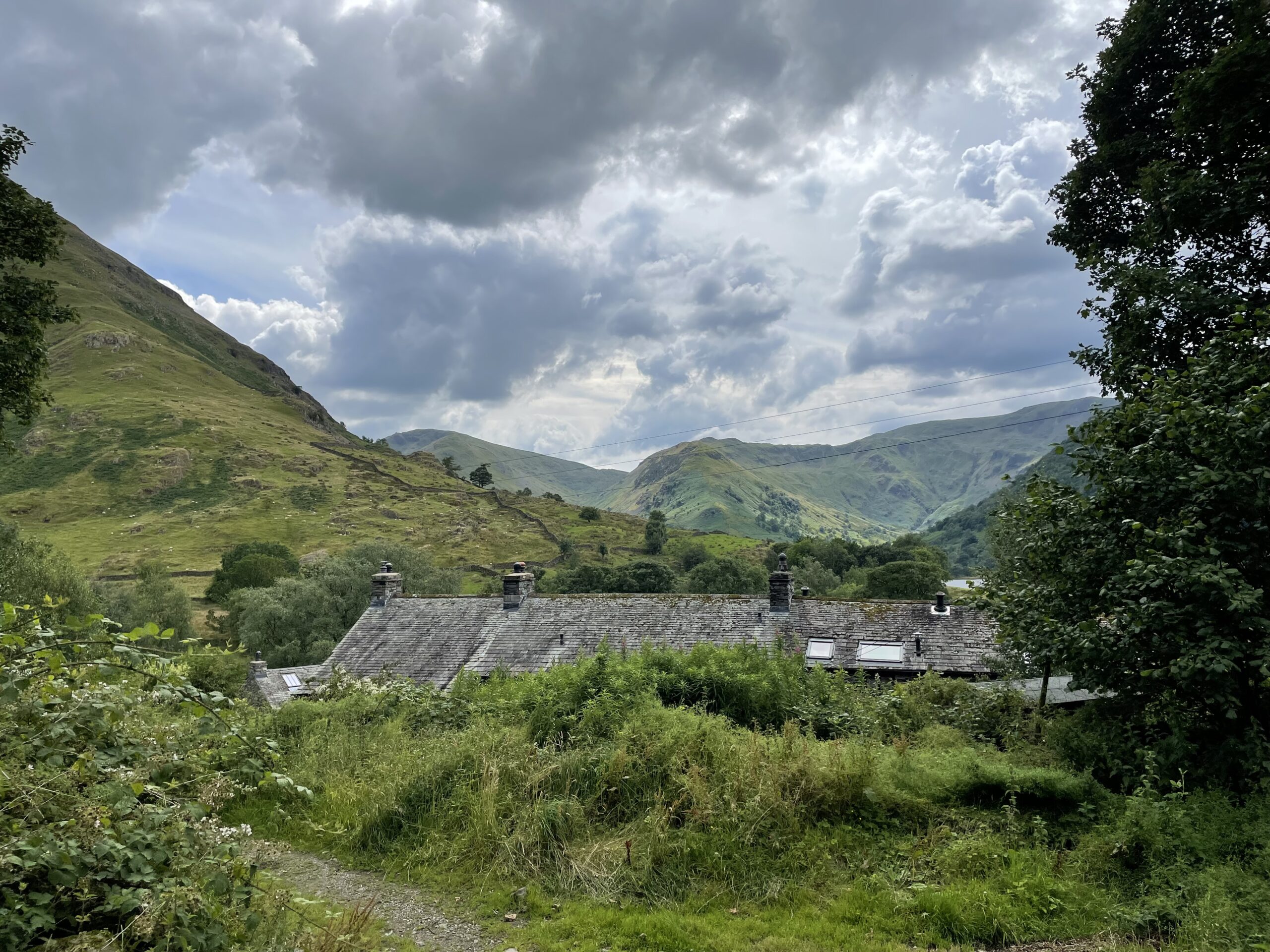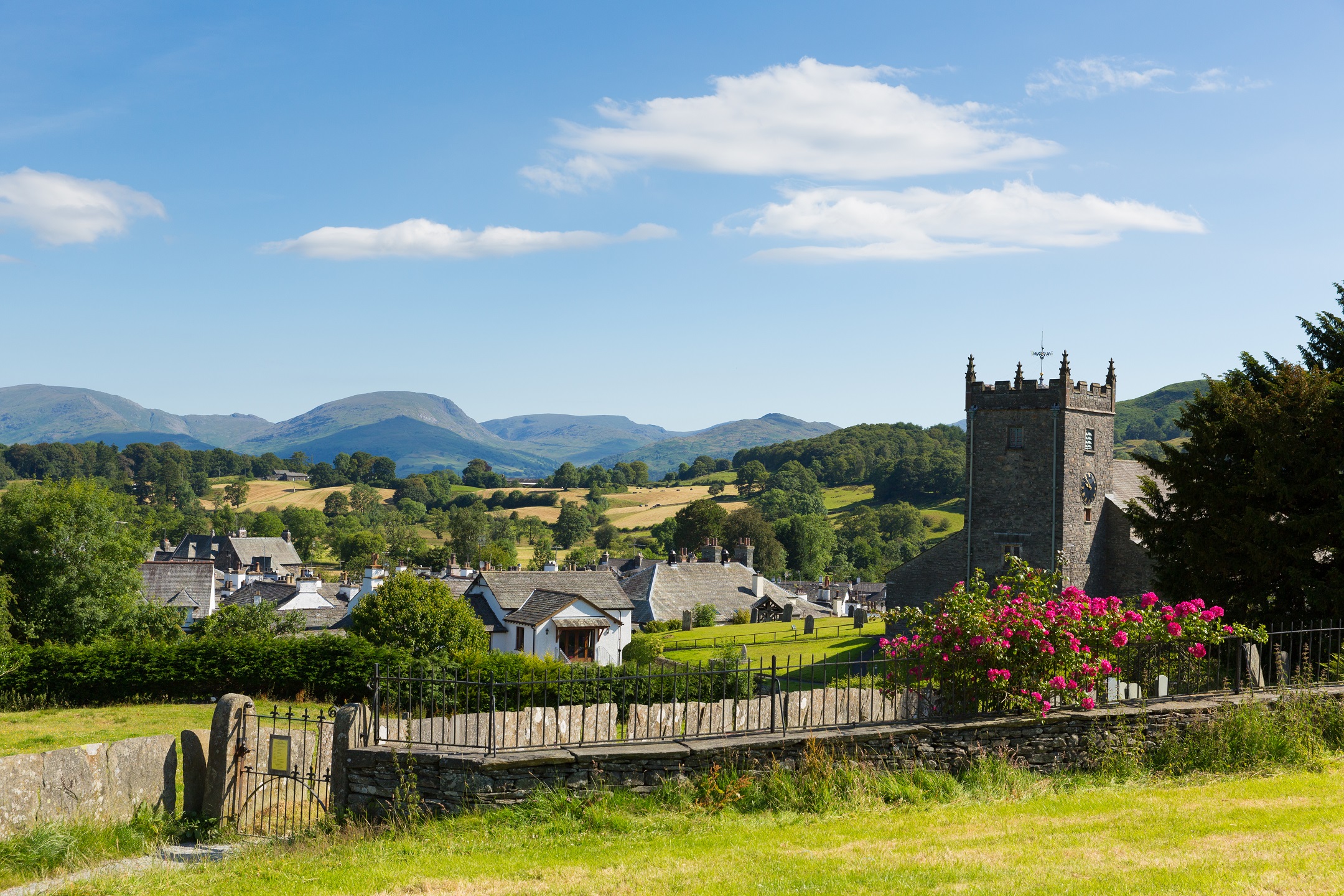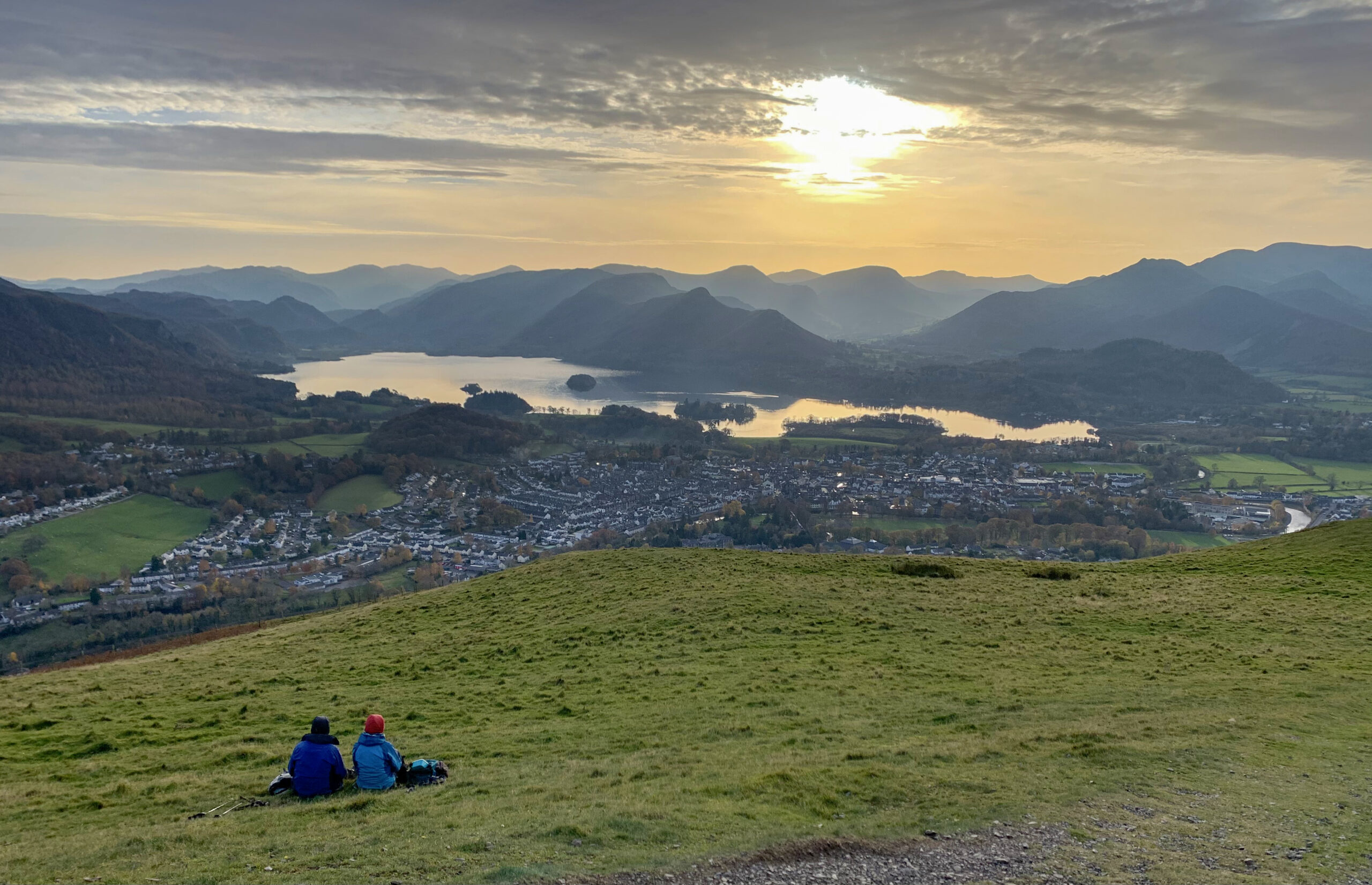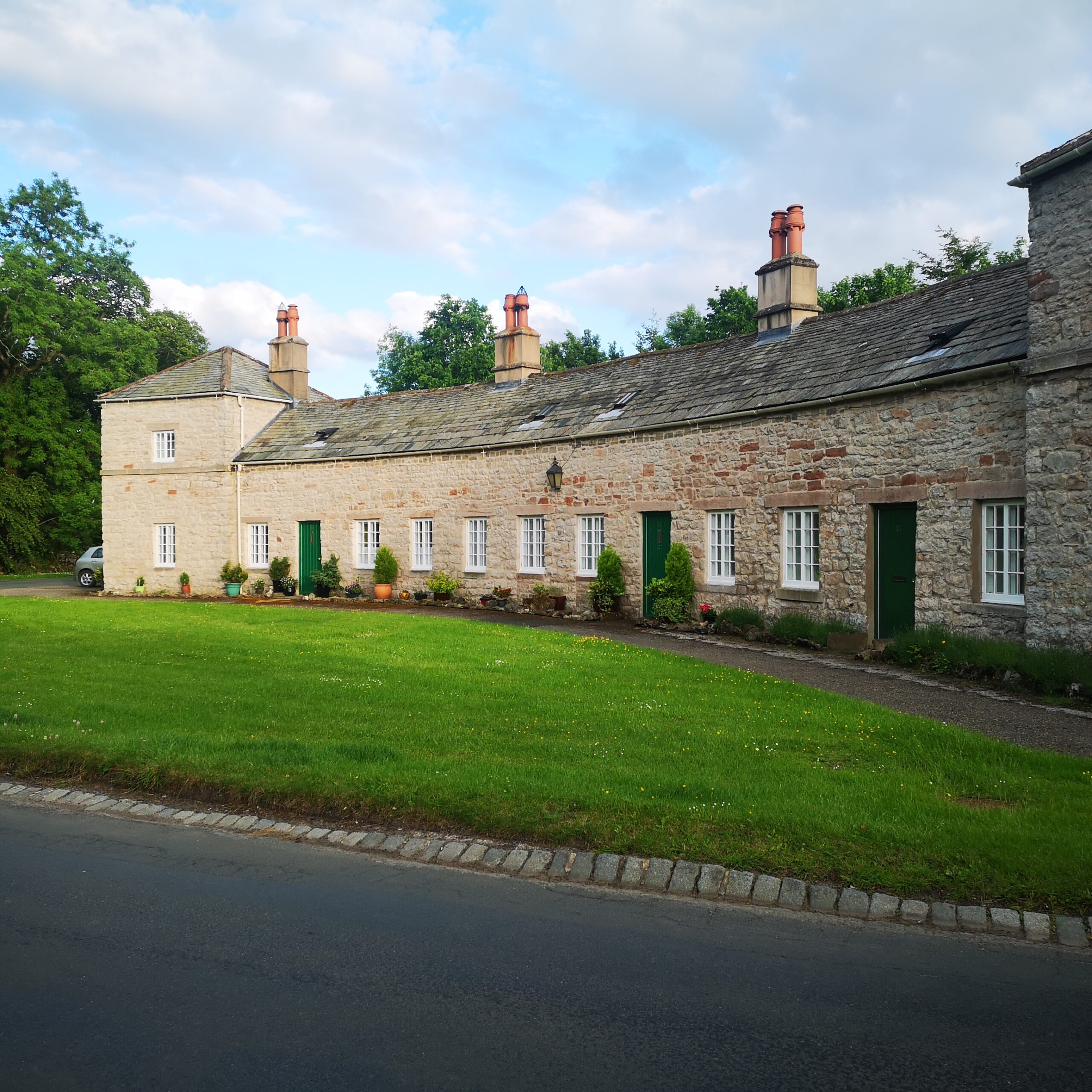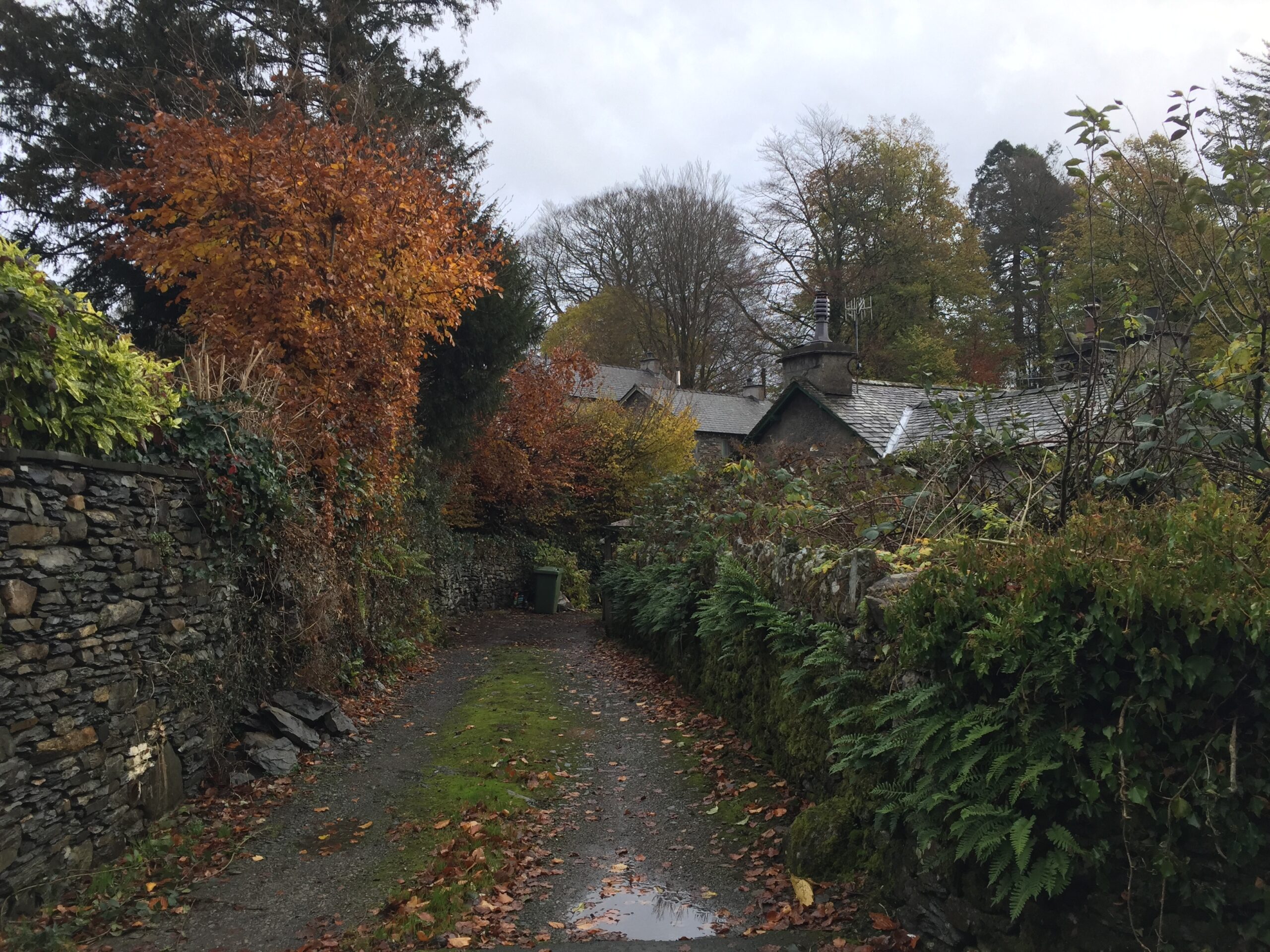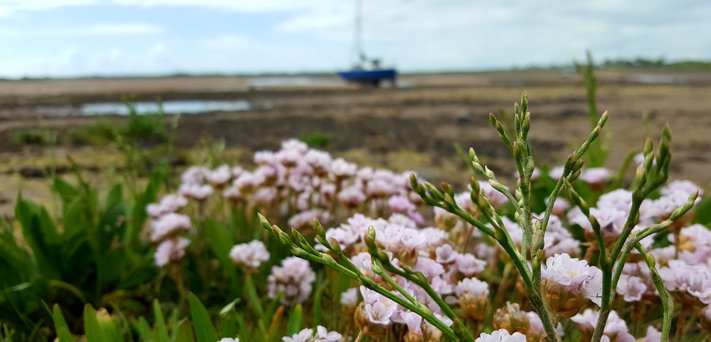


Ambleside Conservation Area
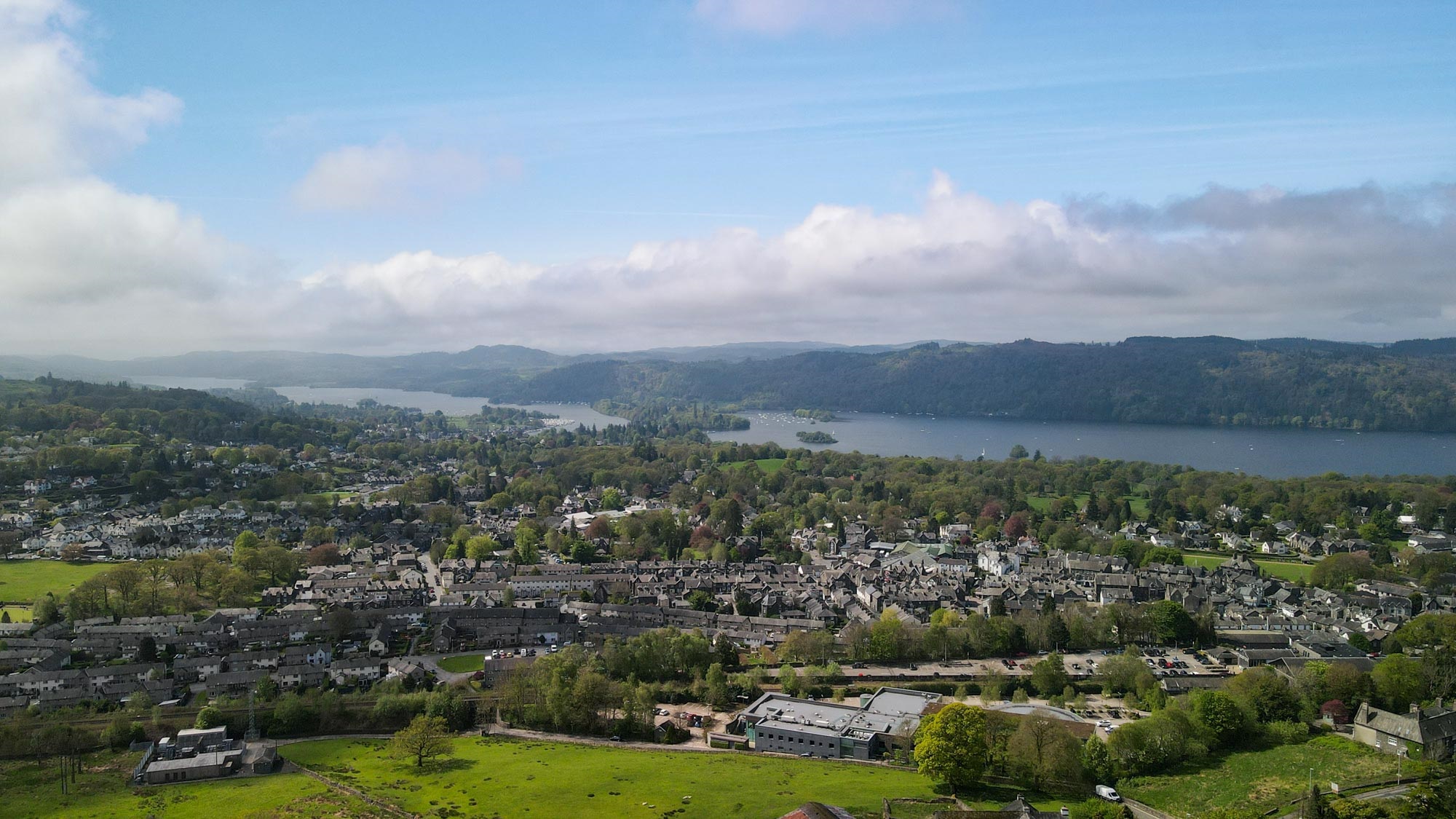
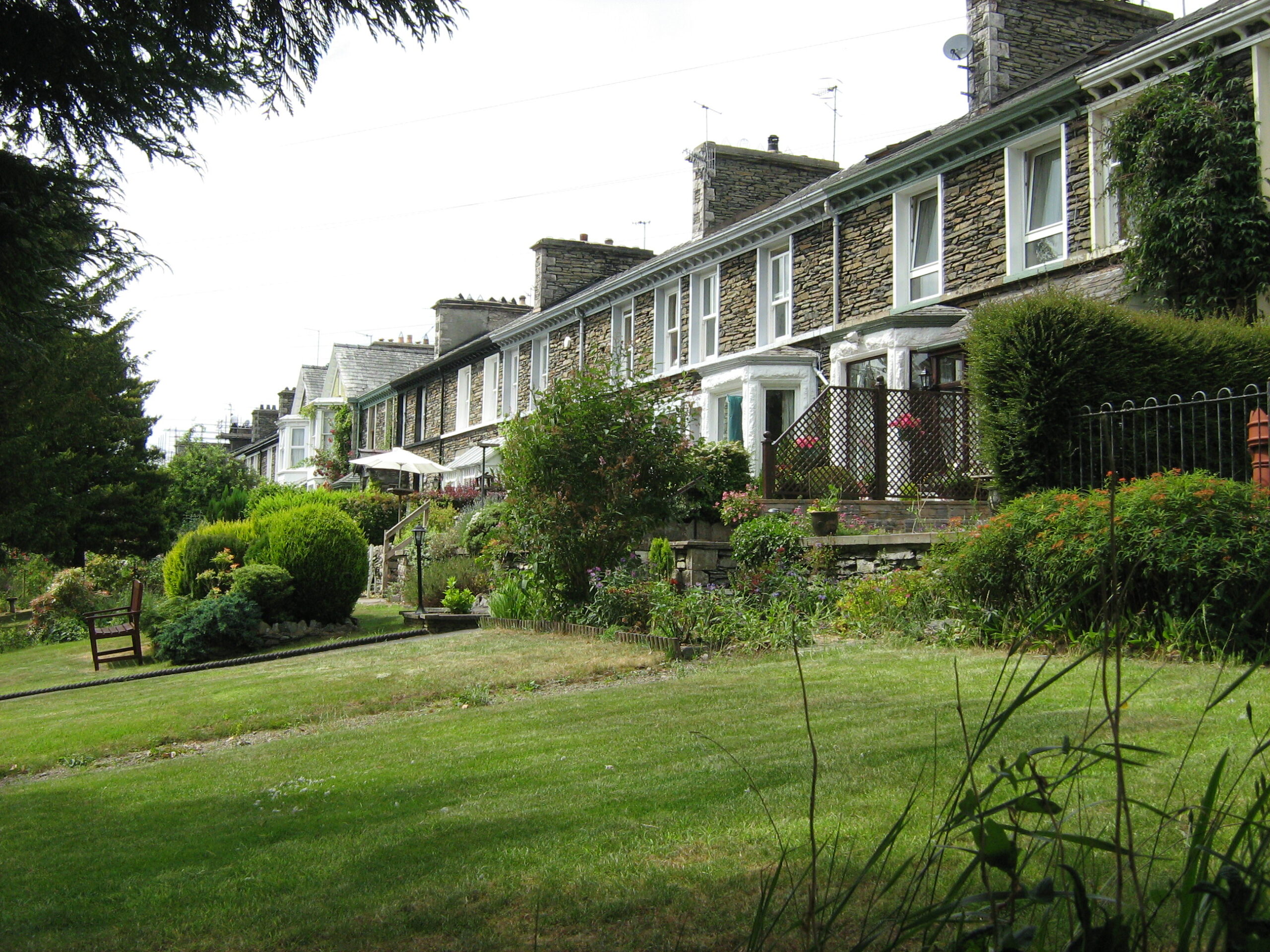
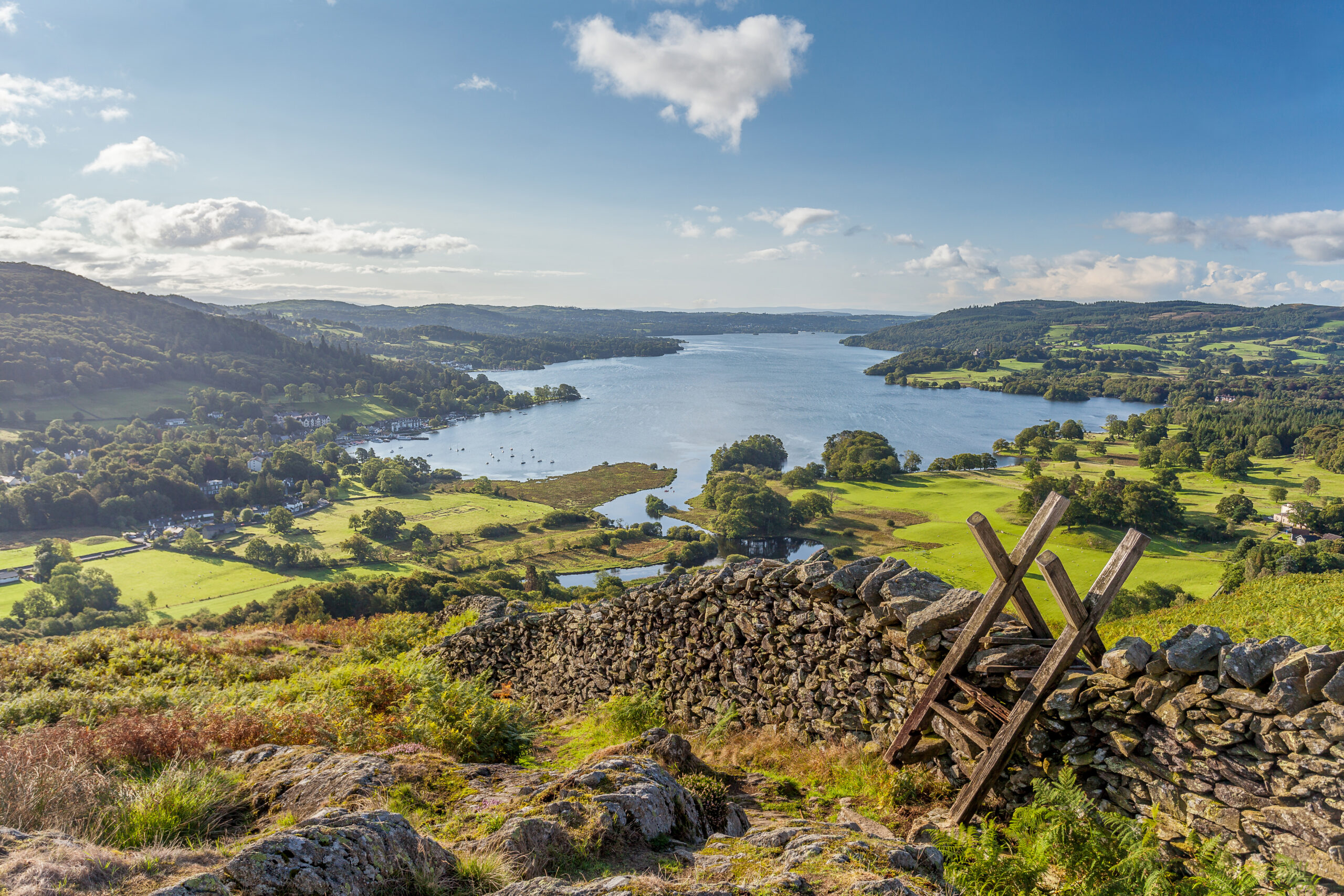
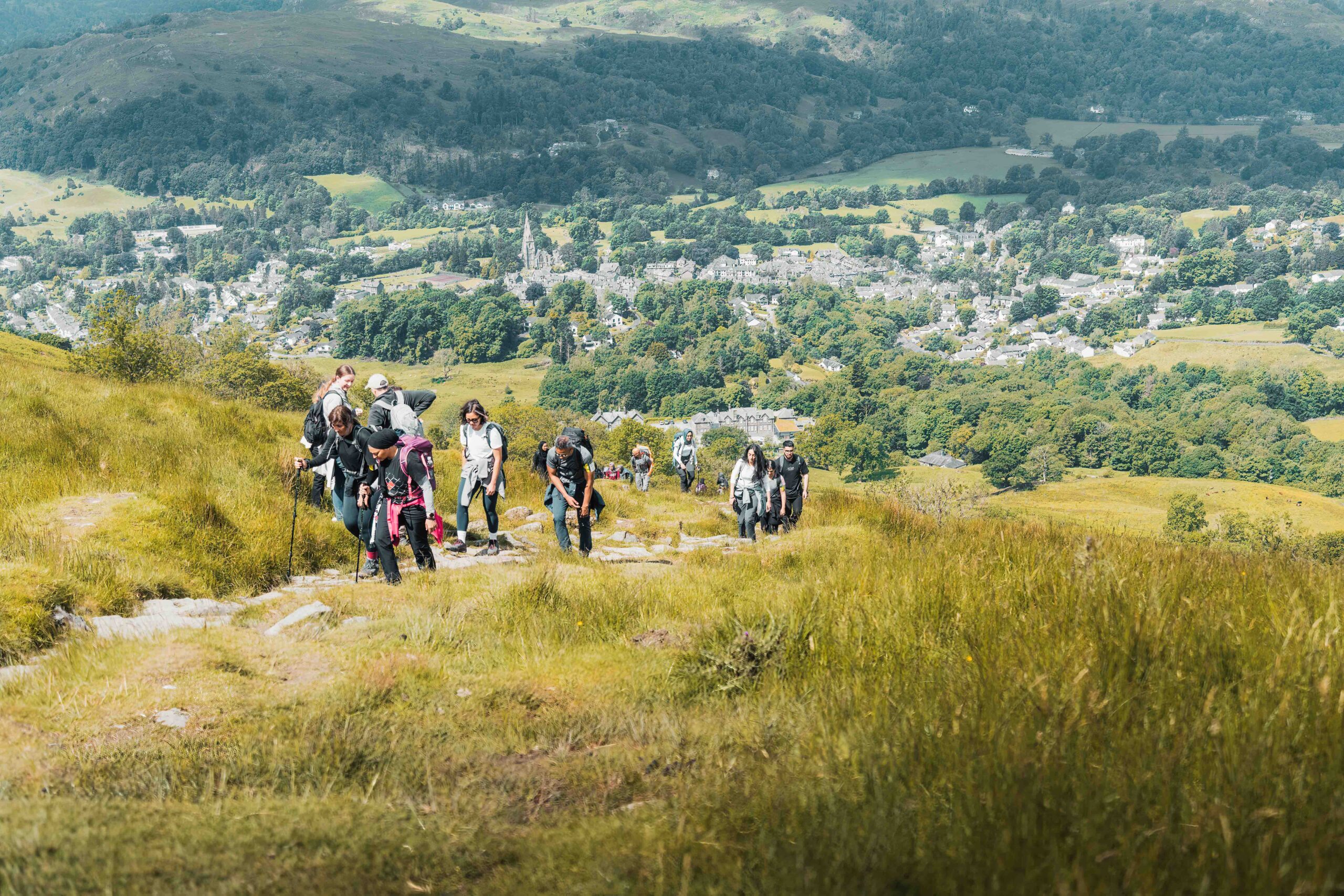
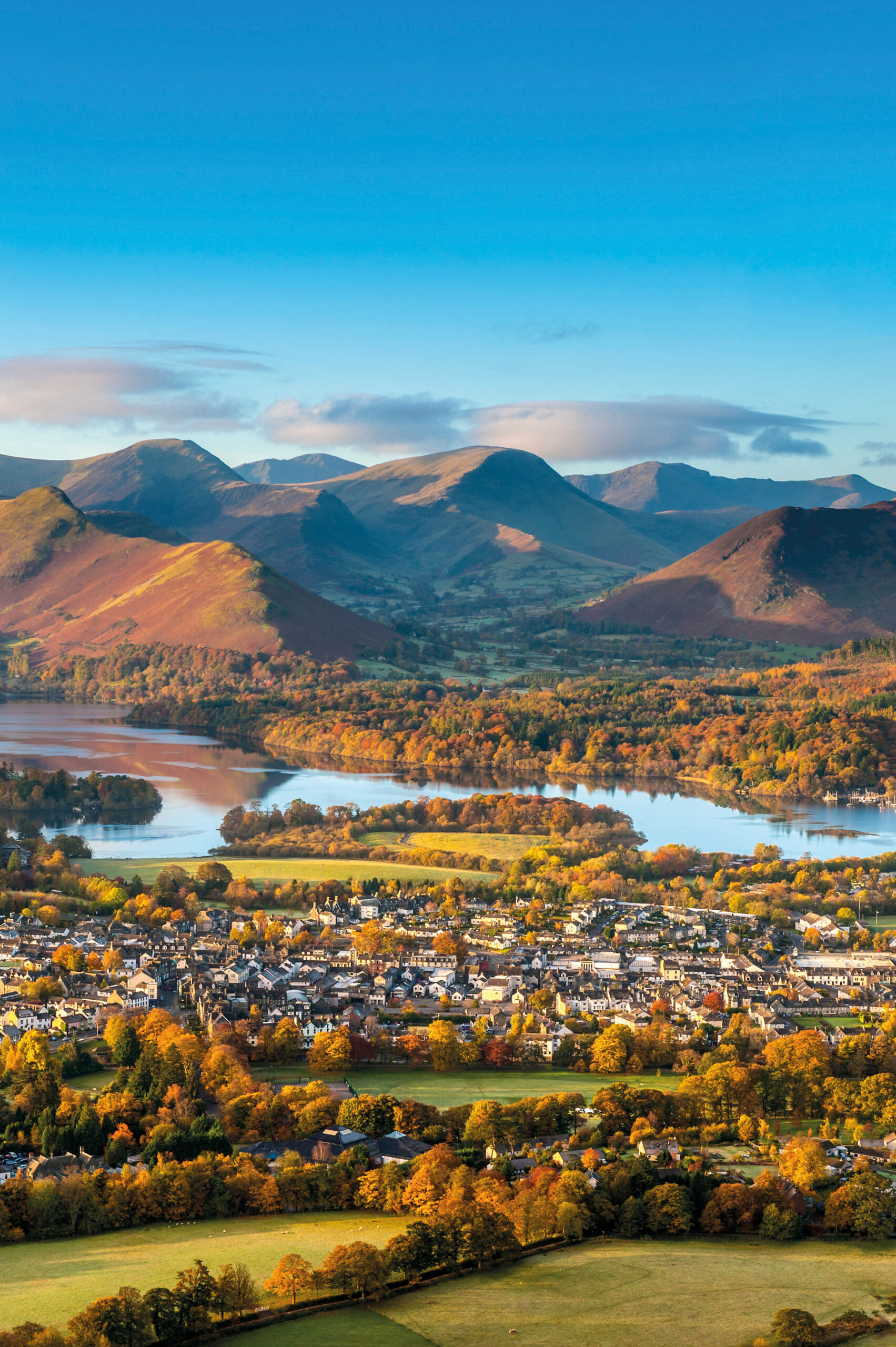
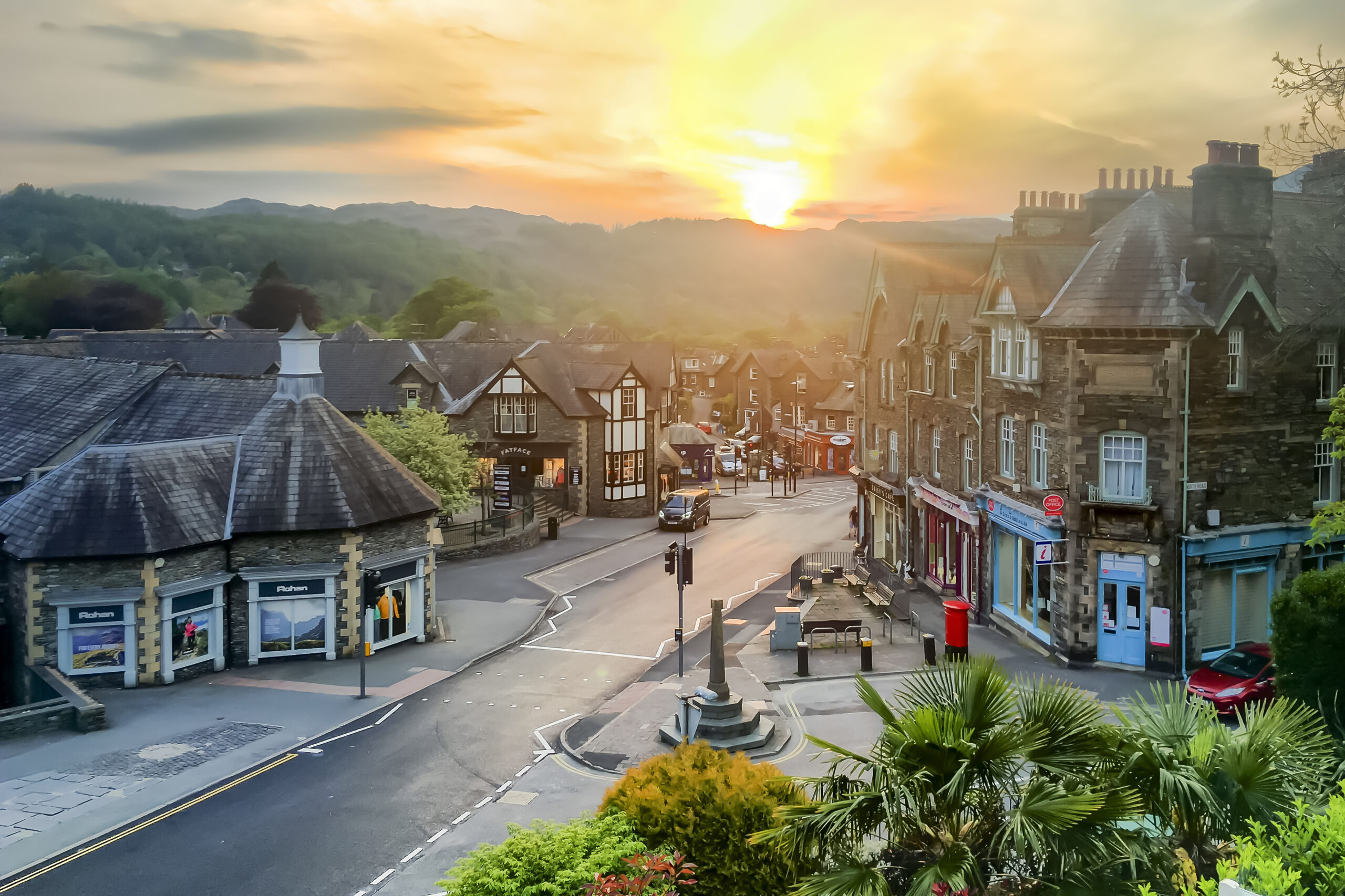
Ambleside started as an early medieval settlement on the brow of a small promontory between Stock Ghyll and Scandale Beck. In the 17th century it developed further at the foot of the hill because of the town’s extensive wool trade and burgeoning water-powered industrial economy. The growth of the tourist trade stimulated by construction of turnpike roads from the 1760s and the arrival of the railway in Windermere in 1847, meant it expanded south- and westwards
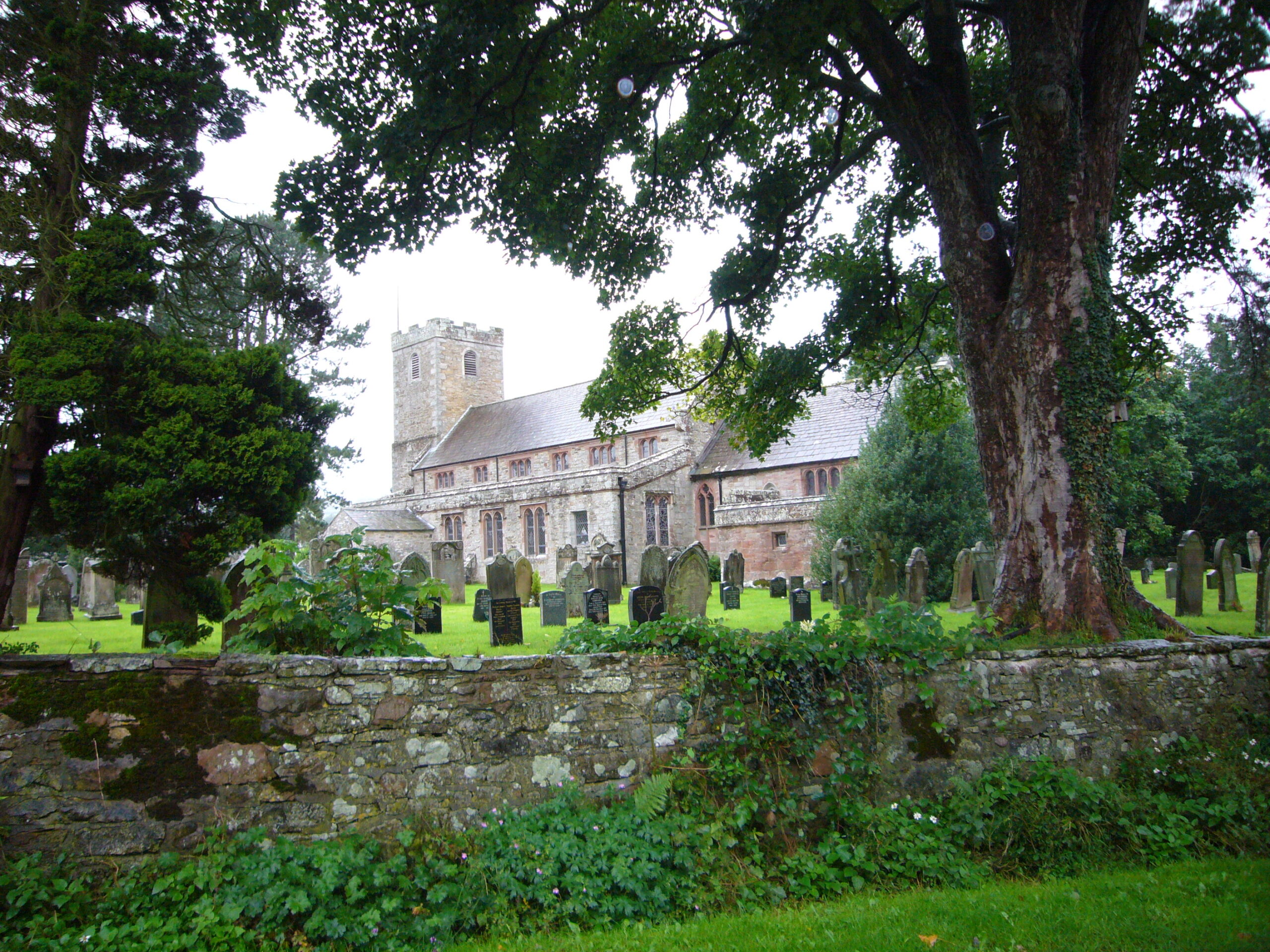
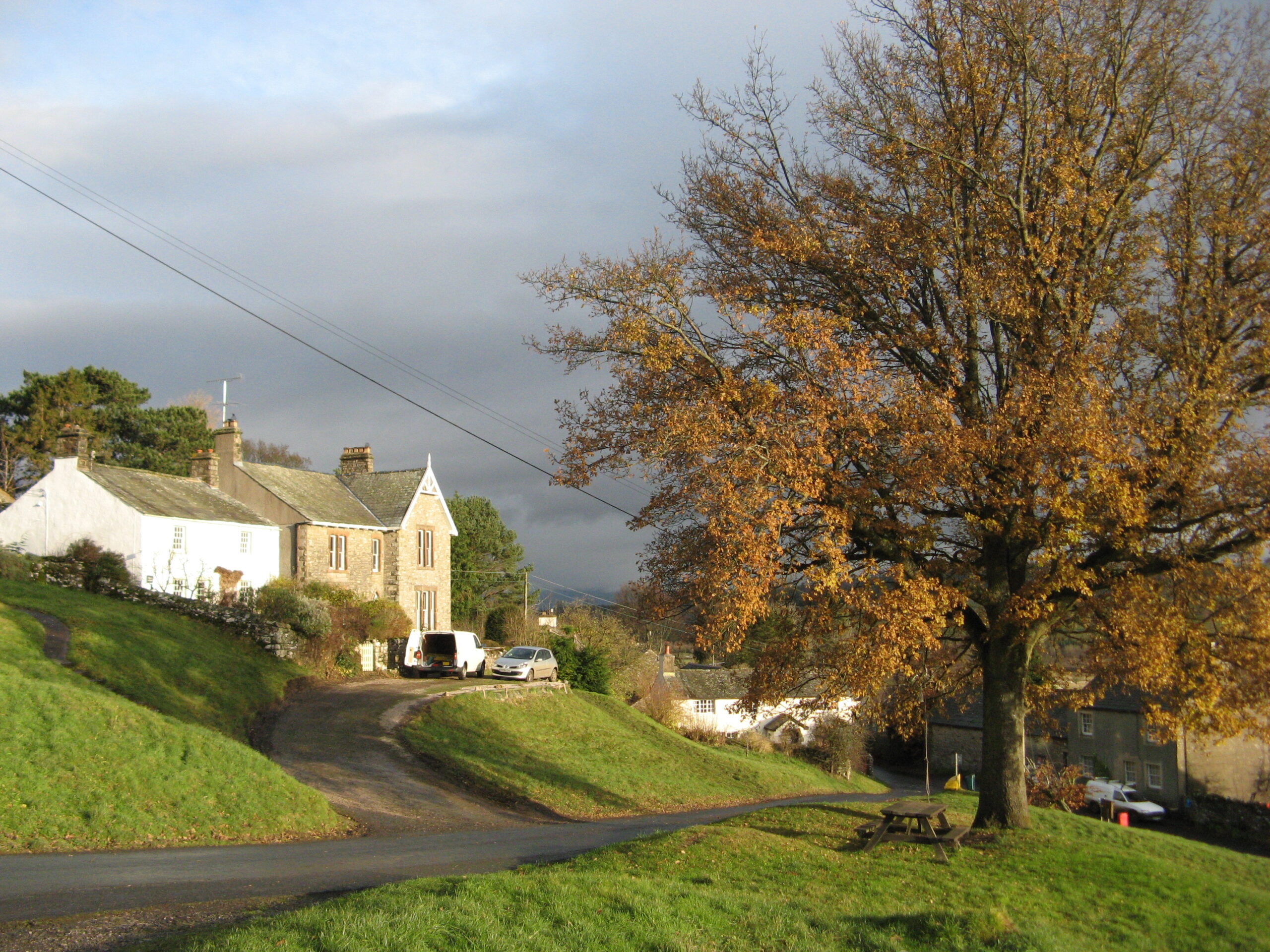
Askham Conservation Area
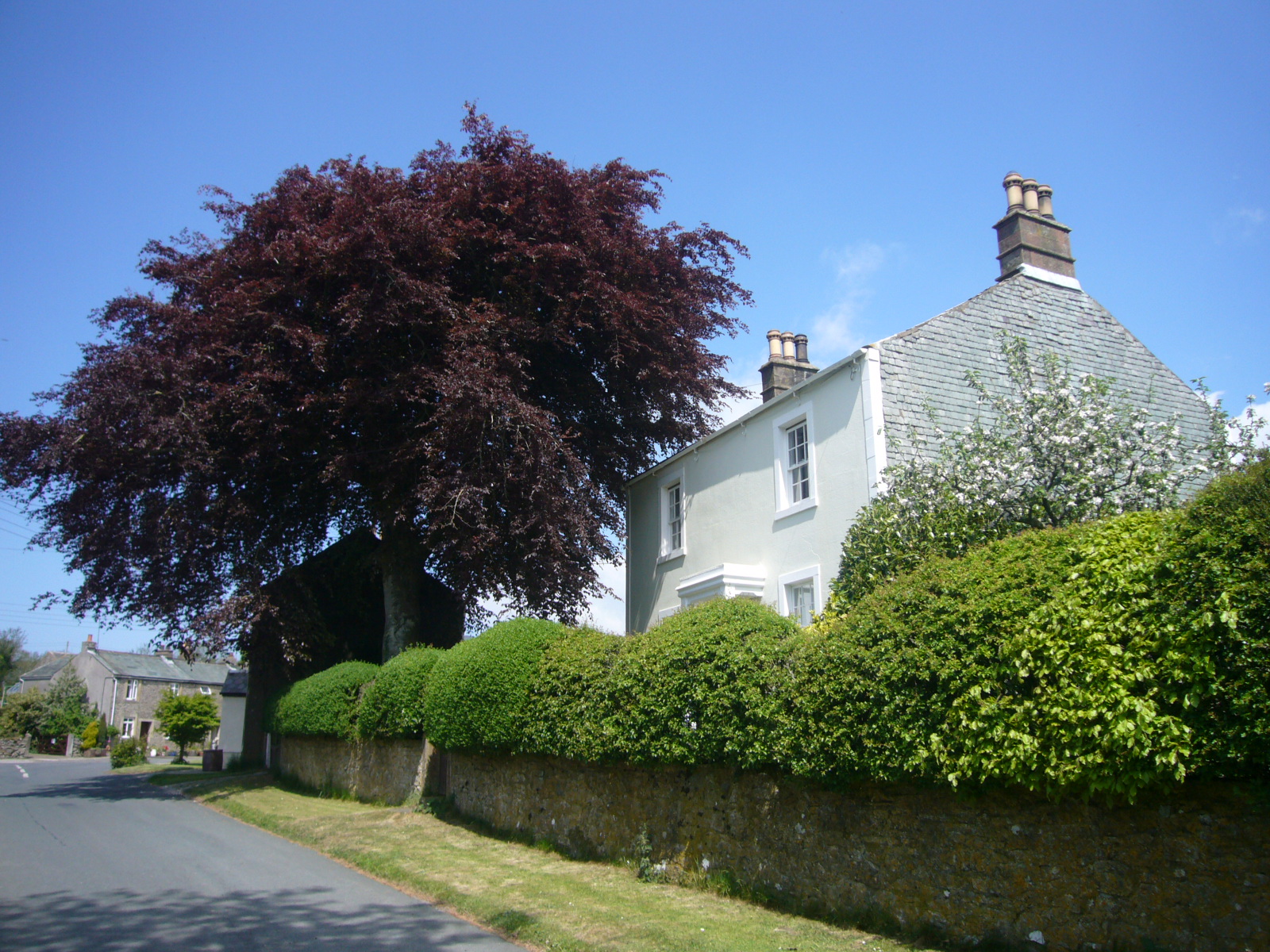
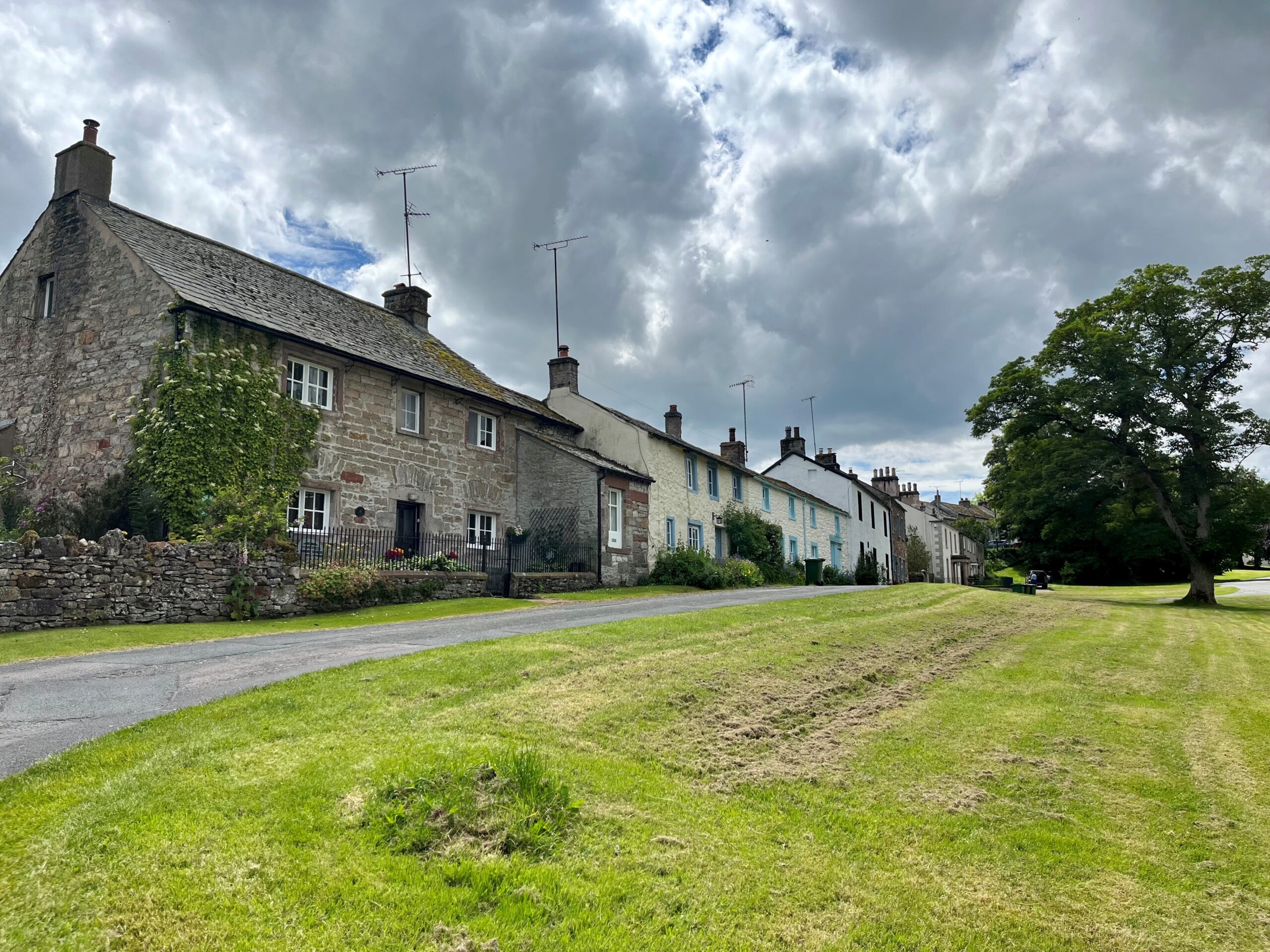
Askham developed as a medieval planned settlement associated with the 14th‑century pele tower at Askham Hall, with evidence of earlier activity on Askham Fell. From the 17th century, peace and growing prosperity led to major rebuilding in stone, replacing earlier timber and thatch structures. The village expanded gradually through the 18th and early 19th centuries, shaped strongly by the Lowther Estate following its purchase in 1724, including the building of the new St Peter’s Church in 1832. Limited 20th‑century development and barn conversions have preserved its linear form and historic character.
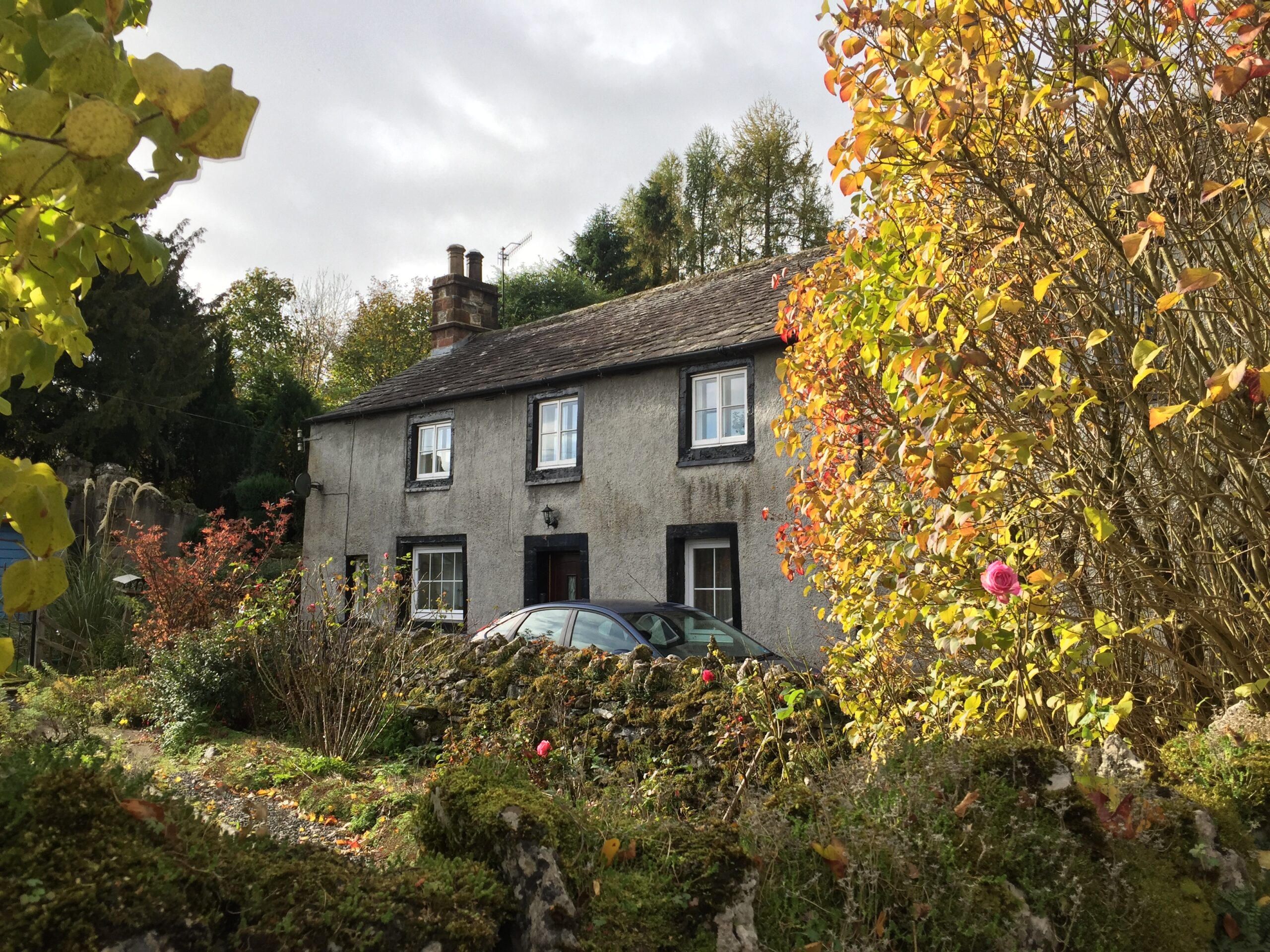
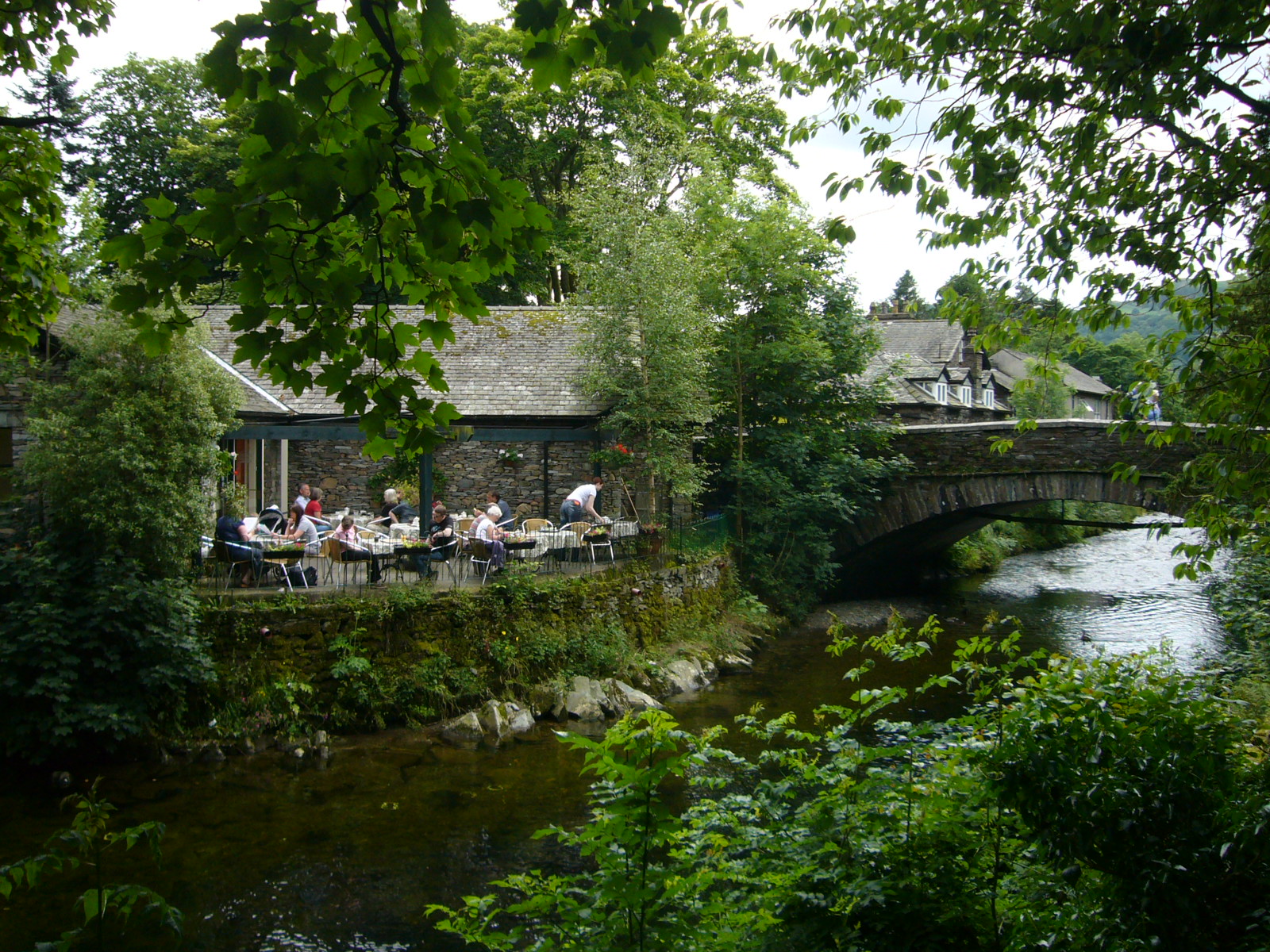
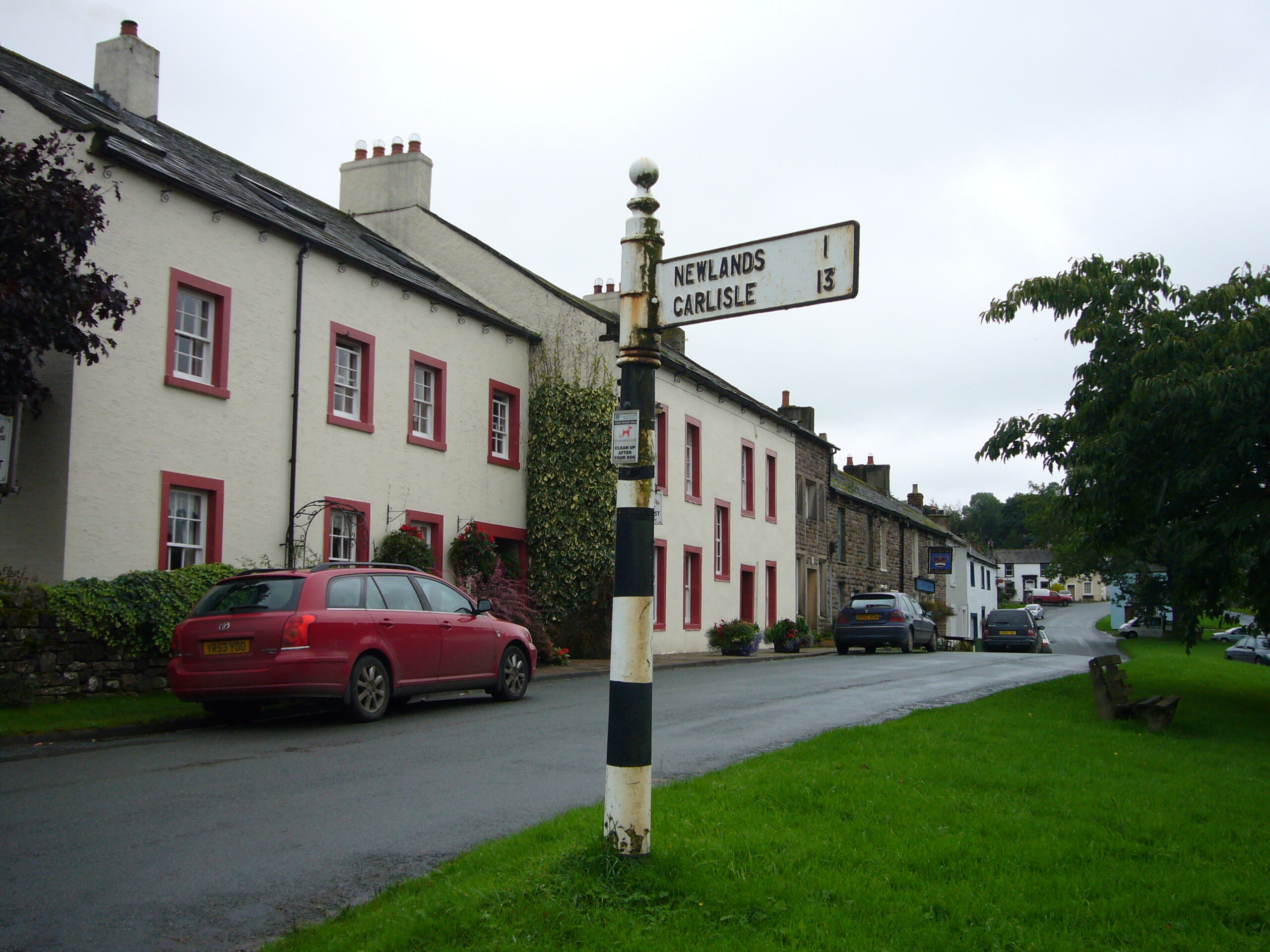
Bampton Conservation Area
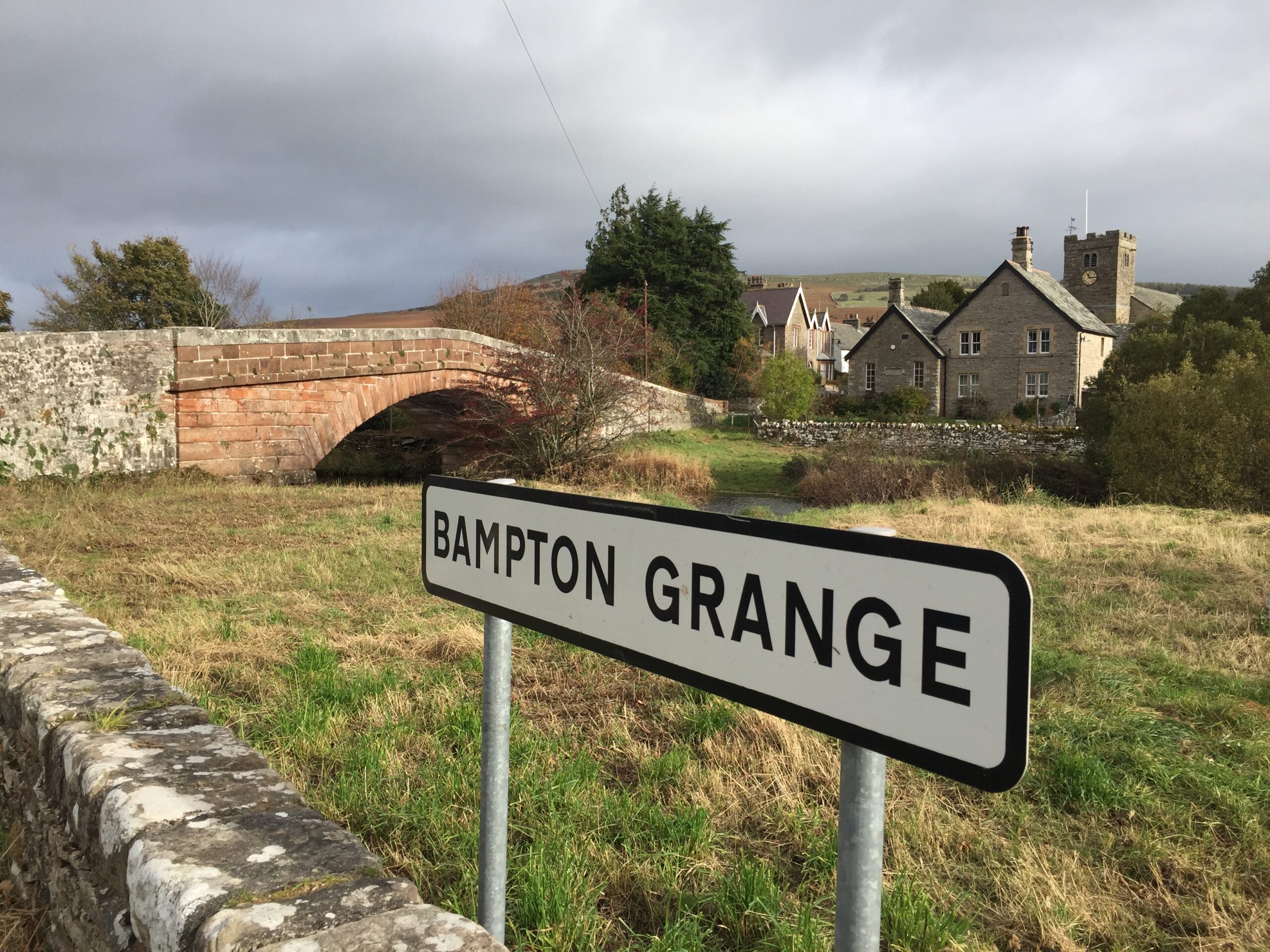
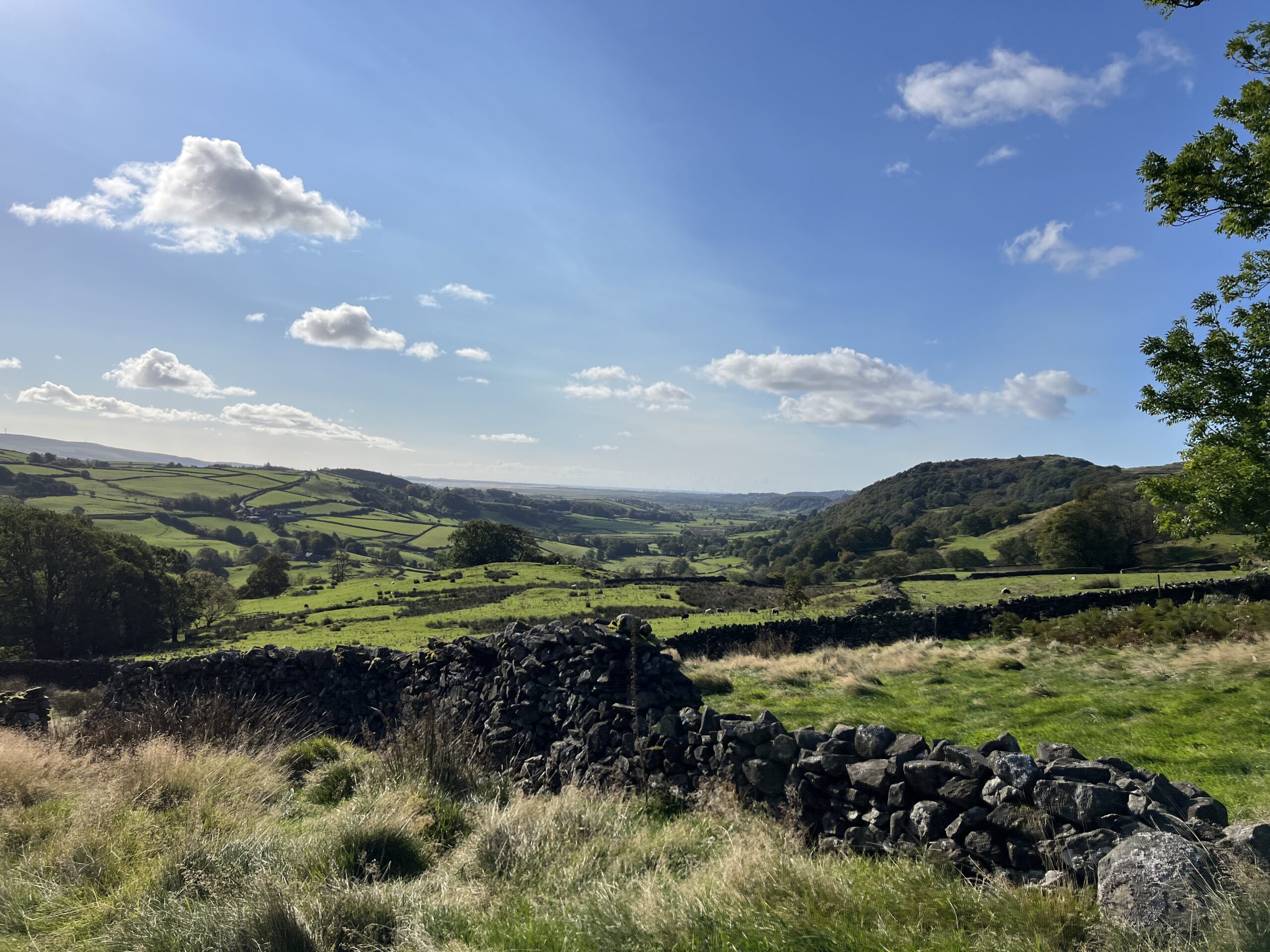
Bampton is one of a string of settlements within the Lowther Valley which have attractive architectural and historic character. Bampton developed around historic route junctions and the crossing of Howes Beck, with Bampton Bridge recorded from the 14th century. The beck powered early mills, and by the 18th century the parish thrived on sheep farming linked to Shap Abbey’s influence. The village lay on key packhorse routes between Penrith and Kendal, later boosted by the 1846 Carlisle–Preston railway nearby. Its layout and buildings have changed little since the 19th century.