
Skip to content
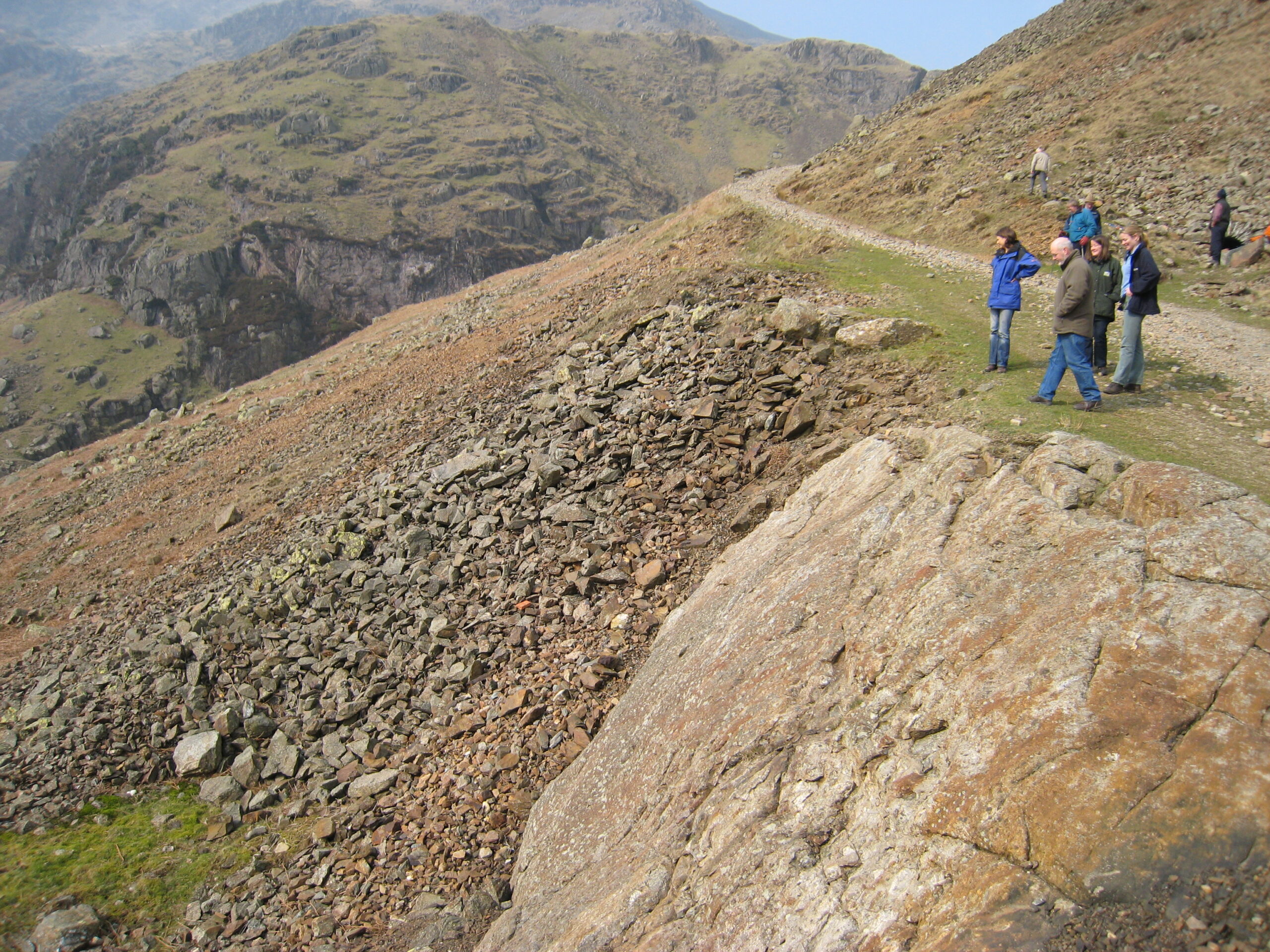
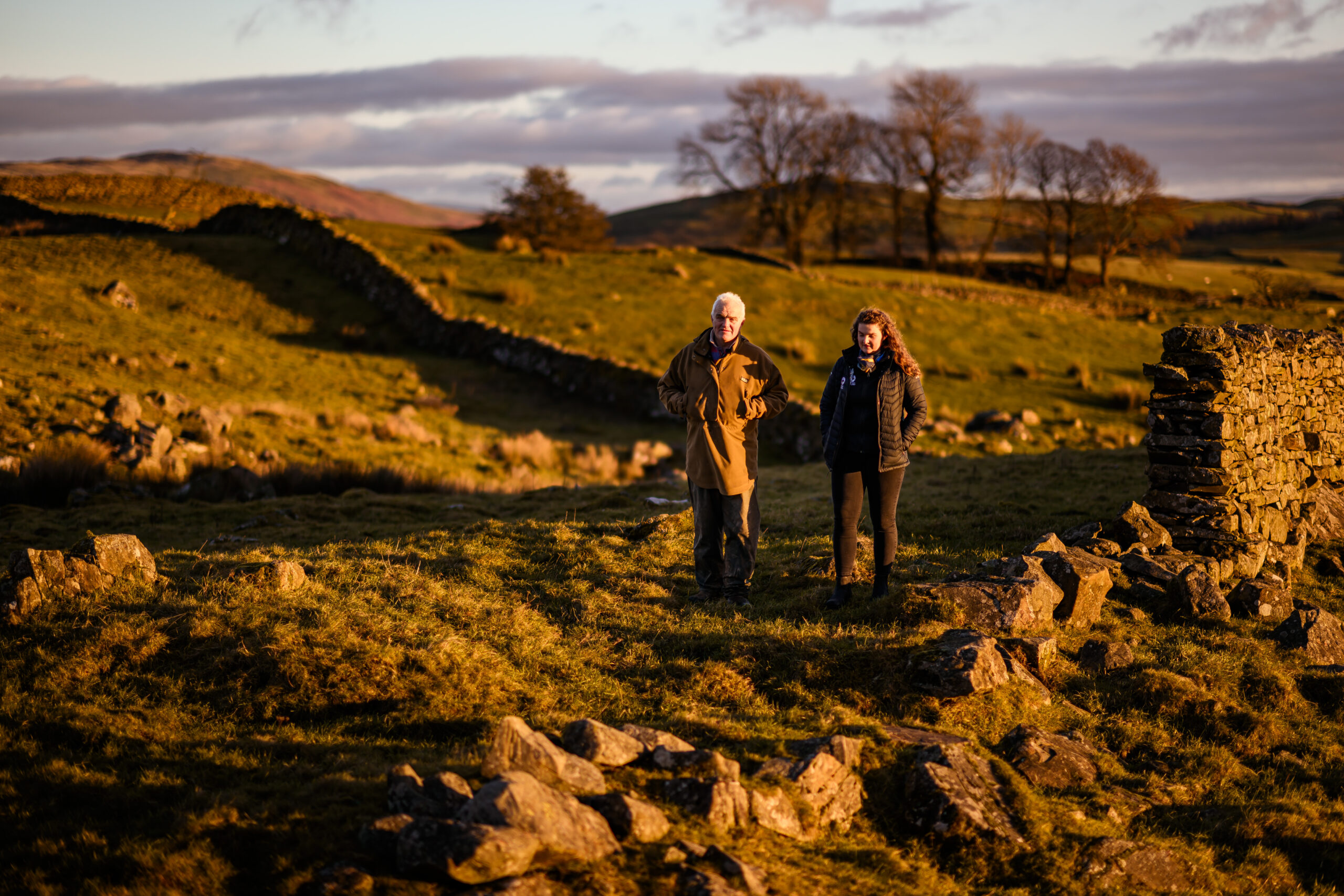
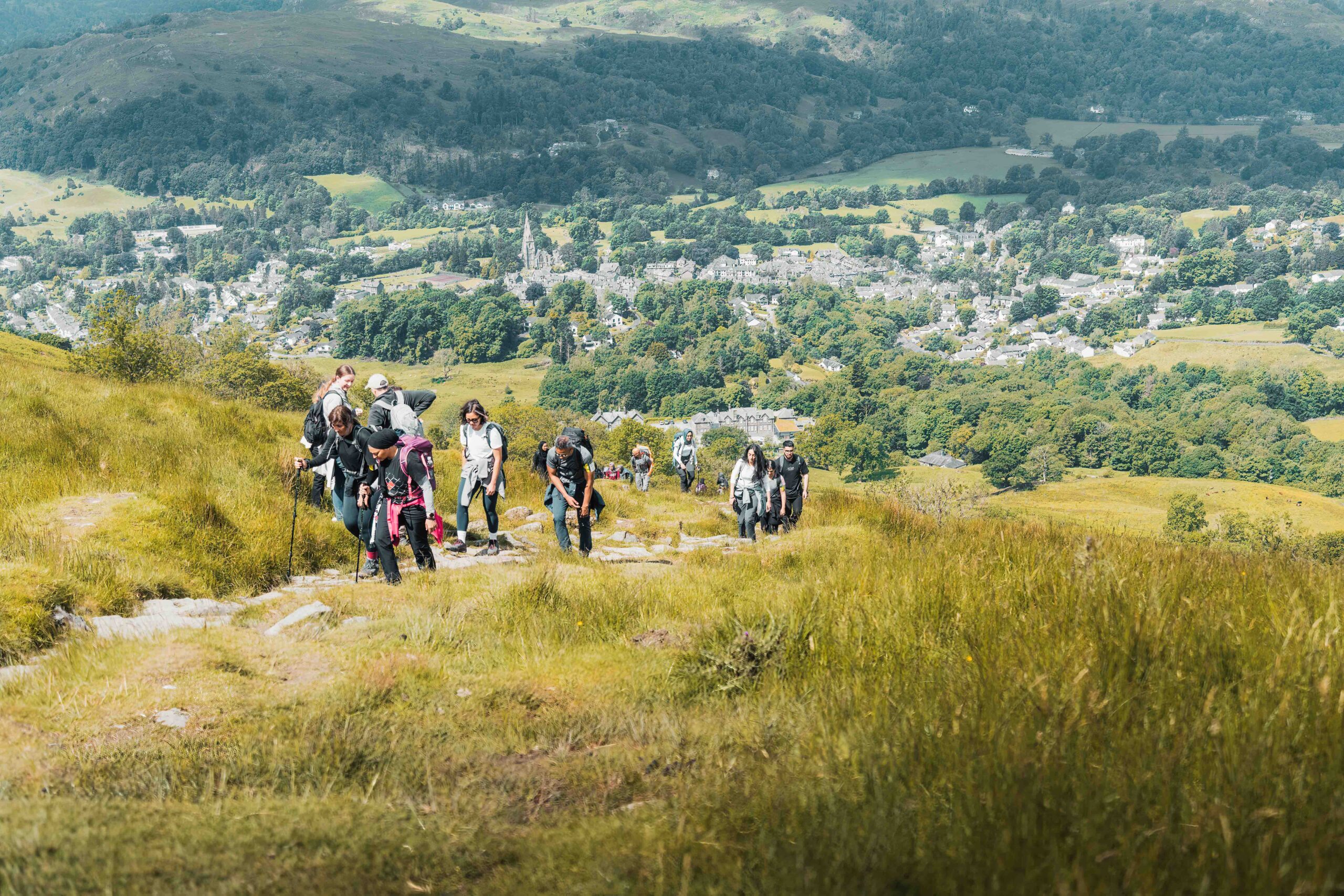
people standing on a path next to rocks

Geology, rocks and minerals

Geological history

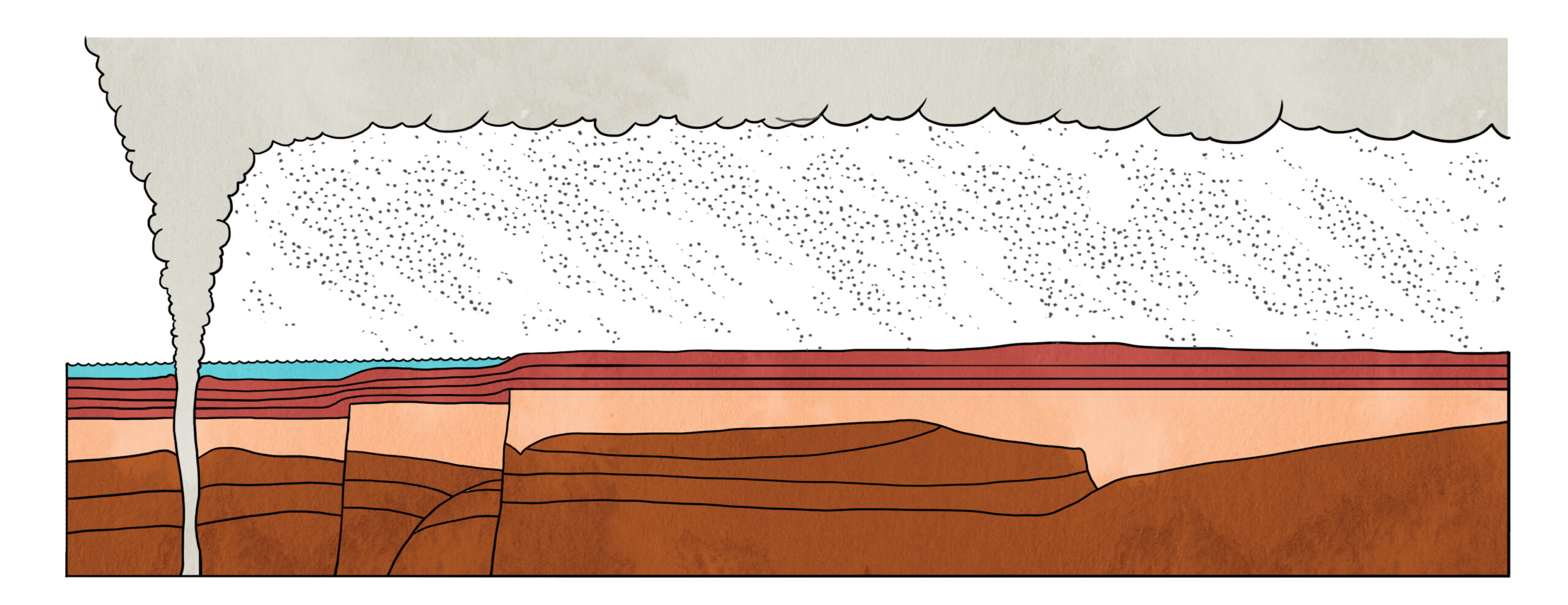
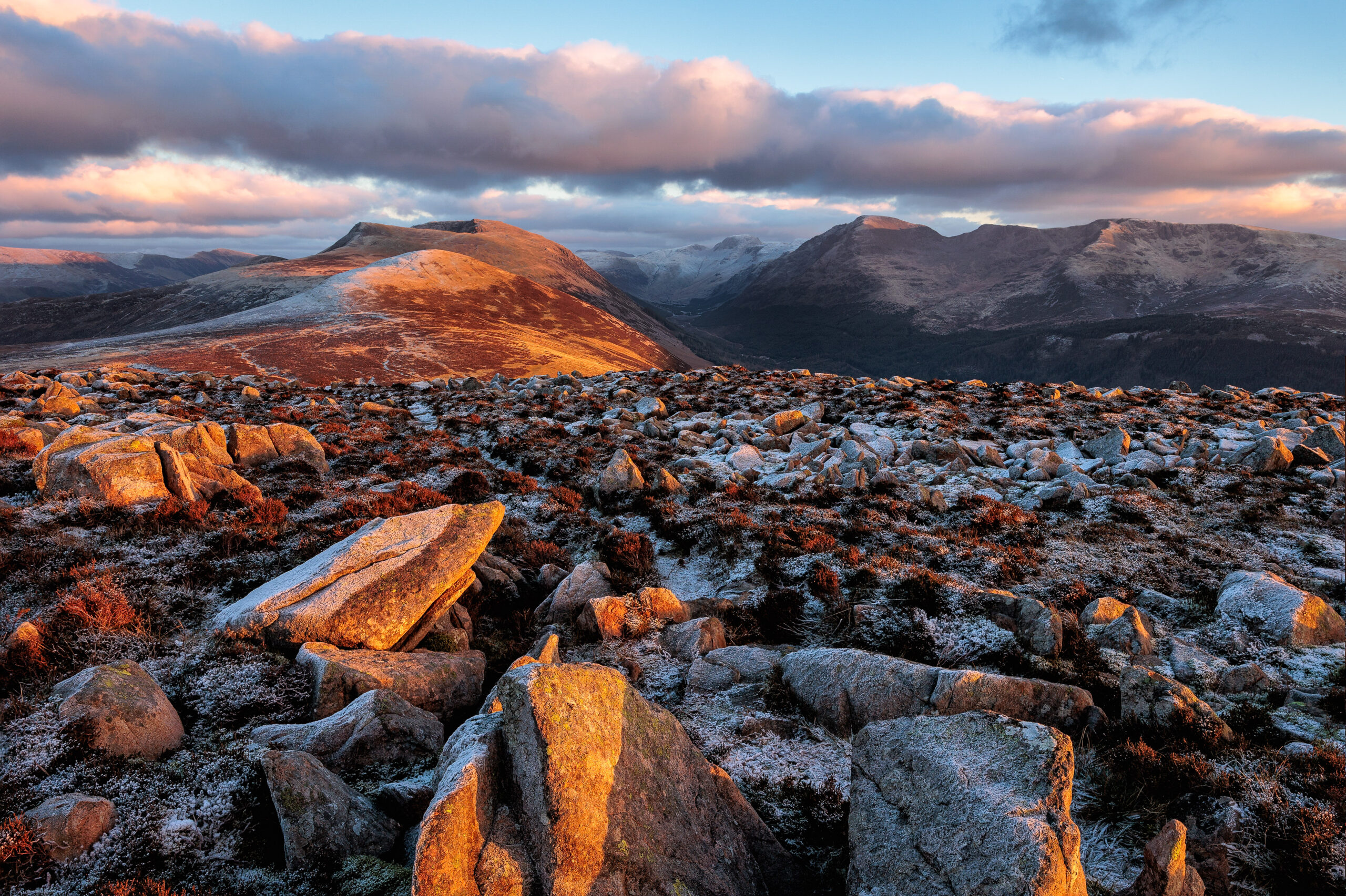
The Lake District was once at the bottom of the deep Iapetus Ocean, south of the Equator. Around 460 million years ago, the fusion of the three continents surrounding this ocean set off an arc of volcanoes along a huge mountain chain. The rocky crags overlooking Coniston today were born out of those volcanoes.

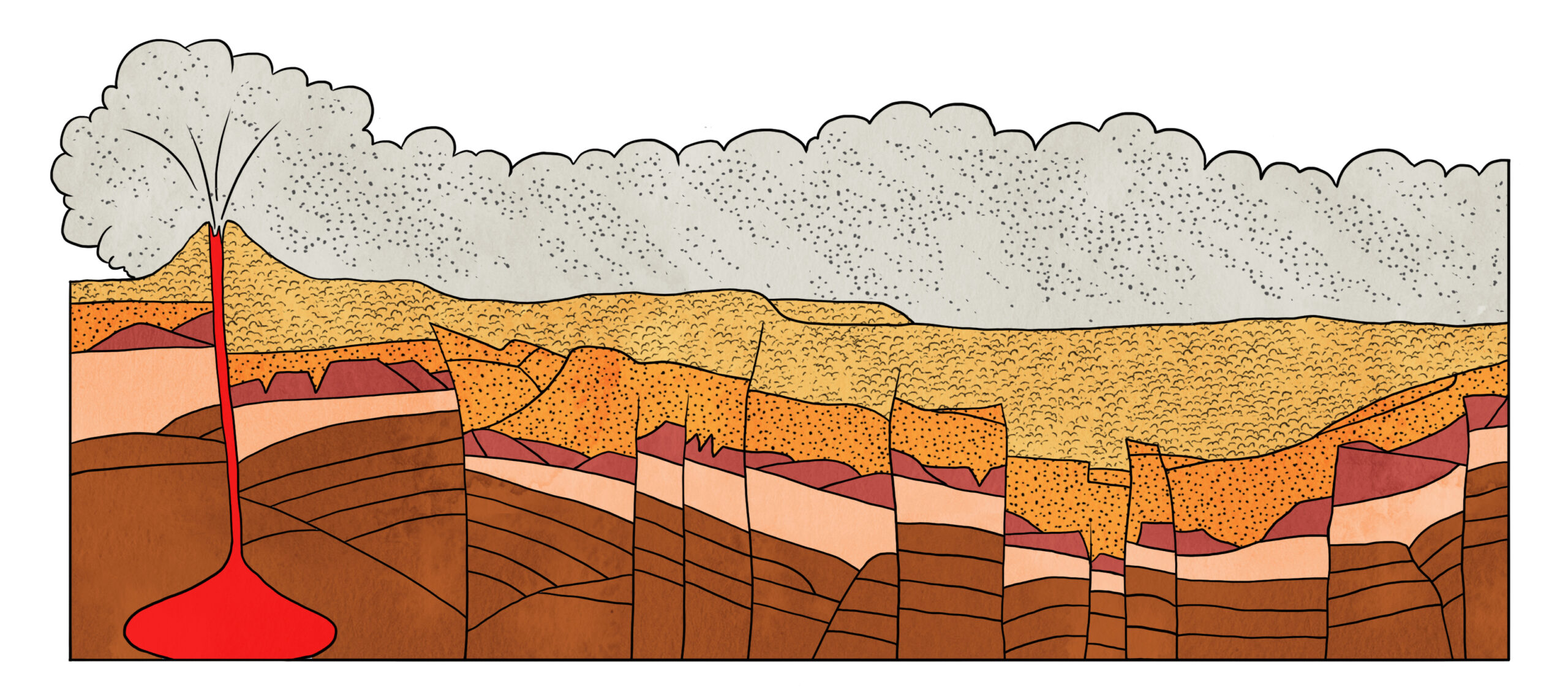
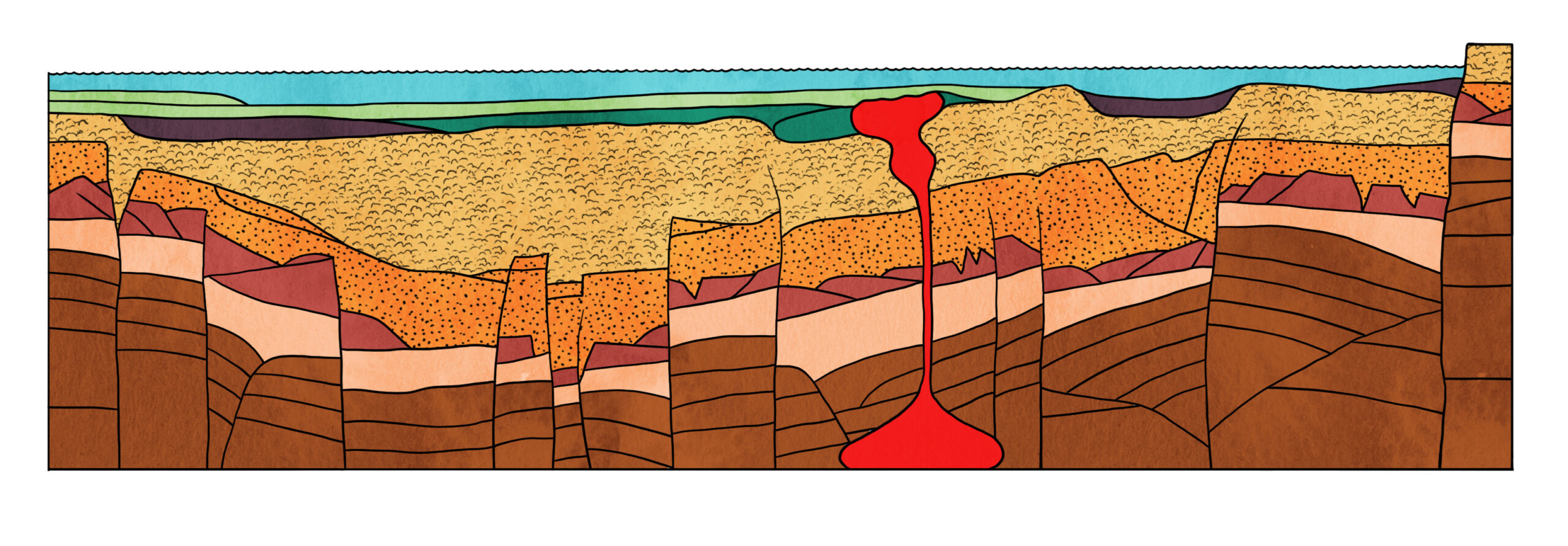
Lava flowing from long cracks in the earth built up a series of layers in the landscape. These layers were weaved in between other layers made up of explosive dust and hot ashes. Clouds of volcanic fallout buried the landscape up to several hundred metres deep. Each of the volcanoes collapsed into itself, leaving behind huge craters known as calderas, into which their volcanic ash settled.

Later movement in the earth’s crust forced these layers to split and fault. The rocks in the layers tilted and folded. Mineral veins formed in the faults in the layers, as hot fluids forced copper and other elements up through the cracks. The fluids cooled as they rose, crystallising into minerals that appear distributed along veins.

Image showing complex geology and geomorphology

Geology and geomorphology

In the Lake District, 500 million years of geological processes have produced a physical landscape of mountains and lakes of great scenic beauty. Learn more on our geology and geomorphology page.